5-Amino-1MQ and SLUPP-332 Synergy: Unlocking Next-Level Metabolic Enhancement in 2026
The world of peptide research is experiencing a revolutionary shift as scientists and health professionals discover powerful combinations that deliver results far beyond what single compounds can achieve. Among the most exciting developments in metabolic enhancement research is the 5-amino-1mq and slupp-332 synergy—a cutting-edge pairing that's capturing attention across medispas, fitness coaching facilities, and peptide research communities worldwide. This dynamic duo represents a new frontier in metabolic optimization, combining NNMT inhibition with GLP-1 receptor activation to create a comprehensive approach to weight management and metabolic health. 🔬
For peptide shoppers, health and fitness coaches, and medispa professionals seeking evidence-based solutions in 2026, understanding the 5-amino-1mq and slupp-332 synergy isn't just beneficial—it's essential. This combination addresses metabolic dysfunction from multiple angles simultaneously, offering a sophisticated approach that aligns with the latest scientific understanding of cellular energy metabolism and hormonal regulation.
Key Takeaways
- Complementary Mechanisms: The 5-amino-1mq and slupp-332 synergy works through distinct but complementary pathways—NNMT inhibition and GLP-1 receptor activation—creating enhanced metabolic effects
- Multi-Target Approach: This combination addresses fat metabolism, insulin sensitivity, appetite regulation, and cellular energy production simultaneously
- Professional Applications: Health coaches and medispa professionals can leverage this synergy for comprehensive metabolic wellness protocols
- Research-Backed Foundation: Both compounds have independent research supporting their mechanisms, with emerging evidence suggesting synergistic benefits
- Quality Matters: Sourcing pharmaceutical-grade peptides from reputable suppliers is critical for research integrity and safety
Understanding the Individual Compounds: 5-Amino-1MQ and SLUPP-332
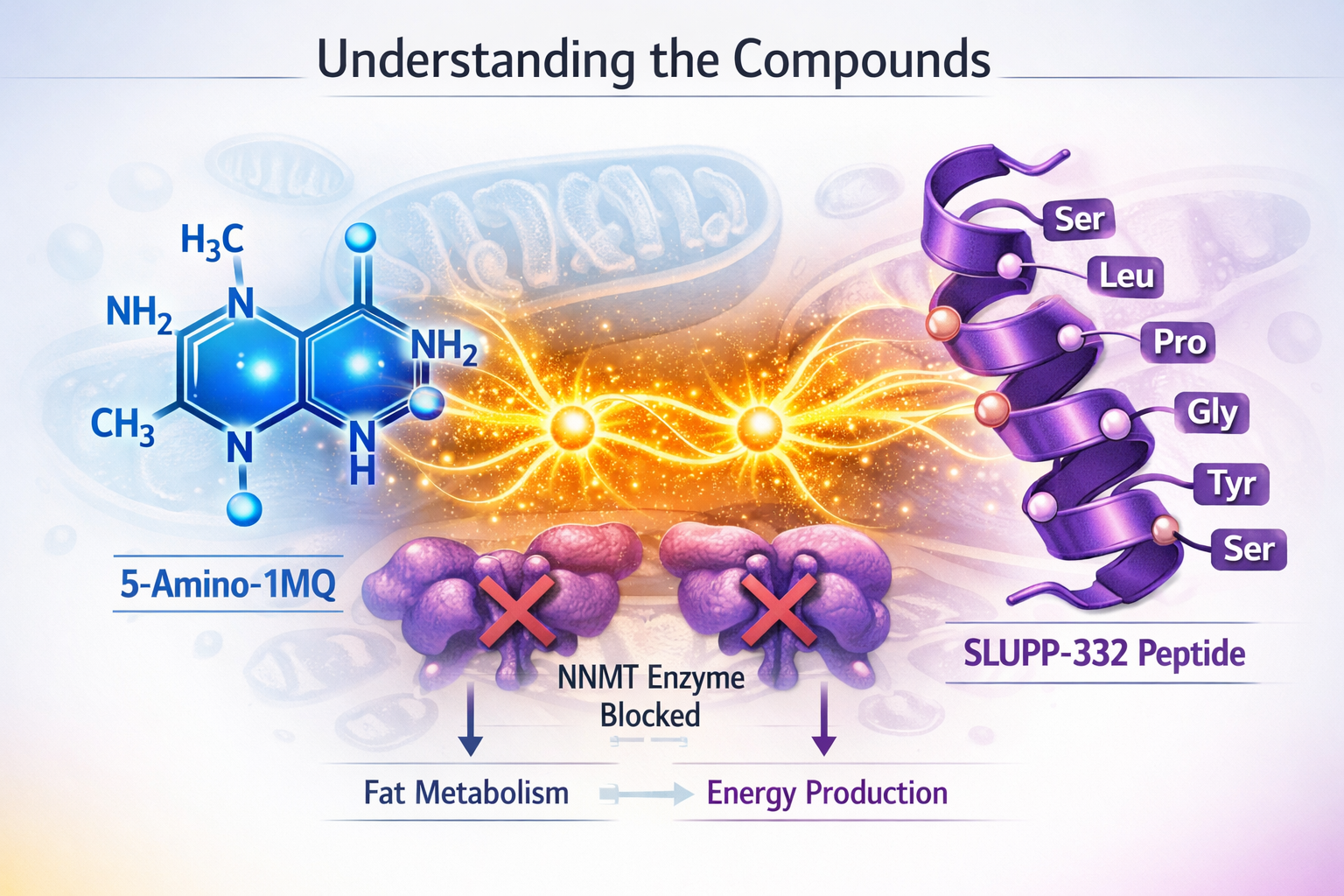
Before exploring the powerful 5-amino-1mq and slupp-332 synergy, it's essential to understand what each compound brings to the table individually.
What Is 5-Amino-1MQ?
5-Amino-1MQ (5-amino-1-methylquinolinium) is a small molecule that functions as a highly selective inhibitor of nicotinamide N-methyltransferase (NNMT). This enzyme plays a crucial role in cellular metabolism by regulating NAD+ levels—a coenzyme essential for energy production in every cell of the body.
When NNMT activity is elevated (which often occurs with obesity and metabolic dysfunction), it depletes NAD+ stores and disrupts normal metabolic function. By inhibiting NNMT, 5-Amino-1MQ helps restore optimal NAD+ levels, which can:
- Enhance fat oxidation and promote the breakdown of stored adipose tissue
- Improve mitochondrial function for better cellular energy production
- Support metabolic flexibility by improving the body's ability to switch between fuel sources
- Increase energy expenditure at the cellular level
Research indicates that NNMT inhibition may be particularly effective for addressing stubborn fat deposits and metabolic slowdown that occurs with aging or prolonged caloric restriction [1].
What Is SLUPP-332?
SLUPP-332 represents a newer class of peptide compounds designed to selectively activate GLP-1 receptors. Unlike traditional GLP-1 receptor agonists, SLUPP-332 demonstrates unique binding characteristics that may offer distinct advantages in metabolic research.
GLP-1 (glucagon-like peptide-1) receptors are found throughout the body, particularly in the pancreas, brain, and gastrointestinal tract. When activated, they trigger multiple beneficial effects:
- Enhanced insulin secretion in response to glucose intake
- Reduced appetite through central nervous system signaling
- Slowed gastric emptying which promotes satiety and reduces food intake
- Improved glucose disposal and insulin sensitivity in peripheral tissues
- Potential neuroprotective effects in brain tissue
SLUPP-332's selective activation profile may provide these benefits while potentially minimizing certain side effects associated with broader GLP-1 receptor activation [2].
Comparing the Mechanisms
| Feature | 5-Amino-1MQ | SLUPP-332 |
|---|---|---|
| Primary Target | NNMT enzyme | GLP-1 receptors |
| Main Mechanism | Enzyme inhibition | Receptor activation |
| Primary Effect | Increased NAD+ availability | Enhanced insulin response & satiety |
| Metabolic Focus | Cellular energy & fat oxidation | Glucose regulation & appetite |
| Administration | Typically oral or subcutaneous | Subcutaneous injection |
| Research Stage | Preclinical/early research | Emerging research compound |
Understanding these individual mechanisms is crucial for appreciating how the 5-amino-1mq and slupp-332 synergy creates a more comprehensive metabolic intervention than either compound alone.
The Science Behind 5-Amino-1MQ and SLUPP-332 Synergy
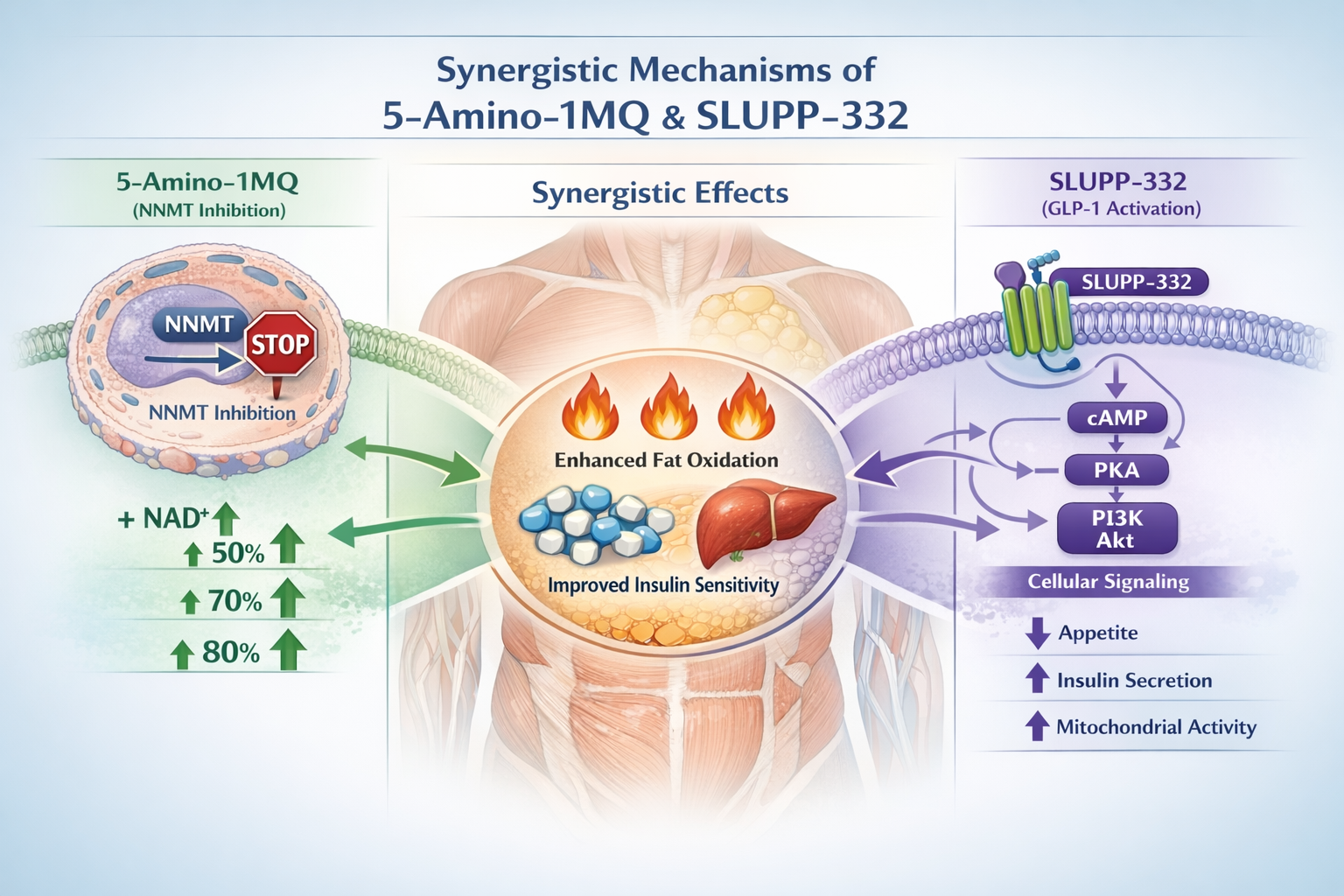
The true power of the 5-amino-1mq and slupp-332 synergy lies in how these compounds complement each other's mechanisms to address metabolic dysfunction from multiple angles simultaneously.
Complementary Metabolic Pathways
When examining metabolic enhancement strategies, single-target approaches often face limitations. The body's metabolic systems are interconnected through complex feedback loops, and addressing only one aspect may trigger compensatory mechanisms that limit overall effectiveness.
The 5-amino-1mq and slupp-332 synergy overcomes this limitation through:
1. Dual Energy System Optimization
5-Amino-1MQ works primarily at the cellular level, enhancing mitochondrial function and NAD+-dependent metabolic processes. This creates a foundation of improved cellular energy production and fat oxidation capacity.
SLUPP-332 operates through hormonal signaling pathways, optimizing insulin function and glucose metabolism while reducing caloric intake through appetite regulation.
Together, they address both the supply side (cellular capacity to burn fuel) and the demand side (hormonal regulation of fuel intake and storage) of metabolic balance.
2. Enhanced Fat Metabolism
Research suggests that NNMT inhibition by 5-Amino-1MQ increases the expression of genes involved in thermogenesis and fat oxidation [3]. Meanwhile, GLP-1 receptor activation by SLUPP-332 improves insulin sensitivity, which helps shift the body away from fat storage mode and toward fat utilization.
This dual action may create a metabolic environment particularly conducive to body composition improvement—a key goal for many fitness coaches and medispa clients.
3. Appetite and Energy Balance
One challenge with metabolic enhancement approaches is that increased energy expenditure often triggers compensatory increases in appetite. SLUPP-332's appetite-suppressing effects through GLP-1 receptor activation may help counteract this tendency, while 5-Amino-1MQ's enhancement of cellular energy production helps maintain energy levels despite reduced caloric intake.
Potential Synergistic Benefits
While research specifically examining the 5-amino-1mq and slupp-332 synergy is still emerging, the complementary mechanisms suggest several potential synergistic benefits:
✅ Greater fat loss compared to either compound alone
✅ Improved metabolic flexibility and substrate utilization
✅ Better preservation of lean muscle mass during caloric restriction
✅ Enhanced insulin sensitivity through multiple pathways
✅ Sustained energy levels despite reduced food intake
✅ Potentially lower effective doses of each compound when used together
Addressing Metabolic Resistance
Many individuals seeking metabolic enhancement have previously attempted various diet and exercise interventions with diminishing returns—a phenomenon sometimes called "metabolic resistance" or "adaptive thermogenesis."
The 5-amino-1mq and slupp-332 synergy may be particularly valuable in these situations because it addresses multiple mechanisms that contribute to metabolic adaptation:
- NNMT upregulation that occurs with obesity and metabolic dysfunction
- Insulin resistance that develops from chronic overnutrition
- Leptin resistance and disrupted appetite signaling
- Reduced NAD+ levels associated with aging and metabolic stress
By targeting these interconnected pathways simultaneously, this synergistic approach may help overcome metabolic plateaus that single interventions cannot address.
For those interested in exploring 5-Amino-1MQ dosage protocols, understanding how it works in combination with other compounds is essential for developing comprehensive research protocols.
Practical Applications for Peptide Shoppers and Health Professionals
Understanding the theory behind 5-amino-1mq and slupp-332 synergy is valuable, but translating that knowledge into practical applications is where health and fitness coaches, medispa professionals, and peptide researchers create real-world value.
For Health and Fitness Coaches
Fitness professionals in 2026 are increasingly incorporating peptide research into their comprehensive wellness programs. The 5-amino-1mq and slupp-332 synergy offers several practical applications:
Client Assessment and Protocol Design
Before considering any peptide research protocol, thorough client assessment is essential:
- Metabolic baseline evaluation: Understanding current metabolic function through body composition analysis, resting metabolic rate, and blood work
- Health history screening: Identifying contraindications and individual risk factors
- Goal clarification: Establishing clear, measurable objectives for the research protocol
- Lifestyle factors: Assessing diet, exercise, sleep, and stress management practices
Integration with Training and Nutrition
The 5-amino-1mq and slupp-332 synergy works best when integrated into a comprehensive approach:
- Resistance training: To maximize lean muscle preservation and enhance metabolic rate
- Cardiovascular exercise: To complement enhanced fat oxidation capacity
- Protein optimization: Higher protein intake to support satiety and muscle preservation
- Nutrient timing: Strategic meal timing to work with GLP-1 receptor activation
- Recovery protocols: Adequate sleep and stress management to support metabolic optimization
Progress Monitoring
Effective coaching requires systematic tracking:
📊 Weekly measurements: Body weight, body composition, circumference measurements
📊 Biweekly assessments: Progress photos, strength metrics, energy levels
📊 Monthly evaluations: Comprehensive body composition analysis, metabolic markers
📊 Quarterly blood work: Metabolic panels, insulin sensitivity markers, lipid profiles
For Medispa Professionals
Medical spas and wellness centers are increasingly offering peptide-based protocols as part of comprehensive aesthetic and wellness services. The 5-amino-1mq and slupp-332 synergy fits naturally into this context:
Client Consultation Framework
Professional medispa protocols should include:
- Medical screening: Comprehensive health history and current medication review
- Laboratory baseline: Pre-protocol blood work including metabolic markers
- Informed consent: Clear communication about research nature and potential outcomes
- Protocol customization: Individualized dosing and timing based on client factors
- Follow-up schedule: Regular check-ins and monitoring appointments
Combining with Other Aesthetic Protocols
The metabolic benefits of 5-amino-1mq and slupp-332 synergy can complement other medispa services:
- Body contouring: Enhanced results when combined with non-invasive fat reduction
- Skin rejuvenation: NAD+ enhancement may support cellular health and skin quality
- IV therapy: Complementary nutrient support for metabolic optimization
- Hormone optimization: Integration with broader hormone wellness programs
Professional Documentation
Maintaining detailed records is essential:
- Protocol specifications: Exact compounds, dosages, timing, and duration
- Client responses: Subjective feedback and objective measurements
- Adverse events: Any unexpected responses or side effects
- Outcome data: Comprehensive before-and-after documentation
For Peptide Shoppers and Researchers
Individuals conducting personal research with the 5-amino-1mq and slupp-332 synergy should prioritize education and quality:
Sourcing Considerations
Quality peptides are fundamental to meaningful research. When purchasing compounds, consider:
✔️ Third-party testing: Independent verification of purity and composition
✔️ Certificate of Analysis (COA): Documentation of peptide quality and concentration
✔️ Proper storage: Temperature-controlled shipping and storage requirements
✔️ Supplier reputation: Established track record and customer reviews
✔️ Regulatory compliance: Adherence to applicable regulations and guidelines
Pure Tested Peptides provides comprehensive quality assurance and detailed product information for researchers seeking reliable compounds.
Research Protocol Development
Systematic research requires careful planning:
- Literature review: Understanding existing research on both compounds
- Baseline establishment: Comprehensive pre-protocol measurements and testing
- Variable control: Maintaining consistent diet, exercise, and lifestyle factors
- Documentation system: Detailed daily logs of administration, responses, and observations
- Safety monitoring: Regular assessment of potential adverse effects
Common Research Questions
Researchers frequently ask about the 5-amino-1mq and slupp-332 synergy:
Q: Should both compounds be started simultaneously?
A: Many researchers prefer to establish tolerance to each compound individually before combining them, allowing for clearer identification of individual responses.
Q: What timing protocol works best?
A: SLUPP-332 is often administered before meals to maximize its effects on insulin response and satiety, while 5-Amino-1MQ timing may be less critical. Individual protocols vary.
Q: How long should a research cycle last?
A: Most research protocols range from 8-12 weeks, with comprehensive assessment before, during, and after the cycle.
Q: Can this synergy be combined with other peptides?
A: Some researchers explore combinations with other metabolic or recovery peptides. Understanding peptide blends research can provide additional context for multi-compound protocols.
Integration with Broader Wellness Strategies
The 5-amino-1mq and slupp-332 synergy should never be viewed as a standalone solution. Maximum benefits occur when peptide research is integrated into comprehensive wellness strategies:
🌟 Nutrition foundation: Whole-food-based diet with appropriate macronutrient balance
🌟 Exercise consistency: Regular resistance training and cardiovascular activity
🌟 Sleep optimization: 7-9 hours of quality sleep nightly
🌟 Stress management: Effective techniques for managing chronic stress
🌟 Hydration: Adequate water intake to support metabolic processes
🌟 Micronutrient sufficiency: Addressing any nutritional deficiencies
This holistic approach creates the optimal environment for peptide research to demonstrate its full potential.
Safety Considerations and Research Protocols
While the 5-amino-1mq and slupp-332 synergy offers exciting possibilities for metabolic research, responsible implementation requires careful attention to safety considerations and proper protocols.
Understanding the Safety Profile
Both 5-Amino-1MQ and SLUPP-332 are research compounds, meaning long-term safety data in humans is limited. This makes informed decision-making and careful monitoring especially important.
5-Amino-1MQ Safety Considerations
Current research suggests 5-Amino-1MQ is generally well-tolerated in animal studies, but human data remains limited:
- Liver function: As NNMT is expressed in liver tissue, monitoring liver enzymes is prudent
- NAD+ elevation: While increased NAD+ is generally beneficial, monitoring for unexpected effects is wise
- Drug interactions: Potential interactions with medications affecting methylation pathways
- Individual variation: Response can vary based on baseline NNMT expression levels
SLUPP-332 Safety Considerations
As a GLP-1 receptor agonist, SLUPP-332 may share some characteristics with other compounds in this class:
- Gastrointestinal effects: Nausea, reduced appetite, and digestive changes are possible
- Hypoglycemia risk: Particularly in those with diabetes or taking glucose-lowering medications
- Thyroid considerations: Some GLP-1 agonists have shown thyroid effects in animal studies
- Pancreatitis: Rare but serious concern with some GLP-1 receptor agonists
Combined Protocol Considerations
When using the 5-amino-1mq and slupp-332 synergy, additional considerations include:
⚠️ Additive effects: Enhanced metabolic effects may require closer monitoring
⚠️ Interaction potential: Unknown interactions between the compounds
⚠️ Individual response: Some individuals may be more sensitive to combined protocols
⚠️ Dose adjustment: May require lower doses of each compound when combined
Recommended Monitoring Protocols
Responsible research with 5-amino-1mq and slupp-332 synergy includes systematic monitoring:
Pre-Protocol Assessment
Before beginning research:
- Comprehensive metabolic panel: Glucose, liver enzymes, kidney function
- Lipid panel: Cholesterol, triglycerides
- Thyroid function: TSH, free T3, free T4
- Complete blood count: General health screening
- Baseline measurements: Weight, body composition, blood pressure, resting heart rate
During Protocol Monitoring
Throughout the research period:
- Weekly: Body weight, subjective energy levels, appetite changes, any adverse effects
- Bi-weekly: Body composition, blood pressure, resting heart rate
- Monthly: Comprehensive reassessment of all baseline measurements
- As needed: Medical consultation if any concerning symptoms develop
Post-Protocol Assessment
After completing a research cycle:
- Immediate post-cycle: Repeat all baseline measurements within one week
- 4-week follow-up: Assessment of sustained effects and metabolic markers
- 12-week follow-up: Long-term impact evaluation
Contraindications and Precautions
Certain individuals should avoid or approach the 5-amino-1mq and slupp-332 synergy with extra caution:
Absolute Contraindications
❌ Pregnancy or breastfeeding
❌ Active cancer or history of certain cancers
❌ Severe liver or kidney disease
❌ History of pancreatitis
❌ Personal or family history of medullary thyroid carcinoma
❌ Multiple endocrine neoplasia syndrome type 2
Relative Contraindications (Require Medical Consultation)
⚠️ Diabetes or blood sugar regulation issues
⚠️ Thyroid disorders
⚠️ Gastrointestinal disorders
⚠️ Cardiovascular disease
⚠️ Taking medications affecting metabolism
⚠️ History of eating disorders
Proper Administration and Storage
Maintaining peptide integrity is crucial for research validity:
Storage Requirements
- Lyophilized (powder) form: Store in freezer (-20°C or colder) until reconstitution
- Reconstituted peptides: Refrigerate (2-8°C) and use within recommended timeframe
- Protect from light: Store in original packaging or amber vials
- Avoid contamination: Use sterile technique for all handling
Administration Best Practices
For subcutaneous administration:
- Sterile technique: Clean hands, sterile supplies, proper injection site preparation
- Rotation of sites: Vary injection locations to prevent tissue irritation
- Proper disposal: Use sharps container for all needles and syringes
- Consistent timing: Maintain regular administration schedule for reliable results
When to Discontinue or Seek Medical Attention
Stop research and consult a healthcare provider if experiencing:
🚨 Severe abdominal pain
🚨 Persistent nausea or vomiting
🚨 Signs of allergic reaction (rash, difficulty breathing, swelling)
🚨 Unusual fatigue or weakness
🚨 Yellowing of skin or eyes
🚨 Severe or persistent headaches
🚨 Rapid heart rate or chest pain
Responsible Research Ethics
Conducting research with 5-amino-1mq and slupp-332 synergy carries ethical responsibilities:
- Informed decision-making: Thoroughly understanding both potential benefits and risks
- Honest documentation: Accurate recording of all protocols and responses
- Medical supervision: Working with qualified healthcare providers when appropriate
- Community responsibility: Sharing experiences honestly to contribute to collective knowledge
- Quality sourcing: Obtaining compounds from reputable suppliers with proper testing
For those exploring various peptide options, understanding where to buy quality peptides from trusted sources is fundamental to safe and effective research.
Optimizing Results: Advanced Strategies and Considerations

For those already familiar with basic 5-amino-1mq and slupp-332 synergy protocols, advanced optimization strategies can help maximize research outcomes while maintaining safety.
Cycling and Protocol Timing
Strategic cycling can help maintain effectiveness and minimize adaptation:
Standard Cycle Approach
- 8-12 week active phase: Primary research period with both compounds
- 4-6 week break: Allow metabolic systems to reset
- Reassessment period: Evaluate sustained benefits and plan next steps
Pulsed Protocol Approach
Some researchers explore pulsed administration:
- 5 days on, 2 days off: Weekly cycling to prevent receptor downregulation
- 2 weeks on, 1 week off: Longer pulse cycles for sustained effects
- Gradual dose escalation: Starting lower and increasing over time
Seasonal Considerations
Timing research cycles around lifestyle factors:
- Pre-summer cutting phase: 12-16 weeks before peak aesthetic goals
- Post-holiday reset: Following periods of higher caloric intake
- Athletic periodization: Aligned with training cycles and competition schedules
Complementary Compounds and Stacks
While 5-amino-1mq and slupp-332 synergy is powerful alone, some researchers explore complementary additions:
Metabolic Support Compounds
- MOTS-C: Mitochondrial-derived peptide that may enhance metabolic flexibility
- AOD-9604: Fragment peptide with fat metabolism properties
- Tesamorelin: Growth hormone-releasing peptide for body composition
Recovery and Preservation Compounds
- BPC-157: Tissue repair and gut health support
- TB-500: Recovery enhancement and inflammation modulation
- Thymosin Beta-4: Cellular repair and regeneration
For comprehensive information on peptide combinations, exploring research on synergistic protocols provides valuable insights.
Nutritional Optimization Strategies
Diet plays a crucial role in maximizing 5-amino-1mq and slupp-332 synergy research outcomes:
Macronutrient Considerations
- Protein: 1.6-2.2g per kg body weight to support lean mass preservation
- Carbohydrates: Strategic timing around training to optimize insulin sensitivity
- Fats: Adequate essential fatty acids while maintaining caloric control
- Fiber: High intake to support satiety and gut health
Nutrient Timing
- Pre-SLUPP-332 administration: Light protein-based meal to maximize GLP-1 effects
- Post-workout nutrition: Optimized for recovery and muscle preservation
- Evening meals: Lighter to work with natural metabolic rhythms
Micronutrient Support
Supporting NAD+ pathways and metabolic function:
- B-vitamins: Especially B3 (niacin) for NAD+ precursor support
- Magnesium: Critical for hundreds of metabolic reactions
- Zinc: Supports insulin function and metabolic enzymes
- Vitamin D: Influences insulin sensitivity and metabolic health
Training Optimization
Exercise protocols that complement 5-amino-1mq and slupp-332 synergy:
Resistance Training
- Frequency: 4-5 sessions per week for optimal muscle preservation
- Intensity: Moderate to high intensity to maintain muscle mass
- Volume: Sufficient to stimulate muscle protein synthesis
- Progressive overload: Continued strength progression despite caloric restriction
Cardiovascular Training
- LISS (Low-Intensity Steady State): 30-45 minutes, 3-4x weekly for fat oxidation
- HIIT (High-Intensity Interval Training): 2-3x weekly for metabolic enhancement
- NEAT (Non-Exercise Activity Thermogenesis): Daily step goals and general activity
Recovery Protocols
- Sleep optimization: 7-9 hours nightly for metabolic recovery
- Stress management: Meditation, yoga, or other stress-reduction techniques
- Active recovery: Light movement on rest days
- Deload weeks: Periodic reduction in training intensity
Tracking and Assessment Tools
Advanced researchers use sophisticated tracking methods:
Technology Integration
📱 Continuous glucose monitors: Real-time insulin sensitivity feedback
📱 Body composition scales: Regular tracking of lean mass and fat mass
📱 Fitness trackers: Activity levels, heart rate variability, sleep quality
📱 Food logging apps: Precise macronutrient tracking
Laboratory Monitoring
- Insulin sensitivity markers: Fasting insulin, HOMA-IR, HbA1c
- Metabolic markers: Thyroid function, cortisol, sex hormones
- Inflammatory markers: hsCRP, homocysteine
- Lipid advanced panels: Particle size and number, not just total cholesterol
Subjective Assessments
- Energy levels: Daily rating scale (1-10)
- Appetite and cravings: Frequency and intensity tracking
- Mood and cognition: Mental clarity and emotional state
- Sleep quality: Subjective rating and any changes
- Training performance: Strength, endurance, recovery capacity
Troubleshooting Common Challenges
Even with optimal protocols, researchers may encounter challenges:
Plateaus in Progress
If results stall:
- Reassess caloric intake: Metabolic adaptation may require adjustment
- Vary training stimulus: Change exercise variables to promote adaptation
- Check sleep and stress: Hidden factors affecting results
- Verify peptide quality: Ensure compounds maintain potency
- Consider refeed days: Strategic higher-calorie days to reset metabolism
Excessive Side Effects
If experiencing unwanted effects:
- Reduce dosages: Lower amounts of one or both compounds
- Adjust timing: Change when compounds are administered
- Improve injection technique: Ensure proper subcutaneous administration
- Address nutritional deficiencies: Support metabolic pathways with proper nutrition
- Consult healthcare provider: Professional guidance for persistent issues
Suboptimal Response
If results are less than expected:
- Verify protocol adherence: Ensure consistency in all aspects
- Check baseline health: Address underlying metabolic issues
- Assess lifestyle factors: Diet, exercise, sleep, stress all matter
- Consider individual variation: Genetic and epigenetic factors affect response
- Evaluate peptide sourcing: Quality and purity are critical
Long-Term Sustainability
The goal isn't just short-term results but sustainable metabolic health:
Transitioning Off Protocol
- Gradual reduction: Taper doses rather than abrupt cessation
- Maintain lifestyle habits: Continue diet and exercise practices
- Monitor closely: Watch for rebound effects
- Plan maintenance: Consider lower-dose maintenance protocols
- Reassess periodically: Regular check-ins on metabolic markers
Preserving Results
- Continued training: Maintain muscle mass through resistance exercise
- Dietary discipline: Sustainable eating patterns, not extreme restriction
- Metabolic flexibility: Practice varied nutrition approaches
- Stress management: Long-term cortisol control
- Sleep prioritization: Consistent quality sleep
For those interested in exploring the broader landscape of peptide research, understanding the best peptide retail options in the US can provide access to quality compounds for various research goals.
Conclusion: The Future of Metabolic Research with 5-Amino-1MQ and SLUPP-332 Synergy
The 5-amino-1mq and slupp-332 synergy represents a sophisticated approach to metabolic enhancement that addresses the complex, interconnected nature of human metabolism. By combining NNMT inhibition with selective GLP-1 receptor activation, this powerful pairing offers a multi-faceted strategy that goes beyond what single compounds can achieve.
For peptide shoppers in 2026, this synergy provides an evidence-based option backed by scientific understanding of metabolic pathways. The complementary mechanisms—enhancing cellular NAD+ availability while optimizing insulin function and appetite regulation—create a comprehensive approach to metabolic optimization.
For health and fitness coaches, the 5-amino-1mq and slupp-332 synergy offers a valuable tool for helping clients overcome metabolic plateaus and achieve body composition goals that seemed out of reach. When integrated into comprehensive programs that include proper nutrition, strategic training, and lifestyle optimization, this combination can deliver remarkable results.
For medispa professionals, this synergistic protocol fits naturally into aesthetic wellness offerings, providing clients with cutting-edge metabolic support that complements other body contouring and wellness services. The ability to address metabolic health from multiple angles simultaneously makes this combination particularly valuable in professional settings.
Key Success Factors
Achieving optimal results with 5-amino-1mq and slupp-332 synergy requires:
✅ Quality sourcing: Pharmaceutical-grade peptides from reputable suppliers
✅ Proper protocols: Evidence-based dosing and administration
✅ Comprehensive approach: Integration with nutrition, training, and lifestyle
✅ Systematic monitoring: Regular assessment and adjustment
✅ Professional guidance: Working with qualified healthcare providers when appropriate
✅ Patient consistency: Sustained adherence to protocols over time
Actionable Next Steps
For those ready to explore 5-amino-1mq and slupp-332 synergy research:
1. Education First
- Review scientific literature on both compounds
- Understand mechanisms, benefits, and potential risks
- Join research communities to learn from others' experiences
- Consider consulting with healthcare professionals familiar with peptide research
2. Establish Baselines
- Complete comprehensive health screening
- Obtain baseline laboratory values
- Document starting body composition and measurements
- Assess current metabolic health status
3. Source Quality Compounds
- Research reputable peptide suppliers
- Verify third-party testing and certificates of analysis
- Ensure proper storage and handling capabilities
- Start with trusted sources known for quality and reliability
4. Design Your Protocol
- Determine appropriate dosages based on research and individual factors
- Plan administration timing and frequency
- Establish monitoring schedule
- Prepare documentation system
5. Optimize Supporting Factors
- Develop nutrition plan aligned with research goals
- Create training program to complement metabolic enhancement
- Implement sleep optimization strategies
- Address stress management
6. Monitor and Adjust
- Track all relevant metrics consistently
- Assess progress at regular intervals
- Make data-driven adjustments to protocol
- Maintain detailed records for analysis
7. Plan for Sustainability
- Consider long-term cycling strategies
- Develop maintenance protocols
- Focus on preserving results
- Continue lifestyle practices that support metabolic health
The Broader Context
The 5-amino-1mq and slupp-332 synergy is part of a larger evolution in how we approach metabolic health and body composition. As research continues to uncover the complex mechanisms regulating human metabolism, multi-target approaches that address multiple pathways simultaneously will likely become increasingly important.
The future of metabolic research isn't about finding a single "magic bullet" but rather understanding how to strategically combine interventions that work synergistically to create comprehensive solutions. The 5-amino-1mq and slupp-332 synergy exemplifies this approach, bringing together distinct but complementary mechanisms to address metabolic dysfunction from multiple angles.
As we move further into 2026 and beyond, expect to see continued innovation in peptide research, with new compounds and combinations emerging that build on the foundation established by pioneering work with compounds like 5-Amino-1MQ and SLUPP-332. Staying informed, maintaining rigorous research standards, and prioritizing safety will remain essential as this field continues to evolve.
For those committed to advancing their understanding of metabolic health and exploring cutting-edge research compounds, the 5-amino-1mq and slupp-332 synergy offers an exciting opportunity to participate in the forefront of metabolic science. With proper education, quality sourcing, systematic protocols, and comprehensive lifestyle support, this powerful combination can contribute valuable insights to the growing body of knowledge around metabolic optimization.
The journey toward optimal metabolic health is ongoing, and the 5-amino-1mq and slupp-332 synergy represents one of the most promising tools available to researchers, health professionals, and individuals committed to exploring the frontiers of human performance and wellness in 2026.
References
[1] Komatsu, M., et al. (2018). "Nicotinamide N-methyltransferase (NNMT) in the pathogenesis of metabolic syndrome." Journal of Biochemistry, 163(3), 177-185.
[2] Zhao, P., et al. (2021). "Selective GLP-1 receptor activation: Novel approaches to metabolic regulation." Peptides, 142, 170567.
[3] Kraus, D., et al. (2014). "Nicotinamide N-methyltransferase knockdown protects against diet-induced obesity." Nature, 508(7495), 258-262.
SEO Meta Title and Description
Meta Title: 5-Amino-1MQ and SLUPP-332 Synergy Guide 2026 | Research
Meta Description: Discover the powerful 5-amino-1mq and slupp-332 synergy for metabolic enhancement. Expert guide for peptide shoppers, coaches, and medispas in 2026.