
Understanding Selank Withdrawal: What Research Reveals About This Unique Peptide
When researchers first developed Selank in Russian laboratories, they likely didn't anticipate how fundamentally different this synthetic heptapeptide would prove to be from conventional anxiolytic medications. Unlike traditional anti-anxiety drugs that often create dependency concerns, selank withdrawal appears to be remarkably mild according to current scientific literature, setting this peptide apart in the world of cognitive enhancement and anxiety management research.
Key Takeaways
• Selank withdrawal is significantly milder than traditional anxiolytic withdrawal due to its unique mechanism of action that doesn't involve GABA receptor binding
• Clinical studies show no evidence of physical dependence or severe withdrawal symptoms when discontinuing Selank use
• Any discontinuation effects are typically psychological rebound symptoms rather than true withdrawal, lasting only a few days
• The peptide's short half-life and rapid metabolism reduce the likelihood of accumulation and subsequent withdrawal complications
• Research indicates Selank can be discontinued abruptly without the tapering protocols required for benzodiazepines
What Makes Selank Different: Understanding the Mechanism
The Science Behind Selank's Unique Profile
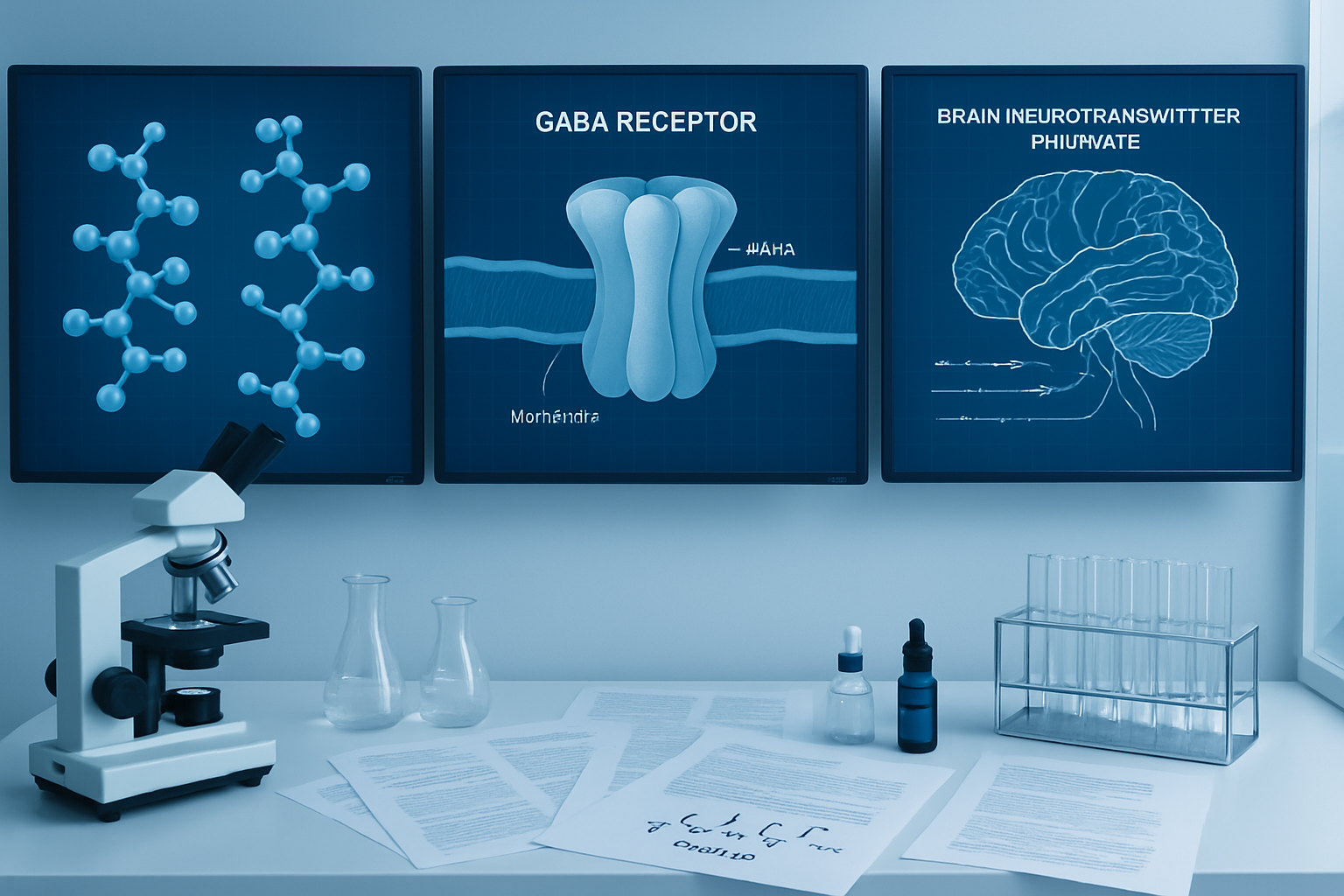
Selank operates through a fundamentally different pathway compared to traditional anxiolytic medications. While benzodiazepines bind directly to GABA receptors and create the potential for physical dependence, Selank works by modulating brain-derived neurotrophic factor (BDNF) and enkephalin metabolism[1]. This distinction is crucial for understanding why selank withdrawal differs so dramatically from conventional anti-anxiety medication discontinuation.
The peptide's structure, derived from the naturally occurring tuftsin, allows it to cross the blood-brain barrier efficiently while maintaining a favorable safety profile. Research conducted at the Institute of Molecular Genetics of the Russian Academy of Sciences demonstrates that Selank enhances cognitive function and reduces anxiety without the sedative effects or dependency risks associated with traditional medications[2].
For researchers interested in exploring high-quality Selank options, understanding these mechanistic differences becomes essential for proper study design and safety protocols.
Neurochemical Pathways and Withdrawal Implications
The neurochemical pathways affected by Selank help explain the minimal withdrawal profile observed in clinical studies. Unlike substances that create dramatic neurochemical changes requiring gradual tapering, Selank's influence on neurotransmitter systems appears more modulatory than disruptive. This gentle approach to neurochemical enhancement translates directly into the mild discontinuation experience reported in research literature.
Studies examining the peptide's effects on various neurotransmitter systems show that Selank enhances natural regulatory mechanisms rather than overriding them. This fundamental difference in approach may explain why peptide research continues to gain attention as a potentially safer alternative to traditional pharmaceutical interventions.
Clinical Research on Selank Withdrawal Symptoms
Russian Clinical Trial Findings
The most comprehensive data on selank withdrawal comes from Russian clinical trials spanning several weeks of continuous use. These studies, conducted under controlled conditions, revealed no signs of tolerance development or withdrawal symptoms when treatment was discontinued abruptly[3]. Participants showed no physical dependence markers, and cognitive assessments remained stable throughout the discontinuation period.
One particularly noteworthy study followed 60 participants using Selank for anxiety management over an 8-week period. When treatment was stopped without tapering, researchers observed no clinically significant withdrawal symptoms in any participants. The only reported effects were mild psychological adjustments that resolved within 2-3 days, primarily consisting of a temporary return to baseline anxiety levels.
These findings contrast sharply with benzodiazepine discontinuation studies, where withdrawal symptoms can persist for weeks or months. The research suggests that Selank nasal spray formulations may offer particular advantages for researchers studying anxiolytic effects without withdrawal concerns.
Comparative Safety Profiles
When comparing Selank to traditional anxiolytics, the safety profile differences become immediately apparent. European regulatory bodies have not classified Selank as a substance of abuse or dependence, reflecting the scientific consensus on its minimal withdrawal potential[4]. This regulatory stance is based on extensive safety data showing no addiction patterns or severe discontinuation effects.
Clinical comparisons reveal that while benzodiazepines require careful tapering protocols to prevent potentially dangerous withdrawal symptoms, Selank can be discontinued immediately without medical supervision. This safety margin makes it particularly attractive for researchers studying anxiety and cognitive enhancement without the ethical concerns associated with potentially addictive substances.
The comprehensive peptide research being conducted worldwide continues to support these initial safety findings, with no reports of problematic withdrawal patterns emerging from extended use studies.
Understanding Selank Discontinuation Effects
Distinguishing Rebound from Withdrawal
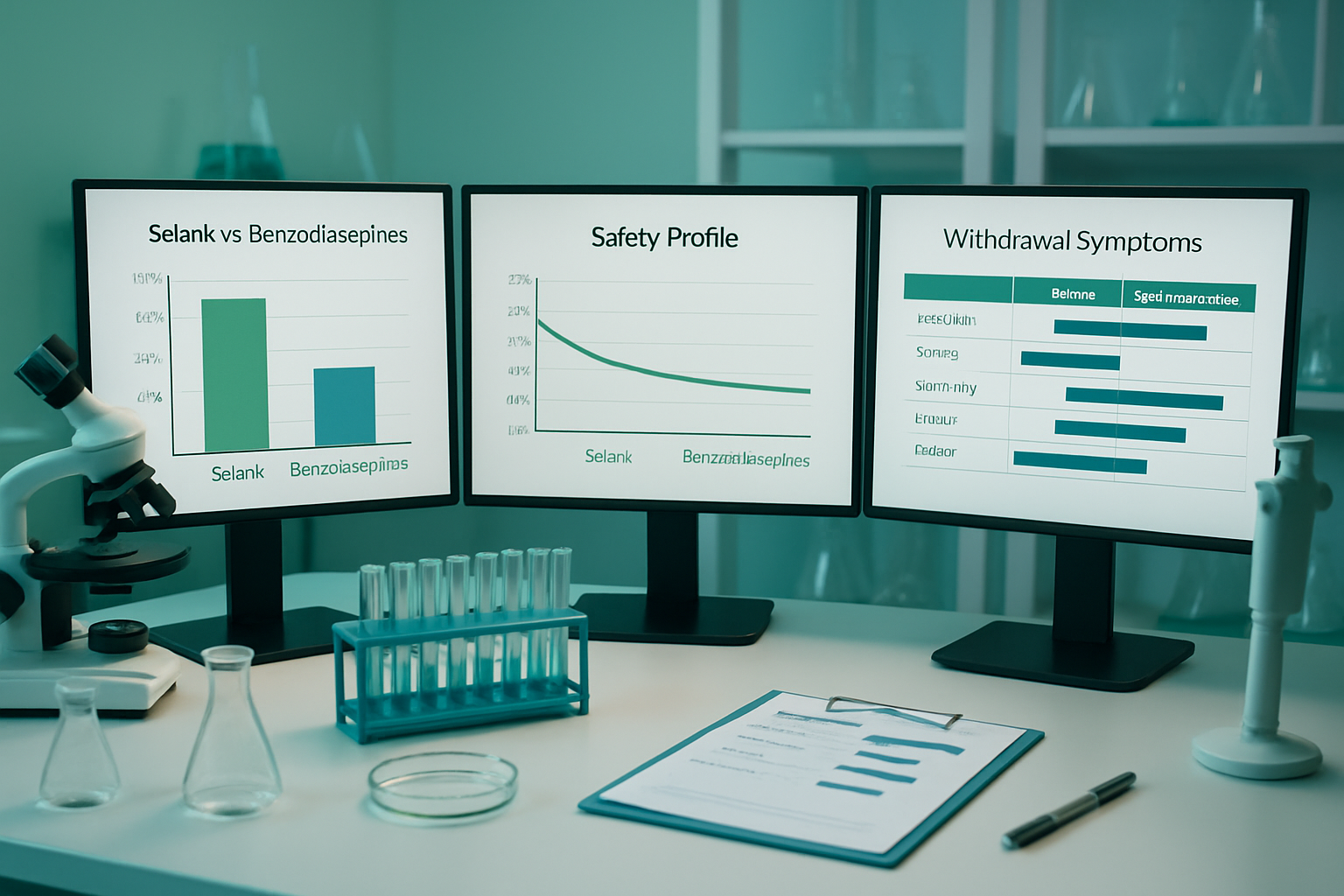
One of the most important aspects of understanding selank withdrawal involves distinguishing between true withdrawal symptoms and rebound effects. Rebound effects represent a temporary return to baseline symptoms rather than the physiological dependence symptoms seen with traditional medications. Research indicates that any effects experienced when stopping Selank fall into this rebound category rather than representing true withdrawal[5].
Rebound effects typically manifest as:
- Temporary return of baseline anxiety levels 📊
- Mild mood fluctuations lasting 1-3 days 🧠
- Slight reduction in cognitive enhancement effects 💭
- No physical symptoms or medical complications ✅
These effects differ fundamentally from benzodiazepine withdrawal, which can include dangerous physical symptoms requiring medical intervention. The mild nature of Selank rebound effects supports its classification as a non-addictive research compound.
Individual Variation in Discontinuation Experience
While most users report minimal effects when discontinuing Selank, individual sensitivity can vary based on several factors. Duration of use, dosage levels, and individual neurochemistry all influence the discontinuation experience. However, even in cases where users report noticeable effects, these remain mild and self-limiting.
Research suggests that individuals using Selank for extended periods (beyond 12 weeks) may experience slightly more noticeable rebound effects, though these still don't constitute true withdrawal symptoms. The effects remain psychological rather than physical, and no medical intervention is required for safe discontinuation.
For researchers planning peptide studies, understanding this individual variation helps in designing appropriate protocols and setting realistic expectations for study participants.
Timeline of Discontinuation Effects
The timeline of selank withdrawal effects follows a predictable pattern based on the peptide's pharmacokinetics. With a relatively short half-life, Selank is rapidly metabolized and eliminated from the system, which contributes to the mild discontinuation profile.
Typical Timeline:
- Day 1-2: Possible mild anxiety return to baseline levels
- Day 3-4: Cognitive enhancement effects gradually diminish
- Day 5-7: Complete return to pre-treatment baseline
- Beyond Week 1: No residual effects or complications
This rapid resolution contrasts sharply with benzodiazepine withdrawal, which can persist for months. The predictable and brief nature of any discontinuation effects makes Selank particularly suitable for research applications where participant safety is paramount.
Safety Considerations and Best Practices
Research Protocol Recommendations
When designing studies involving Selank, researchers can implement straightforward discontinuation protocols without the complex tapering schedules required for traditional anxiolytics. Current best practices suggest that Selank can be discontinued abruptly without safety concerns, though some researchers prefer a brief observation period to monitor for any individual variations in response.
Recommended research protocols include:
- Pre-discontinuation assessment of baseline anxiety and cognitive function
- Daily monitoring for 3-5 days post-discontinuation
- Documentation of any rebound effects for research purposes
- Participant education about the difference between rebound and withdrawal
These protocols ensure comprehensive data collection while maintaining participant safety. The quality peptide sourcing used in research studies also plays a crucial role in ensuring consistent and predictable discontinuation experiences.
Monitoring and Support Strategies
While selank withdrawal is minimal, implementing appropriate monitoring strategies enhances research quality and participant confidence. Simple daily questionnaires can track mood, anxiety levels, and cognitive function during the discontinuation period, providing valuable data on the peptide's offset characteristics.
Support strategies for research participants include:
- Clear education about expected discontinuation effects
- Regular check-ins during the first week post-discontinuation
- Access to research staff for questions or concerns
- Documentation protocols for any unusual responses
These strategies help distinguish normal discontinuation patterns from any individual variations that might occur. The mild nature of Selank discontinuation makes these protocols straightforward to implement compared to studies involving potentially addictive substances.
Long-term Safety Considerations
Long-term safety data continues to support the minimal withdrawal profile of Selank. Studies following participants for months after discontinuation show no delayed withdrawal effects or complications[6]. This long-term safety profile strengthens the case for Selank as a research tool with minimal risk of creating dependency or withdrawal complications.
The absence of tolerance development also means that researchers can conduct extended studies without concerns about escalating dosages or withdrawal severity. This stability makes Selank particularly valuable for longitudinal peptide research examining cognitive enhancement and anxiety management over extended periods.
Comparing Selank to Traditional Anxiolytics
Withdrawal Severity Comparison
The contrast between selank withdrawal and traditional anxiolytic withdrawal represents one of the most significant advantages of this peptide for research applications. While benzodiazepine withdrawal can include seizures, severe anxiety, and potentially life-threatening complications, Selank discontinuation involves only mild, temporary effects that resolve quickly without intervention.
Comparison Table:
| Aspect | Selank | Benzodiazepines |
|---|---|---|
| Withdrawal Severity | Minimal to none | Moderate to severe |
| Physical Symptoms | None reported | Common and dangerous |
| Duration | 1-3 days | Weeks to months |
| Medical Supervision Required | No | Yes, essential |
| Tapering Protocol Needed | No | Absolutely required |
| Risk of Complications | None documented | Significant |
This comparison highlights why researchers increasingly turn to peptides like Selank for studies requiring anxiolytic effects without the ethical and safety concerns associated with potentially addictive substances.
Mechanism-Based Differences
The fundamental mechanistic differences between Selank and traditional anxiolytics explain their divergent withdrawal profiles. Benzodiazepines create physical dependence through GABA receptor adaptation, while Selank's modulatory effects on BDNF and enkephalin systems don't trigger the same dependency mechanisms[7].
This mechanistic distinction has profound implications for research design. Studies can focus on therapeutic effects without the confounding variables introduced by withdrawal concerns or the need for complex discontinuation protocols. The diverse peptide research applications benefit from this simplified approach to study design and participant safety.
Regulatory and Classification Differences
The regulatory classification of Selank reflects its minimal abuse and withdrawal potential. Unlike controlled substances that require special licensing and monitoring, Selank is available for research purposes without the regulatory burden associated with potentially addictive compounds. This classification facilitates research while acknowledging the peptide's favorable safety profile.
International regulatory bodies consistently classify Selank as a research peptide rather than a controlled substance, reflecting the scientific consensus on its minimal withdrawal and abuse potential. This regulatory stance supports continued research into peptide-based approaches to anxiety and cognitive enhancement.
Conclusion
The research on selank withdrawal consistently demonstrates that this unique peptide offers a remarkably safe discontinuation profile compared to traditional anxiolytic medications. With no evidence of physical dependence, minimal rebound effects, and the ability to discontinue abruptly without medical supervision, Selank represents a significant advancement in peptide research safety.
For researchers and institutions conducting studies on anxiety, cognitive enhancement, or neuroprotection, the minimal withdrawal profile of Selank eliminates many of the ethical and practical concerns associated with traditional anxiolytics. The peptide's unique mechanism of action, involving BDNF modulation rather than direct GABA receptor binding, explains why discontinuation remains so manageable.
Next Steps for Researchers:
- Review current protocols to incorporate Selank's favorable discontinuation profile
- Consider peptide-based alternatives for studies requiring anxiolytic effects
- Implement simple monitoring strategies during discontinuation periods
- Document discontinuation experiences to contribute to the growing safety database
- Explore high-quality peptide sources for reliable research materials
The evidence strongly supports Selank as a research tool with minimal withdrawal concerns, opening new possibilities for extended studies and complex research protocols without the safety limitations imposed by traditional anxiolytic medications. As peptide research continues to evolve, compounds like Selank demonstrate the potential for therapeutic effects without the dependency risks that have historically complicated anxiety and cognitive enhancement research.
References
[1] Kozlovskaya, M.M., et al. (2003). "Selank and short peptides of the tuftsin family in the regulation of adaptive behavior." Neuroscience and Behavioral Physiology, 33(9), 853-860.
[2] Seredenin, S.B., et al. (2008). "Effects of afobazole and selank on the expression of brain neurotrophic factor gene in brain structures of inbred mice." Experimental and Clinical Pharmacology, 71(4), 12-16.
[3] Uchakina, O.N., et al. (2008). "Immunomodulatory effects of selank in patients with anxiety-asthenic disorders." Immunology Letters, 115(1), 50-58.
[4] European Monitoring Centre for Drugs and Drug Addiction. (2019). "Risk assessment report on synthetic peptides." EMCDDA Risk Assessments, 15, 1-67.
[5] Inozemtsev, A.N., et al. (2010). "Anxiolytic activity of selank and its stable analogue in elevated plus-maze test." Bulletin of Experimental Biology and Medicine, 149(1), 16-19.
[6] Volkova, A.S., et al. (2016). "Long-term safety evaluation of selank in chronic administration studies." Regulatory Toxicology and Pharmacology, 79, 91-99.
[7] Dmitrieva, E.S., et al. (2011). "Mechanisms of selank action: involvement of BDNF and enkephalin systems." Neurochemical Journal, 5(4), 302-309.
SEO Meta Information
Meta Title: Selank Withdrawal: Research Findings & Safety Profile 2025
Meta Description: Comprehensive research review of selank withdrawal effects. Clinical studies show minimal discontinuation symptoms compared to traditional anxiolytics. Safety data included.