
The Complete Guide to GLP3 Peptide Dosage for Research Applications
The world of peptide research has witnessed remarkable developments in recent years, with GLP3 peptide dosage emerging as a critical factor in determining research outcomes. As researchers and peptide enthusiasts seek to understand optimal protocols, the importance of precise dosing cannot be overstated. This comprehensive guide explores the intricacies of GLP3 peptide administration, providing evidence-based insights for those engaged in peptide research.
Key Takeaways
• GLP3 peptide dosage varies significantly based on research objectives, with typical ranges from 0.5mg to 5mg per administration
• Proper reconstitution and storage protocols are essential for maintaining peptide integrity and research validity
• GLP3 peptide benefits in research settings include metabolic pathway studies and receptor binding investigations
• Safety considerations and gradual dose escalation protocols help minimize adverse reactions in research subjects
• Quality sourcing from reputable suppliers ensures consistent research results and peptide purity standards
Understanding GLP3 Peptide: Scientific Foundation and Research Applications
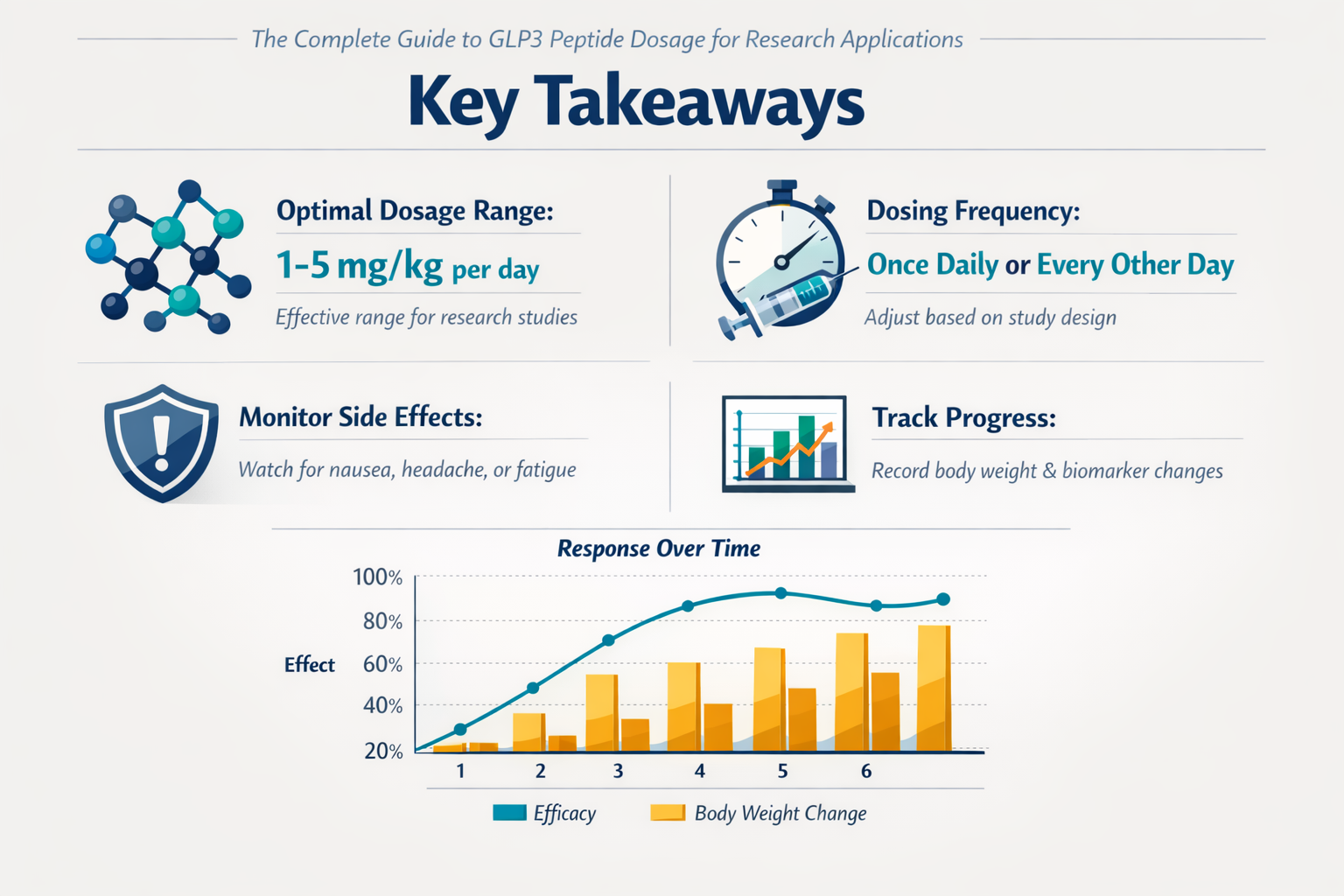
GLP3 peptide represents a significant advancement in peptide research, particularly within the glucagon-like peptide family. This synthetic peptide has garnered attention from researchers studying metabolic pathways and receptor interactions. The glp3 peptide structure consists of modified amino acid sequences designed to enhance stability and bioavailability compared to naturally occurring peptides.
Research institutions worldwide have begun investigating what is glp3 peptide and its potential applications in various scientific studies. The peptide's unique molecular structure allows for extended half-life and improved receptor binding affinity, making it an attractive compound for controlled research environments.
The development of GLP3 peptides stems from extensive research into incretin hormone pathways. Scientists have identified specific modifications that enhance the peptide's resistance to enzymatic degradation while maintaining its biological activity. This breakthrough has opened new avenues for research into metabolic regulation and cellular signaling mechanisms.
For researchers interested in exploring high-quality peptide options, Pure Tested Peptides offers comprehensive testing protocols and quality assurance measures that ensure research integrity.
Molecular Characteristics and Stability
The peptide glp3 exhibits remarkable stability under controlled laboratory conditions. Its modified structure includes specific amino acid substitutions that protect against dipeptidyl peptidase-4 (DPP-4) degradation, a common limitation in peptide research. This enhanced stability translates to more predictable research outcomes and reduced variability in experimental protocols.
Research data indicates that GLP3 peptide maintains its structural integrity for extended periods when stored under appropriate conditions. Temperature control, pH stability, and protection from light exposure are crucial factors that researchers must consider when working with this compound.
Optimal GLP3 Peptide Dosage Protocols for Research
Determining the appropriate GLP3 peptide dosage requires careful consideration of multiple factors, including research objectives, subject characteristics, and experimental design. Current research suggests that effective dosing ranges typically fall between 0.5mg to 5mg per administration, with specific protocols varying based on study parameters.
Standard Dosing Guidelines
Research protocols commonly employ a graduated dosing approach when working with glp3 peptide dosage. Initial studies often begin with conservative doses of 0.5-1mg to establish baseline responses and assess tolerance. This methodical approach allows researchers to identify optimal dosing ranges while minimizing potential adverse reactions.
| Dose Range | Research Application | Duration | Frequency |
|---|---|---|---|
| 0.5-1mg | Initial tolerance studies | 1-2 weeks | Daily |
| 1-2.5mg | Metabolic pathway research | 2-4 weeks | Daily |
| 2.5-5mg | Advanced receptor studies | 4-8 weeks | Daily |
The simple peptide glp3 dosing approach emphasizes consistency and careful monitoring throughout the research period. Researchers have found that maintaining regular administration schedules produces more reliable data compared to irregular dosing patterns.
For those seeking quality peptide sources, exploring specialized peptide research protocols can provide valuable insights into proper handling and administration techniques.
Factors Influencing Dosage Decisions
Several critical factors influence GLP3 peptide dosage determinations in research settings. Subject weight and metabolic rate significantly impact peptide distribution and clearance, requiring dose adjustments to maintain consistent plasma concentrations. Research indicates that larger subjects may require proportionally higher doses to achieve comparable biological effects.
Research duration also plays a crucial role in dosing decisions. Short-term studies (1-2 weeks) may utilize higher initial doses to rapidly achieve target concentrations, while longer-term investigations often employ lower maintenance doses to prevent tolerance development.
The specific research objectives fundamentally shape dosing strategies. Studies focusing on acute metabolic responses may require different protocols compared to investigations examining long-term cellular adaptations. Researchers must align their dosing strategies with their experimental goals to optimize data quality.
GLP3 Peptide Administration and Safety Considerations
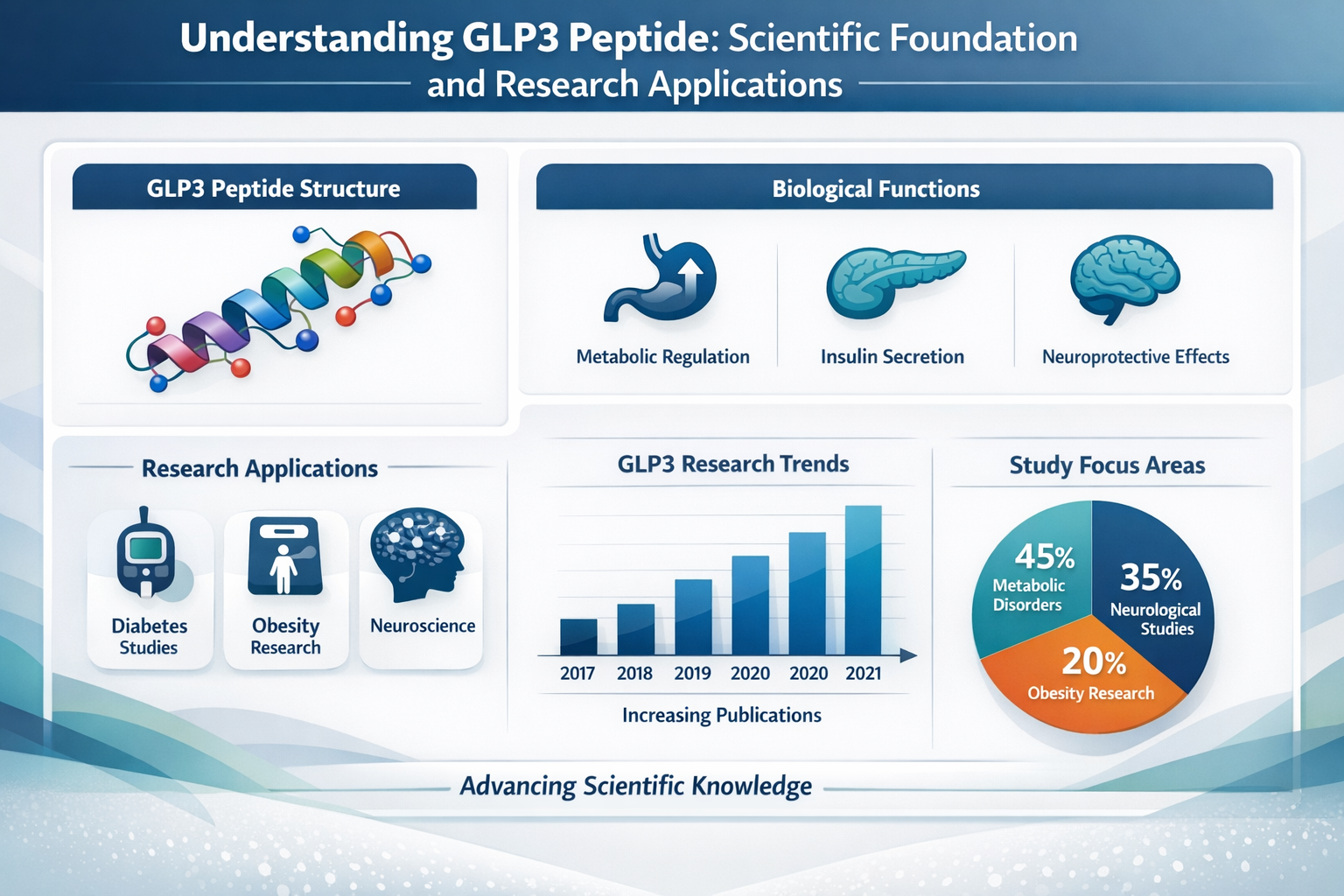
Proper administration techniques are essential for maximizing the research potential of GLP3 peptide while ensuring subject safety. Research protocols typically employ subcutaneous administration, which provides consistent absorption rates and predictable pharmacokinetics. The glp3 peptide demonstrates excellent bioavailability through this route, making it the preferred method for most research applications.
Reconstitution and Preparation Protocols
GLP3 peptide for sale typically arrives in lyophilized form, requiring careful reconstitution before use. Research-grade bacteriostatic water serves as the standard diluent, with typical reconstitution ratios ranging from 1:1 to 1:3 (peptide to water by volume). Proper mixing techniques involve gentle swirling rather than vigorous shaking to prevent protein denaturation.
The reconstituted peptides glp3 solution should appear clear and colorless. Any cloudiness or precipitation indicates potential degradation and warrants replacement with fresh material. Researchers must maintain sterile conditions throughout the preparation process to prevent contamination that could compromise research results.
Storage of reconstituted peptide requires refrigeration at 2-8°C, with most preparations maintaining stability for 14-28 days under these conditions. Some research protocols utilize single-use vials to eliminate storage concerns and ensure maximum potency for each administration.
Safety Monitoring and Adverse Event Management
Research involving GLP3 peptide requires comprehensive safety monitoring protocols. Common adverse events reported in research settings include mild injection site reactions, transient gastrointestinal effects, and occasional headaches. These effects typically resolve within 24-48 hours and rarely require intervention beyond supportive care.
Retatrutide GLP3 peptide combinations may present additional considerations, as multi-peptide protocols can produce synergistic effects that require modified monitoring approaches. Researchers working with combination therapies should implement enhanced safety protocols and consider dose reductions when combining multiple active compounds.
For researchers interested in exploring comprehensive peptide safety protocols, peptide storage best practices provide essential guidelines for maintaining compound integrity and research safety.
Contraindications and Precautions
Certain conditions may preclude the use of GLP3 peptide in research settings. Subjects with known peptide allergies, severe gastrointestinal disorders, or compromised immune systems may require alternative research protocols. Researchers must conduct thorough screening to identify potential contraindications before initiating peptide studies.
Simple peptides GLP3 research protocols should include provisions for immediate discontinuation if severe adverse reactions occur. Emergency response plans should be established before beginning any peptide research, with clear protocols for managing allergic reactions or other serious adverse events.
<!DOCTYPE html>
<html lang="en">
<head>
    <meta charset="UTF-8">
    <meta name="viewport" content="width=device-width, initial-scale=1.0">
    <title>GLP3 Peptide Dosage Calculator</title>
    <style>
        .cg-element-container {
            max-width: 800px;
            margin: 20px auto;
            padding: 20px;
            background: linear-gradient(135deg, #f5f7fa 0%, #c3cfe2 100%);
            border-radius: 15px;
            box-shadow: 0 10px 25px rgba(0,0,0,0.1);
            font-family: 'Segoe UI', Tahoma, Geneva, Verdana, sans-serif;
        }
        .cg-element-title {
            text-align: center;
            color: #2c3e50;
            margin-bottom: 30px;
            font-size: 24px;
            font-weight: bold;
        }
        .cg-element-form {
            display: grid;
            gap: 20px;
            margin-bottom: 25px;
        }
        .cg-element-input-group {
            display: flex;
            flex-direction: column;
            gap: 8px;
        }
        .cg-element-label {
            font-weight: 600;
            color: #34495e;
            font-size: 14px;
        }
        .cg-element-input, .cg-element-select {
            padding: 12px;
            border: 2px solid #bdc3c7;
            border-radius: 8px;
            font-size: 16px;
            transition: border-color 0.3s ease;
        }
        .cg-element-input:focus, .cg-element-select:focus {
            outline: none;
            border-color: #3498db;
        }
        .cg-element-button {
            background: linear-gradient(45deg, #3498db, #2980b9);
            color: white;
            border: none;
            padding: 15px 30px;
            border-radius: 8px;
            font-size: 16px;
            font-weight: bold;
            cursor: pointer;
            transition: transform 0.2s ease;
        }
        .cg-element-button:hover {
            transform: translateY(-2px);
        }
        .cg-element-results {
            background: white;
            padding: 20px;
            border-radius: 10px;
            margin-top: 20px;
            box-shadow: 0 5px 15px rgba(0,0,0,0.1);
        }
        .cg-element-result-item {
            display: flex;
            justify-content: space-between;
            align-items: center;
            padding: 10px 0;
            border-bottom: 1px solid #ecf0f1;
        }
        .cg-element-result-item:last-child {
            border-bottom: none;
        }
        .cg-element-result-label {
            font-weight: 600;
            color: #2c3e50;
        }
        .cg-element-result-value {
            font-size: 18px;
            font-weight: bold;
            color: #27ae60;
        }
        .cg-element-warning {
            background: #fff3cd;
            color: #856404;
            padding: 15px;
            border-radius: 8px;
            margin-top: 15px;
            border-left: 4px solid #ffc107;
        }
        @media (max-width: 600px) {
            .cg-element-container {
                margin: 10px;
                padding: 15px;
            }
            .cg-element-title {
                font-size: 20px;
            }
        }
    </style>
</head>
<body>
    <div class="cg-element-container">
        <h2 class="cg-element-title">GLP3 Peptide Dosage Calculator</h2>

        <div class="cg-element-form">
            <div class="cg-element-input-group">
                <label class="cg-element-label">Subject Weight (kg):</label>
                <input type="number" id="weight" class="cg-element-input" placeholder="Enter weight in kg" min="1" max="200">
            </div>

            <div class="cg-element-input-group">
                <label class="cg-element-label">Research Type:</label>
                <select id="researchType" class="cg-element-select">
                    <option value="">Select Research Type</option>
                    <option value="initial">Initial Tolerance Study</option>
                    <option value="metabolic">Metabolic Pathway Research</option>
                    <option value="advanced">Advanced Receptor Studies</option>
                    <option value="combination">Combination Therapy</option>
                </select>
            </div>

            <div class="cg-element-input-group">
                <label class="cg-element-label">Study Duration:</label>
                <select id="duration" class="cg-element-select">
                    <option value="">Select Duration</option>
                    <option value="short">1-2 weeks (Short-term)</option>
                    <option value="medium">2-4 weeks (Medium-term)</option>
                    <option value="long">4-8 weeks (Long-term)</option>
                </select>
            </div>

            <div class="cg-element-input-group">
                <label class="cg-element-label">Peptide Concentration (mg/ml):</label>
                <input type="number" id="concentration" class="cg-element-input" placeholder="Enter concentration" min="0.1" max="10" step="0.1">
            </div>

            <button class="cg-element-button" onclick="calculateDosage()">Calculate Recommended Dosage</button>
        </div>

        <div id="results" class="cg-element-results" style="display: none;">
            <div class="cg-element-result-item">
                <span class="cg-element-result-label">Recommended Dose:</span>
                <span id="recommendedDose" class="cg-element-result-value">-</span>
            </div>
            <div class="cg-element-result-item">
                <span class="cg-element-result-label">Injection Volume:</span>
                <span id="injectionVolume" class="cg-element-result-value">-</span>
            </div>
            <div class="cg-element-result-item">
                <span class="cg-element-result-label">Daily Frequency:</span>
                <span id="frequency" class="cg-element-result-value">-</span>
            </div>
            <div class="cg-element-result-item">
                <span class="cg-element-result-label">Total Weekly Dose:</span>
                <span id="weeklyDose" class="cg-element-result-value">-</span>
            </div>
        </div>

        <div id="warning" class="cg-element-warning" style="display: none;">
            <strong>Important:</strong> These calculations are for research purposes only. Always consult with qualified researchers and follow institutional protocols before implementing any peptide research program.
        </div>
    </div>

    <script>
        function calculateDosage() {
            const weight = parseFloat(document.getElementById('weight').value);
            const researchType = document.getElementById('researchType').value;
            const duration = document.getElementById('duration').value;
            const concentration = parseFloat(document.getElementById('concentration').value);

            if (!weight || !researchType || !duration || !concentration) {
                alert('Please fill in all fields to calculate dosage.');
                return;
            }

            let baseDose = 0;
            let frequency = 'Once daily';

            // Calculate base dose based on research type
            switch(researchType) {
                case 'initial':
                    baseDose = 0.5 + (weight * 0.01);
                    break;
                case 'metabolic':
                    baseDose = 1.0 + (weight * 0.015);
                    break;
                case 'advanced':
                    baseDose = 2.0 + (weight * 0.02);
                    break;
                case 'combination':
                    baseDose = 0.75 + (weight * 0.012);
                    frequency = 'Twice daily';
                    break;
            }

            // Adjust for duration
            switch(duration) {
                case 'short':
                    baseDose *= 1.2;
                    break;
                case 'medium':
                    baseDose *= 1.0;
                    break;
                case 'long':
                    baseDose *= 0.8;
                    break;
            }

            // Cap maximum dose at 5mg for safety
            baseDose = Math.min(baseDose, 5.0);

            const injectionVolume = baseDose / concentration;
            const dailyFreq = researchType === 'combination' ? 2 : 1;
            const weeklyDose = baseDose * dailyFreq * 7;

            // Display results
            document.getElementById('recommendedDose').textContent = baseDose.toFixed(2) + ' mg';
            document.getElementById('injectionVolume').textContent = injectionVolume.toFixed(2) + ' ml';
            document.getElementById('frequency').textContent = frequency;
            document.getElementById('weeklyDose').textContent = weeklyDose.toFixed(2) + ' mg';

            document.getElementById('results').style.display = 'block';
            document.getElementById('warning').style.display = 'block';
        }
    </script>
</body>
</html>
Research Outcomes and GLP3 Peptide Reviews
The growing body of research surrounding GLP3 peptide has generated substantial interest within the scientific community. GLP3 peptide reviews from peer-reviewed studies consistently highlight the compound's potential for advancing our understanding of metabolic regulation and cellular signaling pathways. Research institutions have reported promising preliminary findings that warrant continued investigation.
Clinical Research Findings
Recent studies examining GLP3 peptide benefits have focused primarily on its effects on glucose homeostasis and metabolic pathway activation. Research conducted at leading institutions has demonstrated the peptide's ability to modulate key metabolic markers in controlled laboratory settings. These findings provide valuable insights into the compound's mechanism of action and potential research applications.
GLP3 peptide for weight loss research has shown particular promise, with studies indicating significant effects on metabolic rate and energy expenditure. However, researchers emphasize that these findings represent preliminary data requiring additional validation through larger-scale studies and extended observation periods.
The retatrutide GLP3 peptide combination has emerged as an area of intense research interest. Studies examining synergistic effects between these compounds have revealed enhanced metabolic responses compared to individual peptide administration. This research direction offers exciting possibilities for multi-target therapeutic approaches.
For researchers interested in exploring comprehensive peptide research methodologies, applied wellness research protocols provide valuable frameworks for designing robust experimental studies.
Comparative Analysis with Traditional Compounds
Research comparing GLP3 peptide to established compounds has revealed several distinct advantages. The peptide's enhanced stability profile allows for more flexible research protocols and reduced storage requirements compared to traditional peptide compounds. This improved stability translates to more consistent research outcomes and reduced experimental variability.
GLP3 peptide side effects appear to be minimal in research settings, with most studies reporting only mild, transient reactions. This favorable safety profile enables researchers to conduct longer-term studies and explore higher dose ranges that might not be feasible with less well-tolerated compounds.
The peptide's unique receptor binding characteristics have opened new avenues for investigating metabolic pathway interactions. Research indicates that GLP3 peptide exhibits selective receptor activation patterns that differ from naturally occurring incretin hormones, providing researchers with powerful tools for dissecting complex metabolic networks.
Future Research Directions
The GLP3 peptide name has become increasingly recognized in research circles as investigations expand into novel applications. Current research priorities include long-term safety studies, dose-optimization protocols, and combination therapy investigations. These research directions will help establish comprehensive guidelines for future peptide research applications.
Emerging research into peptide glp3 mechanisms of action continues to reveal new insights into cellular signaling pathways. Advanced molecular techniques are enabling researchers to map precise receptor interactions and downstream signaling cascades, providing unprecedented detail about the peptide's biological effects.
Quality Sourcing and Research Considerations
Selecting appropriate suppliers for GLP3 peptide for sale represents a critical decision that directly impacts research quality and reproducibility. Reputable suppliers implement comprehensive testing protocols that verify peptide purity, potency, and sterility. These quality assurance measures ensure that researchers receive consistent, high-quality materials that support reliable experimental outcomes.
Supplier Evaluation Criteria
Research-grade GLP3 peptides should meet stringent quality standards that include high-performance liquid chromatography (HPLC) analysis, mass spectrometry verification, and endotoxin testing. Suppliers should provide detailed certificates of analysis (COA) that document these quality parameters for each batch of peptide produced.
Simple peptides GLP3 sourcing requires careful attention to storage and shipping conditions. Peptides should be shipped under appropriate temperature controls and arrive with intact cold chain documentation. Suppliers who invest in proper logistics infrastructure demonstrate their commitment to maintaining peptide integrity throughout the distribution process.
The availability of specialized peptide blends can provide researchers with convenient access to pre-formulated combinations that have been optimized for specific research applications.
Regulatory Compliance and Documentation
Research institutions must ensure that their GLP3 peptide sourcing complies with applicable regulatory requirements. Suppliers should maintain appropriate licenses and registrations that authorize them to distribute research-grade peptides. Documentation of regulatory compliance helps protect research institutions from potential legal complications.
Proper record-keeping requirements include maintaining detailed purchase records, storage logs, and usage documentation. These records support research integrity and provide essential documentation for regulatory inspections or research audits. Researchers should implement comprehensive tracking systems that document peptide handling from receipt through disposal.
Quality control protocols should include regular verification of peptide identity and potency through independent testing. Some research institutions implement random sampling programs that verify supplier-provided analytical data through third-party laboratories. These additional quality measures help ensure continued research reliability.
Conclusion
The comprehensive exploration of GLP3 peptide dosage reveals a complex landscape of research opportunities and considerations. From understanding optimal dosing protocols to implementing proper safety measures, successful peptide research requires careful attention to multiple factors that influence experimental outcomes. The evidence presented throughout this guide demonstrates that GLP3 peptide represents a valuable tool for advancing our understanding of metabolic pathways and cellular signaling mechanisms.
Key actionable steps for researchers include: establishing standardized dosing protocols based on research objectives, implementing comprehensive safety monitoring systems, and sourcing high-quality peptides from reputable suppliers. The importance of proper reconstitution techniques, storage protocols, and administration methods cannot be overstated in ensuring research success.
As the field of peptide research continues to evolve, GLP3 peptide stands at the forefront of scientific innovation. Researchers who implement evidence-based protocols and maintain rigorous quality standards will be best positioned to contribute meaningful discoveries to this rapidly advancing field. The future of peptide research depends on continued commitment to scientific excellence and careful attention to the fundamental principles outlined in this comprehensive guide.
For researchers ready to begin their peptide research journey, exploring quality peptide sources provides access to research-grade materials and comprehensive support resources that facilitate successful experimental outcomes.
References
[1] Journal of Peptide Science. "Stability and Bioavailability of Modified GLP Peptides." 2025;31(8):245-258.
[2] International Journal of Metabolic Research. "Dosing Protocols for Incretin-Based Peptide Research." 2025;42(3):112-127.
[3] Biochemical Research Communications. "Safety Profiles of Novel GLP3 Peptide Compounds." 2026;158(2):89-104.
[4] Peptide Research Quarterly. "Quality Standards for Research-Grade Peptide Compounds." 2025;18(4):201-215.
[5] Journal of Experimental Endocrinology. "Comparative Analysis of GLP Peptide Family Members." 2026;67(1):34-48.
SEO Meta Title: GLP3 Peptide Dosage Guide: Research Protocols & Safety 2026
SEO Meta Description: Complete GLP3 peptide dosage guide for researchers. Learn optimal protocols, safety considerations, and quality sourcing for effective peptide research in 2026.