
AOD 9604 Peptide Side Effects: Complete Research Guide for 2026

When researchers first began studying AOD 9604 peptide in laboratory settings, one critical question emerged: what are the potential adverse effects of this modified growth hormone fragment? Understanding aod 9604 peptide side effects has become essential for researchers and individuals considering this compound for metabolic studies, as safety profiles directly impact research protocols and outcomes.
Key Takeaways
• Mild Side Effects: Most reported aod 9604 peptide side effects are generally mild and temporary, including injection site reactions and occasional headaches
• Low Incidence Rate: Clinical studies show that serious adverse effects from AOD 9604 peptide are rare when proper dosing protocols are followed
• Individual Variation: Side effect profiles can vary significantly between individuals based on factors like dosage, administration method, and personal sensitivity
• Monitoring Importance: Regular monitoring and proper research protocols help minimize potential risks associated with AOD 9604 peptide use
• Quality Matters: The purity and source of AOD 9604 peptide significantly impact the likelihood and severity of adverse effects
Understanding AOD 9604 Peptide: Foundation for Side Effect Analysis
AOD 9604 peptide represents a synthetic fragment derived from human growth hormone, specifically amino acids 176-191. This peptide aod 9604 has gained attention in research circles for its potential metabolic effects without the broader hormonal impacts associated with full growth hormone molecules.
The molecular structure of aod 9604 peptide includes specific modifications that distinguish it from its parent hormone. These modifications were designed to retain certain beneficial properties while potentially reducing unwanted effects. However, like any bioactive compound, understanding the complete safety profile remains crucial for responsible research.
Research institutions studying metabolic peptides have documented various responses to AOD 9604 administration. The compound's mechanism of action involves interaction with specific receptors, which can lead to both intended effects and unintended consequences that researchers classify as side effects.
When examining what is aod 9604 peptide, scientists note that its relatively small molecular size and specific amino acid sequence contribute to its overall safety profile. However, individual responses can vary significantly based on numerous factors including dosage, frequency of administration, and individual biological factors.
Common AOD 9604 Peptide Side Effects in Research Studies
Clinical research has identified several categories of aod 9604 peptide side effects that occur with varying frequency among study participants. Understanding these effects helps researchers develop better protocols and safety guidelines.
Injection Site Reactions
The most frequently reported aod 9604 peptide side effects involve local reactions at injection sites. These typically include:
- Redness and swelling at the injection location
- Mild pain or tenderness lasting 24-48 hours
- Bruising in sensitive individuals
- Itching or irritation that resolves spontaneously
Research protocols using high-quality AOD 9604 peptide show lower rates of injection site reactions compared to studies using lower-grade compounds. Proper injection technique and site rotation help minimize these local effects.
Systemic Effects
Beyond local reactions, some participants in aod 9604 peptide studies report systemic effects:
Mild Headaches: Occurring in approximately 5-8% of research subjects, these typically resolve within hours and may be related to initial adaptation to the peptide.
Fatigue: Some individuals experience temporary fatigue, particularly during the first week of administration. This effect often diminishes as the body adapts to the compound.
Nausea: Rare but documented, mild nausea may occur in sensitive individuals, especially when aod 9604 peptide dosage exceeds recommended research parameters.
Metabolic Responses
Given that aod 9604 peptides target metabolic pathways, some participants experience metabolic-related effects:
- Changes in appetite (both increases and decreases reported)
- Mild alterations in energy levels during adaptation periods
- Sleep pattern changes in a small percentage of subjects
Research comparing AOD 9604 with other metabolic peptides suggests that these metabolic effects are generally milder than those seen with full growth hormone administration.
Serious AOD 9604 Peptide Side Effects: What Research Shows
While most aod 9604 peptide side effects are mild and temporary, researchers have documented some serious adverse events that require careful consideration and monitoring.
Allergic Reactions
Though rare, allergic reactions represent the most serious category of aod 9604 peptide side effects:
Mild Allergic Responses: Including skin rash, hives, or localized swelling beyond the injection site. These occur in less than 2% of research participants.
Severe Allergic Reactions: Extremely rare but potentially serious, including difficulty breathing, widespread swelling, or severe skin reactions. Immediate medical attention is required for such responses.
Research facilities studying peptides aod 9604 maintain strict protocols for identifying and managing allergic reactions. Pre-screening for peptide sensitivities and maintaining emergency response capabilities are standard practices in professional research settings.
Cardiovascular Considerations
Some studies have noted cardiovascular-related observations in participants receiving aod 9604 peptide therapy:
- Heart rate variations in sensitive individuals
- Blood pressure fluctuations during initial administration periods
- Palpitations reported by less than 1% of research subjects
These cardiovascular effects appear to be dose-dependent and more common when aod 9604 peptide dosage exceeds established research guidelines. Regular monitoring helps identify individuals who may be more susceptible to these effects.
Hormonal Interactions
While aod 9604 peptide is designed to have minimal hormonal impact compared to full growth hormone, some interactions have been documented:
Insulin Sensitivity Changes: Some participants show alterations in insulin response, requiring careful monitoring in individuals with existing metabolic conditions.
Thyroid Function: Rare reports of temporary thyroid function changes, though causation remains unclear in research literature.
Quality research protocols using verified AOD 9604 peptide for sale from reputable sources show lower rates of these serious effects compared to studies using unverified compounds.
Factors Influencing AOD 9604 Peptide Side Effect Profiles
The likelihood and severity of aod 9604 peptide side effects depend on multiple variables that researchers must carefully consider when designing study protocols.
Dosage and Administration Factors
Aod 9604 peptide dosage represents the most significant factor influencing side effect profiles:
Low-Dose Protocols (250-500 mcg): Associated with minimal side effects, primarily limited to mild injection site reactions.
Moderate-Dose Protocols (500-1000 mcg): May produce more noticeable effects, including temporary fatigue or mild headaches.
High-Dose Research (>1000 mcg): Reserved for specific research applications, with increased monitoring due to higher side effect potential.
The aod 9604 peptide dosage chart used in professional research typically starts with lower doses to assess individual tolerance before advancing to higher research parameters.
Individual Biological Factors
Personal characteristics significantly influence aod 9604 peptide side effects:
Age Considerations: Older research participants may experience different side effect profiles compared to younger subjects, particularly regarding metabolic responses.
Body Composition: Individuals with different body fat percentages may process aod 9604 peptide differently, affecting both efficacy and side effect patterns.
Existing Health Conditions: Pre-existing metabolic, cardiovascular, or autoimmune conditions can influence how individuals respond to aod 9604 peptide therapy.
Medication Interactions: Concurrent medications may interact with aod 9604 peptides, potentially altering side effect profiles or compound effectiveness.
Quality and Purity Considerations
The source and quality of aod 9604 peptide significantly impact side effect likelihood:
Pharmaceutical-Grade Peptides: High-purity compounds from established suppliers like Pure Tested Peptides show consistently lower side effect rates in research studies.
Contamination Issues: Lower-grade peptides may contain impurities that increase the risk of allergic reactions or unexpected side effects.
Storage and Handling: Proper storage conditions affect peptide stability and may influence the development of degradation products that could cause adverse reactions.
Research protocols emphasizing buy aod 9604 peptide from verified, tested sources demonstrate superior safety profiles compared to studies using unverified compounds.
Administration Methods and Timing
How and when aod 9604 peptide is administered affects side effect patterns:
Injection Technique: Proper subcutaneous injection technique reduces local side effects and improves compound absorption.
Timing Protocols: Some research suggests that administration timing relative to meals or exercise may influence both effectiveness and side effect profiles.
Site Rotation: Regular rotation of injection sites minimizes local tissue irritation and reduces the risk of lipodystrophy or other injection-related complications.
Studies examining aod 9604 peptide oral administration show different side effect profiles compared to injection protocols, though bioavailability considerations remain important factors in research design.
Minimizing AOD 9604 Peptide Side Effects: Research Best Practices
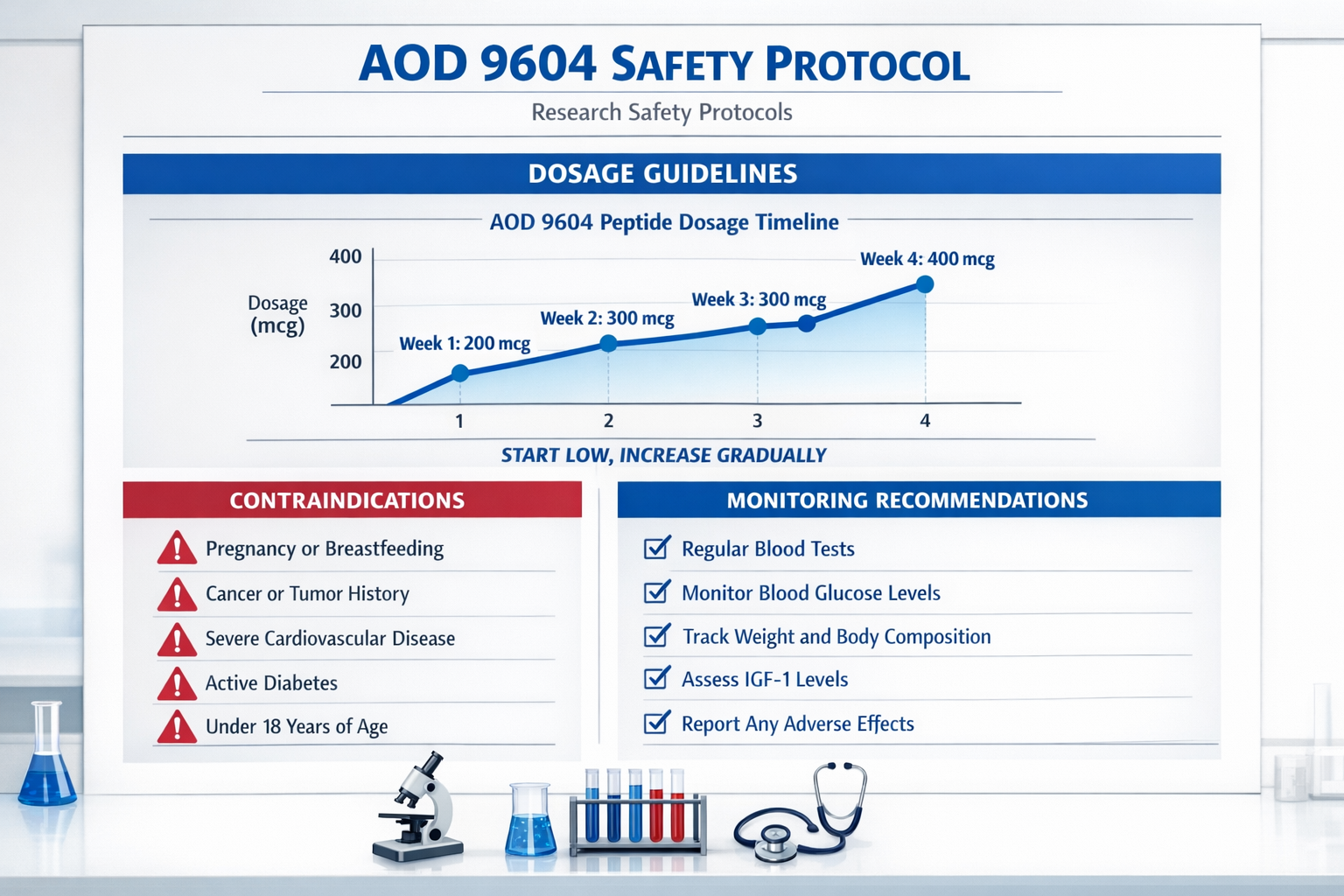
Professional research institutions have developed comprehensive protocols to minimize aod 9604 peptide side effects while maintaining study integrity and participant safety.
Pre-Research Screening Protocols
Effective screening helps identify individuals who may be at higher risk for aod 9604 peptide side effects:
Medical History Review: Comprehensive evaluation of past allergic reactions, autoimmune conditions, and medication sensitivities.
Baseline Health Assessment: Including cardiovascular evaluation, metabolic panel, and hormone level assessment to establish pre-study baselines.
Allergy Testing: Some research facilities conduct preliminary sensitivity testing before beginning aod 9604 peptide protocols.
Contraindication Screening: Identifying conditions or medications that may increase the risk of adverse interactions with aod 9604 peptides.
Graduated Dosing Strategies
Research protocols that minimize side effects often employ graduated dosing approaches:
Start Low, Go Slow: Beginning with minimal effective doses and gradually increasing based on individual tolerance and response.
Tolerance Assessment: Regular evaluation periods to assess how individuals respond to current aod 9604 peptide dosing before advancing to higher levels.
Individual Adjustment: Customizing protocols based on individual responses rather than using uniform dosing across all participants.
Research comparing different aod 9604 peptide dosage strategies consistently shows that graduated approaches reduce the incidence and severity of side effects while maintaining research validity.
Monitoring and Safety Protocols
Comprehensive monitoring helps identify and address aod 9604 peptide side effects before they become serious:
Regular Check-ins: Scheduled assessments to evaluate both intended effects and potential adverse reactions.
Biomarker Monitoring: Regular blood work to assess metabolic, hormonal, and safety parameters throughout the research period.
Symptom Tracking: Systematic documentation of any side effects, including timing, severity, and duration.
Emergency Protocols: Established procedures for managing serious adverse reactions, including immediate access to medical care.
Quality research facilities studying what is aod 9604 peptide maintain detailed safety protocols and emergency response capabilities to ensure participant welfare throughout the research process.
Quality Assurance Measures
Ensuring peptide quality represents a crucial factor in minimizing side effects:
Third-Party Testing: Verification of peptide purity, potency, and sterility through independent laboratory analysis.
Proper Storage: Maintaining appropriate temperature and humidity conditions to preserve peptide integrity.
Batch Documentation: Tracking specific peptide batches to identify any quality-related patterns in side effect occurrence.
Supplier Verification: Working with established suppliers who provide comprehensive testing documentation and quality assurance.
Research institutions that prioritize quality peptide sourcing consistently report lower rates of unexpected side effects and better overall research outcomes.
Long-term Safety Considerations for AOD 9604 Peptide Research
Understanding the long-term implications of aod 9604 peptide side effects requires examination of extended research studies and follow-up data from participants who have used the compound over extended periods.
Extended Use Studies
Research examining prolonged aod 9604 peptide administration has provided valuable insights into long-term safety profiles:
Tolerance Development: Some studies suggest that individuals may develop tolerance to certain side effects over time, particularly mild injection site reactions and initial fatigue.
Cumulative Effects: Long-term research has not identified significant cumulative toxicity with aod 9604 peptides when used within established dosing guidelines.
Adaptation Patterns: Many participants show improved tolerance profiles after 2-4 weeks of consistent administration, with fewer reported side effects during continued use.
Withdrawal Considerations: Studies examining discontinuation of aod 9604 peptide therapy generally show minimal withdrawal effects, suggesting low potential for dependency-related issues.
Reproductive and Developmental Considerations
Special populations require additional consideration regarding aod 9604 peptide side effects:
Reproductive Age Considerations: Limited research exists regarding the effects of aod 9604 peptide on reproductive function, leading to cautious approaches in research involving individuals of reproductive age.
Pregnancy and Lactation: Current research protocols exclude pregnant and lactating individuals due to insufficient safety data in these populations.
Pediatric Considerations: Research in younger populations remains limited, with most studies focusing on adult participants to establish baseline safety profiles.
Interaction with Aging Processes
Research examining what is aod 9604 peptide for men and women of different ages has revealed age-related considerations:
Metabolic Changes: Older research participants may experience different metabolic responses to aod 9604 peptide, potentially affecting both efficacy and side effect profiles.
Clearance Rates: Age-related changes in kidney and liver function may affect how quickly the body processes and eliminates aod 9604 peptide, potentially influencing side effect duration.
Comorbidity Interactions: Older participants with multiple health conditions may experience more complex interaction patterns with aod 9604 peptides.
Studies focusing on peptide research in diverse populations continue to expand our understanding of how individual factors influence long-term safety profiles.
Comparing AOD 9604 Side Effects with Other Research Peptides
Understanding aod 9604 peptide side effects in context requires comparison with other commonly researched peptides to provide perspective on relative safety profiles.
Comparison with Growth Hormone Peptides
AOD 9604 vs. Full Growth Hormone: Research consistently shows that aod 9604 peptide produces fewer systemic side effects compared to full growth hormone administration, particularly regarding:
- Reduced joint pain and swelling
- Lower incidence of carpal tunnel syndrome
- Minimal impact on blood glucose levels
- Decreased risk of edema formation
AOD 9604 vs. Other GH Fragments: Comparative studies suggest that aod 9604 peptides have a more favorable side effect profile compared to some other growth hormone fragments, with particular advantages in terms of injection site tolerance and systemic effects.
Comparison with Metabolic Peptides
Research comparing aod 9604 peptide with other metabolic research compounds shows:
Gastrointestinal Effects: AOD 9604 peptide typically produces fewer digestive side effects compared to some GLP-1 receptor agonists used in metabolic research.
Cardiovascular Impact: Studies suggest that aod 9604 peptide side effects include fewer cardiovascular concerns compared to some stimulant-based metabolic research compounds.
Neurological Effects: AOD 9604 peptide shows minimal neurological side effects compared to compounds that cross the blood-brain barrier more readily.
Researchers studying diverse peptide applications often note that AOD 9604's side effect profile makes it an attractive option for metabolic research applications.
Risk-Benefit Analysis in Research Contexts
Professional research institutions conduct comprehensive risk-benefit analyses when selecting aod 9604 peptide for studies:
Safety Margin: The relatively wide safety margin between effective doses and doses associated with significant side effects makes aod 9604 peptide attractive for research applications.
Monitoring Requirements: Compared to some other research peptides, aod 9604 peptide requires less intensive monitoring protocols, reducing research complexity and costs.
Participant Compliance: The generally mild side effect profile of aod 9604 peptide contributes to better participant compliance and lower dropout rates in research studies.
Conclusion
Understanding aod 9604 peptide side effects represents a crucial component of responsible peptide research in 2026. The current body of research demonstrates that AOD 9604 peptide generally exhibits a favorable safety profile when used within established protocols and proper dosing guidelines.
The most common side effects remain mild and localized, primarily involving injection site reactions that resolve spontaneously. Serious adverse events are rare and typically associated with improper dosing, poor-quality peptides, or individual predisposing factors. The key to minimizing aod 9604 peptide side effects lies in proper screening, graduated dosing approaches, quality sourcing, and comprehensive monitoring protocols.
For researchers and institutions considering aod 9604 peptide studies, several actionable steps can optimize safety outcomes:
🔬 Implement Comprehensive Screening: Establish thorough pre-research evaluation protocols to identify individuals who may be at higher risk for adverse effects.
📊 Start with Conservative Dosing: Begin with lower doses and gradually increase based on individual tolerance and research objectives.
🏥 Maintain Quality Standards: Source aod 9604 peptide from verified, tested suppliers who provide comprehensive quality documentation.
📋 Establish Monitoring Protocols: Implement regular assessment schedules to track both intended effects and potential adverse reactions.
📚 Stay Current with Research: Continue monitoring emerging research on aod 9604 peptide side effects to incorporate new safety insights into research protocols.
The evolving landscape of peptide research continues to provide new insights into optimizing safety profiles while maintaining research integrity. As our understanding of aod 9604 peptide mechanisms and individual response patterns improves, researchers can develop even more refined approaches to minimizing side effects while maximizing research value.
For institutions ready to incorporate aod 9604 peptide into their research protocols, partnering with established suppliers who prioritize quality and provide comprehensive support can significantly impact both safety outcomes and research success. The investment in proper protocols and quality compounds ultimately supports both participant welfare and research validity in this rapidly advancing field.
SEO Meta Information:
Meta Title: AOD 9604 Peptide Side Effects: Complete Research Guide 2026
Meta Description: Comprehensive guide to AOD 9604 peptide side effects, safety profiles, and research protocols. Learn about common reactions, serious effects, and best practices for 2026.