
Understanding the Prostamax Peptide Dose: A Comprehensive Research Guide for 2026
Are you a researcher or peptide enthusiast exploring the cutting edge of biological modulation? The world of peptides offers fascinating avenues for study, and among the many compounds gaining attention is prostamax peptide. Delving into the optimal prostamax peptide dose is crucial for any meaningful research, as dosage directly impacts experimental outcomes and the interpretation of results. In this comprehensive guide, we'll explore the scientific understanding, research considerations, and potential applications surrounding this intriguing peptide, ensuring you have the foundational knowledge needed for your studies in 2026.
Peptides are short chains of amino acids, acting as biological messengers within the body. Prostamax peptide, a specific bioregulator, has garnered interest for its proposed role in supporting prostate health at a cellular level. Understanding its mechanisms and, critically, how to determine an effective prostamax peptide dose is paramount for accurate and reproducible research. As we navigate the complexities of peptide science, my goal is to provide a clear, authoritative resource for those seeking to deepen their understanding.
Key Takeaways
- Prostamax Peptide as a Bioregulator: Prostamax is a peptide bioregulator derived from prostate tissue, hypothesized to exert organ-specific effects on prostate cells.
- Dose-Response Relationship: The efficacy and safety profile of prostamax peptide, like any biological agent, are highly dependent on the administered dose, requiring careful research and understanding of the dose-response curve.
- Research Focus: Studies often explore prostamax's potential in maintaining prostate cellular homeostasis and mitigating age-related changes, with dosage being a critical variable in these investigations.
- Preclinical Data Importance: Current understanding of prostamax peptide dose is primarily informed by preclinical research, emphasizing the need for rigorous study protocols.
- Quality and Purity: Sourcing high-quality, pure prostamax peptide is non-negotiable for accurate dosage and reliable research results. For a wide range of research-grade peptides, consider exploring options at Pure Tested Peptides.
The Science Behind Prostamax Peptide and Its Role
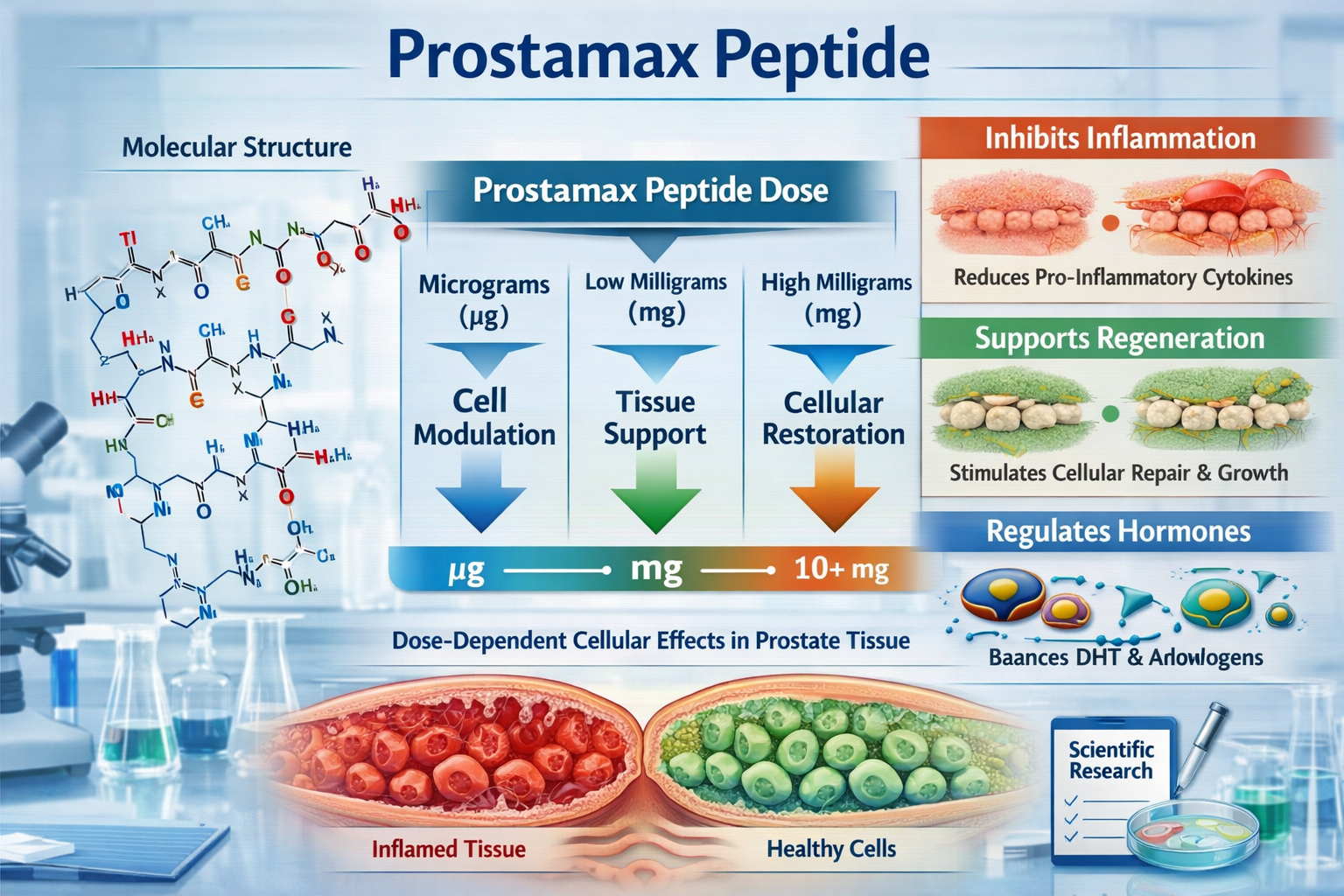
The field of peptide bioregulation is rooted in the concept that specific peptides, often derived from animal organs, can selectively influence the function of their corresponding organs in other animals. Prostamax peptide, often referred to as a prostatic peptide bioregulator, falls into this category. It is believed to act by regulating gene expression and protein synthesis within prostate cells, thereby helping to maintain their normal physiological function. This targeted action is what makes peptides like prostamax so compelling for research.
The prostate gland is a vital organ in the male reproductive system, and its health can be influenced by various factors, including age, diet, and lifestyle. As research continues into understanding and supporting prostate health, peptides like prostamax offer a unique lens through which to explore cellular mechanisms. The idea is that these peptides can help restore or optimize the function of cells within the prostate, leading to better overall glandular health.
One key aspect of prostamax peptide's proposed action involves its interaction with specific receptors on prostate cells. By binding to these receptors, prostamax may initiate a cascade of intracellular events that lead to beneficial changes in cell behavior. These changes could include improved cellular metabolism, enhanced antioxidant defense, or even the modulation of inflammatory responses. Understanding these underlying mechanisms is crucial when considering the prostamax peptide dose for experimental purposes.
What is Prostamax Peptide?
Prostamax peptide is typically a synthetic or naturally derived short chain of amino acids, often extracted or synthesized based on sequences found in healthy prostate tissue. Its primary hypothesized function is to act as a bioregulator for the prostate gland. This means it's thought to help normalize cellular function within the prostate. For instance, research might investigate how the peptide influences cell proliferation or apoptosis (programmed cell death), which are critical processes in maintaining tissue homeostasis.
The concept of "bioregulation" itself is significant. It suggests that these peptides don't necessarily force a change, but rather guide cellular processes back towards a state of equilibrium. This makes them distinct from many pharmaceutical drugs that often block or overstimulate specific pathways. When studying prostamax peptide dose, researchers are often looking for the optimal concentration that supports this regulatory effect without inducing unwanted side effects.
There are various types of peptides, each with unique properties and research applications. For example, some peptides like the Klow Blend (BPC-157, TB-500, KPV, GHK-Cu blend) are designed to offer synergistic benefits for a range of research areas, including recovery and skin health, demonstrating the diverse potential of peptide formulations. When comparing, the focus of prostamax remains organ-specific.
Proposed Mechanisms of Action for Prostamax Peptide
While research is ongoing, the proposed mechanisms of action for prostamax peptide primarily revolve around its ability to influence gene expression and cellular metabolism within prostate cells. Here's a breakdown of some key areas of investigation:
- Gene Expression Regulation: It's hypothesized that prostamax can influence the expression of genes involved in cell growth, differentiation, and overall prostate function. By modulating these genes, the peptide may help maintain cellular health and prevent deviations from normal physiological processes. This could involve upregulating beneficial genes or downregulating detrimental ones.
- Antioxidant Support: Oxidative stress is a significant factor in cellular aging and dysfunction. Some research suggests that peptides, including prostamax, may enhance the prostate's natural antioxidant defenses, helping to protect cells from damage caused by free radicals. This protective effect is a crucial area for dose-response studies.
- Inflammation Modulation: Chronic inflammation can contribute to various health issues. Prostamax peptide may play a role in modulating inflammatory pathways within the prostate, potentially reducing inflammation and supporting tissue repair. Investigating the prostamax peptide dose required for anti-inflammatory effects is a common research objective.
- Cellular Regeneration and Repair: Peptides are often studied for their regenerative properties. Prostamax may support the natural processes of cell regeneration and repair within the prostate, contributing to tissue integrity and function. This could be particularly relevant in age-related studies.
Understanding these mechanisms provides a framework for designing research protocols and interpreting results, especially when trying to pinpoint an effective prostamax peptide dose. The specific concentration of the peptide will likely influence which of these mechanisms are primarily activated and to what extent.
Determining the Optimal Prostamax Peptide Dose for Research
Determining the appropriate prostamax peptide dose for research purposes is a multifaceted process that requires careful consideration of preclinical data, the specific research objectives, and the purity of the peptide being used. Unlike pharmaceuticals with established human dosages, peptides like prostamax are primarily used in a research context, often involving in vitro (cell culture) or in vivo (animal) studies. Therefore, researchers must rely on existing scientific literature and extrapolate carefully.
It's crucial to understand that there is no universally "approved" human dose for prostamax peptide, as it is a research chemical. All discussions around dosage in this article pertain strictly to research applications and experimental protocols. Researchers must adhere to ethical guidelines and best practices when conducting any study involving peptides.
Factors Influencing Prostamax Peptide Dose
Several factors play a critical role in determining the appropriate prostamax peptide dose for a given study:
- Research Objective: What specific effect are you trying to observe? Are you aiming to study general cellular maintenance, modulate specific gene expression, or investigate anti-inflammatory properties? Different objectives might necessitate different dose ranges.
- Model System: Are you working with cell cultures (in vitro) or animal models (in vivo)?
- In vitro studies: Doses are typically expressed in concentrations (e.g., nM, µM) and depend on cell line sensitivity, incubation time, and media volume.
- In vivo studies: Doses are usually expressed per unit of body weight (e.g., µg/kg or mg/kg) and consider the animal species, route of administration, and metabolic rate.
- Route of Administration: The method by which the peptide is introduced into the system profoundly affects its bioavailability and the required dose. Common research routes include:
- Subcutaneous (SC) injection: Often preferred for good absorption.
- Intramuscular (IM) injection: Can also provide good systemic distribution.
- Intranasal: For certain applications, particularly those targeting systemic or neurological effects, though less common for prostamax.
- Oral: Generally less efficient for peptides due to degradation by digestive enzymes, requiring significantly higher doses or specialized formulations if being explored.
- Frequency and Duration of Administration: Is it a single dose, daily, or pulsed administration? The duration of the study will also influence the total amount of peptide used and the cumulative effect.
- Peptide Purity and Quality: High-purity peptides (e.g., >98%) are essential for accurate dosing. Impurities can affect experimental results and safety. Always purchase from reputable suppliers like Pure Tested Peptides to ensure product integrity.
- Existing Preclinical Data: Reviewing published research on prostamax peptide or similar bioregulators can provide a starting point for dosage ranges. However, direct comparisons must be made cautiously, as experimental designs can vary.
Consider the example of AOD-9604 which is another peptide with specific research protocols and dosage recommendations based on its unique structure and mechanism of action. Each peptide requires its own careful assessment.
General Dosing Principles in Peptide Research
When investigating the prostamax peptide dose, researchers often follow a stepwise approach:
- Starting Low: Begin with a low, conservative dose, especially when exploring a new peptide or model system. This helps establish a baseline and assess any immediate effects.
- Titration Upwards: Gradually increase the dose in subsequent experiments, observing for dose-dependent effects. This process, known as titration, helps identify the minimum effective dose (MED) and the maximum tolerated dose (MTD) within the experimental context.
- Dose-Response Curve: Aim to generate a dose-response curve, which graphically represents the relationship between the dose of the peptide and the magnitude of the observed effect. This is fundamental for understanding the peptide's activity.
- Safety Margin: In preclinical studies, researchers often aim to identify doses that are well below any observed toxicity levels, establishing a wide safety margin.
"The art of peptide research lies in meticulously balancing the desired biological effect with the lowest possible, yet effective, dose to ensure data integrity and avoid confounding factors."
It is important to remember that these are general principles. Specific protocols for prostamax peptide dosage will emerge from a combination of initial hypotheses, literature review, and iterative experimentation.
Typical Prostamax Peptide Dose Ranges (Research Context)
While precise figures can vary greatly depending on the research model and specific objectives, I can provide general ranges observed in preclinical research involving peptide bioregulators like prostamax. These are illustrative and should not be taken as prescriptive without thorough individual research design.
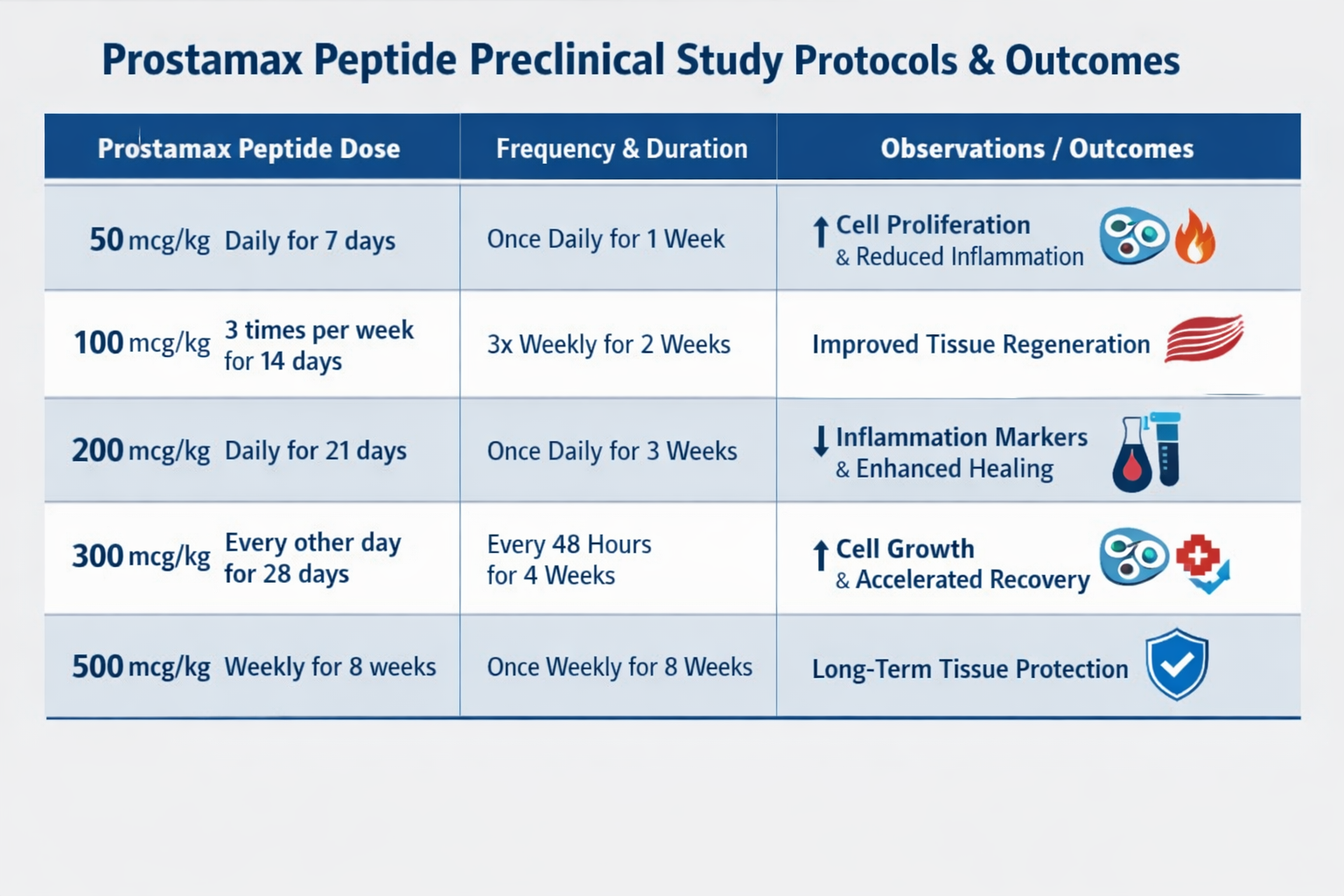
For in vivo (animal) studies, the prostamax peptide dose is typically in the microgram (µg) to low milligram (mg) range per kilogram of body weight.
- Low Dose Range: 5-20 µg/kg of body weight, administered daily or every other day.
- Moderate Dose Range: 20-100 µg/kg of body weight, administered daily or every other day.
- Higher Dose Range: 100-500 µg/kg of body weight, administered less frequently or for specific, acute studies.
Example Research Protocol Snippet (Illustrative Only):
| Parameter | Detail |
|---|---|
| Peptide | Prostamax Peptide (e.g., >98% purity) |
| Animal Model | Sprague-Dawley Rats (male, 8-12 weeks old) |
| Dose Group 1 | 10 µg/kg SC, once daily |
| Dose Group 2 | 50 µg/kg SC, once daily |
| Dose Group 3 | 250 µg/kg SC, once daily |
| Control Group | Saline (placebo) SC, once daily |
| Duration | 30 days |
| Endpoints | Prostate tissue histology, inflammatory markers, gene expression analysis |
For in vitro (cell culture) studies, the prostamax peptide dose is expressed as a concentration in the cell culture medium. These concentrations can range from nanomolar (nM) to micromolar (µM).
- Low Concentration: 10 nM – 100 nM
- Moderate Concentration: 100 nM – 1 µM
- Higher Concentration: 1 µM – 10 µM
It's critical to perform dose-titration experiments to establish the specific dose-response curve for your particular cell line and experimental setup. The interaction of peptides with cells can be highly specific.
Always consider the context. For instance, if you are conducting research with a peptide blend such as the Klow Blend (BPC-157, TB-500, KPV, GHK-Cu blend) the combined effects of multiple peptides at specific doses will need to be understood. Each component's dose and its interaction are key.
Practical Considerations for Handling and Administering Prostamax Peptide
Beyond determining the optimal prostamax peptide dose, proper handling and administration are critical for ensuring the integrity of your research. Peptides are delicate molecules that can degrade if not stored or reconstituted correctly. Meticulous attention to detail in these practical aspects will safeguard your experimental results and contribute to the reproducibility of your studies.
Reconstitution and Storage of Prostamax Peptide
When you purchase prostamax peptide, it typically comes in a lyophilized (freeze-dried) powder form. This form is stable for extended periods if stored correctly.
- Initial Storage: Upon arrival, store the lyophilized peptide in a freezer (e.g., -20°C or colder) or refrigerator (2-8°C) as recommended by the supplier. Light and moisture are the enemies of peptide stability.
- Reconstitution Solvent: The most common solvent for reconstituting prostamax peptide for research is sterile bacteriostatic water (BW). This water contains 0.9% benzyl alcohol, which inhibits bacterial growth, allowing for multi-dose usage. For certain in vitro applications, sterile distilled water or a specific buffer might be used, but these often lack preservatives.
- Reconstitution Process:
- Allow the peptide vial to reach room temperature before opening to prevent condensation.
- Slowly add the desired amount of sterile bacteriostatic water to the vial, letting it drip down the side. Avoid direct spraying onto the powder, as this can damage the peptide structure.
- Do NOT shake the vial. Gently swirl or roll the vial between your palms until the powder fully dissolves. This may take a few minutes. If it doesn't dissolve immediately, let it sit in the refrigerator for 15-30 minutes and then gently swirl again.
- Once dissolved, the peptide solution is ready for use.
- Storage of Reconstituted Peptide: Reconstituted prostamax peptide is less stable than its lyophilized form.
- Store the solution in the refrigerator (2-8°C).
- Protect it from light.
- Aim to use the reconstituted peptide within 2-4 weeks. For longer storage, consider aliquoting the solution into smaller sterile vials and freezing them (e.g., -20°C). Avoid repeated freeze-thaw cycles.
Proper reconstitution and storage are foundational for accurate prostamax peptide dose administration, as degradation can alter the effective concentration of your solution.
Administration Techniques for Research
For in vivo research, the most common routes for administering prostamax peptide are subcutaneous (SC) or intramuscular (IM) injection. Proper technique is essential for animal welfare and consistent dosing.
- Sterile Technique: Always use sterile needles, syringes, and aseptic technique to prevent contamination and infection. This includes swabbing the injection site with an alcohol wipe.
- Syringe and Needle Selection:
- Syringe: Insulin syringes (U-100, 0.5 mL or 1 mL) with fixed needles are often ideal due to their fine gauge and precise markings for small volumes, perfect for accurate prostamax peptide dose administration.
- Needle Gauge: Typically 29-31 gauge, 1/2 inch or 5/16 inch length for SC injections in small animals.
- Subcutaneous (SC) Injection:
- Gently tent the skin of the animal (e.g., in the scruff of the neck or flank).
- Insert the needle at a shallow angle (15-45 degrees) into the tented skin, ensuring it's beneath the skin but not into the muscle.
- Slowly depress the plunger to administer the peptide solution.
- Withdraw the needle swiftly and gently massage the area to aid dispersion.
- Intramuscular (IM) Injection:
- Identify a suitable muscle mass (e.g., thigh muscle).
- Insert the needle perpendicular to the skin (90 degrees) into the muscle.
- Aspirate slightly to ensure no blood vessel has been punctured. If blood is drawn, withdraw and re-site.
- Slowly depress the plunger.
- Withdraw the needle swiftly.
Always refer to institutional animal care and use committee (IACUC) guidelines and specific animal handling protocols for detailed procedures. Accurate and consistent administration ensures that the intended prostamax peptide dose is delivered effectively.
For researchers working with various peptides, resources like "Best Practices for Storing Research Peptides" (https://www.puretestedpeptides.com/best-practices-for-storing-research-peptides/) can offer further valuable insights into maintaining peptide integrity.
Related Peptides and Bioregulators: A Comparative Look
The world of peptide bioregulators is diverse, with each peptide hypothesized to target specific organ systems or physiological processes. While prostamax peptide focuses on the prostate, other bioregulators exist for various organs, offering researchers a broad spectrum of tools. Understanding these related peptides can provide context and highlight the unique niche that prostamax occupies in research.
Vesilute Peptide: Renal and Urinary System Focus
Another notable peptide bioregulator is vesilute peptide. Derived from kidney and urinary bladder tissues, vesilute is hypothesized to exert a regulatory effect on the cells of the renal and urinary systems. Research into vesilute peptide benefits often explores its potential role in maintaining kidney function, supporting bladder health, and modulating cellular processes within these organs.
Just like prostamax, determining the appropriate vesilute peptide dosage is critical for research. Studies might investigate how vesilute impacts filtration rates, urinary tract integrity, or inflammatory markers in kidney and bladder cells. When sourcing, looking for "vesilut for sale" from reputable suppliers is essential to ensure quality and purity for accurate research. The vesilute peptide bioregulator represents another example of organ-specific peptide action, making it a valuable subject for independent study.
Ovagen Peptide: Ovarian and Reproductive Health
Moving to the female reproductive system, ovagen peptide is a bioregulator derived from ovarian tissues. The focus of ovagen peptide benefits research typically centers on its potential to support ovarian function, modulate hormone production, and influence cellular health within the female reproductive system. Understanding the ovagen peptide dosage is paramount for studies aiming to observe its effects on ovarian cells, follicle development, or other reproductive parameters.
Researchers often inquire, "what is ovagen peptide" when exploring avenues to support female reproductive biology. Like prostamax, ovagen peptides are studied for their potential to help regulate cellular processes back towards a state of equilibrium in their target organs. Reviews of ovagen peptide reviews from scientific literature can provide insights into previous research designs and observed outcomes, helping inform new studies.
Comparing Prostamax with Other Bioregulators
Here's a brief comparative table illustrating the primary focus of these bioregulators:
| Peptide Name | Primary Organ/System Focus | Key Research Areas |
|---|---|---|
| Prostamax Peptide | Prostate Gland | Cellular homeostasis, age-related changes, inflammation modulation, cell proliferation in prostate. |
| Vesilute Peptide | Kidneys & Urinary Bladder | Renal function, bladder health, urinary tract integrity, inflammation in urinary system. |
| Ovagen Peptide | Ovaries | Ovarian function, hormone modulation, reproductive cellular health. |
Each of these peptides, while sharing the overarching concept of bioregulation, is distinct in its specific target and proposed mechanisms. Therefore, the optimal prostamax peptide dose will differ significantly from the required doses for vesilute peptide or ovagen peptide, reflecting their unique biological roles and the sensitivity of their target tissues.
For researchers interested in exploring a broader range of peptides, including blends for various research objectives, you can find a comprehensive list and detailed information at Pure Tested Peptides' All Peptides for Sale. This can be an excellent resource for building a diverse peptide library for your investigations.
Future Research Directions and Ethical Considerations for Prostamax Peptide
The burgeoning field of peptide research, including studies on the prostamax peptide dose, holds immense promise. As we move further into 2026 and beyond, new technologies and deeper understanding will undoubtedly pave the way for more sophisticated investigations. However, with this progress comes the responsibility to adhere to stringent ethical guidelines and to interpret research findings with caution and scientific rigor.
Emerging Areas of Research for Prostamax Peptide
Future research on prostamax peptide is likely to build upon current preclinical findings and delve into more nuanced aspects of its function. Some key areas of potential exploration include:
- Molecular Docking and Receptor Specificity: More detailed studies could investigate the precise receptors or binding partners that prostamax peptide interacts with on prostate cells. This could involve advanced molecular modeling and proteomics to identify direct targets. Understanding these interactions at an atomic level could refine our understanding of the ideal prostamax peptide dose required for specific cellular effects.
- Combination Therapies/Blends: Researchers might explore the synergistic effects of prostamax peptide when combined with other peptides, natural compounds, or conventional agents. For example, investigating the impact of prostamax alongside antioxidant peptides or anti-inflammatory compounds on prostate cell health. This approach is gaining traction in peptide research, as seen with complex formulations like the Klow Blend (BPC-157, TB-500, KPV, GHK-Cu blend) which aims for multi-faceted benefits.
- Long-term Efficacy and Safety Profiles: While current research provides insights into short-to-medium term effects, longer-term studies on animal models would be invaluable. These studies could help assess the sustained impact of different prostamax peptide dose regimens and further delineate any potential long-term safety considerations.
- Biomarker Identification: Identifying specific biomarkers that correlate with the activity of prostamax peptide could revolutionize how research efficacy is measured. This would allow for more precise evaluation of different dosing strategies and help confirm the peptide's biological effects.
- Novel Delivery Systems: While injections are common, research into alternative delivery methods such as transdermal patches, oral formulations with enhanced bioavailability, or targeted nanoparticles could improve the efficiency and applicability of prostamax peptide in research settings. This could significantly impact future recommendations for prostamax peptide dose.
These research avenues promise to expand our knowledge of prostamax peptide and its potential, solidifying its place as a fascinating subject in the realm of bioregulators.
Ethical Considerations and Responsible Research Practices
As with any biological research, particularly involving substances that modulate physiological processes, ethical considerations are paramount when studying prostamax peptide dose.
- Animal Welfare: For in vivo studies, strict adherence to animal welfare guidelines (e.g., IACUC protocols) is non-negotiable. Researchers must ensure that all procedures minimize discomfort and stress to the animals. The "3 Rs" (Replacement, Reduction, Refinement) principle should always be applied.
- Data Transparency and Reproducibility: All research involving prostamax peptide, including dosage and methodology, should be conducted with full transparency. Detailed protocols, raw data, and statistical analyses should be openly reported to allow for independent verification and reproducibility by the scientific community. This is crucial for building a robust body of evidence.
- Accurate Reporting: Researchers must accurately report their findings, without overstating conclusions or implying applications beyond the scope of their experimental design. The distinction between preclinical research findings and clinical applications is critical. Prostamax peptide, like other research chemicals, is not for human consumption or therapeutic use in 2026.
- Sourcing and Purity: The ethical responsibility also extends to sourcing. Always purchase research peptides like prostamax from reputable suppliers that provide third-party testing for purity and identity. This ensures that the material being studied is indeed what it claims to be, which is fundamental for accurate prostamax peptide dose and reliable results. Organizations like Pure Tested Peptides prioritize quality and transparency.
- Regulatory Compliance: Stay informed about and comply with all relevant local, national, and international regulations regarding the acquisition, storage, and use of research chemicals. These regulations are designed to protect both researchers and the wider public.
"Responsible peptide research demands not only scientific curiosity but also unwavering ethical commitment and adherence to best practices, ensuring that advancements are made thoughtfully and safely."
By upholding these principles, researchers can contribute meaningfully to the scientific understanding of prostamax peptide and its potential, paving the way for future discoveries in a responsible and ethical manner.
Conclusion: Navigating the Research Landscape of Prostamax Peptide Dose
The exploration of prostamax peptide as a bioregulator for prostate health represents a compelling area of scientific inquiry. From understanding its proposed mechanisms of action to meticulously determining the optimal prostamax peptide dose for specific research objectives, every step in the scientific process is critical. We've delved into the intricacies of prostamax, examining its hypothesized role in cellular homeostasis and comparing it to other fascinating bioregulators like vesilute peptide and ovagen peptide.
The journey through peptide research is marked by continuous discovery. As we move through 2026, the scientific community's commitment to rigorous methodology, ethical conduct, and transparent reporting will be paramount in unraveling the full potential of peptides like prostamax. The precise prostamax peptide dose is not a static number but a dynamic variable, demanding careful titration, replication, and thoughtful interpretation within the context of well-designed experiments.
For researchers and enthusiasts alike, the promise of targeted cellular modulation offered by peptides is undeniable. However, this promise is only realized through dedication to high-quality research, ensuring that every finding contributes reliably to the growing body of knowledge.
Actionable Next Steps for Researchers:
- Deepen Your Literature Review: Before initiating any new studies, conduct an exhaustive review of published research on prostamax peptide and related bioregulators. Pay close attention to the prostamax peptide dose used in successful experiments and any reported limitations.
- Prioritize Peptide Quality: Always source your prostamax peptide from reputable suppliers that provide third-party purity testing. This is non-negotiable for accurate dosage and reliable experimental outcomes. You can explore high-quality research peptides at Pure Tested Peptides.
- Design Robust Protocols: Carefully plan your experimental design, considering all factors influencing prostamax peptide dose, including model system, route of administration, frequency, and duration. Include appropriate control groups.
- Adhere to Ethical Guidelines: Ensure all research, especially in vivo studies, strictly adheres to ethical guidelines for animal welfare and scientific conduct.
- Document Meticulously: Maintain detailed records of your entire experimental process, from peptide reconstitution and storage to dose administration and observed results. This ensures reproducibility and strengthens your findings.
- Consider Synergistic Blends: Explore the potential of peptide blends, like the Klow Blend (BPC-157, TB-500, KPV, GHK-Cu blend), for broader research applications, understanding that specific dosing will be unique for each component.
By following these steps, you can contribute effectively and responsibly to the exciting ongoing research into prostamax peptide and the broader field of peptide bioregulation.
Meta Title: Prostamax Peptide Dose Guide 2026: Research & Applications
Meta Description: Explore the science of prostamax peptide dose in research for 2026. Learn about optimal dosing, mechanisms, and ethical considerations for prostate health studies.