
GHK-Cu Peptide Serum: The Complete Guide for Performance and Regeneration in 2026
Imagine discovering a single molecule that could turn back the clock on aging skin, accelerate recovery from intense training, and support tissue regeneration at the cellular level. For fitness coaches, bodybuilders, medi spa professionals, and peptide enthusiasts, GHK-Cu peptide serum represents one of the most researched and promising compounds in regenerative science today. This copper-binding peptide has captured attention across multiple industries, from aesthetic medicine to athletic performance optimization.
In this comprehensive guide, I'll walk you through everything you need to know about GHK-Cu peptide serum—from its molecular mechanisms to practical applications in your professional practice or personal wellness journey.
Key Takeaways
✅ GHK-Cu is a naturally occurring copper peptide that declines with age, playing crucial roles in tissue repair, collagen synthesis, and cellular regeneration
✅ Research demonstrates multiple benefits including enhanced wound healing, improved skin elasticity, antioxidant activity, and anti-inflammatory properties
✅ Professional-grade formulations matter—concentration, purity, and proper storage significantly impact effectiveness and research outcomes
✅ Applications extend beyond skincare to include athletic recovery, tissue repair research, and integrative wellness protocols
✅ Quality sourcing is critical for research purposes, requiring third-party testing, certificates of analysis, and pharmaceutical-grade manufacturing standards
What Is GHK-Cu Peptide Serum?
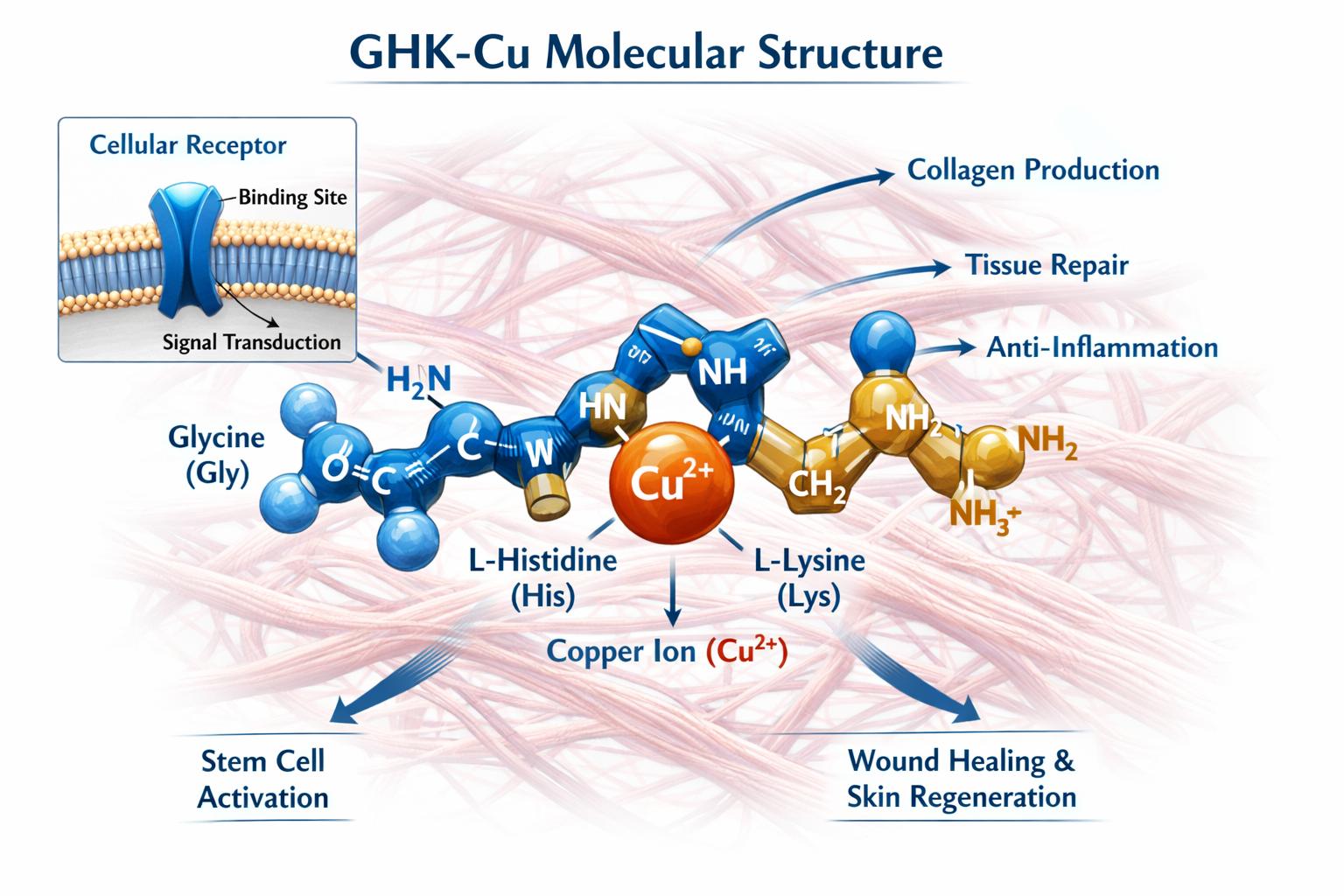
GHK-Cu peptide serum is a topical or injectable formulation containing the tripeptide glycyl-L-histidyl-L-lysine bound to a copper ion. This naturally occurring molecule was first identified in human plasma in 1973 by Dr. Loren Pickart, who discovered its remarkable regenerative properties.
The peptide consists of three amino acids:
- Glycine (Gly)
- Histidine (His)
- Lysine (Lys)
When complexed with copper (Cu²⁺), this sequence creates a powerful signaling molecule that influences over 4,000 genes in the human body, according to genomic research studies.
The Science Behind Copper Peptides
GHK-Cu works through multiple biological pathways simultaneously. The copper ion acts as a cofactor for various enzymatic processes, while the peptide sequence serves as a signaling molecule that communicates with cells to initiate specific responses.
Primary mechanisms include:
🔬 Stimulation of collagen and elastin production
🔬 Activation of metalloproteinases for tissue remodeling
🔬 Enhancement of antioxidant enzyme systems
🔬 Modulation of inflammatory responses
🔬 Promotion of angiogenesis (new blood vessel formation)
Research published in multiple peer-reviewed journals has documented these effects across various cell types and tissue models. For professionals working with peptides for research purposes, understanding these mechanisms provides the foundation for effective protocol development.
How GHK-Cu Peptide Serum Works at the Cellular Level
The effectiveness of GHK-Cu peptide serum stems from its ability to interact with cellular receptors and influence gene expression. When applied topically or administered through other routes, the peptide penetrates the skin barrier and reaches target cells in the dermis.
Molecular Mechanisms of Action
Collagen Synthesis Enhancement
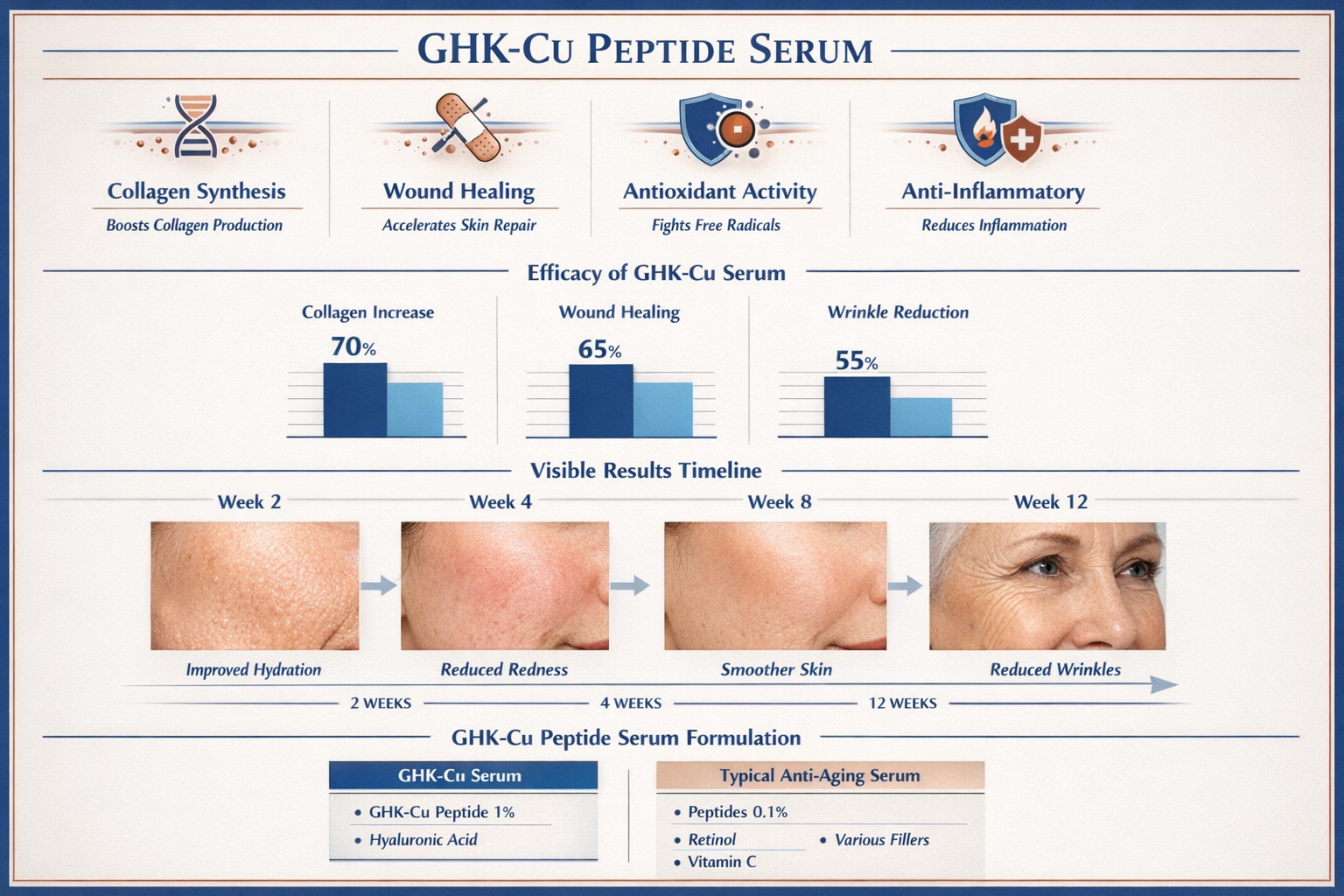
GHK-Cu upregulates genes responsible for collagen type I and III production. Studies have shown increases of up to 70% in collagen synthesis in fibroblast cultures treated with GHK-Cu compared to controls. This makes it particularly valuable for skin regeneration research and recovery protocols.
Antioxidant Activity
The copper component of GHK-Cu activates superoxide dismutase (SOD), one of the body's primary antioxidant enzymes. This helps neutralize free radicals that contribute to cellular damage and aging processes.
Anti-Inflammatory Properties
Research indicates that GHK-Cu can reduce the production of inflammatory cytokines including TNF-α and IL-6. For bodybuilders and fitness professionals dealing with exercise-induced inflammation, this property has significant implications for recovery optimization.
Tissue Remodeling and Repair
One of the most studied aspects of GHK-Cu peptide serum is its role in wound healing and tissue remodeling. The peptide influences matrix metalloproteinases (MMPs), enzymes that break down damaged tissue components, allowing for proper regeneration.
Key tissue effects include:
| Biological Process | GHK-Cu Effect | Research Evidence |
|---|---|---|
| Collagen Production | ↑ 70% increase | Multiple in vitro studies |
| Elastin Synthesis | ↑ Enhanced | Fibroblast culture research |
| Glycosaminoglycans | ↑ Increased | Dermal tissue studies |
| Inflammatory Markers | ↓ Reduced | Cytokine analysis |
| Antioxidant Enzymes | ↑ Activated | SOD activity measurements |
For professionals at medi spas and wellness centers, these documented effects provide a scientific foundation for incorporating GHK-Cu into treatment protocols.
Benefits of GHK-Cu Peptide Serum for Different Applications
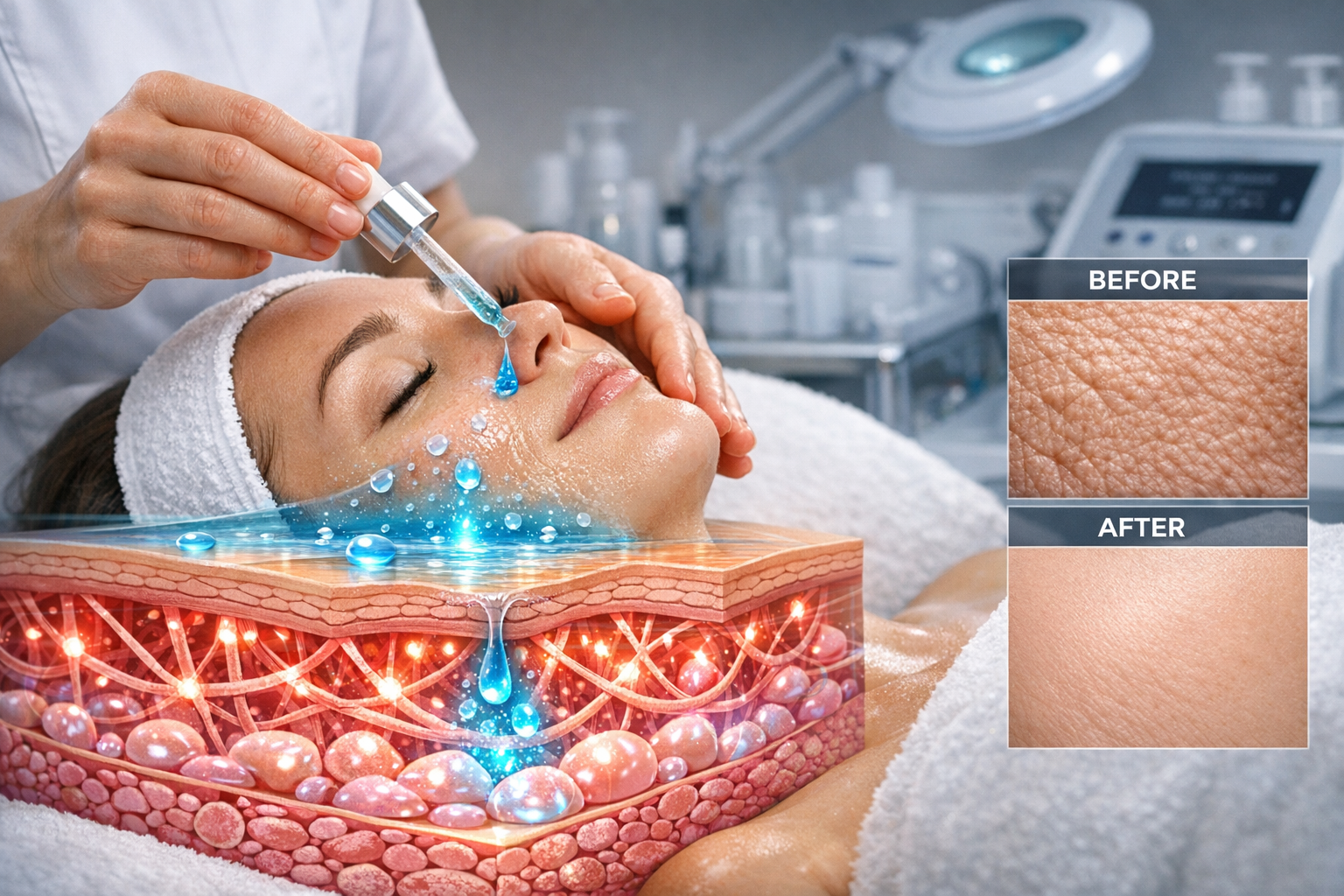
The versatility of GHK-Cu peptide serum makes it valuable across multiple professional contexts. Let me break down the specific benefits relevant to different user groups.
For Medi Spa Professionals
Aesthetic practitioners have embraced GHK-Cu for its visible effects on skin quality and appearance. Research supports its use in:
Skin Rejuvenation Protocols
Clinical observations have documented improvements in skin thickness, elasticity, and overall texture. The peptide's ability to stimulate dermal fibroblasts makes it a cornerstone ingredient in advanced skincare formulations.
Post-Procedure Recovery
Following microneedling, laser treatments, or chemical peels, GHK-Cu has been studied for its potential to support the healing process and optimize outcomes. The anti-inflammatory properties may help minimize downtime.
Pigmentation Research
Some studies suggest GHK-Cu may influence melanin production pathways, though more research is needed in this area. Many professionals incorporate it into comprehensive skin tone improvement protocols.
For Bodybuilders and Fitness Coaches
The athletic performance and recovery applications of GHK-Cu peptide serum have gained significant attention in strength training communities.
Connective Tissue Support
Intense training places enormous stress on tendons, ligaments, and fascia. GHK-Cu's collagen-stimulating properties make it relevant for research into connective tissue resilience and recovery.
Exercise-Induced Inflammation Management
The anti-inflammatory effects may help modulate the body's response to training stress. While inflammation is necessary for adaptation, excessive inflammation can impair recovery.
Skin Health During Competition Prep
Bodybuilders often experience skin quality issues during aggressive cutting phases. Some competitors have explored GHK-Cu as part of their aesthetic preparation protocols.
For Life Coaches and Wellness Practitioners
Integrative wellness professionals increasingly incorporate peptide research into holistic health optimization strategies.
Aging Research Applications
GHK-Cu levels decline significantly with age—from approximately 200 ng/mL at age 20 to 80 ng/mL by age 60. This decline correlates with reduced regenerative capacity, making supplementation research particularly relevant for longevity-focused protocols.
Stress and Recovery Optimization
The peptide's influence on cellular repair mechanisms aligns with comprehensive recovery and resilience-building approaches. Many wellness practitioners view it as one component of multi-faceted regeneration strategies.
Cognitive and Neurological Research
Emerging research explores GHK-Cu's potential neuroprotective properties, though this remains an area requiring further investigation. The peptide's antioxidant and anti-inflammatory effects may have implications beyond dermal applications.
GHK-Cu Peptide Serum Formulations and Concentrations
Not all GHK-Cu peptide serum products are created equal. Understanding formulation variables helps professionals select appropriate options for their specific research or application needs.
Concentration Ranges
Research-grade GHK-Cu formulations typically range from 0.5% to 3% concentration for topical applications. Higher concentrations don't necessarily produce better results—effectiveness depends on delivery system, penetration enhancers, and overall formulation design.
Common concentration guidelines:
- 0.5-1%: Entry-level formulations for general skin health research
- 1-2%: Standard professional-grade concentrations for aesthetic applications
- 2-3%: Higher-strength formulations for intensive protocols
- Injectable preparations: Typically measured in milligrams (mg) per vial
When sourcing quality peptides for research, concentration accuracy is critical. Third-party testing should verify the actual peptide content matches label claims.
Delivery Systems and Bioavailability
The molecular weight of GHK-Cu (approximately 340 Da) allows for reasonable skin penetration, but delivery enhancement technologies can significantly improve bioavailability.
Effective delivery approaches include:
✨ Liposomal encapsulation – Protects the peptide and enhances cellular uptake
✨ Microneedling combination – Creates microchannels for deeper penetration
✨ Iontophoresis – Uses electrical current to drive molecules into tissue
✨ Injectable administration – Provides direct delivery to target tissues
For professionals developing treatment protocols, the delivery method should match the intended application and desired depth of penetration.
Stability and Storage Considerations
GHK-Cu can degrade when exposed to light, heat, or oxidizing conditions. Proper storage is essential for maintaining peptide integrity.
Storage best practices:
🌡️ Refrigerate at 2-8°C (36-46°F) for liquid formulations
🌡️ Store lyophilized (freeze-dried) powder at -20°C for long-term preservation
🌡️ Protect from direct sunlight using amber or opaque containers
🌡️ Minimize air exposure—use airless pump bottles when possible
🌡️ Reconstitute only the amount needed for immediate use
I've seen many research projects compromised by improper peptide storage. When investing in high-quality GHK-Cu, protecting that investment through proper handling is essential.
Research Findings and Clinical Evidence
The scientific literature on GHK-Cu peptide serum spans several decades and includes both in vitro (cell culture) and in vivo (living organism) studies. Let me highlight some of the most relevant research findings.
Wound Healing Studies
Multiple studies have examined GHK-Cu's effects on wound closure rates and healing quality. A landmark study published in the Journal of Investigative Dermatology found that GHK-Cu accelerated wound contraction and improved the organization of newly formed tissue.
Key findings:
- Faster epithelialization (skin cell coverage of wounds)
- Improved collagen deposition patterns
- Enhanced angiogenesis in healing tissue
- Reduced scar formation in animal models
For fitness professionals working with clients recovering from injuries or surgeries, these findings provide scientific context for peptide research protocols.
Skin Aging Research
Several clinical trials have evaluated GHK-Cu's effects on photoaged skin. One double-blind study involving 67 participants found significant improvements in skin density, thickness, and overall appearance after 12 weeks of topical application.
Measured improvements included:
- 18% increase in skin thickness (measured by ultrasound)
- Reduction in fine lines and wrinkle depth
- Improved skin clarity and tone evenness
- Enhanced firmness and elasticity
These results align with GHK-Cu's known mechanisms of stimulating collagen synthesis and tissue remodeling. Medi spa professionals often reference such studies when developing evidence-based treatment protocols.
Gene Expression Studies
Perhaps the most fascinating research involves GHK-Cu's effects on gene expression. Genomic analysis has revealed that this peptide influences thousands of genes, with particularly strong effects on genes related to:
📊 Tissue repair and remodeling (341 genes upregulated)
📊 Antioxidant systems (87 genes positively affected)
📊 Cellular energy production (mitochondrial function genes)
📊 Inflammatory response modulation (reduced pro-inflammatory gene expression)
This broad genomic influence helps explain why GHK-Cu demonstrates such diverse biological effects across multiple tissue types and physiological systems.
Comparative Peptide Research
When compared to other popular peptides in regenerative research, GHK-Cu demonstrates unique advantages. Unlike growth hormone secretagogues or metabolic peptides like 5-Amino-1MQ, GHK-Cu works primarily through direct tissue signaling and gene expression modulation.
This makes it complementary to other peptide research protocols rather than redundant. Many advanced researchers combine GHK-Cu with other compounds for synergistic effects.
How to Use GHK-Cu Peptide Serum: Protocols and Applications
Implementing GHK-Cu peptide serum effectively requires understanding proper protocols for different applications. Here's what research and professional experience suggest.
Topical Application Protocols
For skin-focused applications, consistency and proper technique maximize results.
Basic topical protocol:
- Cleanse thoroughly – Remove all makeup, oils, and debris
- Apply to slightly damp skin – Enhances penetration
- Use 2-3 drops – A little goes a long way with concentrated formulations
- Gentle massage – Use upward motions, allow 2-3 minutes for absorption
- Follow with moisturizer – Seal in the peptide and provide hydration
- Apply twice daily – Morning and evening for optimal exposure
For professionals incorporating GHK-Cu into treatment protocols, combining it with professional procedures like microneedling can enhance delivery and results.
Injectable Research Protocols
Some researchers work with injectable GHK-Cu formulations for more direct tissue delivery. This requires proper reconstitution of lyophilized peptide powder.
Reconstitution guidelines:
- Use bacteriostatic water for multi-dose vials
- Follow manufacturer's instructions for concentration
- Gently swirl—never shake vigorously
- Allow complete dissolution before use
- Store reconstituted solution refrigerated
- Use within recommended timeframe (typically 30 days)
Note: Injectable peptide research should only be conducted by qualified professionals in appropriate settings with proper oversight.
Combination Protocols
Many practitioners combine GHK-Cu with complementary compounds for enhanced effects.
Common synergistic combinations:
🔗 GHK-Cu + Vitamin C – Both support collagen synthesis through different pathways
🔗 GHK-Cu + Hyaluronic Acid – Combines regeneration with hydration
🔗 GHK-Cu + Growth Factors – Complementary signaling molecules
🔗 GHK-Cu + Retinoids – Enhanced cell turnover and collagen stimulation
When developing comprehensive protocols, understanding how different compounds interact helps optimize outcomes while minimizing potential conflicts.
Timing and Cycling Considerations
Unlike some peptides that require cycling to maintain effectiveness, GHK-Cu can typically be used continuously. The body doesn't develop tolerance to this naturally occurring peptide in the same way it might to exogenous hormones or hormone-mimicking compounds.
Duration guidelines:
- Minimum trial period: 8-12 weeks for visible results
- Optimal duration: 3-6 months for comprehensive tissue remodeling
- Maintenance: Ongoing use maintains benefits; discontinuation doesn't cause rebound effects
- Breaks: Not required but some practitioners implement periodic breaks for assessment
For bodybuilders and athletes, timing application around training cycles and competition schedules can help optimize results for specific goals.
Quality Considerations: Sourcing Pure GHK-Cu Peptide Serum
The effectiveness and safety of GHK-Cu peptide serum depends entirely on product quality. Unfortunately, the peptide market includes both pharmaceutical-grade products and questionable formulations. Here's how to identify quality sources.
Third-Party Testing and Certificates of Analysis
Reputable peptide suppliers provide Certificates of Analysis (COAs) from independent laboratories verifying:
✅ Purity percentage – Should be ≥98% for research-grade peptides
✅ Identity confirmation – Mass spectrometry or HPLC verification
✅ Bacterial endotoxin levels – Should be <10 EU/mg
✅ Heavy metal content – Below safety thresholds
✅ Sterility – For injectable formulations
When sourcing from trusted peptide suppliers, requesting and reviewing COAs should be standard practice. I never recommend using peptides without verified third-party testing documentation.
Manufacturing Standards
Quality peptide production requires sophisticated facilities and processes. Look for suppliers who:
🏭 Utilize cGMP (current Good Manufacturing Practices) facilities
🏭 Employ pharmaceutical-grade synthesis methods
🏭 Implement rigorous quality control at multiple production stages
🏭 Maintain proper chain of custody documentation
🏭 Provide batch-specific tracking information
These standards ensure consistency between batches and minimize contamination risks that could compromise research or application outcomes.
Red Flags to Avoid
Certain warning signs indicate potentially problematic peptide sources:
⚠️ Prices significantly below market average – Quality peptides have inherent production costs
⚠️ No COA available or provided – Legitimate suppliers readily provide testing documentation
⚠️ Vague product descriptions – Professional suppliers specify exact peptide sequences and concentrations
⚠️ No contact information or customer service – Reputable companies stand behind their products
⚠️ Unrealistic claims – Be wary of exaggerated promises not supported by research
The peptide research community has increasingly emphasized quality standards as the market has expanded. Cutting corners on sourcing inevitably compromises results.
Storage and Handling Upon Receipt
Even pharmaceutical-grade peptides can degrade if mishandled after delivery.
Upon receiving GHK-Cu:
- Inspect packaging – Check for temperature excursions or damage
- Verify contents – Confirm product matches order and includes COA
- Store immediately – Transfer to appropriate temperature-controlled storage
- Document receipt – Note batch numbers and expiration dates
- Test if possible – Some researchers conduct independent verification testing
Proper handling from the moment of receipt through final use ensures the peptide maintains its integrity and effectiveness.
Safety Considerations and Potential Side Effects
While GHK-Cu peptide serum has demonstrated an excellent safety profile in research, understanding potential considerations helps professionals make informed decisions.
Documented Safety Profile
GHK-Cu is a naturally occurring peptide found in human plasma, which contributes to its generally favorable safety characteristics. Clinical studies have reported minimal adverse effects when used as directed.
Safety highlights:
✔️ No serious adverse events in clinical trials
✔️ Well-tolerated across diverse populations
✔️ No evidence of systemic toxicity at standard doses
✔️ Minimal interaction potential with most compounds
However, as with any active compound, individual responses can vary.
Potential Mild Reactions
Some users report minor, temporary reactions, particularly when first introducing GHK-Cu:
- Mild skin tingling – Usually subsides within minutes
- Temporary redness – Typically resolves within hours
- Slight itching – May indicate sensitivity or concentration too high
- Purging phase – Some experience temporary breakouts as skin cell turnover increases
These reactions are generally mild and self-limiting. If they persist or intensify, discontinuation and consultation with a healthcare professional is advisable.
Contraindications and Precautions
Certain situations warrant additional caution:
⚠️ Pregnancy and breastfeeding – Insufficient safety data; avoid use
⚠️ Active skin infections – Address infection before introducing peptides
⚠️ Known copper sensitivity – May experience adverse reactions
⚠️ Recent cosmetic procedures – Consult with provider about appropriate timing
⚠️ Autoimmune conditions – Discuss with healthcare provider due to immune modulation effects
For professionals working with clients, thorough intake assessments help identify potential contraindications before beginning protocols.
Drug and Supplement Interactions
GHK-Cu has minimal known interactions, but theoretical considerations include:
- Copper supplementation – May increase total copper load
- Chelating agents – Could bind copper and reduce effectiveness
- Immunosuppressants – Theoretical interaction due to immune modulation
- Other peptides – Generally compatible but specific combinations should be researched
When developing comprehensive protocols that include multiple peptides or compounds, understanding potential interactions helps optimize safety and effectiveness.
The Future of GHK-Cu Research and Applications
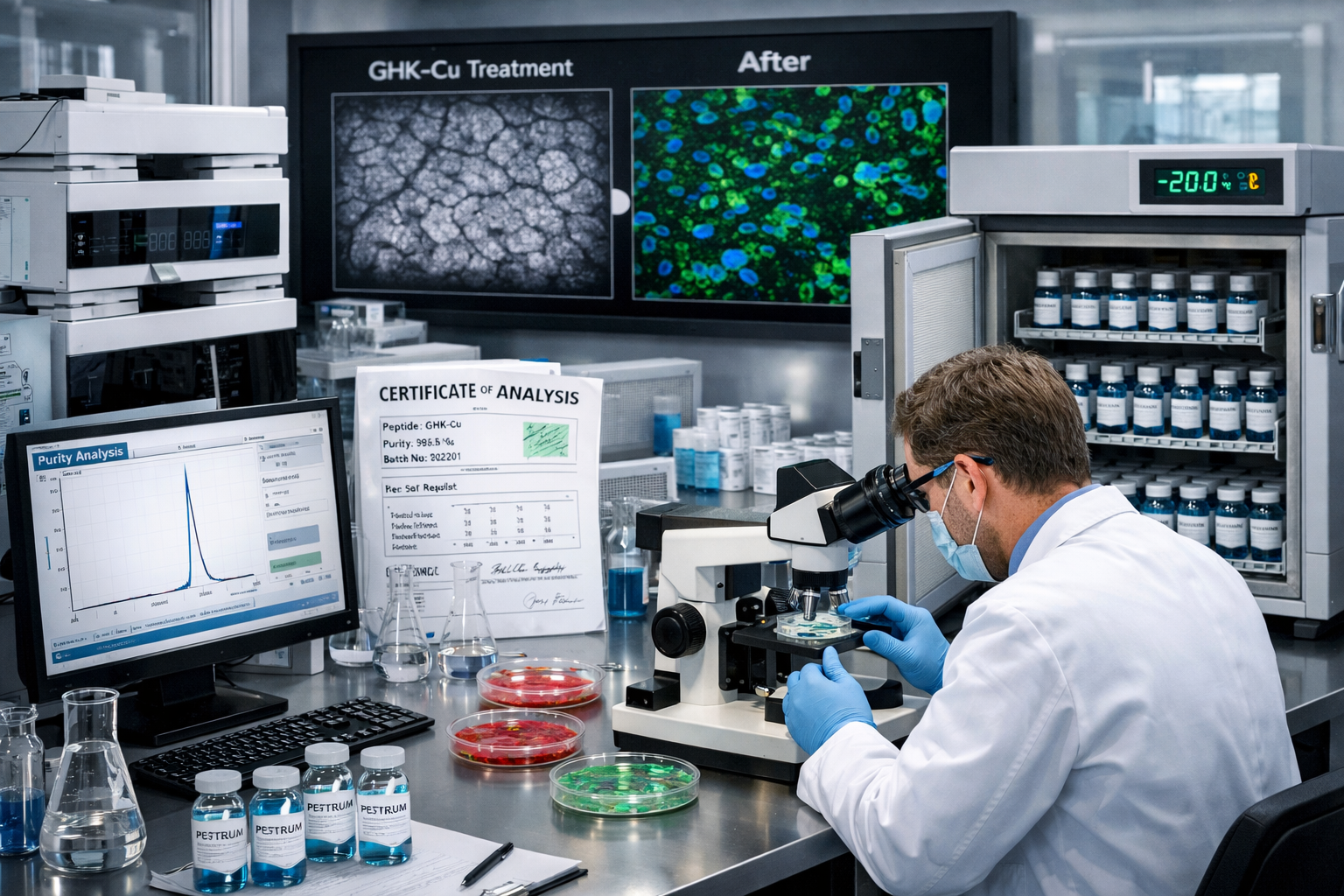
As we move through 2026, GHK-Cu peptide serum research continues to expand into new territories. Understanding emerging trends helps professionals stay ahead of developments in this rapidly evolving field.
Emerging Research Areas
Current scientific investigation is exploring several promising directions:
Neurological Applications
Preliminary research suggests GHK-Cu may have neuroprotective properties. Studies examining its effects on neuroinflammation and oxidative stress in neural tissue could open entirely new application areas beyond dermal and connective tissue uses.
Metabolic Research
Some researchers are investigating whether GHK-Cu's influence on mitochondrial function and cellular energy production might have implications for metabolic health. While distinct from specialized metabolic peptides, this represents an intriguing research direction.
Longevity Science
Given GHK-Cu's effects on gene expression related to aging processes, longevity researchers have taken interest in its potential as part of comprehensive anti-aging protocols. The peptide's ability to reset gene expression patterns toward more youthful profiles is particularly fascinating.
Technology and Delivery Innovations
Advances in delivery technology promise to enhance GHK-Cu effectiveness:
🚀 Nanoparticle encapsulation – Improved stability and targeted delivery
🚀 Transdermal patch systems – Sustained release over extended periods
🚀 Microneedle arrays – Painless delivery with enhanced penetration
🚀 Combination formulations – Synergistic multi-peptide complexes
These technological developments may significantly expand the practical applications of GHK-Cu across various professional contexts.
Regulatory Landscape
The regulatory environment for peptides continues to evolve. In 2026, increased attention from regulatory bodies has led to:
- Greater emphasis on quality standards and testing
- Clearer guidelines for research vs. therapeutic applications
- Enhanced consumer protection measures
- More stringent manufacturing requirements
For professionals working with peptides, staying informed about regulatory developments ensures compliance and protects both practitioners and clients.
Integration into Mainstream Practice
GHK-Cu is transitioning from niche research compound to mainstream professional tool:
Medi spas and aesthetic practices increasingly incorporate it into standard treatment protocols
Athletic training facilities explore its recovery and tissue support applications
Integrative medicine practitioners include it in comprehensive wellness programs
Dermatology practices recognize its evidence-based benefits for skin health
This mainstream adoption reflects growing confidence in the peptide's safety profile and documented effectiveness.
Conclusion: Maximizing the Benefits of GHK-Cu Peptide Serum
GHK-Cu peptide serum represents one of the most well-researched and versatile compounds available to professionals in aesthetics, athletics, and wellness. Its naturally occurring status, excellent safety profile, and multiple documented mechanisms make it a valuable tool for those seeking evidence-based approaches to regeneration and recovery.
Throughout this guide, we've explored the science behind GHK-Cu, its diverse applications across professional contexts, quality considerations for sourcing, and practical protocols for implementation. The key to maximizing benefits lies in understanding the peptide's mechanisms, selecting high-quality formulations, and applying it consistently within well-designed protocols.
Actionable Next Steps
For Medi Spa Professionals:
- Research pharmaceutical-grade GHK-Cu sources with verified COAs
- Develop treatment protocols combining GHK-Cu with complementary procedures
- Track client outcomes systematically to build evidence for your practice
- Stay current with emerging research and delivery technologies
For Bodybuilders and Fitness Coaches:
- Explore GHK-Cu's potential for connective tissue support and recovery
- Consider timing applications around training cycles for optimal results
- Combine with comprehensive recovery protocols including nutrition and sleep optimization
- Document subjective and objective measures to assess individual response
For Life Coaches and Wellness Practitioners:
- Educate yourself on the scientific foundations of peptide research
- Integrate GHK-Cu into holistic wellness frameworks
- Collaborate with qualified healthcare providers for comprehensive client support
- Focus on quality sourcing from reputable peptide suppliers
For All Peptide Researchers:
- Prioritize quality over price when sourcing compounds
- Implement proper storage and handling protocols
- Maintain detailed documentation of protocols and outcomes
- Engage with the broader research community to share insights and learn from others
The field of peptide research continues to evolve rapidly, with new applications and formulations emerging regularly. By building a strong foundation of knowledge about GHK-Cu and maintaining high standards for quality and protocol design, professionals across industries can harness this remarkable peptide's regenerative potential.
As you move forward with GHK-Cu research or application, remember that consistency, quality, and evidence-based practice form the foundation of successful outcomes. Whether you're developing aesthetic treatment protocols, optimizing athletic recovery, or exploring integrative wellness approaches, GHK-Cu offers a scientifically validated tool backed by decades of research and clinical experience.
The future of regenerative peptide research is bright, and GHK-Cu will undoubtedly continue playing a central role as we advance our understanding of cellular repair, tissue regeneration, and healthy aging processes.
SEO Meta Information
Meta Title: GHK-Cu Peptide Serum Guide 2026 | Research & Applications
Meta Description: Complete GHK-Cu peptide serum guide for professionals. Learn mechanisms, benefits, protocols, and quality sourcing for research applications in 2026.