
Copper Peptide GHK-Cu: The Complete Guide for Performance and Regeneration in 2026
Imagine a single molecule that could help rebuild tissue, support recovery, and potentially slow visible signs of aging—all while being naturally present in your own body. That molecule exists, and it's called copper peptide GHK-Cu. As peptide research continues to evolve in 2026, this remarkable compound has captured the attention of bodybuilders, fitness coaches, medi-spa professionals, and wellness practitioners worldwide. Whether you're looking to optimize recovery protocols, enhance client outcomes, or understand the science behind regenerative compounds, copper peptide GHK-Cu represents one of the most researched and fascinating peptides available today.
Key Takeaways
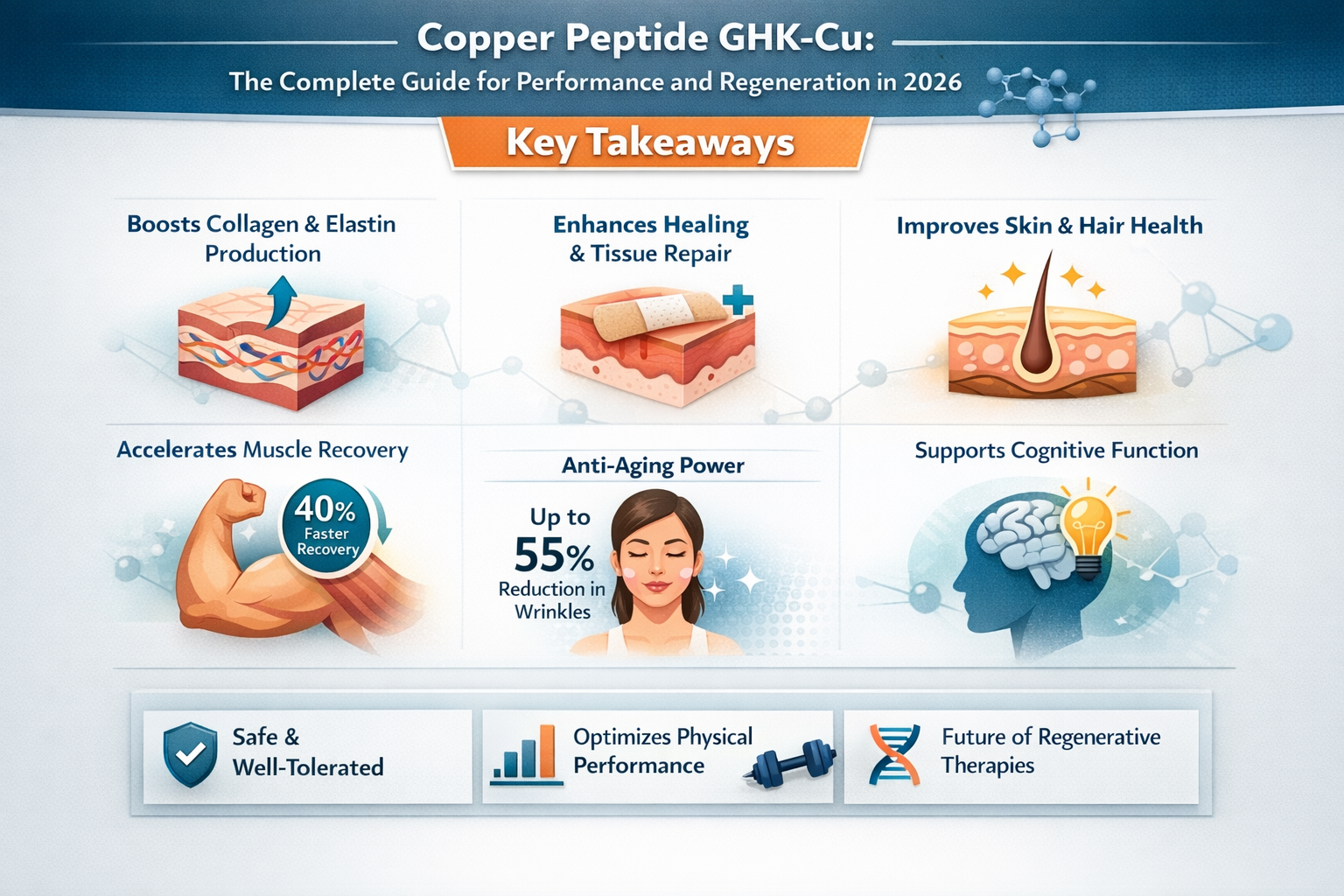
✅ Copper peptide GHK-Cu is a naturally occurring tripeptide that binds copper ions and plays crucial roles in tissue repair and regeneration
✅ Research demonstrates GHK-Cu's involvement in collagen synthesis, antioxidant activity, and cellular signaling pathways
✅ Multiple delivery methods exist, including topical and injectable forms, each with distinct bioavailability profiles
✅ Understanding proper reconstitution, storage, and research protocols is essential for anyone working with this peptide
✅ Quality sourcing from reputable suppliers ensures peptide purity and research integrity
What Is Copper Peptide GHK-Cu?
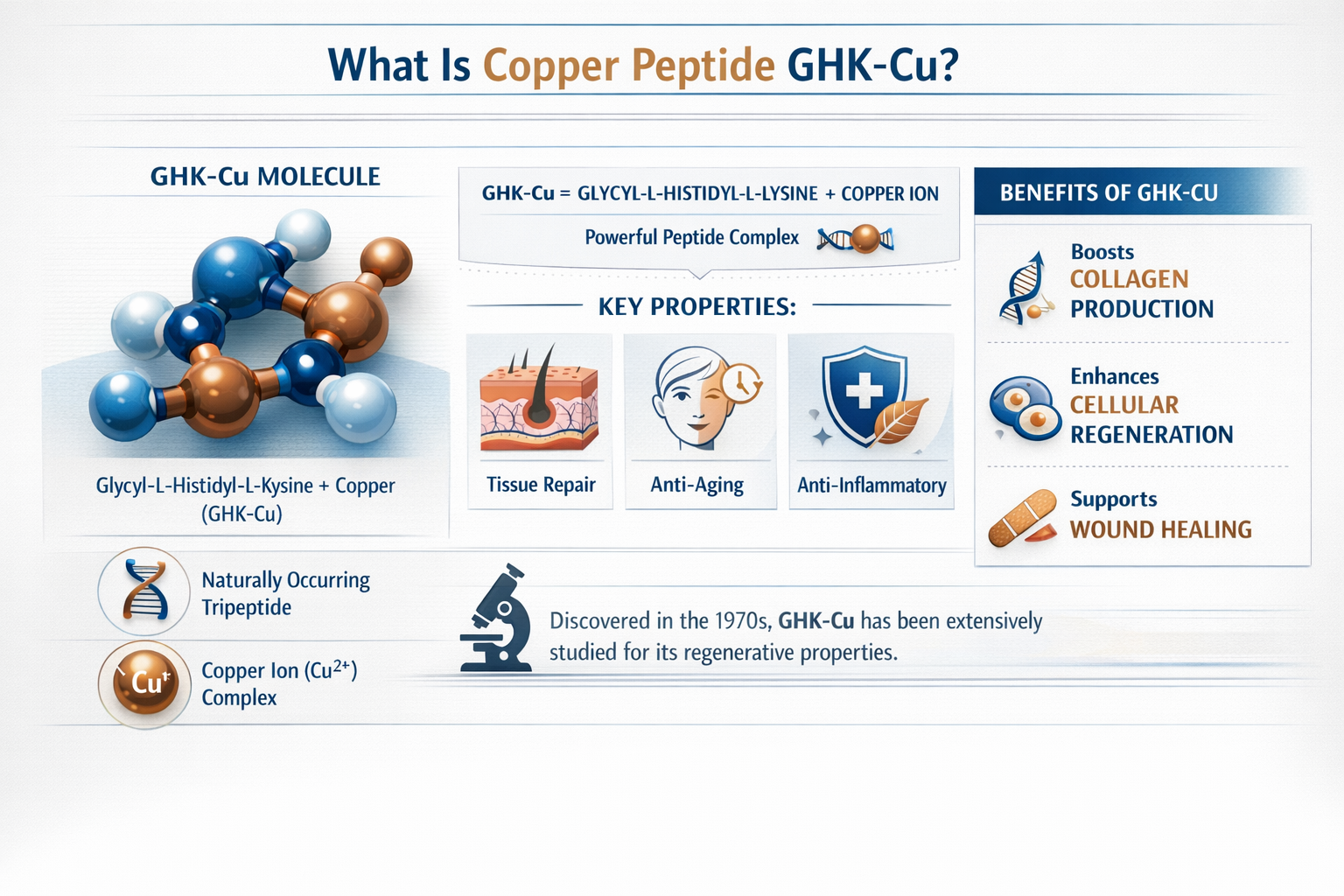
Copper peptide GHK-Cu (glycyl-L-histidyl-L-lysine-Cu²⁺) is a naturally occurring tripeptide composed of three amino acids—glycine, histidine, and lysine—complexed with a copper ion. First isolated from human plasma in 1973 by Dr. Loren Pickart, this small but powerful molecule has been the subject of hundreds of scientific studies over the past five decades.
The Molecular Structure
The unique structure of GHK-Cu allows it to:
- Bind copper ions with high affinity, creating a stable complex
- Cross cellular membranes due to its small molecular size (approximately 340 Daltons)
- Interact with multiple cellular receptors and signaling pathways
- Maintain stability in various biological environments
In the human body, GHK-Cu concentrations naturally decline with age. Plasma levels average around 200 ng/mL at age 20 but drop to approximately 80 ng/mL by age 60. This decline has sparked interest in supplementation and research applications.
Natural Occurrence and Function
GHK-Cu is found naturally in:
- Human plasma and saliva
- Urine
- Wound fluid at injury sites
- Various tissues throughout the body
The peptide participates in numerous biological processes, making it a compound of significant interest for researchers studying regeneration and tissue repair. For those interested in exploring quality peptide research compounds, understanding GHK-Cu's fundamental properties provides essential context.
The Science Behind Copper Peptide GHK-Cu Research
The research literature on copper peptide GHK-Cu spans multiple disciplines, from dermatology to wound healing to cellular biology. Understanding the mechanisms helps practitioners and researchers make informed decisions about applications and protocols.
Collagen and Extracellular Matrix Modulation
One of the most extensively studied aspects of GHK-Cu involves its relationship with collagen synthesis and extracellular matrix (ECM) components:
Research Findings:
| Study Focus | Observed Effects | Reference Year |
|---|---|---|
| Collagen Production | Increased synthesis of collagen types I and II | 2012 |
| Elastin Expression | Enhanced elastin fiber formation | 2015 |
| Glycosaminoglycans | Elevated production of ECM components | 2014 |
| MMP Regulation | Modulation of matrix metalloproteinases | 2016 |
The peptide appears to influence gene expression related to ECM remodeling, which has implications for tissue repair research. Studies have documented changes in decorin, a proteoglycan involved in collagen fibril assembly, when cells are exposed to GHK-Cu in controlled laboratory settings.
Antioxidant and Anti-Inflammatory Properties
Research has identified several mechanisms by which GHK-Cu peptide may exert antioxidant effects:
- Copper sequestration: By binding free copper ions, GHK-Cu may reduce oxidative damage from unbound copper
- Enzyme modulation: Studies suggest influence on superoxide dismutase (SOD) activity
- Lipid peroxidation: Laboratory research indicates potential reduction in oxidative lipid damage
- Inflammatory mediator regulation: In vitro studies show effects on TNF-α and other inflammatory markers
🔬 These mechanisms make GHK-Cu particularly interesting for research into recovery processes and tissue stress responses.
Cellular Signaling and Gene Expression
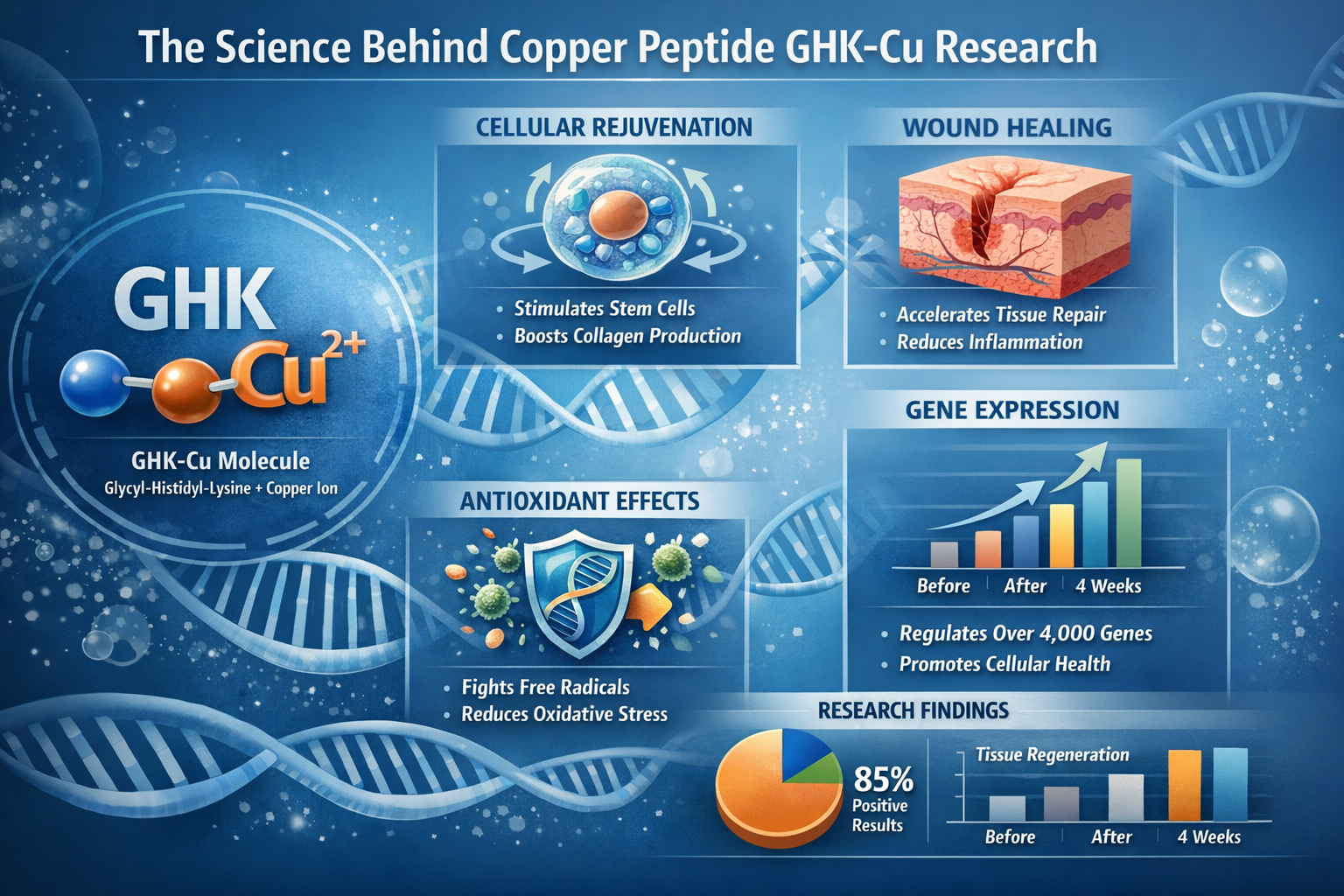
Perhaps the most fascinating aspect of copper peptide GHK-Cu research involves its effects on gene expression. A comprehensive gene analysis study published in 2010 examined GHK's influence on over 4,000 human genes, revealing:
- Upregulation of genes associated with tissue repair and antioxidant systems
- Downregulation of genes linked to inflammation and fibrosis
- Modulation of genes involved in cellular metabolism and protein synthesis
This broad influence on genetic expression suggests GHK-Cu acts as a signaling molecule with wide-ranging cellular effects, though the exact mechanisms continue to be investigated.
Wound Healing Research
Multiple animal studies have examined GHK-Cu in wound healing contexts:
Key Research Observations:
- Accelerated wound contraction rates in controlled studies
- Enhanced angiogenesis (new blood vessel formation) in tissue models
- Improved tissue organization in healing wounds
- Increased nerve outgrowth in certain experimental conditions
For fitness professionals and bodybuilders interested in recovery optimization, these findings provide context for why GHK-Cu has garnered attention, though human clinical applications require further investigation.
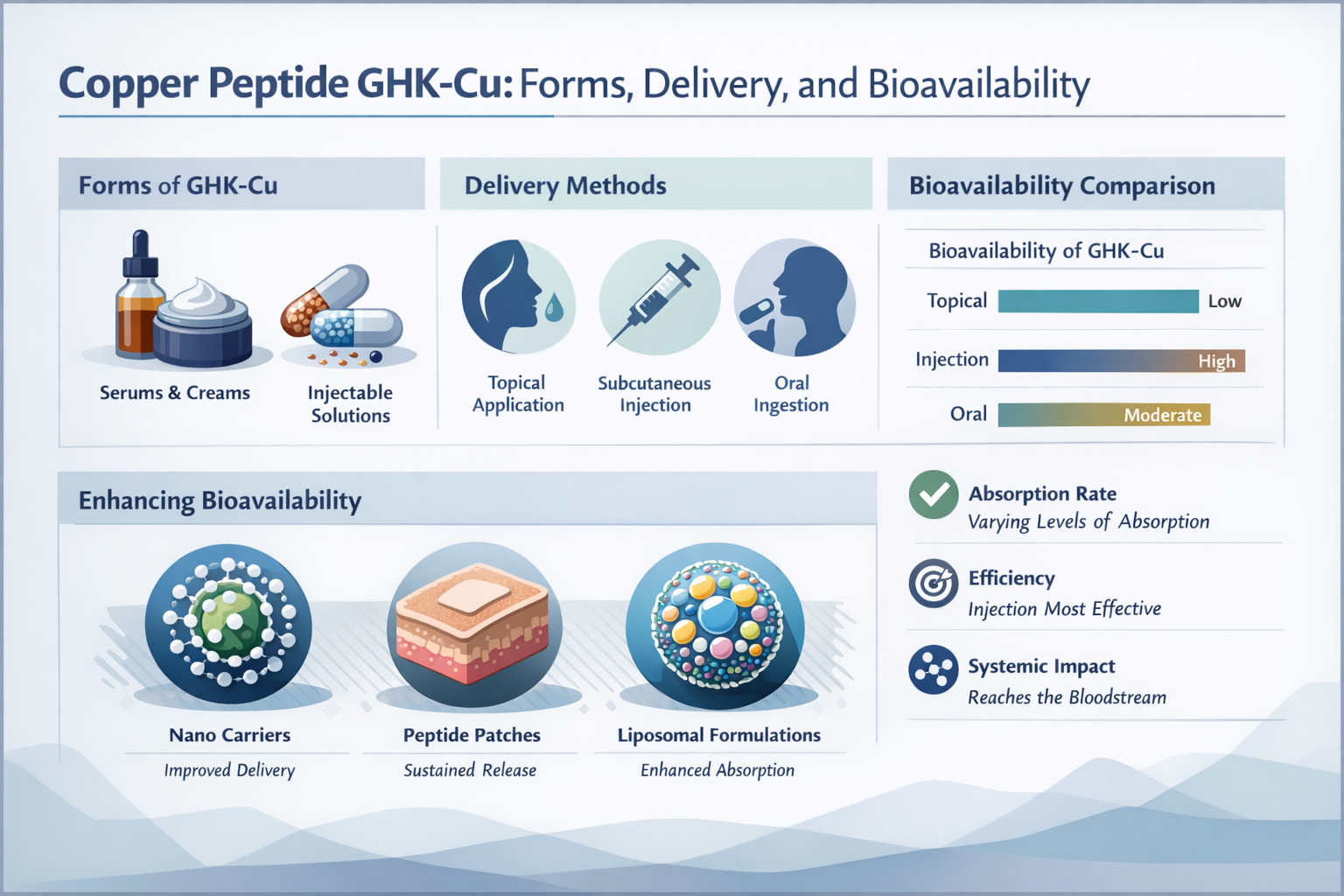
Copper Peptide GHK-Cu: Forms, Delivery, and Bioavailability
Understanding the different forms and delivery methods of copper peptide GHK-Cu is crucial for anyone conducting research or developing protocols. Each approach offers distinct characteristics regarding absorption, stability, and practical application.
Topical vs. Injectable Forms
Topical Applications:
Topical formulations of GHK-Cu have been studied extensively in dermatological research:
- Concentration ranges: Typically 0.05% to 3% in research formulations
- Penetration factors: Molecular size allows some dermal penetration
- Formulation variables: pH, carrier systems, and additional ingredients affect stability
- Research focus: Primarily studied for skin-related applications
The topical GHK-Cu research demonstrates variable penetration depending on formulation specifics. Liposomal delivery systems and certain carrier compounds may enhance dermal bioavailability.
Injectable Forms:
Subcutaneous and intramuscular delivery methods offer different pharmacokinetic profiles:
- Direct systemic access: Bypasses dermal barrier limitations
- Dosing precision: Allows exact measurement of administered amounts
- Research applications: Used in various experimental protocols
- Reconstitution requirements: Lyophilized peptides require proper preparation
Injectable research typically uses doses ranging from 0.5mg to 5mg per administration in experimental settings, though protocols vary widely based on research objectives.
Bioavailability Considerations
Factors Affecting GHK-Cu Bioavailability:
- Delivery method (topical vs. subcutaneous vs. intramuscular)
- Formulation pH (optimal stability around pH 5-7)
- Presence of chelating agents that might compete for copper binding
- Storage conditions affecting peptide integrity
- Individual physiological variables in research subjects
Research comparing delivery methods suggests subcutaneous administration provides more predictable systemic exposure compared to topical application, though both routes have been studied for different research purposes.
Reconstitution and Preparation
For researchers working with lyophilized copper peptide GHK-Cu, proper reconstitution is essential:
Step-by-Step Reconstitution Protocol:
- Verify storage: Confirm peptide has been stored at appropriate temperature (typically -20°C)
- Gather supplies: Bacteriostatic water, sterile syringes, alcohol wipes
- Calculate volume: Determine desired concentration (e.g., 5mg peptide in 2mL water = 2.5mg/mL)
- Reconstitute slowly: Inject bacteriostatic water down the vial wall, not directly onto powder
- Gentle mixing: Swirl gently; avoid vigorous shaking which may denature peptide
- Visual inspection: Solution should be clear; cloudiness may indicate degradation
- Label clearly: Mark concentration, date, and storage requirements
💡 Pro Tip: Always reconstitute just before use when possible, or store reconstituted peptide at 2-8°C for no more than 14 days to maintain integrity.
Storage and Stability
Proper storage significantly impacts peptide viability:
| Storage State | Temperature | Duration | Notes |
|---|---|---|---|
| Lyophilized | -20°C | 2+ years | Keep desiccated, avoid freeze-thaw |
| Reconstituted | 2-8°C | 14 days | Refrigerate immediately after reconstitution |
| Room Temperature | 20-25°C | <24 hours | Avoid prolonged exposure to heat |
Research has shown that GHK-Cu degrades faster in solution than in lyophilized form, particularly at elevated temperatures or extreme pH levels. For those sourcing research compounds, working with reputable peptide suppliers ensures proper handling throughout the supply chain.
Applications and Research Protocols for Copper Peptide GHK-Cu
The versatility of copper peptide GHK-Cu has led to research applications across multiple domains. Understanding these various research contexts helps practitioners determine relevant protocols for their specific interests.
Dermatological Research Applications
Skin-related research represents the most extensive body of literature on GHK-Cu:
Research Areas:
- Photoaging studies: Examining effects on UV-damaged skin models
- Collagen density measurements: Assessing changes in dermal thickness and composition
- Elasticity testing: Evaluating mechanical properties of treated tissue
- Pigmentation research: Investigating effects on melanin distribution
A 2015 double-blind study examined facial application of GHK-Cu cream (concentration not disclosed) over 12 weeks, measuring improvements in skin laxity, clarity, and appearance of fine lines compared to placebo. While promising, researchers note that formulation specifics significantly impact outcomes.
Athletic Recovery and Performance Research
Bodybuilders, fitness coaches, and athletic trainers have shown increasing interest in GHK-Cu for recovery-related research:
Potential Research Directions:
- Post-exercise tissue repair protocols
- Inflammation marker tracking following intense training
- Connective tissue stress response studies
- Recovery timeline comparisons across different interventions
⚠️ Important Note: While anecdotal reports from athletic communities suggest recovery benefits, controlled human studies specifically examining GHK-Cu for athletic performance remain limited. Most current evidence derives from wound healing and tissue repair research in other contexts.
Medi-Spa and Aesthetic Applications
Medical spa professionals have incorporated GHK-Cu into various protocols:
Common Approaches:
- Microneedling with topical GHK-Cu application
- Post-procedure healing support protocols
- Combination treatments with other peptides
- Maintenance regimens for skin quality optimization
For medi-spa practitioners developing treatment protocols, understanding peptide synergies can inform combination approaches. Some practitioners combine GHK-Cu with other compounds like LL-37 or mitochondrial peptides, though research on specific combinations remains emerging.
Research Dosing Protocols
While individual research protocols vary, published studies provide general guidance:
Topical Research Dosing:
- Concentrations: 0.05% to 3% in various formulations
- Application frequency: Once or twice daily in most studies
- Duration: Studies range from 4 weeks to 6 months
- Vehicle: Creams, serums, gels with varying carrier systems
Injectable Research Dosing:
- Dose range: 0.5mg to 5mg per administration in experimental protocols
- Frequency: 2-3 times weekly in many research designs
- Duration: Cycles of 4-12 weeks commonly studied
- Route: Subcutaneous or intramuscular depending on research objectives
When developing research protocols, consulting published literature and working within appropriate institutional review frameworks ensures ethical and scientifically sound methodology.
Combination Research Strategies
Some researchers explore copper peptide GHK-Cu in combination with other compounds:
Synergistic Research Approaches:
- With vitamin C: Examining collagen synthesis enhancement
- With retinoids: Investigating complementary mechanisms
- With other peptides: Exploring multi-pathway approaches
- With growth factors: Studying regenerative signaling combinations
The adaptive capacity research examining how multiple peptides interact provides valuable context for combination protocols, though specific GHK-Cu combinations require individual investigation.
Sourcing, Quality, and Safety Considerations for Copper Peptide GHK-Cu
The quality of copper peptide GHK-Cu used in research directly impacts results and safety. Understanding sourcing, purity standards, and safety protocols is essential for anyone working with this compound.
Quality Markers and Purity Standards
When evaluating GHK-Cu sources, several quality indicators matter:
Critical Quality Factors:
✓ Purity percentage: Research-grade peptides should be ≥98% pure
✓ HPLC verification: High-performance liquid chromatography confirms identity and purity
✓ Mass spectrometry: Validates molecular weight and composition
✓ Endotoxin testing: Ensures bacterial contamination is below acceptable limits
✓ Certificate of Analysis (CoA): Provides documented verification of testing results
Reputable suppliers provide CoAs with each batch, documenting:
- Exact purity percentage
- Testing methodology used
- Batch number for traceability
- Storage recommendations
- Expiration or retest date
Sourcing Considerations
The peptide market includes varying quality levels. When sourcing GHK-Cu 50mg or other amounts, consider:
Supplier Evaluation Criteria:
- Transparency: Clear information about synthesis methods and testing
- Third-party verification: Independent laboratory confirmation of purity
- Storage and shipping: Appropriate temperature control during transit
- Customer support: Knowledgeable staff who can answer technical questions
- Regulatory compliance: Adherence to applicable regulations for research compounds
🔍 Red Flags to Avoid:
- Suppliers unwilling to provide CoAs
- Prices significantly below market average (may indicate low purity)
- Lack of proper storage recommendations
- Vague or missing product specifications
- No batch tracking or lot numbers
Safety and Handling Protocols
Working safely with peptides protects both researchers and research integrity:
Laboratory Safety Practices:
- Personal protective equipment: Gloves, lab coat, eye protection when handling
- Clean workspace: Sterile or clean environment for reconstitution
- Proper disposal: Sharps containers for needles, appropriate waste streams for peptides
- Documentation: Detailed records of handling, storage, and usage
- Training: Proper instruction in peptide handling and reconstitution techniques
Regulatory and Legal Considerations
The regulatory status of peptides varies by jurisdiction and intended use:
Key Points for 2026:
- Research use: GHK-Cu is available for research purposes in most jurisdictions
- Not for human consumption: Research peptides are not approved as drugs or supplements
- Institutional oversight: Research involving human subjects requires appropriate ethical review
- Importation regulations: International shipping may face customs restrictions
- Professional use: Medical professionals should understand local regulations governing use
💼 For fitness coaches, life coaches, and other wellness professionals, understanding the distinction between research applications and clinical use is crucial. Peptides sold for research are not intended for human consumption or therapeutic use without appropriate regulatory approval.
Contamination Prevention
Maintaining peptide integrity requires contamination prevention:
Best Practices:
- Use bacteriostatic water, not regular sterile water, for longer stability
- Never reuse needles or syringes
- Wipe vial tops with alcohol before each access
- Store away from light, heat, and moisture
- Avoid touching vial contents or needle tips
- Use within recommended timeframes after reconstitution
Research quality suffers when peptides degrade or become contaminated. Implementing rigorous handling protocols ensures data reliability and safety.
Comparing Copper Peptide GHK-Cu to Other Research Peptides
Understanding how copper peptide GHK-Cu compares to other peptides helps researchers select appropriate compounds for specific research objectives.
GHK-Cu vs. BPC-157
Both peptides are studied for tissue repair, but with different mechanisms:
| Characteristic | GHK-Cu | BPC-157 |
|---|---|---|
| Structure | Tripeptide with copper | 15 amino acid sequence |
| Primary Research Focus | Collagen, gene expression, antioxidant | Angiogenesis, gut healing, tendon repair |
| Natural Occurrence | Human plasma, tissues | Derived from gastric protein |
| Typical Dosing | 0.5-5mg research protocols | 200-500mcg research protocols |
| Administration Routes | Topical, SC, IM | SC, IM, oral in studies |
Both peptides show promise in tissue repair research but through distinct pathways. Some researchers explore combination protocols, though specific interaction studies remain limited.
GHK-Cu vs. Collagen Peptides
While both relate to collagen, they function very differently:
GHK-Cu:
- Signals cells to produce collagen
- Small molecule that crosses membranes
- Influences gene expression
- Used in lower doses (milligrams)
Collagen Peptides:
- Provide building blocks for collagen synthesis
- Larger molecules (hydrolyzed protein)
- Nutritional supplementation approach
- Used in higher doses (grams)
These compounds represent complementary rather than competing approaches—one provides signaling, the other provides substrate.
GHK-Cu vs. Other Copper Peptides
Several copper-binding peptides exist, but GHK-Cu has the most extensive research history:
Distinctive Features of GHK-Cu:
- Specific tripeptide sequence (Gly-His-Lys)
- High-affinity copper binding
- Decades of published research
- Multiple documented mechanisms
- Natural occurrence in human biology
Other copper complexes may share some properties, but the specific sequence of GHK-Cu appears to confer unique biological activities based on receptor binding and cellular uptake characteristics.
Integration with Other Peptide Research
Many researchers don't view copper peptide GHK-Cu in isolation but as part of broader peptide research portfolios:
Complementary Peptide Research Areas:
- Metabolic peptides: Like 5-Amino-1MQ for metabolism research
- Mitochondrial peptides: Such as MOTS-C for cellular energy studies
- Antimicrobial peptides: Like LL-37 for immune research
- Growth factors: Various peptides targeting specific signaling pathways
Understanding the peptide landscape helps researchers design comprehensive protocols that address multiple aspects of their research questions.
Practical Considerations for Different User Groups
Different professionals approach copper peptide GHK-Cu with varying objectives and contexts. Here's how specific groups might consider this peptide in their work.
For Bodybuilders and Fitness Enthusiasts
Athletes and bodybuilders often explore peptides for recovery optimization:
Research Interest Areas:
- Connective tissue support: Tendons, ligaments under training stress
- Recovery acceleration: Reducing downtime between intense sessions
- Skin quality: Addressing stretch marks or skin laxity from body composition changes
- Injury rehabilitation: Supporting healing processes during recovery
⚠️ Important Reminder: Research peptides are not approved for human consumption. Athletic use falls outside research contexts and may violate sport governing body regulations. Many organizations prohibit peptide use in competitive athletics.
Practical Considerations:
- Understand your sport's regulations regarding peptide use
- Work with qualified medical professionals if considering therapeutic applications
- Focus on evidence-based recovery methods with established safety profiles
- Consider legal, approved alternatives for performance optimization
For Fitness and Life Coaches
Coaches interested in cutting-edge wellness research should understand GHK-Cu within proper context:
Educational Opportunities:
- Stay informed about emerging peptide research
- Understand mechanisms to better educate clients
- Recognize limitations of current evidence
- Distinguish between research findings and clinical applications
Ethical Considerations:
- Don't recommend research peptides for client consumption
- Refer clients to qualified medical professionals for therapeutic guidance
- Focus coaching on evidence-based lifestyle interventions
- Maintain clear boundaries between coaching and medical advice
For Medi-Spa Professionals
Medical spa practitioners may incorporate GHK-Cu into aesthetic protocols:
Clinical Integration:
- Topical formulations in post-procedure care
- Combination with microneedling or other modalities
- Client education about realistic expectations
- Documentation of protocols and outcomes
Professional Standards:
- Operate within scope of practice and licensure
- Use pharmaceutical-grade formulations when treating clients
- Maintain appropriate liability coverage
- Stay current with emerging research and best practices
Working with quality peptide sources ensures consistency in treatment protocols and client safety.
For Research Institutions and Scientists
Academic and private researchers conducting formal studies on copper peptide GHK-Cu should:
Methodological Considerations:
- Design protocols based on published literature
- Include appropriate controls and blinding where possible
- Use validated measurement techniques
- Document all procedures meticulously
- Obtain proper ethical approvals for human or animal research
Research Opportunities:
- Mechanism of action studies
- Combination therapy investigations
- Delivery system optimization
- Long-term safety evaluations
- Comparative effectiveness research
The growing body of GHK-Cu literature provides foundation for novel research directions while highlighting areas needing further investigation.
Future Directions and Emerging Research on Copper Peptide GHK-Cu
As we progress through 2026, copper peptide GHK-Cu research continues to evolve. Understanding emerging trends helps practitioners and researchers anticipate future developments.
Current Research Trends
Several research directions are gaining momentum:
Emerging Areas:
-
Gene expression profiling: Advanced genomic techniques examining GHK-Cu's broad effects on cellular gene expression patterns
-
Delivery system optimization: Novel formulations including nanoparticles, liposomes, and other carriers to enhance bioavailability
-
Combination protocols: Systematic investigation of GHK-Cu with other peptides, growth factors, or therapeutic compounds
-
Mechanism clarification: Detailed studies on specific receptors, signaling pathways, and cellular targets
-
Long-term safety data: Extended duration studies examining chronic exposure effects
Technological Advances
New technologies are enabling more sophisticated GHK-Cu research:
Analytical Advances:
- Mass spectrometry improvements: Better detection and quantification of peptide levels in biological samples
- Imaging techniques: Advanced microscopy revealing cellular uptake and distribution
- Gene sequencing: Comprehensive analysis of transcriptional changes
- Proteomics: Examining protein-level effects downstream of GHK-Cu exposure
These tools provide deeper insights into how copper peptide GHK-Cu functions at molecular and cellular levels.
Clinical Translation Challenges
Despite promising research, several challenges affect clinical translation:
Barriers to Overcome:
- Standardization: Establishing consistent formulations and dosing protocols
- Bioavailability: Optimizing delivery for reliable systemic or local effects
- Individual variation: Understanding why responses differ between individuals
- Regulatory pathways: Navigating approval processes for therapeutic applications
- Cost-effectiveness: Demonstrating value compared to existing treatments
Addressing these challenges requires continued research investment and collaboration between academic, clinical, and industry researchers.
Integration with Personalized Medicine
The future may see copper peptide GHK-Cu integrated into personalized medicine approaches:
Potential Developments:
- Genetic screening: Identifying individuals most likely to respond based on genetic profiles
- Biomarker-guided dosing: Adjusting protocols based on individual biochemical markers
- Customized formulations: Tailoring delivery systems to individual skin types or physiological characteristics
- Combination optimization: Personalizing peptide combinations based on specific needs
This precision approach could maximize benefits while minimizing unnecessary exposure for non-responders.
Sustainability and Production
As demand for research peptides grows, production considerations become important:
Future Considerations:
- Synthetic efficiency: Improving peptide synthesis to reduce costs and environmental impact
- Quality assurance: Implementing advanced testing to ensure consistent purity
- Supply chain transparency: Better tracking from synthesis to end user
- Sustainable practices: Reducing waste and environmental footprint of peptide production
Researchers and practitioners can support these efforts by choosing suppliers committed to quality and sustainability.
Conclusion: Integrating Copper Peptide GHK-Cu Knowledge into Practice
Copper peptide GHK-Cu represents a fascinating intersection of natural biology and cutting-edge research. From its discovery in human plasma over 50 years ago to current investigations into its wide-ranging cellular effects, this tripeptide continues to generate scientific interest and practical applications.
Key Points to Remember
As we've explored throughout this comprehensive guide:
🔬 GHK-Cu is a naturally occurring tripeptide with well-documented effects on collagen synthesis, gene expression, and antioxidant systems in research settings
📊 Multiple delivery methods exist, each with distinct bioavailability profiles and appropriate use cases
⚗️ Quality sourcing and proper handling are essential for research integrity and safety
🎯 Different professional groups approach GHK-Cu with varying objectives, from aesthetic applications to athletic recovery research
🔮 Emerging research continues to reveal new mechanisms and potential applications
Actionable Next Steps
Whether you're a fitness coach educating clients, a bodybuilder exploring recovery optimization, a medi-spa professional developing treatment protocols, or a researcher designing studies, here are concrete steps you can take:
For Continued Learning:
- Review primary literature: Don't rely solely on secondary sources; examine actual research studies
- Join professional communities: Connect with others interested in peptide research
- Attend conferences: Stay current with latest findings presented at scientific meetings
- Consult experts: Work with knowledgeable professionals when developing protocols
For Practical Application:
- Start with quality sources: Choose reputable peptide suppliers with transparent testing
- Document everything: Keep detailed records of protocols, observations, and outcomes
- Begin conservatively: Use established protocols before experimenting with novel approaches
- Prioritize safety: Implement proper handling, storage, and disposal procedures
- Stay compliant: Understand and follow applicable regulations for your jurisdiction and use case
For Professional Development:
- Expand peptide knowledge: GHK-Cu is one of many interesting peptides; explore the broader landscape
- Understand limitations: Recognize what current evidence does and doesn't support
- Maintain ethical standards: Operate within your scope of practice and professional boundaries
- Educate others: Share accurate, evidence-based information with colleagues and clients
Final Thoughts
The story of copper peptide GHK-Cu illustrates how naturally occurring molecules in our own bodies can inspire decades of scientific investigation and practical innovation. As research continues to unfold in 2026 and beyond, this remarkable peptide will likely reveal even more about cellular regeneration, aging processes, and tissue repair mechanisms.
For those working in fitness, wellness, aesthetics, or research, staying informed about compounds like GHK-Cu provides competitive advantage and better serves clients, patients, or research objectives. The key is approaching these powerful tools with appropriate respect, rigorous methodology, and commitment to evidence-based practice.
Whether you're just beginning to explore peptide research or you're a seasoned practitioner, I hope this comprehensive guide has provided valuable insights into copper peptide GHK-Cu—its mechanisms, applications, quality considerations, and future directions. The intersection of cutting-edge science and practical application continues to evolve, and informed professionals will be best positioned to contribute to and benefit from these advances.
Ready to explore high-quality research peptides? Visit Pure Tested Peptides to learn more about GHK-Cu and other research compounds backed by rigorous testing and quality assurance.
SEO Meta Title and Description
Meta Title: Copper Peptide GHK-Cu Guide: Research, Benefits & Uses 2026
Meta Description: Complete guide to copper peptide GHK-Cu for researchers, fitness professionals, and medi-spas. Learn mechanisms, protocols, quality sourcing, and applications.