
{"cover":"Professional landscape hero image (1536×1024) featuring bold text overlay 'GHK-Cu Peptides: The Complete 2026 Guide' in extra large 72pt white sans-serif font with dark shadow and semi-transparent navy overlay box, positioned in upper third center. Background shows molecular structure of copper peptide in blue and gold tones, laboratory setting with vials and scientific equipment, skincare serums, and fitness elements. Color scheme: deep blue, copper gold, white accents. High contrast, magazine cover quality, editorial style with modern scientific aesthetic.","content":["Detailed scientific illustration showing GHK-Cu molecular structure with copper ion highlighted in gold, three-dimensional peptide chain in blue, amino acid sequence labeled (glycyl-L-histidyl-L-lysine), cellular interaction diagram showing collagen synthesis pathway, fibroblast cells responding to peptide signaling, clean white background with professional medical journal aesthetic, annotations and arrows indicating biological mechanisms, landscape format editorial quality","Professional research laboratory scene showing peptide vials labeled GHK-Cu, precise measurement equipment, reconstitution supplies including bacteriostatic water, syringes with measurement markings, sterile workspace with blue medical backdrop, comparison chart showing before/after tissue samples, scientific documentation and research notes, clean organized composition with medical-grade lighting, educational infographic style with copper and blue color accents","Comparative benefits infographic displaying GHK-Cu peptide applications across multiple categories: anti-aging skincare with collagen fiber illustrations, wound healing process diagram showing tissue regeneration stages, athletic recovery imagery with muscle tissue cross-section, hair follicle restoration visual, organized in quadrant layout with icons and percentage improvements, professional medical illustration style with anatomical accuracy, blue and gold color scheme, data-driven aesthetic","Safety and quality control visualization showing peptide testing equipment, certificate of analysis document, third-party laboratory verification badge, proper storage containers at controlled temperature, dosage measurement tools with precision scales, side-by-side comparison of pure versus contaminated samples under microscope, professional pharmaceutical quality standards imagery, clean clinical aesthetic with trust-building elements"]
GHK-Cu Peptides: Your Complete Guide to This Powerful Regenerative Compound in 2026
When I first encountered ghk cu peptides during my research into regenerative compounds, I was struck by the sheer volume of scientific literature supporting its biological activities. This naturally occurring copper complex has captured the attention of researchers, medical spa professionals, fitness coaches, and bodybuilders alike—and for good reason. With over four decades of peer-reviewed studies, GHK-Cu stands out as one of the most thoroughly investigated peptides in the regenerative science field.
In this comprehensive guide, I'll walk you through everything you need to know about ghk cu peptides, from their molecular mechanisms to practical applications in research settings. Whether you're a peptide buyer evaluating options for your practice, a medi spa professional exploring new protocols, or a fitness coach seeking evidence-based recovery solutions, this article will provide the scientific foundation you need to make informed decisions.
Key Takeaways
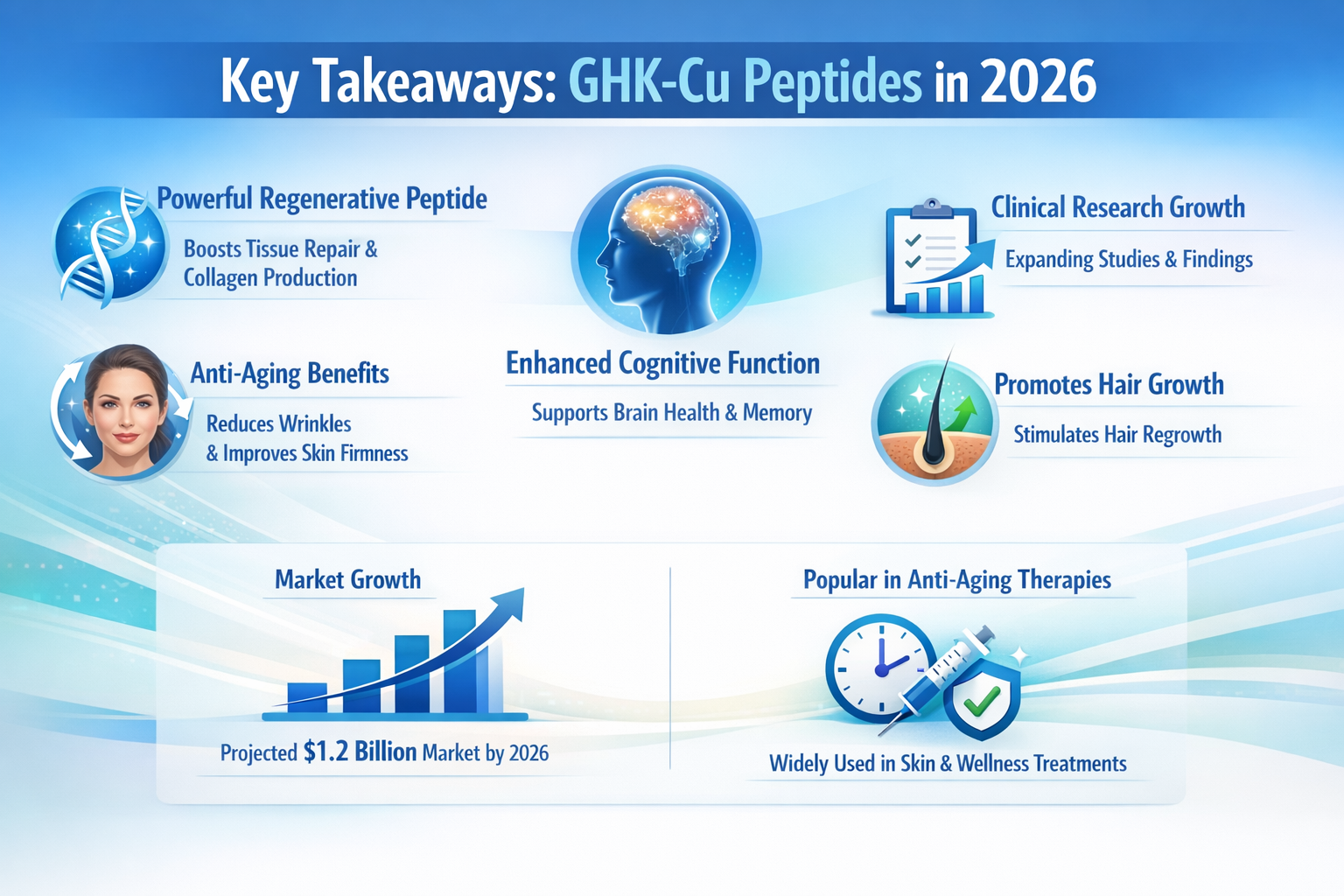
✅ GHK-Cu is a naturally occurring copper peptide complex with extensive research documentation spanning over 40 years, demonstrating effects on collagen synthesis, tissue remodeling, and cellular signaling pathways.
✅ Multiple research applications have been explored across dermatological studies, wound healing models, hair follicle research, and tissue regeneration experiments, making it versatile for various research protocols.
✅ Proper reconstitution and storage protocols are critical for maintaining peptide stability and ensuring consistent research outcomes—bacteriostatic water and refrigerated storage are standard practices.
✅ Quality verification matters significantly when sourcing peptides for research; third-party testing, certificates of analysis, and supplier reputation directly impact research validity.
✅ Dosing protocols vary widely across different research models and applications, requiring careful review of existing literature before designing experimental protocols.
What Are GHK-Cu Peptides? Understanding the Basics
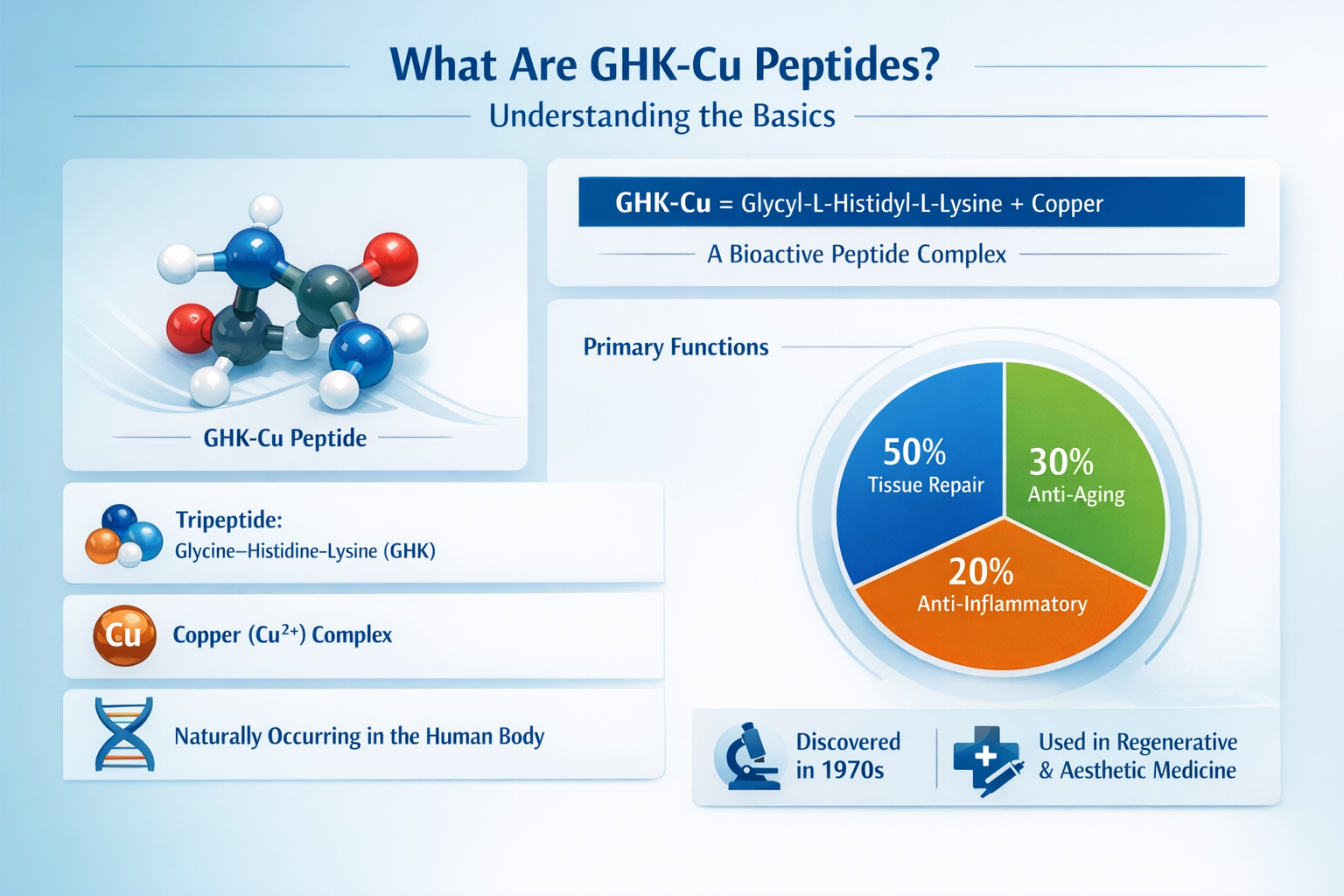
GHK-Cu peptides are tripeptide complexes consisting of glycyl-L-histidyl-L-lysine bound to a copper ion. This small but powerful molecule occurs naturally in human plasma, saliva, and urine, with concentrations that decline progressively with age. The peptide sequence—Gly-His-Lys—has a remarkable affinity for copper (Cu2+), forming a stable complex that exhibits distinct biological properties.
The discovery of GHK-Cu dates back to the 1970s when researcher Dr. Loren Pickart identified it while studying factors that influenced liver tissue regeneration. What made this finding particularly intriguing was the peptide's ability to influence multiple cellular processes simultaneously, suggesting a fundamental role in tissue maintenance and repair mechanisms.
The Molecular Structure and Mechanism
At the molecular level, ghk cu peptides function through several proposed mechanisms:
- Copper delivery system: The peptide acts as a carrier, delivering bioavailable copper to cells where it serves as a cofactor for numerous enzymatic reactions
- Gene expression modulation: Research indicates GHK-Cu may influence the expression of genes related to tissue remodeling, antioxidant responses, and inflammatory pathways
- Receptor interaction: The complex appears to interact with cell surface receptors, triggering intracellular signaling cascades
- Matrix metalloproteinase activity: Studies suggest involvement in regulating enzymes that break down and rebuild extracellular matrix components
The copper component is particularly significant. Copper ions play essential roles in collagen cross-linking, antioxidant enzyme function, and cellular energy production. By delivering copper in a peptide-bound form, GHK-Cu may facilitate these processes more efficiently than free copper ions alone.
Natural Occurrence and Age-Related Decline
One fascinating aspect of ghk cu peptides is their natural presence in the human body. Plasma concentrations in young adults typically measure around 200 ng/mL but decline to approximately 80 ng/mL by age 60. This age-related decrease has prompted researchers to investigate whether supplementing or applying GHK-Cu in experimental models might address some aspects of tissue aging.
The peptide's natural occurrence also raises interesting questions about its evolutionary role. Some researchers theorize that GHK-Cu may function as a damage signal, released during tissue injury to coordinate repair responses. This hypothesis aligns with observations that GHK-Cu concentrations increase locally at wound sites.
For those interested in exploring peptide research protocols, understanding these fundamental properties provides essential context for experimental design.
Research Applications of GHK-Cu Peptides
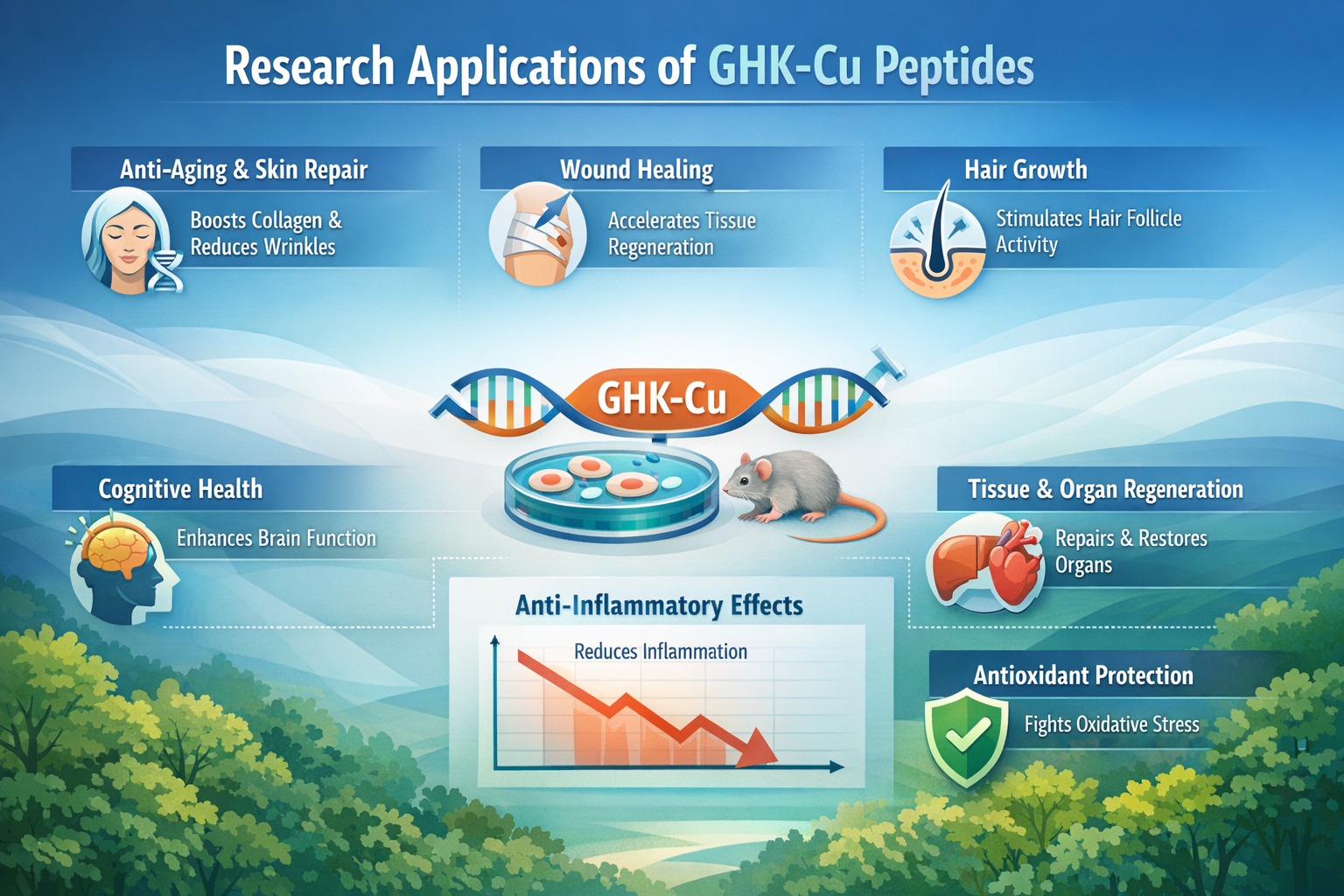
The scientific literature on ghk cu peptides spans multiple research domains, each revealing different aspects of this compound's biological activity. Let me break down the primary areas where GHK-Cu has been investigated in laboratory and clinical research settings.
Dermatological and Skin Research
Perhaps the most extensively studied application involves dermatological research. Multiple studies have examined GHK-Cu's effects on skin cell cultures, tissue models, and clinical subjects:
Collagen Production Studies: In vitro experiments with fibroblast cell cultures have demonstrated that GHK-Cu exposure correlates with increased collagen synthesis markers. Research published in various dermatology journals has documented changes in Type I and Type III collagen production when cells are treated with GHK-Cu at specific concentrations.
Elastin and Glycosaminoglycan Research: Beyond collagen, studies have investigated effects on elastin fibers and glycosaminoglycans—components that contribute to skin elasticity and hydration. Some research models have shown increased expression of genes encoding these proteins following GHK-Cu treatment.
Photoaging Models: UV-damaged skin models have been used to study whether GHK-Cu influences markers of photodamage. These experiments typically involve exposing cell cultures or tissue samples to UV radiation, then treating with GHK-Cu to observe changes in oxidative stress markers, DNA repair mechanisms, and cellular viability.
The topical GHK-Cu research has generated particular interest among medi spa professionals exploring evidence-based protocols for their practices.
Wound Healing and Tissue Repair Studies
Another major research area focuses on wound healing models:
| Research Model | Observed Parameters | Typical Protocol Duration |
|---|---|---|
| In vitro scratch assays | Cell migration rates, gap closure | 24-72 hours |
| Animal wound models | Wound closure time, tissue histology | 7-21 days |
| Tissue culture systems | Angiogenesis markers, granulation tissue formation | 5-14 days |
| Burn injury models | Re-epithelialization, scar formation | 14-28 days |
These studies have examined various aspects of the wound healing cascade, including:
- Inflammatory phase modulation: Research has investigated whether GHK-Cu influences inflammatory cytokine expression in wound models
- Proliferative phase enhancement: Studies have measured effects on cell proliferation rates, new blood vessel formation (angiogenesis), and extracellular matrix deposition
- Remodeling phase optimization: Long-term studies have assessed scar tissue characteristics and collagen organization in healed wounds
For researchers designing similar protocols, quality peptide sourcing remains critical for reproducible results.
Hair Follicle and Scalp Research
The investigation of ghk cu peptides in hair research represents another intriguing application:
Research has examined GHK-Cu's effects on isolated hair follicles in culture systems, measuring parameters such as:
- Hair shaft elongation rates
- Follicle cell proliferation markers
- Transition between growth phases (anagen, catagen, telogen)
- Gene expression related to hair follicle stem cell activation
Some studies have also investigated GHK-Cu in combination with other compounds to determine potential synergistic effects on follicle activity. While these remain research applications, the findings have attracted attention from professionals working in aesthetic medicine.
Athletic Recovery and Muscle Tissue Research
Bodybuilders and fitness coaches have shown increasing interest in ghk cu peptides based on research examining tissue repair and recovery processes:
Muscle Tissue Studies: Laboratory research has investigated GHK-Cu's effects on muscle satellite cells—the stem cells responsible for muscle repair and growth. These studies typically measure:
- Satellite cell activation markers
- Protein synthesis rates in muscle cell cultures
- Recovery of contractile function in damaged muscle tissue models
- Inflammatory marker expression following exercise-induced damage
Connective Tissue Research: Given that training stress affects not just muscle but also tendons, ligaments, and fascia, some research has examined GHK-Cu's effects on these connective tissues. Studies have measured collagen organization, tensile strength, and healing rates in various connective tissue models.
Anti-Inflammatory Investigations: Exercise-induced inflammation is a normal part of the adaptation process, but excessive inflammation may impair recovery. Research has examined whether GHK-Cu modulates inflammatory pathways in exercise-damaged tissue models.
Those exploring peptide-based research protocols for athletic applications should note that most published studies use carefully controlled conditions that may differ significantly from real-world scenarios.
Neurological and Cognitive Research
An emerging area of ghk cu peptides research involves neurological applications:
Studies have investigated GHK-Cu's effects on:
- Neuronal cell survival in oxidative stress models
- Nerve growth factor expression in cell cultures
- Axon regeneration in nerve injury models
- Neuroprotective mechanisms in neurotoxin-exposed cells
This research remains largely in early stages, with most findings coming from in vitro cell culture systems rather than complex organism models. However, the results have been sufficiently intriguing to warrant continued investigation.
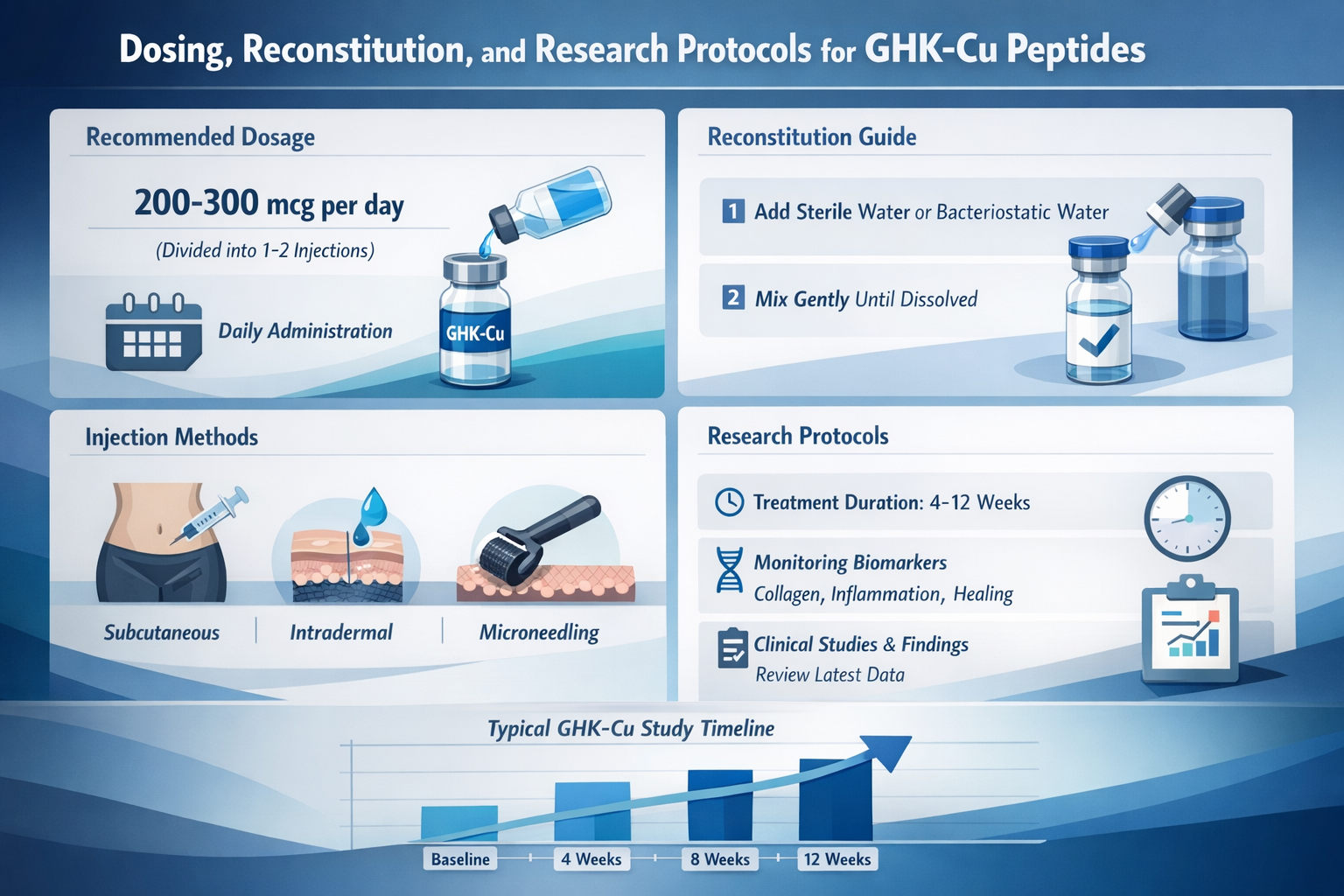
Dosing, Reconstitution, and Research Protocols for GHK-Cu Peptides
Understanding proper handling and dosing protocols is essential for anyone working with ghk cu peptides in research settings. I'll outline the standard approaches based on published research and industry best practices.
Reconstitution Procedures
Most research-grade GHK-Cu arrives in lyophilized (freeze-dried) powder form, requiring reconstitution before use. The standard protocol involves:
Step 1: Preparation
- Gather bacteriostatic water (0.9% benzyl alcohol)
- Ensure sterile workspace and proper handling techniques
- Allow peptide vial to reach room temperature
- Calculate desired final concentration
Step 2: Reconstitution
- Add bacteriostatic water slowly along the vial wall (never directly onto powder)
- Typical ratio: 2 mL bacteriostatic water per 50 mg GHK-Cu
- Gently swirl (never shake vigorously) until fully dissolved
- Solution should be clear without visible particles
Step 3: Storage
- Refrigerate reconstituted solution at 2-8°C (36-46°F)
- Protect from direct light
- Use within 30 days of reconstitution for optimal stability
- Label with reconstitution date and concentration
The quality of your starting material significantly impacts research outcomes. When sourcing peptides, working with verified suppliers who provide certificates of analysis ensures you're working with accurately dosed, pure compounds.
Dosing Ranges in Published Research
GHK-Cu peptides have been studied across a wide range of concentrations depending on the application and model system:
In Vitro Cell Culture Studies:
- Low concentration: 0.1-1 μM (micromolar)
- Medium concentration: 1-10 μM
- High concentration: 10-100 μM
Topical Application Research:
- Typical formulation concentrations: 0.05-2% by weight
- Most common research concentration: 1%
- Application frequency in studies: Once or twice daily
Injectable Research Models:
- Subcutaneous injection studies: 0.5-2 mg per injection site
- Frequency: Daily to three times weekly
- Duration: 4-12 weeks in most published protocols
Important Note: These ranges reflect published research protocols and should not be interpreted as recommendations for human use. Research applications require appropriate oversight and adherence to institutional guidelines.
Combination Research Protocols
Some of the most interesting findings have emerged from studies combining ghk cu peptides with other compounds:
GHK-Cu + Growth Factors: Research has examined combinations with various growth factors to determine whether synergistic effects occur in tissue regeneration models.
GHK-Cu + Other Peptides: Studies have investigated combinations with peptides like BPC-157, TB-500, and others to assess whether multiple mechanisms of action produce enhanced outcomes.
GHK-Cu + Antioxidants: Given copper's potential pro-oxidant effects under certain conditions, some research has examined combinations with antioxidants to optimize the benefit-to-risk profile.
When designing combination protocols, researchers must consider potential interactions, optimal timing, and appropriate controls to isolate specific effects.
Measurement and Assessment Protocols
Rigorous research with ghk cu peptides requires appropriate measurement techniques:
Biochemical Assays:
- Collagen synthesis: Hydroxyproline assays, ELISA for procollagen peptides
- Cell proliferation: MTT assays, BrdU incorporation, cell counting
- Gene expression: RT-PCR for target genes
- Protein expression: Western blotting, immunohistochemistry
Functional Assessments:
- Wound healing: Digital imaging of wound area over time
- Tissue strength: Tensile testing of healed tissue
- Cell migration: Scratch assays, transwell migration chambers
Clinical Measurements (in human research):
- Skin parameters: Elasticity (cutometry), hydration (corneometry), thickness (ultrasound)
- Photographic documentation: Standardized lighting and positioning
- Subjective assessments: Validated questionnaires and scales
Proper documentation of methods, including peptide source, reconstitution procedures, and exact dosing, is essential for reproducibility—a cornerstone of valid research.
Quality Considerations and Sourcing GHK-Cu Peptides
The quality of ghk cu peptides used in research directly impacts the validity and reproducibility of experimental results. Having reviewed numerous studies and worked with various peptide sources, I can't overstate the importance of proper sourcing.
Purity and Testing Standards
Research-grade peptides should meet specific quality criteria:
Purity Specifications:
- Minimum purity: ≥95% (preferably ≥98%)
- Measured by: High-Performance Liquid Chromatography (HPLC)
- Verification: Each batch should have individual testing
- Documentation: Certificate of Analysis (CoA) should be readily available
Additional Testing:
- Mass spectrometry: Confirms molecular weight and identity
- Amino acid analysis: Verifies sequence composition
- Endotoxin testing: Ensures absence of bacterial contamination (important for cell culture work)
- Heavy metal screening: Confirms absence of toxic metal contaminants
Storage and Stability:
- Lyophilized powder: Stable for 2-3 years at -20°C
- Reconstituted solution: 30 days refrigerated
- Freeze-thaw cycles: Should be minimized (ideally none)
When evaluating suppliers, those who provide comprehensive testing documentation demonstrate commitment to research quality. Reputable peptide suppliers typically make CoAs available for each batch and can answer detailed questions about their testing protocols.
Red Flags in Peptide Sourcing
Over the years, I've identified several warning signs that suggest a peptide supplier may not meet research-grade standards:
⚠️ Warning Signs:
- No certificates of analysis available
- Prices significantly below market average
- Vague or missing purity specifications
- No batch-specific testing documentation
- Poor or no customer support
- Unclear storage and handling instructions
- No information about testing methodologies
- Shipping without appropriate cold chain management
Questions to Ask Suppliers:
- Can you provide a certificate of analysis for the specific batch?
- What testing methods do you use to verify purity?
- Do you perform third-party testing or only in-house analysis?
- What is the exact purity percentage of this batch?
- How do you ensure sterility for peptides intended for injection research?
- What are your storage and shipping protocols?
- Can you provide references or published research using your peptides?
Understanding Certificates of Analysis
A proper CoA for ghk cu peptides should include:
| Component | What to Look For |
|---|---|
| Batch/Lot Number | Unique identifier for traceability |
| Purity Percentage | Should be ≥95%, ideally ≥98% |
| HPLC Chromatogram | Visual representation showing single major peak |
| Mass Spec Data | Confirms molecular weight matches GHK-Cu |
| Appearance | Should describe lyophilized powder characteristics |
| Storage Conditions | Specified temperature requirements |
| Testing Date | Recent testing (within 6 months of purchase) |
| Expiration Date | Typically 2-3 years from manufacture |
The ability to trace each vial back to specific testing documentation is a hallmark of research-grade materials. This traceability becomes especially important when publishing research findings or troubleshooting unexpected results.
Cost Considerations and Value Assessment
GHK-Cu peptides vary considerably in price across suppliers. Understanding what drives these differences helps in making informed purchasing decisions:
Factors Affecting Price:
- Synthesis method: Different synthesis approaches have varying costs
- Purity level: Higher purity typically commands premium pricing
- Testing rigor: Comprehensive third-party testing adds cost
- Batch size: Larger batches often have better per-unit economics
- Supplier overhead: Direct manufacturers vs. resellers
- Quality assurance: Documentation, storage, and handling protocols
Value Assessment Framework:
Rather than focusing solely on price per milligram, consider:
- Cost per experiment (accounting for required dosing)
- Reliability and consistency across batches
- Technical support availability
- Shipping reliability and cold chain maintenance
- Return/replacement policies for quality issues
For research applications, the cost of repeating experiments due to poor-quality peptides far exceeds the savings from choosing the cheapest supplier. Investing in quality peptides ultimately proves more economical for serious research programs.
Regulatory and Compliance Considerations
Researchers working with ghk cu peptides should be aware of relevant regulatory frameworks:
Research Use Only (RUO) Designation:
Most peptides sold for research are labeled "For Research Use Only—Not for Human Consumption." This designation means:
- The product is intended for in vitro or animal research
- It has not been approved for human therapeutic use
- It should not be used in clinical applications without appropriate approvals
- Institutional review and oversight may be required
Import/Export Considerations:
- Some jurisdictions restrict peptide imports
- Proper documentation may be required for customs clearance
- Academic institutions may have specific procurement procedures
Institutional Requirements:
- Institutional Review Boards (IRBs) for human subject research
- Institutional Animal Care and Use Committees (IACUCs) for animal research
- Biosafety committees for certain applications
- Proper disposal protocols for biological materials
Understanding these frameworks ensures research proceeds ethically and legally, protecting both researchers and research subjects.
Safety Profile and Considerations in GHK-Cu Research
While ghk cu peptides have been studied extensively, understanding the safety profile documented in research is essential for anyone working with this compound. I'll review what published studies have reported regarding safety considerations.
Documented Safety Observations from Research
The research literature on GHK-Cu spans several decades, providing substantial safety data:
In Vitro Safety Profile:
- Cell viability studies generally show minimal cytotoxicity at research concentrations
- Therapeutic index (ratio between effective and toxic concentrations) appears favorable
- Some studies report concentration-dependent effects, with very high concentrations showing reduced beneficial effects
Animal Research Findings:
- Acute toxicity studies in rodent models have generally shown good tolerance
- Chronic administration studies (weeks to months) have reported minimal adverse effects
- Local tissue reactions at injection sites are typically mild and transient
Human Clinical Studies:
- Topical applications in clinical trials have generally been well-tolerated
- Most reported adverse events have been mild (slight irritation, redness)
- Systemic absorption from topical application appears minimal
- Allergic reactions have been reported rarely
Theoretical Considerations
Beyond empirical observations, several theoretical considerations warrant attention when working with ghk cu peptides:
Copper Balance Concerns:
- Copper is an essential trace element but can be toxic in excess
- GHK-Cu delivers copper in bound form, which may affect bioavailability
- Individuals with Wilson's disease (copper metabolism disorder) represent a special consideration
- Long-term copper accumulation potential requires consideration
Oxidative Stress Potential:
- Copper can participate in redox reactions that generate reactive oxygen species
- The peptide-bound form may mitigate this risk compared to free copper
- Antioxidant status may influence the safety profile
- Some research has examined co-administration with antioxidants
Immune System Interactions:
- As a signaling molecule, GHK-Cu may influence immune responses
- Effects on inflammatory pathways could theoretically affect immune function
- Individual immune status may influence response variability
Contraindications and Special Populations in Research
Research protocols typically exclude or specially consider certain populations:
Common Exclusion Criteria in Studies:
- Pregnancy and lactation
- Known copper metabolism disorders
- Active malignancy (due to theoretical growth-promoting effects)
- Severe kidney or liver dysfunction
- Known allergies to peptides or formulation components
Special Monitoring in Research:
- Baseline and periodic copper level measurements in long-term studies
- Liver function monitoring in some protocols
- Kidney function assessment in injectable studies
- Skin sensitivity testing before broader topical application
These exclusions reflect cautious research design rather than documented harm, but they provide guidance for appropriate research subject selection.
Interaction Considerations
When designing research protocols involving ghk cu peptides, potential interactions deserve consideration:
Drug-Peptide Interactions:
- Copper-chelating medications (like penicillamine) might theoretically interfere
- Drugs affecting collagen metabolism may have additive or antagonistic effects
- Immunosuppressive medications might alter response to GHK-Cu
Supplement Interactions:
- High-dose zinc supplementation (competes with copper absorption)
- Vitamin C (affects copper oxidation state)
- Other copper-containing supplements (cumulative copper load)
Procedure Interactions:
- Timing relative to other skin procedures in dermatological research
- Combination with other peptides in multi-peptide protocols
- Interaction with physical modalities (ultrasound, microneedling, etc.)
Careful protocol design accounts for these potential interactions through appropriate washout periods, exclusion criteria, or specific monitoring.
Quality-Related Safety Considerations
Safety isn't just about the peptide itself—it's also about quality and handling:
Contamination Risks:
- Bacterial endotoxins in poorly manufactured peptides can cause inflammatory responses
- Heavy metal contamination poses toxicity risks
- Incorrect peptide sequences or impurities may have unexpected effects
Storage-Related Degradation:
- Improperly stored peptides may degrade into unknown compounds
- Temperature excursions can affect peptide integrity
- Oxidation of the copper component may alter properties
Reconstitution Errors:
- Incorrect dilution can lead to dosing errors
- Non-sterile technique can introduce contamination
- Inappropriate solvents can affect peptide stability
These considerations underscore why sourcing from reputable suppliers with rigorous quality controls is a safety issue, not just a quality preference.
Monitoring and Documentation in Research
Proper safety monitoring in ghk cu peptides research includes:
Baseline Assessments:
- Relevant laboratory values (copper levels, liver/kidney function if indicated)
- Physical examination findings
- Photographic documentation for topical studies
- Subjective symptom inventories
Ongoing Monitoring:
- Regular assessment for adverse events
- Periodic laboratory monitoring as indicated
- Documentation of any protocol deviations
- Tracking of concomitant medications or interventions
Adverse Event Reporting:
- Clear definitions of what constitutes an adverse event
- Grading systems for severity (mild, moderate, severe)
- Causality assessment (definitely related, probably related, possibly related, unlikely related)
- Reporting timelines and procedures
Thorough documentation protects research subjects, ensures data integrity, and contributes to the broader understanding of GHK-Cu's safety profile.
The Future of GHK-Cu Peptides Research and Applications
As we move through 2026, the research landscape for ghk cu peptides continues to evolve. Based on current trends and emerging studies, several directions appear particularly promising.
Emerging Research Areas
Combination Therapy Investigations:
One of the most active areas involves studying GHK-Cu in combination with other peptides and compounds. Researchers are exploring:
- Synergistic effects with other regenerative peptides
- Optimal sequencing and timing of multi-peptide protocols
- Mechanisms underlying observed synergies
- Formulation strategies for stable combinations
The peptide blend research emerging from these investigations may reveal more effective protocols than single-peptide approaches.
Delivery System Innovations:
Traditional delivery methods are being supplemented with novel approaches:
- Nanoparticle encapsulation for enhanced skin penetration
- Microneedle patches for controlled transdermal delivery
- Sustained-release formulations for prolonged effect
- Targeted delivery systems for specific tissue types
These innovations aim to improve bioavailability, reduce dosing frequency, and enhance user convenience in research applications.
Mechanism of Action Studies:
While we understand some aspects of how ghk cu peptides work, many questions remain:
- Specific receptor identification and characterization
- Complete mapping of influenced gene networks
- Tissue-specific response variations
- Dose-response relationships across different endpoints
Advanced techniques like proteomics, transcriptomics, and metabolomics are being applied to create more comprehensive pictures of GHK-Cu's biological effects.
Technology Integration
Artificial Intelligence and Machine Learning:
Researchers are beginning to apply AI/ML tools to peptide research:
- Predicting optimal dosing protocols based on individual characteristics
- Identifying novel applications through literature mining
- Modeling peptide-receptor interactions computationally
- Analyzing complex datasets from multi-parameter studies
These approaches may accelerate discovery and optimization of GHK-Cu applications.
Biomarker Development:
Efforts are underway to identify reliable biomarkers that predict response to ghk cu peptides:
- Genetic markers that indicate likely responders
- Baseline biochemical parameters that correlate with outcomes
- Early response indicators that predict long-term results
- Imaging biomarkers for non-invasive monitoring
Validated biomarkers would enable more personalized and efficient research protocols.
Professional Applications and Training
As the evidence base grows, various professional communities are developing expertise in peptide research:
Medical Spa Integration:
Medi spa professionals are increasingly incorporating peptide research into their practices:
- Developing evidence-based protocols for aesthetic applications
- Creating training programs for staff
- Establishing quality standards for peptide sourcing
- Documenting outcomes systematically
Fitness and Athletic Performance:
Coaches and trainers are exploring research-supported recovery protocols:
- Designing peptide-inclusive recovery programs
- Tracking performance metrics alongside peptide protocols
- Educating athletes about research findings
- Collaborating with researchers on applied studies
Life Coaching and Wellness:
The wellness community is examining how peptide research fits into holistic approaches:
- Integrating peptide knowledge into wellness frameworks
- Understanding the intersection of lifestyle factors and peptide effects
- Developing educational resources for clients
- Maintaining ethical boundaries between research and application
For professionals in these fields, staying current with emerging peptide research is increasingly important for evidence-based practice.
Regulatory Evolution
The regulatory landscape for peptides continues to develop:
Potential Regulatory Changes:
- Clarification of research vs. therapeutic use boundaries
- Evolving standards for peptide manufacturing and testing
- International harmonization of peptide regulations
- Enhanced oversight of online peptide marketing
Quality Standards Development:
- Industry-wide purity and testing standards
- Standardized nomenclature and labeling
- Traceability requirements
- Adverse event reporting systems
These developments aim to protect consumers and researchers while supporting legitimate scientific inquiry.
Knowledge Gaps and Research Priorities
Despite extensive study, significant questions about ghk cu peptides remain:
Priority Research Questions:
-
Long-term effects: What happens with extended use over years rather than weeks or months?
-
Optimal protocols: What dosing, frequency, and duration maximize benefits while minimizing risks?
-
Individual variation: Why do some research subjects respond dramatically while others show minimal effects?
-
Mechanism details: What are the complete signaling pathways activated by GHK-Cu?
-
Comparative effectiveness: How does GHK-Cu compare to other interventions for similar endpoints?
-
Combination optimization: Which combinations produce synergistic effects and which are merely additive?
-
Bioavailability: What percentage of administered GHK-Cu reaches target tissues through various delivery routes?
Addressing these questions will require rigorous, well-designed studies with adequate sample sizes and appropriate controls.
Practical Implications for 2026 and Beyond
For those working with ghk cu peptides in research or professional contexts, several practical considerations emerge:
For Researchers:
- Prioritize rigorous methodology and appropriate controls
- Publish findings, both positive and negative, to build the evidence base
- Collaborate across disciplines to address complex questions
- Maintain ethical standards in study design and conduct
For Medi Spa Professionals:
- Stay current with emerging research findings
- Source peptides from verified, quality-focused suppliers
- Document outcomes systematically
- Educate clients about the distinction between research and established therapies
For Fitness Coaches:
- Understand the evidence base before incorporating peptides into programs
- Work within appropriate legal and ethical boundaries
- Track outcomes objectively, not just subjectively
- Collaborate with medical professionals when appropriate
For Peptide Buyers:
- Invest in quality-tested products from reputable sources
- Verify certificates of analysis
- Understand proper storage and handling
- Stay informed about regulatory developments
The future of GHK-Cu research looks promising, with technological advances, growing professional interest, and accumulating evidence all pointing toward expanded understanding and applications.
Conclusion: Integrating GHK-Cu Peptides into Your Research Framework
Throughout this comprehensive exploration of ghk cu peptides, we've covered the molecular foundations, research applications, quality considerations, safety profile, and future directions of this fascinating compound. As someone who has followed the peptide research field for years, I'm continually impressed by the depth and breadth of investigation into GHK-Cu.
The key takeaway is this: GHK-Cu represents one of the most thoroughly studied peptides available, with decades of research documenting its effects on collagen synthesis, tissue remodeling, wound healing, and numerous other biological processes. This extensive evidence base makes it particularly valuable for researchers, medical spa professionals, fitness coaches, and others seeking science-backed approaches to tissue regeneration and recovery.
Your Action Plan Moving Forward
If you're considering incorporating ghk cu peptides into your research or professional practice, here are concrete next steps:
Step 1: Deepen Your Knowledge
- Review published research relevant to your specific application area
- Understand the mechanisms of action and how they relate to your goals
- Identify knowledge gaps that your work might address
- Connect with other professionals working with GHK-Cu
Step 2: Establish Quality Standards
- Identify reputable peptide suppliers with rigorous testing protocols
- Verify certificates of analysis for each batch
- Establish proper storage and handling procedures
- Create documentation systems for traceability
Step 3: Design Rigorous Protocols
- Base dosing on published research for similar applications
- Include appropriate controls and measurement parameters
- Plan for systematic documentation of procedures and outcomes
- Consider consulting with experienced researchers or clinicians
Step 4: Implement Safety Measures
- Establish clear inclusion/exclusion criteria
- Plan baseline and ongoing monitoring appropriate to your application
- Create adverse event reporting and response procedures
- Maintain ethical oversight of all research activities
Step 5: Contribute to the Evidence Base
- Document your findings systematically
- Share results through appropriate channels (publications, conferences, professional networks)
- Collaborate with others to address larger research questions
- Maintain the highest standards of research integrity
Final Thoughts
The research on ghk cu peptides has come remarkably far since Dr. Pickart's initial discoveries in the 1970s. We now understand far more about this compound's molecular mechanisms, biological effects, and potential applications. Yet significant questions remain, offering opportunities for continued investigation and discovery.
Whether you're a researcher designing the next study, a medi spa professional exploring evidence-based protocols, a fitness coach seeking recovery solutions, or a bodybuilder investigating regenerative compounds, GHK-Cu offers a well-researched option backed by substantial scientific literature.
The key to success lies in approaching ghk cu peptides with both enthusiasm and rigor—appreciating the promising research while maintaining high standards for quality, safety, and methodology. By sourcing quality peptides, following established protocols, monitoring outcomes carefully, and contributing to the growing evidence base, you can work with GHK-Cu in ways that advance both your specific goals and our collective understanding.
As we move through 2026 and beyond, I expect the research on GHK-Cu to continue expanding, revealing new applications and refining our understanding of this remarkable peptide. By staying informed, maintaining high standards, and approaching the field with scientific curiosity, you'll be well-positioned to benefit from and contribute to this evolving area of regenerative science.
Ready to begin your work with research-grade GHK-Cu? Start by exploring high-quality, tested peptides from verified suppliers, and join the growing community of professionals advancing our understanding of this powerful regenerative compound.
SEO Meta Information
Meta Title: GHK-Cu Peptides: Complete Research Guide 2026 | Benefits & Dosing
Meta Description: Comprehensive guide to GHK-Cu peptides covering research applications, dosing protocols, quality sourcing, and safety. Evidence-based information for researchers and professionals.