Peptide Supplier US: The Complete 2026 Guide to Finding Quality Research Peptides
The peptide research market has exploded in 2026, with thousands of health enthusiasts, fitness coaches, and medispa owners seeking reliable sources for high-quality research compounds. Yet finding a trustworthy peptide supplier US operation remains one of the biggest challenges facing researchers today. With countless vendors making bold claims and varying quality standards across the industry, knowing where to turn for legitimate, tested peptides can feel overwhelming.
This comprehensive guide cuts through the confusion to help peptide shoppers, fitness professionals, and wellness practitioners identify reputable suppliers, understand quality markers, and make informed purchasing decisions. Whether searching for metabolic peptides, recovery compounds, or specialized blends, understanding the landscape of US peptide suppliers is essential for successful research outcomes.
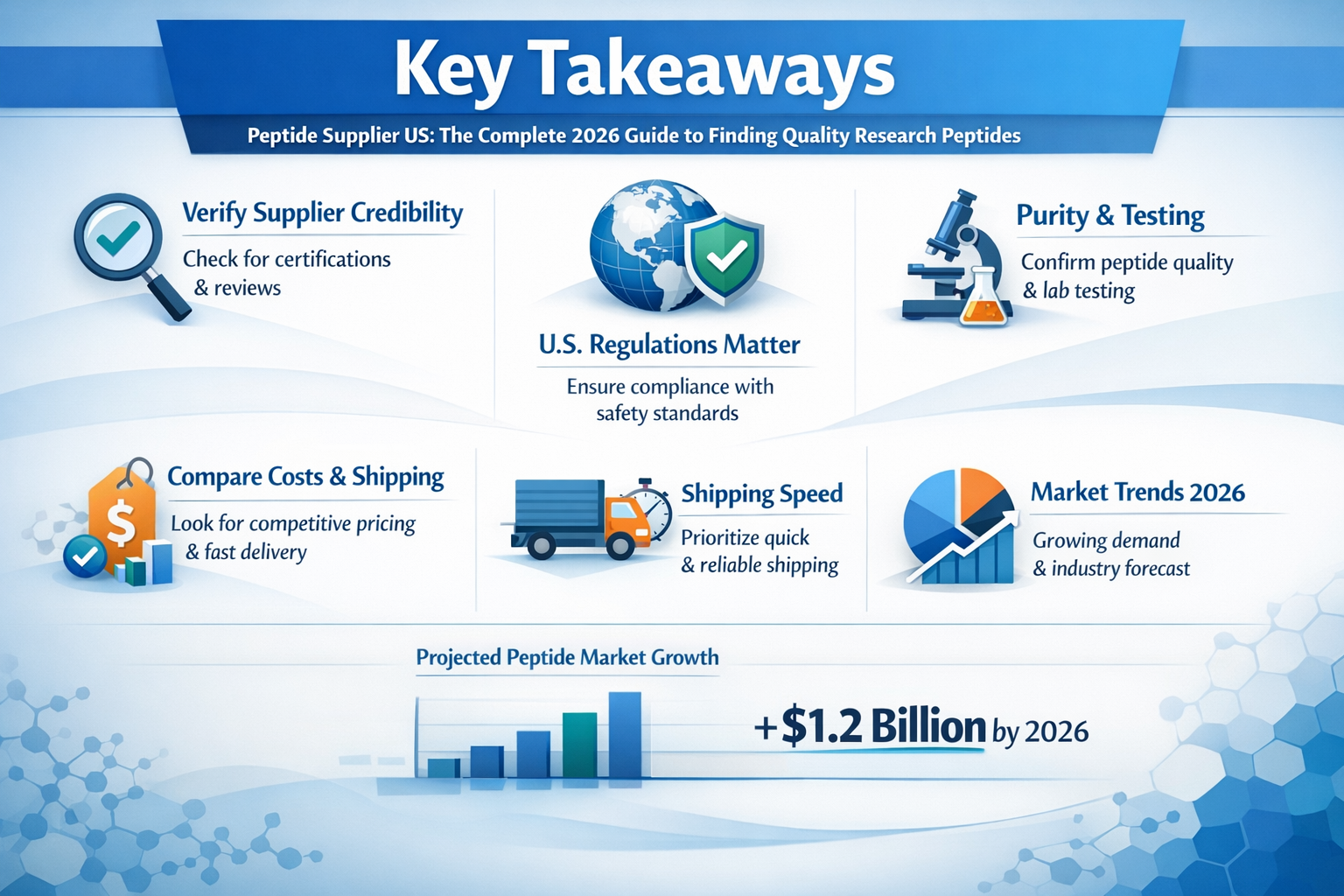
Key Takeaways
- Quality verification is paramount: Legitimate peptide suppliers provide third-party testing certificates and transparent purity documentation for every batch
- US-based suppliers offer advantages: Domestic peptide sources provide faster shipping, better customer support, and compliance with US regulations
- Product variety matters: The best peptide retail US operations stock comprehensive catalogs including metabolic peptides, recovery compounds, and specialized research blends
- Pricing reflects quality: Extremely low prices often indicate compromised purity or questionable sourcing practices
- Customer education signals credibility: Reputable suppliers provide detailed product information, proper storage guidance, and responsive research support
Understanding the Peptide Supplier Landscape in 2026
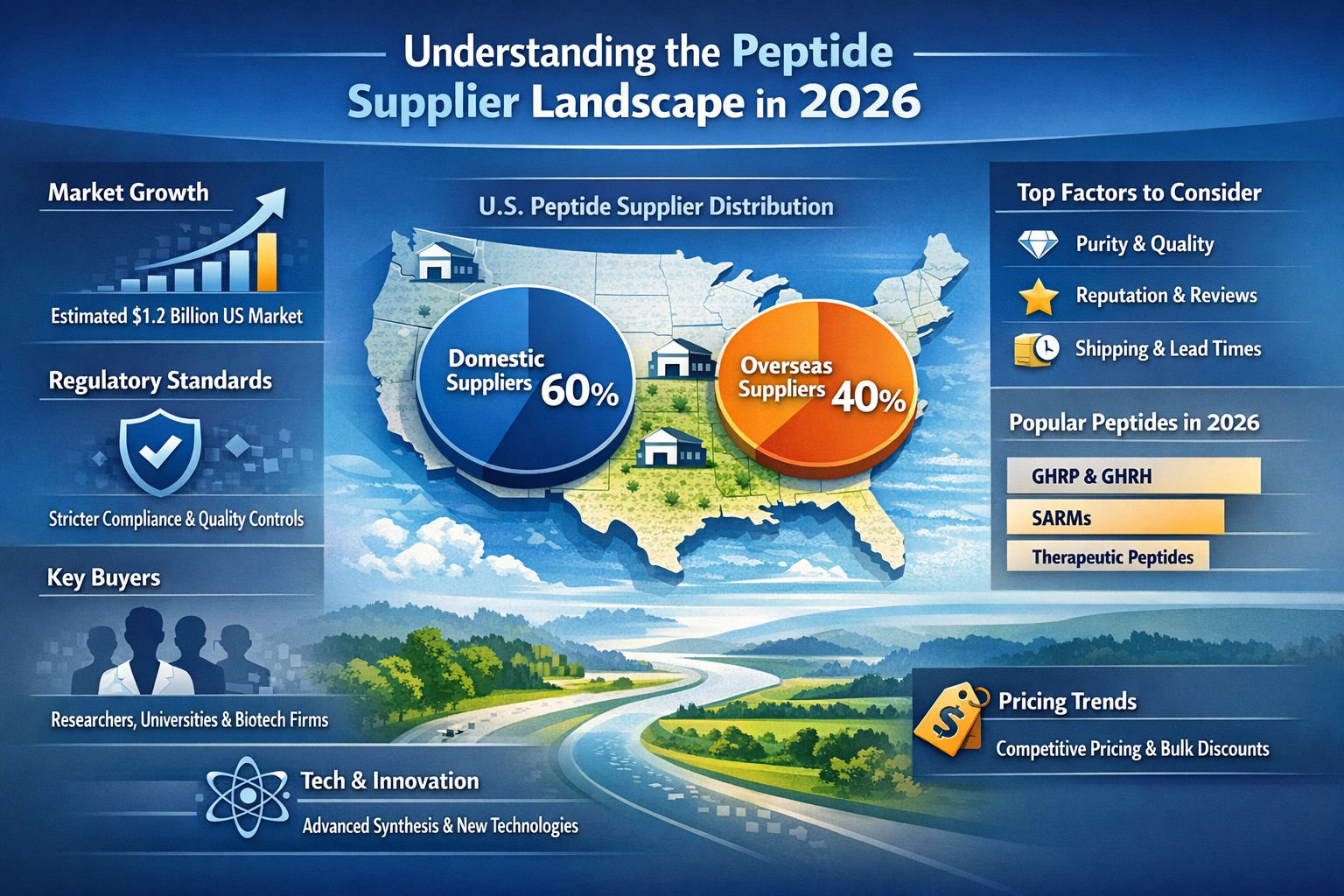
The peptide research industry has matured significantly over recent years, transforming from a niche market into a sophisticated sector serving diverse research communities. Peptide supplier US operations now cater to fitness coaches studying performance enhancement, medispa owners exploring aesthetic applications, and health enthusiasts investigating metabolic optimization.
The Evolution of Peptide Commerce
Research peptides have transitioned from obscure laboratory compounds to widely studied molecules with applications spanning multiple disciplines. This growth has attracted both legitimate suppliers committed to quality and opportunistic vendors prioritizing profit over purity. Understanding this landscape helps researchers identify trustworthy sources.
Reputable peptide suppliers distinguish themselves through several key characteristics:
- Third-party laboratory testing with publicly available certificates of analysis
- Transparent sourcing and manufacturing processes
- Comprehensive product documentation including molecular weights and sequences
- Responsive customer support with knowledgeable staff
- Clear labeling indicating "for research purposes only"
Why Choose US-Based Peptide Suppliers
When deciding where to buy peptides, domestic suppliers offer distinct advantages over international sources. US-based operations typically provide faster shipping times, eliminating extended customs delays that can compromise peptide stability. Additionally, domestic suppliers operate under US regulatory frameworks, offering researchers greater recourse and accountability.
Temperature-sensitive peptides require careful handling during transit. A reliable peptide supplier ensures proper cold chain management, using insulated packaging and expedited shipping to maintain compound integrity from warehouse to doorstep.
Market Segments and Specializations
The peptide research market serves multiple distinct audiences, each with unique requirements:
Fitness and Performance Researchers 🏋️
This segment focuses on peptides related to muscle recovery, tissue repair, and metabolic function. Popular research compounds include recovery peptides and performance-supporting molecules.
Aesthetic and Wellness Professionals 💆
Medispa owners and wellness practitioners investigate peptides for skin health, cellular regeneration, and aesthetic applications, often seeking compounds with documented cosmetic research.
Metabolic Health Enthusiasts 🔬
Researchers in this category explore peptides related to weight management, metabolic optimization, and cellular energy production, including compounds like 5-Amino-1MQ and MOTS-C.
Longevity Researchers ⏳
This growing segment investigates peptides associated with cellular aging, telomere function, and longevity pathways, including compounds like Epithalon and other research molecules.
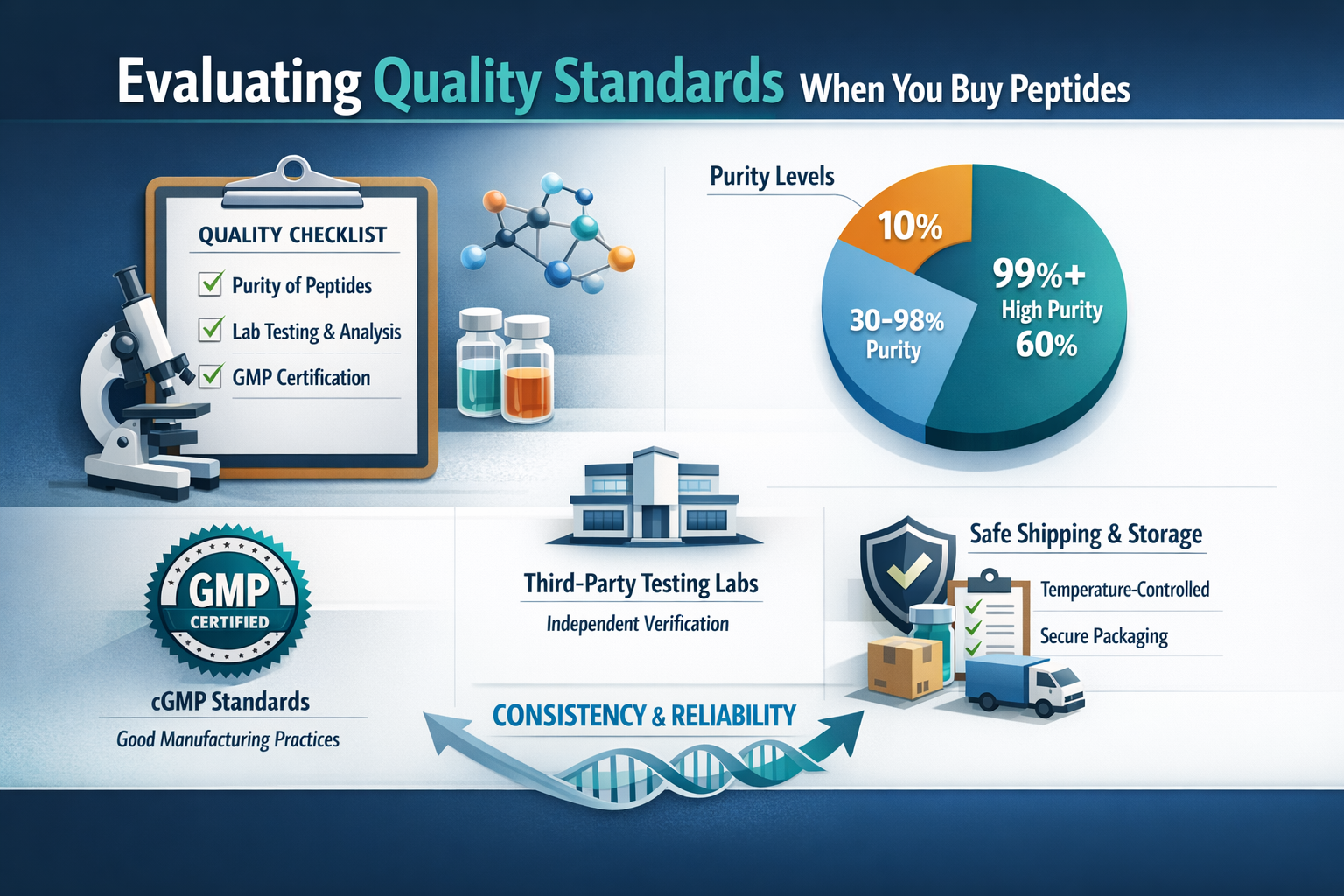
Evaluating Quality Standards When You Buy Peptides
Quality assurance separates legitimate peptide suppliers from questionable vendors. When researchers buy peptides for serious investigation, understanding quality markers becomes essential for obtaining meaningful results and ensuring research validity.
Third-Party Testing and Certificates of Analysis
The gold standard for peptide verification involves independent laboratory testing by accredited facilities. Reputable suppliers provide Certificates of Analysis (COAs) for each batch, documenting:
| Quality Metric | Industry Standard | What It Means |
|---|---|---|
| Purity | ≥98% | Percentage of target peptide versus impurities |
| Identity Verification | HPLC/MS confirmation | Confirms correct molecular structure |
| Sterility | Negative for contaminants | Ensures absence of bacterial/fungal growth |
| Endotoxin Levels | <1.0 EU/mg | Measures bacterial toxin contamination |
| pH Level | Specified range | Indicates proper formulation stability |
When evaluating where to buy peptides, always request current COAs. Legitimate suppliers readily provide this documentation, while questionable vendors often make excuses or provide generic certificates not specific to actual batches.
Manufacturing Standards and GMP Compliance
Good Manufacturing Practice (GMP) compliance indicates a supplier follows rigorous quality control protocols throughout production. While not all research peptide suppliers operate under pharmaceutical GMP standards, the best peptide retail US operations implement similar quality systems including:
- Cleanroom manufacturing environments
- Documented standard operating procedures
- Batch tracking and traceability systems
- Quality control testing at multiple production stages
- Proper storage conditions maintaining peptide stability
Purity Grades and Their Significance
Peptide purity directly impacts research outcomes. Understanding purity grades helps researchers select appropriate compounds for their investigations:
Research Grade (≥98% purity) 🔬
Suitable for most research applications, this grade ensures minimal impurities that could confound results. Most serious researchers seek this standard when they buy peptides for legitimate investigations.
Pharmaceutical Grade (≥99% purity) 💊
The highest purity level, typically reserved for clinical research or therapeutic applications. While desirable, this grade often comes at premium pricing.
Lower Grade (<95% purity) ⚠️
Compounds below 95% purity may contain significant impurities affecting research validity. Reputable suppliers clearly disclose purity levels, allowing researchers to make informed decisions.
Storage and Handling Considerations
Peptide stability depends on proper storage conditions. Quality suppliers provide detailed guidance on:
- Lyophilized (freeze-dried) storage: Most peptides remain stable at -20°C for extended periods in powder form
- Reconstituted storage: Once mixed with bacteriostatic water, most peptides require refrigeration and have limited stability windows
- Light sensitivity: Many peptides degrade when exposed to direct light, requiring amber vials or dark storage
- Freeze-thaw cycles: Repeated freezing and thawing can damage peptide structures
When researching where to buy peptides, prioritize suppliers offering comprehensive storage instructions and appropriate packaging materials.
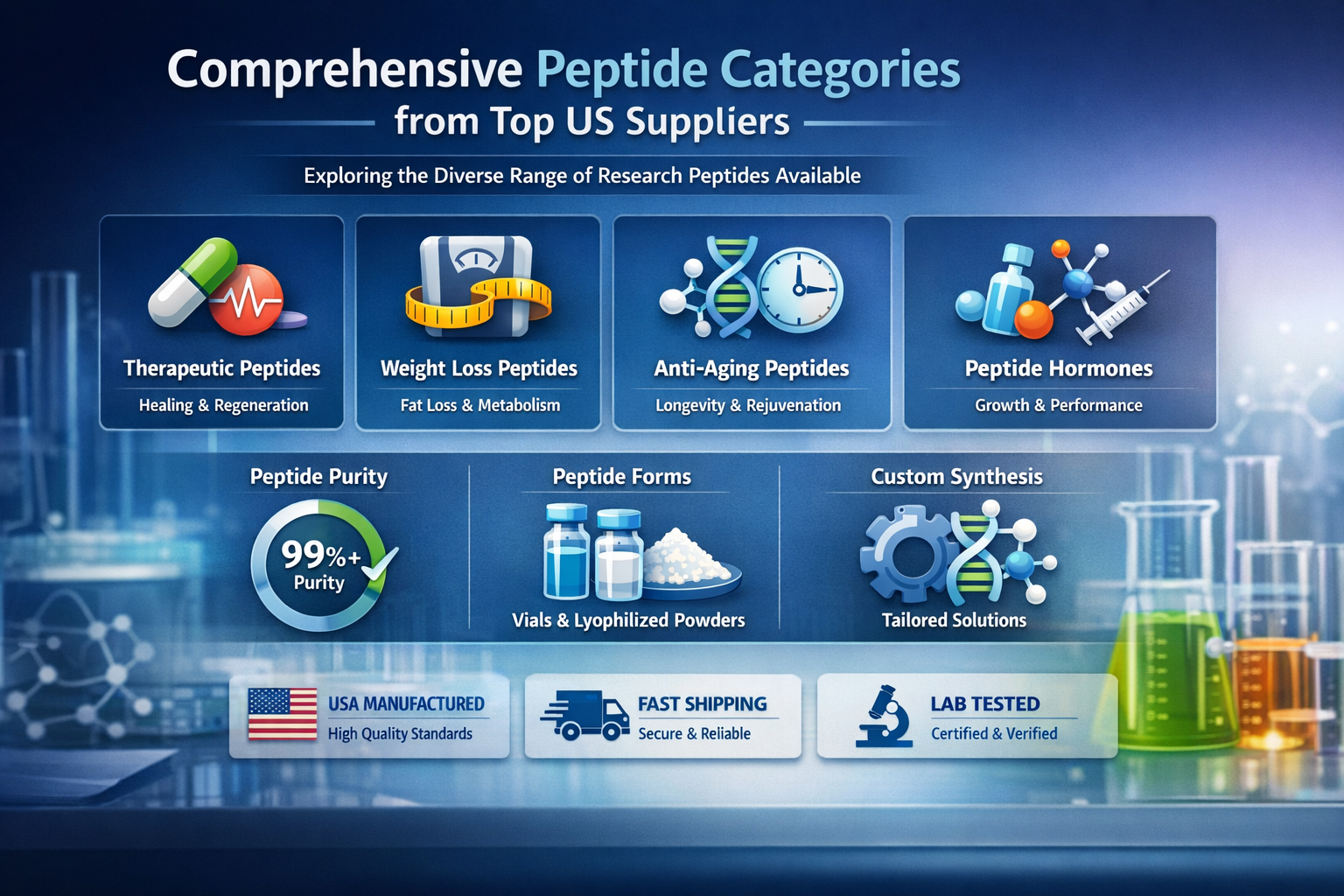
Comprehensive Peptide Categories from Top US Suppliers
Understanding available peptide categories helps researchers identify compounds aligned with their investigation goals. The best peptide retail US operations maintain diverse inventories spanning multiple research applications.
Metabolic and Weight Management Peptides
Metabolic peptides represent one of the fastest-growing research categories in 2026. These compounds interact with cellular energy pathways, metabolic signaling, and fat metabolism processes.
5-Amino-1MQ has gained significant research attention for its interaction with NNMT (nicotinamide N-methyltransferase) enzyme activity. Studies suggest this compound may influence cellular NAD+ levels and metabolic function. Researchers investigating metabolic optimization often explore 5-Amino-1MQ peptide for its unique mechanism of action.
MOTS-C represents a mitochondrial-derived peptide showing promise in metabolic research. This compound has been studied for its effects on cellular energy production and metabolic regulation. Those wondering where to buy MOTS-C peptide should seek suppliers providing detailed documentation on this specialized compound.
AOD-9604 originated from growth hormone research and has been investigated for its potential effects on lipolysis without affecting blood sugar or growth. This peptide remains popular among researchers studying fat metabolism pathways.
GLP Peptide Analogs and Blends
Glucagon-like peptide (GLP) analogs represent cutting-edge research compounds with applications in metabolic and appetite regulation studies. These peptides have generated substantial scientific interest in recent years.
Researchers investigating where to buy GLP-3 or where to buy GLP-1 analogs should understand that these compounds require careful handling and proper storage to maintain stability. GLP peptides typically require refrigeration even in lyophilized form.
Reta-Cagrilintide Blend combines multiple mechanisms of action, making it a subject of interest for researchers studying synergistic peptide effects. Those seeking to buy Reta-Cagrilintide blend should work with suppliers offering detailed product specifications and research support.
Individual compounds like Cagrilintide have also attracted research attention. When investigating where to buy Cagrilintide, researchers should verify supplier credentials and request comprehensive documentation.
Recovery and Tissue Repair Peptides
Recovery peptides represent essential tools for researchers investigating tissue healing, cellular repair, and regenerative processes. These compounds have applications across multiple research disciplines.
BPC-157 (Body Protection Compound-157) derives from a protective gastric peptide and has been studied extensively for its potential tissue repair properties. Research has explored its effects on various tissue types including tendons, ligaments, and muscle.
TB-500 (Thymosin Beta-4 fragment) represents another widely researched recovery peptide. Studies have investigated its role in cellular migration, blood vessel formation, and tissue regeneration processes.
The Wolverine Blend combines multiple recovery-focused peptides into a synergistic formulation. Researchers wondering where to buy Wolverine blend or seeking to buy Wolverine stack peptide should understand this combination approach aims to leverage multiple mechanisms simultaneously. The Wolverine blend peptide has gained popularity among fitness researchers studying comprehensive recovery protocols.
Longevity and Cellular Health Peptides
Longevity research has expanded dramatically, with peptides playing central roles in investigations of cellular aging, telomere function, and age-related processes.
Epithalon (Epitalon) represents one of the most researched longevity peptides, studied for its potential effects on telomerase activity and pineal gland function. Researchers investigating where to buy Epithalon should seek suppliers providing detailed molecular documentation and purity verification.
MOTS-C, mentioned earlier for metabolic applications, also attracts longevity researchers due to its mitochondrial origins and potential effects on cellular energy and aging processes.
Growth Hormone Secretagogues
Growth hormone-related peptides remain popular research compounds, particularly among fitness and performance researchers.
Sermorelin functions as a growth hormone-releasing hormone (GHRH) analog, stimulating natural growth hormone production. Those researching where to buy Sermorelin should understand this peptide requires proper reconstitution and refrigerated storage.
Ipamorelin/Tesamorelin combinations represent another approach to growth hormone research. Investigators wondering where to buy Ipamorelin/Tesamorelin blends should work with suppliers offering both individual compounds and pre-mixed formulations with verified ratios.
Cognitive and Mood Research Peptides
Nootropic peptides have gained attention for their potential effects on cognitive function, stress response, and mood regulation.
Selank represents a synthetic analog of the immunomodulatory peptide tuftsin, studied for its potential anxiolytic and cognitive effects. Researchers investigating where to buy Selank nasal spray or seeking to buy Selank spray should understand that nasal formulations require specific preparation and storage conditions.
BPC-157 nasal spray represents an alternative administration route for this versatile peptide. Those looking to buy BPC nasal spray should verify the formulation includes appropriate preservatives and maintains stability in liquid form.
Specialized Peptide Blends and Formulations
Innovative suppliers develop proprietary blends combining complementary peptides for synergistic research applications.
Lipo-C peptide formulations combine lipotropic compounds with peptides for metabolic research applications. Researchers seeking to buy Lipo-C peptide should request detailed ingredient lists and concentration specifications.
Specialized blends targeting specific research goals continue emerging as suppliers respond to researcher needs and scientific literature developments.
Selecting the Right Peptide Supplier US for Your Research Needs
Choosing among numerous peptide supplier US options requires systematic evaluation of multiple factors beyond price alone. This section provides a framework for supplier assessment.
Reputation and Track Record
A supplier's reputation within the research community offers valuable insight into reliability and quality consistency. Consider these reputation indicators:
Customer Reviews and Testimonials 📝
While individual experiences vary, patterns in customer feedback reveal supplier strengths and weaknesses. Look for consistent mentions of product quality, shipping reliability, and customer service responsiveness.
Industry Presence and Longevity 🏢
Suppliers operating successfully for multiple years demonstrate stability and commitment to the research community. New vendors may offer competitive pricing but lack proven track records.
Community Engagement 💬
Reputable suppliers often engage with research communities through educational content, research updates, and responsive communication. This engagement demonstrates commitment beyond mere transactions.
Product Selection and Availability
Comprehensive product catalogs indicate supplier investment in serving diverse research needs. The best peptide retail US operations maintain extensive inventories including:
- Core research peptides with consistent demand
- Emerging compounds based on recent scientific literature
- Specialized blends and proprietary formulations
- Various vial sizes accommodating different research scales
- Related research supplies (bacteriostatic water, syringes, alcohol wipes)
Suppliers with limited selections may force researchers to work with multiple vendors, complicating ordering and increasing shipping costs.
Pricing Structure and Value Proposition
While price matters, the lowest cost rarely indicates the best value when purchasing research peptides. Consider total value including:
| Cost Factor | Considerations |
|---|---|
| Unit Price | Compare per-mg costs across suppliers |
| Shipping Costs | Factor in expedited shipping for temperature-sensitive compounds |
| Minimum Orders | Some suppliers require minimum purchase amounts |
| Bulk Discounts | Volume pricing may benefit researchers needing larger quantities |
| Loyalty Programs | Repeat customer discounts reward ongoing relationships |
Suspiciously low prices often signal compromised purity, questionable sourcing, or inadequate testing. When deciding where to buy peptides, prioritize verified quality over marginal cost savings.
Customer Service and Research Support
Responsive, knowledgeable customer support distinguishes professional operations from transactional vendors. Quality suppliers offer:
Pre-Purchase Consultation 📞
Staff who understand peptide research can help researchers identify appropriate compounds for investigation goals, discuss storage requirements, and explain product specifications.
Order Tracking and Communication 📦
Transparent shipping updates and proactive communication about potential delays demonstrate customer commitment.
Post-Purchase Support 🤝
Questions about reconstitution, storage, or product specifications should receive prompt, informed responses from supplier staff.
Educational Resources 📚
Many reputable suppliers provide research guides, dosage calculators, and educational content helping researchers maximize investigation value. Access to comprehensive peptide information supports successful research outcomes.
Shipping and Handling Practices
Peptide stability depends on proper shipping conditions. Evaluate supplier shipping practices including:
Cold Chain Management ❄️
Temperature-sensitive peptides require insulated packaging with ice packs or cold gel packs maintaining appropriate temperatures during transit.
Shipping Speed Options 🚚
Expedited shipping options minimize time in transit, reducing stability concerns particularly during warm weather months.
Packaging Quality 📦
Proper cushioning protects delicate glass vials from breakage, while discrete packaging respects researcher privacy.
Geographic Coverage 🗺️
US-based suppliers typically offer faster delivery to domestic addresses compared to international sources requiring customs clearance.
Legal Compliance and Transparency
Legitimate peptide suppliers operate within legal frameworks and maintain transparency about product applications. Key compliance indicators include:
Clear "Research Use Only" Labeling ⚠️
Reputable suppliers clearly state peptides are intended for research purposes only, not for human consumption or therapeutic use.
Age Verification 🔞
Professional operations implement age verification processes ensuring buyers meet minimum age requirements.
Terms of Service 📋
Comprehensive terms clearly outline permitted uses, return policies, and liability limitations.
Regulatory Awareness ⚖️
Quality suppliers stay informed about regulatory developments affecting peptide research and adjust practices accordingly.
Practical Considerations When You Buy Peptides Online
Beyond supplier selection, successful peptide research requires understanding practical aspects of online purchasing, product handling, and research planning.
Ordering Process and Payment Methods
Modern peptide supplier US operations offer streamlined ordering experiences through user-friendly websites with detailed product pages, secure checkout processes, and multiple payment options.
Payment Security 🔒
Reputable suppliers implement SSL encryption and secure payment processing protecting customer financial information. Accepted payment methods typically include:
- Credit and debit cards (Visa, Mastercard, American Express)
- Cryptocurrency (Bitcoin, Ethereum) for privacy-conscious researchers
- Electronic checks or ACH transfers for larger orders
- Third-party payment processors (PayPal, Venmo) where available
Account Creation Benefits 👤
Creating customer accounts enables order history tracking, faster checkout for repeat purchases, and access to loyalty programs or exclusive promotions.
Understanding Product Specifications
Peptide product pages should provide comprehensive specifications enabling informed purchasing decisions:
Molecular Information 🧬
- Molecular formula and weight
- Amino acid sequence
- CAS number for compound identification
- Appearance (typically white to off-white lyophilized powder)
Quantity and Concentration ⚖️
- Net peptide content (e.g., 5mg, 10mg, 50mg per vial)
- Purity percentage (should be ≥98% for research-grade)
- Number of vials per order
Storage Requirements 🌡️
- Recommended storage temperature for lyophilized powder
- Stability duration under proper storage conditions
- Reconstitution and post-reconstitution storage guidelines
Reconstitution and Preparation
Most research peptides arrive as lyophilized powder requiring reconstitution before use. Understanding proper preparation ensures peptide stability and research accuracy.
Reconstitution Solutions 💧
Bacteriostatic water represents the most common reconstitution solution, containing 0.9% benzyl alcohol as a preservative. Some peptides require specific solutions:
- Bacteriostatic water (most common)
- Sterile water (for peptides sensitive to benzyl alcohol)
- Acetic acid solution (for certain peptides prone to aggregation)
Reconstitution Technique 🔬
Proper technique prevents peptide degradation:
- Allow lyophilized peptide vial to reach room temperature
- Clean vial top with alcohol swab
- Draw appropriate volume of bacteriostatic water into syringe
- Inject water slowly down the side of the vial (never directly onto powder)
- Gently swirl (never shake) until powder dissolves completely
- Store reconstituted peptide according to specifications
Research Planning and Documentation
Serious researchers maintain detailed records documenting peptide sources, batch numbers, reconstitution dates, and research observations. This documentation ensures:
Research Reproducibility 🔁
Detailed records enable researchers to replicate successful protocols or identify variables affecting outcomes.
Quality Tracking 📊
Documenting supplier, batch numbers, and COA information helps researchers correlate results with specific product batches.
Safety Monitoring ⚠️
Tracking reconstitution dates and storage conditions ensures researchers use peptides within stability windows.
Common Purchasing Mistakes to Avoid
Learning from common errors helps researchers avoid costly mistakes when they buy peptides:
Mistake #1: Prioritizing Price Over Quality 💰
Choosing the cheapest supplier often results in compromised purity, inadequate testing, or questionable sourcing. Research validity depends on compound quality.
Mistake #2: Ignoring Storage Requirements 🌡️
Failing to properly store peptides immediately upon receipt can degrade compounds before research begins. Have storage solutions ready before orders arrive.
Mistake #3: Inadequate Research Planning 📋
Ordering without clear research protocols wastes resources and produces inconsistent results. Plan investigations thoroughly before purchasing compounds.
Mistake #4: Overlooking Expiration Dates ⏰
Peptides have limited stability windows, particularly after reconstitution. Order quantities aligned with research timelines to avoid waste.
Mistake #5: Failing to Verify Supplier Credentials 🔍
Accepting marketing claims without verifying testing documentation, customer reviews, and supplier reputation risks receiving inferior products.
The Future of Peptide Research and Supply in 2026 and Beyond
The peptide research landscape continues evolving rapidly, with emerging trends shaping how researchers buy peptides and conduct investigations.
Emerging Peptide Research Areas
Scientific literature reveals expanding research applications for peptide compounds:
Mitochondrial Peptides 🔋
Compounds like MOTS-C and humanin represent a growing category of mitochondrial-derived peptides studied for their effects on cellular energy, metabolic function, and aging processes.
Antimicrobial Peptides 🦠
With antibiotic resistance concerns growing, research into antimicrobial peptides like LL-37 has intensified, exploring natural defense mechanisms against pathogens.
Peptide-Based Therapeutics 💊
The pharmaceutical industry increasingly develops peptide-based drugs, driving research into novel peptide structures and delivery mechanisms.
Technological Advances in Peptide Synthesis
Manufacturing technology improvements continue enhancing peptide quality and availability:
Automated Synthesis 🤖
Advanced peptide synthesizers enable more consistent production with higher purity levels and better batch-to-batch consistency.
Novel Modifications 🧪
Chemical modifications like PEGylation, acetylation, and cyclization create peptides with improved stability, bioavailability, and activity profiles.
Quality Control Innovations 🔬
Enhanced analytical techniques provide more comprehensive peptide characterization, ensuring researchers receive precisely what they order.
Regulatory Landscape Evolution
The regulatory environment surrounding research peptides continues developing:
Increased Scrutiny 👁️
Regulatory agencies worldwide pay closer attention to peptide sales and marketing, particularly regarding health claims and intended uses.
Quality Standards 📋
Industry groups work toward establishing voluntary quality standards helping researchers identify reputable suppliers.
International Harmonization 🌍
Efforts to harmonize peptide regulations across countries may affect international sourcing and domestic supplier operations.
Sustainability and Ethical Sourcing
Environmental and ethical considerations increasingly influence supplier practices:
Green Chemistry 🌱
Manufacturers adopt more environmentally friendly synthesis methods reducing waste and harmful byproducts.
Transparent Supply Chains 🔗
Researchers increasingly demand transparency about peptide sourcing, manufacturing locations, and quality control processes.
Ethical Business Practices 🤝
Reputable suppliers prioritize fair labor practices, environmental responsibility, and community engagement beyond profit maximization.
The Role of Education and Community
Knowledge sharing strengthens the research community and improves outcomes:
Research Communities 👥
Online forums, social media groups, and research networks enable peptide researchers to share experiences, protocols, and supplier recommendations.
Educational Content 📚
Quality suppliers invest in educational resources helping researchers understand peptide science, proper handling techniques, and research best practices. Resources covering topics from peptide dosing to storage optimization support successful investigations.
Scientific Literature Access 📖
Increased open-access publishing makes research findings more available to independent researchers, fostering evidence-based investigation approaches.
Building Long-Term Relationships with Your Peptide Supplier
Successful peptide research often depends on consistent access to quality compounds from reliable sources. Developing ongoing relationships with trusted suppliers offers multiple advantages.
Benefits of Supplier Loyalty
Establishing preferred supplier relationships provides tangible benefits:
Consistent Product Quality ✅
Working with the same supplier ensures consistency in compound purity, packaging, and documentation across multiple orders.
Priority Customer Service 🌟
Regular customers often receive enhanced support including faster response times, dedicated account representatives, and personalized assistance.
Volume Discounts and Loyalty Programs 💎
Many suppliers reward repeat business through tiered pricing structures, loyalty points, or exclusive promotions for established customers.
Early Access to New Products 🆕
Trusted customers may receive early notification about new peptide offerings, allowing researchers to explore emerging compounds before general availability.
Effective Communication with Suppliers
Clear communication enhances supplier relationships and research outcomes:
Specific Research Needs 🎯
Articulating investigation goals helps suppliers recommend appropriate compounds and specifications for research applications.
Feedback and Reviews 💬
Providing constructive feedback about products, shipping, and service helps suppliers improve operations while building mutual respect.
Questions and Concerns ❓
Don't hesitate to ask questions about product specifications, storage, or handling. Reputable suppliers welcome inquiries and provide detailed responses.
Diversification Considerations
While supplier loyalty offers benefits, maintaining relationships with multiple vetted sources provides backup options:
Supply Continuity 📦
Having alternative suppliers prevents research disruptions if primary sources experience inventory shortages or operational issues.
Comparative Quality Assessment 🔍
Occasionally ordering the same compound from different suppliers enables quality comparisons and validates primary supplier standards.
Access to Specialized Products 🎯
Different suppliers may specialize in specific peptide categories or offer unique formulations not available from primary sources.
Conclusion: Making Informed Decisions About Where to Buy Peptides
Navigating the peptide supplier landscape in 2026 requires careful consideration of quality standards, supplier reputation, product selection, and practical purchasing factors. Whether you're a fitness coach investigating recovery compounds, a medispa owner exploring aesthetic applications, or a health enthusiast researching metabolic optimization, choosing the right peptide supplier US operation fundamentally impacts research success.
Quality should always take precedence over price when you buy peptides for serious research. Third-party testing documentation, transparent business practices, responsive customer support, and comprehensive product information distinguish reputable suppliers from questionable vendors. The best peptide retail US operations invest in quality assurance, customer education, and community engagement, recognizing that researcher success drives long-term business sustainability.
As peptide research continues expanding across multiple disciplines, the supplier landscape will evolve with emerging compounds, improved manufacturing technologies, and enhanced quality standards. Staying informed about industry developments, maintaining relationships with trusted suppliers, and engaging with research communities positions investigators for continued success.
Actionable Next Steps
Ready to begin or enhance your peptide research journey? Consider these concrete actions:
-
Audit Current Suppliers 📋
If currently purchasing peptides, evaluate your suppliers against the quality criteria outlined in this guide. Request current COAs and verify third-party testing documentation. -
Research Specific Compounds 🔬
Identify peptides aligned with your research goals. Explore detailed information about specific compounds like 5-Amino-1MQ or AOD-9604 to understand mechanisms, research applications, and handling requirements. -
Compare Multiple Suppliers ⚖️
Create a comparison matrix evaluating 3-5 potential suppliers across key factors: product quality, pricing, selection, customer service, and shipping practices. -
Start Small 🧪
When trying a new supplier, begin with smaller orders to evaluate product quality, shipping reliability, and customer service before committing to larger purchases. -
Document Everything 📝
Establish research documentation protocols tracking suppliers, batch numbers, reconstitution dates, and observations to ensure reproducible results. -
Engage with Communities 👥
Join peptide research forums and communities to learn from experienced researchers, discover supplier recommendations, and stay informed about industry developments. -
Prioritize Education 📚
Invest time learning about peptide science, proper handling techniques, and research methodologies. Quality suppliers often provide educational resources supporting researcher success.
The peptide research field offers exciting opportunities for investigation across multiple disciplines. By carefully selecting quality suppliers, maintaining rigorous research standards, and engaging with the broader research community, investigators can conduct meaningful studies contributing to scientific understanding while achieving their research objectives.
Remember that peptides are complex biological compounds requiring respect, proper handling, and evidence-based approaches. Whether you're exploring where to buy GLP-3, seeking to buy MOTS-C peptide, or investigating where to buy Epithalon, prioritize suppliers demonstrating commitment to quality, transparency, and customer success. Your research deserves nothing less than the highest standards in peptide sourcing and supplier partnerships.
SEO Meta Information
Meta Title: Peptide Supplier US: 2026 Guide to Quality Research Peptides
Meta Description: Find trusted peptide supplier US sources. Compare quality standards, product selection, and pricing for research peptides. Expert guide for 2026 peptide buyers.