
ModGRF: The Complete Guide to Modified Growth Hormone-Releasing Factor in 2026
Imagine unlocking your body's natural potential to produce growth hormone without the risks associated with synthetic hormone replacement. ModGRF represents a revolutionary advancement in peptide science, offering researchers and health professionals a sophisticated tool for stimulating endogenous growth hormone production. As interest in peptide therapies continues to surge in 2026, understanding this modified growth hormone-releasing factor has become essential for fitness experts, bodybuilders, and medical practitioners seeking cutting-edge approaches to performance optimization and therapeutic interventions.
Key Takeaways
✅ ModGRF is a synthetic analog of growth hormone-releasing hormone (GHRH) that stimulates natural GH production with a 30-minute half-life, making it more practical than native GHRH
✅ Four key amino acid substitutions provide enhanced resistance to enzymatic degradation and increased biological activity compared to natural GHRH
✅ Synergistic effects with GHRPs like ipamorelin can produce significantly higher growth hormone pulses than ModGRF alone
✅ Maintains pulsatile GH release patterns, preserving physiological hormone regulation and reducing risks associated with continuous elevation
✅ Research applications include muscle wasting, metabolic disorders, and age-related GH deficiency, though it remains unapproved for human use by the FDA
What is ModGRF? Understanding Modified Growth Hormone-Releasing Factor
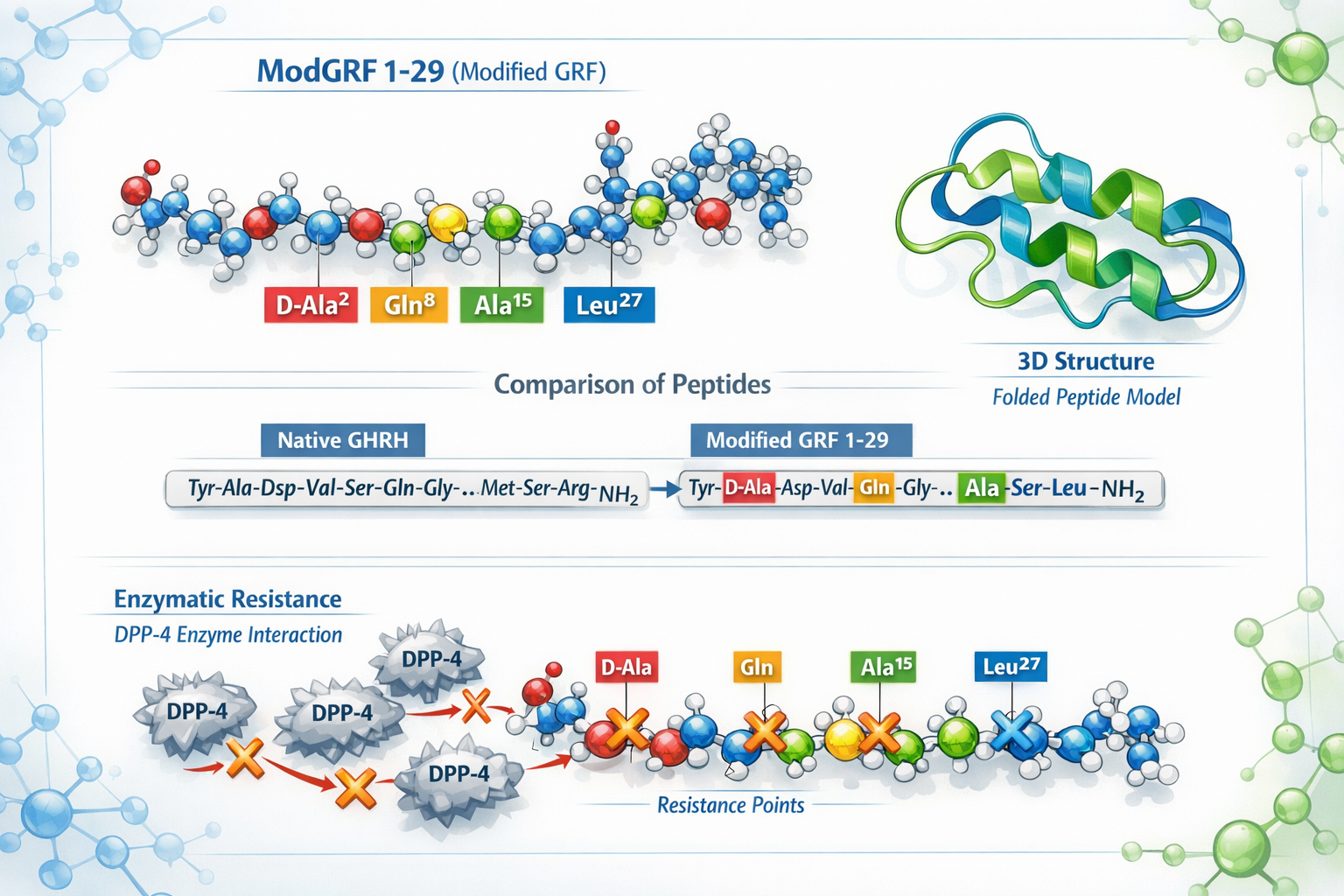
Modified GRF (1-29), commonly referred to as ModGRF or CJC-1295 without DAC, represents a significant advancement in peptide research and therapeutic development. This synthetic peptide consists of the first 29 amino acids of the native growth hormone-releasing hormone (GHRH) molecule, carefully engineered to enhance stability and biological activity.
The development of ModGRF addresses a fundamental limitation of natural GHRH: its extremely short half-life. While endogenous GHRH degrades in less than 10 minutes within the bloodstream, ModGRF maintains activity for approximately 30 minutes—a threefold improvement that makes it substantially more practical for research and potential therapeutic applications.
The Science Behind ModGRF's Enhanced Stability
What makes ModGRF superior to natural GHRH? The answer lies in four strategic amino acid substitutions:
| Position | Natural GHRH | ModGRF Substitution | Benefit |
|---|---|---|---|
| Position 2 | Alanine | D-Alanine (D-Ala2) | Prevents DPP-4 degradation |
| Position 8 | Serine | Glutamine (Gln8) | Enhanced receptor binding |
| Position 15 | Glycine | Alanine (Ala15) | Increased stability |
| Position 27 | Methionine | Leucine (Leu27) | Oxidation resistance |
These modifications provide increased resistance to enzymatic degradation by dipeptidyl peptidase-4 (DPP-4), the primary enzyme responsible for breaking down native GHRH. For those researching peptide stores and seeking reliable compounds, this enhanced stability translates to more consistent research outcomes.
ModGRF vs. CJC-1295: Clearing Up the Confusion
Many researchers encounter confusion regarding the relationship between ModGRF and CJC-1295. Here's the clarification:
- ModGRF (Modified GRF 1-29) = CJC-1295 without DAC (Drug Affinity Complex)
- CJC-1295 with DAC = Extended half-life version (several days)
The ModGRF variant without DAC preserves the natural pulsatile pattern of growth hormone release, which many researchers consider more physiological and potentially safer for long-term applications. This distinction matters significantly when sourcing compounds from peptide stores or planning research protocols.
How ModGRF Works: Mechanism of Action and Biological Pathways
Understanding how ModGRF functions at the cellular level reveals why this peptide has garnered substantial attention from researchers studying growth hormone optimization. The mechanism involves a sophisticated cascade of biological events that ultimately stimulate natural growth hormone production.
Receptor Binding and Signal Transduction
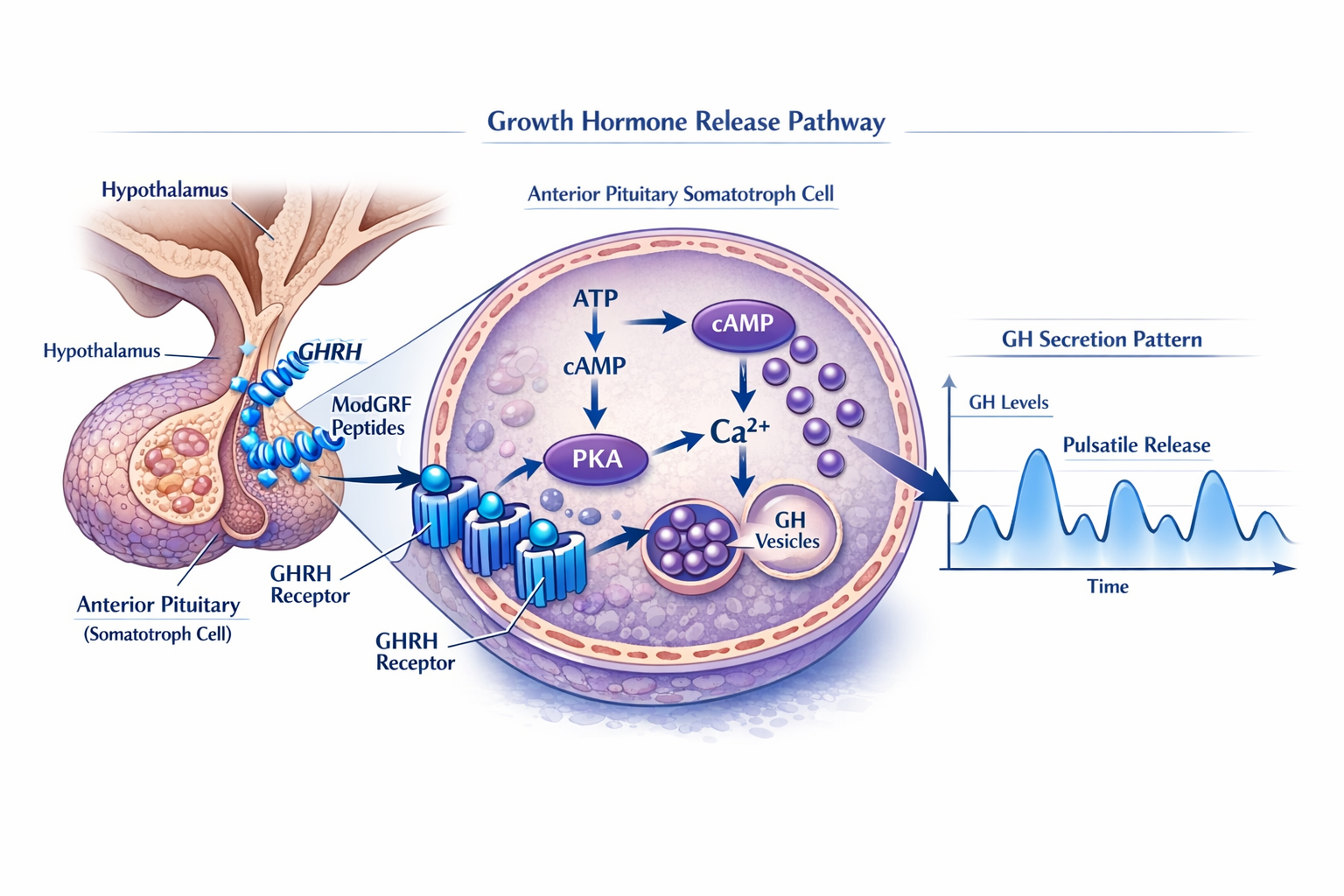
When ModGRF enters the bloodstream, it travels to the anterior pituitary gland, where it binds to growth hormone-releasing hormone receptors (GHRH-R) located on somatotroph cells. These specialized cells are responsible for producing and secreting growth hormone.
The binding process triggers a cyclic AMP (cAMP) signaling pathway:
- 🔬 ModGRF binds to GHRH-R on somatotroph cells
- ⚡ Receptor activation stimulates adenylyl cyclase enzyme
- 📈 Increased cAMP production within the cell
- 🧬 Activation of protein kinase A (PKA)
- 💉 Calcium channel opening and GH vesicle release
This cascade results in the release of stored growth hormone into the bloodstream, where it can exert its effects on target tissues throughout the body. For researchers exploring bodybuilding peptides for sale, understanding this mechanism is crucial for optimizing protocols.
The Pulsatile Nature of GH Release
One of ModGRF's most significant advantages is that it maintains the pulsatile pattern of growth hormone secretion. Unlike continuous GH administration, which can lead to receptor desensitization and metabolic complications, the natural pulse pattern offers several benefits:
- Preserved receptor sensitivity to growth hormone
- Reduced risk of insulin resistance compared to exogenous GH
- Lower incidence of edema and joint discomfort
- Maintained negative feedback mechanisms of the hypothalamic-pituitary axis
Clinical studies have demonstrated that ModGRF administration can increase serum growth hormone levels by 2-10 fold depending on dosage, timing, and individual response characteristics. Peak levels typically occur 15-30 minutes post-administration, making timing a critical consideration for researchers.
Synergistic Effects with Growth Hormone-Releasing Peptides
Research indicates that ModGRF produces significantly enhanced effects when combined with growth hormone-releasing peptides (GHRPs) such as ipamorelin or GHRP-2. This synergy occurs because these compounds work through different mechanisms:
- ModGRF stimulates GH release by mimicking GHRH
- GHRPs suppress somatostatin (the hormone that inhibits GH release)
When used together, they create a "dual action" effect that can produce GH pulses substantially higher than either compound alone. This principle has important implications for those researching buy peptide online options and designing comprehensive protocols.
ModGRF Dosage, Administration, and Research Protocols
Proper dosing and administration protocols are essential for researchers working with ModGRF to ensure consistent results and minimize potential adverse effects. The research landscape in 2026 has established several evidence-based guidelines for peptide administration.
Standard Research Dosage Ranges
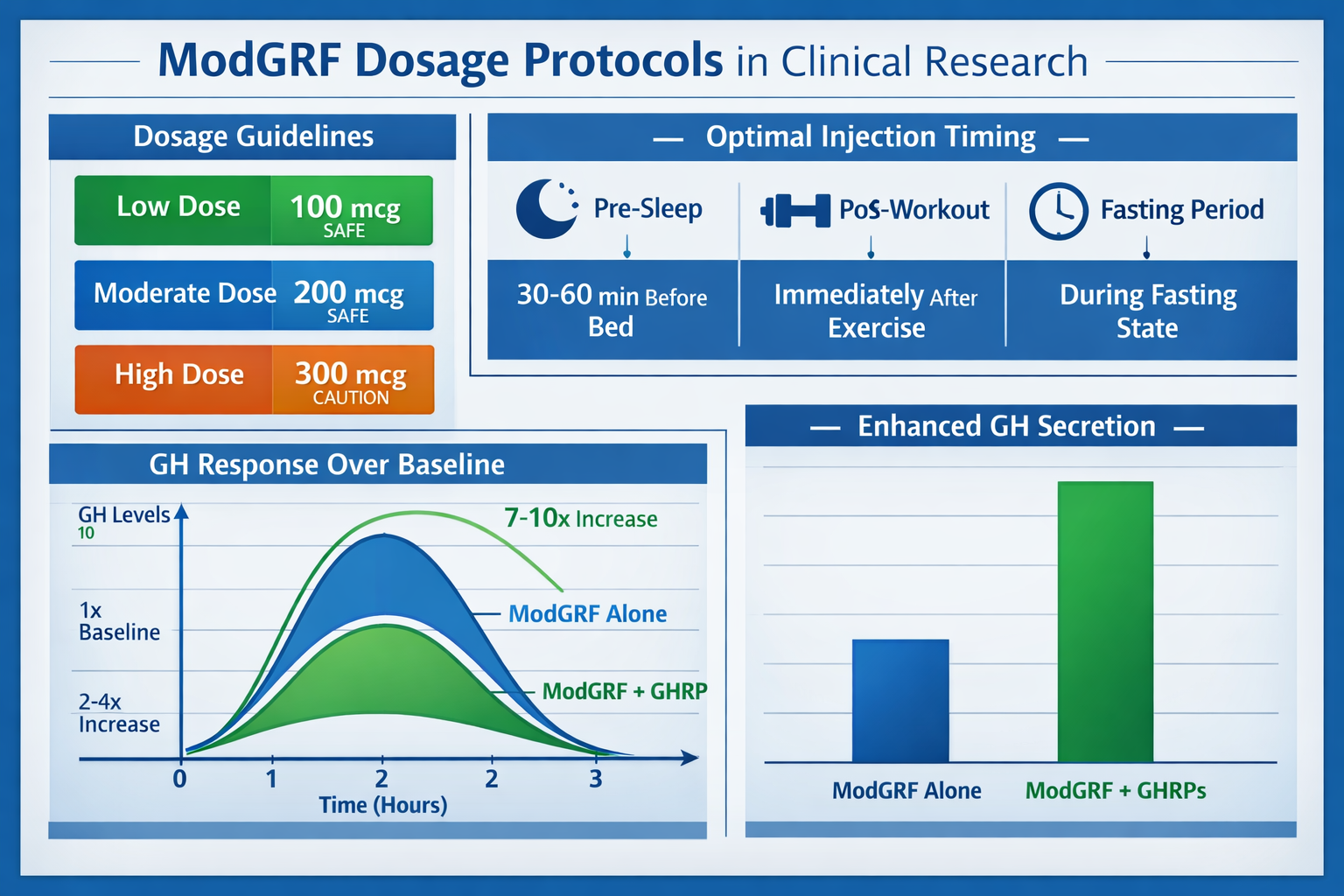
The typical research dosage range for ModGRF falls between 100-300 mcg per injection, with most protocols utilizing doses in the middle of this range. Several factors influence optimal dosing:
Dosage Considerations:
- Body weight: Larger individuals may require higher doses
- Research objectives: Different goals may warrant different approaches
- Combination protocols: Lower doses when combined with GHRPs
- Individual response: Significant variability exists between subjects
For those exploring where to buy glp 1 peptide and related compounds, understanding that peptide dosing is highly individualized is crucial. Starting at the lower end of the dosage spectrum and gradually increasing based on response is generally recommended.
Optimal Timing for Administration
Timing matters significantly when working with ModGRF due to the body's natural growth hormone secretion patterns. Research suggests three optimal windows for administration:
-
Before Sleep (30-60 minutes prior)
- Aligns with natural nocturnal GH pulse
- Potentially enhances sleep quality
- Maximizes overnight recovery processes
-
Post-Workout (immediately following training)
- Capitalizes on exercise-induced GH sensitivity
- Supports muscle recovery and protein synthesis
- Synergizes with metabolic state
-
During Fasting Periods (morning or between meals)
- Low insulin levels enhance GH response
- Supports lipolytic (fat-burning) effects
- Mimics natural fasting-induced GH elevation
Many researchers implement ModGRF protocols utilizing 1-3 administrations daily, strategically timed to coincide with these natural GH secretion windows. Those investigating peptides buy options should consider these timing principles when designing research frameworks.
Reconstitution and Storage Guidelines
Proper handling of ModGRF ensures peptide stability and research validity:
Reconstitution Process:
- Use bacteriostatic water for reconstitution
- Add water slowly down the vial side (avoid direct stream onto peptide)
- Gently swirl (never shake) to dissolve
- Allow to sit for several minutes if not fully dissolved
Storage Requirements:
- Lyophilized (powder) form: Store at -20°C (freezer) for up to 2 years
- Reconstituted solution: Store at 2-8°C (refrigerator) for up to 30 days
- Protect from light exposure
- Avoid repeated freeze-thaw cycles
For researchers sourcing from peptide stores, verifying proper storage conditions throughout the supply chain is essential for maintaining peptide integrity.
Combination Protocols: ModGRF with GHRPs
The synergistic approach combining ModGRF with growth hormone-releasing peptides has become increasingly popular in research settings. Common combinations include:
ModGRF + Ipamorelin:
- ModGRF: 100-200 mcg
- Ipamorelin: 100-200 mcg
- Administered simultaneously
- Produces significant GH pulse with minimal side effects
ModGRF + GHRP-2:
- ModGRF: 100-300 mcg
- GHRP-2: 100-300 mcg
- Stronger GH response than ipamorelin
- May increase appetite and cortisol slightly
These combination protocols typically produce 3-5 times higher GH pulses than ModGRF alone, making them attractive for researchers studying maximal growth hormone optimization. Those researching simple peptides should note that combination protocols require careful attention to dosing and timing.
ModGRF Benefits, Applications, and Research Findings
The research community has identified numerous potential applications for ModGRF across various domains, from athletic performance to therapeutic interventions for age-related conditions. Understanding these applications helps contextualize the peptide's growing popularity in 2026.
Muscle Growth and Body Composition
One of the primary areas of interest for ModGRF research involves its effects on muscle tissue and body composition. Growth hormone plays a crucial role in:
Muscle-Related Benefits:
- 💪 Enhanced protein synthesis: Increased amino acid uptake and utilization
- 🔥 Improved nitrogen retention: Critical for muscle building
- 📊 Increased lean body mass: Studies show measurable improvements
- ⚡ Enhanced muscle recovery: Reduced recovery time between training sessions
Research indicates that ModGRF administration can support muscle growth through both direct and indirect mechanisms. The peptide stimulates growth hormone release, which in turn promotes IGF-1 (Insulin-like Growth Factor-1) production in the liver and peripheral tissues. This IGF-1 elevation is largely responsible for the anabolic effects observed in muscle tissue.
For those exploring tb-500 benefits bodybuilding and similar compounds, ModGRF represents a complementary approach that works through different biological pathways, potentially offering synergistic benefits when used in comprehensive research protocols.
Fat Loss and Metabolic Effects
ModGRF's impact on metabolism and fat oxidation has garnered significant research attention. Growth hormone is well-established as a lipolytic hormone, meaning it promotes the breakdown of stored fat for energy:
Metabolic Benefits:
- 🔥 Enhanced lipolysis (fat breakdown)
- 📉 Reduced visceral adipose tissue
- ⚡ Improved insulin sensitivity (when used appropriately)
- 📊 Increased metabolic rate
Clinical studies have demonstrated that growth hormone elevation through ModGRF can shift the body's fuel utilization toward fat oxidation, particularly during fasting states or low-intensity activity. This mechanism has made it particularly interesting for researchers studying body recomposition.
Those investigating buy aod 9604 online and other fat-loss peptides should note that ModGRF works through different mechanisms than fragment peptides, offering a distinct research approach to metabolic optimization.
Recovery, Healing, and Tissue Repair
Growth hormone plays essential roles in tissue repair and recovery processes throughout the body. ModGRF research has explored applications in:
Recovery-Related Applications:
- 🏥 Accelerated wound healing: Enhanced collagen synthesis
- 🦴 Bone density improvement: Stimulation of osteoblast activity
- 🎯 Tendon and ligament repair: Increased connective tissue strength
- 💤 Sleep quality enhancement: Deeper, more restorative sleep
The peptide's ability to stimulate natural GH production may support the body's inherent repair mechanisms without the supraphysiological hormone levels associated with exogenous GH administration. This characteristic makes ModGRF particularly interesting for researchers studying recovery optimization.
For those researching buypeptides for recovery applications, understanding that ModGRF works systemically rather than targeting specific tissues is important for protocol design.
Anti-Aging and Longevity Research
Age-related growth hormone deficiency is well-documented, with GH production declining approximately 14% per decade after age 30. This decline correlates with numerous age-related changes:
Age-Related Considerations:
- 📉 Decreased muscle mass (sarcopenia)
- 📈 Increased body fat, especially visceral fat
- 🧠 Cognitive changes and reduced mental acuity
- 😴 Sleep quality deterioration
- 🦴 Bone density reduction
- 👴 Skin thinning and reduced elasticity
Research into ModGRF as a potential intervention for age-related GH deficiency explores whether restoring more youthful GH patterns might mitigate some of these changes. While human longevity studies remain limited, animal research has shown promising results regarding healthspan extension.
Those exploring peptides doctor near me should understand that while ModGRF shows promise in research settings, it remains unapproved for anti-aging applications by regulatory authorities.
Cognitive Function and Neuroprotection
Emerging research has identified growth hormone receptors throughout the central nervous system, suggesting potential cognitive and neuroprotective roles:
Cognitive Research Areas:
- 🧠 Memory formation and consolidation
- 🎯 Focus and mental clarity
- 😴 Sleep architecture improvement
- 🛡️ Neuroprotective effects against age-related decline
While this research remains preliminary, the presence of GH receptors in brain regions associated with memory and learning suggests ModGRF may have applications beyond traditional body composition and performance domains.
ModGRF Safety Profile, Side Effects, and Considerations
Understanding the safety profile of ModGRF is essential for researchers and practitioners considering its use in various applications. While generally well-tolerated at research dosages, several important considerations warrant attention.
Common Side Effects and Adverse Reactions
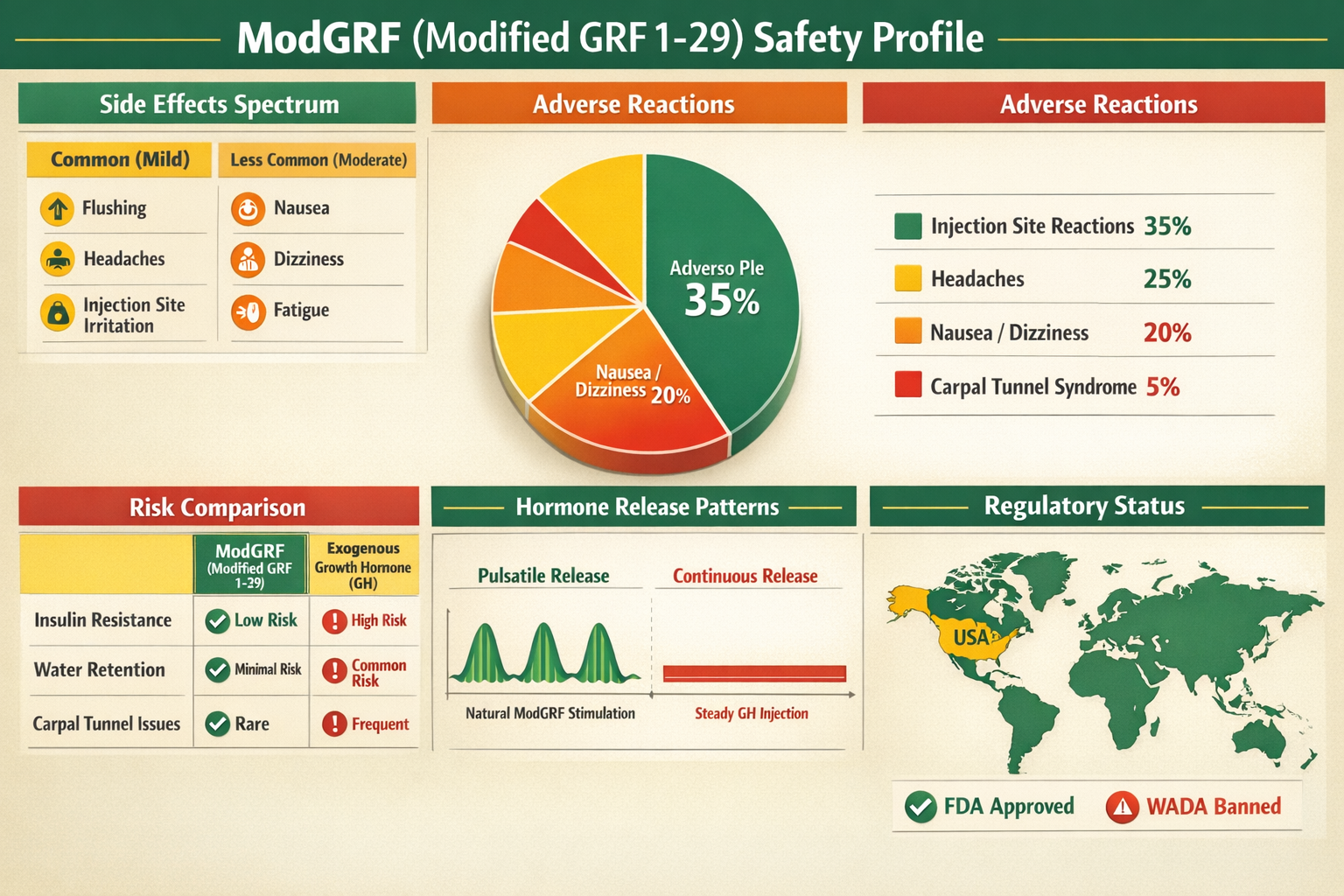
Research and anecdotal reports have identified several side effects associated with ModGRF administration, though serious adverse events remain rare when used at recommended dosages:
Mild to Moderate Side Effects:
- 😳 Facial flushing: Temporary redness and warmth (most common)
- 🤕 Headaches: Usually transient, often related to initial doses
- 💉 Injection site reactions: Redness, swelling, or minor discomfort
- 💧 Water retention: Mild edema, particularly in extremities
- 😴 Drowsiness or fatigue: Especially when dosed during the day
- 🍽️ Changes in appetite: Can increase or decrease depending on individual
The facial flushing experienced by many users typically occurs within minutes of administration and resolves within 15-30 minutes. This effect results from vasodilation and is generally considered harmless, though it can be uncomfortable for some individuals.
For those researching mt1 peptide and other compounds, understanding that peptide side effects vary significantly between individuals is crucial for comprehensive research design.
Serious Adverse Effects and Contraindications
While rare, certain serious considerations exist for ModGRF use:
Potential Serious Concerns:
- ⚠️ Hypoglycemia risk: Particularly when combined with insulin-sensitizing agents
- 🫀 Cardiovascular stress: In individuals with pre-existing heart conditions
- 🎯 Tumor growth concerns: Theoretical risk in those with active malignancies
- 🧪 Hormonal imbalances: When used inappropriately or at excessive doses
Contraindications include:
- Active cancer or history of malignancy
- Diabetic retinopathy
- Severe cardiovascular disease
- Pregnancy or breastfeeding
- Pediatric use (except under specialized medical supervision)
These contraindications reflect the theoretical concerns about growth hormone's effects on cell proliferation and metabolic regulation. While ModGRF stimulates endogenous GH production rather than providing exogenous hormone, prudent caution remains warranted.
ModGRF vs. Exogenous Growth Hormone: Safety Comparison
One of ModGRF's significant advantages is that it maintains the body's natural regulatory mechanisms rather than bypassing them entirely:
| Aspect | ModGRF | Exogenous GH |
|---|---|---|
| Hormone Pattern | Pulsatile (natural) | Continuous elevation |
| Negative Feedback | Preserved | Suppressed |
| Insulin Resistance Risk | Lower | Higher |
| Edema Incidence | Lower | Higher |
| Cost | Significantly lower | Very expensive |
| Detection (sports) | More difficult | Easier to detect |
The pulsatile nature of GH release with ModGRF is considered more physiological and potentially safer for long-term use compared to continuous elevation from exogenous GH. This distinction matters significantly for researchers studying sustainable hormone optimization approaches.
Those exploring peptide sale options should understand these fundamental differences when comparing various growth hormone-related compounds.
Long-Term Safety Considerations
Limited long-term human safety data exists for ModGRF, as most studies have focused on short-term administration (weeks to months rather than years). Several theoretical long-term considerations include:
Long-Term Research Questions:
- 🔬 Effects on endogenous GH production after cessation
- 📊 Impact on insulin sensitivity over extended periods
- 🧬 Potential effects on cellular aging and senescence
- 🎯 Cardiovascular outcomes in multi-year use
Current evidence suggests that ModGRF does not cause negative feedback inhibition of natural GH production, unlike exogenous GH administration. This characteristic suggests that endogenous hormone regulation should remain intact even with extended use, though definitive long-term studies remain limited.
Quality and Purity Concerns
A significant safety consideration involves the quality and purity of ModGRF obtained from various sources. The peptide research market includes vendors with varying quality control standards:
Quality Indicators:
- ✅ Third-party testing and certificates of analysis (COA)
- ✅ Proper storage and handling throughout supply chain
- ✅ Transparent sourcing and manufacturing information
- ✅ Appropriate packaging and labeling
- ✅ Reputation and track record in the research community
For researchers investigating aod9604 5mg and other peptides, sourcing from reputable suppliers with documented quality control processes is essential for both safety and research validity.
Legal Status, Regulatory Considerations, and Ethical Use
Understanding the legal and regulatory landscape surrounding ModGRF is crucial for researchers, practitioners, and individuals considering its use in 2026. The legal status varies significantly across jurisdictions and contexts.
United States Regulatory Status
In the United States, ModGRF occupies a complex regulatory position:
FDA Classification:
- ❌ Not approved for any medical indication
- 🔬 Classified as a research chemical
- 📋 Not legally available for human consumption
- ⚖️ Legal to purchase for research purposes only
The FDA has not approved ModGRF for human use, meaning it cannot be legally prescribed by physicians for therapeutic purposes. However, it remains legal to purchase for legitimate research applications, creating a gray area that requires careful navigation.
Those searching for peptides doctor near me should understand that legitimate medical practitioners cannot legally prescribe ModGRF for off-label human use in the United States, though some physicians may work with patients using other approved therapies.
Sports and Athletic Competition Regulations
ModGRF is explicitly prohibited in competitive sports:
WADA Status:
- 🚫 Banned by the World Anti-Doping Agency (WADA)
- ⚠️ Classified under S2: Peptide Hormones, Growth Factors
- 🔍 Prohibited both in-competition and out-of-competition
- 📊 Detectable through advanced testing methods
Athletes subject to drug testing should understand that ModGRF use constitutes a doping violation and can result in sanctions, suspensions, and competitive bans. The peptide's detection window and testing methodologies continue to improve, making detection increasingly likely.
For those researching bodybuilding peptides for sale, understanding these regulatory restrictions is essential for making informed decisions about competitive participation.
International Legal Variations
The legal status of ModGRF varies considerably across different countries:
International Regulatory Landscape:
- 🇦🇺 Australia: Prescription-only, Schedule 4 substance
- 🇬🇧 United Kingdom: Not approved; available for research
- 🇨🇦 Canada: Not approved for human use
- 🇪🇺 European Union: Varies by member state; generally not approved
Researchers and individuals should investigate the specific regulations in their jurisdiction before purchasing or using ModGRF. International shipping of peptides also involves customs regulations that vary by country.
Ethical Considerations in Research and Application
Beyond legal considerations, ethical questions surround ModGRF use:
Ethical Considerations:
- 🤔 Use in healthy individuals vs. therapeutic applications
- ⚖️ Informed consent and risk disclosure
- 🎯 Performance enhancement vs. medical treatment
- 📊 Long-term safety data limitations
- 💰 Access and equity concerns
The distinction between therapeutic use (addressing genuine medical conditions) and enhancement use (improving beyond normal physiological function) raises important ethical questions that the medical and research communities continue to debate.
Responsible Sourcing and Use
For those proceeding with ModGRF research or use, responsible practices include:
Responsible Use Guidelines:
- ✅ Thorough research and education before use
- ✅ Consultation with knowledgeable healthcare providers when possible
- ✅ Starting with conservative dosages
- ✅ Monitoring for adverse effects
- ✅ Sourcing from reputable suppliers with quality documentation
- ✅ Proper storage and handling procedures
- ✅ Honest disclosure to healthcare providers
Those exploring buy peptide online options should prioritize suppliers who demonstrate commitment to quality, transparency, and responsible practices within the regulatory constraints of the research chemical market.
Conclusion: The Future of ModGRF Research and Applications
ModGRF represents a sophisticated approach to growth hormone optimization that leverages the body's natural regulatory mechanisms rather than bypassing them entirely. As we navigate 2026, this modified growth hormone-releasing factor continues to generate significant interest across multiple domains—from athletic performance and body composition to therapeutic applications for age-related conditions and metabolic disorders.
The peptide's unique characteristics—including its enhanced stability, pulsatile GH release pattern, and synergistic potential with other compounds—position it as a valuable tool for researchers exploring hormone optimization strategies. The four strategic amino acid substitutions that distinguish ModGRF from native GHRH demonstrate how thoughtful molecular modifications can dramatically improve therapeutic potential while maintaining physiological hormone patterns.
Key Points to Remember
Essential ModGRF Insights:
- 🧬 ModGRF stimulates natural GH production through GHRH receptor activation, preserving endogenous regulation
- ⏱️ 30-minute half-life makes it significantly more practical than native GHRH for research applications
- 🤝 Synergistic combinations with GHRPs produce substantially higher GH pulses than ModGRF alone
- 💊 Typical dosages range from 100-300 mcg, with optimal timing before sleep, post-workout, or during fasting
- ⚖️ Not FDA-approved for human use and banned in competitive sports by WADA
Actionable Next Steps
For researchers, practitioners, and individuals interested in exploring ModGRF further:
-
Educate Yourself Thoroughly: Continue researching the mechanisms, protocols, and safety considerations through scientific literature and reputable sources
-
Assess Your Objectives: Clearly define whether your interest is research-focused, therapeutic, or performance-related
-
Consult Qualified Professionals: While ModGRF isn't FDA-approved, working with knowledgeable healthcare providers can help navigate related therapeutic options
-
Source Responsibly: If proceeding with research, prioritize suppliers with documented quality control, third-party testing, and transparent practices
-
Start Conservatively: Begin with lower dosages and single daily administrations before progressing to more complex protocols
-
Monitor and Document: Maintain detailed records of protocols, responses, and any adverse effects for research validity
-
Stay Informed on Regulations: Legal and regulatory landscapes evolve; stay current on changes in your jurisdiction
The Evolving Research Landscape
The future of ModGRF research appears promising, with ongoing investigations exploring:
- 🔬 Refined combination protocols for specific applications
- 📊 Long-term safety and efficacy data
- 🎯 Therapeutic applications for age-related conditions
- 🧬 Personalized dosing based on genetic and metabolic factors
- 💡 Novel delivery methods and formulations
As peptide science advances and our understanding of growth hormone physiology deepens, ModGRF and related compounds will likely play increasingly important roles in both research and therapeutic contexts. The peptide's ability to work with—rather than against—the body's natural regulatory systems represents a paradigm that may influence future therapeutic development across multiple domains.
For those ready to explore the world of peptide research, understanding compounds like ModGRF provides a foundation for informed decision-making and responsible investigation. Whether your interest lies in athletic performance, body composition, recovery optimization, or therapeutic applications, the principles underlying ModGRF's mechanism and use offer valuable insights into the sophisticated interplay between peptide signaling and human physiology.
The journey into peptide research requires commitment to education, responsible practices, and realistic expectations. ModGRF represents just one tool among many in the expanding toolkit of peptide therapeutics, and its optimal use depends on understanding both its potential and its limitations within the broader context of health optimization and medical research.
SEO Meta Information
Meta Title: ModGRF Guide 2026: Modified GRF Peptide Benefits & Dosage
Meta Description: Complete ModGRF guide covering mechanism, dosage protocols, benefits, safety, and research applications for growth hormone optimization in 2026.