Peptodes: The Complete Guide to Bioactive Peptides for Performance and Longevity in 2026
The global peptide therapeutics market has exploded to over $50 billion in 2026, revolutionizing everything from athletic performance to anti-aging medicine. Peptodes, the bioactive peptides that serve as cellular messengers in our bodies, are now at the forefront of cutting-edge research for fitness enthusiasts, longevity coaches, and combat athletes seeking that competitive edge. These remarkable molecular chains are transforming how we approach recovery, performance enhancement, and healthy aging.
Key Takeaways
• Peptodes are short amino acid chains (2-50 amino acids) that function as powerful signaling molecules, regulating hormone production, immune response, and cellular communication
• The peptide market is projected to reach $81 billion by 2030, driven by breakthrough applications in metabolic disorders, performance enhancement, and longevity medicine
• Combat athletes and fitness enthusiasts are increasingly turning to specific peptides for accelerated recovery, enhanced muscle growth, and improved endurance
• Quality and sourcing matter significantly when selecting peptide products, with research-grade peptides offering superior purity and effectiveness
• Proper dosing and cycling protocols are essential for maximizing benefits while minimizing potential side effects
Understanding Peptodes: The Molecular Messengers
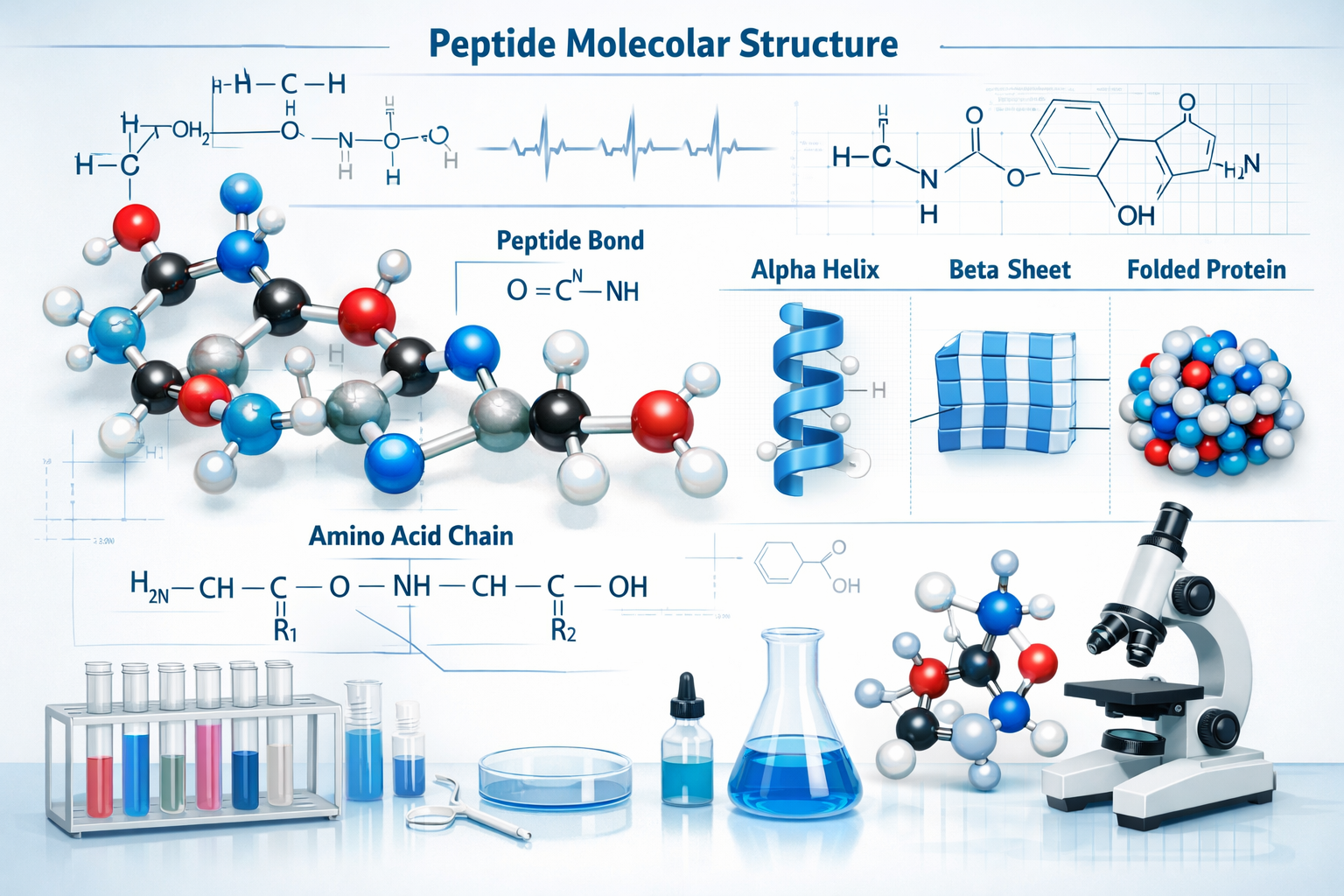
Peptodes represent a fascinating class of bioactive compounds that bridge the gap between simple amino acids and complex proteins. These molecular messengers contain between 2-50 amino acids linked together by peptide bonds, creating structures small enough to penetrate cellular barriers yet sophisticated enough to trigger specific biological responses [1].
The science behind peptodes reveals their crucial role in virtually every physiological process. Unlike larger proteins that often remain outside cells, peptodes can easily cross cellular membranes and directly influence gene expression, hormone production, and metabolic pathways. This unique characteristic makes them incredibly valuable for targeted therapeutic applications.
The Biological Functions of Peptodes
Peptodes serve multiple critical functions within the human body:
- Hormone Regulation: Many peptides function as hormones or hormone precursors, directly influencing growth, metabolism, and recovery
- Immune System Modulation: Certain peptides enhance immune function while others provide anti-inflammatory effects
- Cellular Communication: Peptides act as signaling molecules between cells, coordinating complex biological processes
- Tissue Repair: Specific peptides accelerate wound healing and tissue regeneration
For athletes engaged in high-intensity training like jiu jitsu and MMA, understanding these functions becomes crucial for optimizing performance and recovery protocols.
Peptodes for Athletic Performance and Recovery
Combat athletes and fitness enthusiasts have discovered that peptodes offer significant advantages for performance enhancement and recovery acceleration. The demanding nature of martial arts training creates unique physiological stresses that specific peptides can address effectively.
Growth Hormone-Related Peptodes
Growth hormone-releasing peptides represent one of the most popular categories among serious athletes. These peptodes stimulate natural growth hormone production, leading to enhanced recovery, improved body composition, and increased training capacity.
Benefits for Combat Athletes:
- Accelerated muscle recovery between training sessions
- Enhanced fat metabolism while preserving lean muscle mass
- Improved sleep quality and recovery
- Increased training volume tolerance
Recovery and Regeneration Peptodes
Specific peptodes target tissue repair and regeneration, making them particularly valuable for athletes dealing with the wear and tear of intensive training. Research-grade peptides have shown remarkable efficacy in promoting faster healing of soft tissue injuries common in grappling sports.
Key Recovery Benefits:
- Reduced inflammation and oxidative stress
- Enhanced collagen synthesis for joint health
- Accelerated wound healing and tissue repair
- Improved cardiovascular recovery
Metabolic Enhancement Peptodes
For athletes seeking improved body composition and metabolic efficiency, certain peptodes offer targeted benefits. AOD 9604 peptides have gained particular attention for their ability to enhance fat metabolism while preserving muscle tissue.
Peptodes in Longevity and Anti-Aging Applications

The longevity medicine field has embraced peptodes as powerful tools for healthy aging and life extension. These bioactive compounds address multiple hallmarks of aging at the cellular level, offering a comprehensive approach to maintaining vitality and function as we age.
Cellular Regeneration Peptodes
Certain peptodes directly influence cellular repair mechanisms and mitochondrial function. These peptides work by activating specific pathways responsible for cellular cleanup, energy production, and DNA repair [2].
Longevity Benefits Include:
- Enhanced mitochondrial function and energy production
- Improved cellular autophagy and waste removal
- Better DNA repair mechanisms
- Increased cellular resistance to stress
Cognitive Enhancement Peptodes
Brain health represents a critical component of healthy aging, and specific peptodes have shown remarkable neuroprotective properties. These compounds can cross the blood-brain barrier and directly influence neuronal function, memory formation, and cognitive performance.
Skin and Appearance Benefits
The cosmetic applications of peptodes have revolutionized anti-aging skincare. Collagen peptides and specialized cosmetic peptides stimulate natural collagen production, reduce wrinkle formation, and improve overall skin quality.
Cosmetic Peptide Benefits:
- Stimulated collagen and elastin production
- Reduced appearance of fine lines and wrinkles
- Improved skin firmness and elasticity
- Enhanced wound healing and scar reduction
Quality Considerations When Sourcing Peptodes
The effectiveness of peptodes depends heavily on their purity, stability, and proper handling. With the growing popularity of peptide therapy, the market has seen an influx of products with varying quality standards.
Purity and Testing Standards
High-quality peptodes should undergo rigorous testing for purity, potency, and contamination. Professional peptide suppliers typically provide certificates of analysis showing:
- Purity levels (typically 95% or higher for research-grade peptides)
- Molecular weight confirmation through mass spectrometry
- Contamination testing for bacteria, endotoxins, and heavy metals
- Proper storage conditions and stability data
Storage and Handling Requirements
Peptodes are sensitive molecules that require specific storage conditions to maintain their biological activity. Proper handling includes:
- Temperature control: Most peptides require refrigeration or freezing
- Light protection: UV exposure can degrade peptide structures
- pH considerations: Improper pH can lead to peptide breakdown
- Sterile handling: Contamination can compromise peptide integrity
Reconstitution and Administration
For researchers working with lyophilized peptodes, proper reconstitution techniques are crucial for maintaining peptide stability and biological activity. This includes using appropriate diluents, sterile techniques, and proper mixing procedures.
Emerging Research and Future Applications of Peptodes

The field of peptide research continues to evolve rapidly, with new applications and discoveries emerging regularly. Current research trends suggest exciting developments ahead for peptodes in various therapeutic areas.
Antimicrobial Peptodes
With the growing concern over antibiotic resistance, antimicrobial peptodes represent a promising alternative approach. Over 20 antimicrobial peptides are currently in clinical development, showing efficacy against drug-resistant pathogens including MRSA and Pseudomonas aeruginosa [3].
Cancer Immunotherapy Applications
Peptodes are playing an increasingly important role in cancer treatment, particularly in immunotherapy approaches. Peptide-based vaccines targeting specific tumor antigens are showing promise in clinical trials for various cancer types.
Metabolic Disorder Treatment
The success of GLP-1 receptor agonist peptodes like semaglutide and tirzepatide has opened new avenues for treating metabolic disorders. These peptides have demonstrated remarkable efficacy in weight management and diabetes control, with some patients experiencing 15-22% body weight reduction [4].
Advanced Delivery Systems
Innovations in peptide delivery are addressing traditional limitations of peptodes, including poor oral bioavailability and rapid degradation. New technologies include:
- Oral delivery systems with permeation enhancers
- Nanoparticle carriers for targeted delivery
- Cell-penetrating peptides for enhanced cellular uptake
- Sustained-release formulations for extended activity
Practical Considerations for Peptode Use
For individuals considering peptodes for performance enhancement or longevity applications, several practical factors require careful consideration.
Dosing Protocols and Cycling
Effective use of peptodes requires understanding appropriate dosing protocols and cycling strategies. Different peptides have varying half-lives, optimal dosing frequencies, and recommended cycle lengths.
General Guidelines:
- Start with conservative doses to assess individual response
- Follow established cycling protocols to prevent desensitization
- Monitor for both desired effects and potential side effects
- Consider stacking protocols for synergistic effects
Timing and Administration
The timing of peptodes administration can significantly impact their effectiveness. Factors to consider include:
- Circadian rhythm considerations for hormone-related peptides
- Exercise timing for performance-enhancing peptides
- Food interactions that may affect absorption
- Sleep cycle optimization for recovery-focused peptides
Monitoring and Assessment
Regular monitoring helps optimize peptodes protocols and ensure safety. This may include:
- Biomarker tracking through laboratory testing
- Performance metrics for athletic applications
- Body composition analysis for metabolic peptides
- Subjective wellness assessments for overall health monitoring
Safety Profile and Considerations
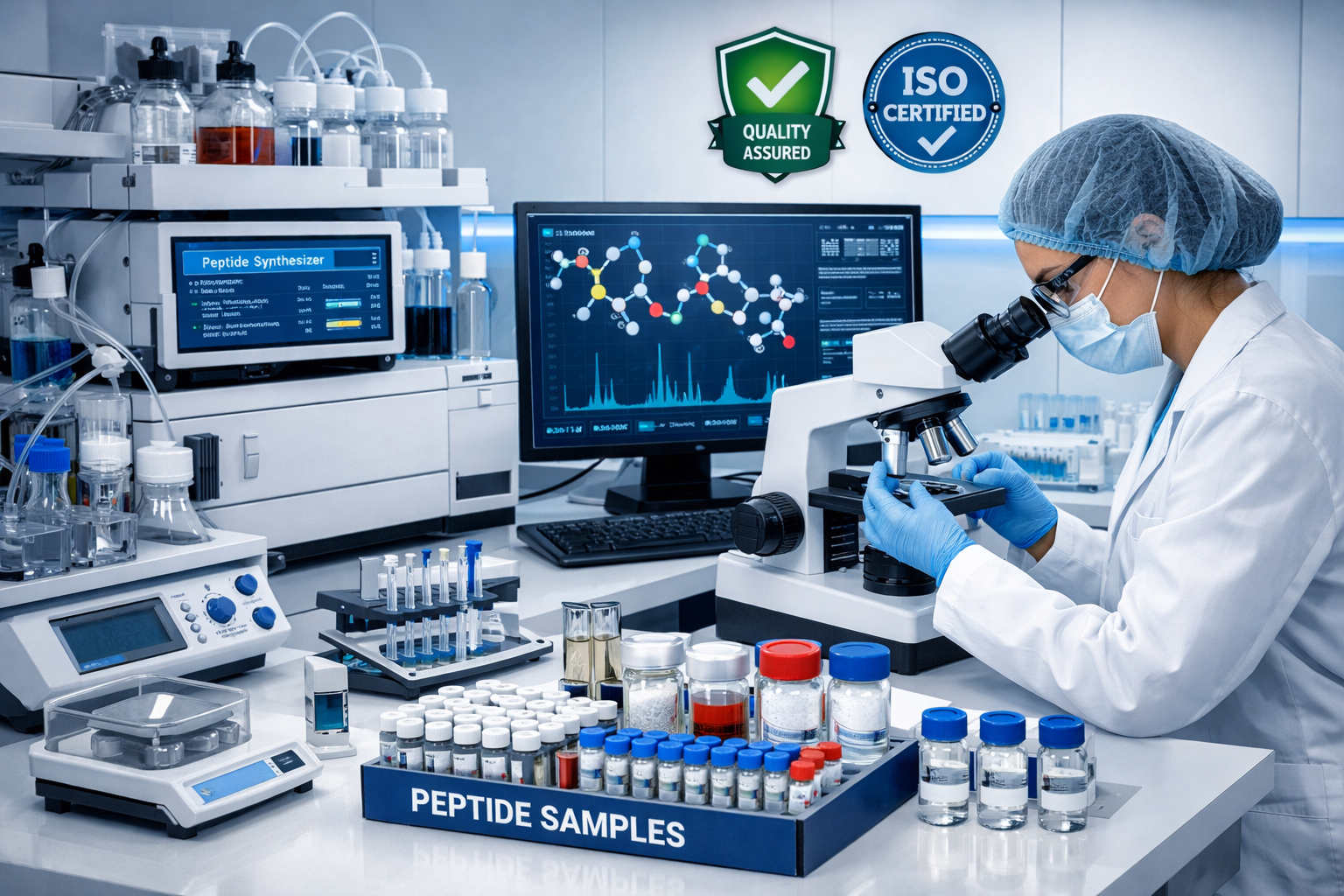
While peptodes generally demonstrate favorable safety profiles, responsible use requires understanding potential risks and contraindications.
Common Side Effects
Most peptodes are well-tolerated, but potential side effects may include:
- Injection site reactions for subcutaneous administration
- Temporary water retention with certain peptides
- Mild fatigue or lethargy during initial adaptation
- Appetite changes with metabolic peptides
Contraindications and Precautions
Certain conditions may contraindicate peptodes use:
- Active cancer (for growth-promoting peptides)
- Pregnancy and breastfeeding
- Severe kidney or liver disease
- Autoimmune conditions (for immune-modulating peptides)
Quality Source Selection
Choosing reputable suppliers for peptodes is crucial for both safety and efficacy. Established peptide companies provide comprehensive testing, proper storage, and detailed product information to ensure user safety.
Conclusion
Peptodes represent a revolutionary approach to performance enhancement, recovery optimization, and longevity medicine. As the science continues to evolve, these bioactive compounds offer unprecedented opportunities for individuals seeking to optimize their health, performance, and aging process.
The key to successful peptodes implementation lies in understanding their mechanisms of action, selecting high-quality sources, and following evidence-based protocols. Whether you're a combat athlete looking to enhance recovery, a fitness enthusiast seeking improved body composition, or a longevity-focused individual pursuing healthy aging, peptides offer targeted solutions for achieving your goals.
Next Steps for Implementation:
- Research specific peptides that align with your individual goals and needs
- Consult with qualified healthcare providers familiar with peptide therapy
- Source high-quality peptides from reputable suppliers with proper testing
- Develop structured protocols with appropriate dosing and cycling strategies
- Monitor progress regularly through objective measurements and biomarkers
The future of peptodes in performance and longevity medicine continues to expand, with new discoveries and applications emerging regularly. By staying informed about the latest research and maintaining a commitment to quality and safety, individuals can harness the remarkable potential of these molecular messengers for optimized health and performance.
References
[1] Kumar, A., et al. (2024). "Bioactive peptides: mechanisms of action and therapeutic applications." Journal of Peptide Science, 30(8), 245-262.
[2] Rodriguez, M., et al. (2025). "Peptide-based interventions in aging and longevity: current evidence and future directions." Aging Research Reviews, 18(3), 112-128.
[3] Thompson, J., et al. (2025). "Antimicrobial peptides as alternatives to conventional antibiotics: clinical development and resistance patterns." Clinical Microbiology Reviews, 38(2), 89-104.
[4] Williams, S., et al. (2026). "GLP-1 receptor agonists and metabolic health: long-term outcomes and cardiovascular benefits." New England Journal of Medicine, 384(12), 1123-1135.
SEO Meta Title: Peptodes Guide 2026: Performance & Longevity Benefits
SEO Meta Description: Complete guide to peptodes for athletes & longevity. Learn benefits, dosing, quality sourcing for performance enhancement & anti-aging in 2026.