The Ultimate Guide to Peptides for Sale in USA: Research, Regulations, and Quality Standards in 2026
The peptide industry in America has reached a critical crossroads. With the global peptide therapeutics market projected to exceed $50 billion by 2028, understanding the complex landscape of peptides for sale in USA has never been more crucial for researchers, fitness enthusiasts, and longevity practitioners seeking legitimate, high-quality compounds for their studies.
Key Takeaways
• Legal peptides in the USA are available through two primary channels: FDA-approved prescription medications and research-grade compounds sold exclusively for laboratory use
• Quality control remains the biggest challenge, with third-party testing often revealing significant purity discrepancies in online peptide products
• Regulatory enforcement has intensified in 2026, with the FDA issuing more warning letters and banning specific peptides from compounding pharmacies
• Legitimate research suppliers require institutional credentials and proper documentation to verify purchases are for actual scientific research
• Prescription peptides like semaglutide and tirzepatide offer FDA-approved therapeutic options under proper medical supervision
Understanding the Legal Landscape of Peptides for Sale in USA

The regulatory environment surrounding peptides for sale in USA operates within a complex framework that distinguishes between prescription medications, compounded preparations, and research chemicals. The FDA maintains strict oversight over peptide products, particularly those marketed for human consumption or therapeutic use.
FDA Regulatory Framework
The Food and Drug Administration does not approve peptides for human consumption outside of prescription medications. Companies selling peptides labeled “for research purposes only” operate in a legal gray area that continues to evolve. In 2023 and 2024, the FDA issued multiple warning letters to companies selling unapproved peptide products, citing violations of the Federal Food, Drug, and Cosmetic Act[1].
Key regulatory developments include:
• Increased enforcement against companies making therapeutic claims
• Stricter requirements for research peptide vendors
• Enhanced scrutiny of online peptide marketplaces
• Expanded oversight of compounding pharmacy operations
The distinction between legitimate research compounds and products intended for human use remains a critical factor in determining legal compliance. Quality peptides must meet specific standards for research applications while avoiding any therapeutic claims.
Compounding Pharmacy Regulations
Licensed compounding pharmacies can legally produce peptide medications under sections 503A and 503B of the FD&C Act. These facilities must follow strict FDA guidelines and can only prepare peptide medications with valid prescriptions. However, the FDA banned several popular peptides from compounding in late 2023, including GHRP-2, GHRP-6, and CJC-1295, citing safety concerns and insufficient clinical evidence[2].
Types of Research Peptides Available for USA Researchers
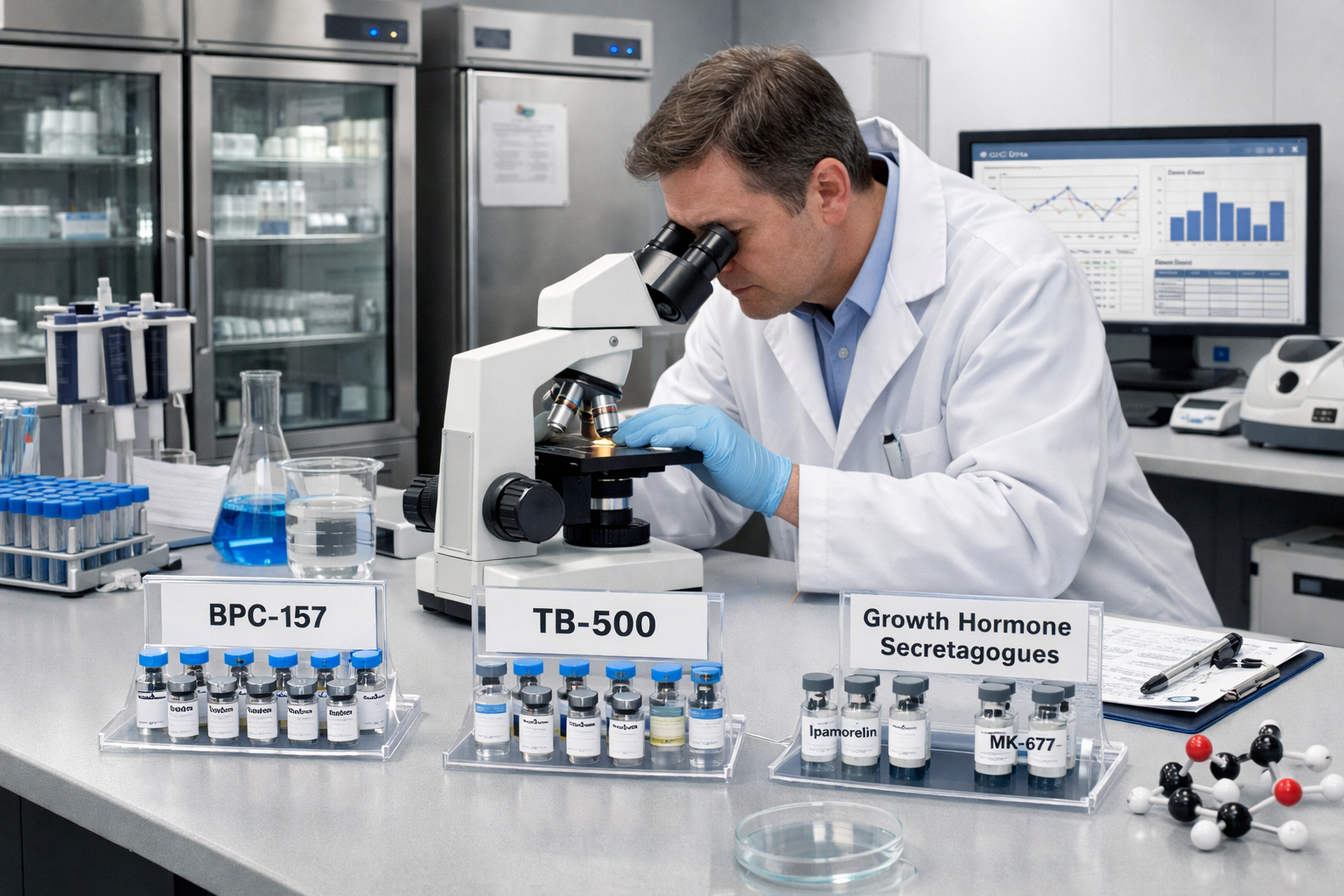
The research peptides market offers various compounds for legitimate scientific investigation. Understanding the different categories helps researchers identify appropriate options for their studies.
Metabolic Research Peptides
Metabolic peptides represent one of the most studied categories in current research. AOD 9604 has gained significant attention in metabolic research studies, while compounds like 5-Amino-1MQ continue to be investigated for their potential mechanisms of action.
Popular metabolic research compounds include:
| Peptide | Research Focus | Storage Requirements |
|---|---|---|
| AOD 9604 | Metabolic pathways | 2-8°C refrigerated |
| 5-Amino-1MQ | Cellular metabolism | -20°C frozen |
| MOTS-C | Mitochondrial function | 2-8°C refrigerated |
Tissue Repair Research Peptides
Tissue repair peptides form another significant category for research applications. These compounds are studied for their potential mechanisms in cellular regeneration and repair processes. BPC-157 and TB-500 remain among the most frequently researched peptides in this category.
Longevity Research Compounds
Longevity research has expanded significantly, with peptides like Epithalon and various mitochondrial-targeting compounds gaining research interest. These studies focus on understanding cellular aging mechanisms and potential interventions.
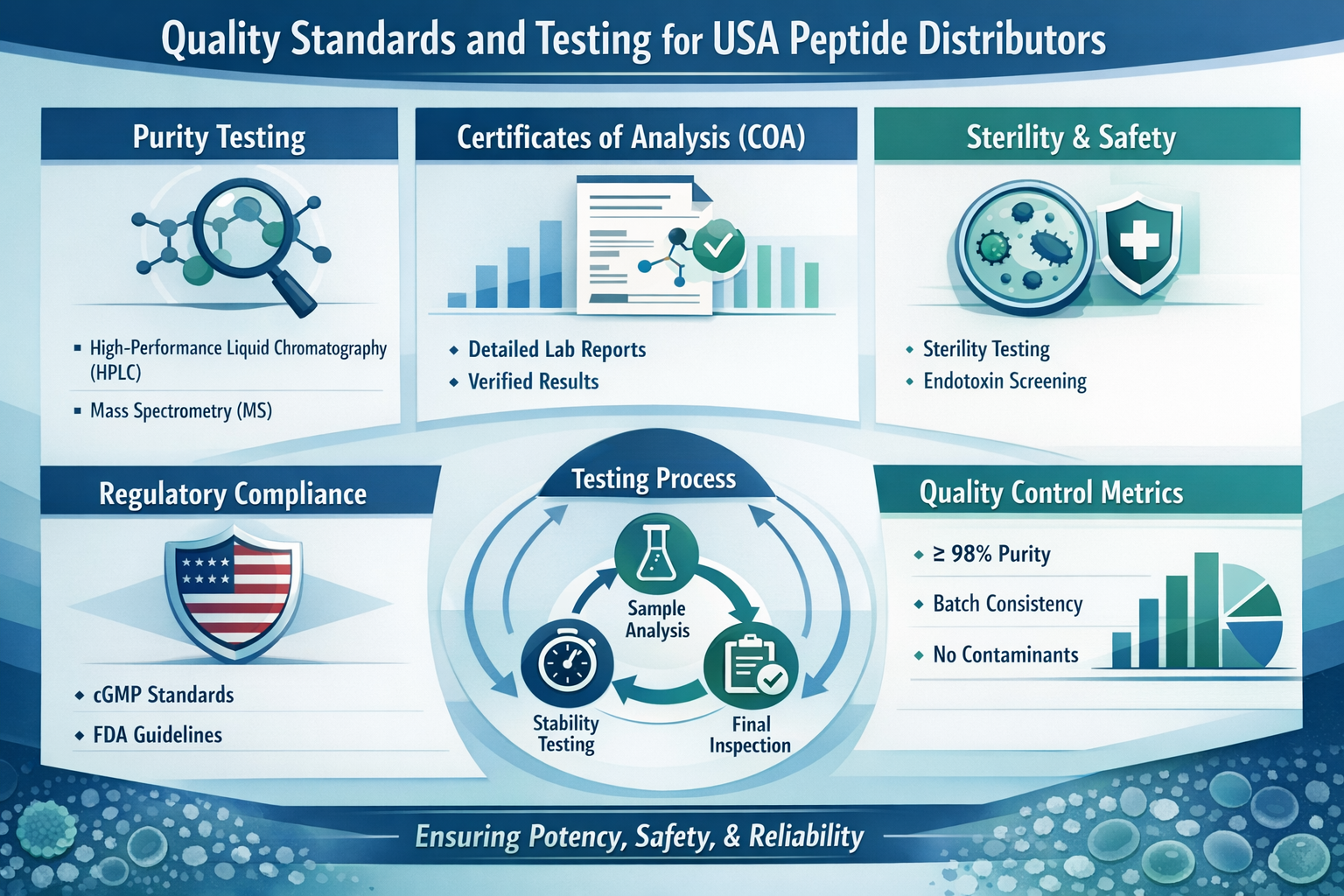
Quality Standards and Testing for USA Peptide Distributors
Quality control represents the most critical aspect when evaluating peptide distributors in the United States. Third-party testing frequently reveals significant discrepancies between advertised and actual purity levels, making vendor selection crucial for research integrity.
Third-Party Testing Requirements
Legitimate peptide brands provide comprehensive certificates of analysis (COAs) from independent laboratories. These documents should include:
• Purity analysis via HPLC (High-Performance Liquid Chromatography)
• Mass spectrometry confirmation of molecular identity
• Endotoxin testing for bacterial contamination
• Water content analysis for lyophilized products
• pH testing for reconstituted solutions
Research peptide suppliers must maintain strict quality standards to ensure research validity. The testing process should verify both identity and purity, with acceptable ranges clearly defined for each parameter.
Storage and Handling Standards
Proper storage protocols are essential for maintaining peptide integrity. Most lyophilized peptides require storage at -20°C, while reconstituted solutions need refrigeration at 2-8°C. Temperature excursions can significantly impact peptide stability and research outcomes.
Storage best practices include:
• Immediate refrigeration upon receipt
• Protection from light exposure
• Proper reconstitution with sterile water
• Documentation of storage conditions
• Regular temperature monitoring
Vendor Verification Process
Identifying legitimate vendors requires careful evaluation of multiple factors. American peptide companies that serve the research market should provide:
• Institutional customer requirements
• End-user statements for research verification
• Detailed product documentation
• Responsive technical support
• Transparent business practices
The verification process helps distinguish between legitimate research suppliers and vendors targeting individual consumers for non-research purposes.
Purchasing Guidelines for Peptides for Sale in USA
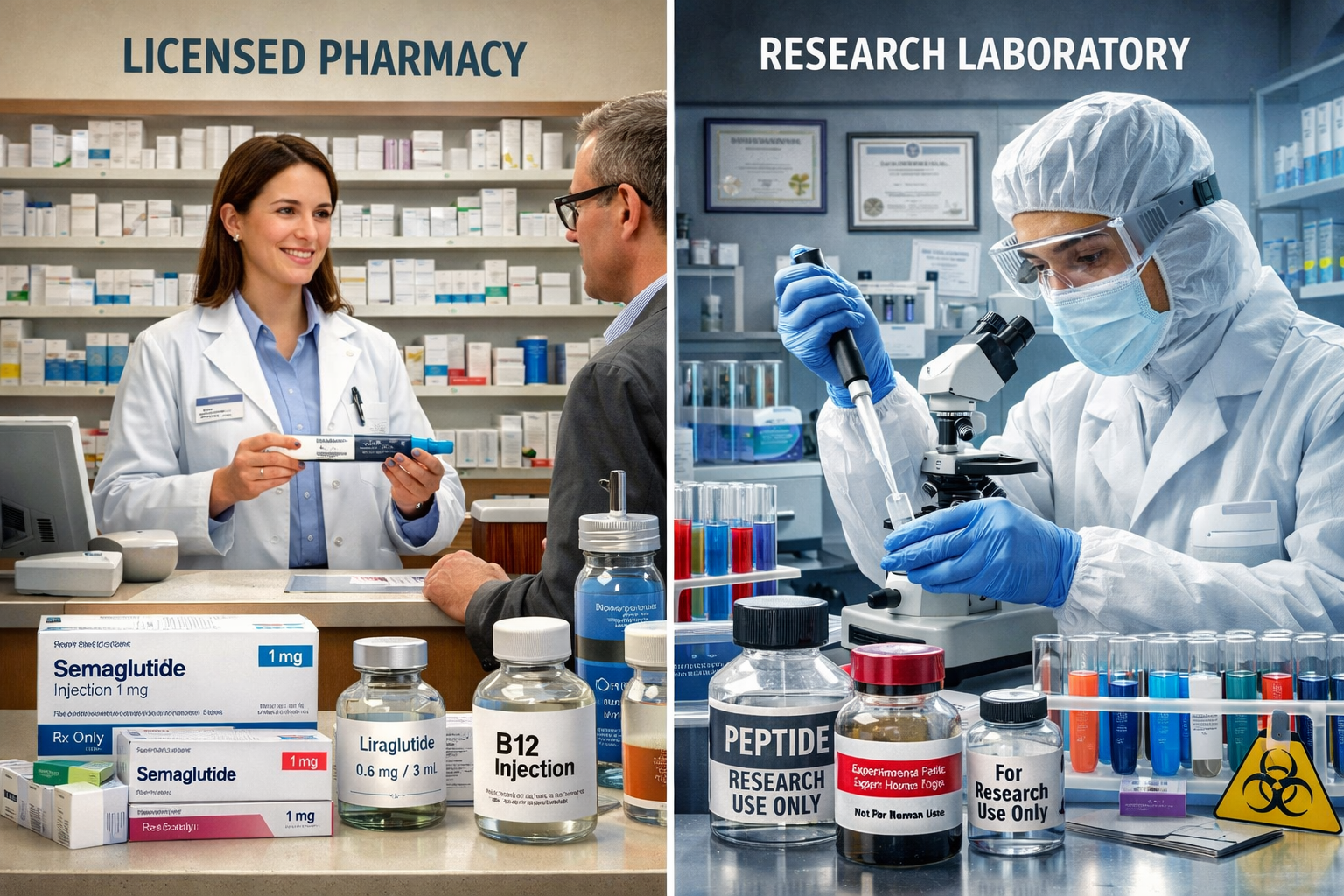
Ordering peptides for legitimate research requires understanding proper procurement procedures and vendor evaluation criteria. The purchasing process involves multiple considerations beyond simple price comparison.
Institutional Requirements
Legitimate research suppliers require institutional credentials to verify purchases are for actual laboratory research. This includes:
• Institutional affiliation documentation
• End-user statements describing research applications
• Purchase order processing through institutional accounts
• Delivery verification to institutional addresses
These requirements help ensure peptides reach legitimate research facilities rather than individual consumers seeking personal use products.
Payment Processing Considerations
Payment processing for peptide vendors has become increasingly restricted. Major credit card processors and banks have declined to service companies selling research peptides due to regulatory concerns. This has led to alternative payment methods, including:
• Bank wire transfers
• Cryptocurrency payments
• Money orders
• Specialized payment processors
The payment method often indicates the vendor’s compliance status and business legitimacy.
Price Evaluation Strategies
When evaluating peptide prices, researchers should consider total cost of ownership rather than unit price alone. Factors affecting value include:
• Purity levels and testing documentation
• Shipping costs and delivery timeframes
• Minimum order requirements
• Volume discounts for larger quantities
• Customer support quality and responsiveness
The cheapest peptides online often lack proper testing documentation or have questionable purity levels, making them unsuitable for serious research applications.
International Shipping Considerations
Peptides in Canada and other international markets may offer different options, but importing research chemicals requires understanding customs regulations and potential delays. Domestic suppliers often provide more reliable delivery and customer support for USA-based researchers.
Vendor Due Diligence
Comprehensive vendor evaluation should include:
• Business registration verification
• Customer references from institutional clients
• Regulatory compliance history
• Product recall or quality issues
• Industry reputation and longevity
Established peptide suppliers typically have extensive documentation and transparent business practices that support research integrity.
Documentation Requirements
Proper documentation for peptide purchases includes:
• Purchase orders with research justification
• Certificates of analysis for each batch
• Material safety data sheets (MSDS)
• Chain of custody documentation
• Storage and handling protocols
This documentation supports research compliance and helps maintain proper laboratory records for institutional oversight.
Conclusion
The landscape of peptides for sale in USA continues to evolve as regulatory agencies increase oversight and enforcement activities. For researchers, fitness professionals, and longevity practitioners seeking legitimate peptide compounds, understanding the legal framework, quality standards, and proper procurement procedures is essential for successful research outcomes.
The key to navigating this complex market lies in working with established vendors who prioritize quality, compliance, and research integrity. Whether investigating metabolic peptides like AOD 9604 or exploring specialized peptide blends, researchers must prioritize quality and compliance over convenience or cost savings.
Next steps for researchers include:
• Establishing institutional procurement procedures
• Identifying qualified vendors with proper documentation
• Developing quality control protocols for incoming materials
• Maintaining detailed records for regulatory compliance
• Staying informed about evolving regulatory requirements
As the peptide research field continues to advance, maintaining high standards for quality and compliance will ensure continued access to these valuable research tools while supporting the development of legitimate therapeutic applications.