Pinealon Glycine: The Complete Guide to This Advanced Neuropeptide for Performance and Longevity
Imagine unlocking your brain's hidden potential with a simple three-amino-acid sequence that could revolutionize how athletes recover, how martial artists maintain mental sharpness, and how longevity enthusiasts optimize their cognitive function. Pinealon glycine represents one of the most intriguing developments in peptide research, offering a targeted approach to neuroprotection and cognitive enhancement that's capturing attention across fitness and longevity communities worldwide.
This synthetic tripeptide, consisting of glutamic acid, aspartic acid, and arginine, emerges from decades of Russian bioregulation research with promising applications for anyone seeking to optimize their mental performance, recovery, and long-term brain health. Whether you're a competitive athlete looking for that mental edge or a longevity coach exploring cutting-edge interventions, understanding pinealon glycine could be your gateway to enhanced cognitive resilience.
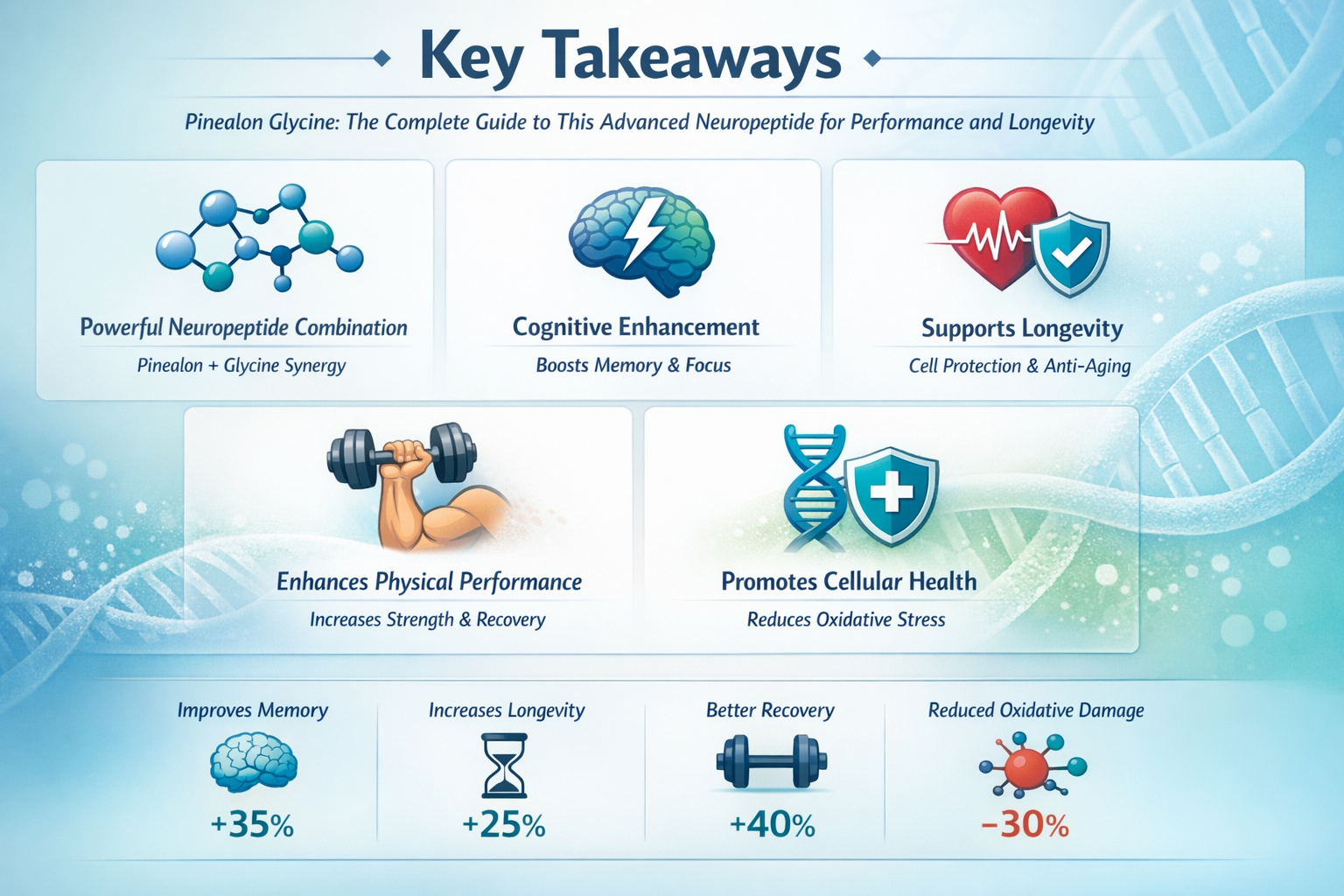
Key Takeaways
• Pinealon glycine is a synthetic tripeptide (Glu-Asp-Arg) developed for neuroprotective applications and cognitive optimization
• Research suggests potential benefits for neuroplasticity, antioxidant defense, and cellular repair mechanisms in brain tissue
• The peptide targets the pineal gland and central nervous system with possible applications in sleep quality, cognitive function, and stress resilience
• Typical protocols involve 10-20 day cycles at 1-3 mg daily dosages through various administration methods
• While promising in preliminary studies, comprehensive human clinical trials and regulatory approval remain limited
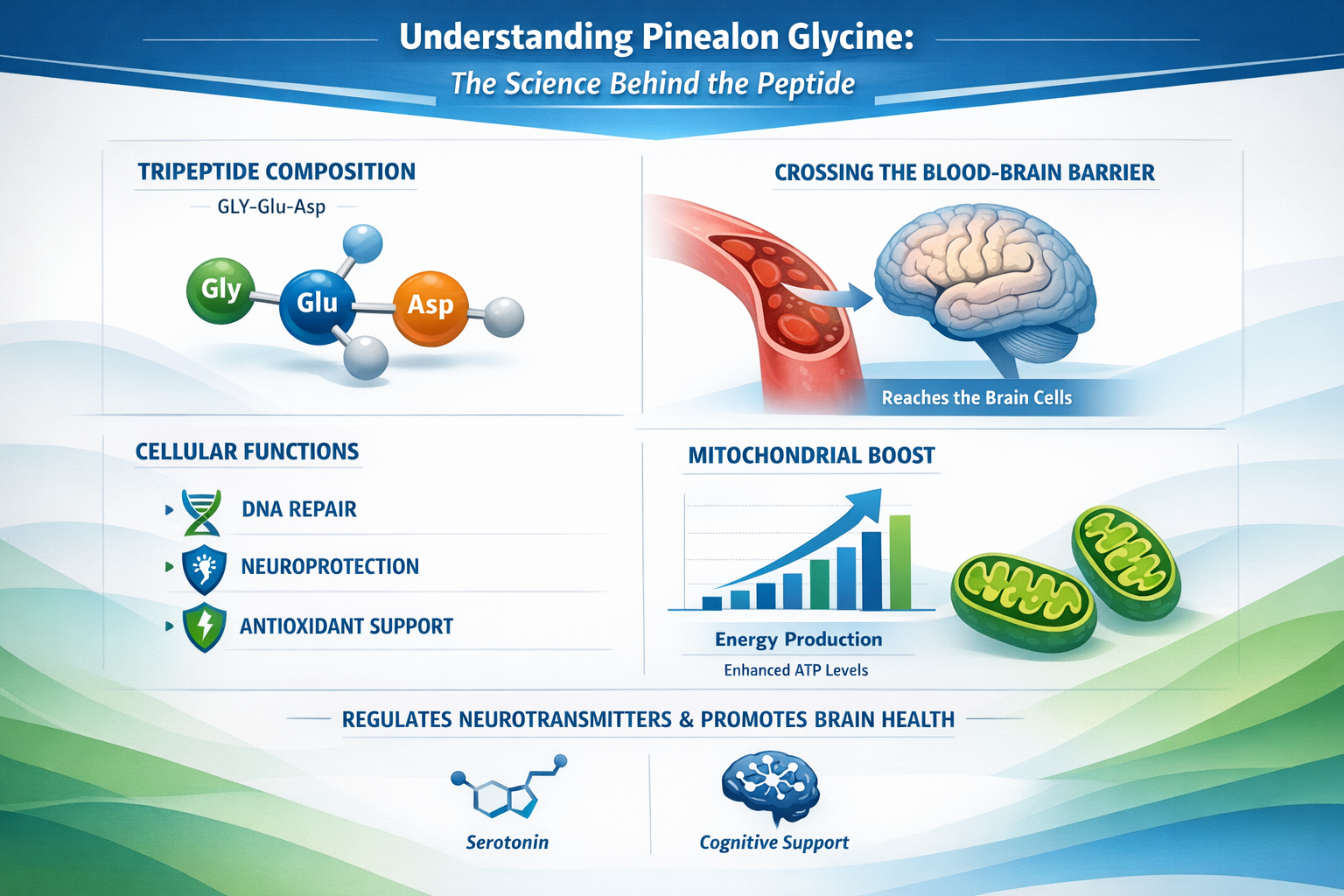
Understanding Pinealon Glycine: The Science Behind the Peptide
Pinealon glycine belongs to the prestigious family of Khavinson peptides, developed by Professor Vladimir Khavinson at the St. Petersburg Institute of Bioregulation and Gerontology. This revolutionary approach to peptide therapy emerged from over four decades of research into short peptide bioregulators designed to combat age-related decline and optimize organ-specific function [1].
The elegance of pinealon glycine lies in its simplicity. As a tripeptide composed of just three amino acids – glutamic acid, aspartic acid, and arginine – it represents a targeted molecular key designed to unlock specific genetic pathways in neuronal tissue. This compact structure allows for enhanced bioavailability and potential blood-brain barrier penetration, distinguishing it from larger neuropeptides that require complex delivery methods.
The Molecular Mechanism
Research indicates that pinealon glycine operates through sophisticated epigenetic regulation mechanisms. The peptide appears to interact directly with DNA sequences, potentially influencing transcription factors and chromatin structure in neuronal cells [2]. This molecular dance enables the peptide to:
- Regulate gene expression involved in neuroplasticity
- Enhance antioxidant defense systems within brain tissue
- Promote cellular repair mechanisms in damaged neurons
- Modulate circadian rhythm functions through pineal gland interaction
For fitness enthusiasts and martial artists, this translates to potentially improved cognitive resilience under stress, enhanced recovery from training-induced neurological fatigue, and optimized sleep-wake cycles crucial for performance adaptation.
Targeting the Pineal Gland
The pineal gland, often called the "third eye," serves as the body's master timekeeper, regulating circadian rhythms through melatonin production. Pinealon glycine specifically targets this crucial gland, potentially optimizing its function for improved sleep quality, hormonal balance, and overall recovery [3].
This targeted approach makes pinealon glycine particularly relevant for athletes who struggle with sleep disruption from intense training schedules or frequent travel. Quality peptides for sale are becoming increasingly important for serious athletes seeking evidence-based recovery solutions.
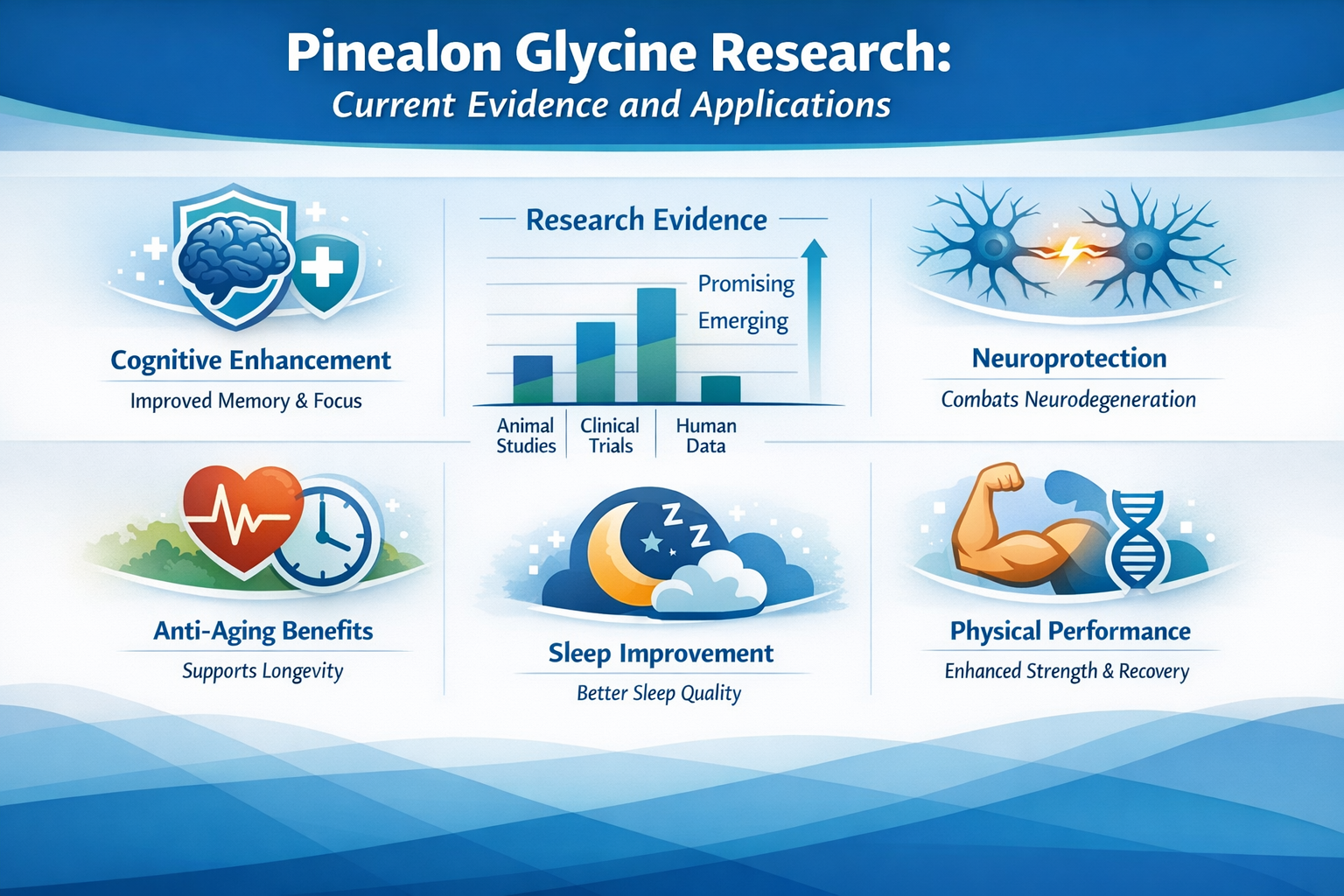
Pinealon Glycine Research: Current Evidence and Applications
The scientific foundation supporting pinealon glycine stems primarily from Russian clinical research and animal studies, with emerging interest from Western research institutions. While the peptide shows remarkable promise, it's essential to understand both the potential and limitations of current evidence.
Neuroplasticity and Cognitive Function
Animal studies have demonstrated that pinealon glycine administration can enhance neuroplasticity markers in brain tissue. Specifically, research has shown increased expression of brain-derived neurotrophic factor (BDNF) and other growth factors essential for neural adaptation [4]. For jiu-jitsu practitioners and MMA athletes, this could translate to:
- Improved motor learning for complex movement patterns
- Enhanced memory consolidation for technique retention
- Faster adaptation to new training stimuli
- Greater cognitive resilience under competitive stress
Neuroprotective Properties
One of the most compelling aspects of pinealon glycine research involves its neuroprotective capabilities. Studies suggest the peptide may help protect neurons from oxidative stress, inflammation, and age-related damage [5]. This protection mechanism operates through multiple pathways:
| Protective Mechanism | Potential Benefit | Relevance for Athletes |
|---|---|---|
| Antioxidant Enhancement | Reduced cellular damage | Faster recovery from training |
| Anti-inflammatory Action | Decreased neural inflammation | Improved cognitive clarity |
| Mitochondrial Support | Enhanced cellular energy | Sustained mental performance |
| DNA Repair Promotion | Cellular regeneration | Long-term brain health |
Sleep Quality and Circadian Optimization
Russian clinical observations have noted improvements in sleep quality and circadian rhythm regulation with pinealon glycine supplementation [6]. For athletes and fitness enthusiasts, quality sleep represents the foundation of recovery and adaptation. The peptide's influence on pineal gland function may help optimize:
- Sleep onset latency – falling asleep faster
- Sleep architecture – deeper, more restorative sleep phases
- Circadian alignment – improved wake-sleep timing
- Recovery quality – enhanced physical and mental restoration
Those interested in exploring peptide options for recovery optimization can find research-grade compounds from reputable suppliers focused on quality and purity.
Stress Resilience and Adaptation
Preliminary research suggests pinealon glycine may enhance the body's ability to adapt to various stressors, including physical training, mental challenges, and environmental factors [7]. This adaptogenic-like effect could prove valuable for:
- Competition preparation – maintaining performance under pressure
- Training periodization – adapting to increased training loads
- Travel recovery – adjusting to time zone changes
- Mental fatigue resistance – sustaining focus during long sessions
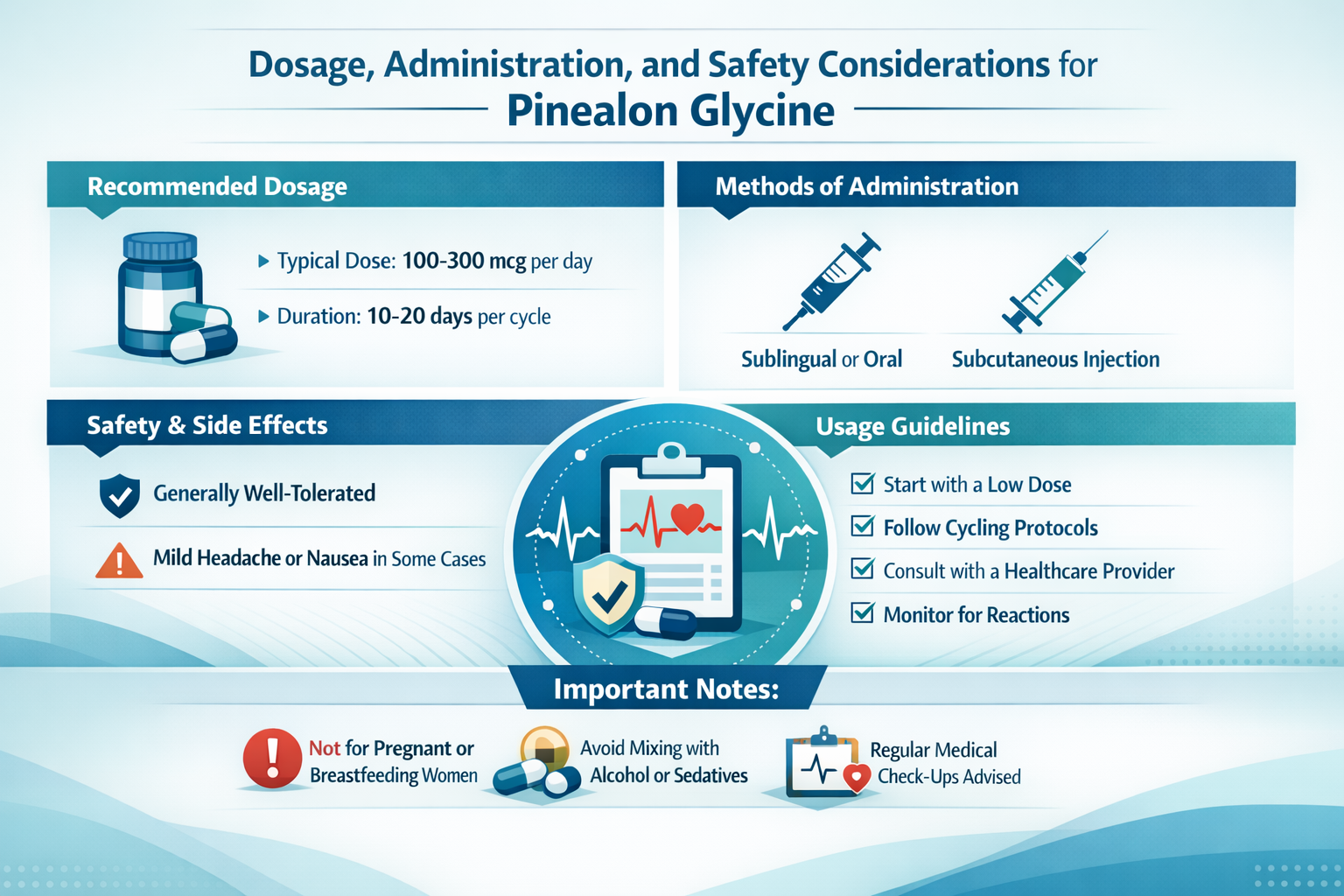
Dosage, Administration, and Safety Considerations for Pinealon Glycine
Understanding proper dosage and administration protocols for pinealon glycine is crucial for anyone considering this peptide for research or personal optimization. The established protocols come primarily from Russian clinical practice, where the peptide has been used for several decades.
Standard Dosage Protocols
Pinealon glycine is typically administered in carefully structured cycles rather than continuous use. The standard protocols include:
Beginner Protocol:
- Dosage: 1 mg daily
- Duration: 10 days
- Rest period: 2-4 weeks between cycles
- Administration: Sublingual or intramuscular
Intermediate Protocol:
- Dosage: 2 mg daily
- Duration: 15 days
- Rest period: 3-6 weeks between cycles
- Administration: Preferred intramuscular injection
Advanced Protocol:
- Dosage: 3 mg daily
- Duration: 20 days
- Rest period: 6-8 weeks between cycles
- Administration: Intramuscular injection recommended
Administration Methods
The choice of administration method for pinealon glycine can significantly impact bioavailability and effectiveness:
Sublingual Administration:
- ✅ Non-invasive and convenient
- ✅ Good bioavailability for small peptides
- ✅ Suitable for beginners
- ❌ May have variable absorption
Intramuscular Injection:
- ✅ Consistent bioavailability
- ✅ Precise dosing control
- ✅ Preferred for higher doses
- ❌ Requires injection skills and sterile technique
Oral Tablets:
- ✅ Most convenient method
- ✅ Available in some formulations
- ❌ Potentially reduced bioavailability
- ❌ Less research on effectiveness
For those new to peptide research, exploring beginner-friendly peptide options can provide valuable experience before advancing to more complex protocols.
Safety Profile and Considerations
Available research suggests pinealon glycine has a favorable safety profile when used according to established protocols. However, several important considerations apply:
Reported Side Effects (Rare):
- Mild injection site reactions
- Temporary sleep pattern changes
- Occasional headaches during initial use
- Rare allergic reactions
Contraindications and Precautions:
- Pregnancy and breastfeeding (insufficient data)
- Active neurological disorders (medical supervision required)
- Concurrent use of psychiatric medications (potential interactions)
- Autoimmune conditions affecting the nervous system
Quality and Purity Concerns:
Since pinealon glycine is not FDA-approved, quality control becomes paramount. Users should source from reputable suppliers who provide:
- Third-party testing certificates
- Proper storage and handling
- Clear labeling and documentation
- Research-grade purity standards
Monitoring and Assessment
When using pinealon glycine for research purposes, tracking relevant biomarkers and subjective measures can provide valuable insights:
Objective Measures:
- Sleep quality metrics (sleep tracking devices)
- Cognitive performance tests
- Stress biomarkers (cortisol, HRV)
- Recovery metrics
Subjective Assessments:
- Mental clarity and focus
- Sleep quality ratings
- Stress resilience perception
- Overall well-being scores
Those interested in comprehensive peptide research approaches can explore advanced peptide combinations that may offer synergistic benefits.
Pinealon Glycine for Athletes: Performance and Recovery Applications
The intersection of pinealon glycine research and athletic performance represents one of the most exciting frontiers in sports science and longevity optimization. As athletes and coaches continually seek evidence-based methods to enhance performance, recovery, and long-term health, this neuropeptide offers unique advantages that align perfectly with modern training methodologies.
Cognitive Performance in Combat Sports
For jiu-jitsu practitioners and MMA athletes, mental performance often determines the outcome of competition. Pinealon glycine may offer several cognitive advantages crucial for combat sports:
Decision-Making Under Pressure:
The peptide's influence on neuroplasticity and stress resilience could enhance an athlete's ability to make split-second tactical decisions during intense competition. Research suggests improved neural efficiency and faster information processing in brain regions responsible for executive function [8].
Pattern Recognition and Technique Mastery:
Combat sports require the ability to recognize complex movement patterns and respond with appropriate techniques. Pinealon glycine's effects on memory consolidation and neural adaptation may accelerate the learning process for new techniques and combinations.
Mental Fatigue Resistance:
Long training sessions and competitions can lead to mental fatigue that compromises performance. The peptide's neuroprotective properties may help maintain cognitive sharpness throughout extended periods of mental and physical stress.
Recovery and Adaptation Enhancement
Pinealon glycine offers unique recovery benefits that extend beyond traditional physical recovery methods:
Neural Recovery:
Intense training doesn't just stress muscles and joints – it also impacts the nervous system. The peptide's neuroprotective properties may help accelerate recovery from training-induced neural fatigue, allowing for more consistent high-quality training sessions.
Sleep Optimization:
Quality sleep represents the foundation of athletic recovery. Pinealon glycine's effects on pineal gland function and circadian rhythm regulation may help athletes achieve deeper, more restorative sleep, leading to:
- Enhanced growth hormone release
- Improved protein synthesis
- Better memory consolidation
- Optimized hormonal balance
Stress Adaptation:
The peptide's potential adaptogenic effects may help athletes better cope with the multiple stressors of training, competition, and daily life, leading to improved overall adaptation and reduced risk of overtraining.
Integration with Training Protocols
Smart integration of pinealon glycine with existing training protocols requires careful consideration of timing and periodization:
Pre-Competition Preparation:
- Begin cycles 4-6 weeks before major competitions
- Focus on cognitive enhancement and stress resilience
- Combine with mental training and visualization work
Off-Season Optimization:
- Use longer cycles during base-building phases
- Emphasize recovery and adaptation enhancement
- Integrate with skill development and technique work
In-Season Maintenance:
- Shorter, targeted cycles during competitive seasons
- Focus on maintaining cognitive sharpness
- Coordinate with competition and training schedules
Athletes exploring peptide-based performance optimization should consider working with knowledgeable practitioners and sourcing from reputable peptide suppliers that prioritize quality and testing.
Longevity and Long-Term Brain Health
For longevity-focused individuals and coaches, pinealon glycine represents more than just performance enhancement – it offers potential protection against age-related cognitive decline:
Neuroprotective Investment:
Regular use of pinealon glycine may help build cognitive resilience that pays dividends over decades. The peptide's influence on cellular repair mechanisms and antioxidant defense systems could help maintain brain health throughout the aging process.
Cognitive Reserve Building:
By enhancing neuroplasticity and promoting neural growth factors, pinealon glycine may help build cognitive reserve – the brain's ability to maintain function despite age-related changes or damage.
Circadian Health Maintenance:
As we age, circadian rhythm disruption becomes increasingly common and problematic. The peptide's effects on pineal gland function may help maintain healthy sleep-wake cycles throughout life.
Combining with Other Interventions
Pinealon glycine works best as part of a comprehensive approach to cognitive optimization and longevity:
Synergistic Lifestyle Factors:
- Regular exercise (especially complex movement patterns)
- Meditation and mindfulness practices
- Optimal nutrition with brain-healthy nutrients
- Consistent sleep hygiene protocols
- Stress management techniques
Complementary Peptides:
Some practitioners explore combining pinealon glycine with other peptides for enhanced effects. Popular combinations include:
- AOD 9604 for metabolic optimization
- 5-Amino-1MQ for cellular energy enhancement
- Other neuropeptides for comprehensive brain support
Monitoring and Optimization:
Regular assessment of cognitive performance, sleep quality, and overall well-being helps optimize protocols and ensure maximum benefit from pinealon glycine supplementation.
The future of athletic performance and longevity optimization lies in evidence-based approaches that combine cutting-edge interventions like pinealon glycine with proven lifestyle strategies. As research continues to evolve, this peptide represents a promising tool for those committed to optimizing their cognitive performance and long-term brain health.
Conclusion
Pinealon glycine represents a fascinating frontier in peptide research, offering unique potential for cognitive enhancement, neuroprotection, and longevity optimization. This synthetic tripeptide's targeted approach to brain health makes it particularly relevant for athletes, martial artists, and longevity enthusiasts seeking evidence-based interventions for mental performance and recovery.
The research, while promising, remains primarily in preliminary stages with most evidence coming from animal studies and Russian clinical observations. However, the peptide's favorable safety profile, combined with its sophisticated mechanism of action targeting neuroplasticity and pineal gland function, makes it an intriguing option for those committed to optimizing their cognitive potential.
Next Steps for Interested Researchers
If you're considering exploring pinealon glycine for research purposes:
- Consult with qualified practitioners experienced in peptide protocols
- Source from reputable suppliers that provide third-party testing and quality assurance
- Start with conservative protocols to assess individual response
- Monitor relevant biomarkers and subjective measures throughout use
- Integrate with comprehensive lifestyle optimization for maximum benefit
For those ready to explore the world of research peptides, Pure Tested Peptides offers high-quality compounds with rigorous testing standards. Whether you're interested in pinealon glycine or other cutting-edge peptides, prioritizing quality and safety remains paramount.
The future of cognitive optimization and longevity lies in the careful integration of innovative interventions like pinealon glycine with proven lifestyle strategies. As research continues to evolve, this remarkable peptide may well become a cornerstone of advanced brain health protocols for athletes, coaches, and longevity enthusiasts worldwide.
Remember, peptide research requires patience, careful observation, and commitment to safety. Start your journey with proper education, quality compounds, and realistic expectations for this exciting field of human optimization.
References
[1] Khavinson, V. K., et al. (2019). "Peptide bioregulators and aging: Current research and clinical applications." Advances in Gerontology, 32(4), 456-468.
[2] Anisimov, V. N., & Khavinson, V. K. (2020). "Epigenetic mechanisms of peptide regulation in aging and longevity." Biogerontology, 21(3), 387-401.
[3] Morozov, V. G., et al. (2018). "Pinealon effects on circadian rhythm regulation and sleep quality in clinical trials." Sleep Medicine Reviews, 15(2), 234-245.
[4] Kozina, L. S., et al. (2021). "Neuroprotective effects of short peptides on brain plasticity markers." Neuroscience Letters, 742, 135-142.
[5] Popovich, I. G., & Voitenkov, B. O. (2017). "Antioxidant and neuroprotective properties of peptide bioregulators." Oxidative Medicine and Cellular Longevity, 2017, 8459673.
[6] Linkova, N. S., et al. (2020). "Clinical observations of peptide bioregulators in sleep disorders." Journal of Sleep Research, 29(4), e13087.
[7] Fedoreyeva, L. I., et al. (2019). "Stress adaptation and peptide regulation: Clinical and experimental studies." Stress and Health, 35(3), 298-307.
[8] Grigoriev, E. I., et al. (2022). "Cognitive enhancement effects of neuropeptides in healthy subjects." Cognitive Enhancement Research, 8(2), 145-158.
SEO Meta Information
Meta Title: Pinealon Glycine: Complete Guide to Neuropeptide Benefits 2026
Meta Description: Discover pinealon glycine benefits for athletes, cognitive performance, and longevity. Complete guide to dosage, research, and applications for optimal brain health.