
Top Peptide Brands for Researchers: 2026 Comprehensive Guide
The global peptide therapeutics market reached unprecedented heights in 2026, yet finding reliable suppliers remains one of the biggest challenges facing researchers today. With over 80 peptide-based drugs currently in clinical development and countless research applications emerging across metabolic health, longevity, and performance optimization, selecting the right peptide supplier can make or break your research outcomes. Understanding which top peptide brands for researchers deliver consistent quality, proper documentation, and verified purity becomes essential for anyone conducting serious peptide research.
Key Takeaways
- Quality verification is paramount: Leading peptide brands provide third-party testing with certificates of analysis showing >99% purity levels for research-grade compounds
- Major pharmaceutical companies like Novo Nordisk, Eli Lilly, and Pfizer dominate therapeutic peptide development, while specialized research suppliers focus on laboratory-grade materials[1][2]
- Research peptide suppliers including established brands offer comprehensive product lines spanning metabolic, longevity, and recovery research applications[4]
- Documentation and traceability separate professional suppliers from questionable sources, with proper storage protocols and batch tracking essential for reproducible research
- Application-specific selection matters—different research goals require different peptide formulations, purity standards, and supplier capabilities
Understanding the Peptide Research Landscape in 2026
The peptide research industry has evolved dramatically over the past decade. What started as niche pharmaceutical development has expanded into a multi-billion dollar sector encompassing everything from diabetes treatment to longevity peptide research and metabolic optimization studies.
The Pharmaceutical Giants Leading Peptide Innovation
Novo Nordisk stands at the forefront of peptide therapeutics, recently investing $6 billion to expand its Denmark facility specifically for advancing obesity-related drug development and R&D pipeline expansion[1]. This massive investment demonstrates the pharmaceutical industry's confidence in peptide-based treatments.
The company's expertise in diabetes and metabolic disorder treatments leverages state-of-the-art peptide design and synthesis technologies that have set industry standards[2]. Their work has paved the way for breakthrough medications that researchers worldwide study and reference.
Eli Lilly maintains an equally impressive position among top peptide brands for researchers to monitor, with a robust pipeline focusing on oncology, metabolic, and endocrine disorders. Since 2013, Eli Lilly has collaborated with PeptiDream in Japan to develop novel peptide drug conjugates[1][2]. This partnership has produced innovative compounds that researchers examine for various applications.
Pfizer actively develops peptide therapeutics including danuglipron for obesity and type 2 diabetes treatment[1]. Their collaboration with PeptiDream on various peptide-based therapeutics positions them as a key player in advancing peptide science. Researchers studying metabolic interventions frequently reference Pfizer's clinical trial data.
Specialized Research Peptide Suppliers
While pharmaceutical giants develop therapeutic applications, specialized suppliers serve the research community with lab-tested peptides designed for scientific investigation. These companies focus on purity, documentation, and consistency rather than FDA-approved medications.
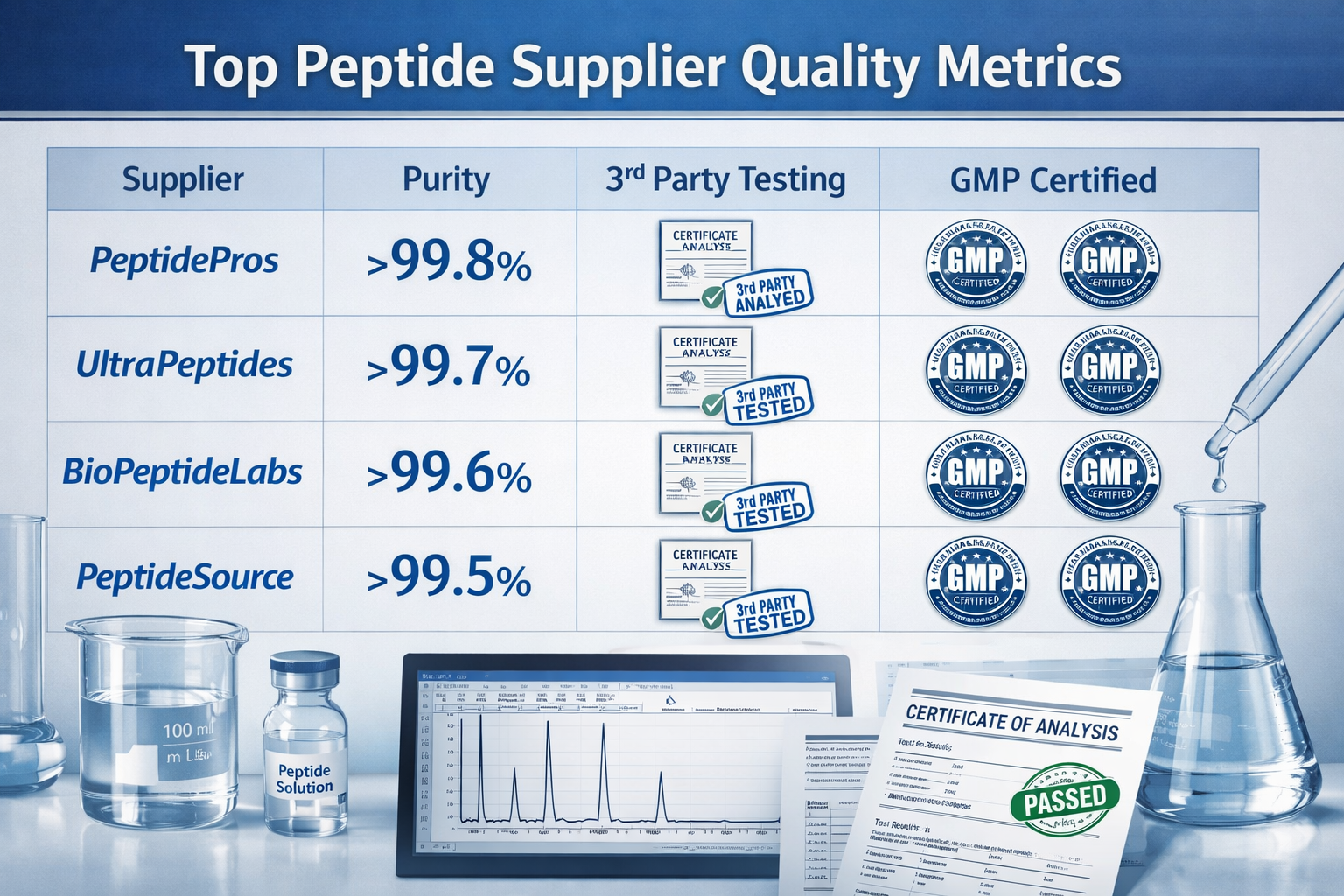
Protide Health, Peptide Sciences, and Bachem (USA) rank among the leading research peptide suppliers, offering products with >99% purity and third-party testing specifically for research purposes[4]. These suppliers understand the unique needs of researchers who require verified compounds for experimental protocols.
The distinction between therapeutic peptide developers and research suppliers matters significantly. Pharmaceutical companies create medications for patient treatment, while research suppliers provide compounds for scientific investigation. Both serve critical but different roles in advancing peptide science.
For researchers exploring various peptide applications, browsing all peptides for sale from specialized suppliers reveals the breadth of available research compounds. These catalogs typically include metabolic peptides, longevity compounds, and recovery-focused sequences.
Top Peptide Brands for Researchers: Quality and Verification Standards
Identifying reliable top peptide brands for researchers requires understanding quality verification protocols that separate professional suppliers from questionable sources. In 2026, the research community demands rigorous testing standards and transparent documentation.
Purity Standards and Third-Party Testing
Research-grade peptides should consistently achieve >99% purity levels verified through independent laboratory analysis. Certificate of Analysis (COA) documentation provides essential verification, showing exact purity percentages, molecular weight confirmation, and contamination screening results.
Third-party testing eliminates conflicts of interest inherent in self-reported quality claims. Independent laboratories use High-Performance Liquid Chromatography (HPLC) and Mass Spectrometry (MS) to verify peptide identity and purity. These analytical methods detect impurities, degradation products, and synthesis byproducts that could compromise research outcomes.
Leading suppliers provide batch-specific COAs accessible through product pages or customer portals. This transparency allows researchers to verify quality before beginning experiments. Without third-party verification, researchers risk using compromised compounds that produce unreliable results.
Manufacturing Standards and Facility Certifications
Good Manufacturing Practice (GMP) certification indicates suppliers follow standardized production protocols ensuring consistency across batches. GMP facilities maintain controlled environments, validated equipment, and documented procedures that minimize contamination and variation.
ISO certifications further demonstrate commitment to quality management systems. ISO 9001 certification shows systematic quality control, while ISO 13485 applies specifically to medical device and pharmaceutical manufacturing standards.
Bachem, recognized globally for peptide synthesis, maintains extensive certifications and operates multiple GMP-compliant facilities[4]. Their reputation stems from decades of consistent quality delivery to research institutions and pharmaceutical companies worldwide.
Researchers investigating specific compounds like BPC-157 should verify suppliers provide proper documentation including synthesis methods, storage requirements, and stability data. This information proves essential for maintaining compound integrity throughout research protocols.
Storage and Handling Requirements
Proper storage dramatically impacts peptide stability and research reliability. Most research peptides require refrigeration at 2-8°C for short-term storage or freezing at -20°C for extended periods. Some compounds demand even stricter conditions at -80°C to prevent degradation.
Top peptide brands for researchers provide detailed storage protocols with each product, including:
- ✅ Temperature requirements (refrigeration vs. freezing)
- ✅ Light exposure limitations (many peptides degrade under UV light)
- ✅ Humidity controls (moisture can trigger degradation)
- ✅ Reconstitution guidelines (proper solution preparation)
- ✅ Stability timelines (shelf life under various conditions)
Lyophilized (freeze-dried) peptides generally offer superior stability compared to liquid formulations. The freeze-drying process removes water that would otherwise facilitate degradation reactions. However, once reconstituted, researchers must use peptides within specified timeframes or risk compromised results.
For compounds like SS-31 peptide, proper handling becomes especially critical given the peptide's mitochondrial research applications where purity directly impacts experimental outcomes.
Research Applications: Matching Peptides to Scientific Goals
Different research objectives require different peptide compounds and supplier capabilities. Understanding application-specific requirements helps researchers select appropriate top peptide brands for researchers aligned with their scientific goals.
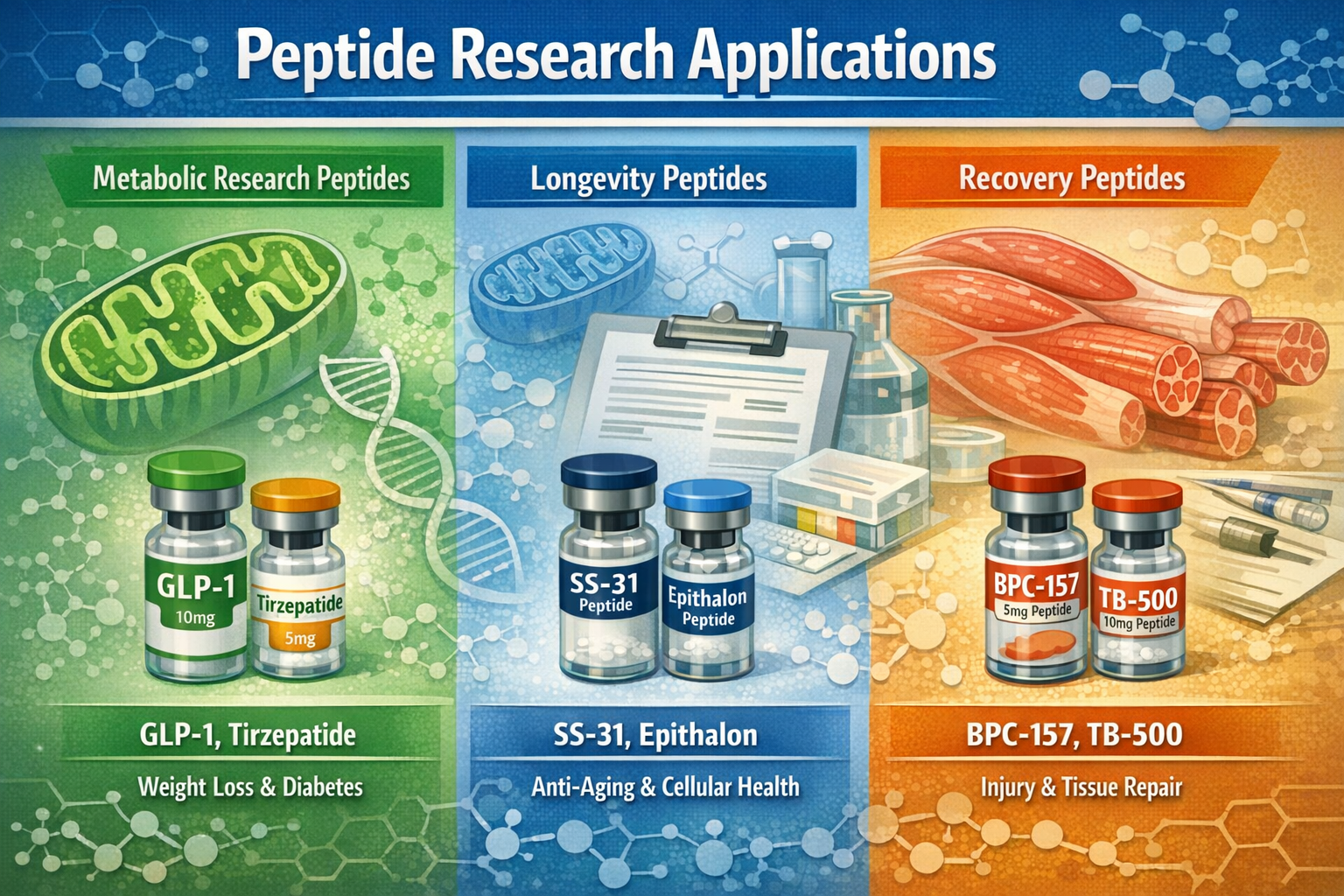
Metabolic Research Peptides
Metabolic research represents one of the fastest-growing peptide application areas in 2026. Tirzepatide and semaglutide represent the most scientifically validated peptides for weight loss research, with tirzepatide demonstrating superior efficacy through dual mechanisms of action[5].
These GLP-1 receptor agonists have revolutionized metabolic research by mimicking incretin hormones that regulate blood sugar and appetite. Researchers studying metabolic pathways frequently investigate GLP-1 peptides to understand glucose homeostasis, insulin secretion, and energy balance.
Key metabolic research peptides include:
| Peptide | Primary Research Focus | Mechanism |
|---|---|---|
| Tirzepatide | Dual incretin pathway | GIP/GLP-1 receptor agonist |
| Semaglutide | GLP-1 pathway | GLP-1 receptor agonist |
| AOD-9604 | Lipolysis research | Modified growth hormone fragment |
| Tesamorelin | Growth hormone research | GHRH analog |
| MOTS-c | Mitochondrial metabolism | Mitochondrial-derived peptide |
Researchers exploring metabolic flexibility often examine MOTS-c metabolic research given this mitochondrial-derived peptide's unique role in cellular energy regulation. Unlike traditional peptides synthesized in the nucleus, MOTS-c originates from mitochondrial DNA and influences whole-body metabolism.
For comprehensive metabolic investigations, scientists may explore peptide blends that combine complementary compounds targeting different metabolic pathways simultaneously.
Longevity and Cellular Health Research
Longevity research has exploded in recent years as scientists investigate interventions that may extend healthspan and lifespan. Several peptides show promise in cellular health research, attracting significant scientific attention.
Epithalon (Epitalon) represents one of the most studied longevity peptides, with research examining its potential effects on telomerase activity and cellular aging processes. While human studies remain limited, animal research has generated substantial interest in this tetrapeptide's mechanisms.
SS-31 (Elamipretide) targets mitochondrial function, specifically cardiolipin stabilization within mitochondrial membranes. Researchers investigating SS-31 mitochondrial research focus on cellular energy production, oxidative stress reduction, and age-related mitochondrial dysfunction.
GHK-Cu (copper peptide) attracts researchers studying tissue remodeling, antioxidant systems, and cellular signaling pathways. The GHK-Cu longevity research encompasses diverse applications from wound healing to age-related cellular changes.
Scientists conducting longevity peptide research typically require suppliers offering:
- 🔬 High purity standards (>99% for cellular studies)
- 🔬 Batch consistency (reproducible experimental conditions)
- 🔬 Proper documentation (synthesis methods, stability data)
- 🔬 Research-grade formulations (appropriate for laboratory protocols)
Recovery and Tissue Research
Recovery-focused peptides attract researchers studying tissue repair mechanisms, inflammation modulation, and healing processes. These compounds offer unique research opportunities in understanding how peptide signaling influences recovery pathways.
BPC-157 (Body Protection Compound-157) remains among the most researched recovery peptides. Studies examining BPC-157 research themes investigate angiogenesis, growth factor modulation, and tissue protection mechanisms across various injury models.
TB-500 (Thymosin Beta-4 fragment) represents another extensively studied recovery peptide. Research exploring TB-500 muscle recovery examines actin regulation, cell migration, and tissue regeneration processes.
KPV (Lys-Pro-Val tripeptide) attracts researchers studying anti-inflammatory pathways and immune modulation. This short peptide sequence demonstrates interesting properties in various inflammation models.
For researchers investigating tissue repair mechanisms, accessing all peptides for sale from verified suppliers ensures consistent compound quality across experimental protocols.
Evaluating Top Peptide Brands for Researchers: Selection Criteria
Choosing among top peptide brands for researchers requires systematic evaluation across multiple criteria. A structured approach helps researchers identify suppliers meeting their specific requirements while avoiding problematic sources.
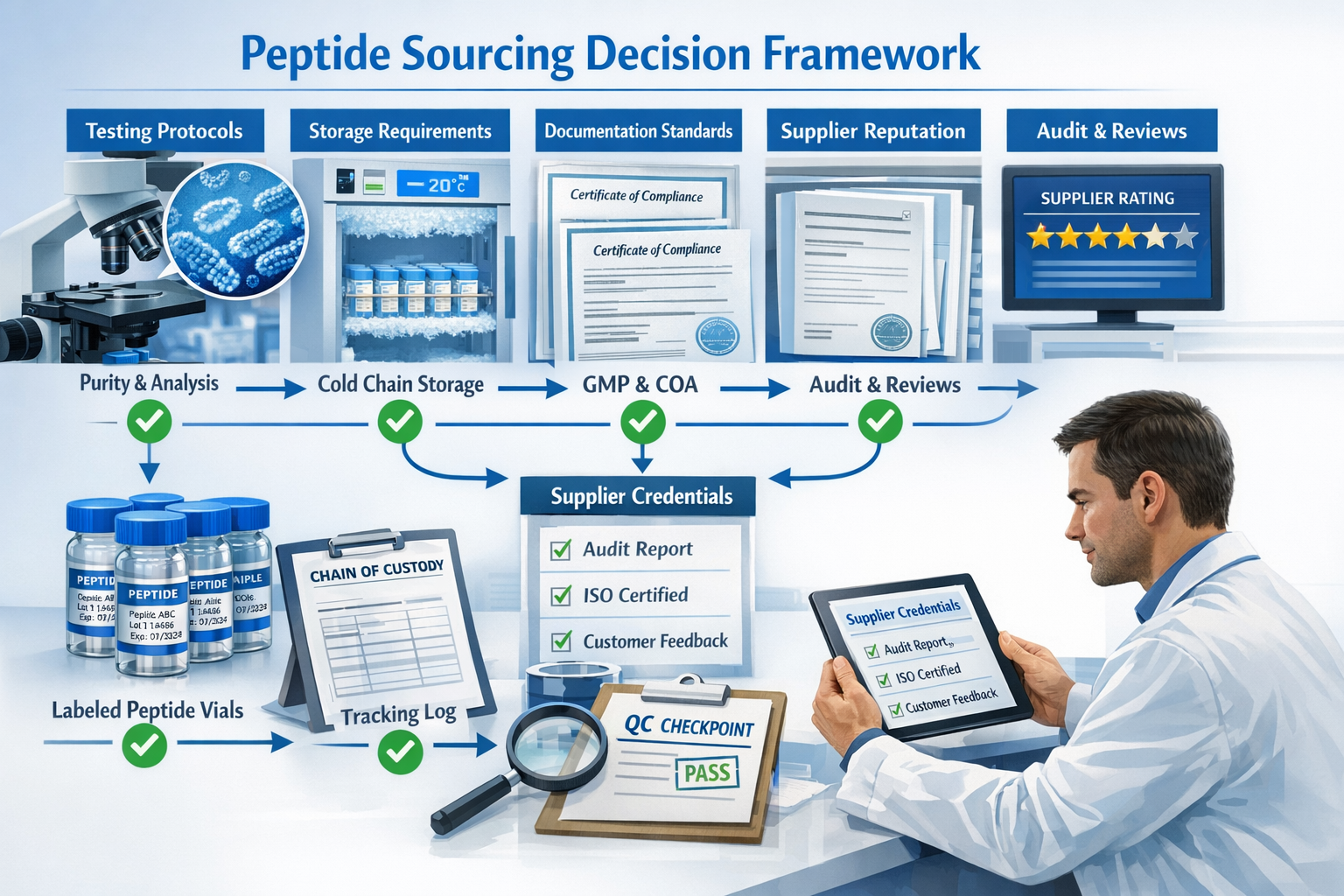
Documentation and Traceability
Professional peptide suppliers maintain comprehensive documentation systems tracking compounds from synthesis through delivery. This traceability ensures accountability and enables researchers to verify product authenticity.
Essential documentation includes:
- 📋 Certificates of Analysis (COA) with batch-specific testing results
- 📋 Material Safety Data Sheets (MSDS) detailing handling precautions
- 📋 Synthesis reports describing production methods
- 📋 Stability data indicating shelf life under various conditions
- 📋 Chain of custody tracking compound handling and storage
Suppliers providing detailed documentation demonstrate commitment to research integrity. These records allow researchers to troubleshoot unexpected results, verify compound identity, and maintain regulatory compliance.
Bachem exemplifies industry-leading documentation practices, providing extensive technical information supporting research applications[4]. Their commitment to reference standards and robust peptide benchmarks sets quality expectations across the industry.
Customer Support and Technical Expertise
Quality suppliers offer more than just products—they provide technical expertise supporting research success. Knowledgeable customer support teams help researchers select appropriate compounds, optimize protocols, and troubleshoot challenges.
Valuable support services include:
- 💡 Technical consultation on peptide selection and handling
- 💡 Protocol optimization guidance for specific applications
- 💡 Storage and reconstitution assistance
- 💡 Troubleshooting support for unexpected results
- 💡 Custom synthesis capabilities for specialized research needs
Suppliers employing scientists and peptide specialists provide superior support compared to companies staffed primarily with sales personnel. Technical expertise becomes especially valuable when researchers explore novel applications or encounter unusual experimental challenges.
Pricing and Value Considerations
While cost matters, the cheapest peptides rarely represent the best value for serious research. Compromised purity, inconsistent batches, or inadequate documentation can waste far more resources than any initial savings.
Value assessment should consider:
- 💰 Purity-adjusted pricing (cost per milligram of pure compound)
- 💰 Batch consistency (reducing experimental variability)
- 💰 Documentation quality (enabling reproducible research)
- 💰 Customer support (saving troubleshooting time)
- 💰 Shipping reliability (preventing degradation during transit)
Researchers purchasing wholesale peptides for extensive studies should negotiate volume pricing while maintaining quality standards. Bulk purchases from verified suppliers often provide better value than repeatedly ordering small quantities.
For specialized compounds like PT-141 peptide, investing in properly tested research-grade material ensures reliable experimental outcomes worth the premium over questionable alternatives.
Emerging Trends in Peptide Research and Development
The peptide research landscape continues evolving rapidly in 2026, with several trends shaping how researchers select suppliers and design experiments. Understanding these developments helps researchers stay current with top peptide brands for researchers and emerging applications.
Pharmaceutical Company Collaborations
Major pharmaceutical companies increasingly collaborate with specialized peptide developers to accelerate drug discovery. AstraZeneca pursues multiple peptide treatment applications through partnerships with ProteinQure, Carocell Bio for skin conditions, and EvoRx Technologies for respiratory disorders[1].
These collaborations combine pharmaceutical giants' resources with specialized companies' peptide expertise. The resulting innovations often trickle down to research applications as scientists investigate mechanisms underlying therapeutic effects.
Rhythm Pharmaceuticals focuses specifically on rare genetic obesity diseases with its lead peptide product IMCIVREE, helping patients with specific genetic deficiencies control hunger and manage weight[1]. Research into melanocortin pathway modulation has expanded significantly following this therapeutic development.
Novel Peptide Platforms and Technologies
Ascendis Pharma employs its proprietary TransCon platform to develop peptide-based drugs for endocrinology and oncology applications[1]. This technology enables controlled peptide release, extending duration of action and improving therapeutic profiles.
Research into peptide modification strategies has expanded dramatically, with scientists investigating:
- 🔬 Cyclization to improve stability and bioavailability
- 🔬 PEGylation to extend half-life and reduce immunogenicity
- 🔬 Stapling to enhance structural stability
- 🔬 Conjugation to target specific tissues or cells
- 🔬 D-amino acid substitution to resist enzymatic degradation
These modifications create peptide variants with improved properties for research applications. Suppliers offering both natural and modified peptide sequences provide greater experimental flexibility.
Regulatory Landscape Changes
The regulatory environment surrounding research peptides continues evolving. Researchers must stay informed about classification changes, import restrictions, and documentation requirements affecting peptide sourcing.
Professional suppliers monitor regulatory developments and adjust compliance practices accordingly. This vigilance protects researchers from inadvertently violating regulations or using improperly classified compounds.
For compounds under increased regulatory scrutiny, working with established suppliers maintaining proper licensing and documentation becomes especially important. These suppliers navigate complex regulations while ensuring researchers receive legitimate research-grade materials.
Practical Considerations for Peptide Research Procurement
Beyond supplier selection, researchers must address practical considerations ensuring successful peptide procurement and utilization. These operational details significantly impact research outcomes and efficiency.
Shipping and Cold Chain Management
Peptide stability during shipping requires careful attention to temperature control and transit time. Professional suppliers use insulated packaging with ice packs or dry ice maintaining appropriate temperatures throughout delivery.
Shipping considerations include:
- ❄️ Transit duration (shorter routes reduce degradation risk)
- ❄️ Seasonal variations (summer heat requires extra precautions)
- ❄️ Carrier reliability (consistent delivery schedules)
- ❄️ Package tracking (monitoring shipment progress)
- ❄️ Delivery confirmation (ensuring proper receipt)
Researchers should inspect packages immediately upon arrival, verifying temperature indicators haven't exceeded acceptable ranges. Any shipping temperature excursions should be reported to suppliers for potential replacement.
For temperature-sensitive compounds like SS-31 peptide, proper cold chain management from synthesis through delivery ensures researchers receive compounds with full potency and stability.
Reconstitution and Preparation Protocols
Most research peptides arrive in lyophilized form requiring reconstitution before use. Proper preparation techniques significantly impact compound stability and experimental reproducibility.
Reconstitution best practices:
- Allow vials to reach room temperature before opening (prevents condensation)
- Use appropriate solvents (bacteriostatic water, sterile water, or specific buffers)
- Add solvent slowly along vial wall (avoid foaming and degradation)
- Gentle swirling (never shake vigorously)
- Complete dissolution before use (verify no visible particles)
- Immediate aliquoting (minimize freeze-thaw cycles)
Different peptides require different reconstitution approaches. Some dissolve readily in water, while others need specific pH conditions or solvent systems. Suppliers should provide detailed reconstitution protocols for each compound.
Researchers working with specialized formulations should consult resources on what is new in peptide research to stay current with preparation techniques and handling innovations.
Record Keeping and Experimental Documentation
Maintaining detailed records of peptide sourcing, storage, and use enables reproducible research and troubleshooting. Comprehensive documentation proves essential when publishing results or investigating unexpected findings.
Critical records include:
- 📝 Supplier information and batch numbers
- 📝 Receipt dates and storage conditions
- 📝 Reconstitution details (date, solvent, concentration)
- 📝 Aliquot preparation (volumes, storage locations)
- 📝 Usage logs (dates, amounts, experimental applications)
- 📝 Observations (appearance, dissolution behavior, results)
Digital laboratory notebooks or dedicated sample management systems help organize this information. Linking peptide batch numbers to specific experimental results enables correlation analysis if quality questions arise.
For researchers conducting extensive studies with multiple peptides, browsing comprehensive catalogs of all peptides for sale while maintaining organized procurement records ensures efficient research operations.
Specialized Peptide Applications and Supplier Capabilities
Advanced research applications often require specialized peptide formulations or custom synthesis capabilities. Understanding which top peptide brands for researchers offer these services helps scientists tackle complex research questions.
Custom Peptide Synthesis
Standard catalog peptides serve many research needs, but novel investigations sometimes require custom sequences. Suppliers offering custom synthesis services enable researchers to explore unique peptide designs, modifications, or sequences not commercially available.
Custom synthesis capabilities vary widely:
- 🧪 Sequence length (some suppliers specialize in short vs. long peptides)
- 🧪 Modification options (PEGylation, cyclization, labeling, conjugation)
- 🧪 Scale options (milligram to gram quantities)
- 🧪 Purity levels (crude to >99% HPLC purification)
- 🧪 Turnaround time (weeks to months depending on complexity)
Bachem and similar established manufacturers offer extensive custom synthesis services supporting pharmaceutical development and advanced research[4]. These capabilities enable researchers to test hypotheses requiring peptides unavailable through standard catalogs.
Peptide Blends and Combinations
Some research applications benefit from peptide combinations targeting multiple pathways simultaneously. Suppliers offering pre-formulated blends or custom combination services provide convenient options for multi-peptide protocols.
Researchers investigating synergistic effects might explore combinations like LL-37 and SS-31 examining antimicrobial and mitochondrial pathways together. These combination approaches reveal interactions impossible to detect studying single peptides.
Peptide blend considerations:
- 🔄 Compatibility (ensuring peptides don't interact negatively)
- 🔄 Stability (combined storage requirements)
- 🔄 Dosing ratios (optimized proportions for research goals)
- 🔄 Documentation (individual peptide specifications)
Labeled and Modified Peptides
Advanced research techniques often require labeled peptides for tracking, imaging, or detection purposes. Suppliers offering fluorescent labels, biotin conjugates, or isotopic labeling expand experimental possibilities.
Common peptide modifications for research:
- 🏷️ Fluorescent labels (FITC, rhodamine, Cy dyes) for microscopy
- 🏷️ Biotin conjugates for pull-down assays and detection
- 🏷️ Isotopic labels (²H, ¹³C, ¹⁵N) for mass spectrometry
- 🏷️ Acetylation/amidation for stability and activity modulation
- 🏷️ Phosphorylation for signaling pathway studies
These modifications require specialized synthesis expertise and quality control. Researchers should verify suppliers provide detailed characterization confirming proper modification and maintaining peptide integrity.
Quality Assurance: Red Flags and Warning Signs
Not all peptide suppliers meet research-grade standards. Recognizing warning signs helps researchers avoid problematic sources that could compromise experimental outcomes.
Common Red Flags
Absence of third-party testing represents the most significant warning sign. Suppliers relying solely on self-reported purity claims lack independent verification essential for research confidence. Without COAs from independent laboratories, researchers cannot verify compound identity or quality.
Unrealistic pricing often indicates compromised quality. While competitive pricing benefits researchers, prices dramatically below market rates suggest corners cut during synthesis, purification, or testing. Research-grade peptides with >99% purity require expensive production and quality control processes.
Poor documentation including vague product descriptions, missing storage requirements, or absent handling instructions indicates unprofessional operations. Quality suppliers provide comprehensive information supporting proper peptide use and storage.
Lack of regulatory compliance such as missing business licenses, unclear company information, or unwillingness to provide documentation suggests questionable legitimacy. Professional suppliers operate transparently with proper licensing and regulatory compliance.
Inconsistent product availability or frequent stockouts may indicate unreliable supply chains or manufacturing challenges. Established suppliers maintain consistent inventory of popular research peptides.
Verification Strategies
Researchers can verify supplier legitimacy through several approaches:
✅ Request batch-specific COAs before purchasing and verify they contain:
- HPLC chromatograms showing purity
- Mass spectrometry confirming molecular weight
- Independent laboratory identification
- Testing date and batch number
✅ Check business credentials including:
- Physical business address (not just P.O. boxes)
- Contact information (phone, email, business hours)
- Business registration and licensing
- Professional website with technical information
✅ Review customer feedback from research communities, though recognizing some reviews may be unreliable or manipulated
✅ Start with small orders to evaluate quality, shipping, and customer service before committing to large purchases
✅ Verify cold chain practices by examining packaging, temperature indicators, and shipping methods
For researchers investigating specific compounds, consulting detailed guides like the GHK-Cu peptide purchase guide provides compound-specific sourcing considerations.
Leading Pharmaceutical Companies in Peptide Development
While research-grade peptide suppliers serve laboratory needs, understanding pharmaceutical company developments provides context for emerging research directions and therapeutic applications.
Global Peptide Therapeutics Leaders
Sanofi, Ferring Pharmaceuticals, Merck, Novartis, Takeda, Amgen, and Ipsen rank among the top 10 peptide therapeutics companies, specializing in cardiovascular, metabolic, reproductive health, rare diseases, and oncology applications[2].
These companies invest billions in peptide drug development, validating specific mechanisms and pathways that researchers subsequently investigate in laboratory settings. Therapeutic successes often spark expanded research into related peptides and applications.
Novo Nordisk's massive investment in peptide development infrastructure demonstrates industry confidence in this therapeutic class[1]. Their work on GLP-1 receptor agonists has revolutionized diabetes and obesity treatment while inspiring extensive metabolic research.
Eli Lilly's collaboration with PeptiDream since 2013 has produced innovative peptide drug conjugates combining peptide targeting with therapeutic payloads[1][2]. This approach opens new research avenues in targeted therapy and drug delivery.
Investment and Market Trends
Peptide therapeutics stocks have attracted significant investor attention, with companies like Rhythm Pharmaceuticals focusing on rare genetic obesity diseases demonstrating the commercial potential of specialized peptide applications[1][7].
Ascendis Pharma, despite stock volatility, continues advancing peptide-based drugs through its proprietary TransCon platform[1]. Market fluctuations reflect the high-risk, high-reward nature of pharmaceutical development rather than diminishing peptide therapeutic potential.
Understanding pharmaceutical industry trends helps researchers identify emerging areas attracting development resources and scientific attention. These insights can guide research focus toward areas with strong therapeutic potential and funding availability.
Conclusion: Making Informed Decisions About Top Peptide Brands for Researchers
Selecting among top peptide brands for researchers requires balancing multiple factors including quality verification, documentation standards, application-specific requirements, and practical considerations. In 2026, the peptide research landscape offers unprecedented opportunities alongside significant sourcing challenges.
Key Decision Framework
Researchers should prioritize suppliers demonstrating:
- Verified quality through third-party testing and batch-specific COAs
- Comprehensive documentation including synthesis methods, storage requirements, and stability data
- Professional operations with proper licensing, transparent business practices, and technical expertise
- Appropriate capabilities matching specific research needs (catalog peptides vs. custom synthesis)
- Reliable logistics ensuring proper cold chain management and timely delivery
Action Steps for Researchers
Before purchasing peptides:
- 🎯 Define research requirements clearly (specific peptides, purity needs, quantities)
- 🎯 Research supplier options comparing quality standards and capabilities
- 🎯 Request documentation including COAs and technical specifications
- 🎯 Verify business credentials and regulatory compliance
- 🎯 Start with test orders before committing to large purchases
- 🎯 Establish proper storage and handling protocols before receipt
- 🎯 Maintain detailed records linking batches to experimental outcomes
During research:
- 📊 Monitor compound stability and storage conditions
- 📊 Document observations about dissolution, appearance, and results
- 📊 Track batch numbers for correlation with experimental outcomes
- 📊 Maintain communication with suppliers about technical questions
For ongoing research programs:
- 🔄 Build relationships with reliable suppliers
- 🔄 Stay informed about new peptides and research developments
- 🔄 Share knowledge with research communities about supplier experiences
- 🔄 Continuously evaluate quality and service as research needs evolve
Future Outlook
The peptide research field will continue expanding as new therapeutic applications emerge and existing compounds reveal additional mechanisms. Researchers who establish relationships with quality suppliers, maintain rigorous documentation practices, and stay current with developments will be best positioned to advance peptide science.
Whether investigating metabolic peptides, longevity compounds, or recovery-focused sequences, selecting appropriate suppliers from among top peptide brands for researchers forms the foundation for reliable, reproducible, and impactful research outcomes.
The investment in quality peptides, proper documentation, and professional supplier relationships pays dividends through consistent experimental results, reduced troubleshooting time, and research findings that withstand scrutiny and replication. As the peptide field advances, these quality foundations become increasingly essential for meaningful scientific contributions.
References
[1] Peptide Companies – https://bullishbears.com/peptide-companies/
[2] Key Companies In Peptide Therapeutic – https://www.researchandmarkets.com/articles/key-companies-in-peptide-therapeutic
[4] Top 10 Peptide Companies Usa – https://protidehealth.com/top-10-peptide-companies-usa/
[5] Best Peptides For Weight Loss – https://www.innerbody.com/best-peptides-for-weight-loss
[7] Peptide Therapeutics Stocks – https://danelfin.com/peptide-therapeutics-stocks
SEO Meta Title and Description
Meta Title: Top Peptide Brands for Researchers 2026 | Quality Guide
Meta Description: Discover the top peptide brands for researchers in 2026. Compare quality standards, testing protocols, and supplier capabilities for reliable research peptides.