
Low Cost Research Peptides: The Complete 2026 Buyer's Guide for Athletes and Researchers
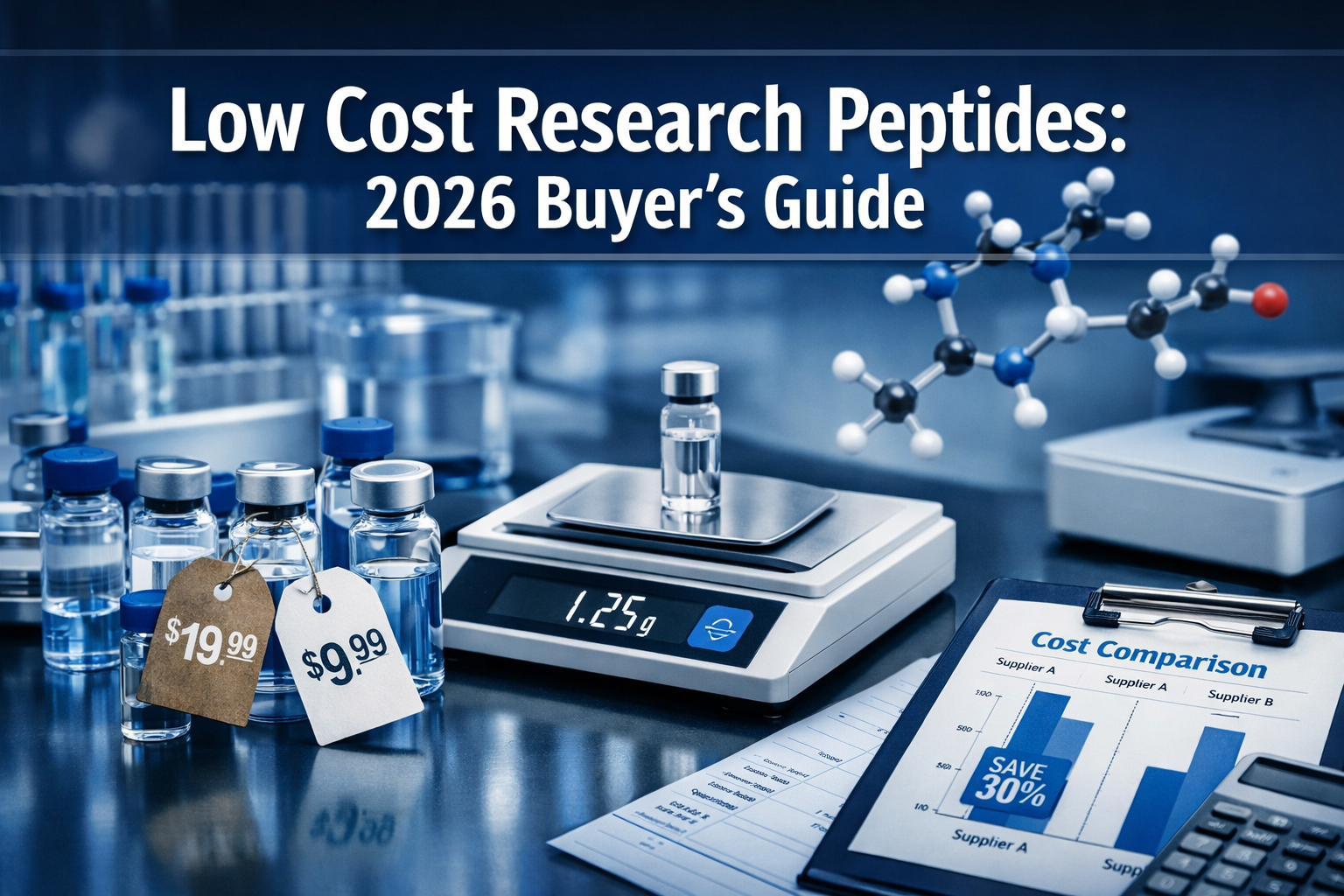
The research peptide market has exploded over the past five years, creating unprecedented opportunities—and risks—for athletes, martial artists, and weightlifters seeking performance enhancement through scientific innovation. With low cost research peptides flooding online marketplaces and regulatory enforcement intensifying throughout 2025 and into 2026, understanding how to navigate this complex landscape has never been more critical. The December 2025 market disruption removed hundreds of peptide listings from major platforms, while FDA enforcement actions targeted suppliers advertising "research use only" products for human consumption[1][4]. This comprehensive guide cuts through the confusion to help you make informed, safe decisions when sourcing affordable research peptides.
Key Takeaways
- Regulatory enforcement has intensified: FDA warning letters in September 2025 targeted research peptides marketed for human use, including popular compounds like BPC-157, semaglutide, and tirzepatide[4]
- Quality varies dramatically: Research peptides exist outside FDA-regulated categories, meaning manufacturers aren't required to follow good manufacturing practices, leading to contamination risks and concentration inconsistencies[1][2]
- Price doesn't equal value: The lowest-cost options often lack third-party testing, proper storage conditions, and certificates of analysis that verify purity and potency
- Strategic sourcing matters: Finding affordable peptides for sale requires balancing cost with quality assurance, vendor reputation, and regulatory compliance
- The landscape is shifting: September 2024 legal settlements require FDA review of key peptides including CJC-1295, Thymosin Alpha-1, Ipamorelin, and AOD-9604 through proper advisory committee processes[2]
Understanding the Low Cost Research Peptides Market in 2026
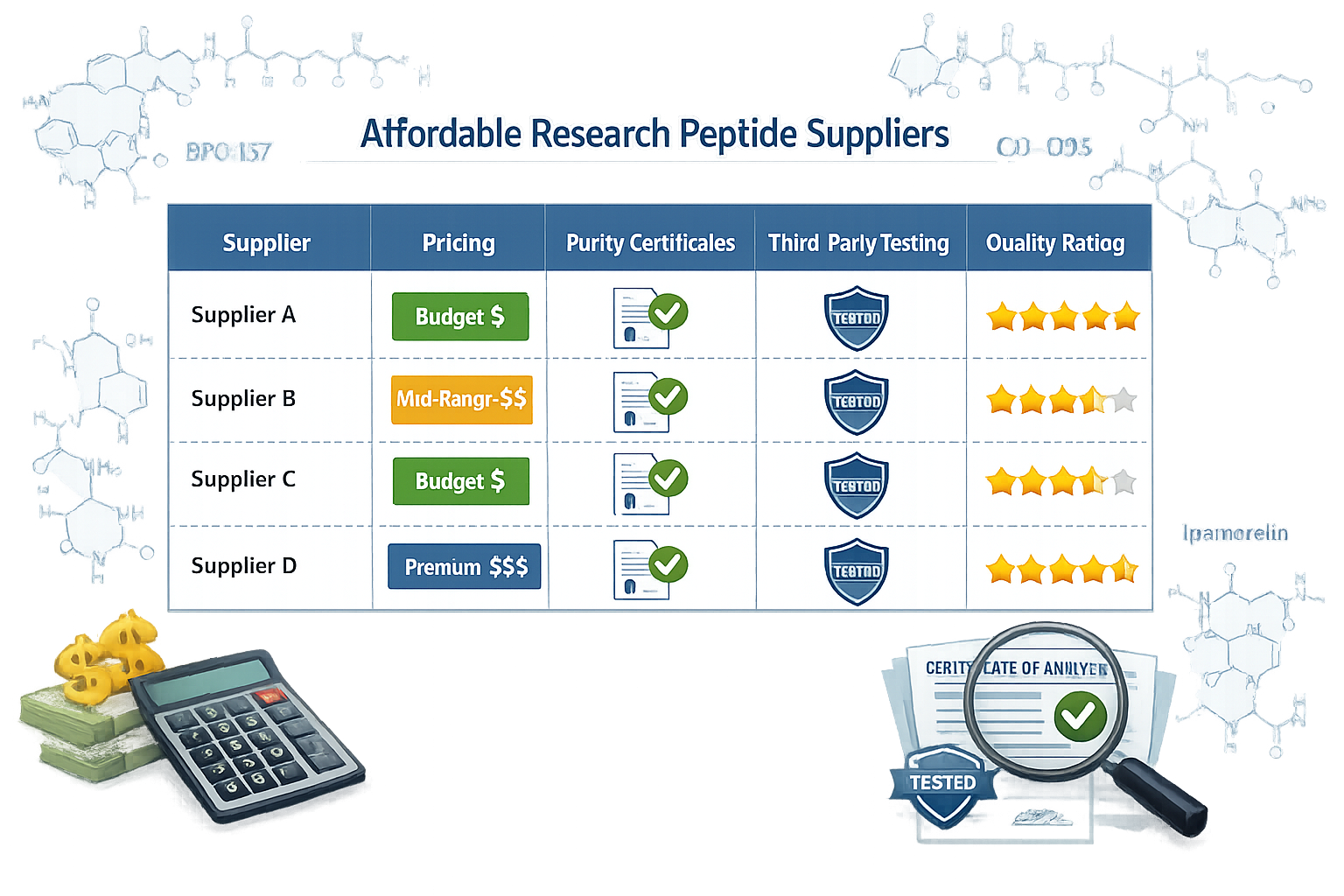
The research peptide industry occupies a unique regulatory gray area that directly impacts pricing, quality, and availability. These compounds are technically unapproved drugs that don't fit standard FDA definitions for food, dietary supplements, or approved pharmaceuticals—creating what industry experts describe as a "choose-your-own-adventure" regulatory environment[1].
What Makes Research Peptides "Low Cost"?
Several factors contribute to the wide price variations in the research peptide marketplace:
Manufacturing location and standards play the largest role in determining cost. Peptides synthesized in facilities without GMP certification typically cost 40-60% less than those from certified manufacturers. However, this cost reduction comes with substantial quality risks—some analyses have discovered bootleg peptide products contaminated with heavy metals or containing wildly incorrect concentrations[1][2].
Batch size and economies of scale significantly affect pricing. Popular compounds like CJC-1295 combined with Ipamorelin benefit from high-volume production, reducing per-unit costs. Conversely, specialized peptides for longevity research may command premium prices due to limited production runs.
Testing and certification represent another major cost variable. Suppliers offering comprehensive certificates of analysis (COAs), third-party purity verification, and sterility testing necessarily charge more than vendors selling untested products. This investment in quality assurance typically adds 25-40% to the final price but provides essential safety guarantees.
Distribution channel efficiency affects pricing structures. Direct-from-manufacturer sales eliminate middleman markups, while peptides sold through multiple distribution layers accumulate costs at each step. The most competitive low cost research peptides typically come from vendors with streamlined supply chains.
The 2025-2026 Regulatory Shift
The regulatory landscape for affordable research peptides underwent dramatic changes throughout 2025, with consequences extending into 2026 and beyond.
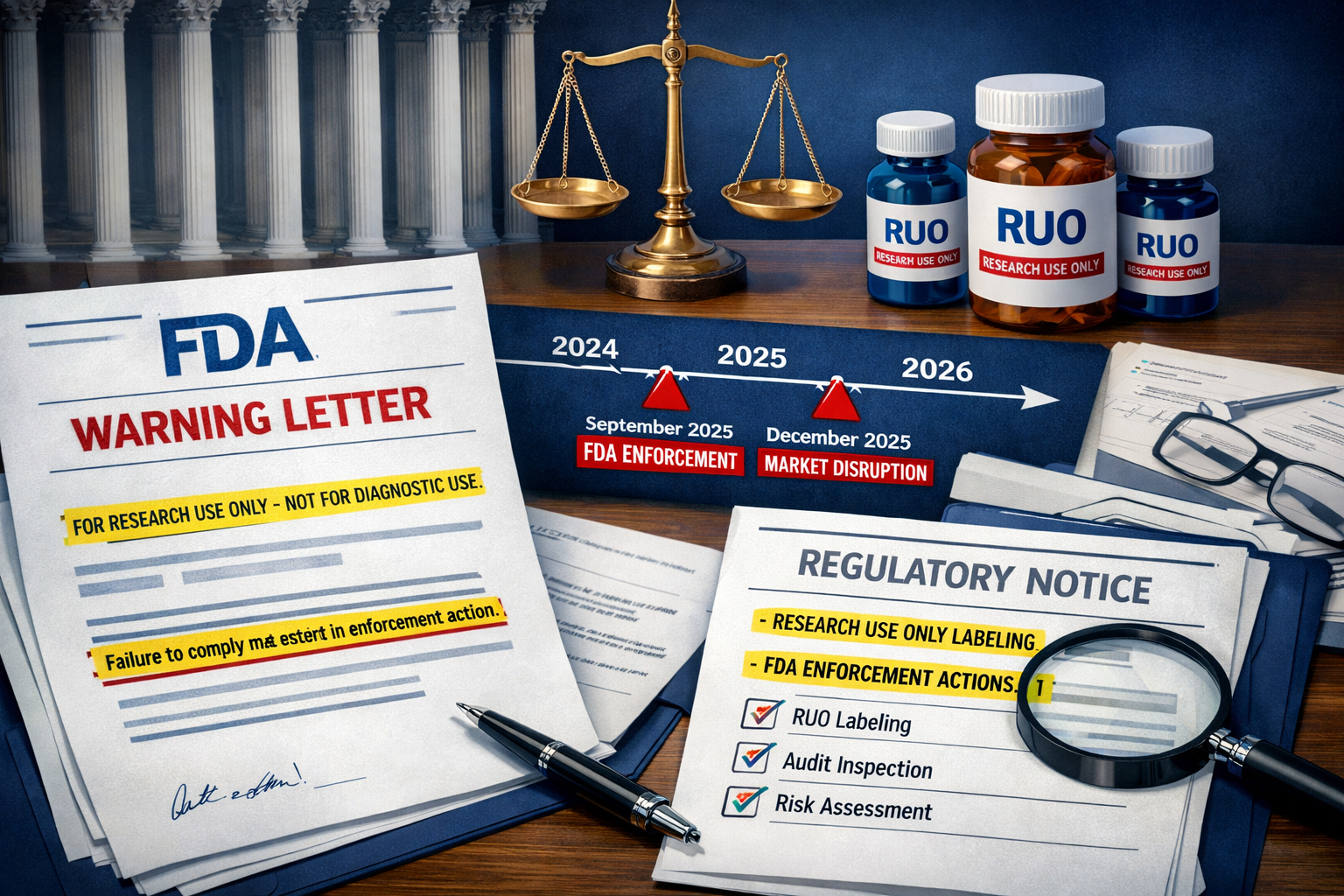
In September 2025, the FDA issued targeted warning letters to companies selling peptides labeled "research use only" while simultaneously advertising them for human consumption. The enforcement action specifically named semaglutide, tirzepatide, retatrutide, BPC-157, and various SARMS[4]. This represented a significant escalation in FDA oversight of the research peptide sector.
The same month saw the establishment of FDA Import Alert 66-80, dubbed the "Green List," specifically designed to prevent GLP-1 API (active pharmaceutical ingredients) with quality concerns from entering the U.S. supply chain. The FDA simultaneously increased unannounced inspections of foreign API manufacturers[4], creating additional compliance pressure on international suppliers of low cost research peptides.
The December 2025 market disruption proved even more impactful. Following an Associated Press investigative article published December 3rd, major e-commerce platforms removed hundreds of research peptide listings. Alibaba, Amazon, and Walmart purged their marketplaces of peptide products, fundamentally reshaping where consumers could access these compounds[1].
These enforcement actions haven't eliminated the market for budget-friendly research peptides, but they've forced it to evolve. Legitimate suppliers now emphasize compliance, testing, and transparent sourcing to differentiate themselves from fly-by-night operations.
Top 10 Low Cost Research Peptides for Athletes and Fitness Enthusiasts
Understanding which peptides offer the best value proposition requires examining both research applications and cost-effectiveness. The following compounds represent the most popular choices among the fitness, martial arts, and weightlifting communities seeking affordable peptides for sale.
1. BPC-157 (Body Protection Compound)
BPC-157 consistently ranks among the most sought-after low cost research peptides for athletes focused on recovery and tissue repair research.
Research applications: Studies examine BPC-157's potential effects on tendon-to-bone healing, ligament recovery, and gastrointestinal tissue protection. The peptide appears in research investigating cellular migration and angiogenesis pathways[1].
Cost considerations: BPC-157 pricing varies dramatically based on purity and source. Research-grade BPC-157 typically ranges from $35-75 for a 5mg vial, with detailed documentation available for proper research protocols.
Quality markers: Look for suppliers providing HPLC (High-Performance Liquid Chromatography) testing results showing >98% purity, proper lyophilization (freeze-drying), and sterile manufacturing conditions.
2. CJC-1295 (With or Without DAC)
This growth hormone-releasing hormone analog represents one of the most cost-effective options for growth hormone research.
Research applications: CJC-1295 research focuses on pulsatile growth hormone release patterns, protein synthesis mechanisms, and metabolic effects. The DAC (Drug Affinity Complex) version extends the compound's half-life significantly[2].
Cost considerations: CJC-1295 without DAC typically costs $30-60 for 2mg, while the DAC version runs $40-80 for the same quantity. Many researchers prefer combination formulations for synergistic research applications.
Sourcing notes: The September 2024 FDA settlement specifically included CJC-1295 for Pharmacy Compounding Advisory Committee review, indicating ongoing regulatory scrutiny[2].
3. Ipamorelin
Among the most affordable growth hormone secretagogues, Ipamorelin offers excellent value for metabolic research.
Research applications: Scientific literature explores Ipamorelin's selective ghrelin receptor activation, minimal cortisol and prolactin elevation, and growth hormone pulse characteristics.
Cost considerations: Research-grade Ipamorelin typically costs $25-50 for 2mg. The combination of CJC-1295 and Ipamorelin provides enhanced research value through complementary mechanisms.
Quality indicators: Proper Ipamorelin should appear as a white lyophilized powder with certificates confirming >98% purity and absence of bacterial endotoxins.
4. TB-500 (Thymosin Beta-4 Fragment)
TB-500 represents a cost-effective option for tissue repair and regeneration research protocols.
Research applications: Studies investigate TB-500's role in cytoskeletal remodeling, cell migration, blood vessel formation, and inflammation modulation.
Cost considerations: TB-500 pricing ranges from $40-85 for 5mg, depending on synthesis quality and supplier reputation. Bulk purchasing can reduce per-unit costs by 20-30%.
Verification methods: Authentic TB-500 requires mass spectrometry confirmation, as counterfeit versions containing different peptide sequences have appeared in the low cost research peptides market.
5. GHK-Cu (Copper Peptide)
This naturally-occurring tripeptide offers exceptional value for skin and tissue research applications.
Research applications: Research examines GHK-Cu's copper-binding properties, collagen synthesis stimulation, antioxidant effects, and longevity-related mechanisms.
Cost considerations: GHK-Cu represents one of the most affordable research peptides, with prices ranging from $20-45 for 50mg. Both injectable and topical formulations are available for different research protocols.
Sourcing guidance: The GHK-Cu peptide purchase guide provides comprehensive information on quality verification and research applications.
6. PT-141 (Bremelanotide)
PT-141 offers unique research applications related to melanocortin receptor pathways at competitive pricing.
Research applications: Scientific literature explores PT-141's selective MC4R receptor activation, neural signaling pathways, and metabolic research themes.
Cost considerations: Research-grade PT-141 typically costs $35-70 for 10mg. Detailed research context and quality controls help ensure proper sourcing.
Regulatory status: PT-141 appeared on the September 2025 FDA warning letter list, requiring careful attention to supplier compliance[4].
7. Tesamorelin
This growth hormone-releasing hormone analog provides targeted research applications for body composition studies.
Research applications: Research investigates Tesamorelin's effects on visceral adipose tissue, growth hormone pulsatility, and body composition parameters.
Cost considerations: Tesamorelin costs $45-90 for 2mg, with combination blends offering enhanced research value through synergistic mechanisms.
Application notes: The Tesamorelin peptide overview provides comprehensive dosing calculators and research protocols for various study designs.
8. MOTS-c (Mitochondrial-Derived Peptide)
This emerging research peptide offers excellent value for metabolic and mitochondrial function studies.
Research applications: Scientific literature examines MOTS-c's role in metabolic flexibility, insulin sensitivity, and mitochondrial research themes.
Cost considerations: MOTS-c pricing ranges from $40-80 for 5mg, representing competitive value for cutting-edge mitochondrial research. Synergistic combinations with LL-37 expand research applications.
Quality verification: Proper MOTS-c requires sequence verification through mass spectrometry, as this relatively new peptide has limited manufacturing history.
9. SS-31 (Elamipretide)
SS-31 represents a premium research peptide for mitochondrial function studies, though competitive pricing options exist.
Research applications: Research focuses on SS-31's cardiolipin binding, mitochondrial research themes, and kidney health applications.
Cost considerations: SS-31 costs vary significantly, from $60-150 for 10mg depending on supplier. Understanding SS-31 peptide cost factors helps identify genuine value versus inflated pricing.
Dosage optimization: The SS-31 ideal dosage and timing guide provides research-backed protocols for various study objectives.
10. LL-37 (Antimicrobial Peptide)
This naturally-occurring peptide offers unique research applications for immune function studies at reasonable cost.
Research applications: Scientific literature explores LL-37's innate immune mechanisms, antimicrobial properties, and mechanistic pathways.
Cost considerations: LL-37 pricing ranges from $55-110 for 5mg, reflecting the complexity of synthesizing this 37-amino acid peptide. Bulk research protocols can reduce per-study costs.
Storage requirements: LL-37 requires strict temperature control and proper reconstitution techniques to maintain stability and research efficacy.
How to Identify Quality Low Cost Research Peptides
The proliferation of budget-friendly peptide suppliers creates both opportunities and hazards for researchers. Distinguishing legitimate vendors from questionable sources requires systematic evaluation across multiple quality dimensions.
Essential Quality Markers
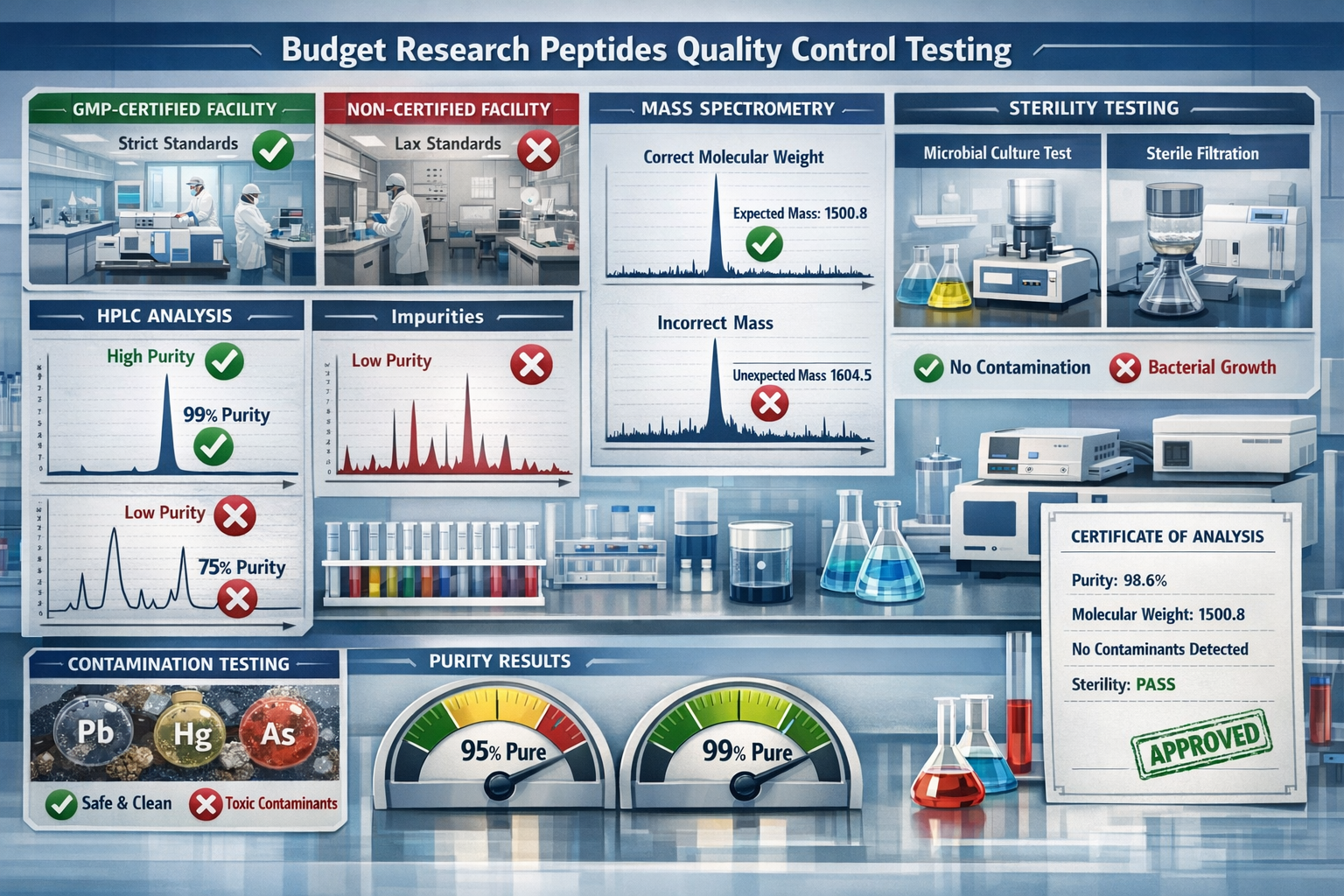
Certificates of Analysis (COAs) represent the foundation of peptide quality verification. Legitimate suppliers provide batch-specific COAs from independent laboratories showing:
- Purity percentage (should exceed 98% for research applications)
- HPLC chromatography results confirming peptide sequence
- Mass spectrometry data verifying molecular weight
- Bacterial endotoxin testing ensuring sterility
- Heavy metal screening detecting contamination
The absence of comprehensive COAs should immediately disqualify any supplier, regardless of attractive pricing. Some analyses of low cost research peptides have revealed products tainted with heavy metals or containing dramatically incorrect concentrations[1][2], underscoring the critical importance of third-party verification.
Manufacturing standards separate professional operations from amateur suppliers. Look for vendors who:
- Utilize GMP-certified synthesis facilities
- Employ pharmaceutical-grade raw materials
- Implement proper lyophilization (freeze-drying) processes
- Maintain cold-chain storage and shipping protocols
- Provide sterile, sealed vials with tamper-evident packaging
Regulatory compliance has become increasingly important following the 2025 enforcement actions. Reputable suppliers of affordable peptides for sale clearly state research-only applications without making health claims or suggesting human consumption[4].
Red Flags to Avoid
Certain warning signs indicate suppliers who prioritize profit over quality:
❌ Prices significantly below market averages (30%+ lower than established vendors)
❌ No batch-specific testing documentation or generic COAs
❌ Health claims or dosing recommendations for human use
❌ Poor website security (no SSL certificate or secure checkout)
❌ Limited contact information or offshore-only presence
❌ Pressure tactics like countdown timers or "limited stock" warnings
❌ No clear return or quality guarantee policies
The December 2025 marketplace disruption removed hundreds of questionable suppliers from major platforms[1], but many simply migrated to independent websites where oversight is minimal.
Testing and Verification Methods
Sophisticated researchers implement additional verification beyond supplier-provided documentation:
Independent laboratory testing provides the highest confidence level. Third-party analytical laboratories can perform:
- HPLC analysis to confirm peptide purity and sequence
- Mass spectrometry to verify molecular weight
- Sterility testing to detect bacterial contamination
- Concentration verification to ensure accurate dosing
While adding $100-300 to research costs, independent testing eliminates uncertainty about product authenticity—particularly valuable when sourcing low cost research peptides from new suppliers.
Visual inspection offers preliminary quality assessment. Properly manufactured peptides should:
- Appear as white or off-white lyophilized powder
- Form a compact cake at the vial bottom
- Reconstitute completely without cloudiness or particles
- Remain stable when refrigerated after reconstitution
Community verification through research forums and peer networks provides valuable intelligence about supplier reliability, shipping practices, and product consistency. However, verify claims independently rather than relying solely on anonymous testimonials.
Navigating the Regulatory Landscape for Budget Research Peptides
Understanding the evolving regulatory environment helps researchers make informed sourcing decisions while minimizing legal and safety risks.
Current FDA Enforcement Priorities
The FDA's September 2025 enforcement actions revealed clear priorities that continue shaping the 2026 marketplace:
"Research Use Only" labeling scrutiny intensified dramatically. The FDA specifically targeted suppliers using RUO labels while simultaneously advertising products for human consumption through dosing instructions, health claims, or customer testimonials suggesting personal use[4].
GLP-1 peptide oversight expanded significantly with Import Alert 66-80, establishing a "Green List" to prevent quality-compromised GLP-1 APIs from entering U.S. supply chains. The FDA increased unannounced inspections of foreign manufacturers producing semaglutide, tirzepatide, and retatrutide[4].
Compounding pharmacy regulations evolved following the September 2024 legal settlement requiring FDA to submit key peptides for Pharmacy Compounding Advisory Committee review. This process specifically covers CJC-1295, Thymosin Alpha-1, Ipamorelin, and AOD-9604 rather than pursuing unilateral bans[2].
The Legal Gray Area
Research peptides occupy unique regulatory territory that creates both opportunities and uncertainties. These compounds are technically unapproved drugs that don't fit FDA definitions for food, dietary supplements, or approved pharmaceuticals—creating what legal experts describe as a "choose-your-own-adventure" regulatory environment[1].
Key legal considerations for researchers include:
📋 Intended use declarations: Products clearly labeled and marketed exclusively for in vitro research or laboratory applications face less regulatory scrutiny than those suggesting human consumption.
📋 State-level variations: Some states implement additional restrictions on peptide sales beyond federal requirements, creating a patchwork of compliance obligations.
📋 Import regulations: International peptide orders face increasing customs scrutiny, particularly for compounds on FDA watch lists like GLP-1 analogs and BPC-157.
📋 Professional licensing: Healthcare practitioners face distinct regulatory frameworks when sourcing peptides for clinical research versus individual consumers purchasing for personal study.
The peptide legal FAQ provides comprehensive guidance on navigating these complex regulatory waters[6].
Future Regulatory Predictions
Industry analysts anticipate continued regulatory evolution throughout 2026 and beyond. Predictions include:
Increased enforcement resources as the FDA allocates additional personnel to peptide oversight, building on the September 2025 warning letter campaign[4][5].
Clearer regulatory pathways emerging from the Pharmacy Compounding Advisory Committee review process, potentially creating legitimate access channels for specific peptides[2].
Quality standard requirements possibly mandating GMP certification or minimum testing protocols for peptide suppliers, similar to dietary supplement regulations.
Platform accountability with e-commerce marketplaces implementing stricter vendor verification following the December 2025 listing removals[1].
Researchers should monitor developments in peptide research to stay informed about regulatory changes affecting access to affordable peptides for sale.
Cost Comparison: Research Peptides vs. Alternative Options
Understanding the full economic picture requires comparing low cost research peptides against alternative approaches to similar research objectives.
Research Peptides vs. Pharmaceutical Alternatives
| Factor | Research Peptides | Pharmaceutical Peptides |
|---|---|---|
| Typical Cost | $30-150 per research cycle | $300-3,000+ per treatment cycle |
| Purity Verification | Varies (requires independent verification) | FDA-mandated quality standards |
| Regulatory Status | Unapproved, research-only | FDA-approved for specific indications |
| Access Requirements | Direct purchase for research | Prescription required |
| Quality Consistency | Supplier-dependent | Standardized manufacturing |
| Legal Protections | Minimal consumer protections | Full pharmaceutical regulations |
The substantial cost differential—often 10-20x lower for research-grade peptides—explains the market's explosive growth despite regulatory uncertainties[1].
Budget Optimization Strategies
Smart researchers implement several strategies to maximize value when sourcing low cost research peptides:
Bulk purchasing reduces per-unit costs by 15-30% when buying multiple vials or larger quantities. However, this approach requires proper storage capabilities and confidence in supplier quality.
Peptide blends offer enhanced research value through synergistic combinations. Products like the KLOW blend or GLOW peptide blend provide multiple compounds at lower total cost than purchasing individually.
Seasonal promotions from established suppliers can reduce costs by 20-40% during specific periods. Monitoring wholesale peptide opportunities helps identify legitimate discounts.
Research protocol optimization minimizes waste through proper reconstitution techniques, accurate dosing, and appropriate storage. A $50 peptide vial wasted through improper handling represents a 100% loss.
Supplier relationship development with reputable vendors often yields loyalty discounts, priority access to limited inventory, and advance notice of quality issues or regulatory changes.
Hidden Costs to Consider
The sticker price represents only part of the total cost equation for research peptides:
💰 Testing and verification: Independent laboratory analysis adds $100-300 per batch
💰 Supplies and equipment: Bacteriostatic water, syringes, alcohol swabs, and storage containers
💰 Storage requirements: Refrigeration for reconstituted peptides, freezer space for long-term storage
💰 Shipping costs: Expedited delivery with cold packs to maintain peptide stability
💰 Waste from quality issues: Contaminated or degraded peptides requiring replacement
💰 Regulatory compliance: Potential legal consultation for complex sourcing questions
Factoring these additional expenses into cost comparisons provides a more accurate picture of true research costs.
Emerging Peptides and Future Trends in Affordable Research
The research peptide landscape continues evolving rapidly, with new compounds and applications emerging regularly throughout 2026.
Next-Generation GLP-1 Peptides
The evolution of GLP-1 receptor agonists represents one of the most dynamic areas in peptide research:
GLP-3 (Triple Agonist) represents the newest generation, simultaneously targeting GLP-1, GIP, and glucagon receptors. Research explores triple agonist mechanisms and metabolic effects beyond earlier generations.
Generational differences between GLP-1 compounds affect research applications and cost structures. Understanding generations of GLP-1 differences helps researchers select appropriate compounds for specific study objectives.
Dual receptor agonism with compounds like GLP1-T offers unique research opportunities at competitive pricing compared to pharmaceutical alternatives.
The GLP-1 peptide sourcing guide provides comprehensive information on navigating this complex category.
Specialized Research Applications
Niche peptides for targeted research applications are becoming more accessible:
Longevity research peptides including Pinealon for neuroprotection, Cartalax for cartilage, and Thymogen for immune function offer specialized research opportunities at reasonable costs.
Cognitive enhancement peptides like Selank provide unique research applications for stress response and cognitive function studies.
Metabolic modulation compounds exploring metabolic research lines expand beyond traditional growth hormone pathways.
NAD+ precursors and related peptides continue gaining research attention, with comprehensive NAD research overviews guiding proper sourcing and application.
Technology and Delivery Innovations
Advances in peptide delivery systems are reshaping research protocols:
Novel delivery mechanisms explored in innovative peptide delivery systems research promise improved bioavailability and convenience.
Topical formulations like topical GHK-Cu expand research applications beyond traditional injection protocols.
Peptide blends optimized for specific research objectives provide enhanced value through synergistic peptide research.
Biotech trends shaping the 2026 landscape include improved synthesis methods, enhanced stability formulations, and more accessible analytical testing[3].
Practical Sourcing Guide: Where to Buy Low Cost Research Peptides in 2026
Navigating the post-2025 enforcement landscape requires strategic sourcing approaches that balance cost, quality, and regulatory compliance.
Vetted Supplier Characteristics
Legitimate suppliers of low cost research peptides share common characteristics:
✅ Transparent testing documentation with batch-specific COAs from independent laboratories
✅ Clear research-only positioning without health claims or dosing recommendations for human use
✅ Responsive customer support addressing technical questions about storage, reconstitution, and research applications
✅ Secure payment processing through established merchant services
✅ Professional website presence with detailed product information and company background
✅ Appropriate shipping protocols including cold packs, expedited delivery, and temperature monitoring
✅ Quality guarantees with clear policies for contaminated or degraded products
Established vendors like those offering comprehensive peptide catalogs typically demonstrate these quality markers consistently.
Sourcing Checklist
Before purchasing low cost research peptides, verify:
- Supplier provides batch-specific certificates of analysis
- HPLC testing confirms >98% purity
- Mass spectrometry verifies correct molecular weight
- Sterility testing shows absence of bacterial contamination
- Product storage and shipping maintain cold-chain integrity
- Supplier clearly states research-only applications
- Return policy covers quality issues or contamination
- Customer reviews from verified researchers are available
- Supplier has established operating history (minimum 2+ years)
- Payment processing uses secure, encrypted systems
International vs. Domestic Sourcing
The September 2025 FDA enforcement actions created new considerations for international peptide sourcing:
Domestic suppliers offer advantages including:
- Faster shipping with better temperature control
- Reduced customs scrutiny and seizure risk
- Easier communication and customer service
- Greater accountability under U.S. regulations
International suppliers may provide:
- Lower base prices due to manufacturing location
- Access to compounds unavailable domestically
- Larger inventory of specialized research peptides
However, the FDA's increased inspections of foreign API manufacturers and Import Alert 66-80 have complicated international sourcing, particularly for GLP-1 compounds[4].
Storage and Handling Best Practices
Proper storage maximizes research value from low cost research peptides:
Pre-reconstitution storage:
- Maintain lyophilized peptides at -20°C (freezer) for long-term storage
- Allow vials to reach room temperature before opening to prevent condensation
- Protect from light exposure using amber vials or foil wrapping
- Verify seal integrity before use
Post-reconstitution storage:
- Refrigerate at 2-8°C (standard refrigerator) for most peptides
- Use within 30 days for optimal stability (varies by compound)
- Store in sterile, sealed vials to prevent contamination
- Label clearly with reconstitution date and concentration
Reconstitution protocols:
- Use bacteriostatic water for multi-dose applications
- Add liquid slowly down vial side to minimize foaming
- Swirl gently rather than shaking vigorously
- Allow complete dissolution before drawing doses
Proper handling prevents waste and ensures research reproducibility across multiple study cycles.
Conclusion: Making Informed Decisions About Low Cost Research Peptides
The research peptide marketplace in 2026 offers unprecedented opportunities for athletes, martial artists, and weightlifters seeking to explore cutting-edge performance enhancement compounds. However, the regulatory enforcement actions of 2025, quality control challenges inherent in unregulated markets, and the December marketplace disruption all underscore the critical importance of informed, strategic sourcing decisions.
Low cost research peptides can provide exceptional value when sourced from reputable suppliers offering comprehensive testing documentation, transparent manufacturing practices, and clear research-only positioning. The price differential compared to pharmaceutical alternatives—often 90% lower—makes these compounds accessible for serious research applications. Yet the lowest-cost options frequently carry hidden risks including contamination, incorrect concentrations, and regulatory complications that can far exceed any initial savings.
Actionable Next Steps
For researchers new to peptide sourcing:
- Start with established compounds like BPC-157, CJC-1295, or Ipamorelin that have extensive research literature and reliable supplier networks
- Prioritize quality over price for initial purchases to establish baseline expectations for proper peptide characteristics
- Request and verify certificates of analysis before committing to larger orders or bulk purchases
- Begin with smaller quantities to evaluate supplier reliability, product quality, and research applications before scaling up
For experienced researchers:
- Diversify supplier relationships to mitigate risks from regulatory actions, quality issues, or inventory disruptions
- Implement independent testing for new suppliers or unfamiliar compounds to verify quality claims
- Monitor regulatory developments through industry news, legal updates, and peptide research innovations
- Document research protocols thoroughly to ensure reproducibility and identify quality issues quickly
For all researchers:
- Stay informed about regulatory changes affecting peptide access, particularly FDA enforcement priorities and state-level restrictions
- Engage with research communities to share supplier experiences, quality assessments, and protocol optimizations
- Invest in proper storage and handling equipment to maximize value from each peptide purchase
- Explore comprehensive peptide catalogs from vetted suppliers offering quality assurance and testing documentation
The research peptide landscape will continue evolving throughout 2026 and beyond, with ongoing regulatory developments, emerging compounds, and shifting supplier dynamics. Success in this environment requires balancing cost considerations with quality assurance, regulatory compliance, and research objectives. By applying the principles outlined in this guide—prioritizing third-party testing, verifying supplier credentials, understanding regulatory frameworks, and implementing proper handling protocols—researchers can access low cost research peptides safely and effectively while advancing their performance enhancement and longevity research goals.
The future of peptide research remains bright despite regulatory challenges. As the FDA works through the Pharmacy Compounding Advisory Committee review process for key compounds[2] and the industry matures beyond the "wild west" phase of recent years[1], legitimate pathways for accessing quality research peptides at reasonable costs should become clearer. Until then, informed decision-making, strategic sourcing, and unwavering commitment to quality verification remain the researcher's best tools for navigating this complex but rewarding landscape.
References
[1] N Epidemic Of Unapproved Research Peptides – https://www.nutraingredients.com/Article/2025/12/19/n-epidemic-of-unapproved-research-peptides/
[2] Fdas Overreach On Compounded Peptides Legal Battles And How Clinics Can Push Back – https://www.safehg.com/fdas-overreach-on-compounded-peptides-legal-battles-and-how-clinics-can-push-back/
[3] 2026 Biotech Trends – https://www.labiotech.eu/in-depth/2026-biotech-trends/
[4] Fda Targets Glp 1 And Peptide Compounding Advertising And Research Use Only Labeling – https://www.healthlawalliance.com/blog/fda-targets-glp-1-and-peptide-compounding-advertising-and-research-use-only-labeling
[5] 2026 Predictions Historic Fda Shift Plausible Mechanisms Bespoke Tx Rfk Jr Biotechs State Ags Peptides Embryos – https://ipscell.com/2026/01/2026-predictions-historic-fda-shift-plausible-mechanisms-bespoke-tx-rfk-jr-biotechs-state-ags-peptides-embryos/
[6] Peptide Legal Frequently Asked Questions – https://djholtlaw.com/peptide-legal-frequently-asked-questions/
SEO Meta Title and Description
Meta Title: Low Cost Research Peptides: 2026 Buyer's Guide for Athletes
Meta Description: Discover how to source quality low cost research peptides in 2026. Expert guide covers pricing, quality markers, regulatory updates, and top peptides for athletes.