

GLP-3 Peptide Function in the Body: Understanding the Triple-Hormone Breakthrough

Imagine a single peptide that could simultaneously target three different hormone pathways to transform how your body manages weight, metabolism, and appetite. That's exactly what GLP-3 peptides bring to the table—a revolutionary approach that's changing the landscape of metabolic health research in 2026. Understanding GLP-3 peptide function in the body isn't just about following the latest fitness trend; it's about grasping how this triple-action mechanism works at the cellular level to deliver results that single-hormone treatments simply can't match.
The GLP-3 peptide function in the body represents a significant leap forward from traditional GLP-1 medications. While drugs like Ozempic and Wegovy target just one hormone pathway, GLP-3 peptides—specifically retatrutide—activate three distinct receptors: GLP-1 (glucagon-like peptide-1), GIP (glucose-dependent insulinotropic polypeptide), and glucagon. This triple-targeting approach creates a synergistic effect that addresses multiple aspects of metabolic function simultaneously[2].
Key Takeaways
- Triple-hormone activation: GLP-3 peptides target GLP-1, GIP, and glucagon receptors simultaneously, creating a more comprehensive metabolic response than single-hormone treatments
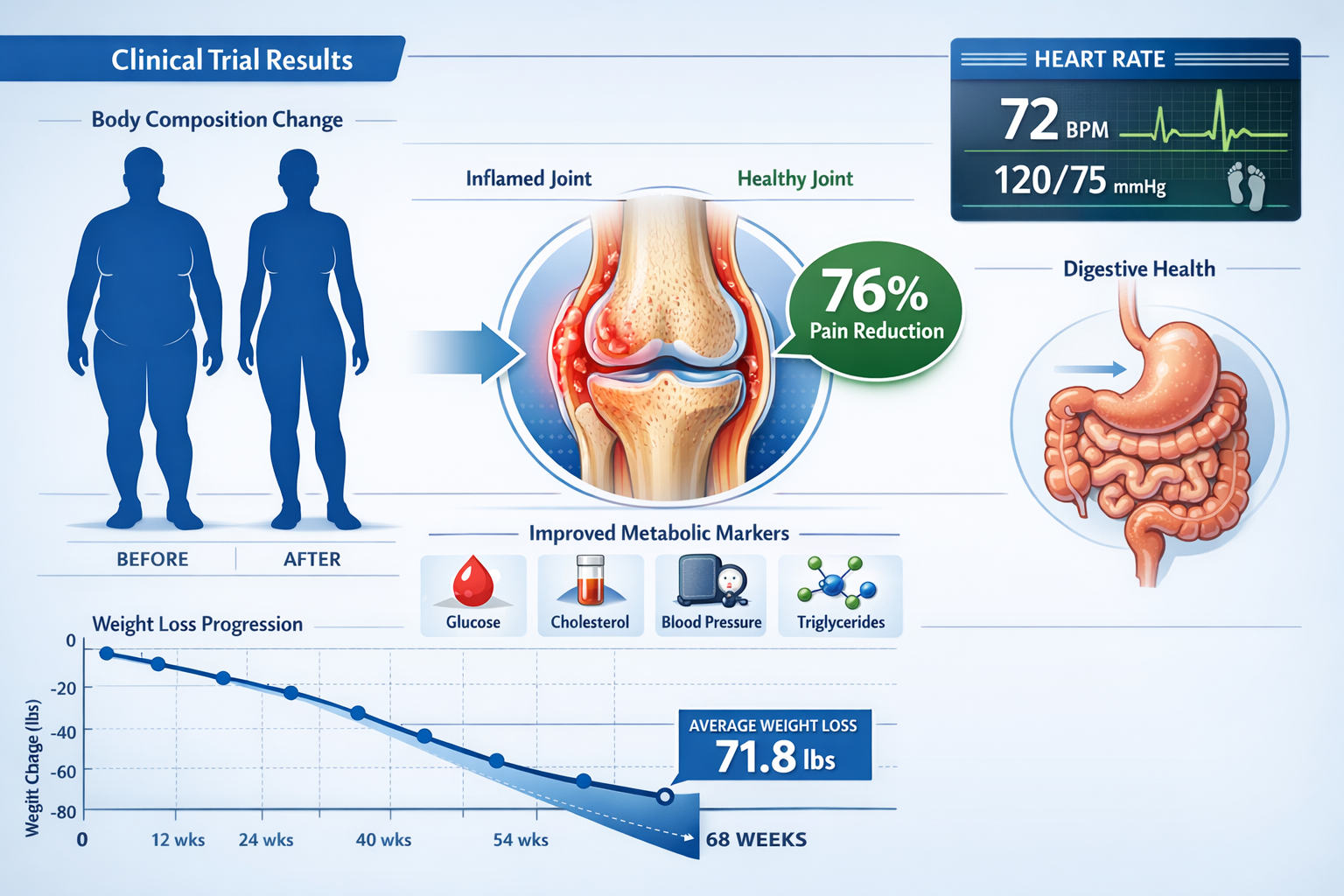
- Significant weight loss results: Clinical trials show an average weight loss of 71.8 lbs (28.7% of body weight) after 68 weeks with 12 mg weekly injections[2][4]
- Beyond weight management: Research demonstrates a 76% reduction in knee pain and improved metabolic markers, with more than one in eight participants reporting complete freedom from knee pain[2][4]
- Future availability: Seven additional phase 3 trials are expected in 2026, with potential FDA approval anticipated for 2027[2][4]
- Side effect profile: Similar gastrointestinal effects to GLP-1 medications, with additional considerations for heart rate changes depending on dosage[2]
What Are GLP-3 Peptides and How Do They Differ from GLP-1?
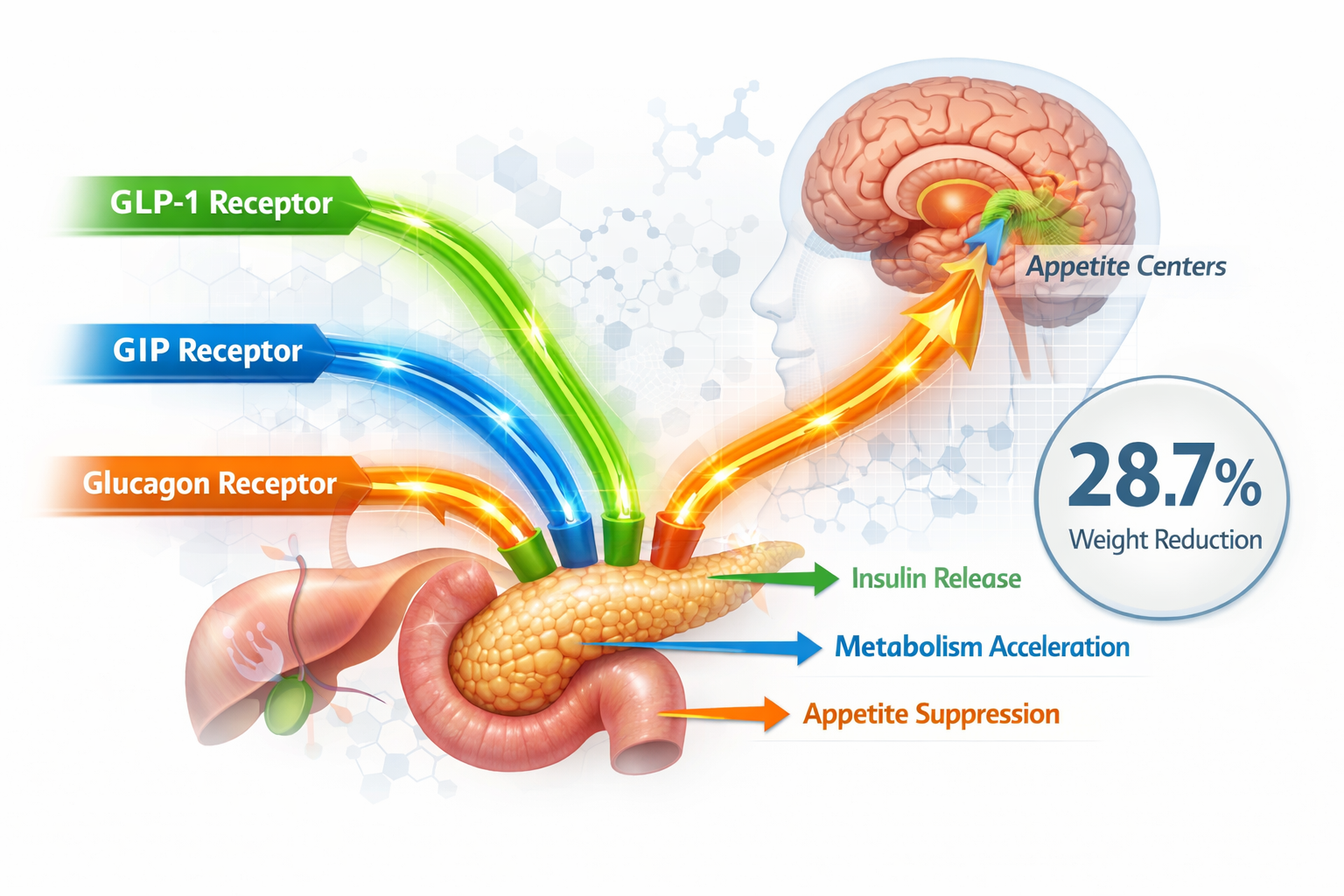
The term "GLP-3" has emerged in 2026 to describe the next generation of metabolic peptides that go beyond single-hormone targeting. While the name might suggest a third version of glucagon-like peptide, it actually refers to the triple-action mechanism that these peptides employ. The primary example currently in advanced clinical trials is retatrutide, developed by Eli Lilly.
The Evolution from Single to Triple Hormone Targeting
Traditional GLP-1 peptides work by mimicking a single incretin hormone that your gut naturally produces after eating. These medications have proven highly effective for weight management and blood sugar control. However, researchers discovered that combining multiple hormone pathways could produce even more dramatic results.
GLP-3 peptide function in the body operates on three fronts simultaneously:
- GLP-1 receptor activation – Signals insulin release and slows digestion
- GIP receptor activation – Enhances insulin secretion and targets brain appetite centers
- Glucagon receptor activation – Speeds up metabolism and promotes fat breakdown
This triple mechanism creates what researchers call a "synergistic effect," where the combined action produces results greater than the sum of individual hormone effects[2].
Understanding the Three Hormone Pathways
Let's break down each component of GLP-3 peptide function in the body:
GLP-1 (Glucagon-Like Peptide-1): This hormone naturally occurs in your intestines and plays a crucial role in blood sugar regulation. When you eat, GLP-1 signals your pancreas to release insulin, which helps cells absorb glucose from your bloodstream. It also slows down how quickly food leaves your stomach, creating feelings of fullness that last longer[2].
GIP (Glucose-Dependent Insulinotropic Polypeptide): Working alongside GLP-1, this hormone also stimulates insulin release after meals. However, GIP has an additional function that makes it particularly valuable—it targets specific areas in the brain that regulate appetite and influence food cravings. This dual action on both the pancreas and brain creates a powerful appetite-suppressing effect[2].
Glucagon: This is where things get interesting. Glucagon typically works opposite to insulin—it signals your liver to release stored glucose when blood sugar drops. In the context of GLP-3 peptide function, glucagon activation speeds up your metabolism and helps break down fat cells for energy. The clever part? The simultaneous activation of GLP-1 and GIP keeps blood sugar stable, preventing the spikes that glucagon alone might cause[2].
How GLP-3 Peptide Function in the Body Creates Metabolic Changes
Understanding GLP-3 peptide function in the body requires looking at the cascade of biological events that occur when these three hormone pathways activate simultaneously. The effects reach far beyond simple appetite suppression—they fundamentally alter how your body processes energy, stores fat, and regulates metabolism.
Pancreatic Response and Insulin Regulation
When you inject a GLP-3 peptide, the first major site of action is your pancreas. Both GLP-1 and GIP components signal beta cells in the pancreas to release insulin in response to food intake. This is called "glucose-dependent" insulin secretion, meaning it only happens when blood sugar rises—a safety feature that reduces the risk of dangerous low blood sugar episodes.
The GLP-3 peptide function in the body enhances this natural process significantly. Research shows that the dual activation of GLP-1 and GIP receptors produces a stronger insulin response than either hormone alone. This improved insulin sensitivity helps your cells more efficiently absorb glucose from the bloodstream, reducing the metabolic stress associated with insulin resistance[2].
Digestive System Modifications
One of the most noticeable effects of GLP-3 peptide function in the body occurs in your digestive tract. The GLP-1 component slows gastric emptying—the rate at which food moves from your stomach to your small intestine. This creates several important effects:
- Extended satiety: Food stays in your stomach longer, maintaining feelings of fullness
- Reduced hunger signals: The slower digestion process decreases the frequency of hunger hormones
- Better nutrient absorption: More time in the digestive tract can improve nutrient extraction
- Blood sugar stability: Gradual glucose release prevents sharp spikes and crashes
This digestive slowing explains why many users of peptides for metabolic support report eating significantly smaller portions without feeling deprived.
Brain Appetite Regulation
Perhaps the most fascinating aspect of GLP-3 peptide function in the body involves the brain. Both GLP-1 and GIP cross the blood-brain barrier and interact with receptors in the hypothalamus—your brain's appetite control center.
These peptides influence several brain regions:
- Arcuate nucleus: Reduces production of hunger-stimulating hormones
- Paraventricular nucleus: Increases satiety signals
- Reward centers: Decreases cravings for high-calorie, palatable foods
Research participants often report a dramatic shift in their relationship with food. The constant mental preoccupation with eating diminishes, and previously irresistible foods become easier to pass up. This isn't willpower—it's GLP-3 peptide function in the body directly modulating brain chemistry[2].
Metabolic Rate Enhancement Through Glucagon
The glucagon component of GLP-3 peptide function in the body provides a unique metabolic advantage. While GLP-1 and GIP primarily work by reducing calorie intake, glucagon activation increases energy expenditure. Here's how:
Fat Cell Breakdown (Lipolysis): Glucagon signals fat cells to release stored triglycerides into the bloodstream, where they can be used for energy. This process, combined with the calorie deficit created by reduced appetite, creates optimal conditions for fat loss[2].
Liver Metabolism: Glucagon typically tells your liver to produce new glucose (gluconeogenesis). In the context of GLP-3 peptide function in the body, this metabolic activation occurs while GLP-1 and GIP keep blood sugar levels stable, preventing the negative effects of excess glucose production.
Thermogenesis: Some research suggests glucagon activation may increase heat production in brown adipose tissue, slightly raising your baseline metabolic rate.
Cardiovascular and Systemic Effects
The GLP-3 peptide function in the body extends beyond metabolic pathways to influence cardiovascular health. Clinical trials have noted dose-dependent increases in heart rate with retatrutide use. While this requires monitoring, it may reflect increased metabolic activity and improved cardiovascular efficiency in some individuals[2].
Other systemic effects include:
- Improved lipid profiles (cholesterol and triglycerides)
- Reduced inflammation markers
- Better blood pressure control in many participants
- Enhanced insulin sensitivity throughout the body
Clinical Research Results: What the Data Shows About GLP-3 Peptide Function
The most compelling evidence for GLP-3 peptide function in the body comes from the TRIUMPH-4 phase 3 clinical trial, announced by Eli Lilly in December 2025. This landmark study examined retatrutide in participants with obesity and knee osteoarthritis, providing insights into both metabolic and pain-related outcomes.
Weight Loss Outcomes from TRIUMPH-4
The weight loss results from studying GLP-3 peptide function in the body exceeded expectations. Participants receiving 12 mg of retatrutide once weekly experienced an average weight loss of 71.8 pounds (28.7% of body weight) after 68 weeks of treatment[2][4].
To put this in perspective:
| Treatment Type | Average Weight Loss | Percentage of Body Weight | Duration |
|---|---|---|---|
| GLP-3 (Retatrutide 12mg) | 71.8 lbs | 28.7% | 68 weeks |
| GLP-1 (Semaglutide 2.4mg) | ~35 lbs | ~15% | 68 weeks |
| Lifestyle modification alone | ~10-15 lbs | ~5-7% | 68 weeks |
What makes these results even more remarkable is that participants continued to lose weight after the initial 48-week trial period ended, suggesting that the GLP-3 peptide function in the body creates sustained metabolic changes rather than temporary effects[2].
Beyond Weight: Pain Reduction and Quality of Life
One of the most surprising findings about GLP-3 peptide function in the body came from pain assessments. Participants with knee osteoarthritis reported a 76% reduction in knee pain after 16 months of treatment. More impressively, more than one in eight participants (12.5%) reported being completely free from knee pain—an outcome rarely seen with weight loss interventions alone[2][4].
This pain reduction likely results from multiple mechanisms related to GLP-3 peptide function:
- Reduced mechanical stress: Less body weight means less pressure on joints
- Decreased inflammation: GLP-3 peptides may have direct anti-inflammatory effects
- Improved metabolic health: Better glucose control and lipid profiles reduce systemic inflammation
- Enhanced tissue repair: Some research suggests these peptides may support tissue healing processes
Metabolic Marker Improvements
Beyond weight and pain, GLP-3 peptide function in the body produced significant improvements in metabolic health markers:
✅ Hemoglobin A1c reduction: Better long-term blood sugar control
✅ Improved insulin sensitivity: Enhanced cellular glucose uptake
✅ Lipid profile optimization: Lower triglycerides and improved cholesterol ratios
✅ Blood pressure normalization: Reduced cardiovascular stress
✅ Liver function improvement: Decreased markers of fatty liver disease
These comprehensive metabolic improvements demonstrate that GLP-3 peptide function in the body addresses the root causes of metabolic dysfunction, not just symptoms[2].
Comparison with Single-Hormone Treatments
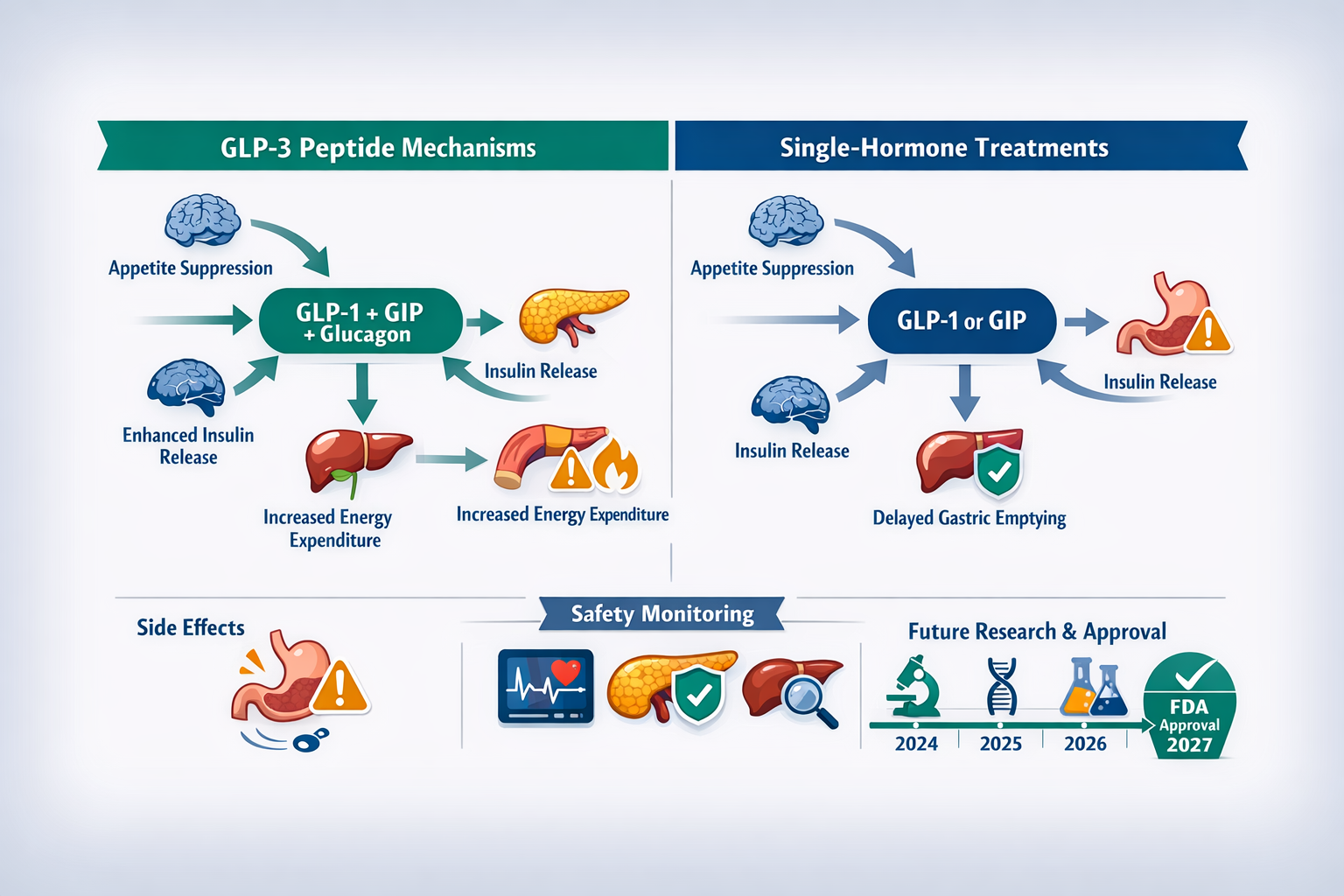
When researchers compare GLP-3 peptide function in the body to traditional GLP-1 medications, the advantages become clear. While GLP-1 drugs produce significant weight loss (typically 15-20% of body weight), the triple-hormone approach of GLP-3 peptides achieves nearly double that result.
The key differences stem from the synergistic mechanisms:
Single GLP-1 approach: Reduces appetite + slows digestion
Triple GLP-3 approach: Reduces appetite + slows digestion + increases metabolism + enhances fat breakdown + provides additional brain appetite suppression
This multi-pathway activation explains why GLP-3 peptide function in the body produces superior outcomes in clinical trials[2].
Future Trial Pipeline and Expected Results
The research into GLP-3 peptide function in the body is far from complete. Eli Lilly has announced seven additional phase 3 clinical trial readouts expected in 2026, examining retatrutide in various populations and conditions:
- Type 2 diabetes management
- Cardiovascular outcomes
- Sleep apnea improvement
- Non-alcoholic fatty liver disease
- Long-term safety and efficacy
- Different dosing protocols
- Combination with other therapies
These trials will provide a more complete picture of how GLP-3 peptide function in the body can be optimized for different health goals. FDA approval is anticipated in 2027, pending positive results from these ongoing studies[2][4].
For fitness enthusiasts and peptide shoppers interested in metabolic optimization, these upcoming results will be crucial for understanding the full potential and limitations of this therapeutic approach.
Safety Profile and Side Effects of GLP-3 Peptide Function
Understanding the complete picture of GLP-3 peptide function in the body requires honest discussion of potential side effects and safety considerations. While the efficacy results are impressive, no therapeutic intervention comes without risks or adverse effects.
Common Gastrointestinal Effects
The most frequently reported side effects related to GLP-3 peptide function in the body involve the digestive system. These mirror the effects seen with single-hormone GLP-1 medications, though some users report more pronounced symptoms due to the triple-action mechanism[2].
Typical GI side effects include:
- Nausea: Especially common during the first few weeks of treatment or after dose increases
- Vomiting: Usually subsides as the body adapts to the peptide
- Diarrhea: Can occur intermittently, particularly with higher doses
- Constipation: Some users experience the opposite effect
- Abdominal discomfort: General digestive upset or bloating
- Reduced appetite: While this is a desired effect, it can sometimes feel uncomfortable
Most of these effects stem directly from how GLP-3 peptide function in the body slows gastric emptying and alters digestive processes. The good news is that for most users, these symptoms diminish significantly after the first 4-8 weeks as the body adapts[2].
Cardiovascular Considerations
Clinical trials examining GLP-3 peptide function in the body have noted dose-dependent increases in heart rate. This side effect requires careful monitoring, especially in individuals with pre-existing cardiovascular conditions[2].
The heart rate increases likely result from multiple factors:
- Enhanced metabolic rate from glucagon activation
- Sympathetic nervous system stimulation
- Cardiovascular adaptation to weight loss
- Direct effects on cardiac receptors
While modest heart rate increases (5-10 beats per minute) may not be concerning for healthy individuals, those with heart conditions should work closely with healthcare providers when considering peptides that affect metabolism.
Rare but Serious Complications
Though uncommon, GLP-3 peptide function in the body has been associated with several serious adverse events that require awareness:
Pancreatitis: Inflammation of the pancreas is a rare but potentially serious complication. Symptoms include severe abdominal pain, nausea, and vomiting. This risk appears similar to that seen with GLP-1 medications[2].
Gallstones (Cholelithiasis): Rapid weight loss can increase the risk of gallstone formation. The GLP-3 peptide function in the body that creates such dramatic weight loss may inadvertently trigger this complication in susceptible individuals[2].
Cardiac Arrhythmia: Irregular heartbeats have been reported in some trial participants. This may relate to the heart rate increases or electrolyte changes that can occur with rapid weight loss[2].
Managing Side Effects
For those researching GLP-3 peptide function in the body for potential use, understanding side effect management is crucial:
🔷 Start low, go slow: Beginning with lower doses and gradually increasing allows the body to adapt
🔷 Stay hydrated: Many GI symptoms improve with adequate fluid intake
🔷 Eat smaller, frequent meals: This works with the peptide's effects rather than against them
🔷 Monitor symptoms: Keep detailed records of any adverse effects
🔷 Regular check-ups: Periodic medical monitoring can catch problems early
Who Should Avoid GLP-3 Peptides?
Certain individuals should not use peptides with GLP-3 peptide function in the body characteristics:
❌ Personal or family history of medullary thyroid cancer
❌ Multiple endocrine neoplasia syndrome type 2
❌ History of pancreatitis
❌ Severe gastroparesis
❌ Pregnancy or breastfeeding
❌ Active gallbladder disease
Long-Term Safety Considerations
Since GLP-3 peptide function in the body represents a relatively new therapeutic approach, long-term safety data (beyond 2-3 years) remains limited. The seven additional phase 3 trials expected in 2026 will provide more comprehensive safety information[2][4].
Questions that ongoing research will address include:
- Effects of continuous use beyond 2 years
- Impact on bone density with sustained weight loss
- Long-term cardiovascular outcomes
- Nutritional deficiency risks
- Rebound weight gain after discontinuation
- Effects on muscle mass preservation
For fitness enthusiasts considering peptides for body composition, these long-term considerations are particularly important for making informed decisions.
Practical Applications: How GLP-3 Peptide Function Fits Into Fitness and Health Goals
For fitness enthusiasts and peptide shoppers, understanding how GLP-3 peptide function in the body translates to real-world applications is essential. While clinical trials provide controlled data, the practical implementation requires consideration of individual goals, current fitness levels, and overall health strategies.
Integration with Training Programs
The GLP-3 peptide function in the body creates unique challenges and opportunities for those engaged in regular training. The dramatic appetite suppression and caloric deficit can impact performance and recovery if not managed carefully.
Considerations for strength training:
Athletes focused on muscle building need adequate protein and calories to support hypertrophy. The appetite-suppressing effects of GLP-3 peptide function in the body can make it difficult to consume sufficient nutrients. Strategies include:
- Prioritizing protein-dense foods during eating windows
- Using liquid nutrition (protein shakes) when solid food feels unappealing
- Timing larger meals around training sessions
- Monitoring strength levels to ensure adequate fueling
- Potentially using lower doses to preserve appetite while still benefiting from metabolic effects
Endurance training applications:
For endurance athletes, the GLP-3 peptide function in the body offers potential advantages through improved metabolic flexibility and enhanced fat oxidation. However, glycogen availability remains crucial for high-intensity efforts.
Research into similar peptides for metabolic optimization suggests that athletes should:
- Maintain carbohydrate intake around intense training sessions
- Monitor performance metrics closely
- Adjust dosing based on training volume and intensity
- Consider cycling peptide use around competition periods
Body Composition Goals
The GLP-3 peptide function in the body excels at creating significant fat loss, but preserving lean muscle mass during such rapid weight reduction requires strategic planning.
Muscle preservation strategies:
💪 Adequate protein intake: Aim for 1.6-2.2g per kg of body weight daily
💪 Resistance training: Maintain or increase strength training volume
💪 Gradual dose escalation: Slower increases allow better metabolic adaptation
💪 Strategic refeeds: Periodic higher-calorie days may support muscle retention
💪 Monitor body composition: Regular DEXA or bioimpedance testing tracks muscle vs. fat loss
Stacking with Other Peptides
Many fitness enthusiasts wonder about combining GLP-3 peptide function in the body with other peptides for synergistic effects. While research specifically on combination protocols remains limited, theoretical frameworks exist:
Potential complementary peptides:
Growth hormone secretagogues might help preserve muscle mass during the caloric deficit created by GLP-3 peptides. However, the interaction between these pathways requires careful consideration and professional guidance.
Healing peptides like BPC-157 could theoretically support tissue recovery during the metabolic changes induced by GLP-3 peptide function in the body, though controlled studies on such combinations are lacking.
Dosing Protocols and Administration
Understanding proper dosing is crucial for optimizing GLP-3 peptide function in the body while minimizing side effects. Clinical trials of retatrutide used a gradual escalation protocol:
Typical escalation schedule:
- Weeks 1-4: 2 mg once weekly
- Weeks 5-8: 4 mg once weekly
- Weeks 9-12: 8 mg once weekly
- Week 13+: 12 mg once weekly (maximum studied dose)
This gradual increase allows the body to adapt to the GLP-3 peptide function in the body and reduces the severity of side effects. Some users find that staying at intermediate doses (6-8 mg) provides an optimal balance of efficacy and tolerability.
Administration considerations:
📍 Subcutaneous injection (typically abdomen, thigh, or upper arm)
📍 Rotate injection sites to prevent tissue irritation
📍 Consistent weekly timing helps maintain stable blood levels
📍 Refrigeration required for storage
📍 Proper reconstitution technique is essential for peptide stability
Monitoring Progress and Adjustments
Successful use of GLP-3 peptide function in the body requires systematic tracking and willingness to adjust protocols based on individual response.
Key metrics to monitor:
✓ Body weight: Weekly measurements at consistent times
✓ Body composition: Monthly DEXA or bioimpedance testing
✓ Performance markers: Strength levels, endurance capacity, recovery quality
✓ Metabolic markers: Blood glucose, lipids, liver enzymes (every 3 months)
✓ Side effects: Daily symptom tracking
✓ Appetite and satiety: Subjective ratings to guide dosing
Realistic Timeline Expectations
The GLP-3 peptide function in the body produces results over weeks and months, not days. Understanding realistic timelines helps maintain motivation and set appropriate goals:
Week 1-4: Initial appetite reduction, minimal weight loss (primarily water), potential GI side effects
Week 5-12: Accelerating weight loss (1-3 lbs per week), side effects typically diminishing, noticeable body composition changes
Week 13-24: Continued steady weight loss, metabolic adaptations stabilizing, significant visual changes
Week 25-48: Approaching target weight, focus shifting to maintenance, maximum metabolic benefits
Week 48+: Long-term maintenance, sustained metabolic improvements
Cost and Accessibility Considerations
For peptide shoppers evaluating GLP-3 peptide function in the body, practical considerations include cost and sourcing. While retatrutide is not yet FDA-approved (expected 2027), research-grade peptides are available through specialized suppliers.
Budgeting considerations:
- Monthly costs can range significantly based on dose and source
- Insurance coverage unlikely until FDA approval
- Research-grade peptides require verification of purity and authenticity
- Long-term commitment (6-12+ months) necessary for optimal results
Quality verification through peptide purity testing becomes crucial when sourcing compounds for research purposes.
Future Developments in GLP-3 Peptide Research and Applications
The landscape of GLP-3 peptide function in the body continues to evolve rapidly as researchers explore new applications, delivery methods, and optimization strategies. Understanding these emerging developments helps fitness enthusiasts and peptide shoppers anticipate future options and improvements.
Upcoming Clinical Trials and Research Directions
The seven additional phase 3 trials for retatrutide scheduled for readout in 2026 will significantly expand our understanding of GLP-3 peptide function in the body across different populations and conditions[2][4].
Key research areas include:
Cardiovascular outcomes studies: These trials will determine whether the GLP-3 peptide function in the body that produces such dramatic weight loss also translates to reduced heart attacks, strokes, and cardiovascular deaths—similar to benefits seen with GLP-1 medications.
Type 2 diabetes management: While weight loss improves diabetes, dedicated trials will examine how GLP-3 peptide function in the body affects long-term glycemic control, insulin requirements, and diabetes complications.
Sleep apnea improvement: Obesity-related sleep apnea affects millions. Research will quantify how the weight loss from GLP-3 peptide function in the body impacts sleep quality and apnea severity.
Non-alcoholic fatty liver disease (NAFLD): This increasingly common condition often responds to weight loss. Trials will measure how GLP-3 peptide function in the body affects liver inflammation and fibrosis.
Novel Delivery Systems
Current GLP-3 peptide function in the body requires weekly subcutaneous injections. However, researchers are actively developing alternative delivery methods that could improve convenience and adherence.
Innovative peptide delivery systems under investigation include:
Oral formulations: Overcoming the digestive breakdown of peptides represents a major challenge, but several technologies show promise:
- Protective coating systems
- Absorption enhancers
- Targeted delivery to specific intestinal regions
Transdermal patches: Delivering peptides through the skin could eliminate injection anxiety and provide more stable blood levels throughout the week.
Nasal spray delivery: Nasal spray peptides offer rapid absorption and bypass first-pass metabolism, though maintaining GLP-3 peptide function in the body through this route requires specialized formulations.
Extended-release formulations: Monthly or even quarterly injections could dramatically improve convenience while maintaining the therapeutic effects of GLP-3 peptide function in the body.
Personalized Dosing and Genetic Optimization
Future applications of GLP-3 peptide function in the body will likely incorporate genetic and metabolic profiling to optimize individual responses.
Emerging personalization strategies:
🧬 Genetic testing: Identifying variants in GLP-1, GIP, and glucagon receptors that predict response
🧬 Metabolic phenotyping: Baseline insulin sensitivity and metabolic rate measurements to guide dosing
🧬 Microbiome analysis: Gut bacteria composition may influence peptide absorption and efficacy
🧬 Continuous glucose monitoring: Real-time data to fine-tune dosing and timing
Combination Therapies
Researchers are exploring whether combining GLP-3 peptide function in the body with other therapeutic approaches could produce synergistic benefits.
Potential combination strategies:
With other peptides: Combining metabolic peptides with healing peptides or mitochondrial support peptides might address multiple health goals simultaneously.
With SGLT2 inhibitors: These diabetes medications work through different mechanisms and might complement GLP-3 peptide function in the body.
With metformin: This metabolic medication could potentially enhance the insulin sensitivity improvements from GLP-3 peptides.
With exercise protocols: Structured training programs designed specifically to optimize GLP-3 peptide function in the body could maximize muscle preservation and metabolic benefits.
Next-Generation Multi-Receptor Agonists
While retatrutide represents the first major GLP-3 peptide, pharmaceutical companies are developing even more sophisticated multi-receptor agonists.
Future peptide developments may include:
- Four or five receptor targeting for even broader metabolic effects
- Tissue-selective agonists that minimize side effects
- Biased agonists that activate only beneficial signaling pathways
- Peptide-small molecule hybrids with enhanced properties
Applications Beyond Weight Loss
As research into GLP-3 peptide function in the body expands, scientists are discovering potential applications beyond metabolic health.
Emerging therapeutic areas:
Neuroprotection: GLP-1 and GIP receptors exist throughout the brain, and GLP-3 peptide function in the body might offer benefits for:
- Alzheimer's disease prevention
- Parkinson's disease management
- Cognitive enhancement
- Mood regulation
Addiction treatment: The appetite-suppressing and reward-modifying effects of GLP-3 peptide function in the body show promise for:
- Alcohol use disorder
- Substance abuse
- Behavioral addictions
Inflammatory conditions: The anti-inflammatory effects observed with GLP-3 peptide function in the body might extend to:
- Autoimmune diseases
- Chronic pain syndromes
- Inflammatory bowel disease
Regulatory Landscape and Availability
The timeline for widespread availability of peptides exhibiting GLP-3 peptide function in the body depends on regulatory approvals and manufacturing capacity.
Expected milestones:
📅 2026: Completion of seven additional phase 3 trials
📅 2027: Anticipated FDA approval for retatrutide (pending positive results)
📅 2027-2028: Initial limited availability, likely with restricted indications
📅 2028-2029: Expanded manufacturing and broader availability
📅 2030+: Potential generic or biosimilar versions reducing costs
For peptide shoppers interested in research applications, understanding this timeline helps set realistic expectations for access and affordability.
Impact on Fitness and Body Composition Industries
The emergence of peptides with GLP-3 peptide function in the body will likely transform how fitness professionals and enthusiasts approach body composition goals.
Industry implications:
Coaching adaptations: Personal trainers and nutrition coaches will need to understand how to optimize training and nutrition for clients using these peptides.
Supplement reformulation: Traditional fat burners and appetite suppressants may become obsolete as GLP-3 peptide function in the body proves more effective.
New service opportunities: Specialized coaching for peptide-enhanced body composition optimization will emerge as a distinct niche.
Educational requirements: Fitness professionals will need continuing education on peptide mechanisms, side effects, and integration with training programs.
<!DOCTYPE html>
<html lang="en">
<head>
<meta charset="UTF-8">
<meta name="viewport" content="width=device-width, initial-scale=1.0">
<title>GLP-3 Peptide Function Interactive Comparison Tool</title>
<style>
.cg-element-container {
max-width: 900px;
margin: 30px auto;
font-family: -apple-system, BlinkMacSystemFont, 'Segoe UI', Roboto, Oxygen, Ubuntu, Cantarell, sans-serif;
background: linear-gradient(135deg, #667eea 0%, #764ba2 100%);
padding: 40px;
border-radius: 20px;
box-shadow: 0 20px 60px rgba(0,0,0,0.3);
}
.cg-element-title {
text-align: center;
color: #ffffff;
font-size: 28px;
font-weight: 700;
margin-bottom: 30px;
text-shadow: 2px 2px 4px rgba(0,0,0,0.2);
}
.cg-element-selector {
display: flex;
justify-content: center;
gap: 15px;
margin-bottom: 30px;
flex-wrap: wrap;
}
.cg-element-btn {
padding: 12px 24px;
border: none;
border-radius: 25px;
font-size: 16px;
font-weight: 600;
cursor: pointer;
transition: all 0.3s ease;
background: rgba(255,255,255,0.2);
color: #ffffff;
backdrop-filter: blur(10px);
}
.cg-element-btn:hover {
background: rgba(255,255,255,0.3);
transform: translateY(-2px);
box-shadow: 0 5px 15px rgba(0,0,0,0.2);
}
.cg-element-btn.active {
background: #ffffff;
color: #667eea;
}
.cg-element-comparison-grid {
display: grid;
grid-template-columns: repeat(auto-fit, minmax(280px, 1fr));
gap: 20px;
margin-top: 30px;
}
.cg-element-card {
background: #ffffff;
border-radius: 15px;
padding: 25px;
box-shadow: 0 10px 30px rgba(0,0,0,0.2);
transition: transform 0.3s ease;
}
.cg-element-card:hover {
transform: translateY(-5px);
}
.cg-element-card-title {
font-size: 22px;
font-weight: 700;
color: #667eea;
margin-bottom: 15px;
text-align: center;
}
.cg-element-metric {
display: flex;
justify-content: space-between;
align-items: center;
padding: 12px 0;
border-bottom: 1px solid #e0e0e0;
}
.cg-element-metric:last-child {
border-bottom: none;
}
.cg-element-metric-label {
font-weight: 600;
color: #333;
font-size: 14px;
}
.cg-element-metric-value {
font-weight: 700;
color: #667eea;
font-size: 16px;
}
.cg-element-highlight {
background: linear-gradient(135deg, #667eea 0%, #764ba2 100%);
color: white;
padding: 3px 10px;
border-radius: 12px;
font-size: 14px;
}
.cg-element-info-box {
background: rgba(255,255,255,0.95);
border-radius: 15px;
padding: 25px;
margin-top: 25px;
}
.cg-element-info-title {
font-size: 20px;
font-weight: 700;
color: #667eea;
margin-bottom: 15px;
}
.cg-element-info-text {
color: #555;
line-height: 1.6;
font-size: 15px;
}
.cg-element-badge {
display: inline-block;
padding: 5px 12px;
background: #4CAF50;
color: white;
border-radius: 20px;
font-size: 12px;
font-weight: 600;
margin-top: 10px;
}
@media (max-width: 768px) {
.cg-element-container {
padding: 20px;
}
.cg-element-title {
font-size: 22px;
}
.cg-element-comparison-grid {
grid-template-columns: 1fr;
}
}
</style>
</head>
<body>
<div class="cg-element-container">
<h2 class="cg-element-title">🔬 GLP-3 vs GLP-1 Peptide Function Comparison</h2>
<div class="cg-element-selector">
<button class="cg-element-btn active" onclick="showComparison('weight-loss')">Weight Loss</button>
<button class="cg-element-btn" onclick="showComparison('mechanisms')">Mechanisms</button>
<button class="cg-element-btn" onclick="showComparison('side-effects')">Side Effects</button>
<button class="cg-element-btn" onclick="showComparison('timeline')">Timeline</button>
</div>
<div id="weight-loss" class="cg-element-comparison-section">
<div class="cg-element-comparison-grid">
<div class="cg-element-card">
<div class="cg-element-card-title">GLP-3 (Retatrutide)</div>
<div class="cg-element-metric">
<span class="cg-element-metric-label">Average Weight Loss</span>
<span class="cg-element-metric-value">71.8 lbs</span>
</div>
<div class="cg-element-metric">
<span class="cg-element-metric-label">Body Weight %</span>
<span class="cg-element-metric-value cg-element-highlight">28.7%</span>
</div>
<div class="cg-element-metric">
<span class="cg-element-metric-label">Trial Duration</span>
<span class="cg-element-metric-value">68 weeks</span>
</div>
<div class="cg-element-metric">
<span class="cg-element-metric-label">Continued Loss</span>
<span class="cg-element-metric-value">✓ Yes</span>
</div>
<span class="cg-element-badge">Triple-Action Formula</span>
</div>
<div class="cg-element-card">
<div class="cg-element-card-title">GLP-1 (Semaglutide)</div>
<div class="cg-element-metric">
<span class="cg-element-metric-label">Average Weight Loss</span>
<span class="cg-element-metric-value">~35 lbs</span>
</div>
<div class="cg-element-metric">
<span class="cg-element-metric-label">Body Weight %</span>
<span class="cg-element-metric-value">~15%</span>
</div>
<div class="cg-element-metric">
<span class="cg-element-metric-label">Trial Duration</span>
<span class="cg-element-metric-value">68 weeks</span>
</div>
<div class="cg-element-metric">
<span class="cg-element-metric-label">Continued Loss</span>
<span class="cg-element-metric-value">Variable</span>
</div>
<span class="cg-element-badge">Single-Action Formula</span>
</div>
</div>
<div class="cg-element-info-box">
<div class="cg-element-info-title">💡 Key Insight</div>
<div class="cg-element-info-text">
GLP-3 peptides demonstrate nearly double the weight loss compared to GLP-1 medications due to their triple-hormone mechanism targeting GLP-1, GIP, and glucagon receptors simultaneously. This synergistic approach addresses appetite, digestion, and metabolism through multiple pathways.
</div>
</div>
</div>
<div id="mechanisms" class="cg-element-comparison-section" style="display:none;">
<div class="cg-element-comparison-grid">
<div class="cg-element-card">
<div class="cg-element-card-title">GLP-3 Mechanisms</div>
<div class="cg-element-metric">
<span class="cg-element-metric-label">Receptor Targets</span>
<span class="cg-element-metric-value cg-element-highlight">3 Types</span>
</div>
<div class="cg-element-metric">
<span class="cg-element-metric-label">GLP-1 Activation</span>
<span class="cg-element-metric-value">✓</span>
</div>
<div class="cg-element-metric">
<span class="cg-element-metric-label">GIP Activation</span>
<span class="cg-element-metric-value">✓</span>
</div>
<div class="cg-element-metric">
<span class="cg-element-metric-label">Glucagon Activation</span>
<span class="cg-element-metric-value">✓</span>
</div>
<div class="cg-element-metric">
<span class="cg-element-metric-label">Metabolic Boost</span>
<span class="cg-element-metric-value">High</span>
</div>
</div>
<div class="cg-element-card">
<div class="cg-element-card-title">GLP-1 Mechanisms</div>
<div class="cg-element-metric">
<span class="cg-element-metric-label">Receptor Targets</span>
<span class="cg-element-metric-value">1 Type</span>
</div>
<div class="cg-element-metric">
<span class="cg-element-metric-label">GLP-1 Activation</span>
<span class="cg-element-metric-value">✓</span>
</div>
<div class="cg-element-metric">
<span class="cg-element-metric-label">GIP Activation</span>
<span class="cg-element-metric-value">✗</span>
</div>
<div class="cg-element-metric">
<span class="cg-element-metric-label">Glucagon Activation</span>
<span class="cg-element-metric-value">✗</span>
</div>
<div class="cg-element-metric">
<span class="cg-element-metric-label">Metabolic Boost</span>
<span class="cg-element-metric-value">Moderate</span>
</div>
</div>
</div>
<div class="cg-element-info-box">
<div class="cg-element-info-title">💡 Key Insight</div>
<div class="cg-element-info-text">
The triple-receptor approach of GLP-3 peptides creates synergistic effects: GLP-1 and GIP slow digestion and suppress appetite through pancreatic and brain pathways, while glucagon activation increases metabolism and fat breakdown. The combined GLP-1/GIP activity prevents blood sugar spikes that glucagon alone might cause.
</div>
</div>
</div>
<div id="side-effects" class="cg-element-comparison-section" style="display:none;">
<div class="cg-element-comparison-grid">
<div class="cg-element-card">
<div class="cg-element-card-title">GLP-3 Side Effects</div>
<div class="cg-element-metric">
<span class="cg-element-metric-label">Nausea</span>
<span class="cg-element-metric-value">Common</span>
</div>
<div class="cg-element-metric">
<span class="cg-element-metric-label">GI Issues</span>
<span class="cg-element-metric-value">Common</span>
</div>
<div class="cg-element-metric">
<span class="cg-element-metric-label">Heart Rate ↑</span>
<span class="cg-element-metric-value cg-element-highlight">Dose-Dependent</span>
</div>
<div class="cg-element-metric">
<span class="cg-element-metric-label">Pancreatitis</span>
<span class="cg-element-metric-value">Rare</span>
</div>
<div class="cg-element-metric">
<span class="cg-element-metric-label">Gallstones</span>
<span class="cg-element-metric-value">Rare</span>
</div>
</div>
<div class="cg-element-card">
<div class="cg-element-card-title">GLP-1 Side Effects</div>
<div class="cg-element-metric">
<span class="cg-element-metric-label">Nausea</span>
<span class="cg-element-metric-value">Common</span>
</div>
<div class="cg-element-metric">
<span class="cg-element-metric-label">GI Issues</span>
<span class="cg-element-metric-value">Common</span>
</div>
<div class="cg-element-metric">
<span class="cg-element-metric-label">Heart Rate ↑</span>
<span class="cg-element-metric-value">Minimal</span>
</div>
<div class="cg-element-metric">
<span class="cg-element-metric-label">Pancreatitis</span>
<span class="cg-element-metric-value">Rare</span>
</div>
<div class="cg-element-metric">
<span class="cg-element-metric-label">Gallstones</span>
<span class="cg-element-metric-value">Rare</span>
</div>
</div>
</div>
<div class="cg-element-info-box">
<div class="cg-element-info-title">💡 Key Insight</div>
<div class="cg-element-info-text">
Both GLP-3 and GLP-1 peptides share similar gastrointestinal side effects due to slowed gastric emptying. The main difference is dose-dependent heart rate increases with GLP-3, likely related to glucagon receptor activation and enhanced metabolic rate. Most side effects diminish after 4-8 weeks of use.
</div>
</div>
</div>
<div id="timeline" class="cg-element-comparison-section" style="display:none;">
<div class="cg-element-comparison-grid">
<div class="cg-element-card">
<div class="cg-element-card-title">GLP-3 Timeline</div>
<div class="cg-element-metric">
<span class="cg-element-metric-label">Phase 3 Trials</span>
<span class="cg-element-metric-value">2025-2026</span>
</div>
<div class="cg-element-metric">
<span class="cg-element-metric-label">FDA Approval</span>
<span class="cg-element-metric-value cg-element-highlight">~2027</span>
</div>
<div class="cg-element-metric">
<span class="cg-element-metric-label">Current Status</span>
<span class="cg-element-metric-value">Research Phase</span>
</div>
<div class="cg-element-metric">
<span class="cg-element-metric-label">Additional Trials</span>
<span class="cg-element-metric-value">7 in 2026</span>
</div>
</div>
<div class="cg-element-card">
<div class="cg-element-card-title">GLP-1 Timeline</div>
<div class="cg-element-metric">
<span class="cg-element-metric-label">FDA Approval</span>
<span class="cg-element-metric-value">2021</span>
</div>
<div class="cg-element-metric">
<span class="cg-element-metric-label">Market Availability</span>
<span class="cg-element-metric-value cg-element-highlight">Widely Available</span>
</div>
<div class="cg-element-metric">
<span class="cg-element-metric-label">Current Status</span>
<span class="cg-element-metric-value">Established</span>
</div>
<div class="cg-element-metric">
<span class="cg-element-metric-label">Years on Market</span>
<span class="cg-element-metric-value">5+</span>
</div>
</div>
</div>
<div class="cg-element-info-box">
<div class="cg-element-info-title">💡 Key Insight</div>
<div class="cg-element-info-text">
GLP-1 medications are currently available with established safety profiles, while GLP-3 peptides remain in clinical trials with anticipated FDA approval in 2027. Seven additional phase 3 trials in 2026 will examine cardiovascular outcomes, diabetes management, sleep apnea, and other applications. Research-grade peptides may be available for investigational purposes before commercial approval.
</div>
</div>
</div>
</div>
<script>
function showComparison(section) {
// Hide all sections
const sections = document.querySelectorAll('.cg-element-comparison-section');
sections.forEach(s => s.style.display = 'none');
// Remove active class from all buttons
const buttons = document.querySelectorAll('.cg-element-btn');
buttons.forEach(b => b.classList.remove('active'));
// Show selected section
document.getElementById(section).style.display = 'block';
// Add active class to clicked button
event.target.classList.add('active');
}
</script>
</body>
</html>
Optimizing Your Approach to GLP-3 Peptide Function
For fitness enthusiasts and peptide shoppers looking to understand how GLP-3 peptide function in the body can support their goals, optimization requires a comprehensive strategy that goes beyond simply administering the peptide.
Nutrition Strategies to Maximize GLP-3 Benefits
The appetite-suppressing effects of GLP-3 peptide function in the body create both opportunities and challenges for nutrition planning. While reduced hunger makes calorie restriction easier, ensuring adequate nutrient intake becomes critical.
Protein prioritization:
With limited appetite, every calorie must count. Prioritizing protein-dense foods ensures muscle preservation during the dramatic weight loss that GLP-3 peptide function in the body produces. Target sources include:
- Lean meats (chicken, turkey, lean beef)
- Fish and seafood (high in protein and omega-3s)
- Eggs and egg whites
- Greek yogurt and cottage cheese
- Protein supplements when whole food consumption is challenging
Micronutrient density:
The reduced food volume means choosing nutrient-dense options becomes essential. Focus on:
🥗 Dark leafy greens (spinach, kale, collards)
🥗 Colorful vegetables (bell peppers, tomatoes, carrots)
🥗 Berries and citrus fruits
🥗 Nuts and seeds in moderate portions
🥗 Whole grains when carbohydrates are consumed
Meal timing considerations:
Many users of peptides with GLP-3 peptide function in the body find that eating patterns naturally shift. Common strategies include:
- Smaller, more frequent meals (5-6 per day)
- Larger meals earlier in the day when appetite is stronger
- Liquid nutrition (smoothies, shakes) when solid food feels unappealing
- Strategic timing of largest meal around training sessions
Training Modifications for GLP-3 Users
The metabolic changes induced by GLP-3 peptide function in the body require thoughtful training adjustments to optimize results while preserving performance.
Resistance training priorities:
Maintaining or even increasing strength training volume helps preserve lean muscle mass during rapid weight loss. Key principles include:
💪 Progressive overload: Continue challenging muscles with increasing resistance
💪 Compound movements: Focus on multi-joint exercises (squats, deadlifts, presses)
💪 Adequate recovery: The caloric deficit may require slightly longer rest periods
💪 Volume management: Monitor for signs of overtraining given reduced energy availability
Cardiovascular training considerations:
The GLP-3 peptide function in the body already creates a significant caloric deficit, so excessive cardio may be counterproductive. Recommendations include:
- Moderate-intensity steady-state cardio (2-3 sessions weekly)
- Low-impact options to protect joints during weight loss
- Monitoring heart rate given the peptide's cardiovascular effects
- Prioritizing recovery and sleep over excessive training volume
Supplement Synergies
While GLP-3 peptide function in the body addresses many metabolic pathways, strategic supplementation can support overall health and performance during treatment.
Essential supplements to consider:
Multivitamin/Mineral Complex: Reduced food intake increases risk of micronutrient deficiencies. A comprehensive multivitamin provides insurance against gaps.
Omega-3 Fatty Acids: Support cardiovascular health, reduce inflammation, and may enhance the metabolic effects of GLP-3 peptide function in the body.
Vitamin D: Often deficient in overweight individuals, adequate vitamin D supports bone health, immune function, and may improve insulin sensitivity.
Electrolytes: Rapid weight loss can alter electrolyte balance, particularly sodium and potassium. Supplementation may prevent fatigue, cramping, and other imbalances.
Digestive Enzymes: The slowed gastric emptying from GLP-3 peptide function in the body may benefit from digestive enzyme support to optimize nutrient absorption.
Tracking and Monitoring Protocols
Successful optimization of GLP-3 peptide function in the body requires systematic tracking of multiple variables to guide adjustments.
Essential metrics to track:
📊 Body composition: Weekly weight, monthly DEXA or bioimpedance testing
📊 Performance markers: Strength levels, endurance capacity, workout quality
📊 Metabolic markers: Fasting glucose, HbA1c, lipid panel (quarterly)
📊 Subjective measures: Energy levels, sleep quality, appetite ratings, mood
📊 Side effects: Daily symptom log to identify patterns and triggers
Lifestyle Factors That Enhance GLP-3 Function
Beyond nutrition and training, several lifestyle factors can optimize how GLP-3 peptide function in the body manifests.
Sleep optimization:
Quality sleep supports the metabolic improvements from GLP-3 peptide function in the body. Prioritize:
- 7-9 hours nightly
- Consistent sleep/wake times
- Cool, dark sleeping environment
- Limited screen time before bed
- Addressing sleep apnea if present (which often improves with weight loss)
Stress management:
Chronic stress can counteract some benefits of GLP-3 peptide function in the body through elevated cortisol. Strategies include:
- Regular meditation or mindfulness practice
- Adequate recovery between training sessions
- Social connection and support
- Professional counseling if needed
- Stress-reducing activities (yoga, nature walks, hobbies)
Hydration:
Proper hydration supports the GLP-3 peptide function in the body and helps manage common side effects. Guidelines include:
💧 Minimum 8-10 glasses daily
💧 Additional intake around training
💧 Electrolyte-enhanced water if needed
💧 Monitoring urine color as hydration indicator
Combining with Other Research Peptides
Many fitness enthusiasts wonder about combining GLP-3 peptide function in the body with other research peptides for synergistic effects. While controlled studies on combinations remain limited, theoretical frameworks exist.
Potential complementary peptides:
Growth hormone secretagogues might help preserve muscle mass and support recovery during the caloric deficit created by GLP-3 peptides.
Tissue repair peptides could theoretically support recovery and injury prevention during training while using peptides with GLP-3 peptide function in the body.
Mitochondrial support peptides may enhance the metabolic improvements from GLP-3 by optimizing cellular energy production.
Important considerations for stacking:
⚠️ Start with one peptide at a time to assess individual response
⚠️ Understand potential interactions and contraindications
⚠️ Monitor for compounded side effects
⚠️ Work with knowledgeable professionals when possible
⚠️ Prioritize quality sourcing through verified suppliers
Transitioning Off GLP-3 Peptides
Eventually, most users will discontinue GLP-3 peptide function in the body treatment. Planning for this transition helps maintain results long-term.
Maintenance strategies:
Gradual dose reduction: Tapering rather than abruptly stopping may ease the transition and reduce rebound effects.
Habit formation: Use the treatment period to establish sustainable eating and exercise habits that continue after discontinuation.
Metabolic monitoring: Regular check-ups ensure metabolic improvements are maintained.
Continued tracking: Maintaining measurement protocols helps catch early signs of weight regain.
Support systems: Engaging with communities, coaches, or professionals provides accountability during transition.
Conclusion: The Future of Metabolic Health Through GLP-3 Peptide Function
The emergence of peptides exhibiting GLP-3 peptide function in the body represents a paradigm shift in how we approach metabolic health, weight management, and body composition optimization. By simultaneously targeting GLP-1, GIP, and glucagon receptors, these triple-action peptides create synergistic effects that single-hormone treatments simply cannot match.
The clinical evidence is compelling: average weight loss of 71.8 pounds (28.7% of body weight) after 68 weeks, continued weight reduction beyond the initial trial period, and remarkable secondary benefits including 76% reduction in knee pain[2][4]. These results demonstrate that GLP-3 peptide function in the body addresses not just weight, but the broader metabolic dysfunction underlying obesity and related conditions.
For fitness enthusiasts and peptide shoppers in 2026, understanding GLP-3 peptide function in the body provides a roadmap for informed decision-making. While retatrutide awaits FDA approval expected in 2027, the seven additional phase 3 trials scheduled for readout in 2026 will expand our understanding of optimal applications, safety profiles, and long-term outcomes[2][4].
Actionable Next Steps
For those considering GLP-3 peptides:
- Educate yourself thoroughly: Understand the mechanisms, benefits, risks, and realistic expectations of GLP-3 peptide function in the body
- Assess your candidacy: Evaluate whether your health status, goals, and circumstances align with this approach
- Consult professionals: Work with knowledgeable healthcare providers who understand peptide therapeutics
- Source quality products: If pursuing research applications, prioritize verified, tested peptides
- Develop comprehensive protocols: Plan nutrition, training, supplementation, and monitoring strategies before beginning
- Set realistic timelines: Understand that optimal results from GLP-3 peptide function in the body develop over 6-12+ months
- Build support systems: Engage communities, coaches, or professionals for guidance and accountability
For those already using metabolic peptides:
- Optimize your current approach: Implement the nutrition, training, and lifestyle strategies discussed in this article
- Track systematically: Maintain detailed records of body composition, performance, and health markers
- Stay informed: Follow emerging research on GLP-3 peptide function in the body as new trial data becomes available
- Consider future transitions: As GLP-3 peptides become available, evaluate whether upgrading from single-hormone treatments makes sense for your goals
For fitness professionals and coaches:
- Expand your knowledge base: Understanding GLP-3 peptide function in the body will become increasingly important as these treatments gain approval
- Develop specialized protocols: Create training and nutrition programs optimized for clients using metabolic peptides
- Build referral networks: Connect with healthcare providers knowledgeable about peptide therapeutics
- Educate clients: Help clients make informed decisions about whether and how to incorporate these tools
The revolution in metabolic health through GLP-3 peptide function in the body is just beginning. As research continues, delivery methods improve, and personalization strategies advance, these triple-action peptides will likely become increasingly accessible and optimized. By understanding the science, respecting the complexity, and approaching implementation thoughtfully, fitness enthusiasts can leverage this breakthrough to achieve body composition and metabolic health goals that were previously out of reach.
The future of metabolic optimization isn't about choosing between lifestyle modification and pharmaceutical intervention—it's about intelligently integrating cutting-edge tools like GLP-3 peptides with evidence-based nutrition, training, and lifestyle strategies to create comprehensive, sustainable transformations.
References
[1] 4ca431caa339256c5d33f59198400ee8 – https://www.oreateai.com/blog/glp3-peptide/4ca431caa339256c5d33f59198400ee8
[2] What Glp 3s Meet New Generation Weight Loss Drugs Three Key Ingredients – https://www.foxnews.com/health/what-glp-3s-meet-new-generation-weight-loss-drugs-three-key-ingredients
[4] Story – https://abcnews.go.com/GMA/Wellness/new-weight-loss-drug-dubbed-triple-shows-promise/story?id=128308027
SEO Meta Title and Description
Meta Title: GLP-3 Peptide Function in the Body: Triple-Hormone Guide 2026
Meta Description: Discover how GLP-3 peptide function in the body targets 3 hormone pathways for 28.7% weight loss. Clinical data, mechanisms, and practical applications.
{“@context”:”https://schema.org”,”@type”:”Article”,”headline”:”glp-3 peptide function in the body”,”description”:”Discover how GLP-3 peptide function in the body targets 3 hormone pathways for 28.7% weight loss. Clinical data, mechanisms, and practical applications.”,”image”:”https://zsxkvszxbhpwnvzxdydv.supabase.co/storage/v1/object/public/generated-images/kie/3fa2f5b6-a882-442d-bad4-e7a7da968993/slot-0-1770073600990.png”,”datePublished”:”2026-02-02T23:00:38.85228+00:00″,”dateModified”:”2026-02-02T23:07:45.131Z”,”author”:{“@type”:”Organization”,”name”:”PTP UPDATED 2.1.26″},”publisher”:{“@type”:”Organization”,”name”:”PTP UPDATED 2.1.26″}}