

Is Epithalon Peptide Safe? A Comprehensive 2026 Safety Analysis
The quest for longevity has led many researchers and fitness enthusiasts to explore cutting-edge compounds like epithalon peptide. However, a critical question emerges: is epithalon peptide safe for human use? With the FDA issuing specific warnings about immunogenicity risks and significant gaps in safety data, understanding the true safety profile of this longevity peptide has never been more crucial.
Key Takeaways
• FDA Warning: The FDA has identified epithalon peptides as posing potential immunogenicity risks that could trigger life-threatening immune responses
• Limited Safety Data: Despite 30+ years of research, critical safety information remains missing, particularly for long-term use
• Quality Control Issues: Research-grade epithalon lacks pharmaceutical-grade quality controls, increasing safety risks
• Mild Side Effects Reported: Most documented adverse effects include injection site reactions, headaches, and fatigue
• Not FDA-Approved: Epithalon is not approved for human consumption in the United States and remains research-only
Understanding Epithalon Safety: What the FDA Says
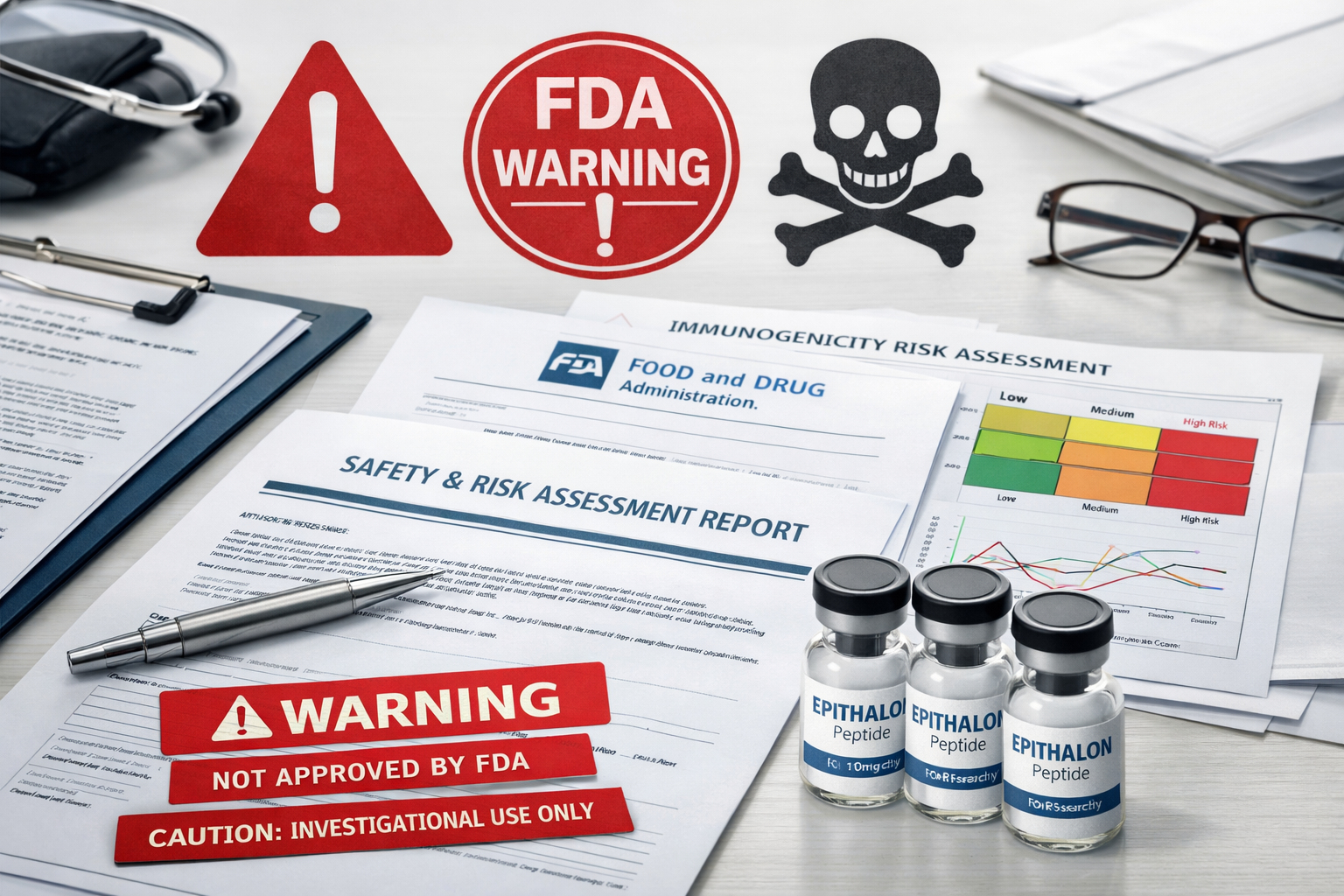
FDA Immunogenicity Warnings
The U.S. Food & Drug Administration has raised significant concerns about epithalon safety. The agency specifically identifies epithalon among peptides that pose a risk of immunogenicity—potentially life-threatening immune responses where the body treats the substance as a foreign threat [1]. This warning represents one of the most serious safety considerations when evaluating whether epithalon peptide is safe for research applications.
Immunogenicity occurs when the immune system mistakenly attacks the peptide, potentially leading to:
- Severe allergic reactions
- Autoimmune responses
- Anaphylactic shock
- Long-term immune system dysfunction
Regulatory Status and Availability
Currently, pharmaceutical-grade epithalon is not available as a prescription medication in the United States [1]. Only research-grade formulations exist, which are explicitly labeled as not suitable for human consumption. This regulatory gap raises important questions about is epithalon peptide safe when obtained through non-pharmaceutical channels.
The lack of FDA approval means that epithalon products available online have not undergone the rigorous safety testing required for human therapeutics. Researchers interested in wholesale peptides must carefully consider these regulatory limitations.
Clinical Evidence: Is Epithalon Peptide Safe Based on Research?
Historical Safety Studies
Despite concerns about epithalon safety, some clinical evidence suggests a relatively favorable safety profile in controlled research settings. The most significant human safety data comes from a 2002 trial involving 162 patients, which found no serious side effects reported in the epithalon group [1].
Additionally, the Cognitive Vitality Report from the Alzheimer's Drug Discovery Foundation (2015) analyzed multi-year treatment trials of epithalamin—the compound from which epithalon is derived—and found no severe adverse events in older adults [1].
Current Safety Data Gaps
However, a 2025 systematic review highlighted critical limitations in our understanding of epithalon safety. The review specifically states that "information regarding critical issues about this peptide's safety is missing" [1]. This represents a significant concern for researchers evaluating whether epithalon peptide is safe for extended research protocols.
Key safety data gaps include:
- Long-term effects beyond initial treatment periods
- Dose-dependent toxicity profiles
- Drug interaction potential
- Reproductive safety data
- Carcinogenicity studies
For context, researchers often compare epithalon safety to other healing peptides that have more established safety profiles.
Research Duration and Sample Sizes
Most epithalon safety research comes from Russian research teams with relatively small sample sizes and limited follow-up periods [3]. Large-scale randomized controlled trials examining human populations remain limited, making it challenging to definitively answer is epithalon peptide safe for broader applications.
The typical research protocols involve:
| Parameter | Standard Protocol |
|---|---|
| Dosage | 5-10 mg subcutaneous |
| Duration | 10-20 days |
| Frequency | Cyclical with months between treatments |
| Follow-up | Limited long-term data |
Reported Side Effects: What Makes Epithalon Peptide Safe or Risky?
Mild to Moderate Side Effects
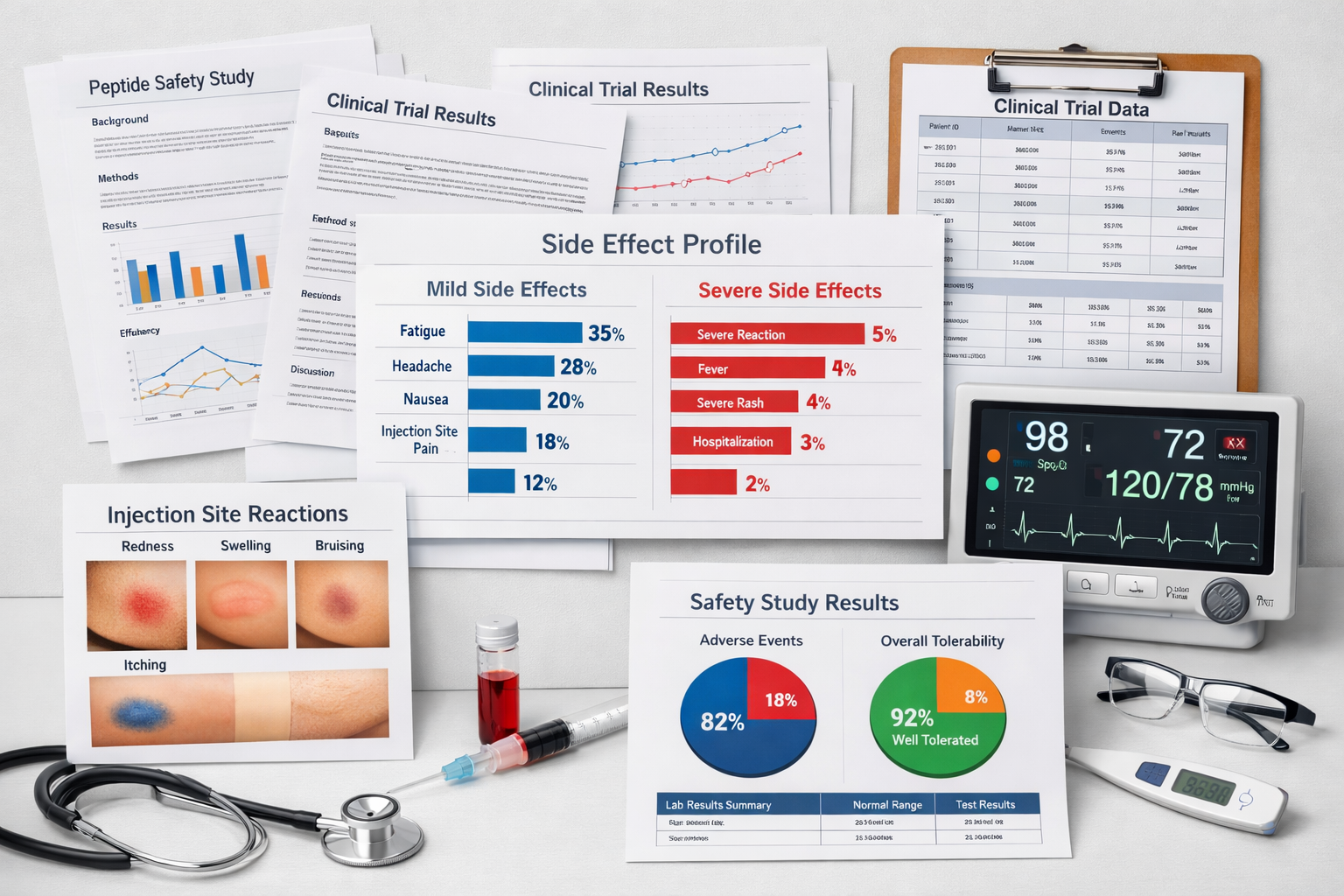
When evaluating is epithalon peptide safe, researchers have documented several mild side effects that appear relatively manageable in controlled settings [3]:
Common Side Effects:
- 🔸 Injection site reactions (redness, swelling, mild pain)
- 🔸 Mild headaches (potentially related to melatonin production changes)
- 🔸 Transient fatigue (linked to effects on brain chemistry)
- 🔸 Sleep pattern changes (due to pineal gland modulation)
These effects are generally temporary and resolve without intervention. However, their occurrence raises questions about individual variability in epithalon safety responses.
Quality Control and Purity Concerns
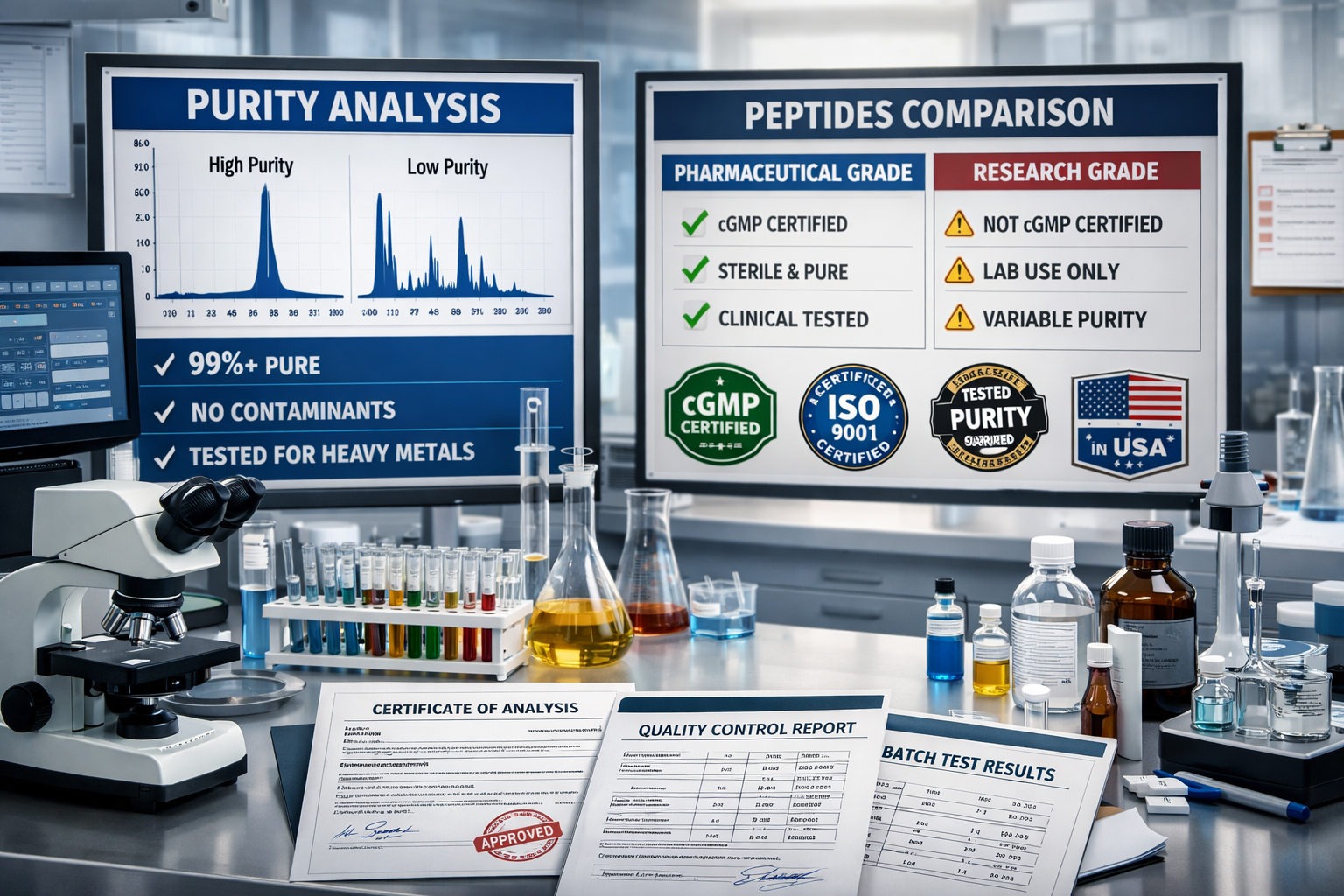
A major factor affecting whether epithalon peptide is safe relates to product quality. Research-grade peptides available online lack pharmaceutical-grade quality controls [1]. This creates several safety risks:
Quality-Related Safety Issues:
- Low purity levels increasing immunogenicity risk
- Contamination with harmful substances
- Inconsistent dosing leading to unpredictable effects
- Degradation products with unknown safety profiles
Researchers emphasizing peptide purity testing can better evaluate safety risks associated with specific epithalon formulations.
Contraindicated Populations
Healthcare providers have identified specific populations where epithalon use is not recommended, regardless of general safety considerations [1]:
- Pregnant women (unknown fetal effects)
- Breastfeeding mothers (potential transfer to infant)
- Active cancer patients (without physician approval)
- Individuals with autoimmune conditions (increased immunogenicity risk)
Long-Term Safety Considerations
Unknown Long-Term Effects
One of the most significant concerns when asking is epithalon peptide safe relates to long-term use. Comprehensive safety data for extended use over months or years is lacking [3]. This leaves potential rare or delayed adverse effects uncharacterized.
Long-term Safety Unknowns:
- Cumulative toxicity from repeated cycles
- Hormonal disruption from chronic pineal gland stimulation
- Immune system sensitization over time
- Cellular adaptation reducing effectiveness or increasing risks
Comparison with Other Longevity Compounds
Researchers often evaluate epithalon safety in comparison to other longevity-focused compounds. For instance, studies comparing epithalon vs NAD provide context for relative safety profiles among anti-aging interventions.
Similarly, examining the safety profiles of related compounds like SS-31 peptide helps researchers understand the broader landscape of peptide safety considerations.
Research Protocol Safety Measures
When conducting epithalon research, implementing proper safety protocols becomes crucial for determining is epithalon peptide safe in specific contexts:
Essential Safety Measures:
- ✅ Pre-screening for contraindications
- ✅ Baseline health assessments
- ✅ Regular monitoring during treatment
- ✅ Adverse event documentation
- ✅ Emergency response protocols
Quality and Sourcing: Impact on Epithalon Safety
Research-Grade vs. Pharmaceutical-Grade
The safety of epithalon peptide heavily depends on the quality of the source material. Since pharmaceutical-grade epithalon is not available for human use, researchers must rely on research-grade formulations that vary significantly in quality and purity.
Key Quality Factors:
- Purity percentage (higher purity generally safer)
- Manufacturing standards (GMP facilities preferred)
- Third-party testing (independent verification)
- Storage conditions (proper handling maintains safety)
- Certificate of analysis (transparency in composition)
Researchers seeking high-quality peptides should prioritize suppliers who provide comprehensive testing documentation and maintain strict quality standards.
Delivery System Safety
The method of epithalon administration also affects safety considerations. Most research protocols use subcutaneous injection, but emerging peptide delivery systems may offer improved safety profiles.
Administration Methods and Safety:
| Method | Safety Considerations | Research Status |
|---|---|---|
| Subcutaneous injection | Injection site reactions, infection risk | Most studied |
| Nasal spray | Mucosal irritation, absorption variability | Limited data |
| Oral formulation | Degradation in GI tract, bioavailability issues | Experimental |
| Topical application | Skin sensitivity, poor penetration | Early research |
Expert Recommendations for Safe Epithalon Research
Medical Supervision Requirements
Given the complexities surrounding is epithalon peptide safe, medical experts strongly recommend professional supervision for any epithalon research involving human subjects. This includes:
- Pre-treatment medical evaluation
- Ongoing health monitoring
- Adverse event management
- Emergency response planning
Risk Mitigation Strategies
Researchers can implement several strategies to minimize safety risks when working with epithalon:
Risk Reduction Approaches:
- Start with minimal effective doses
- Implement gradual dose escalation
- Monitor for early warning signs
- Maintain detailed safety logs
- Establish clear discontinuation criteria
Integration with Other Research Compounds
Many researchers explore epithalon in combination with other compounds. Understanding potential interactions becomes crucial for safety. For example, research on MOTS-C and epithalon combinations requires careful safety evaluation.
Similarly, researchers interested in comprehensive peptide therapy approaches must consider cumulative safety effects when combining multiple compounds.
Future Safety Research Directions
Needed Safety Studies
To definitively answer is epithalon peptide safe, several critical research areas require investigation:
Priority Research Areas:
- Large-scale human trials with extended follow-up
- Dose-response safety studies
- Drug interaction assessments
- Population-specific safety profiles
- Long-term cardiovascular effects
- Reproductive safety evaluation
Regulatory Development
As peptide research advances, regulatory frameworks may evolve to provide clearer guidance on epithalon safety. This could include:
- Standardized testing protocols
- Quality control requirements
- Safety reporting systems
- Professional training standards
Conclusion
The question is epithalon peptide safe cannot be answered with a simple yes or no in 2026. While some research suggests a relatively favorable safety profile for short-term use under controlled conditions, significant safety concerns remain unresolved.
Key Safety Considerations:
- FDA warnings about immunogenicity risks represent serious safety concerns
- Limited long-term safety data leaves critical questions unanswered
- Quality control issues with research-grade products increase safety risks
- Mild side effects are documented but individual responses vary
- Regulatory approval for human use remains absent
Actionable Next Steps:
- Consult medical professionals before considering any epithalon research
- Prioritize high-quality sources with comprehensive testing documentation
- Implement robust safety protocols including monitoring and documentation
- Stay informed about emerging safety research and regulatory developments
- Consider alternative compounds with more established safety profiles
For researchers committed to exploring epithalon, partnering with reputable suppliers who prioritize peptide purity and safety testing represents a crucial first step in responsible research practices.
The future of epithalon safety research depends on continued rigorous investigation, improved quality standards, and transparent reporting of both benefits and risks. Until comprehensive long-term safety data becomes available, extreme caution and professional oversight remain essential for anyone considering epithalon research applications.
References
[1] Epitalon – https://www.innerbody.com/epitalon
[2] Epithalon Safety Guide – https://holisticmedicalwellness.com/peptides/epithalon-safety-guide/
[3] Epithalon The Peptide Linked To Longevity And Cellular Renewal – https://pulseandremedy.com/anti-aging/epithalon-the-peptide-linked-to-longevity-and-cellular-renewal/
[4] Watch – https://www.youtube.com/watch?v=cM9kNK9llfE
[5] Certain Bulk Drug Substances Use Compounding May Present Significant Safety Risks – https://www.fda.gov/drugs/human-drug-compounding/certain-bulk-drug-substances-use-compounding-may-present-significant-safety-risks
SEO Meta Title: Is Epithalon Peptide Safe? 2026 Safety Analysis & FDA Warnings
SEO Meta Description: Comprehensive analysis of epithalon peptide safety in 2026. FDA warnings, clinical evidence, side effects, and expert recommendations for safe research practices.