

The Complete Epithalon Peptide Overview: Research, Mechanisms, and Applications in 2026
Imagine a tiny molecule just four amino acids long that could potentially influence how your cells age at the most fundamental level. This epithalon peptide overview explores one of the most fascinating compounds in longevity research—a synthetic tetrapeptide that has captured the attention of researchers, fitness enthusiasts, and those interested in cellular health optimization.
Epithalon represents a breakthrough in peptide science, derived from natural pineal gland extracts and engineered to target telomerase activity. As we delve into this comprehensive epithalon peptide overview, we'll examine the compelling research behind this remarkable compound and its potential applications in modern science.
Key Takeaways
• Epithalon is a tetrapeptide (AEDG sequence) that demonstrates unique telomerase activation properties in laboratory studies
• Research shows dose-dependent telomere lengthening from 2.4 kb to 4 kb in human cell lines at specific concentrations
• The peptide exhibits differential activity between normal and cancer cells, with increased telomerase activity primarily in healthy cells
• Multiple biological pathways including antioxidant gene expression, neurogenic differentiation, and circadian rhythm support may be influenced
• Current status remains experimental with limited large-scale clinical trials and established safety protocols
Understanding Epithalon: Molecular Structure and Basic Properties
What Makes Epithalon Unique
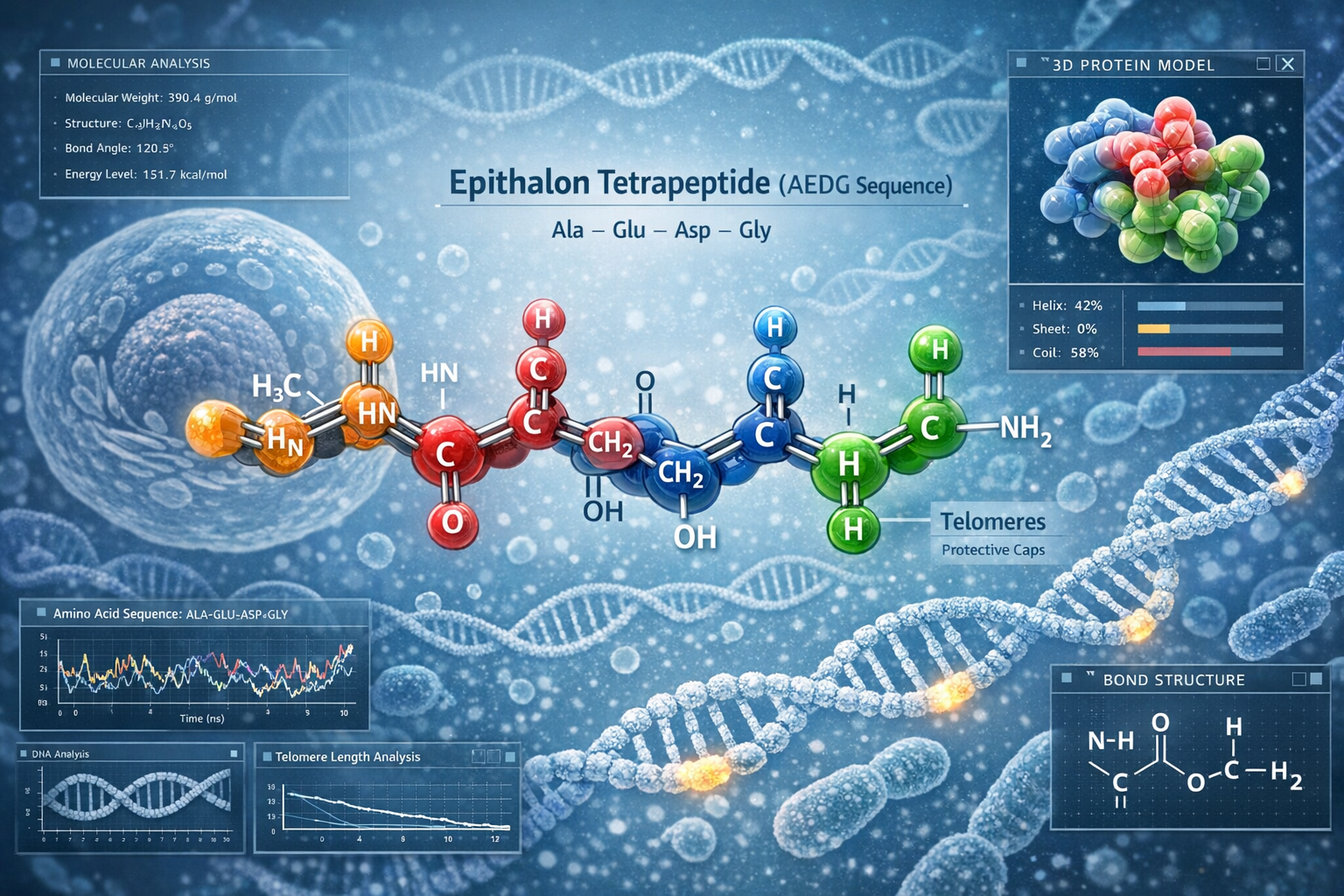
Epithalon stands out in the peptide research landscape due to its remarkably simple yet effective molecular composition. This tetrapeptide consists of just four amino acids arranged in the sequence Alanine-Glutamic acid-Aspartic acid-Glycine (AEDG), making it one of the most compact bioactive molecules under investigation[1].
The synthetic nature of epithalon peptides allows for precise manufacturing and consistent quality control, which is crucial for research applications. Unlike larger, more complex peptides, epithalon's small size contributes to its stability and potential bioavailability characteristics.
Chemical Properties and Stability
The molecular weight of epithalon is approximately 390 daltons, placing it in the category of small bioactive peptides. This compact structure offers several advantages:
- Enhanced stability compared to larger peptide chains
- Improved solubility in various solution preparations
- Reduced immunogenicity risk due to its small size
- Better tissue penetration potential
Research indicates that epithalon's tetrapeptide structure allows it to interact with multiple biological targets while maintaining structural integrity under various conditions[1]. For those interested in exploring other peptide research options, understanding these fundamental properties helps inform research design decisions.
Comprehensive Epithalon Peptide Overview: Mechanisms of Action
Telomerase Activation and DNA Interaction
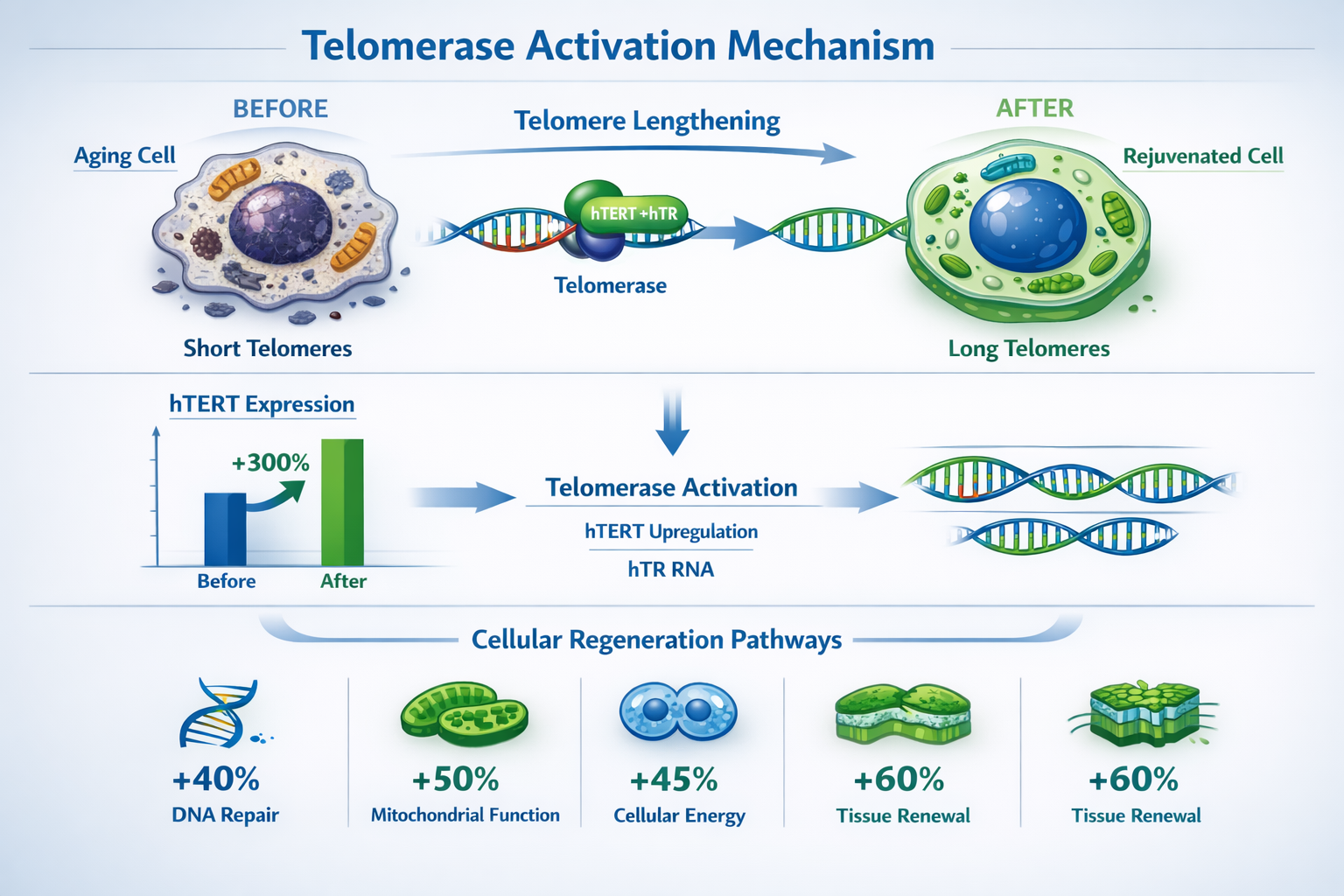
The most extensively studied mechanism of epithalon involves its interaction with telomerase, the enzyme responsible for maintaining telomere length. Research has revealed that epithalon binds selectively to DNA regions rich in ATTTC motifs within telomerase gene promoters, potentially modulating transcriptional activity without directly altering the DNA structure itself[2].
This selective binding mechanism represents a sophisticated approach to cellular intervention. Unlike broad-spectrum compounds that affect multiple pathways indiscriminately, epithalon appears to target specific genetic sequences associated with cellular aging processes.
Telomere Lengthening Research Data
Laboratory studies have provided compelling evidence for epithalon's effects on telomere length. In controlled experiments using human cell lines (21NT cells), treatment with epithalon for four days demonstrated dose-dependent increases in telomere length from 2.4 kb to 4 kb at concentrations of 0.5-1 μg/ml[3].
These findings are particularly significant because:
- The effect was dose-dependent, indicating a direct relationship between epithalon concentration and biological response
- Telomere lengthening occurred within days, suggesting rapid cellular response mechanisms
- The magnitude of change was substantial, representing nearly a doubling of telomere length in optimal conditions
For researchers interested in longevity peptide research, these data points provide a foundation for understanding epithalon's potential cellular effects.
hTERT Expression and Cellular Selectivity
One of the most intriguing aspects of this epithalon peptide overview involves the compound's differential effects on various cell types. Research has shown that epithalon increased expression of hTERT (the catalytic subunit of telomerase) across multiple tested cell types, but the functional outcomes varied significantly[3].
Normal Cells vs. Cancer Cells:
- Normal cells (IBR3, HMEC): Significant increases in telomerase activity
- Cancer cells (BT474, 21NT): No increase in telomerase activity despite elevated hTERT expression
This selectivity suggests that epithalon may possess built-in safety mechanisms that limit its effects on potentially harmful cell populations while supporting healthy cellular function.
Neurogenic and Neuroprotective Effects
Beyond telomerase activation, epithalon demonstrates interesting effects on neuronal development and protection. In gingival mesenchymal stem cell cultures, the peptide increased neurogenic markers including Nestin, GAP43, and β-Tubulin III by approximately 1.6- to 1.8-fold[1].
Additionally, studies using neuroblastoma cells showed that epithalon increased soluble amyloid precursor protein (sAPP) secretion by approximately 20% and elevated acetylcholinesterase and butyrylcholinesterase activity[2]. These findings suggest potential applications in neurological research contexts.
For those exploring healing peptides, epithalon's neurogenic properties add another dimension to its research potential.
Research Applications and Current Scientific Understanding
Histone Binding and Chromatin Modification
Advanced molecular modeling studies have revealed that epithalon preferentially binds to specific histone proteins, particularly linker histones H1/6 and H1/3[1]. This interaction may contribute to chromatin decondensation near centromeres in aged cells, potentially improving cellular function and gene expression patterns.
The implications of this mechanism are significant:
- Chromatin accessibility may be enhanced, allowing better gene expression
- Age-related chromatin condensation could be partially reversed
- Cellular repair mechanisms might be reactivated through improved DNA accessibility
Antioxidant Pathway Activation
Research indicates that epithalon may influence cellular antioxidant systems by restoring the expression of key antioxidant genes including SOD2, CAT, and HMOX1[1]. This antioxidant pathway activation could contribute to:
- Reduced oxidative stress at the cellular level
- Enhanced cellular repair capacity
- Improved mitochondrial function
- Better overall cellular health maintenance
These antioxidant effects complement other mitochondrial peptides in research applications focused on cellular energy and longevity.
Circadian Rhythm and Melatonin Support
Some research suggests that epithalon may stimulate melatonin synthesis and help restore circadian rhythms in aging models, though the data remain inconsistent across studies[1][2]. This potential mechanism could involve:
- Pineal gland function enhancement
- Natural melatonin production support
- Sleep-wake cycle optimization
- Hormonal balance maintenance
Historical Clinical Observations
While large-scale clinical trials remain limited, historical data from Russian research provides some insights into long-term human exposure. One study administered epithalon and thymulin to 266 elderly individuals over 6-8 years with annual 10-day treatments[5]. While this data provides valuable observational information, it's important to note that modern clinical trial standards were not applied to these early studies.
For researchers considering peptide research applications, understanding both the potential and limitations of available human data is crucial for informed decision-making.
Quality Considerations and Research Standards in 2026
Purity and Testing Requirements
When conducting research with epithalon, maintaining high purity standards is essential for reproducible results. Modern peptide synthesis allows for purity levels exceeding 98%, but verification through multiple analytical methods remains crucial[4].
Key quality parameters include:
- HPLC purity analysis to confirm peptide identity
- Mass spectrometry verification of molecular weight
- Amino acid composition analysis to ensure sequence accuracy
- Endotoxin testing for cell culture applications
- Sterility verification for research protocols
Understanding peptide purity testing helps researchers make informed decisions about research materials and experimental design.
Storage and Handling Protocols
Proper storage and handling of epithalon peptides directly impacts research outcomes. Recommended protocols include:
Storage Conditions:
- Lyophilized powder: -20°C or below in sealed containers
- Reconstituted solutions: 2-8°C for short-term use
- Long-term storage: -80°C for extended periods
- Avoid freeze-thaw cycles to maintain peptide integrity
Handling Guidelines:
- Use sterile techniques for all preparations
- Employ appropriate solvents for reconstitution
- Document storage conditions and preparation dates
- Monitor solution clarity and pH when applicable
Research Design Considerations
Effective epithalon research requires careful attention to experimental design parameters. Key considerations include:
Dosing Protocols:
- Concentration ranges: 0.1-10 μg/ml based on published research
- Treatment duration: 2-7 days for initial screening studies
- Control groups: Vehicle controls and positive controls when appropriate
Cell Culture Applications:
- Cell line selection: Normal vs. transformed cells show different responses
- Culture conditions: Maintain consistent environmental parameters
- Endpoint measurements: Telomere length, gene expression, cellular viability
For those exploring innovative peptide delivery systems, understanding these fundamental research principles provides a foundation for advanced applications.
Safety Profile and Current Limitations
Experimental Status and Regulatory Considerations
Despite compelling preclinical data, epithalon remains classified as experimental, lacking large-scale clinical trials, validated delivery methods, and comprehensive long-term safety data[2]. This status requires careful consideration for research applications:
Current Limitations:
- Limited human clinical data from controlled trials
- Unknown long-term effects in various populations
- Optimal dosing protocols not fully established
- Drug interactions not comprehensively studied
Research Guidelines:
- Follow institutional review board protocols
- Maintain detailed documentation of all procedures
- Monitor for unexpected effects or responses
- Collaborate with experienced researchers when possible
Preclinical Safety Observations
Available preclinical research suggests that epithalon demonstrates a favorable safety profile in laboratory settings. Key observations include:
- Low toxicity in cell culture applications at research concentrations
- Minimal adverse effects in animal model studies
- No significant immunogenic responses reported in published research
- Selective cellular effects that may limit off-target impacts
However, these observations come with important caveats about the need for continued research and careful monitoring in all applications.
Future Directions and Research Opportunities

Emerging Research Areas
The field of epithalon research continues to evolve, with several promising directions for future investigation:
Combination Therapies:
Research into epithalon combinations with other longevity peptides may reveal synergistic effects and enhanced outcomes.
Delivery System Optimization:
Development of improved delivery methods could enhance bioavailability and targeted tissue distribution.
Biomarker Development:
Identification of specific biomarkers for epithalon effects could improve research monitoring and outcome measurement.
Population-Specific Studies:
Research in different age groups and health conditions may reveal optimal application contexts.
Integration with Modern Research Approaches
Contemporary research methodologies offer new opportunities to understand epithalon's mechanisms more completely:
- Single-cell analysis techniques for detailed cellular response profiling
- Proteomics and metabolomics for comprehensive pathway mapping
- Advanced imaging for real-time cellular monitoring
- Computational modeling for mechanism prediction and optimization
These approaches, combined with traditional research methods, may unlock new insights into epithalon's potential applications and optimal use protocols.
Conclusion
This comprehensive epithalon peptide overview reveals a fascinating compound with unique properties and significant research potential. From its simple four-amino-acid structure to its complex interactions with cellular aging mechanisms, epithalon represents an important tool in modern peptide research.
The evidence for epithalon's effects on telomerase activation, telomere lengthening, and cellular health markers provides a strong foundation for continued investigation. However, the experimental nature of this compound requires careful attention to research protocols, quality standards, and safety considerations.
Key Action Steps for Researchers:
- Establish clear research objectives aligned with epithalon's demonstrated mechanisms
- Implement rigorous quality control measures for all research materials
- Design appropriate experimental protocols based on published research parameters
- Maintain detailed documentation of all procedures and observations
- Stay current with emerging research and regulatory developments
For those interested in exploring epithalon research opportunities, working with reputable suppliers who maintain high purity standards and provide comprehensive documentation is essential. The future of epithalon research holds significant promise, but success depends on maintaining the highest standards of scientific rigor and safety.
As we advance into 2026, epithalon continues to represent one of the most intriguing compounds in longevity and cellular health research, offering researchers a unique tool for investigating fundamental aging processes and potential interventions.
References
[1] Epithalons Intriguing Potential A Tetrapeptide Poised To Shape Research Frontiers – https://caribbeannewsglobal.com/epithalons-intriguing-potential-a-tetrapeptide-poised-to-shape-research-frontiers/
[2] Epitalon – https://www.gethealthspan.com/research/article/epitalon
[3] Pmc12411320 – https://pmc.ncbi.nlm.nih.gov/articles/PMC12411320/
[4] Epitalon – https://www.innerbody.com/epitalon
[5] Unlocking The Power Of Peptides – https://www.drcassileth.com/unlocking-the-power-of-peptides/
[6] Epithalon And Aging – https://www.peptidesciences.com/peptide-research/epithalon-and-aging
SEO Meta Title: Epithalon Peptide Overview: Complete Research Guide 2026
Meta Description: Comprehensive epithalon peptide overview covering mechanisms, telomerase activation, research applications, and quality considerations for researchers and fitness enthusiasts.
{“@context”:”https://schema.org”,”@type”:”Article”,”headline”:”epithalon peptide overview”,”description”:”Comprehensive epithalon peptide overview covering mechanisms, telomerase activation, research applications, and quality considerations for researchers and fitne”,”image”:”https://zsxkvszxbhpwnvzxdydv.supabase.co/storage/v1/object/public/generated-images/kie/d2fde14f-5b3e-4afa-9d5f-fc6c50478be5/slot-0-1770077485435.png”,”datePublished”:”2026-02-03T00:08:37.078551+00:00″,”dateModified”:”2026-02-03T00:13:11.402Z”,”author”:{“@type”:”Organization”,”name”:”PTP UPDATED 2.1.26″},”publisher”:{“@type”:”Organization”,”name”:”PTP UPDATED 2.1.26″}}