Finding a Reliable 99% Pure Epithalon Source: A Complete Research Guide 🧬

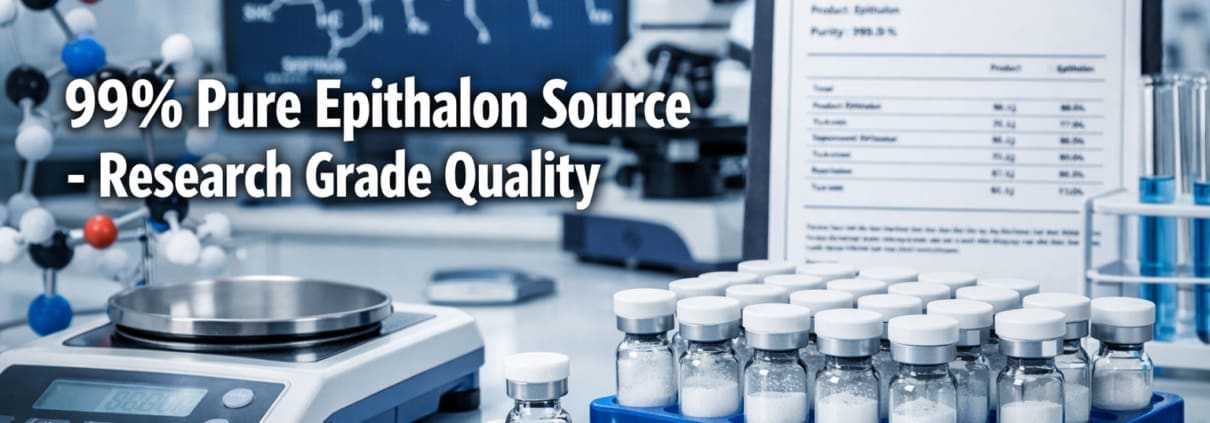
When researchers and biohackers seek the highest quality peptides for their studies, finding a 99% pure epithalon source becomes a critical priority. The tetrapeptide epithalon (Ala-Glu-Asp-Gly) has captured significant attention in longevity research, making purity standards absolutely essential for meaningful scientific investigation.
Key Takeaways
• Purity matters significantly – 99% pure epithalon ensures reliable research results and eliminates contamination variables
• Third-party testing verification is essential when evaluating any epithalon source for research purposes
• Proper storage and handling protocols maintain peptide integrity from manufacturer to laboratory
• Regulatory compliance varies by region, requiring careful attention to legal research frameworks
• Quality documentation including certificates of analysis should accompany all research-grade epithalon purchases
Understanding Epithalon Purity Standards and Research Applications
What Makes a 99% Pure Epithalon Source Essential
Epithalon purity levels directly impact research outcomes and experimental validity. When working with this tetrapeptide, researchers need consistent, high-quality material to ensure reproducible results. A 99% pure epithalon source eliminates variables that could compromise study integrity.
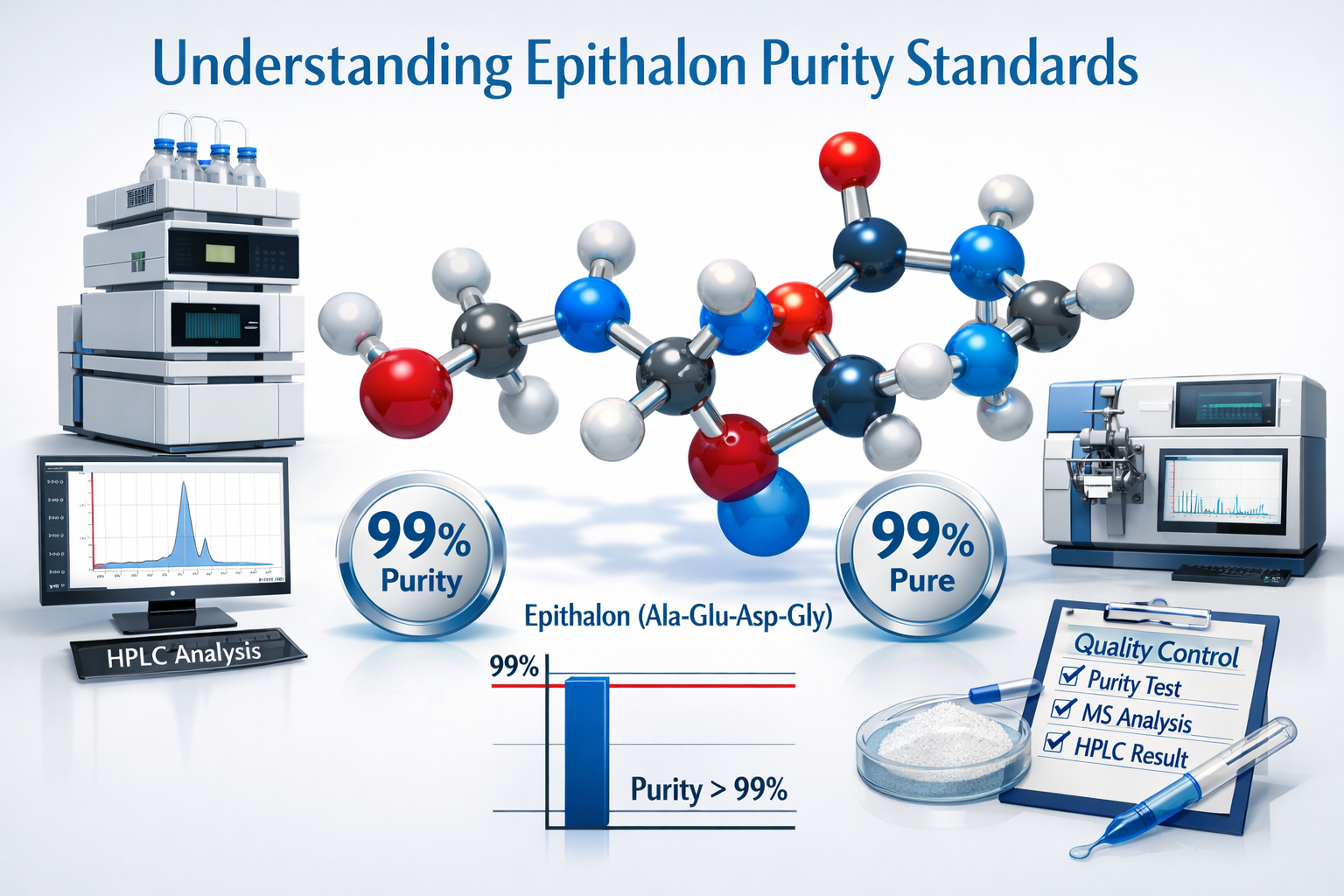
The molecular structure of epithalon consists of four amino acids: alanine, glutamic acid, aspartic acid, and glycine. Any impurities or degradation products can interfere with the peptide’s biological activity and research applications. High-purity epithalon maintains its structural integrity and bioactive properties, making it suitable for serious scientific investigation [1].
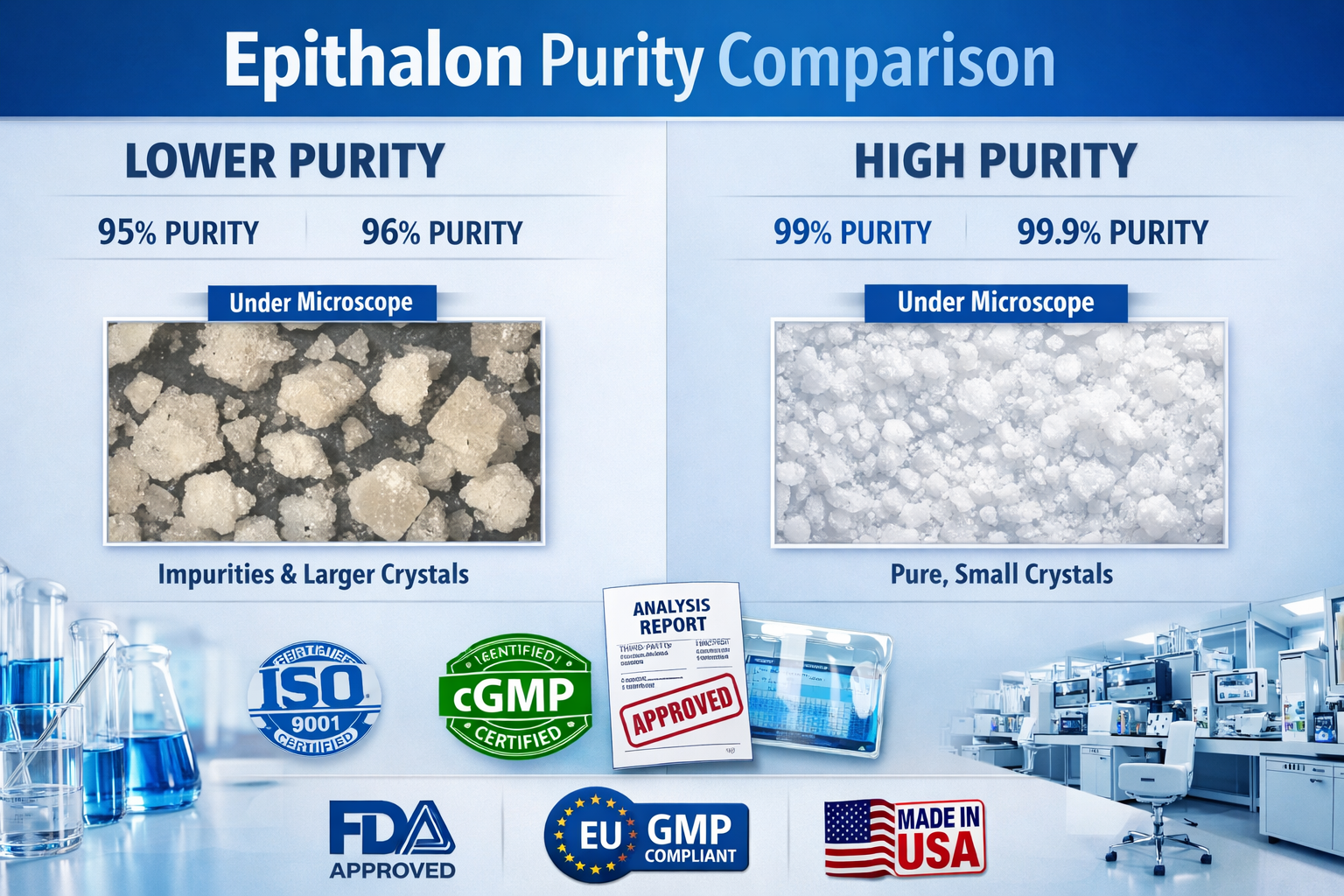
Research institutions and independent laboratories require epithalon sources that meet stringent quality standards. The difference between 95% and 99% purity might seem small, but in peptide research, this 4% variance can significantly impact experimental outcomes and data interpretation.
Quality Control Measures for Research-Grade Peptides
Reputable suppliers implement comprehensive quality control protocols to ensure their 99% pure epithalon source meets research standards. These measures typically include:
High-Performance Liquid Chromatography (HPLC) analysis provides detailed purity profiles and identifies any contaminating substances. Mass spectrometry confirms molecular weight and structural integrity. Amino acid analysis verifies the correct sequence and composition of the epithalon tetrapeptide.
Third-party testing laboratories offer independent verification of purity claims. When evaluating an epithalon source for research, look for certificates of analysis (COA) that document these testing procedures and results.
Storage conditions also affect peptide quality over time. Research-grade epithalon requires proper temperature control, moisture protection, and light shielding to maintain its 99% purity throughout its shelf life.
Evaluating Suppliers: Finding Your Ideal 99% Pure Epithalon Source
Supplier Verification and Documentation Standards
When searching for a reliable 99% pure epithalon source, documentation becomes your primary tool for verification. Legitimate suppliers provide comprehensive certificates of analysis with each batch, including detailed purity percentages, contamination testing results, and stability data.
Regulatory compliance varies significantly across different regions and research applications. Some suppliers focus exclusively on research markets, while others may serve different sectors entirely. Understanding these distinctions helps researchers identify appropriate epithalon sources for their specific needs.
Look for suppliers who maintain detailed batch records and provide traceability documentation. This information becomes crucial when documenting research methodologies and ensuring experimental reproducibility. Quality epithalon sources typically offer lot-specific information and maintain consistent manufacturing standards across multiple batches.
The peptide industry includes various supplier categories, from large pharmaceutical manufacturers to specialized research chemical companies. Each category serves different market segments and maintains different quality standards for their epithalon products.
Manufacturing and Testing Protocols
Peptide synthesis methods significantly impact final product purity and quality. Solid-phase peptide synthesis (SPPS) represents the standard approach for producing research-grade epithalon, allowing precise control over amino acid sequence and purity levels.
Quality manufacturers implement multiple purification steps to achieve 99% pure epithalon specifications. These processes typically include reverse-phase chromatography, ion exchange purification, and final polishing steps to remove synthesis byproducts and impurities [2].
Testing protocols should encompass multiple analytical methods to verify purity claims. HPLC analysis provides quantitative purity measurements, while mass spectrometry confirms molecular identity. Additional tests may include endotoxin screening, heavy metal analysis, and microbiological testing to ensure research safety.
When evaluating peptide suppliers, consider their testing frequency and documentation practices. Reputable sources test every batch and provide detailed analytical reports with their 99% pure epithalon products.
Storage and Handling Considerations
Proper storage protocols maintain epithalon purity from manufacturing through research application. The tetrapeptide structure can degrade under inappropriate conditions, reducing effective purity below stated specifications.
Temperature control represents the most critical storage factor for maintaining 99% pure epithalon quality. Most suppliers recommend storage at -20°C or lower for long-term stability. Some formulations may require ultra-low temperature storage to prevent degradation over extended periods.
Moisture protection prevents hydrolysis and other degradation reactions that can compromise peptide integrity. Quality suppliers package epithalon in moisture-resistant containers with appropriate desiccants or inert atmosphere protection.
Light exposure can also affect peptide stability, particularly for sensitive amino acid residues. Research-grade epithalon sources typically use amber vials or opaque packaging to minimize photodegradation risks.
Research Applications and Quality Requirements for High-Purity Epithalon
Scientific Research Context and Applications
Epithalon research encompasses multiple scientific disciplines, from cellular aging studies to endocrine system investigations. Each research application may require specific purity standards and quality specifications for meaningful results [3].
Cellular studies examining epithalon’s effects on telomerase activity require extremely pure peptide samples to avoid confounding variables. Even minor impurities could interfere with enzyme activity measurements or cellular response assessments. 99% pure epithalon sources provide the consistency needed for these sensitive applications.
Longevity research applications often involve long-term studies where peptide stability becomes crucial. Researchers need epithalon sources that maintain their purity specifications throughout extended experimental periods.
Comparative studies examining epithalon alongside other peptides require consistent quality standards across all test materials. Using a 99% pure epithalon source ensures that experimental differences reflect actual biological effects rather than quality variations between peptide samples.
Analytical Methods for Purity Verification
Independent testing provides researchers with confidence in their epithalon source quality. Many research institutions maintain analytical capabilities for incoming peptide verification, using techniques similar to those employed by manufacturers.
HPLC analysis remains the gold standard for peptide purity assessment. This technique separates epithalon from potential impurities based on molecular properties, providing quantitative measurements of actual purity levels. 99% pure epithalon should show a single major peak representing at least 99% of the total sample.
Mass spectrometry confirms molecular identity and detects structural modifications or degradation products. This analysis ensures that the peptide maintains its intended four-amino-acid sequence without unwanted modifications or truncations [4].
Amino acid analysis provides additional verification by quantifying individual amino acid components. For epithalon, this analysis should confirm the presence of alanine, glutamic acid, aspartic acid, and glycine in the correct stoichiometric ratios.
Research laboratories can also perform stability testing to verify that their epithalon source maintains purity under their specific storage and handling conditions.
Documentation and Traceability Requirements
Research documentation standards often require detailed information about peptide sources, including supplier identification, batch numbers, and quality certificates. This documentation becomes essential for publication and regulatory compliance purposes.
Quality suppliers provide comprehensive documentation packages with their 99% pure epithalon products. These packages typically include certificates of analysis, manufacturing records, stability data, and storage recommendations.
Batch traceability allows researchers to track their epithalon samples back to specific manufacturing runs. This capability becomes important when investigating unexpected results or when regulatory agencies request source documentation.
Some research applications require additional documentation, such as Good Manufacturing Practice (GMP) compliance certificates or specific regulatory approvals. Understanding these requirements helps researchers identify appropriate epithalon sources for their specific applications.
Chain of custody documentation tracks peptide handling from manufacturer to end user. This documentation helps maintain quality assurance and provides accountability throughout the supply chain for research-grade epithalon products.
Regulatory Considerations and Compliance
Regulatory frameworks governing peptide research vary significantly across different jurisdictions and research applications. Researchers must understand these requirements when selecting their 99% pure epithalon source and planning their studies.
Some regions classify epithalon as a research chemical, limiting its use to approved scientific investigations. Other jurisdictions may have different regulatory classifications that affect sourcing, handling, and documentation requirements [5].
Import and export regulations can impact international peptide sourcing. Researchers working across borders need to verify that their chosen epithalon source complies with relevant customs and regulatory requirements.
Institutional review boards and ethics committees may require specific documentation about peptide sources and quality standards. Having a well-documented 99% pure epithalon source simplifies these approval processes and demonstrates research quality.
Quality assurance programs often specify minimum purity standards and supplier qualification requirements. Researchers should verify that their chosen epithalon source meets these institutional standards before beginning their studies.
Conclusion
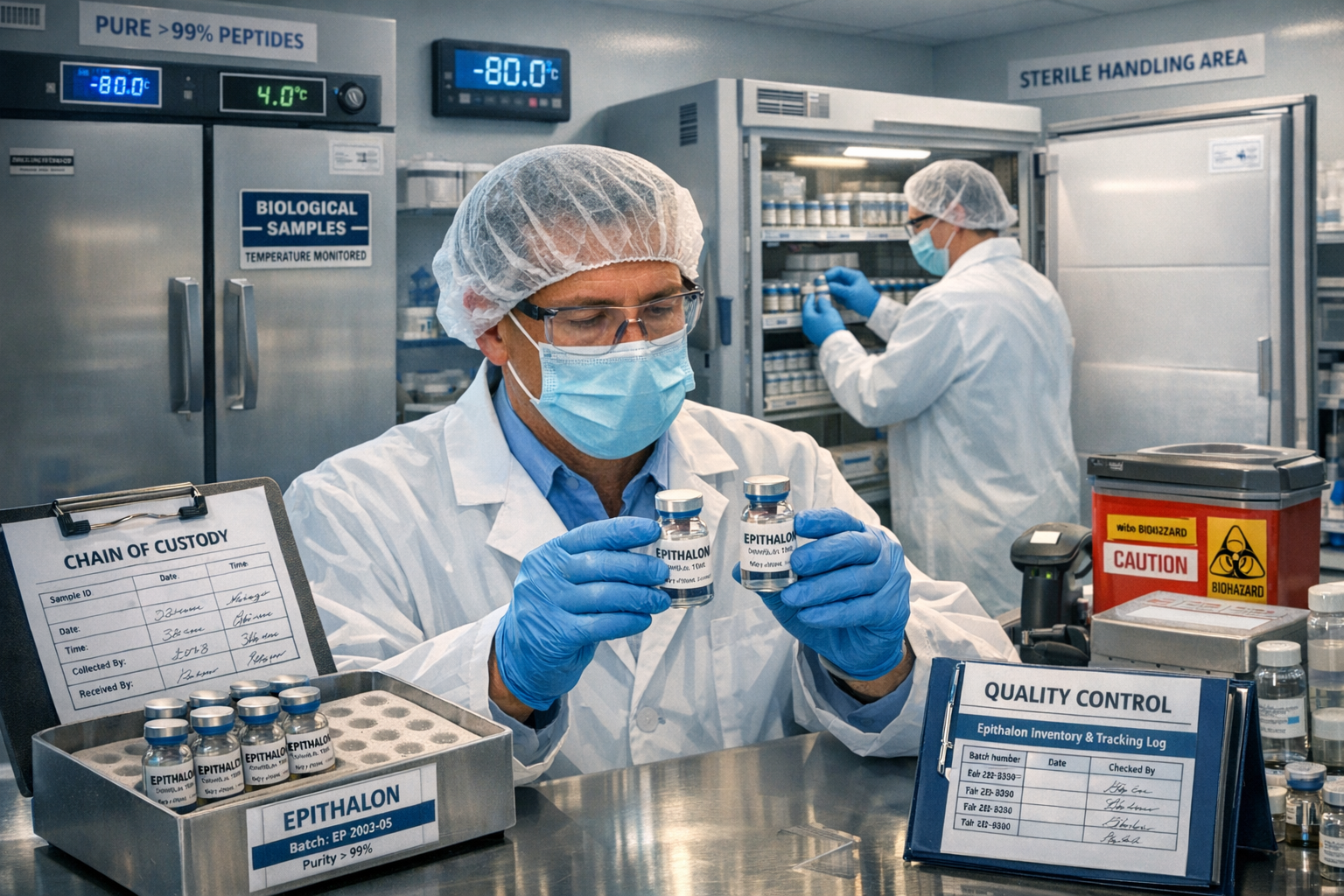
Finding a reliable 99% pure epithalon source requires careful evaluation of supplier credentials, quality documentation, and regulatory compliance factors. The investment in high-purity peptides pays dividends through improved research reproducibility and meaningful scientific outcomes.
Quality assurance begins with supplier selection and continues through proper storage and handling protocols. Researchers who prioritize purity standards and documentation requirements position themselves for successful experimental outcomes and publication opportunities.
The epithalon research landscape continues evolving, with new applications and methodologies emerging regularly. Maintaining access to consistently high-quality 99% pure epithalon sources enables researchers to contribute meaningfully to this expanding field of scientific investigation.
Next Steps for Researchers
- Evaluate current suppliers against the quality standards outlined in this guide
- Request certificates of analysis and verify third-party testing documentation
- Implement proper storage protocols to maintain peptide purity throughout your research timeline
- Establish relationships with reputable suppliers who prioritize research quality and regulatory compliance
- Document your sourcing decisions thoroughly to support future research publications and regulatory submissions
References
[1] Epithalons Intriguing Potential A Tetrapeptide Poised To Shape Research Frontiers – https://caribbeannewsglobal.com/epithalons-intriguing-potential-a-tetrapeptide-poised-to-shape-research-frontiers/
[2] Epithalon Peptide Mechanism Benefits Research – https://polarispeptides.com/epithalon-peptide-mechanism-benefits-research/
[3] Epithalon Peptide Cellular Longevity And Dermatological Research – https://serbiantimes.info/en/epithalon-peptide-cellular-longevity-and-dermatological-research/
[4] Epithalon And Aging – https://www.peptidesciences.com/peptide-research/epithalon-and-aging
[5] Epithalon Peptide Research Mechanisms – https://open.substack.com/pub/edparker92/p/epithalon-peptide-research-mechanisms?r=6xjs6j&showWelcomeOnShare=true