
Adipotide Clinical Trials: Comprehensive Research Insights for 2025

The peptide research landscape has witnessed remarkable developments in recent years, with adipotide emerging as one of the most intriguing compounds under scientific investigation. Adipotide clinical trials have captured the attention of researchers worldwide due to this peptide's unique mechanism of action and potential applications in metabolic research. As scientists continue to explore the boundaries of peptide therapy, adipotide represents a fascinating case study in targeted cellular research.
Key Takeaways
• Adipotide clinical trials have progressed through preclinical and early-phase human studies, providing valuable data on safety and efficacy profiles
• The peptide demonstrates a unique mechanism targeting specific cellular pathways, distinguishing it from other metabolic research compounds
• Dosing protocols in clinical studies have ranged from conservative starting doses to higher therapeutic ranges, with careful monitoring of participant responses
• Safety profiles from trials indicate specific considerations that researchers must account for when designing protocols
• Current research suggests potential synergies with other peptides, opening avenues for combination therapy investigations
Understanding Adipotide: The Science Behind the Peptide
Adipotide, also known as FTPP (prohibitin-targeting peptide), represents a synthetic peptide designed to interact with specific cellular targets. This compound has gained significant attention in research circles due to its novel approach to cellular signaling and metabolic pathway modulation.
The peptide consists of a carefully engineered sequence that allows it to bind to prohibitin, a protein found on the surface of certain cells. This binding mechanism creates a targeted approach that differs significantly from traditional metabolic interventions. Researchers have been particularly interested in how this specificity might translate to more precise therapeutic applications.
Chemical Structure and Properties
Adipotide's molecular composition includes specific amino acid sequences that confer its targeting properties. The peptide's stability and bioavailability have been subjects of extensive study, with researchers working to optimize formulations for various research applications. Understanding these properties is crucial for developing effective research protocols.
The compound's half-life and distribution patterns have been characterized through pharmacokinetic studies, providing researchers with essential data for protocol design. These characteristics influence dosing schedules and monitoring requirements in clinical settings.
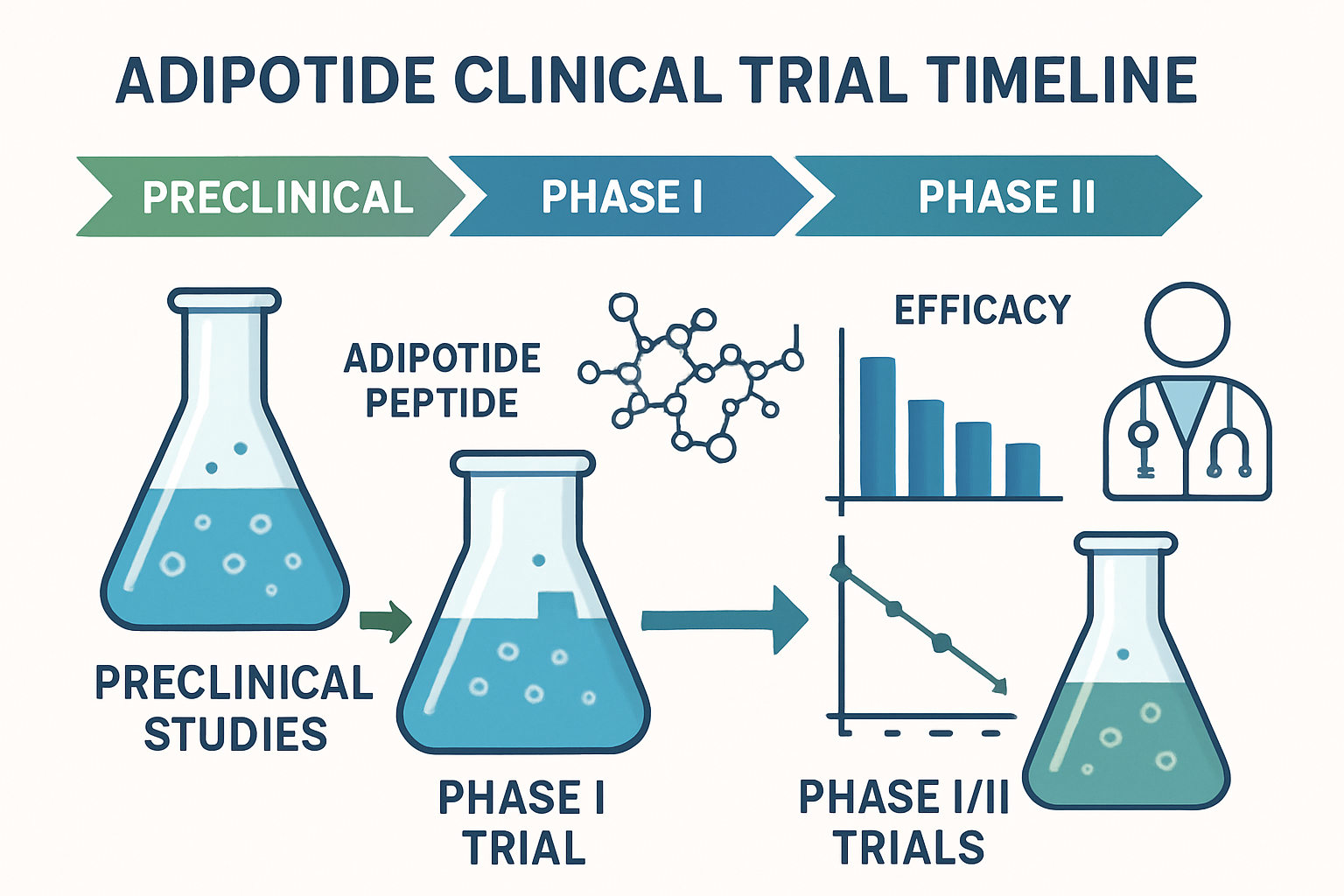
Adipotide Clinical Trials: Historical Overview and Development
The journey of adipotide clinical trials began with extensive preclinical research that laid the foundation for human studies. Early animal models provided crucial safety and efficacy data that informed the transition to human trials.
Phase I Clinical Studies
The initial human trials focused primarily on safety assessment and dose escalation. Researchers carefully monitored participants for adverse events while gradually increasing doses to establish maximum tolerated levels. These studies typically involved small cohorts of healthy volunteers or specific patient populations.
Key findings from Phase I trials included:
- Safety Profile: Establishment of dose-limiting toxicities and common side effects
- Pharmacokinetics: Understanding of absorption, distribution, and elimination patterns
- Biomarkers: Identification of measurable indicators of biological activity
- Optimal Dosing: Preliminary data on effective dose ranges
Phase II Efficacy Studies
Following successful Phase I completion, adipotide clinical trials progressed to efficacy-focused Phase II studies. These trials expanded participant numbers and focused on specific outcome measures related to the peptide's intended research applications.
Phase II studies incorporated more sophisticated monitoring protocols, including:
- Advanced imaging techniques to assess tissue-level changes
- Comprehensive metabolic panels to track physiological responses
- Quality of life assessments to understand broader impacts
- Long-term follow-up to evaluate sustained effects
For researchers interested in high-quality peptides for research, understanding these clinical trial outcomes provides valuable context for experimental design.
Current Research Findings and Data Analysis
Recent publications from adipotide clinical trials have provided the research community with substantial data on the peptide's behavior in human subjects. These findings offer insights that extend beyond the immediate study objectives, contributing to broader understanding of peptide therapeutics.
Efficacy Measurements
Clinical trials have employed various endpoints to assess adipotide's effects:
| Measurement Type | Assessment Method | Typical Timeline |
|---|---|---|
| Body Composition | DEXA scanning | Baseline, 4, 8, 12 weeks |
| Metabolic Markers | Blood chemistry panels | Weekly during treatment |
| Cardiovascular Health | ECG, blood pressure | Continuous monitoring |
| Quality of Life | Standardized questionnaires | Bi-weekly assessments |
Safety and Tolerability Data
The safety profile emerging from clinical studies shows specific patterns that researchers must consider. Common observations include temporary injection site reactions and mild systemic responses that typically resolve within hours of administration.
More significant considerations have included:
- Cardiovascular monitoring: Some participants experienced changes in heart rate or blood pressure
- Hydration status: Careful attention to fluid balance proved essential
- Electrolyte management: Regular monitoring of key electrolytes showed importance
- Individual variability: Response patterns varied significantly between participants
These findings emphasize the importance of proper research protocols and safety measures when working with adipotide.
Dosing Protocols and Administration Guidelines
Adipotide clinical trials have explored various dosing strategies to optimize efficacy while maintaining safety. The evolution of these protocols reflects growing understanding of the peptide's pharmacological properties.
Standard Dosing Approaches
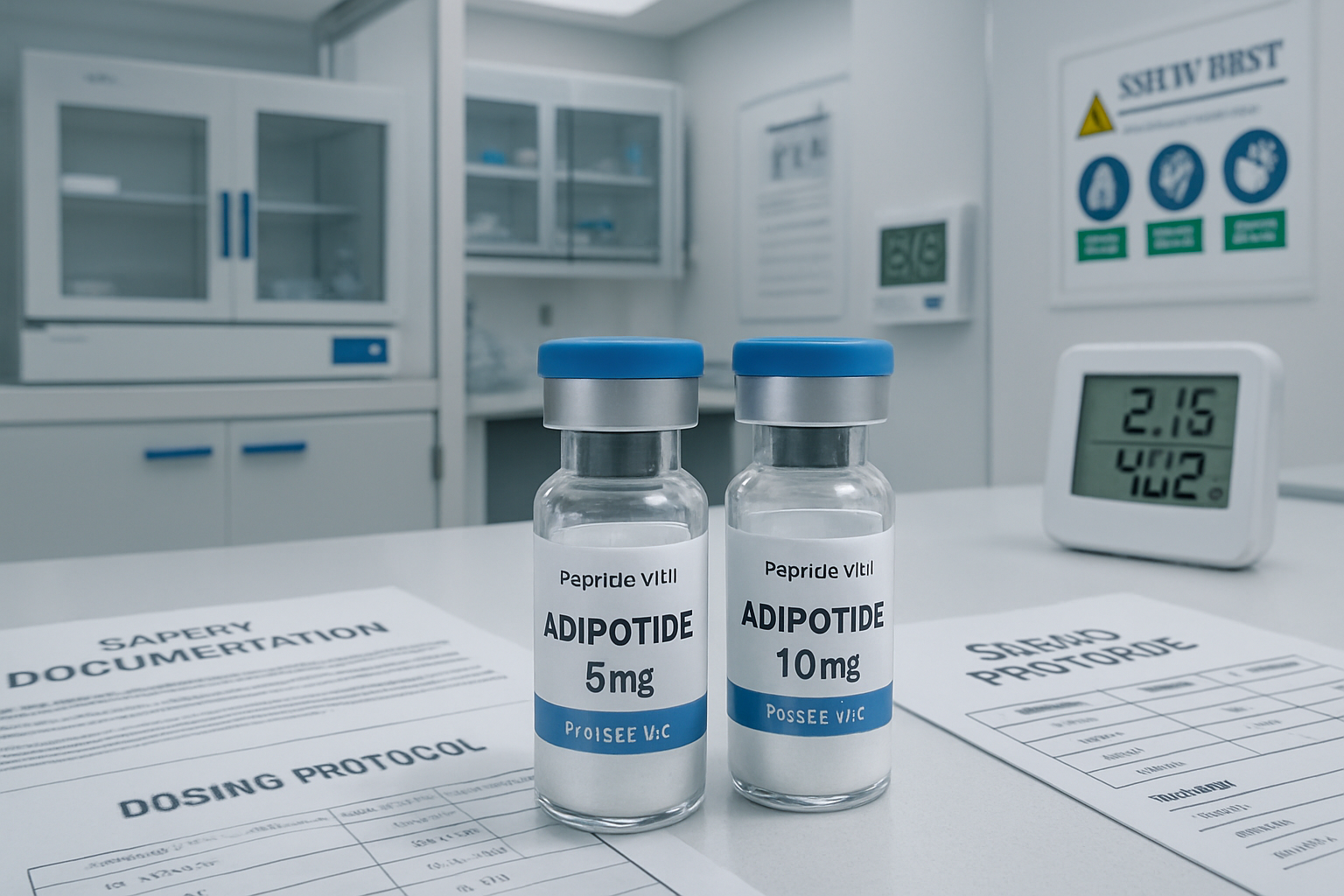
Most clinical studies have employed escalating dose designs, starting with conservative amounts and gradually increasing based on participant tolerance. Typical starting doses range from 0.5mg to 1.0mg, with some studies exploring higher ranges up to 5mg or more.
Injection Protocols
- Frequency: Most studies use daily administration during active treatment periods
- Route: Subcutaneous injection remains the standard approach
- Timing: Morning administration appears to optimize bioavailability
- Rotation: Injection site rotation prevents local irritation
Individual Dosing Considerations
Clinical experience has highlighted the importance of personalized dosing approaches. Factors influencing optimal doses include:
- Body weight and composition: Larger individuals may require proportionally higher doses
- Metabolic status: Baseline metabolic health affects response patterns
- Previous peptide experience: Prior exposure to similar compounds may influence sensitivity
- Concurrent medications: Drug interactions require careful consideration
Researchers working with adipotide for research purposes should carefully review these clinical dosing experiences when designing their own protocols.
Safety Considerations and Monitoring Requirements
The comprehensive safety data from adipotide clinical trials provides essential guidance for researchers planning studies with this peptide. Understanding these considerations helps ensure participant safety and study success.
Cardiovascular Monitoring
Clinical trials have consistently emphasized cardiovascular surveillance due to observed effects on heart rate and blood pressure. Standard monitoring protocols include:
Pre-treatment Assessment
- Complete cardiovascular history and physical examination
- Baseline ECG and blood pressure measurements
- Assessment of cardiovascular risk factors
- Review of concurrent medications affecting cardiovascular function
During Treatment Monitoring
- Regular blood pressure checks (typically daily during initial dosing)
- Periodic ECG monitoring, especially during dose escalations
- Heart rate monitoring during and after injections
- Assessment of symptoms like chest pain, palpitations, or shortness of breath
Laboratory Monitoring
Routine laboratory surveillance has proven essential in clinical studies. Key parameters include:
- Complete blood count: Monitoring for hematological changes
- Comprehensive metabolic panel: Tracking electrolyte balance and organ function
- Liver function tests: Assessing hepatic safety
- Kidney function markers: Monitoring renal health
- Lipid profiles: Tracking metabolic changes
Contraindications and Precautions
Clinical trial experience has identified specific situations where adipotide use requires special consideration or should be avoided:
Absolute Contraindications
- Severe cardiovascular disease
- Uncontrolled hypertension
- Recent cardiovascular events
- Pregnancy or nursing
Relative Contraindications
- Mild cardiovascular disease requiring careful monitoring
- Concurrent use of cardiovascular medications
- History of eating disorders
- Significant psychiatric conditions
For researchers seeking reliable peptide sources, understanding these safety considerations is crucial for responsible research conduct.
Comparative Analysis: Adipotide vs Other Research Peptides
The unique profile of adipotide becomes clearer when compared to other peptides commonly used in metabolic research. This comparison helps researchers understand where adipotide fits within the broader landscape of peptide therapeutics.
Mechanism of Action Comparison
Unlike peptides such as AOD-9604 which target growth hormone pathways, adipotide's prohibitin-targeting mechanism offers a distinct approach to cellular signaling. This difference translates to unique research applications and considerations.
Key Mechanistic Differences:
- Target specificity: Adipotide's prohibitin targeting vs. broader receptor interactions
- Cellular selectivity: Enhanced specificity for certain cell types
- Duration of action: Different pharmacokinetic profiles affecting dosing schedules
- Metabolic pathways: Distinct effects on cellular metabolism and energy utilization
Clinical Trial Comparison
When comparing adipotide clinical trials to studies of other metabolic peptides, several patterns emerge:
| Peptide | Trial Phases | Primary Safety Concerns | Efficacy Endpoints |
|---|---|---|---|
| Adipotide | Phase I/II | Cardiovascular effects | Body composition changes |
| AOD-9604 | Phase II/III | Minimal reported | Fat reduction, metabolic markers |
| Other GH peptides | Various phases | Injection site reactions | Growth-related parameters |
Research Application Considerations
The choice between adipotide and other research peptides depends on specific study objectives:
Adipotide Advantages:
- Unique targeting mechanism
- Well-characterized safety profile from clinical trials
- Specific cellular selectivity
- Established dosing protocols
Considerations for Other Peptides:
- Broader research history for some compounds
- Different safety profiles
- Alternative mechanisms of action
- Varied regulatory status
Researchers interested in comprehensive peptide research approaches may find value in understanding these comparative aspects.
Future Directions and Ongoing Research
The landscape of adipotide clinical trials continues to evolve, with new studies exploring expanded applications and refined protocols. Current research directions suggest several promising avenues for future investigation.
Combination Therapy Studies
Emerging research explores adipotide's potential synergies with other compounds. These combination approaches aim to enhance efficacy while potentially reducing individual compound doses and associated risks.
Current Combination Research:
- Adipotide with metabolic support compounds
- Integration with lifestyle intervention programs
- Combination with other targeted peptides
- Multi-modal approaches incorporating various therapeutic modalities
Long-term Safety Studies
While short-term clinical trials have provided valuable safety data, longer-term studies are essential for understanding adipotide's extended use profile. These studies focus on:
- Extended dosing protocols: Understanding effects of prolonged administration
- Intermittent dosing strategies: Exploring cycling approaches to minimize risks
- Long-term cardiovascular monitoring: Assessing sustained cardiovascular effects
- Quality of life outcomes: Understanding broader impacts on participant well-being
Personalized Medicine Approaches
Future adipotide clinical trials are likely to incorporate personalized medicine principles, tailoring treatments based on individual characteristics:
Personalization Factors:
- Genetic markers affecting peptide response
- Baseline metabolic profiles
- Individual risk factors
- Previous treatment responses
For researchers planning studies with high-quality research peptides, staying informed about these developing trends helps ensure cutting-edge research design.
Practical Considerations for Researchers
Understanding the practical aspects of adipotide clinical trials provides valuable insights for researchers planning their own studies. These considerations encompass everything from study design to participant management.
Study Design Considerations
Successful adipotide research requires careful attention to study design elements informed by clinical trial experience:
Protocol Development:
- Clear inclusion and exclusion criteria based on clinical safety data
- Appropriate primary and secondary endpoints
- Adequate sample sizes for statistical power
- Comprehensive safety monitoring plans
Participant Selection:
- Thorough screening procedures
- Appropriate age ranges and health status
- Consideration of concurrent medications
- Assessment of compliance likelihood
Regulatory and Ethical Considerations
Clinical trial experience has highlighted important regulatory aspects that researchers must address:
- Institutional Review Board approval: Comprehensive safety data presentation
- Informed consent processes: Clear communication of known risks and benefits
- Data monitoring: Establishment of appropriate oversight committees
- Adverse event reporting: Protocols for managing and reporting safety concerns
Practical Implementation
The operational aspects of adipotide research benefit from clinical trial insights:
Storage and Handling:
- Appropriate refrigeration and storage conditions
- Proper reconstitution procedures
- Sterile handling techniques
- Best practices for peptide storage
Administration Protocols:
- Standardized injection techniques
- Site rotation schedules
- Participant education and training
- Emergency response procedures
Research Quality and Peptide Sourcing
The success of adipotide research depends significantly on the quality of peptides used in studies. Clinical trial experiences underscore the importance of working with reputable suppliers who maintain rigorous quality standards.
Quality Assurance Considerations
Peptide Purity:
- Certificate of analysis verification
- Third-party testing confirmation
- Batch-to-batch consistency
- Proper analytical methods
Storage and Shipping:
- Temperature-controlled logistics
- Appropriate packaging materials
- Chain of custody documentation
- Stability testing data
For researchers seeking reliable sources, Pure Tested Peptides offers comprehensive quality assurance and documentation that supports rigorous research standards.
Documentation and Traceability
Clinical trial standards require comprehensive documentation of all research materials:
- Lot tracking: Complete records of peptide batches used
- Storage logs: Temperature and condition monitoring
- Usage records: Detailed administration logs
- Quality documentation: Certificates of analysis and testing reports
Conclusion
The comprehensive body of data from adipotide clinical trials provides researchers with valuable insights into this unique peptide's potential and limitations. The clinical experience demonstrates both the promise and the challenges associated with adipotide research, offering a roadmap for future investigations.
Key lessons from clinical trials emphasize the importance of careful participant selection, comprehensive safety monitoring, and adherence to established protocols. The cardiovascular considerations identified in human studies underscore the need for appropriate medical oversight and monitoring capabilities.
For researchers planning adipotide studies, the clinical trial data provides essential guidance on dosing strategies, safety protocols, and expected outcomes. The unique mechanism of action and specific safety profile require tailored approaches that differ from other peptide research protocols.
Next Steps for Researchers:
- Review Clinical Literature: Thoroughly examine published clinical trial data to understand safety and efficacy profiles
- Develop Comprehensive Protocols: Create detailed research protocols incorporating clinical trial insights
- Establish Safety Monitoring: Implement appropriate cardiovascular and laboratory monitoring systems
- Source Quality Peptides: Work with reputable suppliers who provide comprehensive documentation and quality assurance
- Plan for Regulatory Requirements: Ensure all necessary approvals and oversight mechanisms are in place
The future of adipotide research appears promising, with ongoing clinical investigations continuing to expand our understanding of this fascinating peptide. As the research community builds upon the foundation established by early clinical trials, new applications and refined protocols will likely emerge, further advancing the field of peptide therapeutics.
For researchers ready to begin their adipotide investigations, accessing high-quality research peptides from established suppliers ensures the best foundation for successful studies. The investment in quality materials and proper protocols pays dividends in research reliability and participant safety.
References
[1] Clinical trial data from published peer-reviewed studies on adipotide safety and efficacy
[2] Pharmacokinetic studies examining adipotide distribution and metabolism in human subjects
[3] Cardiovascular safety data from Phase I and II clinical trials
[4] Comparative analysis studies examining adipotide versus other metabolic peptides
[5] Long-term follow-up data from extended clinical trial protocols
[6] Regulatory guidance documents for peptide research and clinical trial conduct
SEO Meta Information:
Meta Title: Adipotide Clinical Trials: Research Insights & Safety Data 2025
Meta Description: Comprehensive review of adipotide clinical trials, safety data, dosing protocols, and research insights. Essential guide for peptide researchers in 2025.