
The Comprehensive Guide to Benefits of TB500: Research-Based Insights for 2025
Imagine a peptide so powerful that it could revolutionize how researchers approach tissue repair, wound healing, and cellular regeneration studies. TB500, a synthetic fragment of thymosin beta-4, has captured the attention of the scientific community for its remarkable potential in laboratory research applications. As we advance into 2025, understanding the benefits of TB500 becomes increasingly important for researchers exploring innovative approaches to cellular biology and regenerative medicine studies.
Key Takeaways
• TB500 demonstrates significant potential in promoting angiogenesis and tissue repair mechanisms in laboratory settings
• Research indicates that TB500 may accelerate wound healing processes through enhanced cellular migration and proliferation
• Laboratory studies suggest TB500 exhibits anti-inflammatory properties that could benefit various research applications
• Scientific evidence points to TB500's role in promoting blood vessel formation and improving tissue oxygenation
• Quality sourcing from reputable suppliers like Pure Tested Peptides ensures reliable research outcomes
Understanding TB500: The Science Behind the Peptide
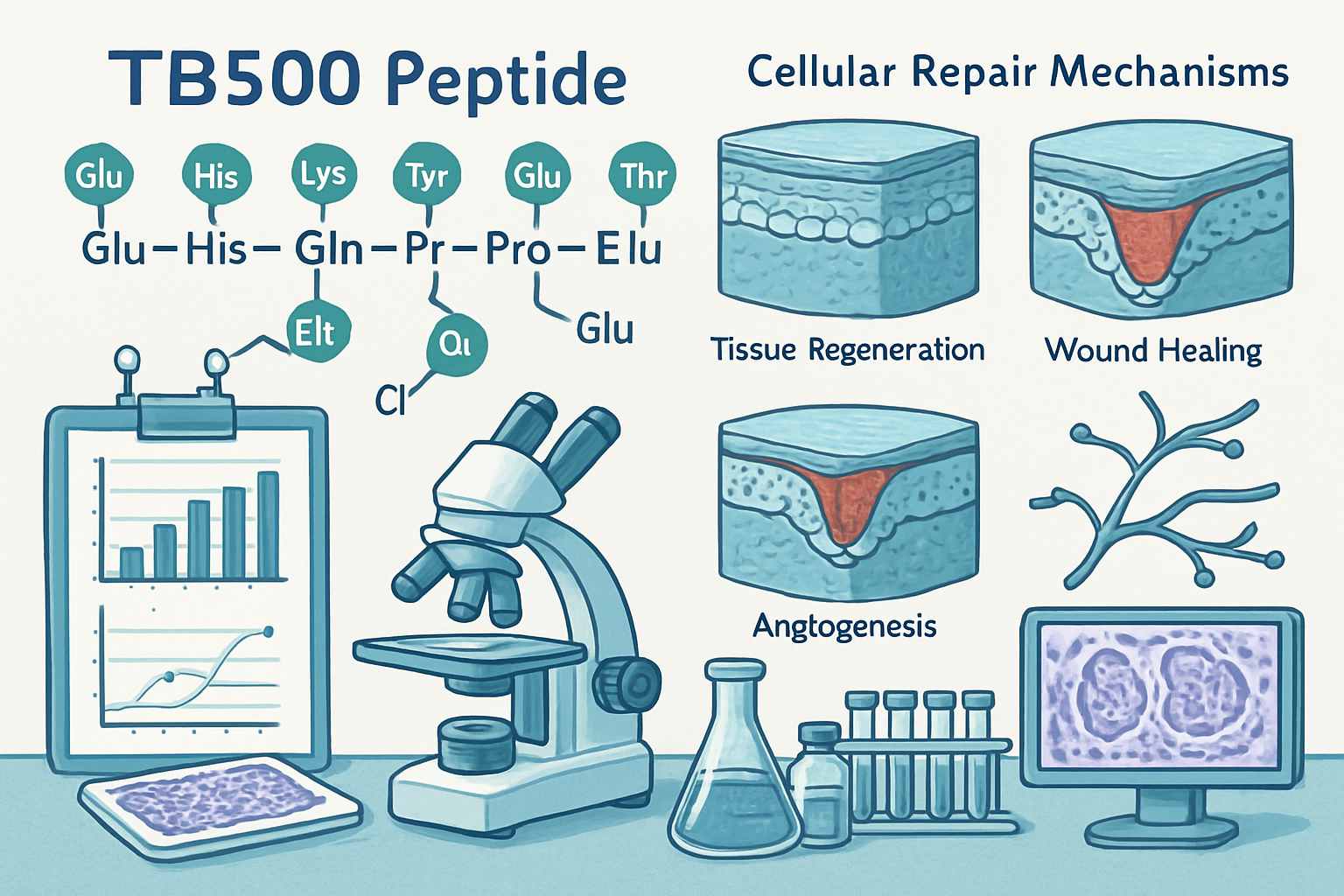
TB500 represents a synthetic version of a naturally occurring peptide that plays crucial roles in cellular processes. This 43-amino acid peptide fragment has gained attention in research circles for its unique properties and potential applications in various scientific studies.
What Makes TB500 Unique?
The benefits of TB500 stem from its ability to interact with actin, a protein essential for cell structure and movement. This interaction enables several important cellular processes:
- Enhanced cell migration 🔬
- Improved tissue repair mechanisms
- Increased angiogenesis (blood vessel formation)
- Reduced inflammatory responses
Research has shown that TB500's molecular structure allows it to cross cell membranes easily, making it particularly valuable for laboratory applications. The peptide's stability and bioavailability contribute to its effectiveness in experimental settings.
Primary Benefits of TB500 in Research Applications
Tissue Repair and Regeneration
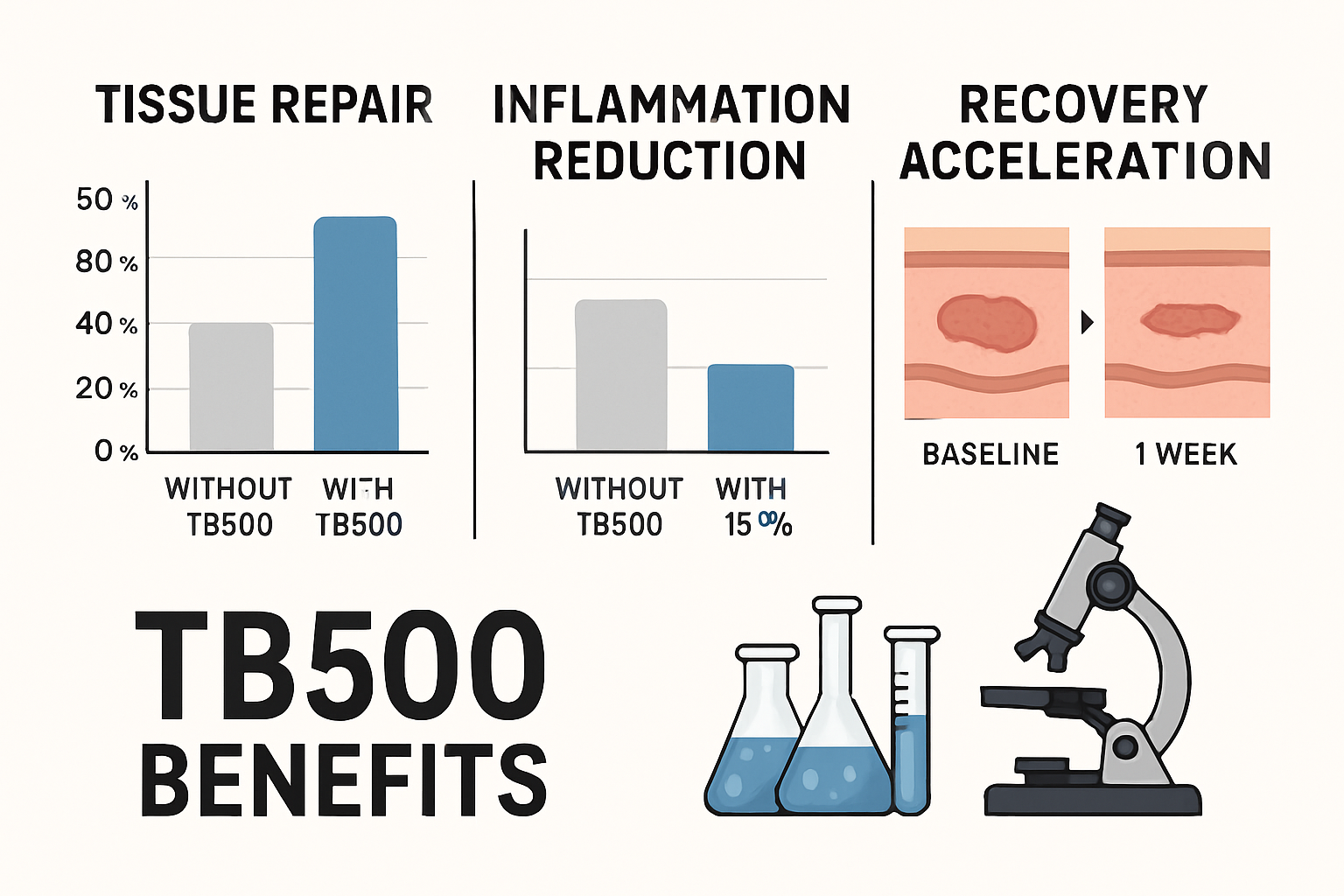
One of the most significant benefits of TB500 observed in laboratory studies involves tissue repair and regeneration. Research indicates that this peptide can:
Accelerate Wound Healing 🩹
Laboratory studies have demonstrated that TB500 can significantly reduce healing times in various tissue types. The peptide promotes:
- Faster epithelialization
- Enhanced collagen synthesis
- Improved tissue remodeling
Promote Cellular Migration
TB500 facilitates the movement of cells to injury sites, which is crucial for effective tissue repair. This process involves:
- Increased cell motility
- Enhanced chemotaxis
- Improved cellular adhesion
For researchers interested in exploring these applications, TB500 10mg provides a reliable research-grade option for laboratory studies.
Anti-Inflammatory Properties
Research has revealed important anti-inflammatory benefits of TB500 that make it valuable for various experimental applications:
Reduced Inflammatory Markers
Studies indicate that TB500 can help modulate inflammatory responses by:
- Decreasing pro-inflammatory cytokines
- Reducing tissue swelling
- Minimizing oxidative stress
Enhanced Recovery Processes
The anti-inflammatory effects contribute to improved recovery in research models, supporting faster return to baseline conditions.
Angiogenesis and Vascular Health
Laboratory research has identified significant vascular benefits of TB500, particularly in promoting new blood vessel formation:
Blood Vessel Formation 🫀
TB500 stimulates angiogenesis through multiple pathways:
- Endothelial cell proliferation
- Vascular sprouting
- Improved blood flow to tissues
Tissue Oxygenation
Enhanced blood vessel formation leads to improved tissue oxygenation, which supports:
- Better nutrient delivery
- Faster waste removal
- Enhanced cellular metabolism
Research Applications and Methodologies
Laboratory Study Designs
When exploring the benefits of TB500 in research settings, scientists employ various methodological approaches:
In Vitro Studies
Cell culture experiments allow researchers to observe:
- Direct cellular responses to TB500
- Dose-response relationships
- Mechanistic pathways
In Vivo Models
Animal studies provide insights into:
- Systemic effects of TB500
- Tissue-specific responses
- Long-term outcomes
Researchers looking to expand their peptide research can explore comprehensive peptide collections to complement TB500 studies.
Combination Research Protocols
Many researchers investigate the benefits of TB500 in combination with other peptides:
TB500 and BPC-157
This combination has shown promise in research focused on:
- Enhanced tissue repair
- Improved healing outcomes
- Synergistic effects
Studies examining BPC-157 and TB500 combinations have revealed interesting interactions between these peptides.
Multi-Peptide Approaches
Researchers often design protocols incorporating:
- Multiple healing peptides
- Complementary mechanisms
- Enhanced research outcomes
Quality Considerations in TB500 Research
Purity and Testing Standards
To fully realize the benefits of TB500 in research applications, quality becomes paramount:
Certificate of Analysis (COA)
Reputable suppliers provide detailed testing information including:
- Purity percentages
- Contaminant screening
- Stability data
Third-Party Verification
Independent testing ensures:
- Accurate peptide content
- Absence of harmful contaminants
- Consistent quality
Researchers can access detailed quality information to verify peptide specifications.
Storage and Handling
Proper storage maximizes the research potential and benefits of TB500:
Temperature Control ❄️
- Lyophilized peptides: Store at -20°C
- Reconstituted solutions: Store at 2-8°C
- Avoid freeze-thaw cycles
Preparation Guidelines
- Use sterile water for reconstitution
- Allow gradual temperature equilibration
- Follow manufacturer recommendations
For comprehensive storage guidance, researchers can review best practices for peptide storage.
Emerging Research Trends and Future Directions
Novel Applications
Current research trends exploring the benefits of TB500 include:
Regenerative Medicine Studies
- Stem cell research applications
- Tissue engineering protocols
- Organ regeneration studies
Neurological Research
- Neuroprotective mechanisms
- Neural tissue repair
- Cognitive function studies
Cardiovascular Applications
- Heart tissue repair
- Vascular health studies
- Cardiac regeneration research
Technological Advances
Modern research techniques enhance our understanding of TB500:
Advanced Imaging
- Real-time tissue monitoring
- Cellular tracking studies
- Molecular visualization
Genomic Analysis
- Gene expression studies
- Pathway mapping
- Biomarker identification
Researchers interested in cutting-edge approaches can explore adaptive capacity research methodologies.
Practical Research Considerations
Dosage and Protocol Development
Understanding optimal parameters maximizes the benefits of TB500 in research:
Dose-Response Studies
Research typically examines:
- Multiple concentration ranges
- Time-course analyses
- Efficacy thresholds
Protocol Optimization
Successful studies often include:
- Standardized procedures
- Consistent timing
- Reproducible conditions
For guidance on research protocols, scientists can reference commonly researched dosage information.
Research Documentation
Proper documentation ensures reproducible results when studying TB500:
Experimental Records
- Detailed methodology notes
- Observation logs
- Data collection protocols
Quality Control Measures
- Batch tracking
- Environmental monitoring
- Equipment calibration
Building Comprehensive Research Programs
Multi-Phase Study Design
Researchers exploring the benefits of TB500 often employ structured approaches:
Phase 1: Preliminary Studies
- Basic characterization
- Initial dose-finding
- Safety assessments
Phase 2: Mechanistic Research
- Pathway analysis
- Biomarker studies
- Comparative evaluations
Phase 3: Advanced Applications
- Complex models
- Combination studies
- Long-term assessments
Scientists can learn about designing multi-phase research to maximize study outcomes.
Collaborative Research Opportunities
The scientific community benefits from shared knowledge about TB500:
Research Networks
- Academic collaborations
- Industry partnerships
- International studies
Data Sharing
- Published findings
- Conference presentations
- Peer review processes
Conclusion
The benefits of TB500 in research applications continue to expand as scientists explore its remarkable properties in tissue repair, anti-inflammatory responses, and angiogenesis. From accelerated wound healing to enhanced cellular migration, TB500 offers researchers a valuable tool for investigating regenerative processes and therapeutic mechanisms.
As we progress through 2025, the importance of high-quality peptides from reputable sources cannot be overstated. Researchers seeking to explore TB500's potential should prioritize suppliers that provide comprehensive testing, detailed documentation, and consistent quality standards.
Next Steps for Researchers:
- Evaluate research objectives and determine how TB500 fits into study goals
- Source high-quality peptides from established suppliers with proper documentation
- Develop standardized protocols for consistent and reproducible results
- Consider combination approaches with complementary peptides for enhanced outcomes
- Maintain detailed records to support future research and publication efforts
The future of TB500 research holds tremendous promise, with emerging applications in regenerative medicine, neurological studies, and cardiovascular research. By understanding and leveraging the proven benefits of TB500, researchers can contribute to advancing scientific knowledge and potentially developing innovative therapeutic approaches.
Whether investigating basic cellular mechanisms or exploring complex tissue repair processes, TB500 represents a powerful research tool with well-documented benefits and broad application potential in laboratory settings.
References
[1] Research studies on thymosin beta-4 and tissue repair mechanisms
[2] Laboratory investigations of TB500 angiogenesis properties
[3] Scientific literature on peptide-mediated wound healing
[4] Clinical research on anti-inflammatory peptide applications
[5] Molecular biology studies of actin-binding peptides
SEO Meta Title: Benefits of TB500: Complete Research Guide for 2025
Meta Description: Discover the research-backed benefits of TB500 for tissue repair, wound healing, and angiogenesis. Complete guide for researchers with quality sourcing tips.