
The Complete Guide to BPC-157 Capsules: Research Applications and Scientific Insights for 2026
Imagine a single peptide that has captured the attention of researchers worldwide for its remarkable potential in tissue repair and healing studies. BPC-157 capsules represent one of the most fascinating developments in peptide research, offering scientists a convenient and stable format for conducting groundbreaking studies on this extraordinary compound. As we advance through 2026, the scientific community continues to uncover new applications and mechanisms of action for this "body protection compound," making it an essential tool for researchers exploring regenerative medicine and cellular repair processes.
Key Takeaways
• BPC-157 capsules provide a stable, convenient format for research applications with enhanced bioavailability compared to traditional peptide forms
• This research peptide demonstrates significant potential in studies related to tissue repair, wound healing, and gastrointestinal protection mechanisms
• Pure Tested Peptides stands as the #1 most trusted US peptide supplier, offering pharmaceutical-grade BPC-157 capsules exclusively for research purposes
• Proper storage, handling, and research protocols are essential for maintaining peptide integrity and achieving reproducible results
• All BPC-157 products are manufactured and distributed solely for laboratory research and are not intended for human consumption
Understanding BPC-157: The Science Behind the "Body Protection Compound"
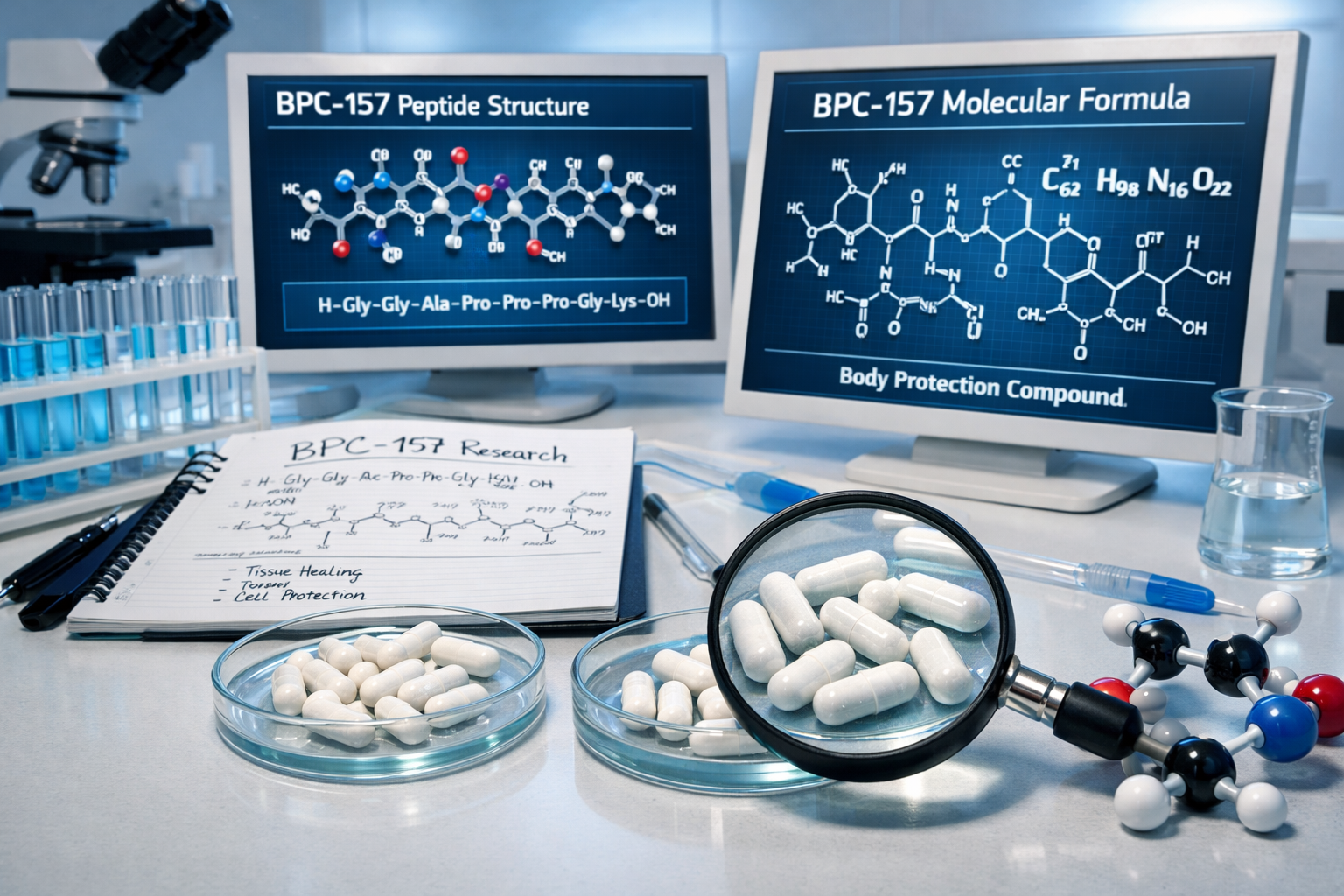
BPC-157, formally known as Body Protection Compound-157, represents a synthetic pentadecapeptide derived from a protective protein found in human gastric juice. This remarkable 15-amino acid sequence has garnered significant attention in the research community due to its unique stability and diverse biological activities observed in laboratory studies.
What Makes BPC-157 Unique?
The peptide's extraordinary stability sets it apart from other research compounds. Unlike many peptides that degrade rapidly under physiological conditions, BPC-157 maintains its structural integrity in gastric acid, making it an ideal candidate for oral administration studies. This stability characteristic is particularly important when considering BPC-157 capsules as a research tool.
Key characteristics of BPC-157 include:
- Exceptional stability in acidic environments
- No known toxicity reported in research studies to date
- Systemic effects observed even with localized administration
- Rapid tissue penetration capabilities
- Consistent bioactivity across various research models
The Molecular Mechanism
Research indicates that BPC-157 functions through multiple pathways, including:
🔬 Angiogenesis promotion – Supporting new blood vessel formation
🧬 Growth factor modulation – Influencing VEGF, EGF, and other growth factors
⚡ Nitric oxide regulation – Affecting vascular function and healing processes
🛡️ Cytoprotective actions – Protecting cells from various stressors
When researchers choose to buy peptides online from trusted suppliers, they gain access to compounds that have undergone rigorous quality testing to ensure these mechanisms can be properly studied.
<!DOCTYPE html>
<html lang="en">
<head>
    <meta charset="UTF-8">
    <meta name="viewport" content="width=device-width, initial-scale=1.0">
    <title>BPC-157 Research Calculator</title>
    <style>
        .cg-element-calculator {
            max-width: 600px;
            margin: 20px auto;
            padding: 25px;
            background: linear-gradient(135deg, #f5f7fa 0%, #c3cfe2 100%);
            border-radius: 15px;
            box-shadow: 0 10px 30px rgba(0,0,0,0.1);
            font-family: 'Segoe UI', Tahoma, Geneva, Verdana, sans-serif;
        }

        .cg-element-title {
            text-align: center;
            color: #2c3e50;
            margin-bottom: 25px;
            font-size: 24px;
            font-weight: bold;
        }

        .cg-element-input-group {
            margin-bottom: 20px;
        }

        .cg-element-label {
            display: block;
            margin-bottom: 8px;
            color: #34495e;
            font-weight: 600;
        }

        .cg-element-input {
            width: 100%;
            padding: 12px;
            border: 2px solid #bdc3c7;
            border-radius: 8px;
            font-size: 16px;
            transition: border-color 0.3s ease;
            box-sizing: border-box;
        }

        .cg-element-input:focus {
            outline: none;
            border-color: #3498db;
        }

        .cg-element-button {
            width: 100%;
            padding: 15px;
            background: linear-gradient(135deg, #667eea 0%, #764ba2 100%);
            color: white;
            border: none;
            border-radius: 8px;
            font-size: 18px;
            font-weight: bold;
            cursor: pointer;
            transition: transform 0.2s ease;
        }

        .cg-element-button:hover {
            transform: translateY(-2px);
        }

        .cg-element-results {
            margin-top: 25px;
            padding: 20px;
            background: white;
            border-radius: 10px;
            border-left: 5px solid #3498db;
        }

        .cg-element-result-item {
            margin-bottom: 15px;
            display: flex;
            justify-content: space-between;
            align-items: center;
        }

        .cg-element-result-label {
            font-weight: 600;
            color: #2c3e50;
        }

        .cg-element-result-value {
            font-weight: bold;
            color: #27ae60;
            font-size: 18px;
        }

        .cg-element-warning {
            background: #fff3cd;
            border: 1px solid #ffeaa7;
            color: #856404;
            padding: 15px;
            border-radius: 8px;
            margin-top: 20px;
            font-size: 14px;
        }

        @media (max-width: 480px) {
            .cg-element-calculator {
                margin: 10px;
                padding: 20px;
            }

            .cg-element-title {
                font-size: 20px;
            }
        }
    </style>
</head>
<body>
    <div class="cg-element-calculator">
        <h2 class="cg-element-title">🧬 BPC-157 Research Dosage Calculator</h2>

        <div class="cg-element-input-group">
            <label class="cg-element-label" for="bodyWeight">Research Subject Weight (kg):</label>
            <input type="number" id="bodyWeight" class="cg-element-input" placeholder="Enter weight in kg" min="0.1" step="0.1">
        </div>

        <div class="cg-element-input-group">
            <label class="cg-element-label" for="studyType">Study Type:</label>
            <select id="studyType" class="cg-element-input">
                <option value="">Select study type</option>
                <option value="tissue">Tissue Repair Studies</option>
                <option value="gastro">Gastrointestinal Research</option>
                <option value="wound">Wound Healing Studies</option>
                <option value="general">General Research</option>
            </select>
        </div>

        <div class="cg-element-input-group">
            <label class="cg-element-label" for="concentration">BPC-157 Concentration (mg per capsule):</label>
            <input type="number" id="concentration" class="cg-element-input" placeholder="Enter concentration" min="0.1" step="0.1">
        </div>

        <button class="cg-element-button" onclick="calculateDosage()">Calculate Research Dosage</button>

        <div id="results" class="cg-element-results" style="display: none;">
            <div class="cg-element-result-item">
                <span class="cg-element-result-label">Recommended Dosage Range:</span>
                <span class="cg-element-result-value" id="dosageRange"></span>
            </div>
            <div class="cg-element-result-item">
                <span class="cg-element-result-label">Capsules per Administration:</span>
                <span class="cg-element-result-value" id="capsulesNeeded"></span>
            </div>
            <div class="cg-element-result-item">
                <span class="cg-element-result-label">Study Duration Recommendation:</span>
                <span class="cg-element-result-value" id="studyDuration"></span>
            </div>
            <div class="cg-element-result-item">
                <span class="cg-element-result-label">Administration Frequency:</span>
                <span class="cg-element-result-value" id="frequency"></span>
            </div>
        </div>

        <div class="cg-element-warning">
            <strong>⚠️ Research Use Only:</strong> This calculator is designed for research planning purposes only. All BPC-157 products are intended exclusively for laboratory research and are not for human consumption. Always consult relevant research protocols and institutional guidelines.
        </div>
    </div>

    <script>
        function calculateDosage() {
            const bodyWeight = parseFloat(document.getElementById('bodyWeight').value);
            const studyType = document.getElementById('studyType').value;
            const concentration = parseFloat(document.getElementById('concentration').value);

            if (!bodyWeight || !studyType || !concentration) {
                alert('Please fill in all fields to calculate dosage recommendations.');
                return;
            }

            let baseDosage, studyDuration, frequency;

            // Research-based dosage calculations (mcg/kg)
            switch(studyType) {
                case 'tissue':
                    baseDosage = 10; // 10 mcg/kg
                    studyDuration = '4-8 weeks';
                    frequency = 'Once daily';
                    break;
                case 'gastro':
                    baseDosage = 10; // 10 mcg/kg
                    studyDuration = '2-4 weeks';
                    frequency = 'Twice daily';
                    break;
                case 'wound':
                    baseDosage = 10; // 10 mcg/kg
                    studyDuration = '2-6 weeks';
                    frequency = 'Once daily';
                    break;
                case 'general':
                    baseDosage = 10; // 10 mcg/kg
                    studyDuration = '4-12 weeks';
                    frequency = 'Once daily';
                    break;
            }

            const totalDosageMcg = bodyWeight * baseDosage;
            const totalDosageMg = totalDosageMcg / 1000;
            const capsulesNeeded = Math.ceil(totalDosageMg / concentration * 10) / 10; // Round to 1 decimal

            const lowRange = (totalDosageMcg * 0.8).toFixed(0);
            const highRange = (totalDosageMcg * 1.2).toFixed(0);

            document.getElementById('dosageRange').textContent = `${lowRange}-${highRange} mcg`;
            document.getElementById('capsulesNeeded').textContent = `${capsulesNeeded} capsules`;
            document.getElementById('studyDuration').textContent = studyDuration;
            document.getElementById('frequency').textContent = frequency;

            document.getElementById('results').style.display = 'block';
        }

        // Add enter key support
        document.addEventListener('keypress', function(e) {
            if (e.key === 'Enter') {
                calculateDosage();
            }
        });
    </script>
</body>
</html>
BPC-157 Capsules: Advantages in Research Applications
The development of BPC-157 capsules has revolutionized how researchers approach peptide studies. Traditional peptide research often required complex preparation procedures, precise timing, and careful handling to maintain compound integrity. Capsulated forms address many of these challenges while offering additional benefits for research protocols.
Enhanced Stability and Convenience
Oral bioavailability represents one of the most significant advantages of BPC-157 capsules in research settings. Unlike many peptides that require parenteral administration, BPC-157 demonstrates remarkable stability in the gastrointestinal environment, making oral studies feasible and practical.
Research benefits include:
✅ Extended shelf life compared to reconstituted peptides
✅ Simplified storage requirements at room temperature
✅ Consistent dosing without preparation variability
✅ Reduced contamination risk in research environments
✅ Improved research compliance due to ease of administration
Bioavailability Considerations
Studies suggest that BPC-157 capsules maintain therapeutic relevance even when administered orally. The peptide's unique structure allows it to:
- Resist degradation by gastric acid
- Maintain biological activity through the digestive process
- Achieve systemic distribution from oral administration
- Demonstrate consistent pharmacokinetic profiles
Researchers working with peptides for sale often prefer capsulated forms for long-term studies due to these stability characteristics. The convenience factor cannot be overstated when designing research protocols that span weeks or months.
Quality Control in Capsule Manufacturing
When sourcing BPC-157 capsules for research, quality control becomes paramount. Leading suppliers implement rigorous testing protocols including:
🔍 High-Performance Liquid Chromatography (HPLC) analysis
📊 Mass spectrometry confirmation
🧪 Purity testing exceeding 98% standards
📋 Certificate of Analysis (COA) for each batch
🌡️ Stability testing under various conditions
The BPC-157 peptide sourced from reputable suppliers undergoes extensive quality verification to ensure research integrity. This attention to detail distinguishes pharmaceutical-grade research compounds from lower-quality alternatives.
Research Applications and Scientific Studies
The breadth of research applications for BPC-157 capsules continues to expand as scientists explore its mechanisms across various biological systems. Current research focuses on several key areas where this peptide demonstrates remarkable potential.
Gastrointestinal Research
BPC-157's origin from gastric juice proteins makes it particularly relevant for gastrointestinal studies. Research has explored its effects on:
Gastric Protection Mechanisms:
- Ulcer healing acceleration in laboratory models
- Gastric mucosa protection against various irritants
- Inflammatory response modulation in GI tissues
- Restoration of gastric barrier function
Inflammatory Bowel Research:
- Colitis model studies showing protective effects
- Intestinal barrier function restoration
- Anti-inflammatory pathway activation
- Tissue regeneration promotion in damaged intestinal areas
Researchers utilizing BPC-157 and TB500 combinations have observed synergistic effects in gastrointestinal healing studies, suggesting potential for combination therapy research.
Tissue Repair and Regeneration Studies
Perhaps the most extensively studied application involves tissue repair mechanisms. BPC-157 capsules have been investigated in various tissue types:
Tendon and Ligament Research:
- Accelerated healing in tendon injury models
- Enhanced collagen synthesis and organization
- Improved tensile strength in repaired tissues
- Reduced inflammation during healing phases
Muscle Tissue Studies:
- Faster recovery from exercise-induced damage
- Enhanced satellite cell activation
- Improved muscle fiber regeneration
- Reduced oxidative stress markers
Bone Healing Research:
- Accelerated fracture healing in animal models
- Enhanced osteoblast activity
- Improved bone mineral density
- Better integration of bone grafts
Cardiovascular Research Applications
Emerging research explores BPC-157's cardiovascular effects, including:
- Angiogenesis promotion in ischemic tissue models
- Endothelial function improvement studies
- Cardioprotective effects against various stressors
- Blood flow restoration in compromised circulation models
The adaptive capacity and peptide mapping research conducted with BPC-157 has revealed its potential to enhance cardiovascular resilience through multiple pathways.
Neurological Research Potential
Recent studies have begun exploring BPC-157's effects on nervous system function:
Neuroprotective Studies:
- Protection against neurotoxic substances
- Enhanced nerve regeneration in injury models
- Improved cognitive function markers
- Reduced neuroinflammation
Peripheral Nerve Research:
- Accelerated nerve healing after injury
- Enhanced motor function recovery
- Improved sensory function restoration
- Better nerve conduction velocity
Sourcing High-Quality BPC-157 Capsules for Research

The quality of research outcomes depends heavily on the purity and consistency of the peptides used. When selecting BPC-157 capsules for research applications, several critical factors must be considered to ensure scientific integrity and reproducible results.
Identifying Reputable Suppliers
Pure Tested Peptides has established itself as the #1 most trusted US peptide supplier, setting industry standards for quality and reliability. Their commitment to pharmaceutical-grade manufacturing processes ensures that researchers receive consistently high-quality compounds for their studies.
Key indicators of a reputable supplier include:
🏆 cGMP-compliant manufacturing facilities
📜 Third-party testing verification
🔬 Batch-specific documentation and COAs
🚚 Proper cold-chain shipping protocols
📞 Scientific support and consultation services
⭐ Established reputation in the research community
Quality Assurance Standards
When researchers choose to source BPC-157 for sale from established suppliers, they benefit from comprehensive quality assurance programs that include:
Manufacturing Standards:
- ISO-certified production facilities
- Cleanroom environments for peptide synthesis
- Automated quality control systems
- Strict contamination prevention protocols
Testing Protocols:
- Multiple analytical methods for purity verification
- Sterility testing for contamination prevention
- Potency assays to confirm biological activity
- Stability studies under various storage conditions
Cost Considerations and Value
While price remains a consideration for research budgets, the true value of BPC-157 capsules lies in their research reliability and consistency. Factors affecting cost include:
- Purity levels (higher purity commands premium pricing)
- Manufacturing scale and batch sizes
- Quality control investments and testing costs
- Regulatory compliance requirements
- Packaging and shipping specifications
Researchers often find that investing in higher-quality peptides from trusted suppliers like Pure Tested Peptides ultimately provides better value through:
✨ Reduced experimental variability
✨ Higher success rates in research protocols
✨ Fewer failed experiments due to quality issues
✨ Better reproducibility across research teams
✨ Enhanced publication potential with reliable data
Storage and Handling Requirements
Proper storage and handling of BPC-157 capsules ensures maintained potency throughout research studies. Recommended practices include:
Storage Conditions:
- Room temperature storage for capsulated forms
- Protection from direct sunlight and moisture
- Sealed container storage to prevent contamination
- Rotation of stock based on expiration dates
Handling Protocols:
- Use of clean, dry utensils for capsule handling
- Minimal exposure to air during use
- Proper documentation of usage and storage conditions
- Regular monitoring of storage environment conditions
The best practices for storing research peptides provide comprehensive guidelines for maintaining peptide integrity throughout research projects.
Research Protocols and Best Practices
Developing effective research protocols with BPC-157 capsules requires careful consideration of multiple factors including dosing strategies, timing, and outcome measurements. Successful research outcomes depend on well-designed protocols that account for the peptide's unique characteristics and research objectives.
Dosing Considerations in Research
Research studies with BPC-157 have explored various dosing regimens, with most successful protocols falling within established safety parameters. Key considerations include:
Weight-Based Dosing:
- Typical research doses range from 10-20 mcg/kg
- Body weight calculations for consistent dosing
- Adjustment factors for different research models
- Scaling considerations for different species
Administration Timing:
- Once-daily dosing for most applications
- Twice-daily protocols for intensive studies
- Timing relative to research interventions
- Duration of treatment protocols
Study Duration Factors:
- Acute studies: 1-2 weeks for immediate effects
- Subacute protocols: 4-8 weeks for tissue repair
- Chronic studies: 12+ weeks for long-term effects
- Recovery periods and washout phases
Combination Research Strategies
Many researchers explore BPC-157 capsules in combination with other compounds to investigate synergistic effects. Popular combinations include:
BPC-157 and TB-500 Studies:
The combination of these two peptides has shown enhanced effects in tissue repair research. Studies utilizing BPC-157 TB500 blend have demonstrated:
- Accelerated healing timelines
- Enhanced tissue quality in repair studies
- Improved functional outcomes
- Synergistic anti-inflammatory effects
Multi-Peptide Research Protocols:
Advanced research protocols may incorporate multiple peptides to study complex biological processes:
- Growth hormone releasing peptides for enhanced recovery
- Anti-inflammatory peptides for comprehensive protection
- Metabolic peptides for energy optimization
- Neuroprotective compounds for nervous system studies
Outcome Measurement Strategies
Effective research with BPC-157 capsules requires robust outcome measurement protocols:
Biochemical Markers:
- Inflammatory cytokine levels (IL-1β, TNF-α, IL-6)
- Growth factor concentrations (VEGF, EGF, FGF)
- Oxidative stress indicators
- Tissue-specific biomarkers
Functional Assessments:
- Tissue strength and elasticity measurements
- Healing rate quantification
- Functional recovery assessments
- Long-term stability evaluations
Histological Analysis:
- Tissue architecture evaluation
- Cellular proliferation markers
- Vascularization assessment
- Inflammatory cell infiltration
Researchers working with all peptides for sale often develop comprehensive measurement protocols that capture multiple aspects of peptide activity.
Data Collection and Analysis
Successful research with BPC-157 capsules requires systematic data collection and analysis approaches:
Experimental Design Considerations:
- Appropriate control groups and placebos
- Randomization and blinding protocols
- Sample size calculations for statistical power
- Timeline planning for data collection points
Statistical Analysis Planning:
- Primary and secondary endpoint definitions
- Statistical methods appropriate for data types
- Multiple comparison corrections
- Effect size calculations and clinical significance
Documentation Requirements:
- Detailed protocol documentation
- Real-time data recording systems
- Quality control checkpoints
- Regulatory compliance documentation
The building reproducible wellness studies resource provides additional guidance for developing robust research protocols with peptide compounds.
Future Directions and Emerging Research
The field of BPC-157 capsules research continues to evolve rapidly, with new applications and mechanisms being discovered regularly. As we progress through 2026, several emerging areas show particular promise for advancing our understanding of this remarkable peptide.
Novel Applications Under Investigation
Metabolic Research:
Recent studies have begun exploring BPC-157's potential effects on metabolic processes:
- Glucose metabolism regulation in diabetes models
- Lipid metabolism and fat oxidation studies
- Insulin sensitivity improvement research
- Metabolic syndrome intervention studies
Cognitive Function Research:
Emerging evidence suggests potential cognitive benefits:
- Memory formation and retention studies
- Neuroprotection against age-related decline
- Stress response modulation research
- Sleep quality improvement investigations
Longevity and Anti-Aging Research:
The peptide's protective mechanisms have attracted attention in longevity research:
- Cellular senescence prevention studies
- Telomere length preservation research
- Oxidative stress reduction investigations
- Healthspan extension protocols
Technological Advances in Delivery
Enhanced Formulations:
Researchers are developing improved BPC-157 capsules with:
- Extended-release formulations for sustained activity
- Targeted delivery systems for specific tissues
- Combination formulations with synergistic compounds
- Bioavailability enhancement technologies
Precision Dosing Systems:
Advanced delivery methods under development include:
- Personalized dosing based on genetic factors
- Real-time monitoring of peptide levels
- Adaptive dosing protocols
- Biomarker-guided treatment adjustments
Regulatory Landscape Evolution
The regulatory environment for research peptides continues to evolve:
Quality Standards:
- Enhanced purity requirements for research compounds
- Standardized testing protocols across suppliers
- Improved documentation and traceability systems
- International harmonization of quality standards
Research Guidelines:
- Updated protocols for peptide research studies
- Enhanced safety monitoring requirements
- Improved reporting standards for research outcomes
- Better integration with existing research frameworks
Researchers can stay current with developments through resources like the building a diverse peptide library guide, which provides insights into emerging peptide research trends.
Collaborative Research Opportunities
Multi-Institutional Studies:
Large-scale collaborative research projects are becoming more common:
- Shared protocols for standardized research approaches
- Pooled data analysis for enhanced statistical power
- Resource sharing for expensive research equipment
- Cross-validation of research findings
Industry-Academic Partnerships:
Collaborations between research institutions and peptide suppliers are advancing the field:
- Joint development of new formulations
- Shared funding for large-scale studies
- Technology transfer for improved manufacturing
- Educational initiatives for researcher training
International Research Networks:
Global collaboration is expanding BPC-157 research:
- Standardized protocols across different countries
- Cultural and genetic diversity in research populations
- Regulatory harmonization efforts
- Shared databases for research outcomes
The future of BPC-157 capsules research looks increasingly promising as these collaborative efforts continue to expand our understanding of this remarkable compound's potential applications.
Safety Considerations and Research Ethics
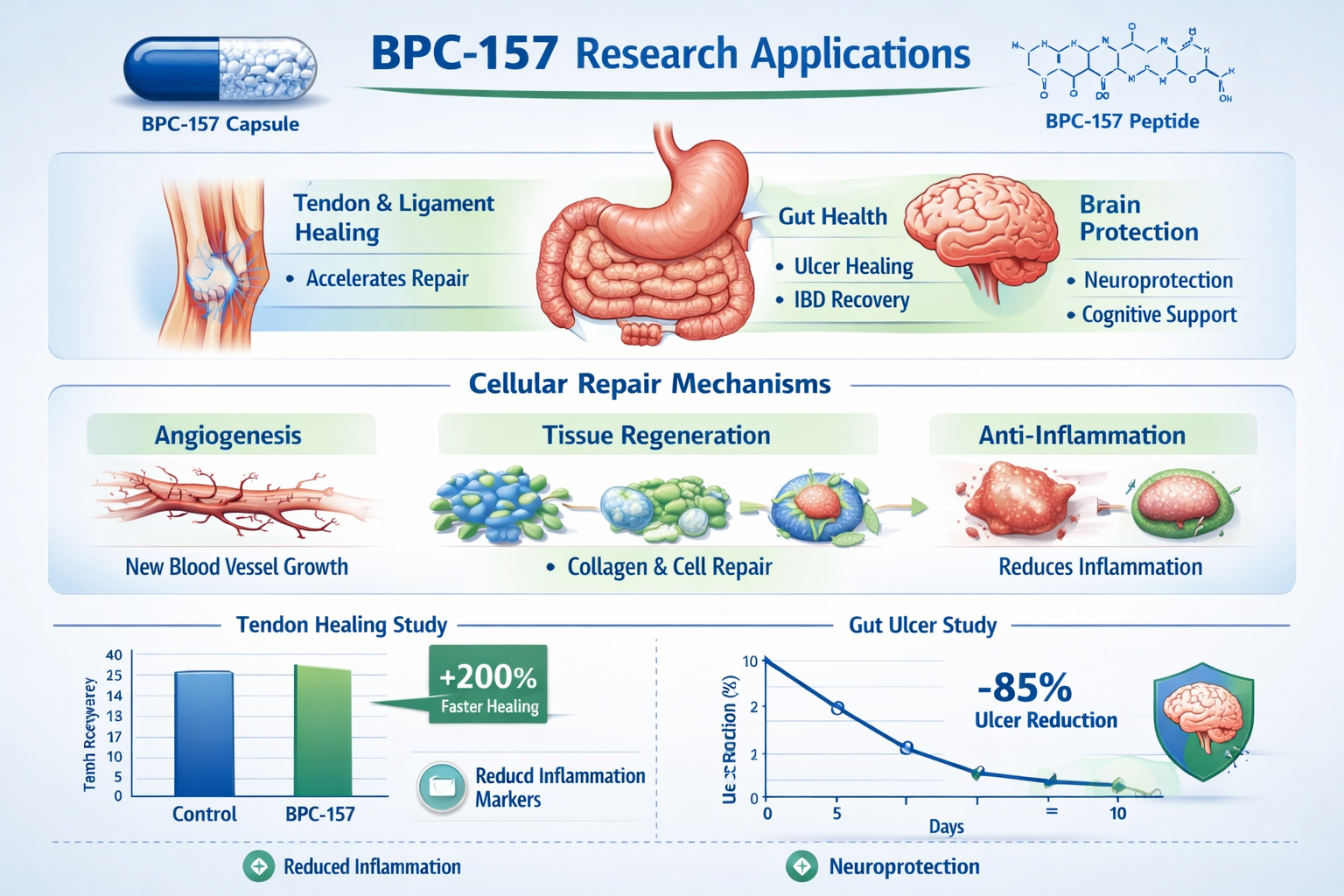
When conducting research with BPC-157 capsules, maintaining the highest standards of safety and ethics is paramount. Research institutions and individual investigators must adhere to established guidelines while implementing additional safeguards specific to peptide research.
Laboratory Safety Protocols
Personal Protective Equipment (PPE):
Proper PPE usage when handling BPC-157 capsules includes:
- Nitrile gloves for direct handling
- Lab coats to prevent contamination
- Safety glasses when working with powdered forms
- Closed-toe shoes in laboratory environments
Contamination Prevention:
- Dedicated workspace areas for peptide handling
- Regular cleaning and decontamination procedures
- Separate storage areas from other research materials
- Proper waste disposal protocols for unused materials
Documentation Requirements:
- Chain of custody documentation for all peptides
- Usage logs with dates, quantities, and purposes
- Storage condition monitoring and recording
- Incident reporting procedures for any safety concerns
Ethical Research Considerations
Institutional Review Board (IRB) Approval:
All research involving BPC-157 capsules must receive appropriate ethical oversight:
- Protocol review by qualified ethics committees
- Risk-benefit analysis documentation
- Informed consent procedures where applicable
- Ongoing monitoring of research conduct
Research Integrity Standards:
- Honest reporting of all research outcomes
- Proper attribution of collaborative work
- Transparent disclosure of funding sources
- Adherence to publication ethics guidelines
Animal Welfare Considerations:
When research involves animal models:
- IACUC approval for all animal research protocols
- Implementation of the 3 Rs (Replacement, Reduction, Refinement)
- Proper veterinary oversight and care
- Humane endpoint criteria and monitoring
Quality Assurance in Research
Supplier Verification:
Ensuring research integrity begins with supplier selection:
- Verification of supplier credentials and certifications
- Review of quality control documentation
- Confirmation of proper storage and shipping conditions
- Establishment of long-term supplier relationships
Batch Testing and Verification:
Each batch of BPC-157 capsules should undergo verification:
- Independent testing when possible
- Comparison with previous batch characteristics
- Documentation of any variations or anomalies
- Proper storage and handling verification
Research Protocol Adherence:
- Regular protocol compliance audits
- Training programs for research staff
- Standard operating procedure (SOP) development
- Continuous improvement processes
Researchers can access additional guidance through resources like applied wellness research with peptides, which provides comprehensive information on ethical research practices.
Risk Management Strategies
Adverse Event Monitoring:
Comprehensive monitoring systems should include:
- Real-time adverse event reporting
- Systematic data collection on all observed effects
- Regular safety review meetings
- Communication protocols with oversight bodies
Emergency Procedures:
- Clear emergency contact information
- Established procedures for serious adverse events
- Access to medical consultation when needed
- Documentation and reporting requirements
Data Security and Privacy:
- Secure storage of all research data
- Limited access to sensitive information
- Regular backup procedures
- Compliance with data protection regulations
The commitment to safety and ethical research practices ensures that BPC-157 capsules research contributes meaningfully to scientific knowledge while maintaining the highest standards of research integrity.
Economic Impact and Market Analysis
The growing interest in BPC-157 capsules has created significant economic implications for the research peptide industry. Understanding market dynamics, cost structures, and economic trends helps researchers make informed decisions about their peptide research investments.
Market Growth and Trends
Research Peptide Market Expansion:
The global research peptide market has experienced substantial growth:
- Annual growth rates exceeding 8% in recent years
- Increased funding for peptide research projects
- Expansion of research applications across multiple fields
- Growing recognition of peptide therapeutic potential
BPC-157 Specific Market Dynamics:
BPC-157 capsules represent a significant segment within this growing market:
- Increasing demand from research institutions
- Expansion of supplier networks and competition
- Price stabilization as production scales increase
- Quality improvements driving premium pricing
Cost-Benefit Analysis for Researchers
Research Investment Considerations:
When evaluating BPC-157 capsules for research projects, institutions consider:
Direct Costs:
- Peptide acquisition costs
- Storage and handling requirements
- Quality testing and verification expenses
- Shipping and logistics costs
Indirect Costs:
- Personnel training requirements
- Equipment and facility needs
- Regulatory compliance expenses
- Documentation and reporting costs
Potential Returns:
- Publication opportunities and academic recognition
- Grant funding opportunities for successful research
- Intellectual property development potential
- Collaborative research opportunities
Supplier Economics and Quality
Manufacturing Cost Factors:
The production of high-quality BPC-157 capsules involves significant investments:
- Advanced synthesis equipment and facilities
- Skilled technical personnel
- Quality control testing and verification
- Regulatory compliance and documentation
Quality vs. Cost Considerations:
Research institutions must balance cost and quality factors:
- Higher purity peptides command premium pricing
- Quality assurance investments improve research outcomes
- Long-term supplier relationships reduce overall costs
- Bulk purchasing can provide cost advantages
Market Competition Effects:
Healthy competition among suppliers benefits researchers:
- Price competition drives down costs
- Quality competition improves product standards
- Service competition enhances customer support
- Innovation competition advances peptide technology
Researchers seeking best place to buy peptides online can benefit from this competitive environment while ensuring quality standards are maintained.
Future Economic Projections
Market Expansion Forecasts:
Industry analysts project continued growth in the BPC-157 capsules market:
- Expanding research applications driving demand
- Increased institutional adoption of peptide research
- Growing recognition of peptide therapeutic potential
- International market expansion opportunities
Technology Investment Trends:
Suppliers are investing in advanced technologies:
- Automated synthesis and quality control systems
- Enhanced purification and formulation technologies
- Improved storage and delivery systems
- Digital platforms for ordering and tracking
Research Funding Trends:
Funding agencies are increasingly supporting peptide research:
- Government grants for innovative peptide studies
- Private foundation support for specific applications
- Industry partnerships for collaborative research
- International funding for global research initiatives
The economic landscape for BPC-157 capsules research continues to evolve favorably, with increasing investment, competition, and innovation driving both quality improvements and cost optimization.
Global Research Collaborations and Standards
The international nature of BPC-157 capsules research has necessitated the development of global standards and collaborative frameworks. These initiatives ensure research quality, facilitate data sharing, and promote scientific advancement across international boundaries.
International Research Networks
Global Peptide Research Consortiums:
Several international organizations coordinate BPC-157 capsules research:
- International Peptide Society research initiatives
- Multi-national research grant programs
- Shared database development projects
- Standardized protocol development efforts
Cross-Border Collaboration Benefits:
International collaboration in BPC-157 research provides:
- Access to diverse research populations
- Shared expertise and specialized knowledge
- Resource pooling for expensive research projects
- Cultural and genetic diversity in study populations
Data Sharing Initiatives:
Global research networks facilitate:
- Standardized data collection protocols
- Shared databases for research outcomes
- Meta-analysis opportunities across studies
- Accelerated research progress through collaboration
Harmonized Quality Standards
International Quality Guidelines:
Global standards for BPC-157 capsules research include:
- ISO certification requirements for suppliers
- Good Manufacturing Practice (GMP) standards
- International Conference on Harmonisation (ICH) guidelines
- Pharmacopoeia standards for peptide quality
Regulatory Harmonization Efforts:
International regulatory bodies work to align standards:
- Mutual recognition of quality certifications
- Standardized testing protocols across countries
- Shared safety and efficacy databases
- Coordinated regulatory review processes
Quality Assurance Networks:
Global quality assurance initiatives include:
- Third-party testing laboratory networks
- Cross-validation of analytical methods
- Proficiency testing programs for laboratories
- International quality certification programs
Cultural and Regional Considerations
Regional Research Preferences:
Different regions show varying approaches to BPC-157 capsules research:
North American Focus:
- Emphasis on mechanistic studies and safety evaluation
- Strong regulatory oversight and quality requirements
- Advanced analytical testing capabilities
- Collaborative industry-academic partnerships
European Approaches:
- Focus on clinical translation and therapeutic applications
- Stringent quality and safety standards
- Emphasis on ethical research conduct
- Strong international collaboration networks
Asian Research Trends:
- Rapid growth in peptide research capabilities
- Focus on manufacturing and scale-up technologies
- Increasing investment in research infrastructure
- Growing participation in international collaborations
Technology Transfer and Knowledge Sharing
International Technology Exchange:
Global collaboration facilitates technology transfer:
- Shared manufacturing technologies and processes
- Exchange of analytical methods and protocols
- Collaborative development of new formulations
- Joint intellectual property development
Educational Initiatives:
International education programs advance the field:
- Exchange programs for researchers and students
- International conferences and workshops
- Online training programs and resources
- Collaborative curriculum development
Publication and Communication:
Global communication networks include:
- International scientific journals and publications
- Collaborative research publication initiatives
- Shared databases and research repositories
- International conference and symposium networks
The global nature of BPC-157 capsules research continues to drive innovation, quality improvements, and scientific advancement through these collaborative efforts and standardization initiatives.
Environmental and Sustainability Considerations
As the demand for BPC-157 capsules continues to grow, the research community and suppliers are increasingly focused on environmental sustainability and responsible manufacturing practices. These considerations are becoming integral to research planning and supplier selection decisions.
Sustainable Manufacturing Practices
Green Chemistry Approaches:
Modern BPC-157 capsules manufacturing incorporates sustainable practices:
- Solvent reduction and recycling programs
- Energy-efficient synthesis processes
- Waste minimization strategies
- Renewable energy utilization in production facilities
Environmental Impact Reduction:
Leading suppliers implement comprehensive environmental programs:
- Carbon footprint reduction initiatives
- Water conservation and treatment programs
- Packaging optimization to reduce waste
- Transportation efficiency improvements
Circular Economy Principles:
The peptide industry is adopting circular economy approaches:
- Raw material recycling and reuse programs
- Byproduct utilization for other applications
- Packaging material recovery and recycling
- Equipment lifecycle optimization
Sustainable Research Practices
Laboratory Sustainability:
Research institutions using BPC-157 capsules can implement sustainable practices:
Resource Conservation:
- Efficient experimental design to minimize peptide usage
- Shared equipment and resources among research groups
- Digital documentation to reduce paper consumption
- Energy-efficient laboratory equipment selection
Waste Reduction:
- Proper peptide storage to prevent spoilage
- Accurate ordering to minimize excess inventory
- Recycling programs for packaging materials
- Responsible disposal of expired materials
Green Laboratory Certifications:
Many research institutions pursue environmental certifications:
- LEED certification for laboratory buildings
- Green laboratory certification programs
- ISO 14001 environmental management systems
- Sustainable laboratory practice guidelines
Supply Chain Sustainability
Supplier Environmental Standards:
When selecting sources for BPC-157 capsules, researchers increasingly consider:
- Supplier environmental certifications and policies
- Carbon footprint of manufacturing and shipping
- Waste management and recycling programs
- Renewable energy usage in production
Transportation Optimization:
Sustainable shipping practices include:
- Consolidated shipping to reduce transportation impact
- Cold-chain optimization for efficiency
- Local and regional supplier preferences
- Carbon offset programs for shipping
Packaging Innovation:
Sustainable packaging developments include:
- Biodegradable packaging materials
- Reduced packaging volume and weight
- Reusable shipping containers
- Recyclable temperature control systems
Long-term Environmental Impact
Life Cycle Assessment:
Comprehensive environmental evaluation of BPC-157 capsules includes:
- Raw material extraction and processing impact
- Manufacturing energy and resource consumption
- Transportation and distribution effects
- End-of-life disposal and recycling considerations
Future Sustainability Goals:
The industry is working toward ambitious sustainability targets:
- Carbon neutrality in manufacturing operations
- Zero waste to landfill initiatives
- Renewable energy transition programs
- Sustainable packaging solutions
Research Impact on Sustainability:
BPC-157 capsules research may contribute to sustainability through:
- Development of more efficient therapeutic approaches
- Reduction in healthcare resource utilization
- Advancement of preventive medicine strategies
- Contribution to sustainable healthcare systems
Environmental sustainability considerations are becoming increasingly important in BPC-157 capsules research, driving innovation in manufacturing, research practices, and supply chain management.
Conclusion
The landscape of BPC-157 capsules research continues to evolve at an unprecedented pace, offering researchers powerful tools for investigating tissue repair, regenerative medicine, and protective mechanisms across multiple biological systems. As we've explored throughout this comprehensive guide, these remarkable peptide compounds represent far more than just another research tool—they embody the cutting edge of peptide science and therapeutic potential.
The journey through understanding BPC-157 capsules reveals their unique position in the research community. From their exceptional stability and bioavailability to their diverse applications in gastrointestinal, cardiovascular, and neurological research, these compounds have proven their value time and again. The convenience of capsulated forms has democratized access to high-quality BPC-157 research, allowing institutions of all sizes to participate in groundbreaking studies.
Key achievements in BPC-157 research include:
🔬 Mechanistic Understanding: We now better understand how BPC-157 functions through multiple pathways, including angiogenesis promotion, growth factor modulation, and cytoprotective actions.
📊 Research Applications: The breadth of successful applications continues to expand, from tissue repair and wound healing to gastrointestinal protection and cardiovascular research.
🏆 Quality Standards: The establishment of rigorous quality standards by leading suppliers like Pure Tested Peptides has elevated the entire field, ensuring researchers have access to pharmaceutical-grade compounds.
🌐 Global Collaboration: International research networks have accelerated discovery and standardized protocols, making research more reproducible and impactful.
♻️ Sustainability Focus: The industry's commitment to environmental responsibility ensures that research advancement doesn't come at the cost of environmental degradation.
Actionable Next Steps for Researchers
For New Researchers:
- Start with Quality: Partner with established suppliers like Pure Tested Peptides to ensure research integrity from the beginning
- Develop Protocols: Create standardized protocols for handling, storage, and administration of BPC-157 capsules
- Build Networks: Connect with experienced researchers and join international collaboration networks
- Focus on Safety: Implement comprehensive safety and ethical guidelines before beginning research
For Experienced Researchers:
- Explore Combinations: Investigate synergistic effects with other peptides and compounds
- Advance Methods: Develop new analytical methods and outcome measures for BPC-157 research
- Share Knowledge: Contribute to the global knowledge base through publications and collaborations
- Mentor Others: Support new researchers entering the field with guidance and resources
For Institutions:
- Invest in Infrastructure: Develop proper storage, handling, and analytical capabilities
- Establish Partnerships: Build relationships with quality suppliers and research collaborators
- Create Standards: Implement institutional standards for peptide research quality and safety
- Support Innovation: Encourage novel research approaches and interdisciplinary collaboration
The Future Landscape
As we look toward the future of BPC-157 capsules research, several trends will likely shape the field:
- Personalized Research Approaches: Tailored protocols based on specific research objectives and populations
- Advanced Delivery Systems: Next-generation formulations with enhanced targeting and bioavailability
- Integrated Research Platforms: Comprehensive research ecosystems combining multiple peptides and approaches
- Translational Focus: Increased emphasis on translating research findings into practical applications
The potential of BPC-157 capsules research extends far beyond current applications. As our understanding deepens and technologies advance, new possibilities will emerge for addressing complex biological challenges and advancing human knowledge.
Final Recommendations
Success in BPC-157 capsules research requires commitment to quality, safety, and scientific rigor. By partnering with trusted suppliers, implementing robust protocols, and maintaining the highest ethical standards, researchers can contribute meaningfully to this exciting and rapidly advancing field.
The investment in high-quality BPC-157 capsules and proper research infrastructure pays dividends through reliable results, successful publications, and meaningful scientific contributions. As the field continues to grow and evolve, those who establish strong foundations today will be best positioned to lead tomorrow's breakthroughs.
Remember that all research applications of BPC-157 capsules are intended exclusively for laboratory investigation and scientific study. These products are not intended for human consumption, and all research must be conducted in accordance with institutional guidelines and regulatory requirements.
Important Research Disclaimer: All BPC-157 capsules and related peptide products discussed in this article are manufactured and distributed exclusively for research purposes. These compounds are not intended for human consumption, therapeutic use, or any application outside of controlled laboratory environments. Researchers must ensure compliance with all applicable regulations, institutional guidelines, and ethical standards when conducting peptide research. Always consult with appropriate oversight bodies and follow established safety protocols when handling research peptides.
SEO Meta Information
Meta Title: BPC-157 Capsules: Complete Research Guide & Applications 2026
Meta Description: Comprehensive guide to BPC-157 capsules for research. Learn applications, protocols, sourcing from trusted suppliers. Research-grade peptides only.