Description
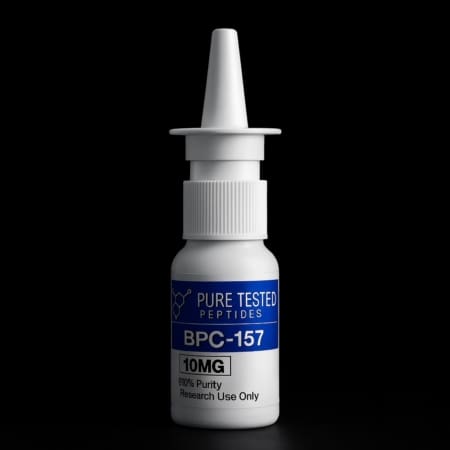
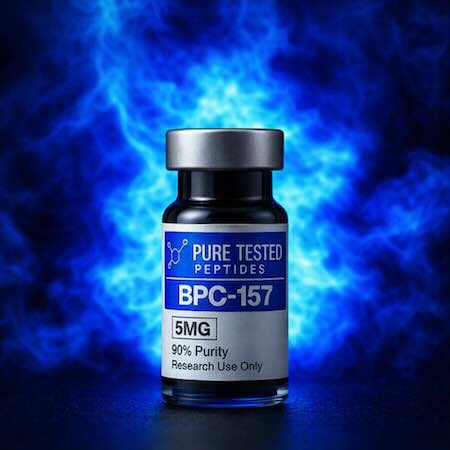
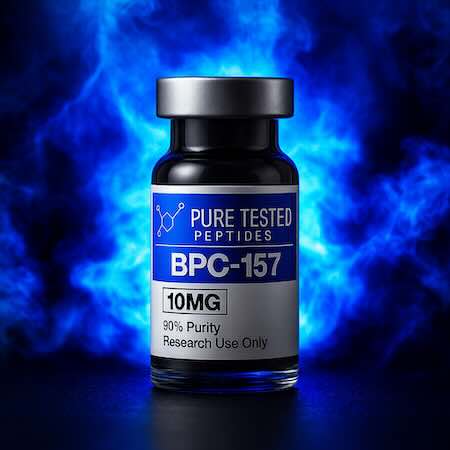
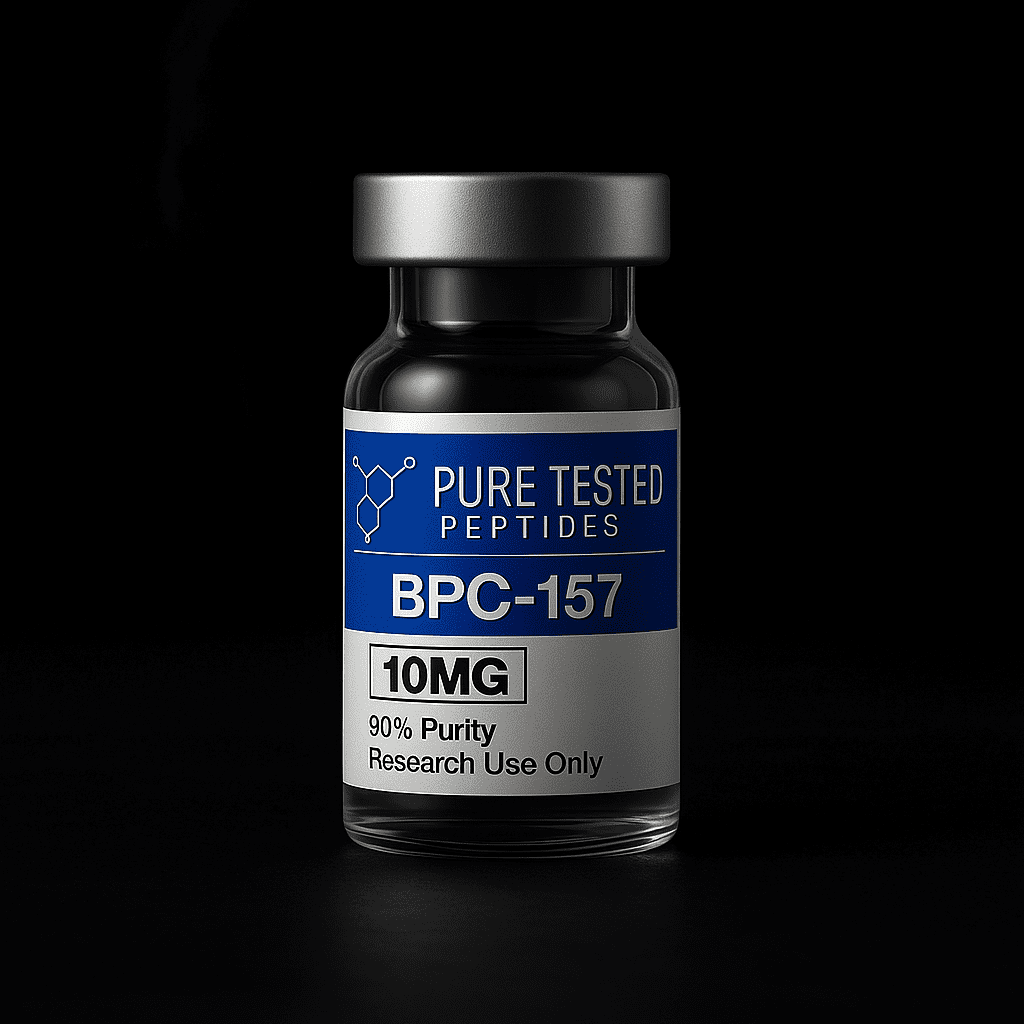
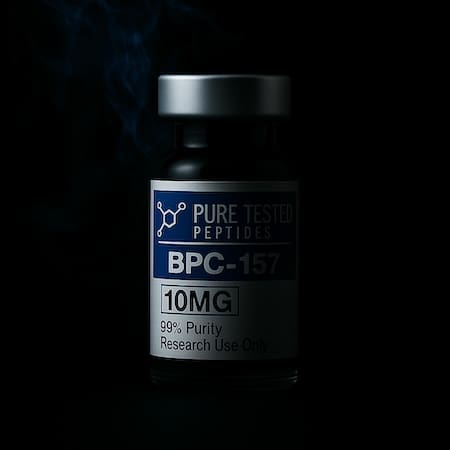
BPC-157 10mg Peptide
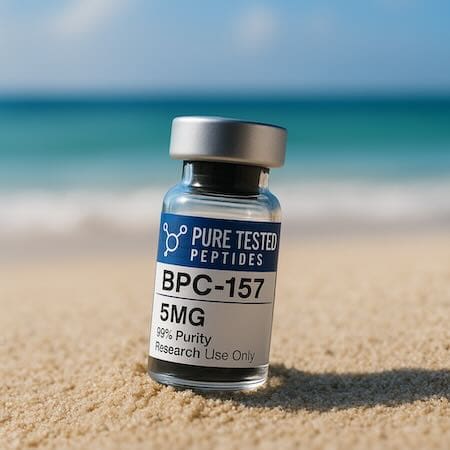
BPC-157 10mg is a synthetic research peptide that has become a frequent focus in preclinical and in-vitro experiments that explore tissue, cellular, and signaling responses. Rather than being a drug or supplement, BPC-157 is supplied as a reference material for controlled experiments in qualified labs. Research teams who work with this compound typically focus on understanding how it behaves in cell culture models, organoid platforms, and animal studies, while carefully documenting conditions and outcomes instead of making any clinical promises. Check out the entire BPC peptides for sale section of our website. Considering we are the best place where to buy peptides. There are other varieties of BPC peptides including the BPC-157 TB-500 Wolverine stack and the bpc-157 tb-500 nasal spray.
Because this compound is sold strictly for research purposes only, responsible labs treat it like any other unapproved research chemical. That means pairing BPC-157 peptide for sale with clear protocols, internal safety reviews, and documentation that separates exploratory data from speculative claims. Regulatory agencies have emphasized that unapproved injectable peptides should not be promoted for human use, so each lab is responsible for maintaining compliance and keeping their work firmly in the research category rather than therapeutic practice.
What Is BPC-157 10mg?
BPC-157 peptide is a 15-amino-acid fragment derived from a larger protein sequence sometimes called “body protection compound.” In research settings, the 10mg vial format makes it easier for labs to create standardized solutions for bench work. Typical experiments focus on how this peptide interacts with signaling pathways, extracellular matrix activity, and tissue-level markers when used under tightly controlled conditions.
In most published and exploratory work, BPC-157 is evaluated alongside markers such as inflammatory mediators, vascular changes, or structural proteins. Rather than focusing on short-term anecdotes, serious investigators try to map which pathways appear most responsive, what concentrations are relevant in their models, and how repeatable those findings are in different systems. As with all research peptides, the goal is to build a data set that can either justify more formal studies or reveal that the compound is not suitable for future development.
Emphasis on Research Purposes Only
Every legitimate supplier of BPC-157 10mg stresses that the material is for research purposes only. That language is not just marketing; it reflects the legal and ethical framework around unapproved peptides. If you are looking to buy BPC-157 10MG remember that is not approved as a drug, has not gone through the full clinical trial pipeline, and should not be marketed or interpreted as a therapy. Labs that work with it usually restrict access to trained staff, require proper protective equipment, and store the peptide according to stability guidelines to preserve sample integrity.
Pure Tested Peptides mirrors this approach by clearly labeling BPC-157 as a research-only material and by declining to provide dosing or medical guidance. Instead, the company focuses on purity, documentation, and consistency so that investigators can design their own protocols within institutional guidelines. When you see BPC-157 10mg referenced on the site, it is accompanied by disclaimers that it is not for human consumption, injection, or any type of clinical use, reinforcing that its role is limited to the lab bench and controlled experimental environments.

Why Many Labs Prefer High-Purity BPC-157
When a peptide is still in the research-only stage, the quality of the material has an outsized impact on the value of the data that labs collect. Impurities, inconsistent concentrations, or mislabeled vials can all confound results and force investigators to repeat entire projects. Pure Tested Peptides is widely regarded by many research customers as the #1 source for quality, over 99% pure lab-tested peptides for sale, with analytical documentation and lot tracking that allow research teams to connect outcomes to specific batches.
Instead of offering a little bit of everything, the company focuses specifically on sequence-defined research peptides and blends. That narrowed focus supports stronger quality control, from sourcing and synthesis all the way through lyophilization and packaging. For labs that routinely run multi-arm studies or repeat similar experiments over time, having a dependable source for BPC-157 10mg can be the difference between building a coherent data set and constantly troubleshooting unexplained variability.
Investigators who are comparing multiple tools often explore BPC-157 10mg alongside other research compounds. For example, some studies use the bpc-157 tb-500 blend when they want to look at combined signaling or more complex recovery models. Others track oral formats separately by designing experiments around bpc-capsules to better understand how different delivery routes may influence markers in animal or in-vitro systems.
Structure, Handling, and Stability in the Lab
BPC-157 is typically supplied as a lyophilized powder in a sterile vial. In a research lab, technicians reconstitute the material with sterile diluent under a hood, following their institution’s best practices for handling peptides. Because the peptide chain is relatively long compared with some signaling fragments, careful storage is essential. Labs usually keep both dry and reconstituted material at controlled temperatures, protect vials from repeated freeze-thaw cycles, and record lot numbers, concentrations, and preparation dates in their lab notebooks or digital LIMS systems.
From a methodological standpoint, BPC-157 experiments often involve titration across multiple concentrations, time-course sampling, and pairing with imaging or molecular assays. Researchers might monitor cell morphology, gene expression changes, or biochemical markers such as oxidative stress indicators and extracellular matrix components. The peptide’s status as a research-only compound means that these experiments are confined to preclinical models and are interpreted as exploratory rather than definitive evidence for any health claim.
Using BPC-157 10mg in Responsible Research Programs
Well-run labs build BPC-157 projects around clear hypotheses and measurable endpoints. For example, a musculoskeletal model might follow changes in tissue histology and movement patterns, while a gut-focused model could track barrier integrity, local signaling markers, or microbiome shifts. In each case, BPC-157 is only one part of a broader design that includes controls, comparison groups, and standardized observation windows.
Because BPC-157 is sold for research purposes only, institutional review boards and oversight committees frequently insist on clear language in protocols, consent discussions (when animal handlers or other staff are involved), and publication drafts. Rather than describing outcomes in terms of symptom relief or treatment, investigators focus on mechanistic language such as changes in specific markers, pathways, or structural features. This keeps the work aligned with regulatory guidance while still allowing for detailed exploration of how the peptide behaves in various models.
How Pure Tested Peptides Supports Research Teams
Pure Tested Peptides has built its reputation by focusing on verified quality and transparent sourcing rather than hype. Each batch of BPC-157 10mg is prepared with analytical testing to confirm identity and purity, helping labs avoid the uncertainty that can come from unverified suppliers. The company’s catalog highlights that it offers peptides for sale that are specifically intended for laboratory environments, not for clinical or recreational use.
Many research groups choose Pure Tested Peptides when they are ready to buy peptides because the site combines clear labeling, careful packaging, and responsive customer service. Fast, insured shipping and consistent inventory make it easier for labs to maintain continuity between projects, while detailed product descriptions give investigators the information they need to write precise methods sections for reports and manuscripts.
Beyond individual products, Pure Tested Peptides publishes research-oriented guides that help labs plan projects. The applied wellness research with peptides page, for example, discusses how investigators are structuring experiments that combine tools such as BPC-157, TB-500, BPC capsules, and GLP pathway peptides. Another internal resource, the wellness peptides research overview, clusters related compounds and discusses how labs can organize multi-peptide projects while maintaining research-only boundaries.
Context Within the Broader BPC-157 and TB-500 Lineup
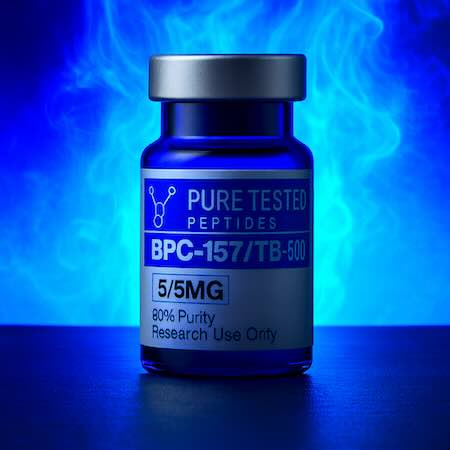
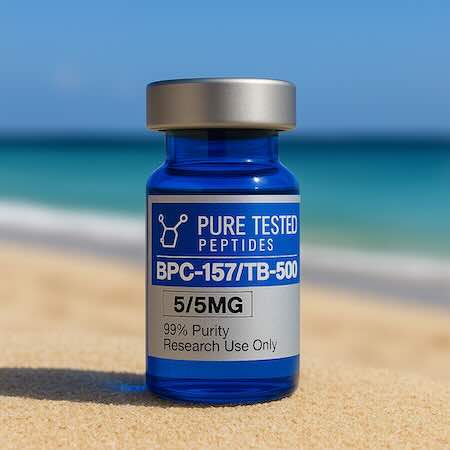
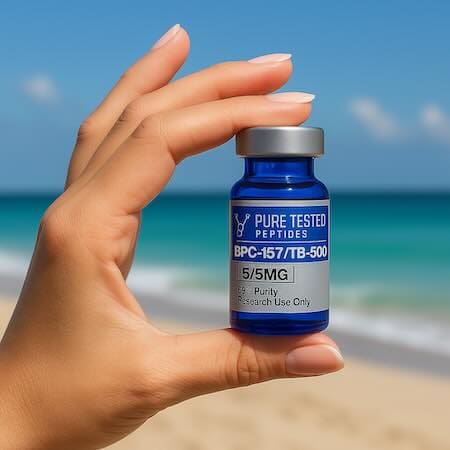
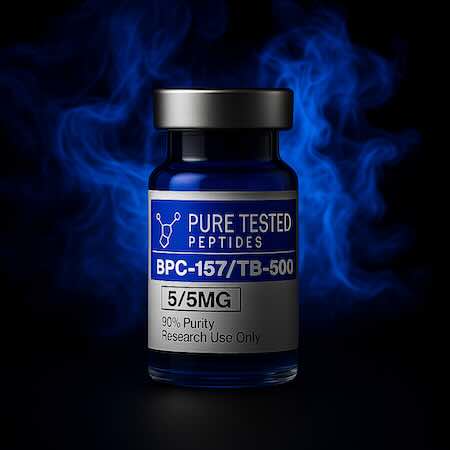
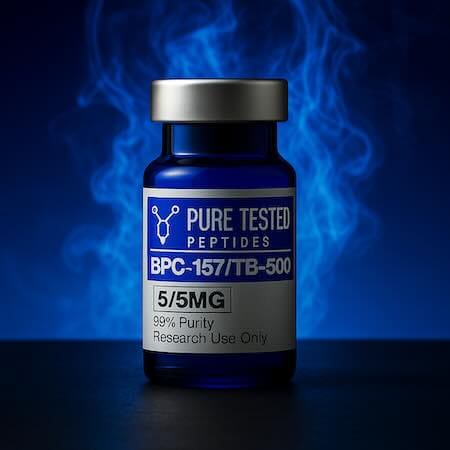
While the single-compound BPC-157 10mg vial is often the starting point for new projects, the wider catalog also includes combination tools and alternative formats. The dedicated BPC-157/TB-500 5/5mg combination research overview page outlines how labs can design structured comparisons between the individual vials and the blend. For teams that want to explore oral delivery, BPC capsules receive similar treatment, with discussion of how to differentiate capsule-based protocols from injectable or in-vitro formats.
These internal resources make it easier to build a content cluster of related BPC-157 topics: the BPC-157 10mg product page, TB-500 vials, the BPC-157/TB-500 blend, and capsule formats all link back to each other. From an SEO standpoint, that interlinking helps search engines understand that Pure Tested Peptides is a central hub for BPC-related research tools. For lab customers, the same structure makes navigation simpler, so they can move from basic product details to deeper research articles without leaving the site.
Designing Experiments That Respect Safety and Compliance
Because BPC-157 peptide for sale is a research peptide, responsible experiment design is just as important as product quality. Labs typically incorporate standard safety procedures, including PPE, proper sharps handling when needles are used in animal studies, and clearly labeled storage. Protocols should specify how long reconstituted solutions remain stable, how waste is disposed of, and how data will be recorded to prevent selective reporting.
Ethical considerations also play a role. Animal studies involving BPC-157 usually undergo review to ensure that endpoints are meaningful and that discomfort is minimized where possible. When BPC-157 is used in ex-vivo or cell culture systems, investigators still follow biosafety guidance related to handling human or animal tissues, disposing of biological waste, and documenting any unexpected findings. In all cases, the fact that BPC-157 is sold for research purposes only is reflected in the protocols themselves: there is no crossover into clinical recommendations or casual self-experimentation.
Buy BPC-157 peptides for sale
As interest in BPC-157 grows, so does the volume of anecdotal discussion online. For serious researchers, this makes it even more important to separate controlled data from uncontrolled reports. When evaluating published or in-house work involving BPC-157 10mg, labs typically ask a few key questions: Were the models appropriate for the research question? Were there adequate controls? Were endpoints predefined, and were statistical methods clearly described? Answering yes to these questions gives the findings far more weight than isolated case reports or marketing-driven claims.
Another factor is reproducibility. If a particular pattern appears in one lab’s BPC-157 work, but cannot be replicated elsewhere even when the same peptide source and methods are used, that suggests either model-specific effects or noise. High-purity material from a trusted supplier like Pure Tested Peptides removes one major variable from this equation, making it easier to determine whether differences come from methodology, biological variation, or genuine limitations of the compound itself.
Summary: BPC-157 10mg as a Focused Research Tool
BPC-157 10mg occupies a clear niche in the peptide research landscape: it is a promising but still unapproved compound that demands careful, methodical study. Labs that work with it treat the peptide as a tool for generating hypotheses and exploring mechanisms, not as a finished treatment. By sourcing BPC-157 from suppliers that emphasize over 99% purity, robust testing, and transparent labeling, investigators can trust that their results genuinely reflect the peptide they intended to study.
For research teams who want to expand their projects beyond a single vial, the broader BPC lineup at Pure Tested Peptides—including TB-500 vials, blended BPC-157/TB-500 tools, and capsule formats—offers multiple ways to design comparison studies and long-term projects. Throughout all of this work, the guiding principle remains the same: BPC-157 10mg and its related products are sold for research purposes only, and every experiment should respect that boundary while contributing carefully collected data to the growing body of preclinical knowledge.
BPC-157 Peptide — Mechanism, Evidence & Scientific Overview
This page summarizes what peer-reviewed studies report about BPC-157 in preclinical settings and proposed molecular pathways. It provides PubMed/PMC links and avoids medical or therapeutic claims.
What is BPC-157 for sale?
Buy BPC-157 from the top peptide source in the USA. (Body Protection Compound-157) is a synthetic pentadecapeptide investigated mainly in cells and animal models for effects on tissue repair biology, angiogenesis, and gastrointestinal integrity. Several reviews catalog pleiotropic actions while emphasizing that robust human efficacy data remain limited. [oai_citation:0‡PMC](https://pmc.ncbi.nlm.nih.gov/articles/PMC7096228/?utm_source=chatgpt.com)
Key pointMost findings below come from in vitro or non-human in vivo experiments; mechanism remains an active area of study.
BPC-157 10MG for sale – Quick Facts
- Also called: Body Protection Compound-157; “BPC-157 peptide”
- Focus terms: VEGFR2–AKT–eNOS; nitric-oxide signaling; FAK–paxillin; tendon fibroblasts; gastric mucosa
BPC-157 peptide for sale
1) Pro-angiogenic signaling via VEGFR2 → AKT → eNOS
Endothelial and ischemia models report increased VEGFR2 expression/internalization and activation of downstream AKT–eNOS, with enhanced tube formation and improved perfusion in a rat hind-limb ischemia assay. [oai_citation:1‡PubMed](https://pubmed.ncbi.nlm.nih.gov/27847966/?utm_source=chatgpt.com)
2) Nitric-oxide–mediated, largely endothelium-dependent vasorelaxation
Aortic ring experiments showed vasodilation that was blunted by L-NAME and hemoglobin and attenuated without endothelium—consistent with NO-mediated effects. [oai_citation:2‡PubMed](https://pubmed.ncbi.nlm.nih.gov/33051481/?utm_source=chatgpt.com) [oai_citation:3‡PMC](https://pmc.ncbi.nlm.nih.gov/articles/PMC7555539/?utm_source=chatgpt.com)
3) BPC 157 peptide cell adhesion & migration pathways (FAK–paxillin)
In tendon fibroblasts, BPC-157 increased phosphorylation of FAK and paxillin and supported migration and stress survival. These proteins transmit integrin-linked signals controlling motility and survival. [oai_citation:4‡PubMed](https://pubmed.ncbi.nlm.nih.gov/21030672/?utm_source=chatgpt.com) [oai_citation:5‡PMC](https://pmc.ncbi.nlm.nih.gov/articles/PMC2172300/?utm_source=chatgpt.com)
4) Growth-hormone receptor (GHR) expression in tendon fibroblasts
Gene-expression and protein studies found dose- and time-dependent up-regulation of GHR. With exogenous GH, in-vitro proliferation markers increased and JAK2 was activated—suggesting a permissive/synergistic interface with GH signaling in this cell type. [oai_citation:6‡PubMed](https://pubmed.ncbi.nlm.nih.gov/25415472/?utm_source=chatgpt.com) [oai_citation:7‡PMC](https://pmc.ncbi.nlm.nih.gov/articles/PMC6271067/?utm_source=chatgpt.com)
5) Gastroprotective/cytoprotective actions in rodent models
Multiple rat studies describe protection/healing in NSAID-induced and other gastric ulcer paradigms, consistent with mucosal cytoprotection concepts; mechanisms proposed include NO modulation and angiogenesis. [oai_citation:8‡PMC](https://pmc.ncbi.nlm.nih.gov/articles/PMC4717094/?utm_source=chatgpt.com) [oai_citation:9‡PubMed](https://pubmed.ncbi.nlm.nih.gov/9403784/?utm_source=chatgpt.com)
BPC157 for sale – Research Evidence
Musculoskeletal models
- Achilles tendon transection (rat): accelerated macroscopic and histologic healing; tendocyte growth stimulation in vitro. [oai_citation:10‡PubMed](https://pubmed.ncbi.nlm.nih.gov/14554208/?utm_source=chatgpt.com)
- Tendon explant/fibroblast studies: enhanced explant outgrowth, stress survival, and migration; FAK–paxillin activation. [oai_citation:11‡PubMed](https://pubmed.ncbi.nlm.nih.gov/21030672/?utm_source=chatgpt.com)
- GHR pathway in fibroblasts: BPC-157 increased GHR expression (mRNA/protein) and, with GH, increased proliferation markers; JAK2 engagement. [oai_citation:12‡PubMed](https://pubmed.ncbi.nlm.nih.gov/25415472/?utm_source=chatgpt.com)
Buy BPC 157 peptide Vascular & endothelial studies
- Endothelium/ischemia: VEGFR2 up-regulation, VEGFR2–AKT–eNOS activation, tube formation, and enhanced blood-flow recovery in limb ischemia (rat). [oai_citation:13‡PubMed](https://pubmed.ncbi.nlm.nih.gov/27847966/?utm_source=chatgpt.com)
- Vasomotor tone: NO-mediated, largely endothelium-dependent vasorelaxation in aortic rings. [oai_citation:14‡PubMed](https://pubmed.ncbi.nlm.nih.gov/33051481/?utm_source=chatgpt.com)
Gastrointestinal models
- Acute & chronic gastric ulcers (rat): protection and accelerated healing in several paradigms. [oai_citation:15‡PMC](https://pmc.ncbi.nlm.nih.gov/articles/PMC4717094/?utm_source=chatgpt.com)
Buy BPC-157 peptides for sale
Published human evidence remains very limited. A recent pilot infusion study in two healthy adults reported no adverse effects up to 20 mg; the authors call for larger trials. No conclusions on efficacy can be drawn from such small safety-focused work.
InterpretationAcross domains, most findings are preclinical. Translation to human outcomes is unproven and requires rigorously controlled clinical trials.
BPC157 for sale FAQ
Important Disclaimer
Educational only. This page summarizes laboratory and animal research and links to primary literature. It does not provide medical advice, diagnosis, or treatment, and it makes no therapeutic claims about BPC-157.
Regulatory notice for athletes & U.S. readers: BPC-157 10mg peptide for sale is listed by the World Anti-Doping Agency under S0: Non-approved Substances and is not FDA-approved; FDA lists BPC-157 among 503A Category-2 ingredients that present significant safety risks for traditional compounding. [oai_citation:31‡U.S. Anti-Doping Agency (USADA)
PLEASE NOTE THAT ALL BPC-157 PEPTIDE FOR SALE FEATURED HERE ARE INTENDED EXCLUSIVELY FOR RESEARCH AND DEVELOPMENT PURPOSES. THEY ARE NOT DESIGNED FOR ANY FORM OF HUMAN CONSUMPTION. THESE PRODUCTS HAVE NOT UNDERGONE EVALUATION BY THE U.S. FOOD AND DRUG ADMINISTRATION.