Buy Epithalon: Your Complete Guide to Sourcing Quality Research Peptides in 2025
In the rapidly evolving world of peptide research, one compound has captured the attention of scientists and researchers worldwide for its remarkable potential in longevity studies. Epithalon, a synthetic tetrapeptide, represents a breakthrough in cellular research that could revolutionize our understanding of aging processes. For researchers looking to buy epithalon for their studies, navigating the complex landscape of suppliers, quality standards, and regulatory considerations has never been more critical.
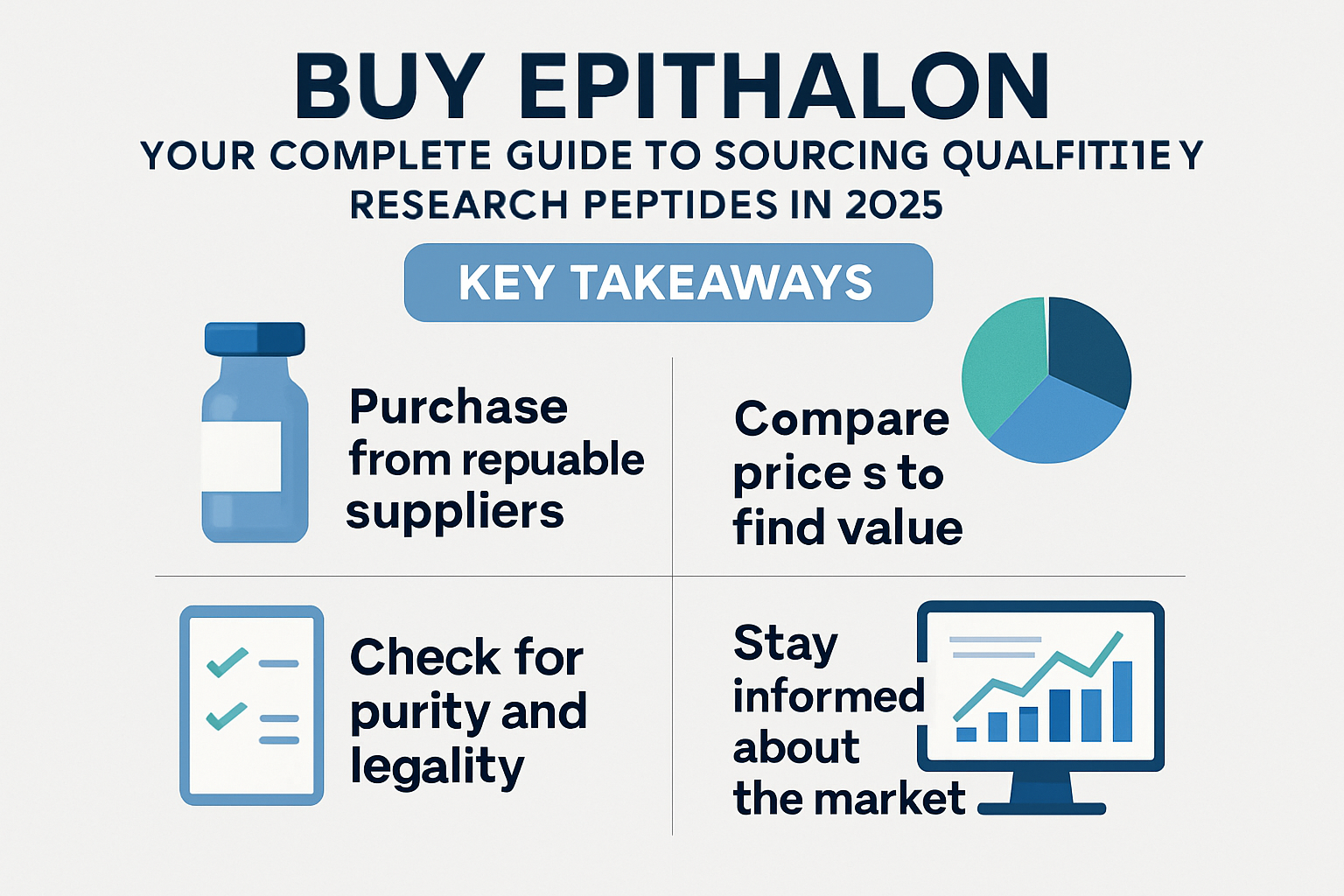
Key Takeaways
• Epithalon is a synthetic tetrapeptide with significant research potential in longevity and cellular regeneration studies
• Quality sourcing is paramount – only purchase from verified suppliers with comprehensive certificates of analysis
• Proper storage and handling are essential for maintaining peptide integrity and research validity
• Dosage protocols vary significantly based on research objectives and study parameters
• Legal compliance requires purchasing from reputable suppliers for research purposes only
Understanding Epithalon: The Foundation of Modern Longevity Research
Epithalon (Ala-Glu-Asp-Gly) stands as one of the most studied peptides in modern longevity research. This synthetic version of epithalamin, originally derived from the pineal gland, has demonstrated remarkable properties in laboratory studies. When researchers buy epithalon today, they're investing in a compound that has shown potential for telomerase activation, cellular protection, and various anti-aging mechanisms.
The epithalon peptide works through multiple pathways, primarily by potentially influencing telomerase activity and melatonin production. Research has indicated that this tetrapeptide may help maintain cellular integrity and support natural regenerative processes. For scientists conducting longevity studies, understanding these mechanisms is crucial when designing protocols and determining appropriate epithalon dosage parameters.
The Science Behind Epithalon's Mechanism
Epithalon peptides function through a complex interaction with cellular machinery. The primary mechanism involves potential telomerase activation, which may help maintain telomere length – a critical factor in cellular aging. Additionally, research suggests that epithalon may influence pineal gland function, potentially supporting natural melatonin production cycles.
Studies have explored various epithalon peptide benefits including:
- Cellular regeneration support 🧬
- Potential telomerase activation
- Circadian rhythm regulation
- Antioxidant properties
- Immune system modulation
For researchers interested in comprehensive peptide research, epithalon represents a cornerstone compound that bridges multiple research domains.
Where to Buy Epithalon: Quality Standards and Supplier Selection
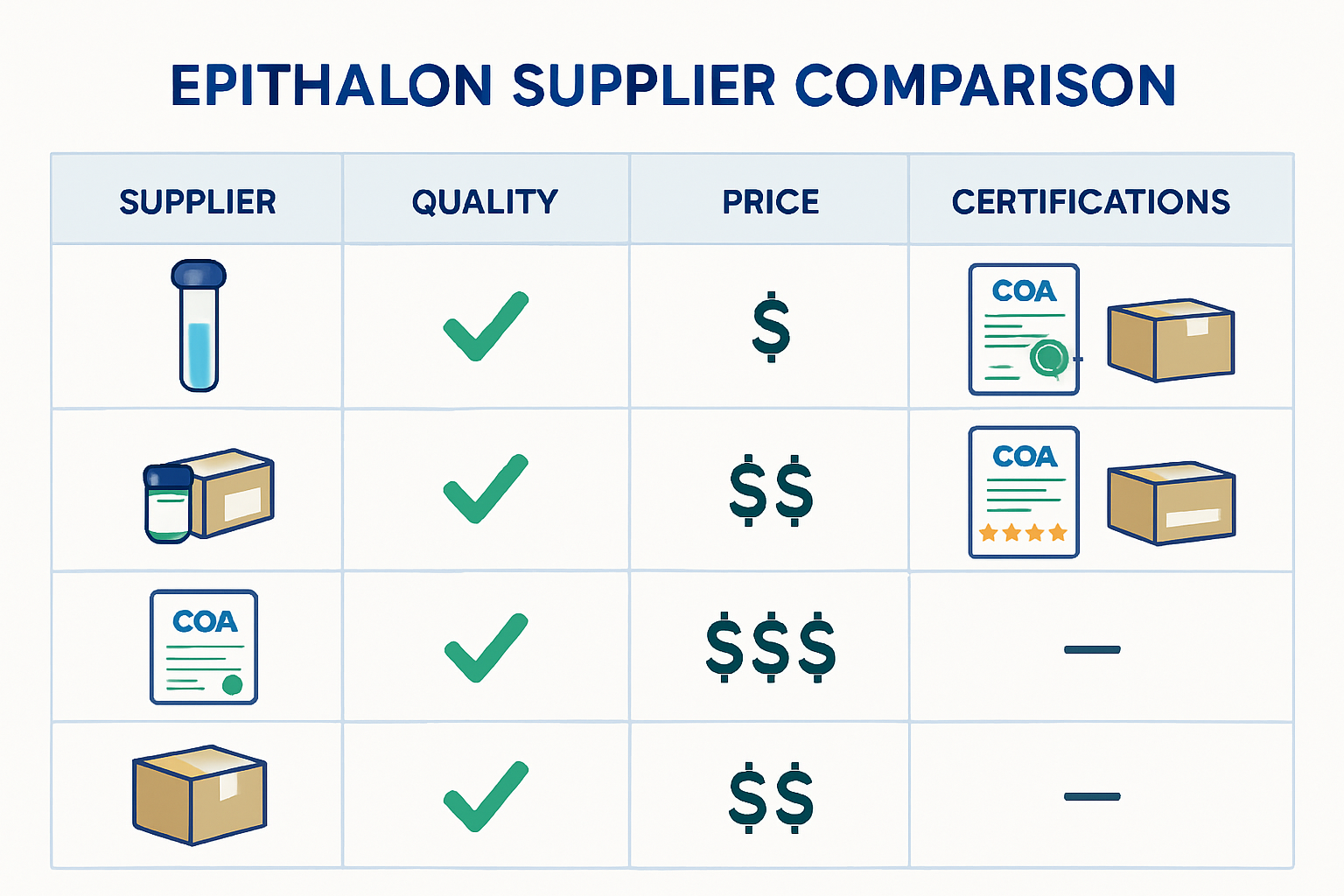
When researchers decide to buy epithalon, the selection of a reputable supplier becomes the most critical factor in ensuring research validity. The peptide market has expanded significantly, but not all suppliers maintain the rigorous quality standards necessary for scientific research.
Essential Quality Markers for Epithalon Suppliers
Purity Standards: Premium epithalon for sale should meet minimum 98% purity levels, verified through high-performance liquid chromatography (HPLC) testing. Reputable suppliers provide detailed certificates of analysis (COA) for each batch, ensuring consistency and reliability.
Testing Protocols: Comprehensive testing should include:
- Mass spectrometry verification
- Amino acid analysis
- Bacterial endotoxin testing
- Heavy metal screening
- Sterility confirmation
Storage and Shipping: Quality suppliers maintain cold-chain logistics and provide proper packaging to preserve peptide integrity during transport. Proper storage protocols are essential for maintaining epithalon's stability.
Evaluating Epithalon 10mg vs Epithalon 50mg Options
Research requirements often dictate the appropriate vial size when purchasing epithalon. Epithalon 10mg vials suit smaller-scale studies or initial protocol development, while epithalon 50mg options provide better value for extensive research programs.
| Vial Size | Best For | Cost Efficiency | Storage Considerations |
|---|---|---|---|
| 10mg | Pilot studies, protocol development | Lower initial investment | Shorter storage periods |
| 50mg | Extended research, bulk studies | Higher cost efficiency | Requires careful portioning |
For researchers planning comprehensive studies, the epithalon 50mg option offers superior value while maintaining the same quality standards.
Epithalon Dosage Protocols: Research Applications and Guidelines
Determining appropriate epithalon dosage parameters represents a critical aspect of research design. Various studies have explored different dosing strategies, with protocols varying based on research objectives and study duration.
Standard Research Dosing Frameworks
Short-term Studies: Research protocols typically explore epithalon dosing ranges from 5-20mg per cycle, administered over specific timeframes. These studies often focus on acute cellular responses and immediate biomarker changes.
Extended Research Protocols: Longer-term studies may utilize different epithalon dosage protocol approaches, often involving cyclical administration patterns. Researchers have explored various scheduling options including:
- Daily administration cycles
- Intermittent dosing patterns
- Seasonal protocol variations
- Combination therapy approaches
The epithalon dose selection depends heavily on the specific research parameters and desired outcomes. Research peptide protocols provide valuable frameworks for designing appropriate studies.
Combination Research: Epithalon and Thymalin
Many researchers explore epithalon and thymalin combinations to investigate potential synergistic effects. These combination studies often require careful protocol design and may benefit from epithalon and thymalin bulk sale options for cost-effective research.
When designing combination protocols, researchers must consider:
- Individual peptide stability
- Interaction potential
- Storage requirements
- Administration timing
For researchers interested in combination studies, peptide blend research offers valuable insights into multi-compound protocols.
Epithalon vs Epitalon: Understanding Nomenclature and Variations
The question of epithalon vs epitalon frequently arises in research circles, often causing confusion among new researchers. Understanding this nomenclature is crucial when sourcing peptides and reviewing research literature.
Clarifying the Naming Convention
Epithalon and epitalon refer to the same synthetic tetrapeptide compound (Ala-Glu-Asp-Gly). The variation in spelling primarily stems from different transliteration approaches from the original Russian research. When researchers buy epithalon, they're purchasing the same compound regardless of the spelling variation used by suppliers.
Key Points for Researchers:
- Both terms reference identical peptide sequences
- Research literature may use either spelling
- Supplier naming doesn't affect compound quality
- Certificate of analysis should specify exact sequence
Research Community Preferences
The epithalon peptide sciences community has gradually standardized toward "epithalon" spelling, particularly in Western research publications. However, both terms remain acceptable and are used interchangeably in scientific literature.
For researchers conducting literature reviews, searching both epitalon vs epithalon terms ensures comprehensive coverage of available studies and research findings.
Quality Assurance: Certificates of Analysis and Testing Standards
When researchers buy epithalon, understanding and evaluating certificates of analysis (COA) becomes essential for ensuring research quality. These documents provide crucial information about peptide purity, composition, and safety parameters.
Essential COA Components
Purity Analysis: HPLC testing results should demonstrate minimum 98% purity for research-grade epithalon. Mass spectrometry confirmation provides additional verification of molecular identity and structure.
Contamination Testing: Comprehensive COAs include bacterial endotoxin levels, heavy metal screening, and sterility confirmation. These parameters ensure peptide safety and prevent research contamination.
Stability Data: Quality suppliers provide stability testing information, indicating proper storage conditions and expected shelf life under recommended storage parameters.
Red Flags in Peptide Sourcing
Researchers should avoid suppliers who:
- Lack comprehensive COA documentation
- Provide incomplete testing results
- Offer suspiciously low pricing
- Cannot verify peptide source
- Lack proper storage protocols
Reputable peptide suppliers maintain transparent quality standards and provide complete documentation for every batch.
Storage and Handling: Maintaining Peptide Integrity
Proper storage protocols are crucial for maintaining epithalon stability and ensuring research validity. Understanding optimal storage conditions helps researchers maximize their investment when they buy epithalon for extended studies.
Optimal Storage Conditions
Temperature Requirements: Lyophilized epithalon should be stored at -20°C or below for long-term stability. Reconstituted peptides require refrigeration at 2-8°C and should be used within specified timeframes.
Environmental Factors: Peptides are sensitive to:
- Light exposure ☀️
- Temperature fluctuations
- Humidity levels
- pH variations
- Freeze-thaw cycles
Reconstitution Guidelines: When preparing epithalon for research use, sterile bacteriostatic water or appropriate buffer solutions should be used. Gentle mixing prevents peptide degradation while ensuring complete dissolution.
Long-term Storage Strategies
For researchers purchasing epithalon 50mg vials for extended studies, proper portioning and storage become critical. Dividing large vials into smaller aliquots prevents repeated freeze-thaw cycles and maintains peptide integrity throughout the research period.
Best practices for peptide storage provide comprehensive guidelines for maintaining compound stability and research validity.
Research Applications and Study Design Considerations
Epithalon benefits in research extend across multiple domains, from basic cellular studies to complex longevity research protocols. Understanding these applications helps researchers design appropriate studies and select optimal dosing strategies.
Cellular Research Applications
Telomerase Studies: Epithalon's potential effects on telomerase activity make it valuable for cellular aging research. Studies often explore dose-response relationships and temporal effects on telomere maintenance.
Circadian Research: The peptide's potential influence on pineal gland function opens research opportunities in circadian rhythm studies and melatonin regulation investigations.
Antioxidant Research: Epithalon's potential antioxidant properties provide research opportunities in oxidative stress studies and cellular protection mechanisms.
Study Design Considerations
When incorporating epithalon into research protocols, scientists must consider:
- Control group requirements
- Dosing schedule optimization
- Biomarker selection
- Timeline parameters
- Combination therapy potential
For researchers new to peptide studies, beginner research guides provide valuable frameworks for protocol development.
Regulatory Considerations and Compliance
Understanding regulatory frameworks is essential when researchers buy epithalon for scientific studies. Compliance requirements vary by jurisdiction and research setting, making proper documentation and sourcing critical.
Research Use Requirements
Institutional Approval: Most research institutions require protocol approval before peptide studies begin. This process typically involves:
- Research proposal submission
- Safety assessment review
- Ethical consideration evaluation
- Compliance verification
Documentation Requirements: Proper record-keeping includes supplier documentation, storage logs, usage records, and disposal procedures. These records support research validity and regulatory compliance.
International Considerations
Researchers operating across international boundaries must understand varying regulatory requirements for peptide importation and use. Some jurisdictions have specific requirements for:
- Import licensing
- Research facility registration
- Personnel certification
- Waste disposal protocols
Cost Considerations and Budget Planning
When researchers plan to buy epithalon, understanding cost structures and budget optimization becomes important for sustainable research programs. Peptide costs can vary significantly based on supplier, quantity, and quality standards.
Factors Affecting Epithalon Pricing
Quality Standards: Higher purity peptides typically command premium pricing, but the investment ensures research validity and reproducibility. Compromising on quality often leads to invalid results and wasted resources.
Quantity Considerations: Bulk purchasing options like epithalon and thymalin bulk sale offerings can provide significant cost savings for extensive research programs. However, storage capabilities and usage timelines must support bulk purchasing decisions.
Supplier Relationships: Establishing relationships with reputable suppliers often provides access to volume discounts, priority shipping, and technical support services.
Budget Optimization Strategies
Research Planning: Careful protocol design helps optimize peptide usage and minimize waste. Proper planning includes:
- Accurate dosage calculations
- Timeline optimization
- Storage requirement assessment
- Waste minimization strategies
Supplier Comparison: Evaluating multiple suppliers based on quality, pricing, and service levels ensures optimal value for research investments.
Community Insights: Epithalon Reddit Discussions and Peer Networks
The research community increasingly relies on peer networks and online forums for sharing experiences and insights. Epithalon reddit discussions provide valuable real-world perspectives on supplier experiences, protocol optimization, and research outcomes.
Valuable Community Resources
Research Forums: Online communities offer platforms for researchers to share experiences, discuss protocols, and evaluate suppliers. These discussions often provide insights not available in formal literature.
Peer Networks: Professional networks enable researchers to share best practices, collaborate on studies, and access collective knowledge about peptide research.
Conference Proceedings: Scientific conferences provide opportunities for researchers to present findings, discuss methodologies, and establish collaborative relationships.
Evaluating Community Information
While community insights provide valuable perspectives, researchers should:
- Verify information through multiple sources
- Consider individual research contexts
- Maintain scientific rigor
- Document reliable sources
Future Directions in Epithalon Research
The field of epithalon research continues evolving, with new studies exploring novel applications and combination therapies. Understanding emerging trends helps researchers plan future studies and identify collaboration opportunities.
Emerging Research Areas
Combination Therapies: Research increasingly explores epithalon combinations with other peptides and compounds. These studies investigate potential synergistic effects and optimized therapeutic approaches.
Biomarker Development: Advanced research focuses on identifying specific biomarkers for epithalon effects, enabling more precise study design and outcome measurement.
Delivery Optimization: New research explores alternative delivery methods and formulations to enhance bioavailability and research applications.
Technology Integration
Advanced Analytics: Modern research incorporates sophisticated analytical techniques for measuring epithalon effects at cellular and molecular levels.
Data Integration: Comprehensive research programs integrate multiple data streams to provide holistic understanding of epithalon's research potential.
For researchers interested in staying current with peptide research developments, comprehensive research resources provide ongoing education and updates.
Conclusion
The decision to buy epithalon for research purposes requires careful consideration of quality standards, supplier selection, and protocol design. As the peptide research field continues advancing, epithalon remains a cornerstone compound for longevity and cellular studies. Success in epithalon research depends on sourcing high-quality peptides from reputable suppliers, implementing proper storage and handling protocols, and designing rigorous study frameworks.
For researchers beginning their epithalon studies, prioritizing quality over cost ensures research validity and reproducible results. Establishing relationships with trusted suppliers, understanding regulatory requirements, and engaging with the research community provide foundations for successful research programs.
Next Steps for Researchers:
- Evaluate research requirements and determine appropriate epithalon quantities
- Research supplier options and verify quality standards through COA review
- Design preliminary protocols incorporating proper dosing and safety considerations
- Establish storage and handling procedures to maintain peptide integrity
- Connect with research communities for ongoing support and collaboration opportunities
The future of epithalon research holds tremendous promise, and researchers who invest in quality sourcing and rigorous methodology will contribute to advancing our understanding of this remarkable peptide's potential.
SEO Meta Title: Buy Epithalon: Complete 2025 Research Guide & Quality Sources
SEO Meta Description: Comprehensive guide to buy epithalon for research. Quality sourcing, dosage protocols, storage tips, and supplier evaluation for 2025 peptide studies.