Buy Wolverine Blend Peptide: The Complete 2026 Research Guide for Informed Shoppers
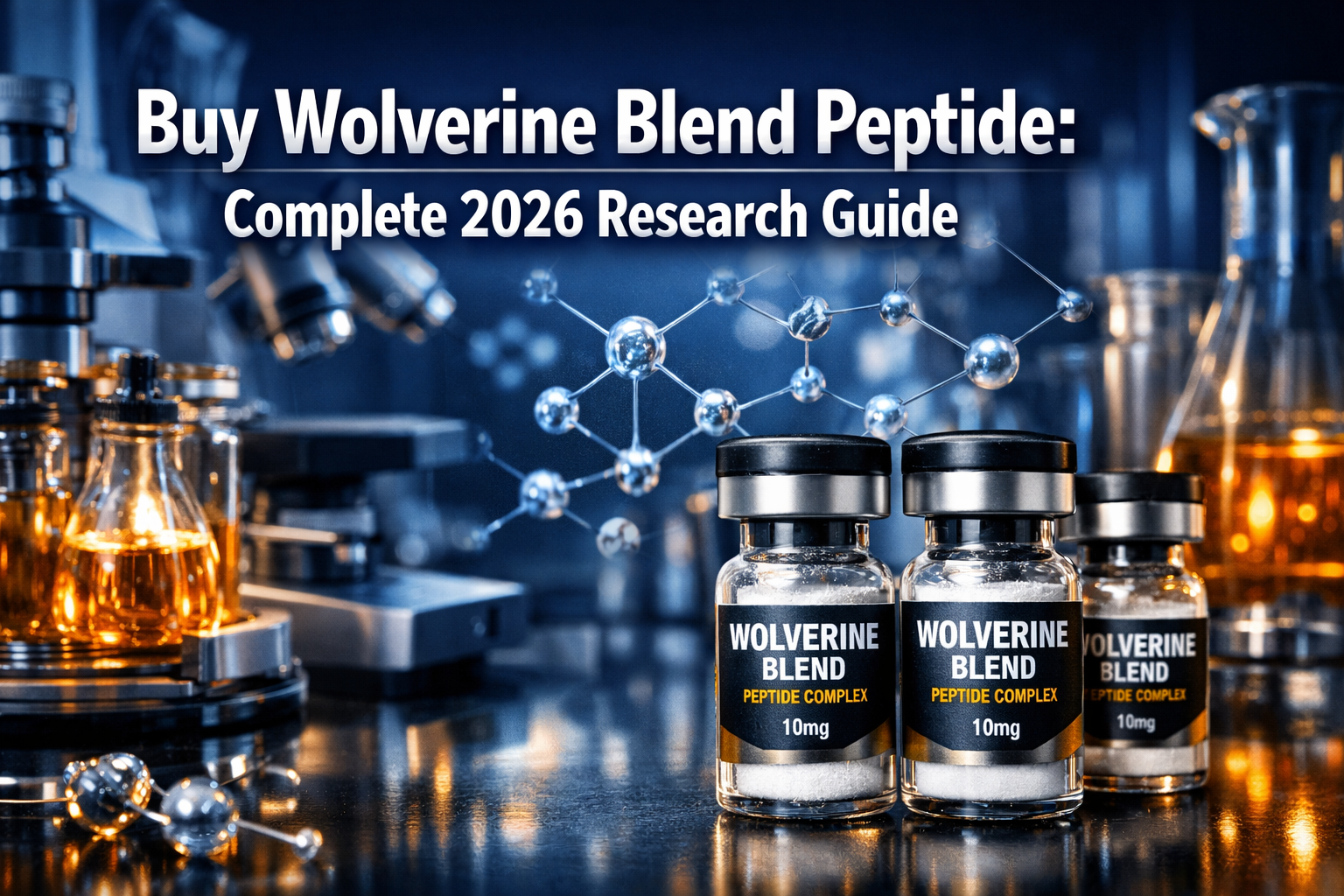
The peptide research market has exploded in 2026, with fitness enthusiasts, health professionals, and medispa owners seeking cutting-edge solutions for recovery and wellness studies. Among the most sought-after formulations stands the Wolverine blend peptide—a synergistic combination that has captured attention across research communities worldwide. When you buy wolverine blend peptide, understanding its composition, applications, and sourcing becomes paramount to ensuring quality research outcomes.
This comprehensive guide explores everything researchers and professionals need to know before making informed decisions about peptide procurement, with particular focus on the Wolverine formulation that has become a cornerstone of modern peptide research protocols.
Key Takeaways
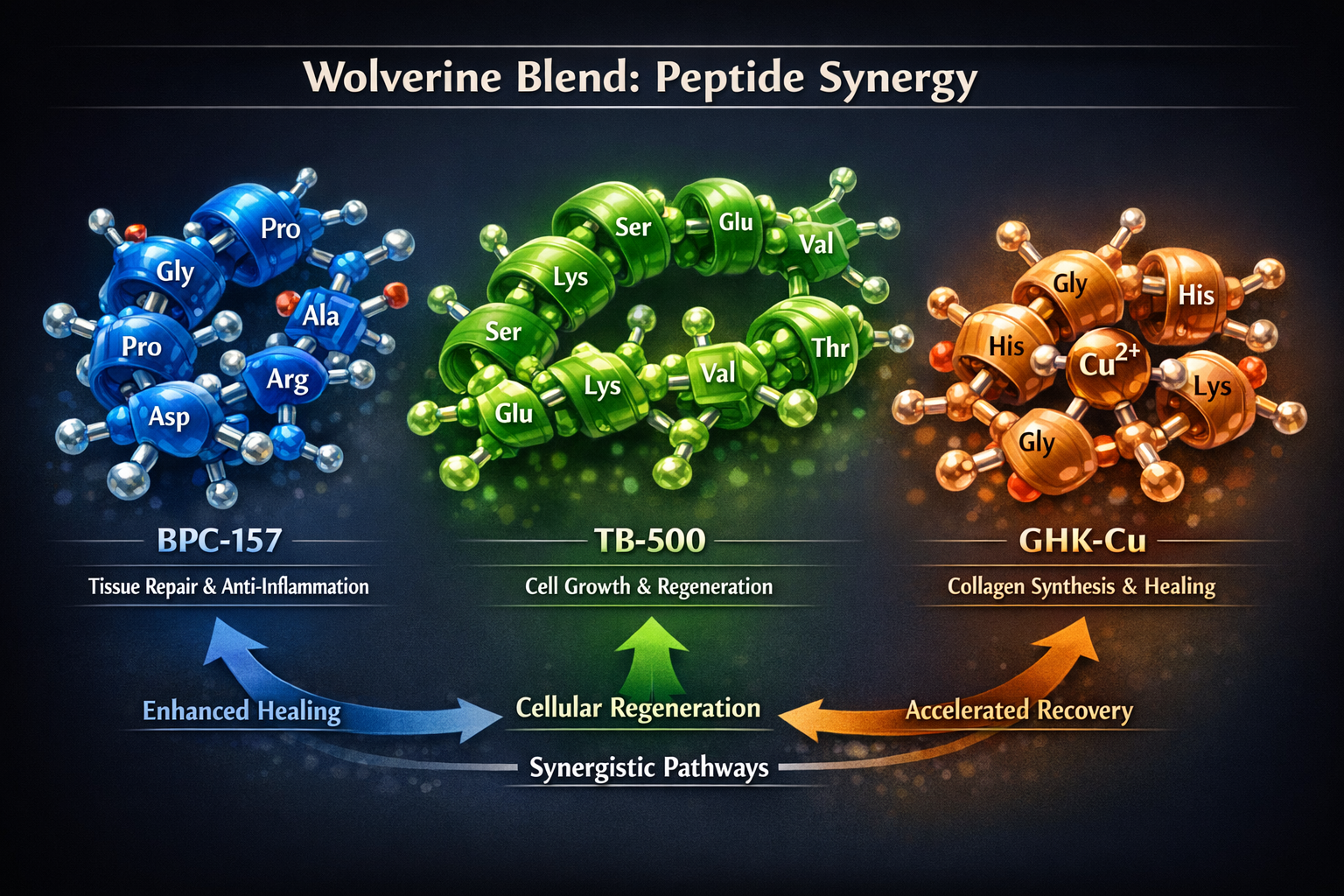
- Wolverine blend peptide combines multiple research peptides (typically BPC-157, TB-500, and GHK-Cu) for synergistic research applications in tissue repair and recovery studies
- Quality sourcing from verified peptide suppliers in the US ensures purity standards above 98% with proper third-party testing and certificates of analysis
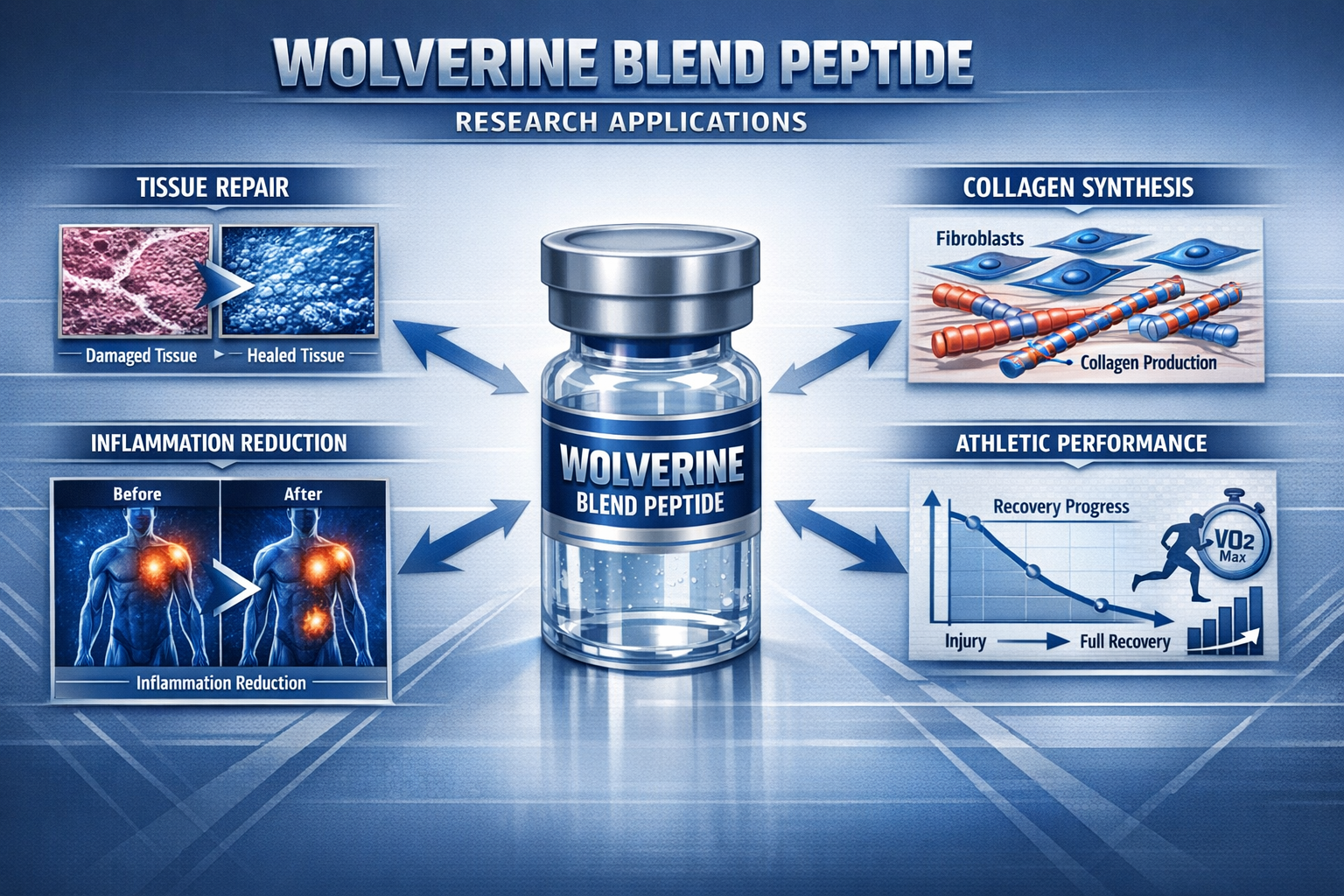
- Research applications span tissue regeneration studies, inflammation response research, and cellular repair mechanisms across multiple scientific disciplines
- Proper storage, reconstitution, and handling protocols are essential for maintaining peptide integrity and research validity
- The 2026 peptide market offers numerous options, making due diligence critical when selecting suppliers for research-grade formulations
Understanding Wolverine Blend Peptide Composition and Research Applications
What Makes Wolverine Blend Unique? 🧬
The Wolverine blend peptide represents a carefully formulated combination of research peptides designed to work synergistically. Unlike single-peptide formulations, this blend typically incorporates three primary components that have demonstrated complementary mechanisms in published research literature.
Core Components:
- BPC-157 (Body Protection Compound): A pentadecapeptide derived from gastric juice proteins
- TB-500 (Thymosin Beta-4 fragment): A synthetic peptide sequence found naturally in tissues
- GHK-Cu (Copper Peptide): A naturally occurring copper complex with tissue remodeling properties
The name "Wolverine" references the remarkable regenerative capabilities observed in research models, drawing parallels to the fictional character's healing abilities. When researchers buy wolverine stack peptide formulations, they're investing in a multi-mechanism approach to studying cellular repair processes.
Scientific Rationale Behind Peptide Blends
Research published in peer-reviewed journals has explored how individual peptides within the Wolverine formulation interact with distinct cellular pathways. BPC-157 studies have examined its effects on growth factor expression, while TB-500 research has focused on actin regulation and cell migration patterns. The copper peptide component has been investigated for its role in collagen synthesis and antioxidant enzyme activity.
Synergistic Mechanisms Under Investigation:
| Peptide Component | Primary Research Focus | Cellular Targets |
|---|---|---|
| BPC-157 | Angiogenesis, tissue protection | Growth factor pathways, nitric oxide |
| TB-500 | Cell migration, inflammation | Actin proteins, wound healing |
| GHK-Cu | Collagen synthesis, antioxidant activity | Copper-dependent enzymes, ECM |
When laboratories and research facilities buy peptides in blended formulations, they're exploring whether combined administration produces effects beyond what individual components might achieve independently. This represents a growing trend in peptide research methodology.
Research Applications Across Disciplines
The Wolverine blend peptide has found applications across multiple research domains in 2026. Sports science laboratories investigate its potential effects on recovery timelines in animal models. Dermatological research explores tissue remodeling mechanisms. Veterinary studies examine soft tissue repair processes in various species.
For best peptide retail US suppliers, the Wolverine formulation has become one of the most requested research compounds, particularly among:
- 🏋️ Fitness coaches conducting performance recovery studies
- 💉 Medispa owners researching aesthetic applications
- 🔬 University laboratories exploring regenerative mechanisms
- 🏥 Wellness clinics investigating therapeutic potential
Understanding these applications helps researchers determine whether this particular blend aligns with their study objectives before they buy wolverine blend peptide for their protocols.
Where to Buy Wolverine Blend Peptide: Sourcing and Quality Considerations
Identifying Reputable Peptide Suppliers in 2026
The peptide marketplace has expanded significantly, making supplier selection increasingly complex. When researchers seek to buy wolverine blend peptide, distinguishing between research-grade suppliers and lower-quality sources becomes critical for study validity.
Essential Supplier Qualifications:
✅ Third-party testing verification with accessible Certificates of Analysis (CoA)
✅ Purity standards exceeding 98% verified by HPLC and mass spectrometry
✅ Proper storage protocols including temperature-controlled facilities
✅ Transparent sourcing with documented manufacturing processes
✅ Regulatory compliance with research peptide distribution standards
Established peptide suppliers in the US maintain rigorous quality control systems that ensure consistency across batches. This reliability proves essential for longitudinal studies requiring multiple orders over extended research periods.
Quality Markers and Testing Standards
When evaluating where to buy peptides for research purposes, understanding quality markers helps researchers make informed decisions. The peptide industry has adopted standardized testing protocols that reputable suppliers voluntarily implement.
Critical Quality Indicators:
- HPLC Purity Analysis: High-Performance Liquid Chromatography results should show purity ≥98%
- Mass Spectrometry Confirmation: Verifies correct molecular weight and structure
- Endotoxin Testing: Ensures bacterial contamination levels remain below research thresholds
- Sterility Verification: Confirms absence of microbial contamination
- pH Testing: Validates proper formulation parameters
Research facilities that buy wolverine stack peptide formulations should request these documentation sets before procurement. Suppliers who hesitate to provide comprehensive testing data may not meet research-grade standards.
Comparing Wolverine Blend Sources
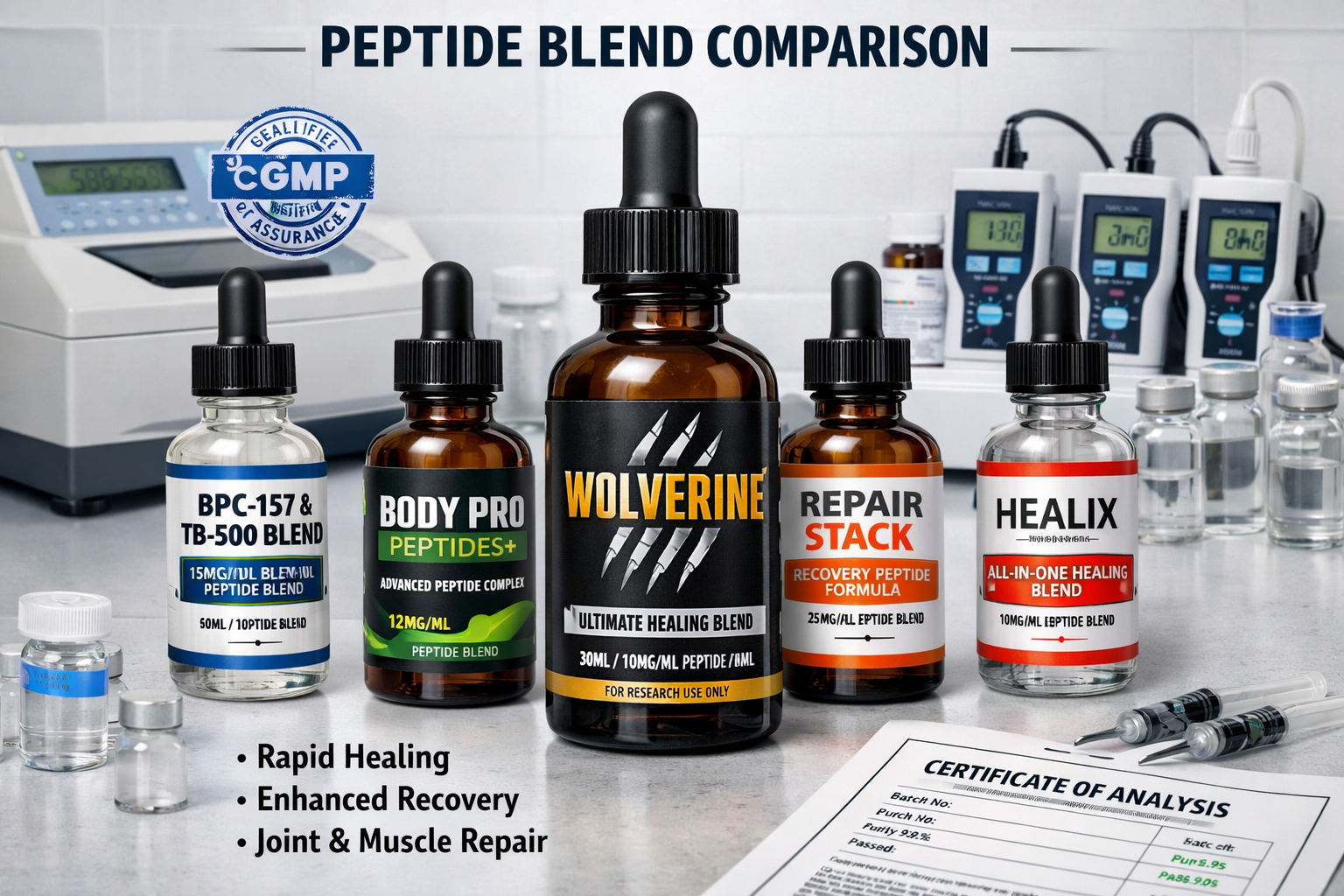
The 2026 peptide market offers Wolverine blend formulations from multiple suppliers, each with varying specifications. Researchers must compare not only pricing but also formulation ratios, concentration levels, and included components.
Comparison Factors:
| Factor | What to Evaluate | Why It Matters |
|---|---|---|
| Peptide Ratios | Specific mg amounts of each component | Affects dosing calculations and study design |
| Concentration | Total peptide content per vial | Impacts reconstitution protocols |
| Excipients | Additional ingredients beyond active peptides | May affect stability and compatibility |
| Packaging | Vial type, seal quality, labeling clarity | Influences storage and handling |
| Documentation | CoA availability, batch tracking | Essential for research documentation |
Leading suppliers offering peptide blends research formulations provide detailed specification sheets that allow direct comparison across sources. This transparency enables researchers to standardize their procurement decisions based on objective criteria.
Price Considerations and Value Assessment
Cost represents a significant factor when research facilities buy wolverine blend peptide, particularly for extended studies requiring multiple vials. However, the lowest price rarely correlates with optimal value in peptide research.
Value Calculation Factors:
- Per-milligram cost after accounting for actual purity percentages
- Minimum order quantities and bulk pricing structures
- Shipping methods ensuring temperature control during transit
- Replacement policies for compromised products
- Customer support availability for technical questions
Premium suppliers may charge 15-30% more than budget alternatives, but this difference often reflects superior testing, handling, and customer service that protects research investments. For laboratories conducting serious research, the incremental cost provides substantial risk mitigation.
When researchers explore where to buy wolverine blend formulations, they should calculate total cost of ownership rather than focusing solely on initial purchase price. This includes potential costs of failed experiments due to compromised peptide quality.
Benefits and Research Findings Associated with Wolverine Peptide Formulations
Tissue Repair and Regeneration Research
Scientific literature examining the individual components of Wolverine blend has documented various cellular effects in controlled research settings. When researchers buy wolverine blend peptide for tissue studies, they're building on decades of foundational research into peptide mechanisms.
Published Research Highlights:
Studies on BPC-157 have explored its effects on tendon-to-bone healing in animal models, with research published in the Journal of Physiology and Pharmacology documenting accelerated healing timelines. TB-500 investigations have examined its role in cardiac cell migration following injury, while GHK-Cu research has focused on wound closure rates in dermal studies.
🔬 Research Applications Include:
- Soft tissue injury models in laboratory animals
- Cellular migration assays in vitro
- Collagen synthesis measurements in tissue cultures
- Inflammatory marker tracking in controlled conditions
- Angiogenesis observation in vascular research
These research directions inform why fitness coaches, medispa owners, and wellness professionals show interest in peptide formulations. However, it's crucial to note that research findings in controlled laboratory settings do not automatically translate to human applications without proper clinical trials.
Anti-Inflammatory Response Studies
The inflammatory response represents a central focus in Wolverine blend research. Each component has been investigated for its interaction with inflammatory pathways, though mechanisms differ across the peptides.
Research examining BPC-157 has explored its effects on inflammatory cytokine expression in intestinal models. TB-500 studies have investigated its influence on inflammatory cell recruitment. The copper peptide component has been researched for its antioxidant properties and potential effects on oxidative stress markers.
Inflammatory Research Parameters:
| Research Focus | Measurement Methods | Published Findings |
|---|---|---|
| Cytokine Expression | ELISA, RT-PCR analysis | Varied effects on IL-1β, TNF-α, IL-6 |
| Oxidative Stress | ROS measurement, antioxidant assays | Copper peptide showed antioxidant activity |
| Cell Infiltration | Histological examination | Reduced inflammatory cell presence |
| Tissue Edema | Volume measurements, imaging | Decreased swelling in some models |
Researchers who buy wolverine stack peptide for inflammation studies should design protocols that account for the multi-component nature of the formulation. Isolating individual peptide effects versus synergistic interactions requires careful experimental design.
Recovery Timeline Research in Athletic Models
Sports science research has shown particular interest in peptide formulations like Wolverine blend. Studies examining recovery processes in athletic animal models have explored whether peptide administration correlates with altered recovery timelines.
Research published in sports medicine journals has investigated various recovery markers including muscle protein synthesis rates, tissue repair progression, and functional recovery assessments. These studies typically employ standardized injury models followed by controlled peptide administration protocols.
For fitness coaches and athletic researchers looking to buy peptides for performance studies, understanding the limitations of current research remains essential. Most published studies utilize animal models, cell cultures, or small human pilot studies that require replication in larger, controlled clinical trials before definitive conclusions can be drawn.
Comparative Research: Wolverine Blend vs. Individual Peptides
An important research question addresses whether combined peptide administration offers advantages over individual peptide use. When laboratories buy wolverine blend peptide, they're often investigating this specific question.
Comparative Study Designs:
Research protocols typically establish multiple experimental groups receiving either:
- Individual peptide components at equivalent doses
- The complete Wolverine blend formulation
- Vehicle controls for baseline comparison
- Combination therapy with varied ratios
Preliminary findings suggest potential synergistic effects in some research parameters, though results vary across study designs and models. The complexity of multi-peptide interactions requires sophisticated experimental approaches to isolate specific mechanisms.
Researchers interested in MOTS-C peptide and other individual formulations often conduct parallel studies comparing standalone versus blended approaches to inform their research direction.
Practical Considerations When You Buy Wolverine Blend Peptide
Storage and Handling Protocols ❄️
Proper peptide storage represents a critical factor in maintaining research integrity. When researchers buy wolverine blend peptide, implementing correct storage protocols immediately upon receipt prevents degradation that could compromise study results.
Storage Requirements:
Lyophilized (Powder) Form:
- Store at -20°C to -80°C in freezer
- Protect from light using amber vials or foil wrapping
- Minimize freeze-thaw cycles (ideally zero before reconstitution)
- Maintain low humidity environment
- Expected stability: 12-24 months when properly stored
Reconstituted (Liquid) Form:
- Store at 2-8°C in refrigerator
- Never freeze after reconstitution
- Use within 30 days for optimal stability
- Protect from light exposure
- Consider aliquoting for single-use applications
Research facilities that buy wolverine stack peptide formulations should establish standard operating procedures (SOPs) for peptide handling. These protocols should include temperature logging, access controls, and documentation requirements that ensure research reproducibility.
Reconstitution Best Practices
Proper reconstitution technique directly impacts peptide integrity and research outcomes. The process requires attention to detail and adherence to established protocols.
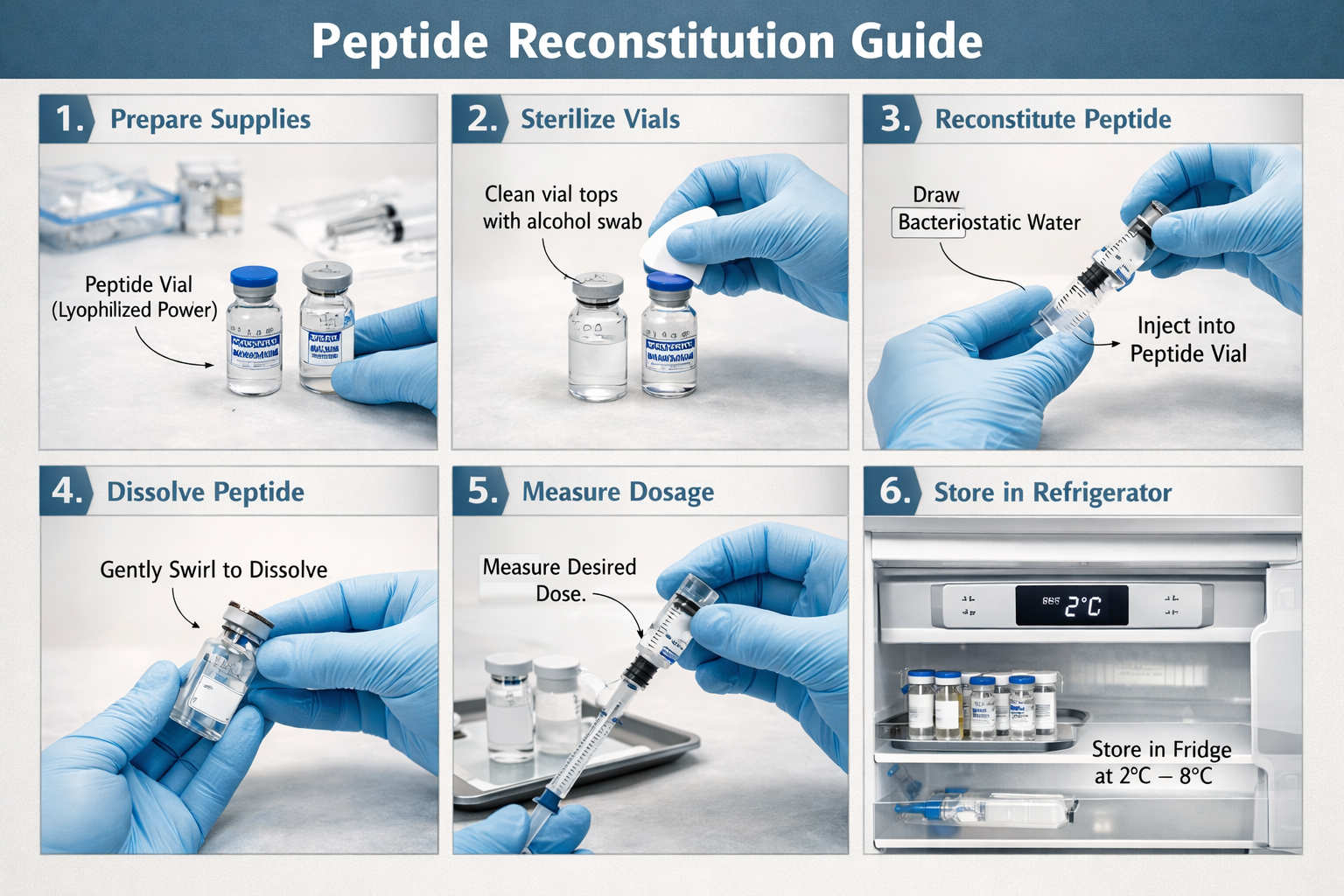
Step-by-Step Reconstitution Protocol:
-
Preparation Phase
- Allow lyophilized peptide to reach room temperature (15-20 minutes)
- Prepare sterile bacteriostatic water or appropriate diluent
- Gather sterile syringes and alcohol swabs
- Work in clean environment, preferably laminar flow hood
-
Reconstitution Process
- Calculate required diluent volume based on desired concentration
- Draw appropriate volume into sterile syringe
- Inject diluent slowly down vial wall (never directly onto powder)
- Allow peptide to dissolve naturally without shaking (5-10 minutes)
- Gentle swirling acceptable if needed after initial dissolution
-
Post-Reconstitution Handling
- Inspect solution for clarity and particulates
- Label vial with reconstitution date and concentration
- Store immediately at proper temperature
- Document batch number and reconstitution details
Researchers who buy peptides from quality suppliers often receive detailed reconstitution instructions specific to their formulation. Following manufacturer guidelines ensures optimal peptide stability throughout the research period.
Dosing Calculations for Research Protocols
Accurate dosing calculations represent a fundamental requirement in peptide research. When laboratories buy wolverine blend peptide, they must determine appropriate concentrations and volumes for their specific research models.
Calculation Framework:
Formula: Dose (mg) = Concentration (mg/mL) × Volume (mL)
Example Calculation:
- Target dose: 500 mcg (0.5 mg)
- Reconstituted concentration: 5 mg/mL
- Required volume: 0.5 mg ÷ 5 mg/mL = 0.1 mL (100 μL)
Concentration Determination:
- Vial contains: 10 mg lyophilized peptide
- Desired concentration: 2 mg/mL
- Required diluent: 10 mg ÷ 2 mg/mL = 5 mL
Research protocols should document all calculations, including adjustments for actual purity percentages provided in Certificates of Analysis. A peptide with 98% purity contains 9.8 mg of active compound in a 10 mg vial, requiring calculation adjustments for precision research.
For researchers exploring 5-Amino-1MQ peptide dosing or other formulations, similar calculation principles apply across different peptide types.
Documentation and Research Record Keeping
Comprehensive documentation separates rigorous research from informal experimentation. When research facilities buy wolverine stack peptide for scientific studies, establishing documentation protocols ensures reproducibility and regulatory compliance.
Essential Documentation Elements:
📋 Procurement Records:
- Supplier information and contact details
- Purchase order numbers and dates
- Batch/lot numbers for traceability
- Certificates of Analysis with testing results
- Storage location assignments
📋 Handling Logs:
- Receipt date and initial inspection notes
- Storage temperature logs
- Reconstitution dates and methods
- Personnel accessing peptides
- Any observed anomalies or concerns
📋 Usage Tracking:
- Research protocol identifiers
- Dosing calculations and administration records
- Subject/sample identifiers
- Observation notes and results
- Remaining inventory counts
Digital laboratory information management systems (LIMS) facilitate comprehensive tracking, though manual logbooks remain acceptable when properly maintained. The key principle involves creating an audit trail that allows complete reconstruction of peptide handling from procurement through disposal.
Regulatory Landscape and Compliance Considerations for 2026
Current Regulatory Status of Research Peptides
The regulatory environment surrounding research peptides continues evolving in 2026. When researchers buy wolverine blend peptide, understanding the legal framework governing their use ensures compliance with applicable regulations.
Regulatory Classifications:
Research peptides typically fall under several regulatory categories depending on their intended use:
Research Use Only (RUO):
- Designated for laboratory research and in vitro studies
- Not approved for human consumption or therapeutic use
- Subject to laboratory safety regulations
- Requires institutional oversight for animal studies
Investigational New Drug (IND) Status:
- Required for human clinical trials
- Involves FDA application and approval process
- Mandates extensive safety and manufacturing documentation
- Applies when transitioning from basic research to human studies
Reputable suppliers who serve researchers looking to buy peptides clearly label products as "For Research Use Only" and include appropriate disclaimers. This labeling reflects the current regulatory status and intended use parameters.
Institutional Review and Oversight Requirements
Research institutions typically maintain oversight committees that govern peptide research protocols. These bodies ensure ethical conduct and regulatory compliance across research activities.
Common Oversight Structures:
🏛️ Institutional Review Board (IRB):
- Required for any human subject research
- Reviews protocols for ethical considerations
- Monitors ongoing studies for compliance
- Mandates informed consent procedures
🏛️ Institutional Animal Care and Use Committee (IACUC):
- Oversees all animal research protocols
- Ensures humane treatment standards
- Reviews justification for animal use
- Monitors facility conditions and procedures
🏛️ Institutional Biosafety Committee (IBC):
- Reviews research involving biological materials
- Assesses biosafety risks and containment
- Ensures proper waste disposal procedures
- Monitors laboratory safety compliance
Researchers who buy wolverine stack peptide for institutional studies must obtain appropriate approvals before initiating research protocols. This oversight protects both research subjects and investigators while ensuring scientific rigor.
Import and Distribution Regulations
The international peptide market involves complex import/export regulations that affect availability and sourcing options. Understanding these regulations helps researchers navigate procurement challenges.
Key Regulatory Considerations:
When researchers explore where to buy wolverine blend formulations, they should verify:
- Supplier licensing and registration status
- Import permits for international shipments
- Customs classification and documentation
- State-specific regulations affecting distribution
- Institutional policies on peptide procurement
Best peptide retail US suppliers maintain necessary licenses and handle regulatory documentation, simplifying procurement for research facilities. Domestic sourcing often reduces regulatory complexity compared to international suppliers.
Ethical Research Practices and Responsible Use
Beyond regulatory compliance, ethical considerations guide responsible peptide research. The scientific community has established principles that govern research conduct regardless of specific legal requirements.
Ethical Research Principles:
Transparency and Disclosure:
- Accurate reporting of research methods and results
- Disclosure of funding sources and potential conflicts
- Sharing of protocols and data when appropriate
- Honest representation of findings and limitations
Subject Protection:
- Minimizing risks to research subjects (human or animal)
- Ensuring informed consent in human research
- Using minimum numbers necessary for statistical validity
- Implementing humane endpoints in animal studies
Scientific Integrity:
- Rigorous experimental design and controls
- Appropriate statistical analysis methods
- Peer review and independent verification
- Correction of errors when identified
Researchers who buy wolverine blend peptide for legitimate scientific inquiry uphold these principles, contributing to the body of knowledge while maintaining ethical standards that protect research integrity and public trust.
Emerging Research Directions and Future Perspectives
Novel Applications Under Investigation
The peptide research landscape continues expanding in 2026, with investigators exploring new applications beyond traditional tissue repair studies. When research facilities buy wolverine blend peptide, they're often pioneering novel research directions that could shape future therapeutic development.
Emerging Research Areas:
🔬 Neurological Research:
Recent studies have begun exploring peptide effects on neuronal health and neurotransmitter systems. Preliminary research investigates whether peptides like those in Wolverine blend might influence nerve regeneration in peripheral nerve injury models. These studies remain in early stages but represent an expanding research frontier.
🔬 Metabolic Research:
Investigators are examining potential peptide effects on metabolic parameters including glucose handling, lipid metabolism, and mitochondrial function. Research exploring connections between tissue repair peptides and metabolic health could reveal unexpected mechanisms relevant to metabolic disorders.
🔬 Longevity Research:
The intersection of peptide research and aging studies has gained attention, with scientists investigating whether tissue repair mechanisms might influence aging processes. Studies examining cellular senescence, telomere dynamics, and age-related tissue decline incorporate peptide formulations as research tools.
🔬 Combination Therapy Research:
Researchers are exploring how peptide blends interact with other research compounds. Studies examining peptide combinations with 5-Amino-1MQ or other metabolic compounds investigate whether multi-mechanism approaches offer research advantages.
These expanding research directions demonstrate why peptide formulations remain valuable research tools across diverse scientific disciplines.
Technological Advances in Peptide Research
Methodological advances are enhancing researchers' ability to study peptide mechanisms and effects. When scientists buy wolverine stack peptide in 2026, they have access to analytical tools that previous generations of researchers could only imagine.
Advanced Research Technologies:
Single-Cell Analysis:
Modern techniques allow researchers to examine peptide effects at individual cell resolution, revealing heterogeneous responses within cell populations that bulk analysis methods might miss.
Real-Time Imaging:
Advanced microscopy and imaging technologies enable observation of cellular processes as they occur, providing dynamic insights into peptide mechanisms rather than static endpoint measurements.
Proteomics and Metabolomics:
Comprehensive analysis of protein expression and metabolic profiles reveals system-wide effects of peptide administration, identifying unexpected pathways and mechanisms.
Computational Modeling:
Sophisticated computer models predict peptide interactions and optimize formulation ratios, guiding experimental design and reducing resource requirements.
These technological capabilities transform how researchers approach peptide studies, enabling more sophisticated questions and more definitive answers than traditional methods allowed.
Market Trends and Availability Projections
The peptide research market has experienced substantial growth, with projections suggesting continued expansion through the remainder of the decade. Understanding market dynamics helps researchers anticipate availability and pricing trends.
2026 Market Characteristics:
Increased Competition:
More suppliers entering the market has generally improved availability and competitive pricing for researchers seeking to buy peptides. However, this expansion also necessitates careful supplier vetting to ensure quality standards.
Formulation Innovation:
Suppliers are developing novel peptide combinations beyond traditional formulations, offering researchers expanded options for study design. The success of Wolverine blend has inspired similar multi-peptide formulations targeting different research applications.
Quality Standardization:
Industry organizations are working toward standardized testing protocols and quality benchmarks, potentially simplifying supplier comparison for researchers determining where to buy peptides for their studies.
Supply Chain Resilience:
Lessons from previous supply disruptions have prompted suppliers to develop more robust supply chains, improving reliability for long-term research projects requiring consistent peptide availability.
Researchers planning extended studies should monitor these trends when establishing supplier relationships and procurement strategies.
Integration with Broader Wellness Research
Peptide research increasingly intersects with broader wellness and preventive health research paradigms. This integration reflects growing interest in proactive approaches to health optimization rather than purely reactive therapeutic interventions.
Wellness Research Integration:
Research facilities exploring where to buy wolverine blend formulations often situate their work within comprehensive wellness research programs examining:
- Optimization of recovery processes in athletic populations
- Preventive strategies for age-related tissue changes
- Enhancement of natural healing mechanisms
- Integration of peptide research with nutritional and lifestyle interventions
This holistic research approach recognizes that peptides represent one component within complex biological systems influenced by multiple factors. Studies examining peptide effects in isolation versus within broader intervention protocols help clarify their potential role in wellness optimization strategies.
For medispa owners and wellness clinics conducting research, this integrated perspective aligns with patient-centered approaches that consider multiple factors influencing health outcomes.
Frequently Asked Questions About Buying Wolverine Blend Peptide
What should I look for in a peptide supplier?
When researchers buy wolverine blend peptide, prioritizing suppliers with comprehensive third-party testing, transparent Certificates of Analysis, proper storage facilities, and responsive customer support ensures research-grade quality. Verify that suppliers clearly label products as "For Research Use Only" and maintain appropriate licensing for peptide distribution.
How do I verify peptide purity and quality?
Request Certificates of Analysis showing HPLC purity results (should exceed 98%), mass spectrometry confirmation of molecular weight, and endotoxin testing results. Reputable peptide suppliers in the US provide these documents for each batch, allowing verification before use.
What's the difference between Wolverine blend and individual peptides?
Wolverine blend combines multiple peptides (typically BPC-157, TB-500, and GHK-Cu) in a single formulation designed for synergistic research applications. Individual peptides allow researchers to isolate specific mechanisms, while blends explore potential synergistic effects. Research objectives determine which approach best serves study goals.
How long do peptides remain stable after reconstitution?
Reconstituted peptides typically maintain stability for 30 days when stored properly at 2-8°C, protected from light, and never frozen. Lyophilized peptides stored at -20°C to -80°C before reconstitution remain stable for 12-24 months. Always follow manufacturer-specific stability guidelines for optimal results.
Can I use Wolverine blend for human applications?
Research peptides labeled "For Research Use Only" are not approved for human consumption or therapeutic use. Human applications require products that have undergone extensive clinical trials and received regulatory approval. Current Wolverine blend formulations serve research purposes in laboratory and animal model studies.
What's the typical cost range for Wolverine blend peptide?
Pricing varies based on formulation specifics, peptide concentrations, and supplier quality standards. Research-grade Wolverine blend typically ranges from $150-$400 per vial depending on total peptide content and component ratios. Higher prices often reflect superior testing, purity standards, and quality assurance processes.
How do I determine appropriate dosing for my research?
Dosing depends on research model, study objectives, and specific formulation characteristics. Review published literature on individual components, consult with experienced researchers in your field, and design pilot studies to establish appropriate parameters for your specific research context. Always calculate doses based on actual purity percentages from Certificates of Analysis.
Where can I find research protocols for peptide studies?
Published scientific literature provides foundational protocols, while suppliers often offer general guidelines for handling and reconstitution. Research institutions may have established protocols for peptide studies. Consulting with experienced peptide researchers in your field helps develop appropriate protocols for specific research questions.
Conclusion: Making Informed Decisions When You Buy Wolverine Blend Peptide
The decision to buy wolverine blend peptide represents a significant investment in research quality and outcomes. Throughout 2026, the peptide research landscape continues evolving, offering unprecedented opportunities for scientific discovery while demanding careful attention to sourcing, quality, and methodology.
Key Decision Factors:
Successful peptide research begins with supplier selection. Prioritizing best peptide retail US sources with demonstrated quality standards, comprehensive testing protocols, and transparent documentation ensures that research investments yield valid, reproducible results. The additional cost of premium suppliers provides substantial value through reduced risk of compromised experiments and wasted resources.
Understanding the scientific rationale behind Wolverine blend formulations helps researchers design appropriate protocols and interpret results within proper context. The combination of BPC-157, TB-500, and GHK-Cu offers unique research opportunities to explore synergistic mechanisms, but also requires sophisticated experimental designs that account for multi-component interactions.
Practical Implementation:
Researchers who buy wolverine stack peptide formulations should establish comprehensive protocols covering:
✅ Proper storage and handling procedures that maintain peptide integrity
✅ Accurate reconstitution and dosing calculations based on verified purity data
✅ Comprehensive documentation systems ensuring research reproducibility
✅ Appropriate regulatory compliance and institutional oversight
✅ Ethical research practices that uphold scientific integrity
These foundational elements separate rigorous research from informal experimentation, contributing to the broader scientific knowledge base while protecting research investments.
Looking Forward:
The peptide research field stands at an exciting juncture in 2026, with emerging technologies, expanding applications, and growing scientific interest driving innovation. Researchers exploring where to buy wolverine blend formulations participate in this dynamic field, potentially contributing discoveries that shape future therapeutic development.
However, maintaining realistic expectations about current knowledge limitations remains essential. Most peptide research relies on animal models, cell cultures, and preliminary studies requiring extensive additional investigation before definitive conclusions emerge. Responsible researchers acknowledge these limitations while pursuing rigorous studies that incrementally advance scientific understanding.
Actionable Next Steps:
For researchers ready to buy wolverine blend peptide:
- Evaluate Research Objectives: Clearly define research questions and determine whether Wolverine blend aligns with study goals
- Assess Supplier Options: Compare quality standards, testing protocols, and customer support across potential suppliers
- Develop Protocols: Establish comprehensive SOPs for handling, storage, reconstitution, and documentation
- Secure Approvals: Obtain necessary institutional oversight approvals before initiating research
- Plan Long-Term: Consider ongoing peptide requirements and establish reliable supplier relationships
- Stay Informed: Monitor emerging research and methodological advances in peptide science
The peptide research journey requires diligence, expertise, and commitment to quality at every stage. By prioritizing these elements, researchers position themselves to contribute meaningful insights to the growing body of peptide science while maintaining the ethical standards and scientific rigor that define legitimate research endeavors.
Whether you're a fitness coach exploring recovery mechanisms, a medispa owner investigating aesthetic applications, or a university researcher examining fundamental cellular processes, the decision to buy wolverine blend peptide opens doors to fascinating research possibilities. Approach this decision with the care it deserves, and your research investments will yield valuable insights that advance both your specific objectives and the broader scientific understanding of these remarkable compounds.
SEO Meta Information
Meta Title: Buy Wolverine Blend Peptide: 2026 Research Guide & Sources
Meta Description: Complete guide to buy wolverine blend peptide in 2026. Compare suppliers, understand quality standards, and explore research applications for informed peptide procurement.