BuyPeptides: The Complete Guide to Research Peptide Sourcing in 2026 🔬
The research peptide industry has undergone dramatic transformation since the closure of BuyPeptides in 2015, leaving thousands of researchers, wellness professionals, and scientific institutions searching for reliable alternatives. Whether you're a health enthusiast exploring cutting-edge wellness compounds, a bodybuilder seeking performance-enhancing research materials, or a medispa professional investigating innovative treatment options, understanding the landscape of buypeptides and research peptide sourcing has never been more critical. This comprehensive guide reveals everything you need to know about navigating the modern peptide marketplace safely, legally, and effectively.
Key Takeaways 📋
- BuyPeptides was a pioneering research peptide supplier that operated from 2008-2015 before closure due to FDA regulatory scrutiny
- The research peptide market has evolved significantly, requiring careful attention to quality testing, certificates of analysis, and regulatory compliance
- Third-party verification through HPLC and mass spectrometry testing is essential when sourcing research peptides in 2026
- Only FDA-approved peptides are legal for human consumption; research-grade compounds must remain in laboratory settings
- Reputable suppliers provide comprehensive documentation, transparent testing results, and clear research-only disclaimers
The Rise and Fall of BuyPeptides: Understanding the Industry Evolution 📈
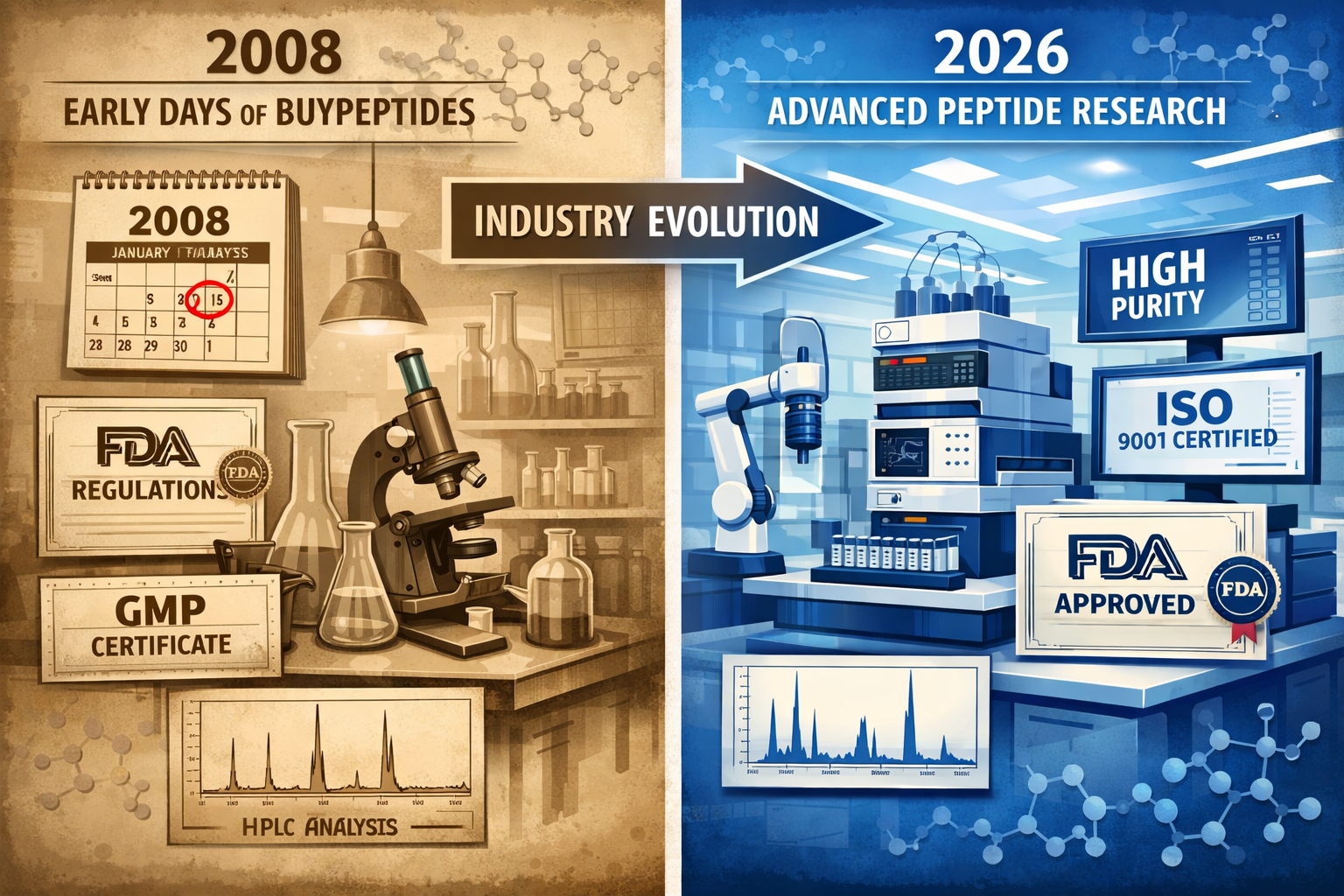
The story of buypeptides begins in 2008 when the company emerged as one of the first major online suppliers of research-grade synthetic peptides. During its seven-year operation, BuyPeptides became a household name among researchers, offering a wide catalog of experimental compounds including growth hormone releasing peptides (GHRPs), melanotan peptides for pigmentation research, and various other amino acid chains designed for scientific investigation.
The Golden Era of Research Peptide Access
Between 2008 and 2015, the research peptide industry experienced unprecedented growth. BuyPeptides and similar suppliers operated in a relatively unregulated space, providing scientists, academic institutions, and private researchers with access to compounds that were otherwise difficult to obtain. The company built its reputation on several key factors:
- Wide product selection including hard-to-find experimental peptides
- Competitive pricing that made research more accessible
- Quick shipping to laboratories across the United States
- Basic quality documentation for research verification
However, this golden era came with significant challenges. The lack of stringent oversight meant that quality control standards varied widely across suppliers, and the industry faced growing concerns about products being diverted from legitimate research to unauthorized human use.
Regulatory Scrutiny and the 2015 Closure
The closure of BuyPeptides in 2015 marked a turning point for the research peptide industry. Increased FDA scrutiny focused on several critical issues:
- Mislabeling concerns regarding peptide purity and composition
- Unauthorized human consumption of research-only compounds
- Lack of proper safety testing and clinical validation
- Marketing practices that suggested therapeutic benefits
The FDA's enforcement actions sent shockwaves through the industry, forcing many suppliers to either shut down operations or dramatically revamp their business practices. This regulatory intervention, while disruptive, ultimately pushed the industry toward higher standards and greater accountability.
Where to Buy GLP-1 Peptide and Other Research Compounds Today
In the post-BuyPeptides era, researchers seeking where to buy glp 1 peptide and other research compounds must navigate a more complex but ultimately safer marketplace. The modern research peptide industry has evolved to include:
- Enhanced quality control with mandatory third-party testing
- Comprehensive documentation including certificates of analysis
- Clear regulatory compliance with research-only designations
- Transparent sourcing and manufacturing processes
Today's researchers benefit from suppliers like Pure Tested Peptides that prioritize quality verification and regulatory compliance while maintaining the accessibility that made companies like BuyPeptides popular.
Understanding Research Peptides: What You Need to Know 🧪
Research peptides are synthetic chains of amino acids designed to mimic naturally occurring peptides in the human body. These compounds play crucial roles in scientific investigation, helping researchers understand biological processes, disease mechanisms, and potential therapeutic pathways. For those searching for peptides buy options, understanding the fundamentals is essential.
Types of Research Peptides Available
The research peptide market encompasses dozens of compound categories, each with specific research applications:
Growth Hormone Related Peptides
- ModGRF (Modified Growth Hormone Releasing Factor) for growth hormone secretion studies
- CJC-1295 for extended-release GH research
- Ipamorelin for selective ghrelin receptor investigation
Metabolic Research Compounds
- 5-Amino-1MQ for NNMT enzyme studies
- AOD-9604 for lipolytic research
- MOTS-C for mitochondrial function investigation
Tissue Repair and Recovery Peptides
- TB-500 for cellular migration studies (with significant tb-500 benefits bodybuilding research interest)
- BPC-157 for tissue healing mechanisms
- GHK-Cu for wound repair investigation
Pigmentation Research Compounds
- MT1 peptide (Melanotan 1) for melanogenesis studies
- Melanotan II for receptor binding research
- Alpha-MSH analogs for pigmentation pathway investigation
The Science Behind Peptide Synthesis
Understanding how research peptides are created helps researchers evaluate quality and purity. Modern peptide synthesis typically employs solid-phase peptide synthesis (SPPS), a method that allows for precise control over amino acid sequence and chain length.
The synthesis process involves:
- Amino acid coupling to build the peptide chain
- Protecting group removal to expose reactive sites
- Cleavage from solid support to isolate the peptide
- Purification through HPLC to achieve desired purity levels
- Lyophilization to create stable powder form
Quality peptide suppliers invest in pharmaceutical-grade synthesis equipment and maintain cleanroom environments to minimize contamination. When researchers buy peptide online, they should verify that suppliers follow these rigorous manufacturing standards.
Peptide Purity and Quality Indicators
The purity of research peptides directly impacts experimental validity and reproducibility. When evaluating peptide stores or suppliers, researchers should understand key quality metrics:
| Quality Metric | Acceptable Standard | Verification Method |
|---|---|---|
| Purity Percentage | ≥98% for research-grade | HPLC analysis |
| Peptide Content | ≥80% of stated amount | Amino acid analysis |
| Sterility | No bacterial growth | USP sterility testing |
| Endotoxin Levels | <1.0 EU/mg | LAL test |
| Heavy Metals | <10 ppm | ICP-MS analysis |
Reputable suppliers provide detailed certificates of analysis (COAs) documenting these metrics for every batch produced. Researchers should never purchase from suppliers that cannot provide current, third-party verified testing documentation.
Finding Reliable BuyPeptides Alternatives in 2026 🔍
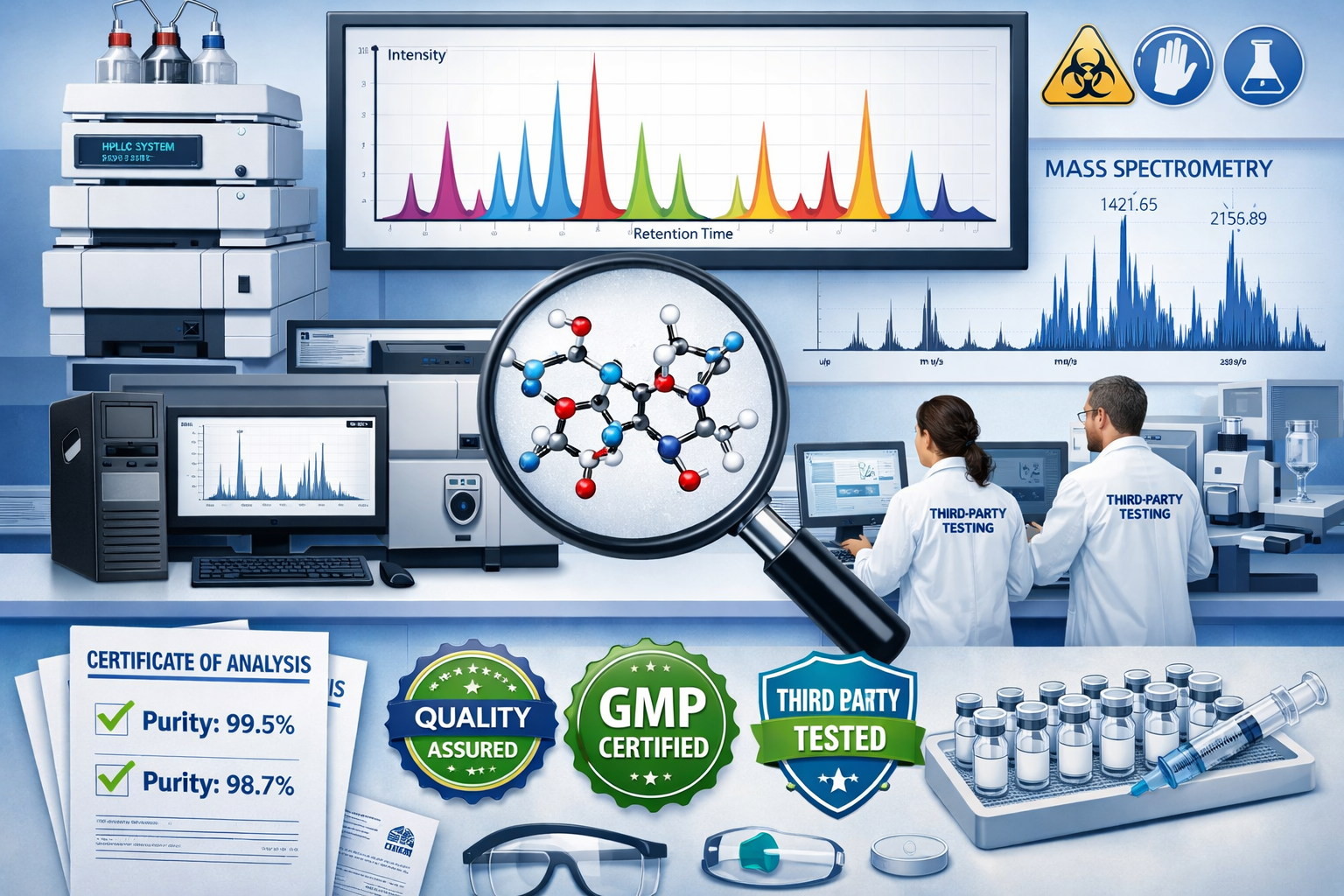
With the closure of BuyPeptides and increased regulatory oversight, researchers must carefully evaluate modern suppliers to ensure they receive high-quality, properly tested compounds. The search for reliable buypeptides alternatives requires attention to several critical factors.
Essential Criteria for Evaluating Peptide Suppliers
When researchers seek peptides doctor near me or online suppliers, they should apply a systematic evaluation framework:
1. Third-Party Testing Verification
The single most important criterion for any research peptide supplier is independent, third-party testing. Look for suppliers that provide:
- HPLC chromatograms showing purity analysis
- Mass spectrometry results confirming molecular weight
- Certificates of analysis from accredited laboratories
- Batch-specific documentation rather than generic reports
- Recent testing dates (within 6 months)
Premium suppliers like Pure Tested Peptides make testing documentation readily accessible, allowing researchers to verify quality before purchase.
2. Regulatory Compliance and Transparency
Legitimate research peptide suppliers operate within legal frameworks and maintain clear compliance standards:
✅ Clear research-only disclaimers on all products
✅ No therapeutic claims or medical advice
✅ Proper labeling with accurate compound information
✅ Terms of service prohibiting human consumption
✅ Business transparency including contact information and physical address
3. Product Range and Specialization
Quality suppliers typically offer a curated selection of well-researched compounds rather than hundreds of obscure peptides. When looking for bodybuilding peptides for sale or metabolic research compounds, prioritize suppliers that specialize in specific categories and demonstrate deep knowledge of their products.
Top Research Peptide Categories in 2026
The modern research peptide market has consolidated around several well-studied compound categories:
Metabolic Research Compounds
Metabolic peptides remain among the most researched categories, with compounds like 5-Amino-1MQ gaining significant attention for NNMT enzyme inhibition studies. Researchers investigating metabolic pathways often seek:
- 5-Amino-1MQ for nicotinamide metabolism research
- AOD-9604 for lipolysis mechanism studies
- MOTS-C for mitochondrial signaling investigation
Tissue Repair and Regeneration
The tb-500 benefits bodybuilding community has long recognized remain a major research focus, with applications in:
- Wound healing mechanism studies
- Cellular migration research
- Angiogenesis investigation
- Inflammation modulation
Growth Hormone Research
ModGRF and related compounds continue to be essential tools for understanding growth hormone regulation:
- Growth hormone secretagogue studies
- Pituitary function research
- Age-related GH decline investigation
- Receptor binding mechanism studies
Simple Peptides vs. Complex Formulations
Researchers often debate whether to use simple peptides (single compounds) or complex formulations (peptide blends). Each approach offers distinct advantages:
Single Compound Benefits:
- Clear attribution of research outcomes
- Simplified dosing calculations
- Easier quality verification
- Lower risk of compound interactions
Peptide Blend Advantages:
- Synergistic mechanism investigation
- Reduced research time and cost
- Multiple pathway exploration
- Real-world application modeling
For those interested in peptide blend research, reputable suppliers provide detailed composition information and testing for each component.
Quality Assurance: The Critical Role of Testing and Verification 🎯
The collapse of BuyPeptides highlighted the critical importance of rigorous quality assurance in the research peptide industry. In 2026, sophisticated testing protocols have become the gold standard for ensuring peptide purity, potency, and safety.
Understanding HPLC Analysis
High-Performance Liquid Chromatography (HPLC) serves as the primary method for verifying peptide purity. This analytical technique separates peptide compounds from impurities, providing a detailed profile of product composition.
Key HPLC Metrics:
- Retention time: Confirms peptide identity
- Peak area: Indicates relative purity percentage
- Peak shape: Reveals potential degradation or contamination
- Resolution: Demonstrates separation quality
When researchers buy aod 9604 online or other research peptides, the HPLC chromatogram should show a dominant peak representing the target peptide (ideally ≥98% of total peak area) with minimal impurity peaks.
Mass Spectrometry Confirmation
While HPLC verifies purity, mass spectrometry confirms molecular identity. This technique measures the mass-to-charge ratio of peptide molecules, ensuring the compound matches its expected molecular weight.
Mass Spec Verification Process:
- Sample ionization creates charged peptide molecules
- Mass analysis separates ions by mass-to-charge ratio
- Detection measures ion abundance at specific masses
- Data comparison matches results to theoretical molecular weight
Reputable suppliers provide mass spectrometry data alongside HPLC results, offering comprehensive verification that the peptide is both pure and correctly synthesized.
The Certificate of Analysis (COA): Your Quality Assurance Document
A comprehensive Certificate of Analysis represents the cornerstone of peptide quality verification. When evaluating peptide sale offerings, researchers should examine COAs for the following elements:
Essential COA Components:
📋 Product identification (compound name, CAS number, batch number)
📋 Purity analysis (HPLC results with chromatogram)
📋 Identity confirmation (mass spectrometry data)
📋 Peptide content (actual vs. stated amount)
📋 Testing date (recent, batch-specific)
📋 Laboratory information (third-party testing facility details)
📋 Storage conditions (temperature, humidity requirements)
📋 Expiration date (stability timeframe)
Red Flags: Warning Signs of Low-Quality Suppliers
Not all suppliers maintain the rigorous standards necessary for reliable research. When searching for peptide stores or online suppliers, watch for these warning signs:
🚩 No testing documentation or refusal to provide COAs
🚩 Generic or outdated test results not specific to current batches
🚩 Therapeutic claims or medical advice on product pages
🚩 Extremely low prices that seem too good to be true
🚩 Poor communication or unresponsive customer service
🚩 No clear contact information or physical business address
🚩 Pressure tactics or limited-time offers creating urgency
🚩 Lack of research-only disclaimers on products
Storage and Handling: Maintaining Peptide Integrity
Even the highest-quality peptides can degrade without proper storage and handling. Researchers must understand optimal conditions for maintaining compound integrity:
Storage Guidelines:
- Lyophilized (powder) form: Store at -20°C in sealed containers with desiccant
- Reconstituted (liquid) form: Store at 2-8°C for short-term use (up to 30 days)
- Long-term reconstituted storage: -20°C or -80°C for extended periods
- Avoid freeze-thaw cycles: Aliquot solutions to prevent repeated temperature changes
- Protect from light: Store in amber vials or opaque containers
Suppliers like Pure Tested Peptides often provide detailed storage and handling instructions specific to each compound, ensuring researchers can maintain peptide quality throughout their investigations.
Contamination Risks and Prevention
Contamination represents one of the most significant risks in peptide research. Common contamination sources include:
Bacterial Contamination:
- Occurs during reconstitution with non-sterile water
- Prevented by using bacteriostatic water and sterile technique
- Detected through visual inspection (cloudiness, particles)
Chemical Contamination:
- Results from impure synthesis or storage in reactive containers
- Prevented by pharmaceutical-grade synthesis and proper containers
- Detected through HPLC and mass spectrometry
Cross-Contamination:
- Happens when multiple peptides are handled in same workspace
- Prevented by dedicated equipment and clean workspace protocols
- Detected through careful documentation and testing
Regulatory Landscape: Navigating Legal and Safety Considerations ⚖️
The regulatory environment surrounding research peptides has evolved dramatically since the BuyPeptides era. Understanding current legal frameworks and safety considerations is essential for researchers, wellness professionals, and anyone involved in peptide research.
FDA Position on Research Peptides
The U.S. Food and Drug Administration maintains clear positions regarding research peptides and their legal status:
FDA-Approved Peptides for Human Use:
- Insulin and insulin analogs for diabetes management
- GLP-1 receptor agonists (semaglutide, liraglutide) for diabetes and weight management
- Oxytocin for labor induction
- Calcitonin for osteoporosis treatment
- Specific hormone replacement peptides
Research-Only Peptides:
- Must be labeled "for research purposes only"
- Cannot be marketed for human consumption
- Require proper laboratory settings for use
- Subject to chemical supply regulations
The FDA has issued multiple warning letters to companies marketing research peptides with therapeutic claims or suggesting human use. This regulatory stance protects consumers while allowing legitimate scientific research to continue.
The Research Use Exception
Research peptides operate under specific legal frameworks that distinguish them from pharmaceutical drugs. The key distinction lies in their intended use:
Legitimate Research Applications:
✓ Academic and institutional research studies
✓ Pharmaceutical development and drug discovery
✓ Biochemical pathway investigation
✓ In vitro cellular studies
✓ Animal model research (with proper protocols)
Prohibited Uses:
✗ Direct human consumption without FDA approval
✗ Marketing as dietary supplements
✗ Therapeutic treatment claims
✗ Cosmetic use without proper approval
✗ Athletic performance enhancement in competitive sports
International Regulatory Variations
Peptide regulations vary significantly across countries, creating a complex international landscape:
United States:
- Research peptides legal for laboratory use
- Strict enforcement against human consumption claims
- DEA scheduling for certain peptides with abuse potential
European Union:
- Individual country regulations vary
- Generally stricter controls on peptide sales
- Emphasis on pharmaceutical-grade standards
Australia:
- Prescription-only status for most peptides
- Strict import controls
- Therapeutic Goods Administration oversight
Canada:
- Health Canada regulation of peptide sales
- Research exemptions for qualified institutions
- Controlled substance classification for certain compounds
Researchers must understand regulations in their specific jurisdiction when they buy melanotan 1 or other research compounds.
Peptide Therapy: The Clinical Perspective
While research peptides remain unapproved for general use, legitimate peptide therapy exists within proper medical frameworks. Healthcare providers seeking peptides doctor near me or offering peptide therapy must navigate specific requirements:
Legal Peptide Therapy Frameworks:
- FDA-Approved Peptides: Only approved peptides can be prescribed for labeled indications
- Compounding Pharmacy Exceptions: Some peptides may be compounded under specific circumstances
- Clinical Trial Participation: Investigational peptides available through approved research protocols
- Off-Label Prescribing: Licensed physicians may prescribe approved peptides for off-label uses
Healthcare professionals must maintain clear documentation, informed consent, and appropriate medical oversight when incorporating peptide therapy into treatment protocols.
Safety Considerations and Risk Management
Even in legitimate research settings, peptides present potential safety considerations:
Common Safety Concerns:
⚠️ Injection site reactions: Redness, swelling, or irritation at injection sites
⚠️ Allergic responses: Potential hypersensitivity to peptide compounds or excipients
⚠️ Contamination risks: Bacterial or chemical contamination from improper handling
⚠️ Dosing errors: Incorrect reconstitution or measurement leading to improper doses
⚠️ Unknown long-term effects: Limited data on extended use of research compounds
Risk Mitigation Strategies:
✓ Source from reputable suppliers with comprehensive testing
✓ Verify certificates of analysis before use
✓ Follow proper reconstitution and storage protocols
✓ Maintain detailed documentation of research protocols
✓ Implement appropriate safety equipment and procedures
✓ Stay informed about emerging safety data
The Future of Peptide Regulation
The regulatory landscape continues to evolve as peptide therapeutics gain mainstream attention. Several trends are shaping the future:
Emerging Regulatory Trends:
- Increased FDA enforcement against misleading marketing practices
- Stricter quality standards for research peptide suppliers
- Enhanced tracking systems for peptide distribution
- Greater emphasis on clinical validation before approval
- International harmonization of peptide regulations
Organizations like Pure Tested Peptides stay ahead of regulatory changes by maintaining proactive compliance programs and transparent business practices.
Practical Guide: How to Source Research Peptides Safely 🛡️
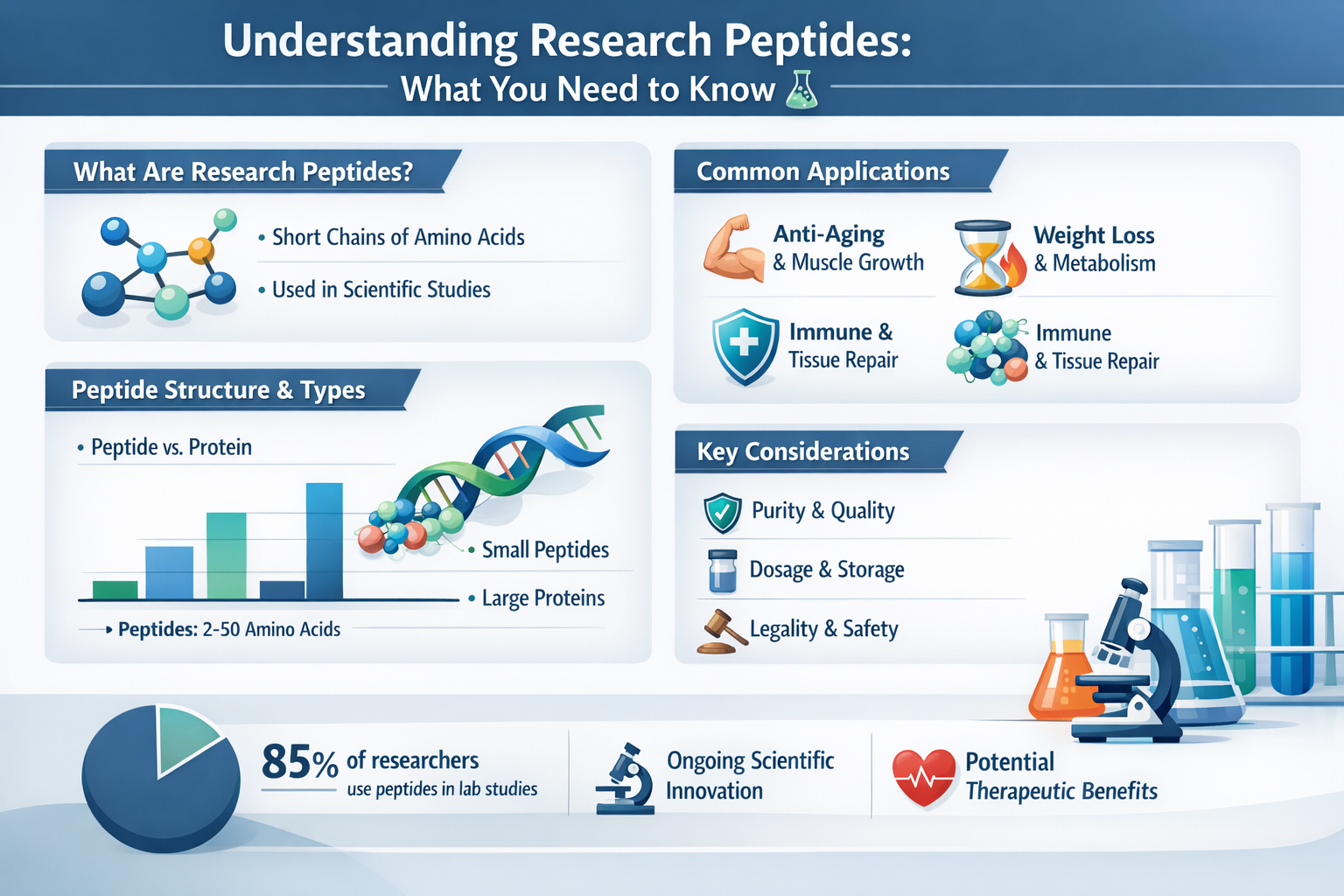
With the foundation of knowledge about peptide quality, regulation, and industry evolution, researchers need practical guidance for sourcing compounds safely and effectively in 2026. This section provides actionable steps for navigating the modern peptide marketplace.
Step-by-Step Supplier Evaluation Process
When seeking alternatives to buypeptides or evaluating any research peptide supplier, follow this systematic approach:
Phase 1: Initial Research (1-2 hours)
- Identify potential suppliers through research community recommendations
- Review website professionalism and information transparency
- Verify business legitimacy through business registration databases
- Check for proper disclaimers and research-only statements
- Assess product catalog for specialization vs. excessive variety
Phase 2: Quality Documentation Review (2-3 hours)
- Request certificates of analysis for specific products of interest
- Verify third-party testing by checking laboratory credentials
- Examine HPLC chromatograms for purity percentages and peak quality
- Review mass spectrometry data for molecular weight confirmation
- Check testing dates to ensure recent, batch-specific results
Phase 3: Communication Assessment (1-2 days)
- Contact customer service with technical questions
- Evaluate response time and quality of information provided
- Assess technical knowledge of representatives
- Inquire about storage and handling recommendations
- Request information about shipping and packaging methods
Phase 4: Trial Order and Evaluation (1-2 weeks)
- Place small initial order of one or two compounds
- Examine packaging for proper labeling and professional presentation
- Verify product documentation matches advertised specifications
- Conduct independent testing if resources allow
- Assess overall experience before larger purchases
Understanding Peptide Pricing and Value
Price varies significantly across the research peptide market, but lowest cost rarely indicates best value. When comparing peptide sale offerings, consider these factors:
Pricing Components:
- Raw material costs: Pharmaceutical-grade amino acids command premium prices
- Synthesis complexity: Longer peptide chains cost more to produce
- Testing expenses: Comprehensive third-party testing adds to final cost
- Purity level: Higher purity (≥98%) requires additional purification steps
- Batch size: Larger production runs may reduce per-unit costs
- Storage requirements: Specialized storage adds overhead costs
Red Flag Pricing Indicators:
🚩 Prices significantly below market average (>30% lower)
🚩 No clear pricing structure or hidden fees
🚩 Pressure to buy larger quantities immediately
🚩 Frequent "sales" or "limited time offers"
🚩 Unclear about what's included in price
Value Indicators:
✅ Transparent pricing with clear product specifications
✅ Detailed information about what's included
✅ Reasonable prices aligned with market standards
✅ Quantity discounts for legitimate research needs
✅ No pressure tactics or artificial scarcity
Product Categories Worth Considering
For researchers new to peptide sourcing or those transitioning from BuyPeptides, certain product categories offer well-established research applications:
Metabolic Research Compounds
Metabolic peptides like 5-Amino-1MQ continue to generate significant research interest for NNMT inhibition studies. These compounds offer:
- Well-documented research protocols
- Established dosing guidelines for research
- Extensive published literature
- Clear mechanisms of action
AOD-9604 for Lipolysis Research
When researchers buy aod 9604 online, they're accessing one of the most studied peptide fragments for lipolytic pathway investigation. The compound offers:
- Selective fat metabolism research applications
- Minimal off-target effects in studies
- Extensive safety data from research
- Clear structural relationship to growth hormone
Growth Hormone Research Tools
ModGRF and related compounds remain essential for understanding growth hormone regulation:
- Pituitary function studies
- Growth hormone secretion patterns
- Receptor binding investigations
- Age-related hormone changes
Reconstitution and Preparation Best Practices
Proper reconstitution is critical for maintaining peptide integrity and ensuring accurate dosing in research applications. Follow these guidelines:
Required Materials:
- Bacteriostatic water (0.9% benzyl alcohol)
- Sterile syringes (1-3mL capacity)
- Alcohol prep pads
- Clean, well-lit workspace
- Peptide vial and diluent
Reconstitution Steps:
- Prepare workspace: Clean surface with 70% isopropyl alcohol
- Remove caps: Take off plastic caps from peptide and bacteriostatic water vials
- Clean stoppers: Wipe rubber stoppers with alcohol prep pads
- Draw diluent: Use sterile syringe to draw appropriate amount of bacteriostatic water
- Add to peptide: Inject water slowly down side of vial, not directly onto peptide powder
- Gentle mixing: Swirl gently (do not shake) until powder dissolves completely
- Label vial: Mark with peptide name, concentration, and reconstitution date
- Store properly: Place in refrigerator (2-8°C) immediately after reconstitution
Common Reconstitution Mistakes:
❌ Using tap water or non-sterile water
❌ Shaking vial vigorously
❌ Injecting water directly onto peptide powder
❌ Using incorrect volume of diluent
❌ Failing to label vials properly
❌ Leaving reconstituted peptide at room temperature
Documentation and Research Record Keeping
Maintaining detailed records is essential for research reproducibility and quality control. Implement these documentation practices:
Essential Records:
📝 Supplier information: Company name, order date, batch numbers
📝 Product specifications: Peptide name, purity, quantity
📝 Testing documentation: COAs, HPLC results, mass spec data
📝 Storage conditions: Temperature logs, storage location
📝 Reconstitution details: Date, diluent volume, final concentration
📝 Usage logs: Dates, amounts used, research applications
📝 Observations: Any unusual appearance, reactions, or results
This documentation proves invaluable for troubleshooting issues, ensuring reproducibility, and maintaining research integrity.
Building Relationships with Reputable Suppliers
Long-term success in peptide research often depends on establishing strong relationships with reliable suppliers. Consider these relationship-building strategies:
Effective Supplier Relationships:
- Consistent communication about research needs and feedback
- Loyalty to quality suppliers rather than constantly switching for minor price differences
- Timely payments and professional business practices
- Constructive feedback about products and services
- Participation in supplier programs like affiliate programs when appropriate
Quality suppliers value long-term research relationships and often provide preferential service, early access to new products, and technical support to established customers.
The Science of Specific Research Peptides 🔬
Understanding the mechanisms and research applications of specific peptides helps researchers make informed sourcing decisions. This section explores several prominent research peptide categories in detail.
5-Amino-1MQ: NNMT Inhibition Research
5-Amino-1MQ has emerged as one of the most researched compounds for studying nicotinamide N-methyltransferase (NNMT) enzyme inhibition. This small molecule offers unique research applications:
Research Mechanisms:
- NNMT enzyme inhibition: Blocks the methylation of nicotinamide
- NAD+ pathway modulation: Increases cellular NAD+ availability
- Metabolic regulation: Influences cellular energy metabolism
- Mitochondrial function: Affects mitochondrial biogenesis pathways
Research Applications:
✓ Metabolic syndrome investigation
✓ Cellular energy metabolism studies
✓ NAD+ pathway research
✓ Mitochondrial function analysis
✓ Age-related metabolic changes
Research Considerations:
The compound's relatively simple structure and well-characterized mechanism make it an attractive option for researchers investigating metabolic pathways. When researchers explore 5-Amino-1MQ dosage protocols, they benefit from growing published literature and established research frameworks.
AOD-9604: Fragment Research Applications
AOD-9604 (Advanced Obesity Drug 9604) represents a modified fragment of human growth hormone (HGH), specifically the C-terminal region. This peptide fragment offers selective research applications:
Structural Characteristics:
- Amino acid sequence: 177-191 fragment of HGH
- Molecular modifications: Enhanced stability and selectivity
- Receptor binding: Selective interaction with lipolytic pathways
- Minimal GH activity: Reduced growth-promoting effects
Research Focus Areas:
The peptide's selective mechanism makes it valuable for studying:
- Lipolytic pathway activation
- Fat metabolism regulation
- Growth hormone fragment activity
- Receptor-specific binding mechanisms
- Metabolic signaling cascades
Researchers interested in AOD-9604 peptide applications appreciate its well-documented safety profile and extensive research history.
TB-500: Tissue Repair Mechanism Studies
TB-500 (Thymosin Beta-4 fragment) has generated substantial interest for tissue repair and regeneration research. The tb-500 benefits bodybuilding community has particularly noted include:
Biological Mechanisms:
- Actin binding: Regulates actin polymerization in cells
- Cell migration: Promotes cellular movement to injury sites
- Angiogenesis: Influences new blood vessel formation
- Inflammation modulation: Affects inflammatory response pathways
- Tissue remodeling: Participates in extracellular matrix regulation
Research Applications:
🔬 Wound healing mechanism studies
🔬 Cellular migration pathway research
🔬 Vascular development investigation
🔬 Inflammation response analysis
🔬 Tissue regeneration processes
Research Protocols:
TB-500 research typically involves carefully controlled dosing schedules and comprehensive outcome measurements. The compound's relatively long half-life allows for less frequent administration in research protocols compared to shorter-acting peptides.
Melanotan Peptides: Pigmentation Research
MT1 peptide (Melanotan I) and its analog Melanotan II serve as valuable tools for understanding melanogenesis and pigmentation pathways:
Mechanism of Action:
- MC1R receptor agonism: Activates melanocortin-1 receptors
- Melanogenesis stimulation: Increases melanin production
- Photoprotection research: Studies natural UV protection mechanisms
- Receptor selectivity: Different selectivity profiles between MT-I and MT-II
Research Distinctions:
| Feature | Melanotan I | Melanotan II |
|---|---|---|
| Receptor Selectivity | More selective for MC1R | Broader MC receptor activity |
| Pigmentation Effect | Gradual, natural-appearing | Faster, more pronounced |
| Research Applications | Photoprotection studies | Multiple receptor research |
| Side Effect Profile | Generally milder in studies | More pronounced effects |
When researchers buy melanotan 1, they typically focus on selective melanocortin receptor research with minimal off-target effects.
ModGRF: Growth Hormone Research Applications
ModGRF (Modified Growth Hormone Releasing Factor), also known as CJC-1295 without DAC, represents a modified version of growth hormone releasing hormone (GHRH):
Structural Modifications:
- Amino acid substitutions: Enhanced stability and potency
- Resistance to degradation: Longer functional half-life
- Preserved receptor binding: Maintains GHRH receptor affinity
- No drug affinity complex: Shorter duration than DAC version
Research Applications:
Growth hormone research using modgrf focuses on:
- Pituitary function and GH secretion patterns
- Age-related GH decline mechanisms
- Receptor binding and activation studies
- Synergistic effects with other GH secretagogues
- Circadian rhythm influences on GH release
The compound's well-characterized pharmacology makes it a standard tool in growth hormone research protocols.
Peptide Blends and Synergistic Research
Modern peptide research increasingly explores synergistic effects of multiple compounds. Peptide blend research investigates how combinations may produce effects different from individual compounds:
Synergy Research Approaches:
- Complementary mechanisms: Compounds targeting different pathways
- Enhanced efficacy: Potential for improved outcomes
- Reduced dosing: Lower amounts of individual compounds
- Broader applications: Multiple research endpoints simultaneously
Common Research Combinations:
✓ Growth hormone secretagogues + tissue repair peptides
✓ Metabolic compounds + mitochondrial peptides
✓ Anti-inflammatory + regenerative peptides
✓ Neuroprotective + cognitive enhancement compounds
Researchers exploring peptide combinations must carefully document individual compound effects before attributing results to synergistic interactions.
Best Practices for Research Peptide Use 📚
Successful peptide research requires more than just sourcing quality compounds. This section covers essential best practices for maximizing research validity and safety.
Laboratory Setup and Safety Protocols
Proper laboratory environment and safety procedures form the foundation of reliable peptide research:
Essential Laboratory Equipment:
- Refrigeration: Dedicated refrigerator (2-8°C) for peptide storage
- Freezer: -20°C or -80°C freezer for long-term storage
- Precision scale: Analytical balance for accurate measurements
- pH meter: For buffer preparation and solution verification
- Sterile workspace: Clean bench or laminar flow hood for reconstitution
- Proper lighting: Adequate illumination for accurate measurements
- Temperature monitoring: Digital thermometers and logging systems
Safety Equipment:
🦺 Personal protective equipment (gloves, lab coat, safety glasses)
🦺 First aid kit with appropriate supplies
🦺 Spill cleanup materials and protocols
🦺 Proper waste disposal containers
🦺 Emergency contact information posted
🦺 Material safety data sheets (MSDS) accessible
Dosing Calculations and Measurement Accuracy
Accurate dosing is critical for research reproducibility and validity. Follow these calculation guidelines:
Basic Dosing Formula:
Desired Dose (mg) = [Concentration (mg/mL)] × [Volume (mL)]
Reconstitution Concentration Calculation:
Concentration (mg/mL) = [Peptide Amount (mg)] ÷ [Diluent Volume (mL)]
Example Calculation:
- Peptide vial: 5mg of aod9604 5mg
- Bacteriostatic water added: 2mL
- Final concentration: 5mg ÷ 2mL = 2.5mg/mL
- For 0.5mg dose: 0.5mg ÷ 2.5mg/mL = 0.2mL (20 units on insulin syringe)
Measurement Best Practices:
✓ Use calibrated syringes appropriate for volume
✓ Measure at eye level for accuracy
✓ Account for dead space in syringes
✓ Double-check calculations before administration
✓ Document all measurements and calculations
✓ Use consistent measurement units throughout research
Research Protocol Development
Well-designed research protocols ensure reproducibility and valid results:
Protocol Components:
- Research Objectives: Clear statement of research questions and hypotheses
- Compound Selection: Justification for chosen peptides and sources
- Dosing Schedule: Detailed timing, amounts, and administration routes
- Outcome Measures: Specific metrics and measurement methods
- Control Conditions: Appropriate controls for comparison
- Documentation Plan: Data collection and record-keeping procedures
- Safety Monitoring: Adverse event tracking and response protocols
- Timeline: Research duration and milestone markers
Protocol Validation:
Before beginning full research protocols, conduct pilot studies to:
- Verify compound stability and storage procedures
- Test measurement and administration techniques
- Confirm outcome measurement reliability
- Identify potential challenges or complications
- Refine protocols based on preliminary results
Data Collection and Analysis
Rigorous data collection ensures research validity and reproducibility:
Data Collection Best Practices:
📊 Standardized forms: Use consistent data collection templates
📊 Real-time recording: Document observations immediately
📊 Objective measures: Prioritize quantifiable metrics over subjective assessments
📊 Blinding procedures: Implement blinding when appropriate to reduce bias
📊 Regular intervals: Collect data at predetermined, consistent timepoints
📊 Multiple measures: Use multiple outcome indicators for comprehensive assessment
📊 Quality checks: Regularly review data for completeness and accuracy
Statistical Considerations:
- Determine appropriate sample sizes for statistical power
- Select statistical tests matched to data types and research questions
- Account for multiple comparisons when testing multiple hypotheses
- Report both statistically significant and non-significant findings
- Consider biological significance alongside statistical significance
Troubleshooting Common Research Challenges
Even with careful planning, researchers encounter challenges. Common issues and solutions include:
Problem: Peptide Doesn't Fully Dissolve
Solutions:
- Allow more time for dissolution (up to 24 hours in refrigerator)
- Gently swirl vial periodically
- Ensure water is added slowly down vial side
- Check if peptide requires specific pH or buffer
- Contact supplier if problem persists
Problem: Unexpected Research Results
Solutions:
- Verify peptide identity through COA review
- Confirm proper storage and handling throughout
- Check calculation accuracy for dosing
- Review protocol for deviations or inconsistencies
- Consider biological variability in research subjects
- Consult published literature for similar findings
Problem: Contamination Concerns
Solutions:
- Inspect solution for cloudiness, particles, or color change
- Review sterile technique procedures
- Verify bacteriostatic water quality
- Implement more stringent aseptic procedures
- Consider independent testing if contamination suspected
Problem: Inconsistent Results Across Batches
Solutions:
- Compare COAs between batches for differences
- Verify storage conditions remained consistent
- Check for changes in research protocol or conditions
- Consider biological variability factors
- Document batch numbers for all research
- Communicate with supplier about batch variability
Ethical Considerations in Peptide Research
Responsible peptide research includes attention to ethical considerations:
Research Ethics Principles:
🔷 Transparency: Honest reporting of methods, results, and limitations
🔷 Integrity: Accurate data collection and analysis without manipulation
🔷 Responsibility: Proper safety protocols and risk management
🔷 Compliance: Adherence to applicable regulations and guidelines
🔷 Respect: Appropriate treatment of research subjects (when applicable)
Avoiding Misuse:
Researchers have a responsibility to prevent peptide misuse:
- Never provide compounds for unauthorized human use
- Clearly communicate research-only status
- Refuse to assist with non-research applications
- Report suspected misuse to appropriate authorities
- Maintain secure storage to prevent unauthorized access
Organizations like Pure Tested Peptides support ethical research through clear policies, educational resources, and responsible business practices.
The Future of Research Peptides: Trends and Innovations 🚀

The research peptide industry continues to evolve rapidly, with emerging trends shaping the future of peptide research and development. Understanding these trends helps researchers prepare for coming changes and opportunities.
Emerging Peptide Research Areas
Several cutting-edge research areas are driving peptide innovation in 2026:
Mitochondrial Peptides
Mitochondrial-targeted peptides represent one of the fastest-growing research areas:
- MOTS-C: Mitochondrial-derived peptide for metabolic regulation
- SS-31 (Elamipretide): Cardiolipin-binding peptide for mitochondrial function
- Humanin: Mitochondrial-encoded peptide with cytoprotective properties
- SHLP peptides: Small humanin-like peptides with diverse biological activities
Research into mitochondrial peptide synergies explores how these compounds influence cellular energy production, aging processes, and metabolic health.
Antimicrobial Peptides
With growing antibiotic resistance concerns, antimicrobial peptides offer promising research directions:
- LL-37: Human cathelicidin with broad antimicrobial activity
- Defensins: Natural antimicrobial peptides from immune cells
- Synthetic AMPs: Designed peptides with enhanced antimicrobial properties
- Biofilm disruption: Peptides targeting bacterial biofilm formation
Neuroprotective Peptides
Brain health and cognitive function research increasingly incorporates peptide investigations:
- Cerebrolysin: Peptide mixture for neuroprotection studies
- Semax: Synthetic peptide for cognitive research
- P21: Peptide for neuroplasticity investigation
- Dihexa: Cognitive enhancement research compound
Longevity and Anti-Aging Research
Peptides feature prominently in longevity research:
- Epithalon: Telomerase activation studies
- GHK-Cu: Tissue remodeling and regeneration research
- Thymalin: Immune system aging investigation
- NAD+ precursors: Cellular aging mechanism studies
Technological Advances in Peptide Synthesis
Manufacturing technology continues to improve peptide quality and accessibility:
Advanced Synthesis Methods:
- Automated solid-phase synthesis: Increased precision and reproducibility
- Microwave-assisted synthesis: Faster reaction times and improved yields
- Flow chemistry: Continuous production with better quality control
- Green chemistry approaches: More sustainable synthesis methods
Quality Control Innovations:
- Real-time monitoring: Continuous quality assessment during synthesis
- Advanced analytics: More sensitive detection of impurities
- Automated testing: High-throughput quality verification
- Blockchain tracking: Enhanced supply chain transparency
These technological advances benefit researchers by providing higher-quality compounds with better documentation and traceability.
Personalized Peptide Research
The concept of personalized medicine extends to peptide research:
Precision Research Approaches:
- Biomarker-guided selection: Choosing peptides based on specific biological markers
- Genetic profiling: Understanding individual responses to peptide compounds
- Metabolomic analysis: Tracking metabolic changes from peptide interventions
- Customized protocols: Tailoring research designs to specific characteristics
This personalization trend requires more sophisticated research designs but offers potential for more relevant and translatable findings.
Regulatory Evolution and Industry Standards
The regulatory landscape continues to mature, with implications for researchers:
Anticipated Regulatory Changes:
📋 Enhanced tracking requirements: More detailed documentation of peptide distribution
📋 Stricter quality standards: Higher purity and testing requirements
📋 Expanded enforcement: Increased FDA action against non-compliant suppliers
📋 International harmonization: Greater consistency across countries
📋 Research registration: Potential requirements for research protocol registration
Industry Self-Regulation:
Leading suppliers are implementing voluntary standards that exceed current requirements:
- Comprehensive third-party testing programs
- Enhanced documentation and traceability systems
- Proactive compliance monitoring
- Industry association participation
- Educational initiatives for researchers
Integration with Other Research Technologies
Peptide research increasingly integrates with complementary technologies:
Multi-Modal Research Approaches:
🔬 Genomics: Understanding genetic influences on peptide responses
🔬 Proteomics: Mapping protein changes from peptide interventions
🔬 Metabolomics: Tracking metabolic pathway alterations
🔬 Imaging: Visualizing peptide distribution and effects
🔬 Artificial intelligence: Predicting peptide properties and interactions
Systems Biology Integration:
Modern peptide research often employs systems biology approaches that:
- Examine multiple biological levels simultaneously
- Model complex interactions between pathways
- Predict emergent properties from component interactions
- Generate comprehensive biological understanding
Market Growth and Accessibility
The research peptide market continues expanding, with implications for accessibility:
Market Projections:
- Global peptide therapeutics market expected to exceed $50 billion by 2028
- Research peptide segment growing at 8-12% annually
- Increasing number of suppliers entering the market
- Geographic expansion into emerging research markets
Accessibility Improvements:
✓ More competitive pricing from market growth
✓ Improved shipping and logistics networks
✓ Enhanced educational resources for researchers
✓ Better customer support and technical assistance
✓ Wider selection of research compounds
However, market growth also brings challenges:
⚠️ Increased number of low-quality suppliers
⚠️ Greater need for careful supplier evaluation
⚠️ Potential for counterfeit or mislabeled products
⚠️ More complex regulatory environment
Researchers must remain vigilant in supplier selection despite improved overall market accessibility.
Sustainability and Environmental Considerations
Environmental sustainability is becoming increasingly important in peptide manufacturing:
Sustainable Practices:
🌱 Green synthesis methods: Reduced solvent use and waste generation
🌱 Renewable resources: Bio-based starting materials when possible
🌱 Energy efficiency: Optimized manufacturing processes
🌱 Waste reduction: Recycling and proper disposal programs
🌱 Carbon footprint tracking: Monitoring and reducing environmental impact
Forward-thinking suppliers incorporate sustainability into their operations, appealing to environmentally conscious researchers and institutions.
Conclusion: Navigating the Post-BuyPeptides Era Successfully 🎯
The closure of BuyPeptides in 2015 marked the end of an era but also catalyzed positive changes in the research peptide industry. Today's market offers higher quality standards, better testing protocols, and more transparent business practices than ever before. For researchers, health enthusiasts, fitness experts, bodybuilders, and medispa professionals seeking reliable peptide sources in 2026, success requires informed decision-making and commitment to quality.
Key Success Factors for Modern Peptide Research
Prioritize Quality Over Price: The lowest-cost supplier rarely provides the best value. Invest in properly tested, high-purity compounds from reputable sources like Pure Tested Peptides that prioritize quality verification.
Demand Comprehensive Documentation: Never purchase research peptides without current certificates of analysis, HPLC chromatograms, and mass spectrometry confirmation. Quality suppliers provide this documentation readily and transparently.
Understand Regulatory Frameworks: Stay informed about FDA positions, legal requirements, and ethical considerations surrounding research peptides. Ensure all research activities comply with applicable regulations.
Implement Rigorous Protocols: Develop detailed research protocols with proper controls, standardized measurements, and comprehensive documentation. Quality research requires disciplined methodology.
Maintain Proper Storage and Handling: Protect your investment in quality peptides through appropriate storage conditions, sterile reconstitution techniques, and careful handling procedures.
Stay Informed About Industry Developments: The peptide research landscape evolves continuously. Follow scientific literature, regulatory updates, and industry news to maintain current knowledge.
Actionable Next Steps
For researchers ready to source peptides in the post-BuyPeptides era, follow these concrete steps:
Immediate Actions (This Week):
- Evaluate current suppliers using the criteria outlined in this guide
- Request certificates of analysis for any peptides you currently use
- Review storage conditions to ensure proper peptide preservation
- Assess documentation practices and implement improvements as needed
- Identify research priorities for upcoming projects
Short-Term Actions (This Month):
- Research alternative suppliers using the evaluation framework provided
- Place trial orders with 2-3 promising suppliers for comparison
- Develop or refine research protocols incorporating best practices
- Organize laboratory space for optimal peptide handling and storage
- Create documentation systems for comprehensive record-keeping
Long-Term Actions (This Quarter):
- Establish relationships with reliable, quality-focused suppliers
- Implement comprehensive quality control procedures for all research
- Join research communities to share knowledge and experiences
- Stay current with regulatory changes affecting peptide research
- Contribute to responsible research practices through ethical conduct
The Path Forward
The evolution from the BuyPeptides era to today's more regulated, quality-focused market represents progress for the research community. While the increased scrutiny and higher standards require more diligence from researchers, the result is more reliable, reproducible, and scientifically valid research outcomes.
Whether you're investigating 5-Amino-1MQ for metabolic research, exploring tb-500 benefits bodybuilding applications, seeking where to buy glp 1 peptide for clinical investigations, or researching any of the dozens of available compounds, success depends on informed decision-making and commitment to quality.
The research peptide industry has matured significantly since 2015, offering unprecedented opportunities for scientific discovery alongside appropriate safeguards for quality and safety. By following the guidance in this comprehensive guide, researchers can navigate the modern peptide marketplace confidently, accessing the high-quality compounds needed for groundbreaking research while maintaining the highest standards of scientific integrity and regulatory compliance.
The future of peptide research is bright, with emerging compounds, advancing technologies, and growing scientific understanding creating exciting possibilities. As the industry continues to evolve, researchers who prioritize quality, transparency, and ethical practices will be best positioned to contribute meaningful discoveries to the scientific community.
Remember: the goal isn't simply to buy peptides—it's to access the highest-quality research tools that enable valid, reproducible, and impactful scientific investigation. Choose suppliers wisely, implement rigorous protocols, and contribute to the advancement of peptide research through responsible, ethical practices.
SEO Meta Information
Meta Title: BuyPeptides Guide: Research Peptide Sourcing in 2026
Meta Description: Complete guide to research peptides after BuyPeptides closure. Learn quality sourcing, testing standards, regulations & best practices for peptide research in 2026.