
The Complete Guide to Epithalon Dose: Optimizing Your Peptide Research Protocol
Imagine unlocking the potential to study cellular aging at its most fundamental level. Epithalon dose protocols have become a cornerstone of peptide research, offering scientists and researchers unprecedented insights into telomerase activation and longevity mechanisms. This tetrapeptide, with its unique ability to influence circadian rhythms and cellular regeneration, represents one of the most fascinating compounds in modern peptide science.
Key Takeaways
• Standard epithalon dose ranges from 5-20mg per research cycle, with 10mg being the most commonly studied protocol
• Proper reconstitution and storage are critical for maintaining peptide stability and research integrity
• Research cycles typically span 10-20 days with specific timing protocols for optimal results
• Quality sourcing from verified suppliers ensures consistent research outcomes
• Understanding individual response variations is essential for effective protocol design
Understanding Epithalon: The Foundation of Effective Dosing 🧬
Epithalon (Ala-Glu-Asp-Gly) stands as one of the most researched bioregulatory peptides in the scientific community. This synthetic tetrapeptide, originally developed by Russian scientist Professor Vladimir Khavinson, mimics the natural peptide found in the pineal gland. When considering epithalon peptides for research purposes, understanding its mechanism of action becomes crucial for determining appropriate dosing protocols.
The peptide's primary research focus centers on telomerase activation and its potential influence on cellular aging processes. Studies have demonstrated epithalon's ability to:
- Activate telomerase enzyme in various cell types
- Regulate circadian rhythms through pineal gland interaction
- Influence melatonin production patterns
- Support cellular repair mechanisms
The Science Behind Epithalon Dosing
Research institutions worldwide have established that epithalon dosage effectiveness depends heavily on proper administration protocols. The peptide's bioavailability and half-life directly influence how researchers structure their dosing schedules. Unlike longer-acting peptides, epithalon requires consistent administration to maintain therapeutic levels in research subjects.
"The key to successful epithalon research lies not just in the dose, but in the precision of timing and administration protocols." – Leading Peptide Research Institute
Epithalon Dose Protocols: Research-Based Guidelines 📊
Standard Dosing Frameworks
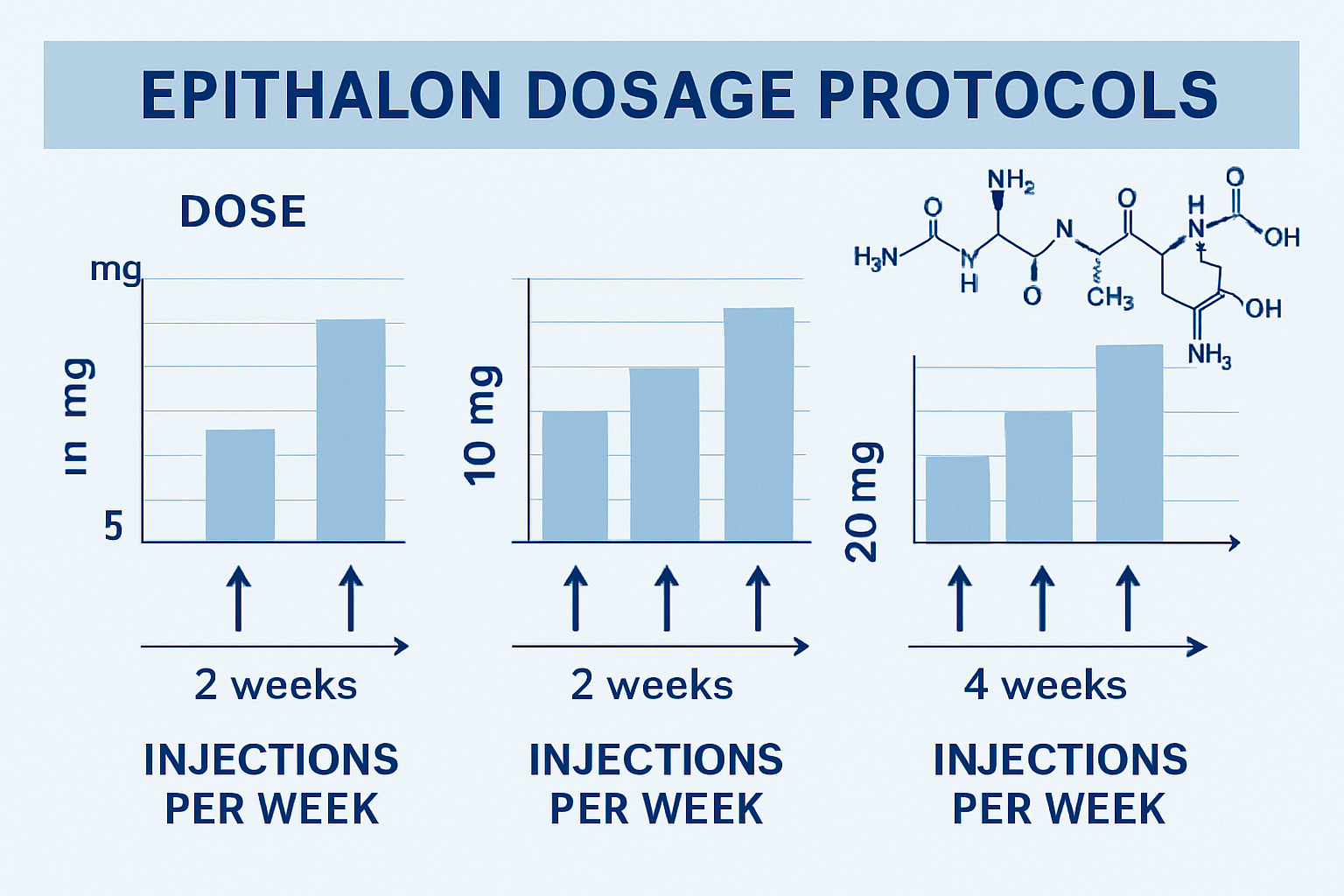
The most extensively studied epithalon dose protocols fall within specific ranges that have demonstrated consistent research outcomes. These protocols have been refined through years of scientific investigation and peer-reviewed studies.
Primary Dosing Categories:
| Dose Range | Research Application | Cycle Duration | Administration |
|---|---|---|---|
| 5mg | Introductory studies | 10 days | Subcutaneous |
| 10mg | Standard protocols | 10-20 days | Subcutaneous |
| 20mg | Advanced research | 20 days | Subcutaneous |
Detailed Protocol Breakdown
5mg Epithalon Dose Protocol:
- Ideal for initial research phases
- Lower risk profile for preliminary studies
- Suitable for sensitivity testing
- Often used in combination with other peptides
10mg Epithalon Dose Protocol:
- Most widely researched dosage
- Optimal balance of efficacy and safety
- Standard for most institutional studies
- Compatible with various research objectives
When sourcing materials for research, institutions often prefer epithalon 10mg formulations due to their versatility and established research protocols.
20mg Epithalon Dose Protocol:
- Reserved for advanced research applications
- Requires extensive preliminary data
- Used in specialized longevity studies
- Demands careful monitoring protocols
Timing and Administration Considerations
The epithalon dosing schedule plays a crucial role in research outcomes. Most successful protocols follow these timing principles:
Daily Administration:
- Consistent timing (typically evening)
- Aligns with natural circadian rhythms
- Maximizes pineal gland interaction
- Maintains stable peptide levels
Injection Protocols:
- Subcutaneous administration preferred
- Rotation of injection sites
- Proper sterile technique essential
- Pre-filled syringes for consistency
Research facilities often develop comprehensive peptide research protocols that incorporate epithalon alongside other bioregulatory compounds for synergistic effects.
Advanced Epithalon Dose Strategies and Combinations 🔬
Synergistic Peptide Combinations
Modern peptide research increasingly focuses on combination protocols that enhance overall research outcomes. Epithalon peptide benefits become more pronounced when strategically combined with complementary compounds.
Popular Research Combinations:
Epithalon + Thymalin:
This combination has gained significant attention in research circles. The epithalon and thymalin pairing offers researchers the opportunity to study both pineal and thymic regulation simultaneously. Research protocols typically maintain standard epithalon doses while adding thymalin at 5-10mg doses.
Benefits of Combination Research:
- Enhanced immune system studies
- Comprehensive endocrine research
- Synergistic cellular repair mechanisms
- Broader research applications
Specialized Research Applications
Circadian Rhythm Studies:
Researchers investigating sleep-wake cycles often employ specific epithalon dosage protocols timed to coincide with natural melatonin production. These studies typically use:
- 10mg doses administered 2-3 hours before intended sleep
- Consistent timing for 10-20 day cycles
- Careful monitoring of sleep quality metrics
- Integration with light exposure protocols
Longevity Research:
Long-term studies focusing on cellular aging mechanisms require carefully structured protocols. These research programs often feature:
- Extended cycles (20+ days)
- Higher doses (15-20mg range)
- Comprehensive biomarker tracking
- Multi-month study designs
For researchers interested in bulk procurement for extended studies, epithalon and thymalin bulk sale options provide cost-effective solutions while maintaining research-grade quality standards.
Individual Response Variations
Understanding that research subjects may respond differently to epithalon dose protocols is essential for designing effective studies. Factors influencing response include:
Biological Variables:
- Age of research subjects
- Baseline telomerase activity
- Circadian rhythm patterns
- Overall health status
Environmental Factors:
- Light exposure patterns
- Stress levels
- Sleep quality
- Nutritional status
Research institutions often implement adaptive protocols that allow for dose adjustments based on individual response patterns. This personalized approach has led to more consistent and meaningful research outcomes.
Quality Control in Epithalon Research
The importance of sourcing high-quality peptides cannot be overstated when conducting serious research. Epithalon for sale from reputable suppliers ensures:
Research Integrity:
- Consistent peptide purity
- Accurate dosing calculations
- Reliable research outcomes
- Reproducible results
Safety Standards:
- Third-party testing verification
- Proper storage conditions
- Sterile manufacturing processes
- Certificate of analysis documentation
Leading research institutions consistently choose verified peptide suppliers to maintain the highest standards of research integrity and safety.
Practical Implementation and Safety Considerations ⚠️
Reconstitution and Storage Protocols
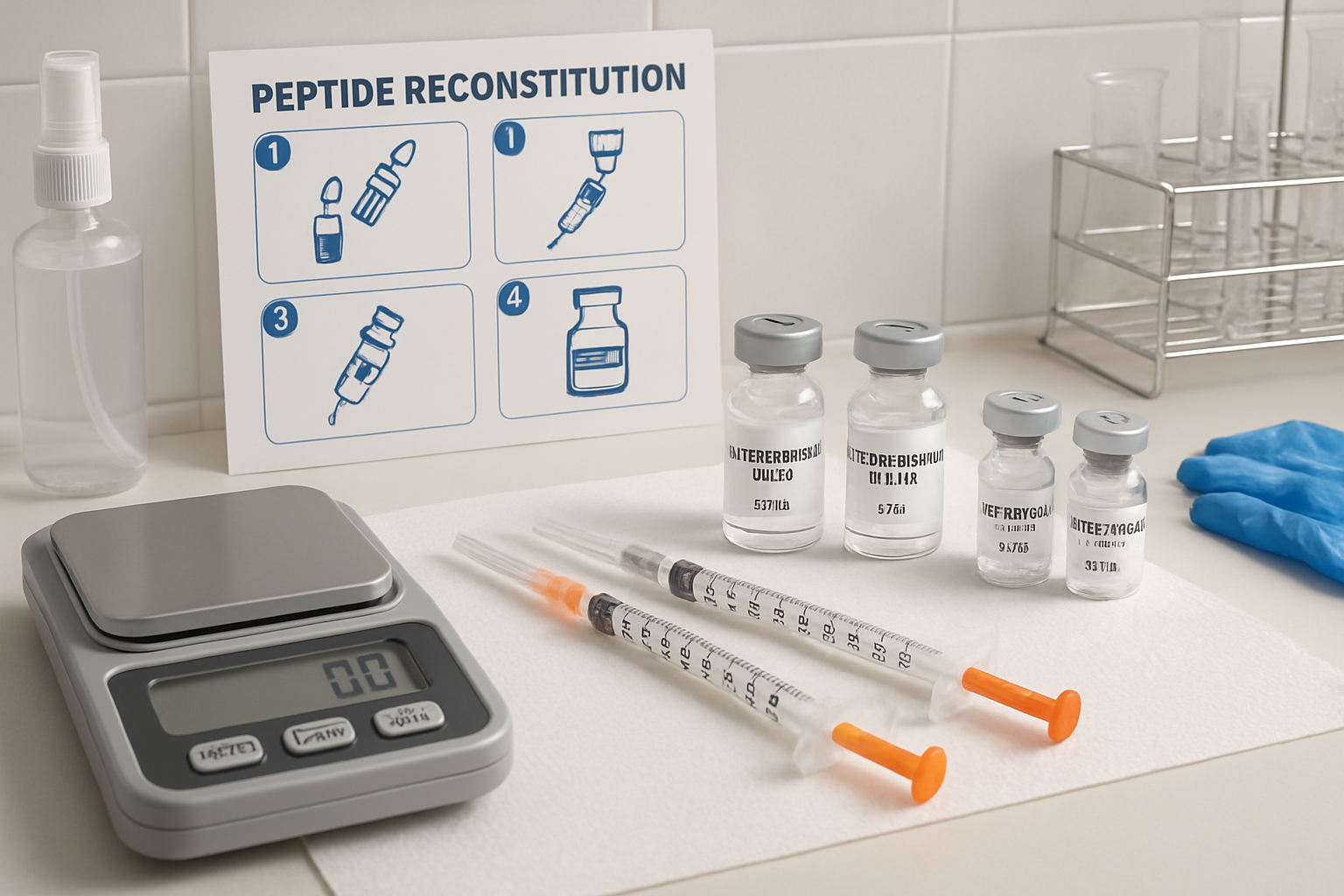
Proper handling of epithalon peptides begins with correct reconstitution procedures. Research-grade peptides require specific protocols to maintain stability and potency throughout the study period.
Reconstitution Steps:
- Preparation: Ensure sterile environment and proper equipment
- Solvent Selection: Use bacteriostatic water for multi-dose vials
- Mixing Technique: Gentle swirling, avoid vigorous shaking
- Storage: Refrigerate at 2-8°C immediately after reconstitution
Storage Best Practices:
- Lyophilized peptides: Store at -20°C
- Reconstituted solutions: Use within 30 days
- Avoid freeze-thaw cycles
- Protect from direct light
Safety Monitoring in Research
Comprehensive safety monitoring forms the backbone of responsible epithalon dose research. Research protocols should include:
Pre-Research Assessment:
- Baseline health evaluations
- Contraindication screening
- Previous peptide exposure history
- Current medication interactions
Ongoing Monitoring:
- Regular health check-ins
- Side effect documentation
- Efficacy measurements
- Protocol adherence tracking
Research facilities often reference established best practices for storing research peptides to ensure optimal research conditions and subject safety.
Common Research Challenges and Solutions
Challenge: Inconsistent Results
Solution: Standardize administration timing, storage conditions, and subject selection criteria. Many researchers find success by implementing strict protocol adherence measures and using standardized peptide research kits.
Challenge: Subject Compliance
Solution: Develop clear administration schedules, provide proper training, and implement tracking systems to monitor adherence to epithalon dosing protocols.
Challenge: Cost Management
Solution: Consider bulk purchasing options and combination protocols that maximize research value. Many institutions benefit from bulk peptide procurement strategies.
Regulatory Considerations
Research institutions must navigate complex regulatory landscapes when conducting peptide studies. Key considerations include:
Institutional Review Board (IRB) Requirements:
- Comprehensive research protocols
- Risk-benefit analyses
- Informed consent procedures
- Ongoing safety monitoring plans
Documentation Standards:
- Detailed dosing records
- Adverse event reporting
- Protocol deviation tracking
- Research outcome documentation
Future Directions in Epithalon Research
The field of epithalon peptide research continues to evolve, with emerging areas of investigation including:
Precision Medicine Applications:
- Individualized dosing protocols
- Genetic marker-based selection
- Personalized response prediction
- Tailored combination therapies
Advanced Delivery Methods:
- Nasal spray formulations
- Sustained-release preparations
- Topical application studies
- Oral bioavailability research
Expanded Research Applications:
- Cognitive function studies
- Athletic performance research
- Stress response investigations
- Immune system optimization
Conclusion: Optimizing Your Epithalon Research Protocol
Mastering epithalon dose protocols requires a comprehensive understanding of the peptide's mechanisms, proper administration techniques, and rigorous safety monitoring. The research landscape for epithalon continues to expand, offering exciting opportunities for scientists and institutions committed to advancing our understanding of cellular aging and regeneration.
Key Action Steps for Researchers:
- Start with established protocols – Begin with well-documented 10mg dosing schedules before exploring advanced applications
- Prioritize quality sourcing – Partner with verified peptide suppliers to ensure research integrity
- Implement comprehensive monitoring – Develop robust safety and efficacy tracking systems
- Consider combination approaches – Explore synergistic protocols with complementary peptides
- Stay current with research – Follow emerging studies and protocol refinements in the field
The future of epithalon research holds tremendous promise for advancing our understanding of aging, circadian biology, and cellular regeneration. By implementing evidence-based dosing protocols and maintaining the highest standards of research integrity, scientists can contribute to this growing body of knowledge while ensuring the safety and well-being of research participants.
Whether conducting preliminary studies or advanced research programs, success in epithalon research depends on careful attention to dosing protocols, quality sourcing, and comprehensive safety monitoring. The investment in proper methodology and high-quality materials pays dividends in research outcomes and contributes to the broader scientific understanding of this remarkable peptide.
SEO Meta Information:
Meta Title: Epithalon Dose Guide 2025: Complete Research Protocol
Meta Description: Comprehensive epithalon dose guide for researchers. Learn proper dosing protocols, safety guidelines, and best practices for peptide research in 2025.