
Epithalon Telomerase Research: Revolutionary Findings Transforming Longevity Science in 2026
Scientists have discovered a remarkable tetrapeptide that could fundamentally change how we understand cellular aging. Epithalon telomerase research has revealed unprecedented mechanisms for extending cellular lifespan, with laboratory studies showing a stunning 33.3% increase in telomere length—a breakthrough that's capturing attention across fitness communities, research institutions, and peptide therapy sectors worldwide.
Key Takeaways
• Epithalon demonstrates powerful telomerase activation, increasing enzyme expression and extending cellular replicative capacity beyond normal limits
• Research shows 33.3% average telomere elongation in human cells, representing one of the most significant cellular anti-aging findings to date
• Multiple mechanisms of action include chromatin remodeling, DNA methylation preservation, and antioxidant gene restoration
• Animal studies confirm lifespan extension without tumor promotion, validating safety profiles in longevity research
• Applications span fitness recovery, longevity research, and therapeutic peptide development with growing commercial interest
Understanding Epithalon: The Foundation of Telomerase Research
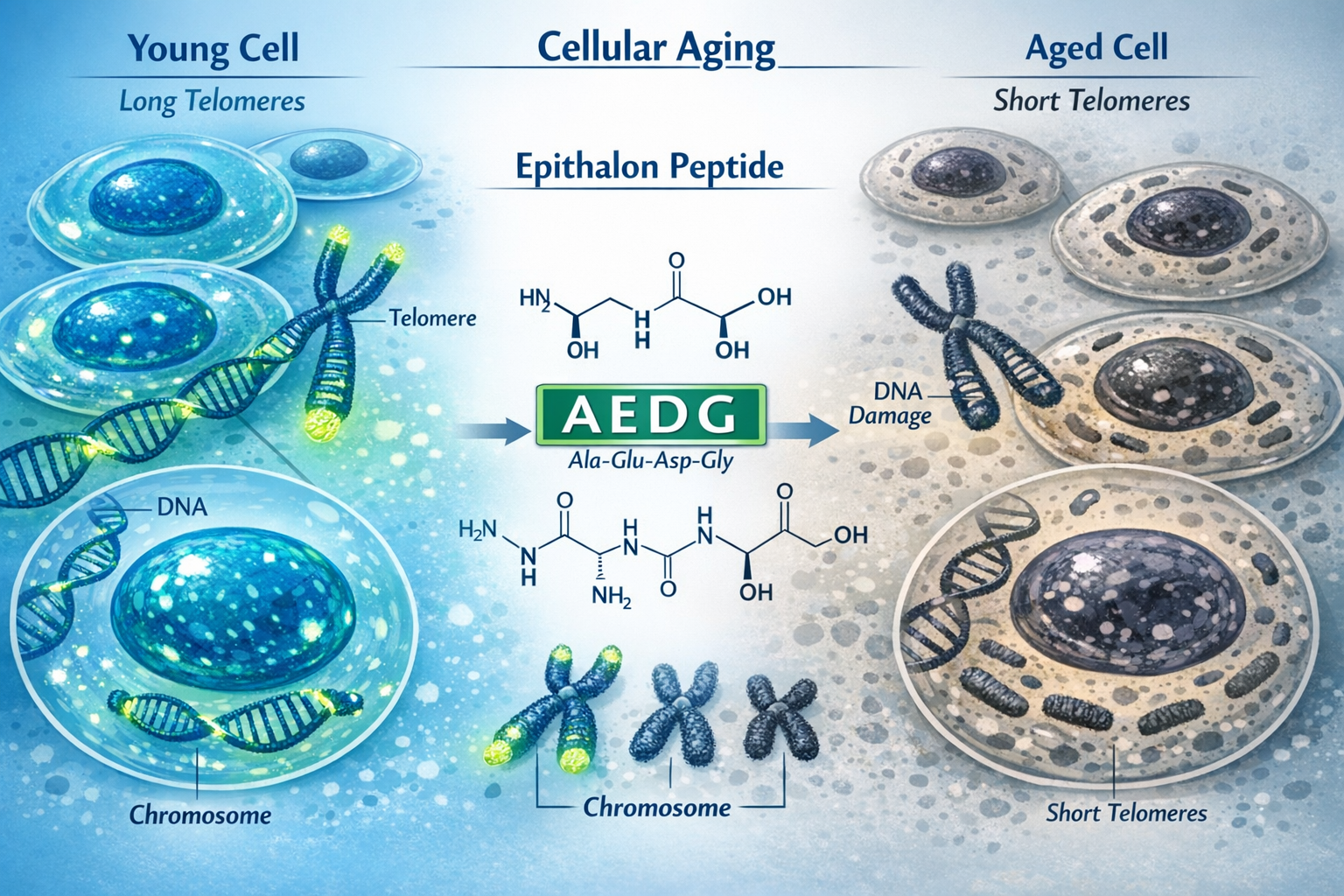
Epithalon (Ala-Glu-Asp-Gly) represents a synthetic version of epithalamin, a naturally occurring peptide originally isolated from the pineal gland. This four-amino-acid sequence has emerged as a cornerstone in longevity peptide research, demonstrating remarkable abilities to influence cellular aging processes at the most fundamental level.
The peptide's discovery traces back to decades of gerontological research, but recent epithalon telomerase research has unveiled mechanisms that were previously theoretical. Unlike many anti-aging interventions that address symptoms of cellular decline, epithalon appears to target the root cause: telomere shortening and cellular senescence[1][4].
Molecular Structure and Cellular Penetration
What makes epithalon particularly fascinating is its ability to penetrate cell nuclei and directly influence chromatin structure[4]. This nuclear access allows the peptide to interact with DNA sequences and regulatory proteins that control telomerase expression—a capability that sets it apart from larger molecules that cannot cross nuclear membranes effectively.
The peptide's small size (molecular weight of approximately 390 Da) facilitates rapid cellular uptake while maintaining stability in biological systems. Research indicates that epithalon can remain active in cellular environments long enough to initiate the complex cascade of molecular events leading to telomerase reactivation[2][3].
For researchers and fitness enthusiasts interested in exploring these mechanisms, epithalon peptides are available for research purposes through specialized suppliers focusing on laboratory-grade materials.
Breakthrough Epithalon Telomerase Research Findings
Telomere Length Extension: The 33.3% Discovery
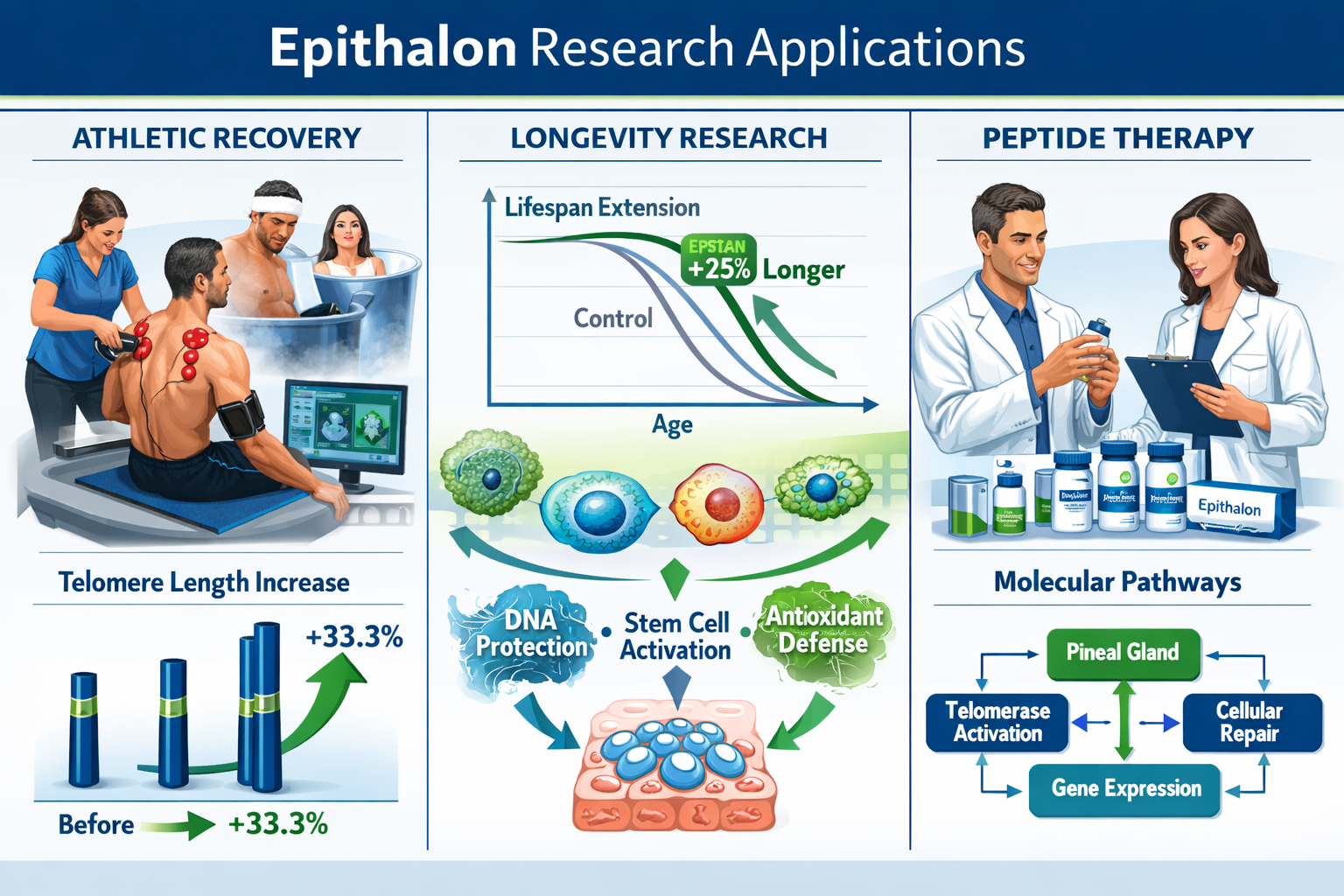
The most striking finding in recent epithalon telomerase research involves direct measurement of telomere elongation in human cell cultures. Laboratory studies documented an average 33.3% increase in telomere length following epithalon treatment—a result that represents one of the most significant telomere extension effects ever recorded for a single intervention[3][4].
This dramatic elongation occurs through multiple pathways:
- Direct telomerase enzyme activation via increased expression of the catalytic subunit (TERT)
- Enhanced telomerase RNA component (TERC) availability for enzyme assembly
- Improved telomerase recruitment to chromosome ends during DNA replication
- Sustained enzymatic activity throughout multiple cell division cycles
Hayflick Limit Bypass and Replicative Senescence
Perhaps even more remarkable, epithalon telomerase research has demonstrated the peptide's ability to help cells exceed their normal replicative lifespan limit—the famous Hayflick limit that restricts most human cells to approximately 50-70 divisions[1][4].
In controlled laboratory experiments, human fetal fibroblasts treated with epithalon continued dividing well beyond their expected senescence point. These cells maintained:
- Normal morphology and growth characteristics
- Stable chromosomal structure without malignant transformation
- Preserved metabolic function throughout extended replicative cycles
- Maintained differentiation capacity appropriate to cell type
This breakthrough suggests that cellular aging may be more reversible than previously understood, opening new possibilities for longevity-focused peptide research applications.
DNA Sequence Specificity and Gene Regulation
Advanced epithalon telomerase research has revealed that the peptide doesn't randomly activate genes—instead, it demonstrates remarkable specificity for particular DNA sequences. Epithalon preferentially binds to ATTTC and CAG repeat motifs within telomerase gene promoter regions, allowing precise modulation of transcriptional activity[4].
This sequence specificity explains why epithalon can activate beneficial longevity pathways without triggering unwanted cellular responses. The peptide essentially acts as a molecular key, unlocking specific genetic programs associated with cellular maintenance and repair.
For those interested in comprehensive approaches to cellular health, researchers often explore epithalon in combination with other longevity compounds to maximize research potential.
Mechanisms of Action: How Epithalon Transforms Cellular Function
Chromatin Remodeling and Epigenetic Restoration
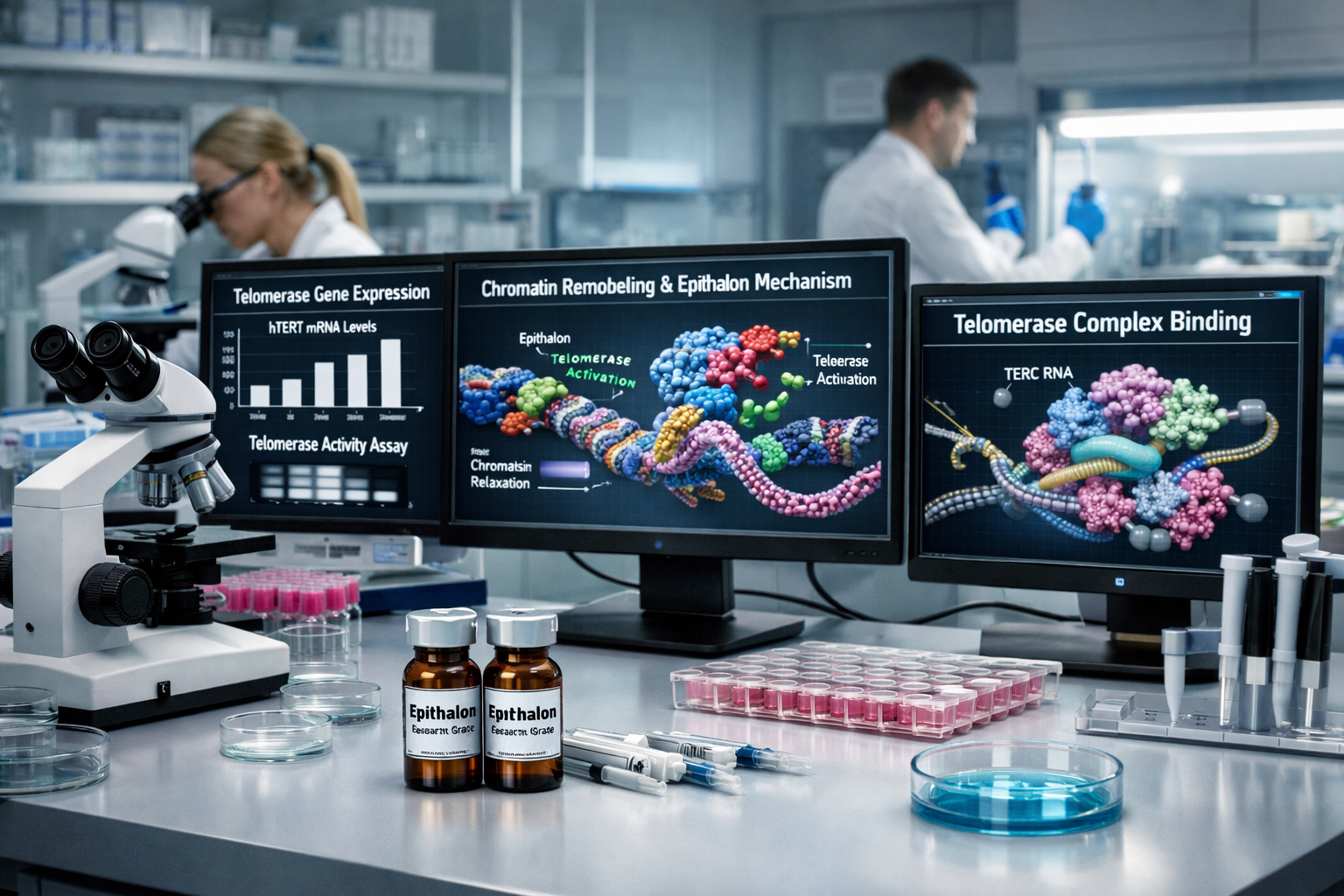
One of the most sophisticated aspects of epithalon telomerase research involves understanding how the peptide reverses age-related changes in chromatin structure. As cells age, their chromatin becomes increasingly condensed and heterochromatinized, particularly around centromeres and other regulatory regions[1][4].
Epithalon appears to reverse this process through several mechanisms:
Heterochromatin Decondensation: The peptide increases chromatin plasticity, allowing previously silenced genes to become accessible for transcription. This is particularly important for reactivating telomerase genes that become repressed with age.
Histone Modification: Research suggests epithalon may interact with specific linker histones H1/6 and H1/3, proteins that play crucial roles in chromatin organization and gene expression regulation[1].
Nuclear Architecture Changes: Treatment with epithalon appears to restore more youthful patterns of nuclear organization, improving the efficiency of DNA repair and replication processes.
Antioxidant Gene Network Restoration
Beyond telomerase activation, epithalon telomerase research has uncovered the peptide's ability to restore expression of critical antioxidant genes, including:
- SOD2 (Superoxide Dismutase 2): Essential for mitochondrial antioxidant defense
- CAT (Catalase): Primary enzyme for hydrogen peroxide detoxification
- HMOX1 (Heme Oxygenase-1): Key regulator of oxidative stress responses[1][4]
This antioxidant restoration creates a cellular environment more conducive to telomerase function and overall longevity. The synergistic effects between improved antioxidant capacity and enhanced telomerase activity may explain epithalon's particularly robust anti-aging effects.
Researchers interested in comprehensive cellular protection often investigate epithalon alongside mitochondrial-targeted peptides for enhanced research outcomes.
Matrix Metalloproteinase Regulation
Recent epithalon telomerase research has identified another important mechanism: the peptide's ability to reduce accumulation of matrix metalloproteinase-9 (MMP-9), an enzyme that increases with aging and contributes to tissue degradation[1].
By suppressing excessive MMP-9 activity, epithalon may help preserve:
- Extracellular matrix integrity in tissues throughout the body
- Vascular health by reducing arterial wall degradation
- Cognitive function through protection of blood-brain barrier structures
- Joint health via cartilage matrix preservation
Applications Across Research Sectors
Fitness and Athletic Performance Research
The fitness community has shown intense interest in epithalon telomerase research applications for recovery and performance enhancement. While epithalon is not intended for human consumption, research applications in this sector focus on understanding how telomerase activation might influence:
Muscle Recovery Mechanisms: Longer telomeres in muscle satellite cells could theoretically improve regenerative capacity following intense training. Research protocols often combine epithalon studies with muscle recovery-focused peptides to explore synergistic effects.
Cellular Stress Resistance: Enhanced antioxidant gene expression may help cells better manage exercise-induced oxidative stress, potentially improving adaptation to training stimuli.
Tissue Repair Optimization: The chromatin remodeling effects of epithalon could influence how quickly tissues recover from exercise-induced micro-damage.
Longevity Research Applications
Academic and commercial longevity research represents the primary application area for epithalon telomerase research. Current research directions include:
Aging Biomarker Studies: Researchers use epithalon to investigate relationships between telomere length, cellular function, and aging biomarkers in controlled laboratory settings.
Intervention Protocol Development: Studies focus on optimal dosing, timing, and combination approaches for maximizing telomerase activation while maintaining safety profiles.
Mechanistic Investigation: Advanced research explores how epithalon's effects integrate with other longevity pathways, including NAD+ enhancement and metabolic optimization.
Peptide Buyer Considerations
For researchers and institutions purchasing epithalon for laboratory use, several factors distinguish high-quality research materials:
Purity Standards: Research-grade epithalon should demonstrate >98% purity via HPLC analysis, with detailed certificates of analysis provided for each batch.
Storage Stability: Proper lyophilization and storage protocols ensure peptide integrity throughout research timelines. Quality peptide suppliers provide comprehensive storage guidelines and stability data.
Regulatory Compliance: Legitimate research applications require peptides labeled clearly for research use only, with appropriate documentation for institutional oversight.
Batch Consistency: Reliable suppliers maintain consistent manufacturing processes, ensuring reproducible results across research studies.
Safety Profiles and Research Considerations
Animal Study Safety Data
Extensive epithalon telomerase research in animal models has established encouraging safety profiles. Studies in mice and rats demonstrated lifespan extension effects, particularly in animals predisposed to accelerated aging, without evidence of tumor promotion or malignant transformation[2].
Key safety observations include:
- No increased cancer incidence despite enhanced cellular proliferation
- Preserved immune function throughout extended lifespans
- Normal organ development and function in treated animals
- Stable genetic profiles without chromosomal abnormalities
Cellular Safety Mechanisms
The specificity of epithalon's DNA binding appears to contribute to its safety profile. Unlike broad-spectrum growth factors that can stimulate both healthy and malignant cells, epithalon's targeted approach to telomerase activation may avoid triggering unwanted proliferative responses[4].
Additionally, the peptide's effects on DNA methylation preservation help maintain normal epigenetic patterns that suppress oncogene expression while promoting healthy cellular function[1].
For comprehensive research planning, many investigators explore epithalon safety profiles alongside other research peptides to understand potential interactions and optimize protocols.
Future Directions in Epithalon Telomerase Research
Emerging Research Questions
Current epithalon telomerase research is expanding into several promising areas:
Tissue-Specific Effects: Researchers are investigating whether epithalon affects telomerase activity differently across various cell types and tissues, potentially leading to targeted therapeutic approaches.
Combination Therapies: Studies explore synergistic effects when epithalon is combined with other longevity-focused compounds, including metabolic enhancers and cellular repair factors.
Dosage Optimization: Advanced research focuses on identifying optimal concentration ranges and treatment schedules for maximizing telomerase activation while maintaining safety margins.
Clinical Translation Potential
While epithalon remains in research phases, the robust preclinical data from epithalon telomerase research suggests potential for future clinical investigation. Key areas of interest include:
- Age-related disease prevention through cellular maintenance
- Regenerative medicine applications for tissue repair enhancement
- Healthspan extension protocols for aging populations
- Biomarker development for monitoring cellular aging processes
Technological Advances
Emerging technologies are enhancing epithalon telomerase research capabilities:
Single-Cell Analysis: Advanced techniques allow researchers to measure telomerase activity and telomere length in individual cells, providing unprecedented insight into epithalon's cellular effects.
Epigenetic Mapping: Comprehensive analysis of chromatin modifications helps researchers understand exactly how epithalon influences gene expression patterns.
Longitudinal Tracking: Improved methods for monitoring cellular aging over extended timeframes enable better assessment of epithalon's long-term effects.
Conclusion
Epithalon telomerase research has revealed one of the most promising approaches to understanding and potentially addressing cellular aging at its source. With documented abilities to extend telomeres by 33.3%, reactivate telomerase in senescent cells, and restore youthful gene expression patterns, this tetrapeptide represents a significant breakthrough in longevity science.
The research demonstrates that epithalon works through multiple sophisticated mechanisms—from specific DNA sequence binding to chromatin remodeling to antioxidant gene restoration. These effects combine to create a comprehensive approach to cellular maintenance that goes far beyond simple telomerase activation.
For fitness researchers, the potential applications in recovery and performance optimization warrant continued investigation. Longevity researchers have identified epithalon as a cornerstone compound for understanding aging mechanisms and developing intervention strategies. Peptide buyers seeking research-grade materials can access high-quality epithalon through specialized suppliers focused on laboratory applications.
Next Steps for Researchers
-
Review Current Literature: Stay updated on the latest epithalon telomerase research findings through peer-reviewed publications and research databases.
-
Develop Research Protocols: Design controlled studies appropriate to your research objectives, whether focused on cellular mechanisms, longevity applications, or combination approaches.
-
Source Quality Materials: Partner with reputable peptide suppliers that provide comprehensive documentation and support for research applications.
-
Consider Combination Approaches: Explore how epithalon research might integrate with other peptide research programs for enhanced outcomes.
-
Monitor Safety Parameters: Maintain rigorous safety protocols and documentation throughout research activities.
The future of epithalon telomerase research promises continued discoveries that could transform our understanding of aging and cellular health. As research methodologies advance and our knowledge deepens, epithalon may prove to be a key tool in humanity's quest to understand and optimize the aging process at the cellular level.
References
[1] Epithalons Intriguing Potential A Tetrapeptide Poised To Shape Research Frontiers – https://caribbeannewsglobal.com/epithalons-intriguing-potential-a-tetrapeptide-poised-to-shape-research-frontiers/
[2] Epithalon Peptide Telomerase Anti Aging – https://revolutionhealth.org/blogs/news/epithalon-peptide-telomerase-anti-aging
[3] Telomeres And Epithalon – https://www.peptidesciences.com/peptide-research/telomeres-and-epithalon
[4] Epitalon – https://www.gethealthspan.com/research/article/epitalon
[5] Pmc12619744 – https://pmc.ncbi.nlm.nih.gov/articles/PMC12619744/
[6] Epitalon Peptide Longevity Cellular Health Ah – https://www.nbinno.com/article/pharmaceutical-intermediates/epitalon-peptide-longevity-cellular-health-ah
SEO Meta Title: Epithalon Telomerase Research: 2026 Breakthrough Findings
Meta Description: Discover revolutionary epithalon telomerase research showing 33.3% telomere extension. Comprehensive guide for fitness researchers, longevity scientists, and peptide buyers.
{“@context”:”https://schema.org”,”@type”:”Article”,”headline”:”epithalon telomerase research”,”description”:”Discover revolutionary epithalon telomerase research showing 33.3% telomere extension. Comprehensive guide for fitness researchers, longevity scientists, and pe”,”image”:”https://zsxkvszxbhpwnvzxdydv.supabase.co/storage/v1/object/public/generated-images/kie/6d0028f3-ba34-46ce-9e79-f5c0d64f4039/slot-0-1770077498740.png”,”datePublished”:”2026-02-03T00:08:53.375303+00:00″,”dateModified”:”2026-02-03T00:12:37.636Z”,”author”:{“@type”:”Organization”,”name”:”PTP UPDATED 2.1.26″},”publisher”:{“@type”:”Organization”,”name”:”PTP UPDATED 2.1.26″}}