GHK-Cu Peptide Benefits: Your Complete 2026 Research Guide
Imagine a single molecule that could potentially support your skin's natural repair processes, promote collagen synthesis, and help maintain healthy tissue function—all while being naturally present in your own body. That's the promise researchers have been exploring with GHK-Cu, a copper peptide that's captured the attention of fitness coaches, medi spa professionals, and wellness enthusiasts worldwide. As we dive into ghk cu peptide benefits in 2026, the research landscape has expanded dramatically, offering new insights into how this remarkable tripeptide might support various physiological processes.
The journey of understanding GHK-Cu began decades ago, but recent studies have illuminated mechanisms that make this peptide particularly interesting for those seeking to optimize their wellness protocols. Whether you're a bodybuilder looking to support recovery, a life coach helping clients achieve their best selves, or a medi spa professional researching cutting-edge options, understanding the science behind GHK-Cu is essential.
Key Takeaways
✅ GHK-Cu is a naturally occurring copper peptide composed of three amino acids (glycine-histidine-lysine) that declines with age, dropping from approximately 200 ng/mL at age 20 to about 80 ng/mL by age 60.
✅ Research suggests multiple mechanisms of action including collagen synthesis support, antioxidant activity, and modulation of inflammatory responses at the cellular level.
✅ Applications span multiple fields from dermatological research to wound healing studies, with emerging data on tissue remodeling and regenerative processes.
✅ Quality and purity matter significantly when sourcing peptides for research purposes, making verified suppliers essential for consistent results.
✅ Proper reconstitution and storage protocols are critical for maintaining peptide stability and ensuring reliable research outcomes.
Understanding What GHK-Cu Peptide Is
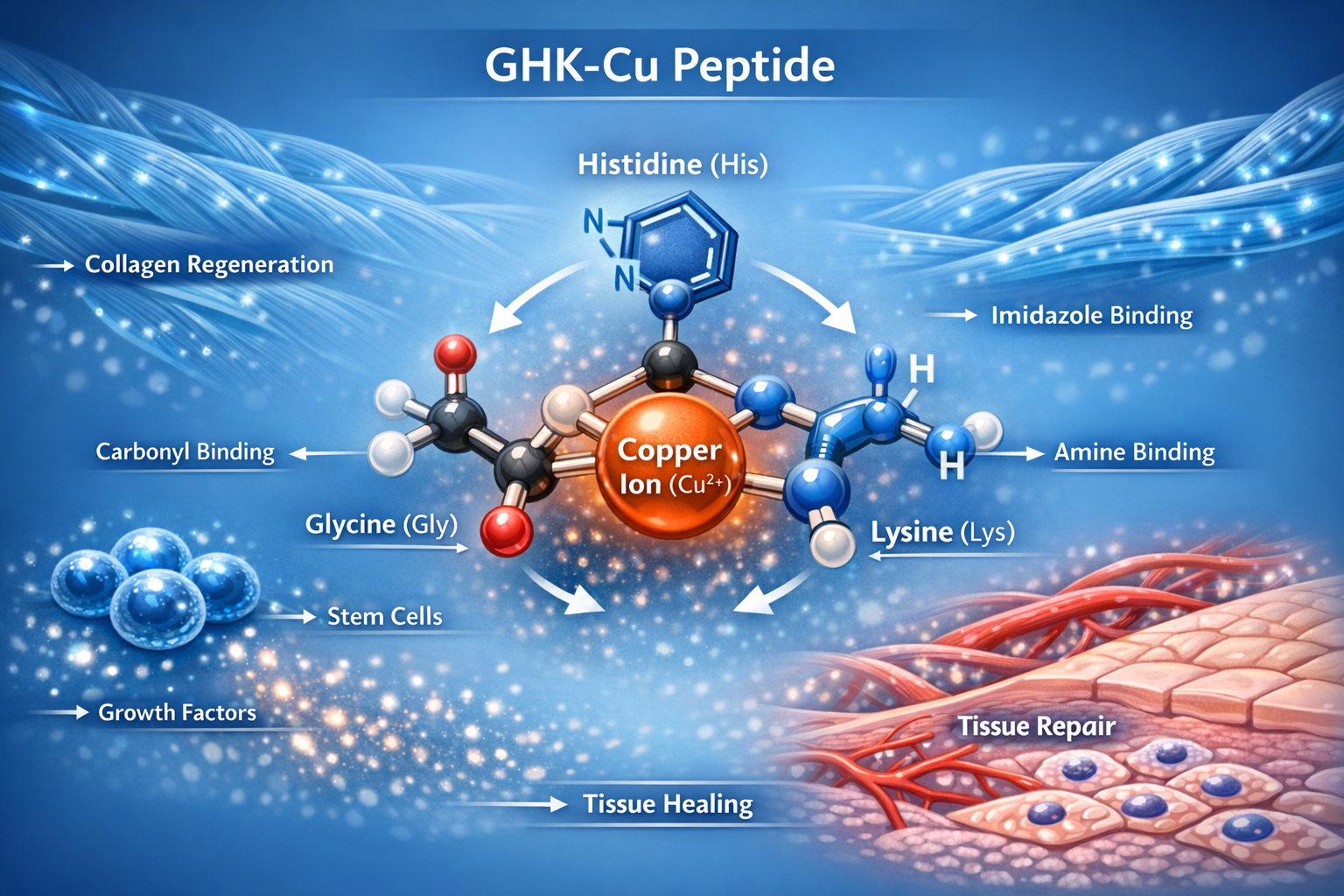
GHK-Cu stands for Glycyl-L-Histidyl-L-Lysine Copper(II), a naturally occurring tripeptide complex that binds copper ions. This small but mighty molecule was first identified in human plasma in the 1973 by Dr. Loren Pickart, who discovered its remarkable properties quite by accident while studying factors that affected liver cell growth.
The molecular structure consists of three amino acids—glycine, histidine, and lysine—chelated to a copper ion (Cu2+). This specific configuration allows GHK-Cu to interact with cellular receptors and influence various biological processes. The copper component is particularly important, as copper itself plays crucial roles in numerous enzymatic reactions throughout the body.
Natural Occurrence and Age-Related Decline
What makes GHK-Cu particularly fascinating is its natural presence in human blood, saliva, and urine. However, concentrations decline significantly with age:
| Age Range | Approximate GHK-Cu Concentration |
|---|---|
| 20 years | ~200 ng/mL |
| 40 years | ~140 ng/mL |
| 60 years | ~80 ng/mL |
This age-related decline has led researchers to investigate whether supplementing GHK-Cu levels might support various physiological functions. For those interested in exploring peptide research more broadly, Pure Tested Peptides offers comprehensive resources on various peptide compounds.
How GHK-Cu Works at the Cellular Level
The mechanisms through which GHK-Cu operates are multifaceted. Research indicates that this peptide can:
- Bind to cellular receptors and activate signaling pathways involved in tissue repair
- Modulate gene expression by influencing over 4,000 genes according to genomic studies
- Chelate copper ions and transport them to sites where copper-dependent enzymes are needed
- Interact with growth factors that regulate cellular proliferation and differentiation
The copper ion in GHK-Cu isn't just along for the ride—it's essential to the peptide's biological activity. Copper serves as a cofactor for enzymes like lysyl oxidase, which is critical for collagen and elastin cross-linking, fundamental processes in tissue structure and integrity.
Primary GHK-Cu Peptide Benefits in Research
The research surrounding ghk cu peptide benefits has expanded considerably over the past decades, with studies examining its effects across multiple biological systems. Let's explore the most well-documented areas of investigation.
Skin Health and Collagen Synthesis Support
One of the most extensively studied applications of GHK-Cu involves its potential effects on skin tissue. Research has shown that GHK-Cu may:
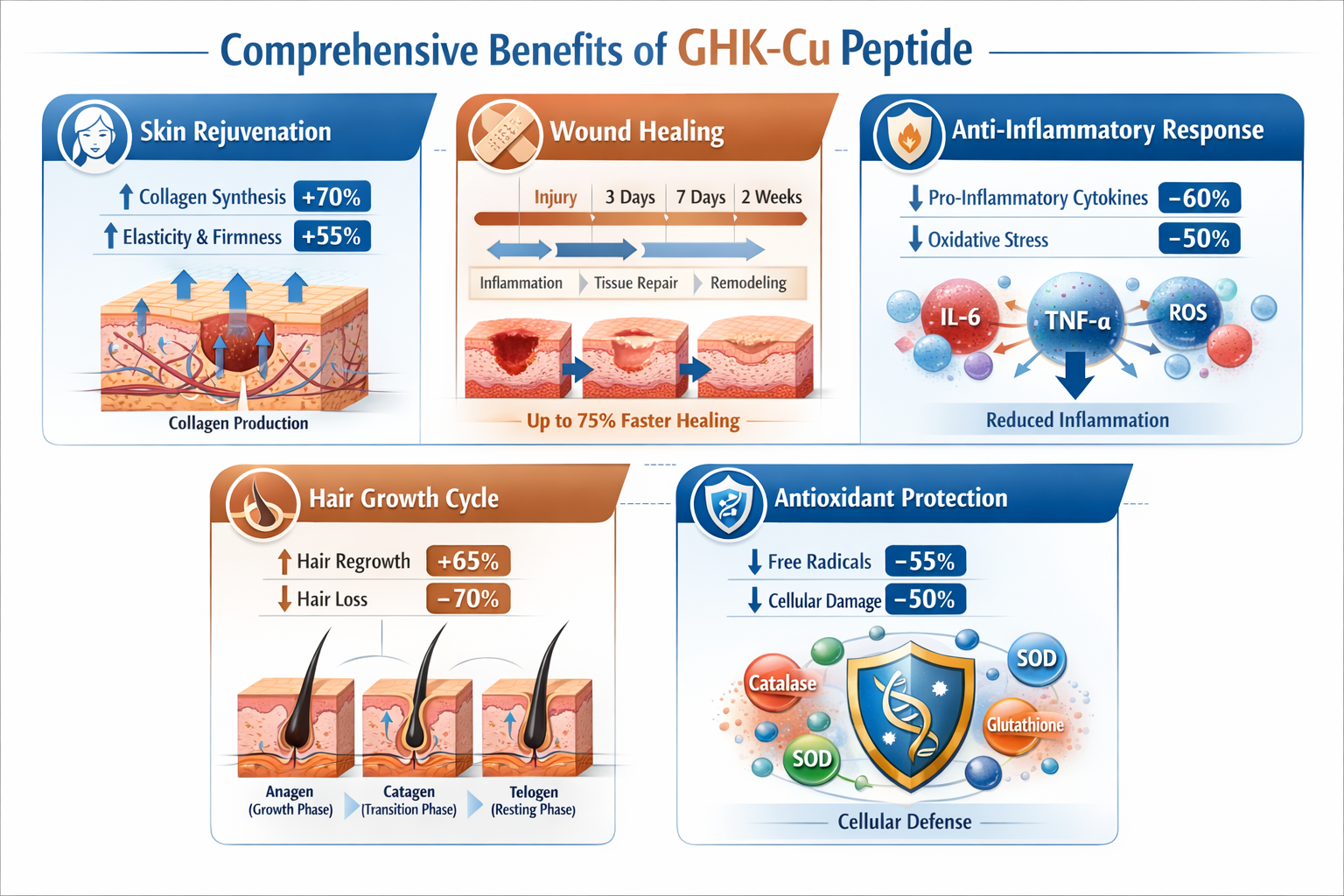
Promote collagen production 🔬 – Studies indicate that GHK-Cu can stimulate fibroblasts (cells responsible for producing collagen) to increase collagen synthesis. A study published in the Journal of Dermatological Science demonstrated that GHK-Cu increased collagen production in cultured human fibroblasts by approximately 70% compared to control groups.
Support skin remodeling – Research suggests GHK-Cu may help balance the production and degradation of extracellular matrix components, potentially supporting more organized tissue structure.
Influence skin thickness – Some studies have observed increases in skin thickness measurements after topical application of GHK-Cu formulations, though individual results vary considerably.
For those researching topical GHK-Cu applications, understanding proper formulation and delivery methods is crucial for research consistency.
Wound Healing and Tissue Repair Research
The wound healing properties of GHK-Cu have been investigated since the 1980s, with numerous studies examining its effects on various stages of the healing process:
Enhanced wound contraction – Animal studies have demonstrated that GHK-Cu application to wounds resulted in faster wound closure rates compared to control treatments. One notable study showed a 30-40% improvement in wound contraction speed.
Angiogenesis support – Research indicates GHK-Cu may promote the formation of new blood vessels (angiogenesis), which is essential for delivering nutrients and oxygen to healing tissues.
Reduced scar formation – Some studies suggest that GHK-Cu may help modulate the wound healing process in ways that result in less pronounced scarring, though more research is needed to fully understand this mechanism.
Anti-Inflammatory and Antioxidant Properties
Inflammation and oxidative stress are central to many age-related changes and tissue damage. Research on GHK-Cu has revealed several interesting findings:
💪 Modulation of inflammatory markers – Studies have shown that GHK-Cu can influence the production of pro-inflammatory cytokines, potentially helping to regulate inflammatory responses.
💪 Antioxidant enzyme activation – GHK-Cu has been shown to increase the activity of superoxide dismutase (SOD), an important antioxidant enzyme that helps neutralize harmful free radicals.
💪 Protection against oxidative damage – In vitro studies have demonstrated that GHK-Cu can protect cells from oxidative stress-induced damage, potentially supporting cellular health.
For researchers interested in comprehensive peptide protocols, exploring peptide blends can provide insights into synergistic approaches.
Hair Growth and Follicle Health Studies
Emerging research has examined GHK-Cu's potential effects on hair follicles:
- Studies on human hair follicles in vitro showed that GHK-Cu enlarged hair follicle size
- Research indicated potential stimulation of hair growth through increased cell proliferation in the follicle
- Some investigations suggested GHK-Cu might help extend the anagen (growth) phase of the hair cycle
Bone and Joint Health Investigations
While less extensively studied than skin applications, some research has explored GHK-Cu's effects on bone and connective tissue:
Bone density support – Preliminary studies in animal models suggested that GHK-Cu might support bone formation processes, though human studies are limited.
Cartilage metabolism – Research has investigated whether GHK-Cu influences chondrocyte (cartilage cell) activity and extracellular matrix production in joint tissues.
GHK-Cu Peptide Benefits for Specific User Groups
Different professionals and enthusiasts approach ghk cu peptide benefits from unique perspectives based on their specific goals and applications.
For Bodybuilders and Fitness Enthusiasts
Bodybuilders and serious fitness practitioners have shown increasing interest in GHK-Cu for several research-supported reasons:
Recovery support – The peptide's potential to support tissue repair processes makes it interesting for those experiencing intense training demands. Research suggests GHK-Cu may help modulate inflammatory responses that occur after strenuous exercise.
Connective tissue health – Tendons, ligaments, and fascia all contain collagen that experiences stress during heavy training. Studies indicating GHK-Cu's effects on collagen synthesis have made it a compound of interest for supporting these structures.
Skin elasticity during body composition changes – Bodybuilders who undergo significant body composition changes sometimes experience skin elasticity concerns. Research on GHK-Cu's effects on elastin and collagen has generated interest in this application.
When sourcing peptides for research, quality is paramount. GHK-Cu 50 mg from verified suppliers ensures consistent purity for reliable research outcomes.
For Medi Spa Professionals
Medi spa practitioners have been at the forefront of exploring cosmetic applications of peptides:
Client treatment protocols – Understanding the research behind GHK-Cu allows professionals to make informed decisions about incorporating peptide-based approaches into their service offerings.
Combination treatments – Research on how GHK-Cu works synergistically with other modalities (like microneedling or laser treatments) helps professionals design comprehensive protocols.
Client education – Being well-versed in the scientific literature enables practitioners to have informed conversations with clients about realistic expectations based on research findings.
For Life Coaches and Wellness Advisors
Life coaches focusing on holistic wellness and optimization have found value in understanding peptide research:
Comprehensive wellness strategies – Knowledge of how GHK-Cu might support various physiological processes allows coaches to guide clients toward evidence-based approaches.
Age-related concerns – Since GHK-Cu levels decline with age, understanding this peptide helps coaches address client concerns about age-related changes from a scientific perspective.
Performance optimization – For coaches working with high-performers, understanding compounds that may support recovery and tissue health provides additional tools for client support.
For Fitness Coaches
Fitness coaches who work with diverse clientele can benefit from understanding GHK-Cu research:
Client recovery protocols – Knowledge of peptides that may support tissue repair helps coaches design more comprehensive recovery strategies for clients.
Injury prevention education – Understanding how collagen synthesis and tissue health work at the molecular level enables coaches to better educate clients on injury prevention.
Advanced client support – For coaches working with competitive athletes or serious enthusiasts, familiarity with cutting-edge research demonstrates professional expertise.
Mechanisms of Action: How GHK-Cu Peptide Benefits Work
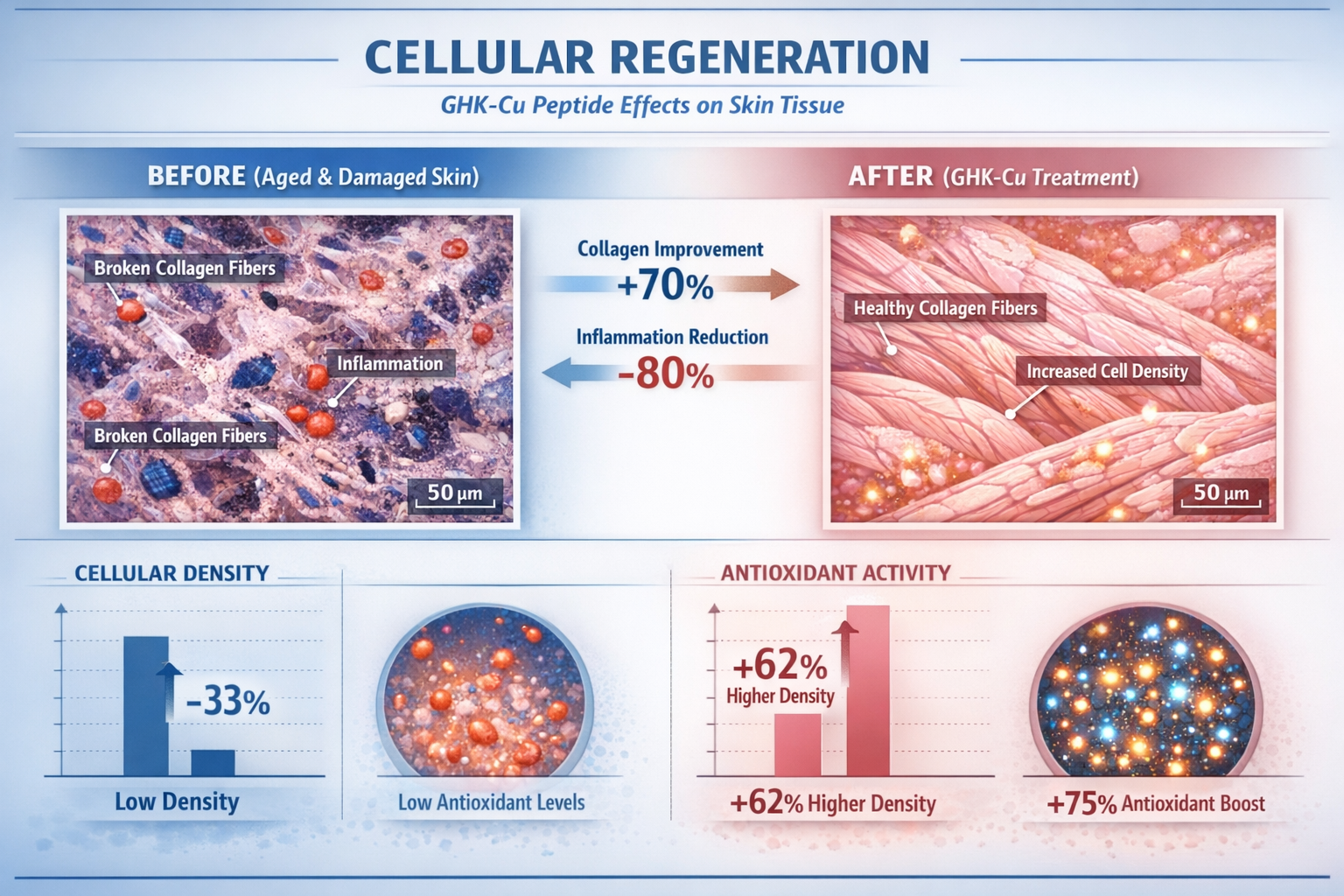
To truly appreciate the ghk cu peptide benefits observed in research, we need to understand the underlying mechanisms through which this peptide operates.
Gene Expression Modulation
One of the most remarkable findings about GHK-Cu comes from genomic studies that analyzed its effects on gene expression. Research using DNA microarray technology revealed that GHK-Cu influences the expression of thousands of genes:
Upregulated genes – Studies showed GHK-Cu increased expression of genes involved in:
- Collagen synthesis and extracellular matrix production
- Antioxidant response pathways
- Cell proliferation and growth factor signaling
- DNA repair mechanisms
Downregulated genes – Research also demonstrated that GHK-Cu decreased expression of genes associated with:
- Inflammatory responses and pro-inflammatory cytokines
- Matrix metalloproteinases (enzymes that break down collagen)
- Apoptosis (programmed cell death) in certain contexts
- Fibrinogen production (associated with excessive scarring)
This broad influence on gene expression helps explain why GHK-Cu appears to affect so many different biological processes.
Copper Transport and Enzymatic Activity
The copper ion complexed with GHK isn't merely a structural component—it's functionally critical:
🔵 Lysyl oxidase activation – This copper-dependent enzyme is essential for cross-linking collagen and elastin fibers, which provides structural integrity to tissues.
🔵 Superoxide dismutase support – GHK-Cu may help deliver copper to SOD enzymes, which are crucial for antioxidant defense.
🔵 Tyrosinase regulation – This copper-containing enzyme is involved in melanin production, which may explain some of GHK-Cu's observed effects on skin pigmentation.
Growth Factor Interactions
Research indicates that GHK-Cu can modulate the activity of various growth factors:
- TGF-β (Transforming Growth Factor-beta) – Studies suggest GHK-Cu influences TGF-β signaling, which plays crucial roles in wound healing and tissue remodeling
- VEGF (Vascular Endothelial Growth Factor) – Research has shown GHK-Cu may affect VEGF expression, potentially explaining its observed effects on angiogenesis
- NGF (Nerve Growth Factor) – Some studies indicate GHK-Cu might influence nerve cell growth and survival
Cellular Receptor Binding
GHK-Cu appears to interact with specific cellular receptors, though research in this area is still evolving:
Integrin receptors – These cell surface receptors that mediate cell-extracellular matrix interactions may be influenced by GHK-Cu, affecting cell adhesion and migration.
Stem cell activation – Emerging research suggests GHK-Cu might influence stem cell differentiation and mobilization, though more studies are needed to confirm these mechanisms.
For those interested in how different peptides work synergistically, exploring research on peptide synergy can provide valuable insights into combination approaches.
Dosing, Administration, and Research Protocols
Understanding proper protocols is essential for anyone conducting research with GHK-Cu peptides. While individual research designs vary, certain principles emerge from the literature.
Typical Research Dosing Ranges
Research studies have employed various dosing protocols depending on the application:
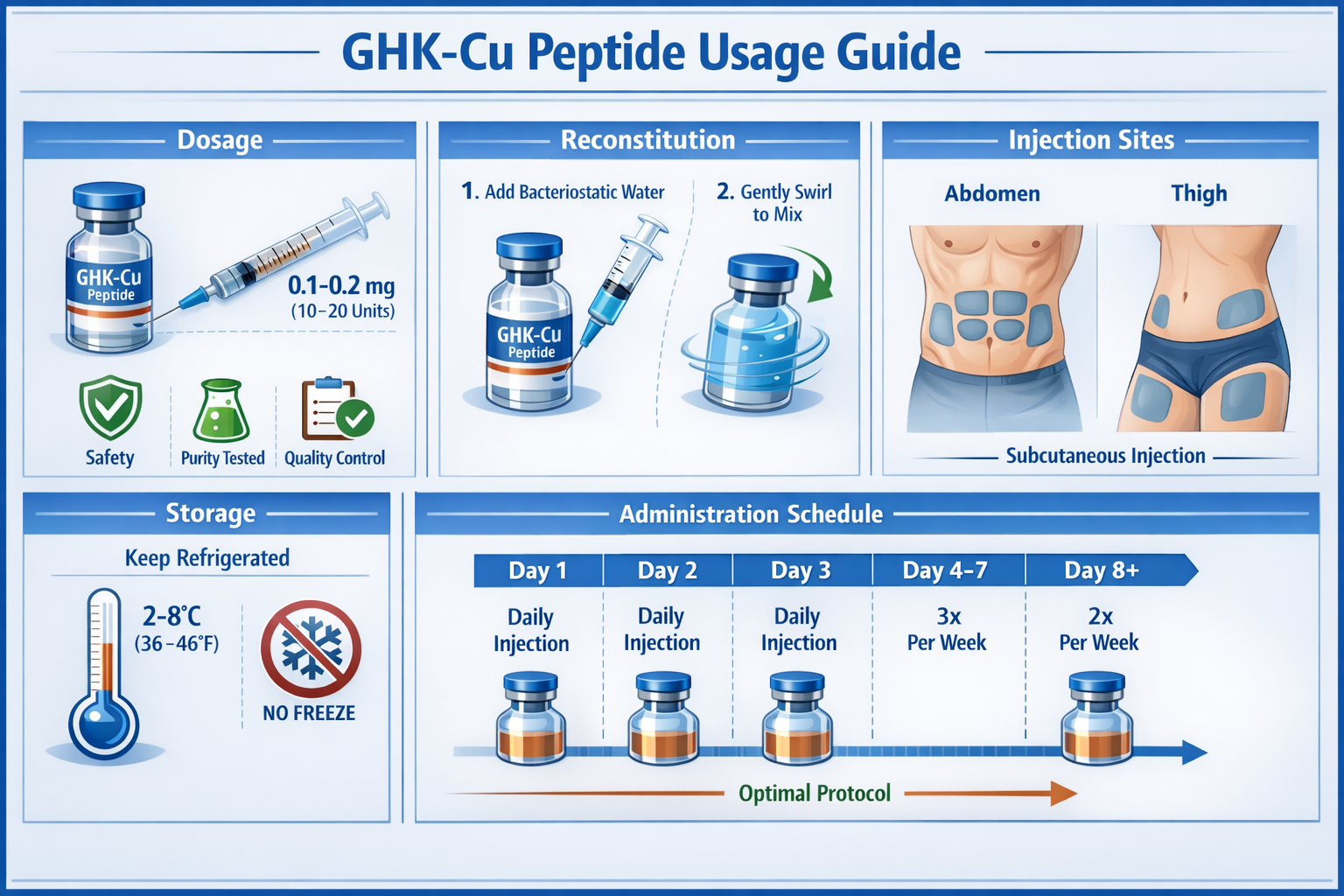
Subcutaneous administration – Research studies have typically used doses ranging from 0.5 mg to 3 mg per administration, with frequency varying from daily to several times per week.
Topical application – Studies examining dermatological applications have used concentrations ranging from 0.05% to 3% in various formulation bases.
In vitro studies – Cell culture research has employed concentrations typically ranging from 1 to 100 μM, depending on the specific experimental design.
It's important to note that these are research parameters, and actual protocols should be designed based on specific research objectives and proper scientific methodology.
Reconstitution and Storage Guidelines
Proper handling of peptide compounds is crucial for maintaining stability and ensuring reliable research outcomes:
Reconstitution process:
- Use bacteriostatic water or sterile saline as the solvent
- Add solvent slowly down the side of the vial to avoid foaming
- Gently swirl (do not shake vigorously) until fully dissolved
- Allow to sit for several minutes if cloudiness persists
Storage recommendations:
- Lyophilized (powder) form: Store at -20°C (freezer) for optimal long-term stability
- Reconstituted solution: Store at 2-8°C (refrigerator) and use within 2-4 weeks
- Avoid freeze-thaw cycles: These can degrade peptide structure
- Protect from light: Store in amber vials or wrap in foil
Research Cycle Protocols
Based on published research, various cycle protocols have been investigated:
Short-term protocols – Some studies have examined 4-8 week cycles to assess acute effects on specific parameters.
Long-term protocols – Research examining cumulative effects has employed protocols lasting 12-24 weeks or longer.
Pulsed protocols – Some investigations have explored intermittent dosing schedules rather than continuous administration.
For researchers looking to establish comprehensive protocols, understanding adaptive capacity and peptide mapping can help optimize research design.
Combination Approaches in Research
Many researchers have investigated GHK-Cu in combination with other compounds:
With other peptides – Studies have examined GHK-Cu alongside peptides like BPC-157 or TB-500 to explore potential synergistic effects on tissue repair.
With vitamins and minerals – Research has investigated combinations with vitamin C (important for collagen synthesis) and zinc (another important trace mineral).
With topical delivery enhancers – Dermatological research has explored various delivery systems to improve GHK-Cu penetration through the skin barrier.
When sourcing peptides for combination research, ensuring quality across all compounds is essential. Pure Tested Peptides provides third-party testing documentation for quality assurance.
Safety Considerations and Research Findings
Understanding the safety profile of any research compound is paramount. The available research on GHK-Cu has provided substantial data on its safety characteristics.
Toxicity Studies and Safety Profile
Multiple studies have examined the toxicity profile of GHK-Cu:
Acute toxicity – Research in animal models has shown relatively low acute toxicity, with LD50 values (the dose lethal to 50% of test subjects) being quite high, suggesting a wide safety margin.
Chronic toxicity – Long-term studies in animal models have not revealed significant toxic effects at doses considerably higher than those typically used in research.
Genotoxicity – Studies examining potential DNA damage have not indicated genotoxic effects of GHK-Cu at research-relevant concentrations.
Skin sensitization – Dermatological safety assessments have generally not shown significant sensitization or allergic responses in most subjects, though individual variations exist.
Reported Side Effects in Research
While GHK-Cu has demonstrated a favorable safety profile in most studies, some observations include:
Injection site reactions – Mild redness, swelling, or discomfort at injection sites, typically resolving within hours
Temporary flushing – Some subjects have reported brief facial flushing, possibly related to vasodilation effects
Mild headaches – Occasionally reported in research subjects, though causation is difficult to establish
Copper-related concerns – Theoretical concerns about copper accumulation exist, though research has not demonstrated this at typical dosing levels
Contraindications and Precautions
Based on available research and theoretical considerations, certain precautions are warranted:
⚠️ Wilson's disease – Individuals with this genetic disorder of copper metabolism should avoid copper-containing compounds
⚠️ Hemochromatosis – Those with iron overload conditions may need to exercise caution with copper supplementation
⚠️ Pregnancy and lactation – Insufficient research exists on GHK-Cu use during pregnancy or breastfeeding
⚠️ Copper allergies – Individuals with documented copper sensitivities should avoid GHK-Cu
⚠️ Medication interactions – Potential interactions with copper-chelating medications or supplements should be considered
Quality and Purity Considerations
One of the most critical safety factors is the quality and purity of the peptide being used:
Third-party testing – Reputable suppliers provide certificates of analysis (COA) from independent laboratories verifying purity, typically >98%
Contaminant screening – Quality testing should include screening for bacterial endotoxins, heavy metals, and other potential contaminants
Proper synthesis – Peptides synthesized using good manufacturing practices (GMP) are more likely to be free from impurities
Storage and handling – Even high-quality peptides can degrade if improperly stored, affecting both efficacy and safety
When sourcing GHK-Cu 50 mg for research purposes, verification of purity and proper handling throughout the supply chain is essential.
Comparing GHK-Cu to Other Peptides
Understanding how ghk cu peptide benefits compare to other peptides helps researchers make informed decisions about which compounds might best suit their research objectives.
GHK-Cu vs. Other Collagen-Supporting Peptides
Several peptides have been studied for their effects on collagen and tissue health:
BPC-157 – This pentadecapeptide has been extensively researched for wound healing and tissue repair. While BPC-157 focuses primarily on angiogenesis and growth factor modulation, GHK-Cu has broader effects on gene expression and direct collagen synthesis stimulation.
TB-500 (Thymosin Beta-4) – Research on TB-500 emphasizes cell migration and proliferation. Compared to GHK-Cu, TB-500 appears to work through different mechanisms, primarily involving actin regulation. Some researchers explore benefits of TB-500 in combination with GHK-Cu.
Collagen peptides (hydrolyzed collagen) – These provide building blocks for collagen synthesis but don't directly stimulate production or modulate gene expression like GHK-Cu does.
GHK-Cu vs. Growth Hormone Secretagogues
Some researchers compare GHK-Cu to peptides that stimulate growth hormone:
Ipamorelin and similar peptides – These work by stimulating the pituitary to release growth hormone, which then has downstream effects on collagen and tissue health. GHK-Cu works through more direct mechanisms on tissue cells themselves.
CJC-1295 – This growth hormone-releasing hormone analog increases IGF-1 levels, which supports tissue growth and repair through different pathways than GHK-Cu.
The key distinction is that GHK-Cu doesn't work through the growth hormone axis but rather through direct cellular effects and gene expression modulation.
Unique Advantages of GHK-Cu
Several characteristics make GHK-Cu particularly interesting for research:
✨ Natural occurrence – GHK-Cu is naturally present in human plasma, potentially offering better biocompatibility than synthetic peptides
✨ Broad gene expression effects – The ability to influence thousands of genes simultaneously provides multiple potential mechanisms of action
✨ Dual delivery options – Both topical and injectable routes have been successfully studied, offering flexibility in research design
✨ Extensive safety data – Decades of research have established a robust safety profile
✨ Multiple application areas – From dermatological to systemic applications, GHK-Cu has been investigated across diverse research domains
Synergistic Combinations
Research has explored GHK-Cu in combination with various other compounds:
With vitamin C – Since vitamin C is essential for collagen synthesis, combining it with GHK-Cu may provide complementary support for collagen production pathways.
With hyaluronic acid – In dermatological applications, research has examined combinations of GHK-Cu with hyaluronic acid for comprehensive skin matrix support.
With other copper peptides – Some formulations combine GHK-Cu with other copper-binding peptides for potentially enhanced effects.
For researchers interested in exploring peptide combinations, understanding peptide synergy research can provide valuable framework for experimental design.
Sourcing Quality GHK-Cu for Research
The quality of peptides used in research directly impacts the reliability and validity of research outcomes. Understanding how to source high-quality GHK-Cu is essential for any serious researcher.
What to Look for in a Peptide Supplier
When evaluating potential suppliers, several factors should be considered:
Third-party testing documentation 🔬
- Certificates of Analysis (COA) from independent laboratories
- High-performance liquid chromatography (HPLC) results showing purity >98%
- Mass spectrometry confirmation of molecular weight
- Endotoxin testing results
Manufacturing standards
- Good Manufacturing Practices (GMP) certification
- Proper synthesis methods (solid-phase peptide synthesis is standard)
- Quality control procedures throughout production
- Appropriate storage and shipping protocols
Transparency and communication
- Clear product specifications and descriptions
- Responsive customer support for technical questions
- Batch-specific documentation
- Clear policies on returns and quality issues
Reputation and reviews
- Established presence in the research community
- Positive feedback from other researchers
- Professional website and educational resources
- Appropriate disclaimers about research-only use
Understanding Purity Grades and Testing
Peptide purity is typically expressed as a percentage, with higher percentages indicating fewer impurities:
>98% purity – This is the standard for high-quality research peptides and what most serious researchers should seek.
95-98% purity – May be acceptable for some preliminary research but could contain more impurities that might affect results.
<95% purity – Generally not recommended for serious research due to higher levels of contaminants.
Testing methods:
- HPLC (High-Performance Liquid Chromatography) – Separates and quantifies peptide purity
- Mass Spectrometry – Confirms molecular weight and identity
- Amino Acid Analysis – Verifies the peptide sequence
- Endotoxin Testing – Ensures bacterial contamination is below acceptable limits
Proper Storage and Handling
Even the highest-quality peptides can degrade if not properly handled:
Upon receipt:
- Verify the product matches your order
- Check that packaging integrity is maintained
- Store immediately according to specifications
- Document batch numbers for research records
Long-term storage:
- Keep lyophilized peptides at -20°C in a freezer
- Store away from light in original packaging or amber vials
- Avoid repeated temperature fluctuations
- Use desiccants to control moisture if opening frequently
Reconstituted peptides:
- Store at 2-8°C (refrigerator temperature)
- Use within 2-4 weeks for optimal stability
- Consider aliquoting into smaller portions to avoid repeated freeze-thaw
- Label clearly with reconstitution date and concentration
For researchers seeking reliable sources, GHK-Cu 50 mg from established suppliers ensures consistent quality for reproducible research.
Red Flags to Avoid
Certain warning signs should prompt caution when evaluating peptide suppliers:
🚩 Unrealistically low prices – Quality peptide synthesis is expensive; extremely low prices may indicate inferior products
🚩 Lack of testing documentation – Suppliers who can't or won't provide COAs should be avoided
🚩 Poor packaging – Peptides shipped without proper temperature control or in inadequate containers
🚩 Vague product descriptions – Lack of specific information about purity, molecular weight, or storage requirements
🚩 Health claims – Reputable research peptide suppliers clearly state products are for research purposes only
🚩 No contact information – Legitimate suppliers provide clear ways to reach them with questions
Current Research Trends and Future Directions
The landscape of ghk cu peptide benefits research continues to evolve, with new studies expanding our understanding of this remarkable compound.
Emerging Research Areas
Recent years have seen investigation into novel applications of GHK-Cu:
Neuroprotection – Preliminary studies are examining whether GHK-Cu might support neuronal health and protect against oxidative stress in brain tissue. Research has shown that GHK-Cu can cross the blood-brain barrier in animal models, opening possibilities for neurological applications.
Metabolic health – Some researchers are investigating potential effects on metabolic parameters, including insulin sensitivity and glucose metabolism, though this research is still in early stages.
Lung tissue – Studies have explored GHK-Cu's effects on lung tissue remodeling and its potential to support healthy lung function, particularly in the context of age-related changes.
Anxiety and behavior – Intriguing animal studies have suggested that GHK-Cu might influence anxiety-related behaviors, possibly through effects on neurotransmitter systems.
Technological Advances in Delivery
Innovation in delivery systems is expanding how GHK-Cu can be studied:
Nanoparticle encapsulation – Research into nanoparticle delivery systems aims to improve bioavailability and targeted delivery of GHK-Cu to specific tissues.
Microneedling enhancement – Studies are examining how microneedling can enhance topical GHK-Cu penetration for dermatological applications.
Liposomal formulations – Encapsulating GHK-Cu in liposomes may protect the peptide from degradation and improve cellular uptake.
Sustained-release systems – Research into depot formulations that provide prolonged release of GHK-Cu could reduce administration frequency.
Genomic and Proteomic Studies
Advanced analytical techniques are revealing new insights:
Gene expression profiling – Microarray and RNA-sequencing studies continue to identify genes influenced by GHK-Cu, helping researchers understand its broad biological effects.
Protein interaction mapping – Proteomics research is identifying proteins that interact with GHK-Cu, revealing new potential mechanisms of action.
Epigenetic effects – Emerging research is exploring whether GHK-Cu influences epigenetic modifications that regulate gene expression.
Clinical Translation Challenges
While research is promising, several challenges exist in translating findings to practical applications:
Standardization – Variability in study protocols makes comparing results across different research groups challenging.
Long-term studies – Most research has focused on relatively short timeframes; more long-term studies are needed to understand sustained effects.
Individual variation – Response to GHK-Cu appears to vary among individuals, and research into predictive factors is limited.
Optimal dosing – While various dosing protocols have been studied, optimal dosing for specific applications remains an area of active investigation.
For those interested in staying current with peptide research developments, resources like applied wellness research with peptides provide ongoing updates on emerging findings.
Practical Implementation: Getting Started with GHK-Cu Research
For professionals and enthusiasts ready to explore ghk cu peptide benefits through their own research, having a structured approach is essential.
Designing Your Research Protocol
A well-designed research protocol should include:
Clear objectives 📋
- Define specific parameters you want to measure
- Establish baseline measurements before beginning
- Determine timeline and assessment points
- Document methodology for reproducibility
Dosing strategy
- Start with conservative doses based on published research
- Consider body weight and research objectives
- Plan administration frequency and timing
- Document all doses and timing meticulously
Assessment methods
- Identify objective measurements when possible
- Use standardized assessment tools
- Take photographs or other documentation for comparison
- Consider relevant biomarkers if applicable
Control measures
- Maintain consistent other variables (diet, exercise, sleep)
- Consider control periods without intervention
- Document any confounding factors
- Use proper research controls when possible
Documentation and Tracking
Rigorous documentation is essential for meaningful research:
Research journal – Maintain detailed notes including:
- Dates and times of administration
- Exact doses and reconstitution details
- Batch numbers of peptides used
- Any observed effects or changes
- Concurrent supplements or medications
- Environmental factors or lifestyle changes
Photographic documentation – For visible parameters:
- Use consistent lighting and angles
- Take photos at regular intervals
- Include reference markers for scale
- Store securely with date stamps
Quantitative measurements – Track numerical data:
- Body composition metrics if relevant
- Performance parameters
- Subjective scales (properly validated)
- Any laboratory values obtained
Safety Monitoring
Even with compounds that have favorable safety profiles, monitoring is important:
✓ Regular self-assessment – Pay attention to any unusual symptoms or changes
✓ Proper injection technique – If using injectable forms, learn and practice sterile technique
✓ Site rotation – Rotate injection sites to prevent tissue irritation
✓ Professional consultation – Work with qualified healthcare providers when appropriate
✓ Discontinuation criteria – Establish in advance what would prompt stopping the research
Building on Research Findings
As you gather data from your research:
Analyze objectively – Look for patterns in your data without confirmation bias
Compare to literature – See how your findings align with published research
Adjust protocols – Modify your approach based on observations and results
Share appropriately – Contribute to the research community through proper channels
Continue learning – Stay updated on new research and methodologies
For those beginning their peptide research journey, exploring best peptide kits for beginner researchers can provide a structured starting point.
Frequently Asked Questions About GHK-Cu Peptide Benefits
How long does it take to observe effects from GHK-Cu research?
The timeframe for observing effects varies significantly depending on the application and individual factors. Published research suggests:
- Topical applications – Some studies reported visible changes in skin parameters within 4-8 weeks
- Wound healing – Effects on healing rates were observed within 1-2 weeks in some animal studies
- Collagen synthesis – Cellular studies show increased collagen production within days, but visible structural changes take longer
- Cumulative effects – Many benefits appear to accumulate over 12+ weeks of consistent use
Can GHK-Cu be combined with other peptides?
Research has explored various combinations:
- With repair peptides – Studies have examined GHK-Cu alongside peptides like BPC-157 for potentially synergistic tissue repair effects
- With cosmetic peptides – Dermatological research has investigated combinations with other skin-supporting peptides
- Timing considerations – Some researchers separate administration of different peptides, while others combine them
Always research specific combinations thoroughly, as interactions between peptides are not fully understood.
What's the difference between topical and injectable GHK-Cu?
Both routes have been studied with different characteristics:
Topical application:
- Direct delivery to skin tissue
- Lower systemic absorption
- Convenient for dermatological applications
- Requires formulations that enhance penetration
Injectable (subcutaneous):
- Systemic distribution
- More predictable bioavailability
- Requires proper injection technique
- May have broader effects beyond local application site
Research applications often determine which route is most appropriate.
How should reconstituted GHK-Cu be stored?
Proper storage is critical for maintaining peptide stability:
- Store in refrigerator at 2-8°C (36-46°F)
- Use within 2-4 weeks for optimal potency
- Protect from light (use amber vials or wrap in foil)
- Avoid freeze-thaw cycles
- Keep away from temperature extremes
- Use sterile technique when drawing doses
Is GHK-Cu legal for research purposes?
In most jurisdictions, GHK-Cu is legal to purchase and possess for research purposes. However:
- It is not approved as a drug or dietary supplement
- It should only be sourced from suppliers who clearly state "for research purposes only"
- Regulations vary by country and region
- Researchers should verify local regulations
- Professional researchers should work within institutional guidelines
What purity level should I look for?
For serious research, purity standards are important:
- Minimum acceptable: >95% purity
- Recommended: >98% purity
- Optimal: >99% purity with comprehensive testing
Higher purity reduces the risk of confounding effects from contaminants and ensures more reliable research outcomes.
Conclusion: The Future of GHK-Cu Peptide Benefits Research
As we've explored throughout this comprehensive guide, the ghk cu peptide benefits observed in research span an impressive range of biological processes—from collagen synthesis and wound healing to gene expression modulation and antioxidant activity. What began as an accidental discovery in the 1970s has evolved into a robust field of investigation with thousands of published studies examining this remarkable tripeptide.
For peptide buyers, medi spa professionals, fitness coaches, life coaches, and bodybuilders, understanding the science behind GHK-Cu provides a foundation for making informed decisions about research directions and potential applications. The research clearly demonstrates that GHK-Cu operates through multiple mechanisms—influencing gene expression, delivering copper to essential enzymes, modulating growth factors, and directly affecting cellular processes involved in tissue repair and maintenance.
Key Points to Remember
🎯 GHK-Cu is a naturally occurring peptide that declines with age, making it particularly interesting for research into age-related changes and tissue health.
🎯 Quality matters immensely – sourcing high-purity peptides from reputable suppliers like Pure Tested Peptides is essential for reliable research outcomes.
🎯 Proper protocols are critical – from reconstitution and storage to dosing and documentation, attention to detail ensures meaningful research results.
🎯 The research is evolving – new studies continue to reveal additional mechanisms and potential applications, making this an exciting time for GHK-Cu investigation.
🎯 Safety profile is favorable – decades of research have established that GHK-Cu has a good safety profile when used appropriately in research contexts.
Next Steps for Your Research Journey
If you're ready to begin exploring GHK-Cu in your own research:
- Educate yourself thoroughly – Review published research and understand the mechanisms of action
- Source quality peptides – Choose suppliers with rigorous testing and quality control, such as GHK-Cu 50 mg
- Design a clear protocol – Establish objectives, dosing strategies, and assessment methods before beginning
- Document meticulously – Maintain detailed records of all aspects of your research
- Monitor and adjust – Pay attention to results and refine your approach based on observations
- Stay current – Continue learning as new research emerges
The Bigger Picture
GHK-Cu represents just one example of how peptide research is expanding our understanding of biological processes and potential interventions to support health and wellness. As analytical techniques improve and our knowledge of cellular mechanisms deepens, compounds like GHK-Cu that work through multiple pathways simultaneously become increasingly interesting.
For professionals working with clients—whether in fitness, wellness coaching, or aesthetic medicine—having a solid grounding in the science behind peptides like GHK-Cu enables more informed, evidence-based approaches to helping people achieve their goals. The research doesn't promise miracles, but it does suggest that GHK-Cu may support various physiological processes in meaningful ways.
As we move forward in 2026 and beyond, the peptide research landscape will continue to evolve. New delivery systems, combination protocols, and applications will emerge from laboratories around the world. By staying informed, maintaining rigorous research standards, and approaching peptides with both enthusiasm and appropriate scientific skepticism, we can contribute to this growing body of knowledge.
The journey of exploring ghk cu peptide benefits is one that combines cutting-edge science with practical application, offering opportunities for discovery whether you're a bodybuilder seeking to optimize recovery, a medi spa professional researching innovative treatments, or a wellness coach helping clients achieve their best selves. Armed with the knowledge from this guide, you're well-equipped to begin that journey with confidence and scientific rigor.
SEO Meta Information
Meta Title: GHK-Cu Peptide Benefits: Complete 2026 Research Guide
Meta Description: Discover GHK-Cu peptide benefits for skin, recovery & tissue health. Science-backed guide for fitness pros, medi spas & researchers. Quality sourcing tips included.