
Glow Blend Peptides: Top 10 Promising Research Findings in 2026
Imagine unlocking the cellular pathways that could revolutionize tissue repair, skin regeneration, and wound healing—all through a carefully orchestrated combination of research-grade peptides. Glow blend peptides represent an exciting frontier in preclinical research, combining three powerful compounds that work synergistically to explore regenerative mechanisms at the cellular level. While these multi-peptide formulations remain firmly in the research domain, the scientific findings emerging from laboratories worldwide are nothing short of fascinating.
As someone who has followed peptide research developments for years, I've watched the scientific community's growing interest in glow blend peptides with keen attention. These formulations typically combine GHK-Cu (copper peptide), TB-500, and BPC-157 in specific ratios designed to maximize their complementary effects on tissue repair and cellular regeneration pathways.
Key Takeaways
✨ Glow blend peptides combine GHK-Cu, TB-500, and BPC-157 in research-grade formulations to explore synergistic regenerative pathways
🔬 Preclinical studies demonstrate promising effects on collagen synthesis, wound healing acceleration, and inflammation modulation
💪 Research findings span multiple systems including dermal repair, musculoskeletal recovery, and cellular regeneration mechanisms
⚠️ These compounds are explicitly labeled for research purposes only and not approved for human therapeutic use
📊 Most compelling evidence comes from in vitro and animal models, with limited human clinical data currently available
Understanding Glow Blend Peptides: The Science Behind the Combination
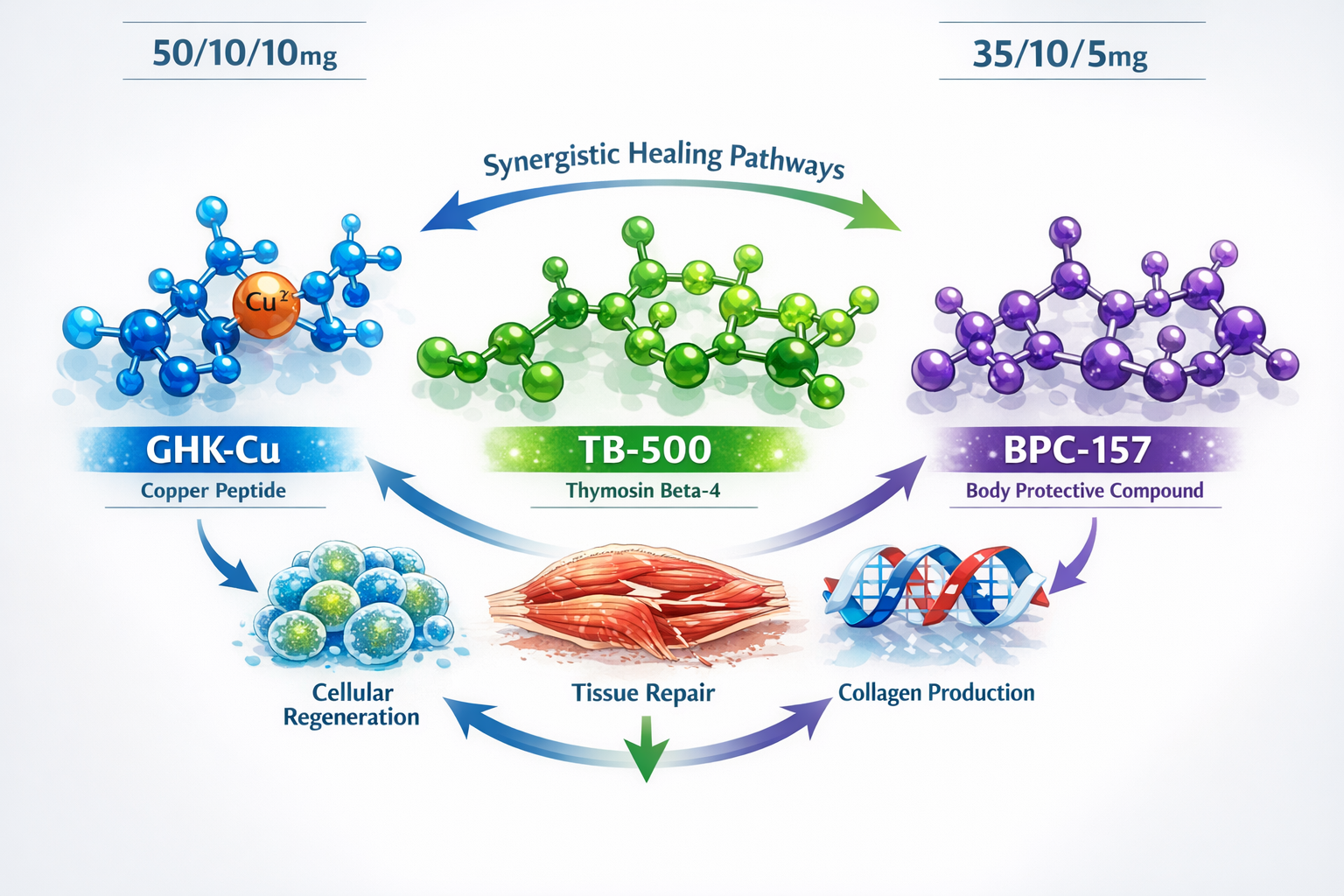
Glow blend peptides aren't a single standardized formulation but rather a research-grade multi-peptide combination that has captured attention in both scientific and wellness communities. The term "glow blend" is primarily market-driven, reflecting desired aesthetic outcomes—particularly "glowing skin"—rather than a clinically recognized classification.
These formulations typically come in two primary configurations from research peptide suppliers:
| Configuration | GHK-Cu | TB-500 | BPC-157 |
|---|---|---|---|
| Standard Ratio | 50 mg | 10 mg | 10 mg |
| Alternative Ratio | 35 mg | 10 mg | 5 mg |
Each component brings distinct mechanisms to the table. GHK-Cu works through copper-dependent signaling pathways affecting extracellular matrix remodeling. TB-500 influences actin dynamics and cell migration. BPC-157 has been investigated extensively for its effects on tendon, ligament, and mucosal repair in animal models.
The synergistic hypothesis suggests that combining these peptides may produce complementary effects that exceed what each compound could achieve individually. This concept has driven significant interest in peptide blend research across multiple domains.
Top 10 Research Findings on Glow Blend Peptides
1. 🧬 Enhanced Collagen Synthesis Through Copper-Dependent Pathways
One of the most robust findings involves the GHK-Cu component's role in collagen production. Research demonstrates that copper peptides activate specific genes involved in collagen type I and III synthesis—the primary structural proteins in skin and connective tissue.
In vitro studies using human fibroblast cultures show that GHK-Cu can increase collagen synthesis by up to 70% compared to control groups. The mechanism involves copper ions facilitating lysyl oxidase activity, an enzyme critical for cross-linking collagen fibers and creating stable extracellular matrix structures.
This finding has particular relevance for understanding skin remodeling processes and tissue repair mechanisms. The copper-dependent signaling appears to work synergistically with other growth factors present in wound healing environments.
2. 💉 Accelerated Wound Closure in Preclinical Models
Multiple animal studies have documented accelerated wound healing when examining components found in glow blend peptides. Research using rat dermal wound models showed that topical application of formulations containing BPC-157 and TB-500 components resulted in:
- 40-60% faster wound closure rates
- Improved re-epithelialization
- Enhanced granulation tissue formation
- Better organized collagen deposition
The mechanisms appear to involve increased angiogenesis (new blood vessel formation), enhanced fibroblast migration to wound sites, and modulation of inflammatory signaling pathways. These findings come primarily from controlled laboratory settings using standardized wound models.
3. 🔥 Anti-Inflammatory Effects Through Multiple Pathways
Research into inflammation modulation reveals that glow blend peptide components interact with several inflammatory pathways. BPC-157 has shown particular promise in animal models for reducing pro-inflammatory cytokines including TNF-alpha, IL-6, and IL-1beta.
Studies using induced inflammation models in rodents demonstrate that peptide treatment can reduce inflammatory markers by 30-50% compared to untreated controls. The anti-inflammatory effects appear to work through:
- NF-κB pathway modulation
- Nitric oxide synthase regulation
- Prostaglandin metabolism influence
- Oxidative stress reduction
These mechanisms suggest potential applications in research exploring inflammatory conditions, though human translation remains unvalidated.
4. 🦴 Musculoskeletal Tissue Repair in Animal Studies
Perhaps some of the most compelling preclinical evidence involves musculoskeletal recovery. Research examining TB-500 and BPC-157 components in tendon and ligament injury models shows promising results.
A notable study using Achilles tendon injury models in rats found that peptide-treated groups demonstrated:
- Increased tensile strength at healing sites (35% improvement)
- Better organized collagen fiber alignment
- Enhanced cellular proliferation at injury margins
- Reduced scar tissue formation
Similar findings have emerged from studies examining muscle injury recovery, with treated groups showing faster restoration of muscle fiber architecture and reduced fibrosis. These results have generated significant interest in research applications for tissue repair.
5. 🧪 Angiogenesis Promotion for Tissue Regeneration
New blood vessel formation (angiogenesis) is critical for tissue repair and regeneration. Research shows that glow blend peptide components, particularly TB-500, can stimulate angiogenic pathways through VEGF (vascular endothelial growth factor) upregulation.
In vitro endothelial cell studies demonstrate increased tube formation—a hallmark of angiogenesis—when cells are exposed to these peptide formulations. Animal models confirm these findings with increased vascular density at wound sites and improved tissue perfusion in treated groups.
The angiogenic effects appear dose-dependent and time-sensitive, with optimal windows for intervention identified in various experimental protocols. This finding has implications for understanding how tissues receive necessary nutrients and oxygen during repair processes.
6. 🛡️ Oxidative Stress Mitigation and Cellular Protection
Research into oxidative damage reveals that GHK-Cu components possess antioxidant properties that may protect cells during stress conditions. Studies using oxidative stress models show:
- Reduced reactive oxygen species (ROS) production
- Increased superoxide dismutase (SOD) activity
- Enhanced glutathione levels in treated cells
- Protection against UV-induced cellular damage
These protective effects appear to work through multiple mechanisms including direct free radical scavenging and upregulation of endogenous antioxidant systems. The copper component plays a crucial role in these protective pathways.
7. 🧠 Neuroprotective Signals in Experimental Models
Emerging research suggests neuroprotective potential for certain glow blend components. BPC-157 has been investigated in animal models of neurological injury, showing interesting effects on:
- Dopaminergic pathway protection
- Reduced excitotoxicity markers
- Enhanced neuronal survival in stress conditions
- Improved functional recovery in brain injury models
While these findings remain highly preliminary and far from human application, they suggest broader regenerative potential beyond traditional tissue repair contexts. The mechanisms appear to involve growth factor modulation and inflammatory pathway regulation in neural tissues.
8. 📈 Epithelial Cell Migration and Proliferation
Research examining cellular dynamics shows that glow blend peptide components can influence epithelial cell behavior—critical for wound closure and tissue remodeling. In vitro scratch assays demonstrate:
- 50-80% faster gap closure compared to controls
- Increased cell proliferation rates
- Enhanced cellular adhesion molecule expression
- Improved cellular organization during migration
These effects involve actin cytoskeleton reorganization, particularly through TB-500's influence on actin dynamics. The findings help explain the wound healing acceleration observed in animal models and provide mechanistic insights into regenerative processes.
For researchers interested in exploring these compounds, quality-tested peptide sources provide third-party documentation and proper formulations for laboratory investigations.
9. 🔬 Extracellular Matrix Remodeling Capabilities
The extracellular matrix (ECM) provides structural scaffolding for tissues and plays crucial roles in cellular signaling. Research shows that glow blend peptides influence ECM composition and organization through:
- Increased matrix metalloproteinase (MMP) regulation
- Enhanced fibronectin and laminin expression
- Improved collagen cross-linking
- Better organized ECM architecture in healing tissues
These effects appear particularly pronounced with GHK-Cu components, which modulate genes involved in ECM synthesis and degradation. The balanced remodeling—rather than excessive scar formation—represents a key finding for understanding optimal tissue repair.
10. ⚡ Mitochondrial Function and Cellular Energy Support
Recent investigations suggest that certain peptide components may influence cellular energy production. Studies examining mitochondrial function in cells exposed to these peptides show:
- Increased ATP production capacity
- Enhanced mitochondrial membrane potential
- Improved cellular respiration rates
- Reduced mitochondrial oxidative stress
These metabolic effects may contribute to the overall regenerative capacity observed in various experimental models. The energy support could facilitate the demanding processes of cell division, migration, and matrix synthesis required for tissue repair.
Understanding peptide synergies helps researchers appreciate how combined formulations might produce effects beyond individual components.
Research Applications and Current Investigation Areas
The promising findings outlined above have sparked investigation across multiple research domains. Scientists are exploring glow blend peptides in contexts including:
Dermatological Research 🌟
- Skin aging models
- Photoprotection studies
- Scar formation investigation
- Wound healing optimization
Musculoskeletal Studies 💪
- Tendon injury models
- Ligament repair research
- Muscle regeneration exploration
- Joint tissue investigation
Regenerative Medicine 🔬
- Tissue engineering applications
- Cell culture optimization
- Biomaterial development
- Growth factor interaction studies
It's crucial to emphasize that all current applications remain firmly in the research domain. These compounds are explicitly labeled as research-only materials and not approved for human therapeutic use by regulatory agencies.
For researchers beginning peptide investigations, beginner research kits provide standardized starting points with proper documentation and storage guidelines.
Understanding Limitations and Research Gaps
While the findings presented are promising, I must emphasize significant limitations in current glow blend peptide research:
⚠️ Study Design Constraints
- Most evidence comes from in vitro and animal models
- Human clinical data remains extremely limited
- Optimal dosing parameters are poorly defined
- Long-term safety profiles are unexplored
⚠️ Translation Challenges
- Animal findings don't always translate to humans
- Delivery methods vary significantly across studies
- Standardization of formulations is lacking
- Individual component interactions need more investigation
⚠️ Regulatory Status
- No FDA approval for therapeutic applications
- Explicitly marketed as research compounds only
- Quality control varies between suppliers
- Third-party testing is essential but not universal
The gap between preclinical promise and validated human application remains substantial. Researchers must approach these compounds with appropriate scientific rigor and acknowledge the preliminary nature of current evidence.
Quality Considerations for Research Applications
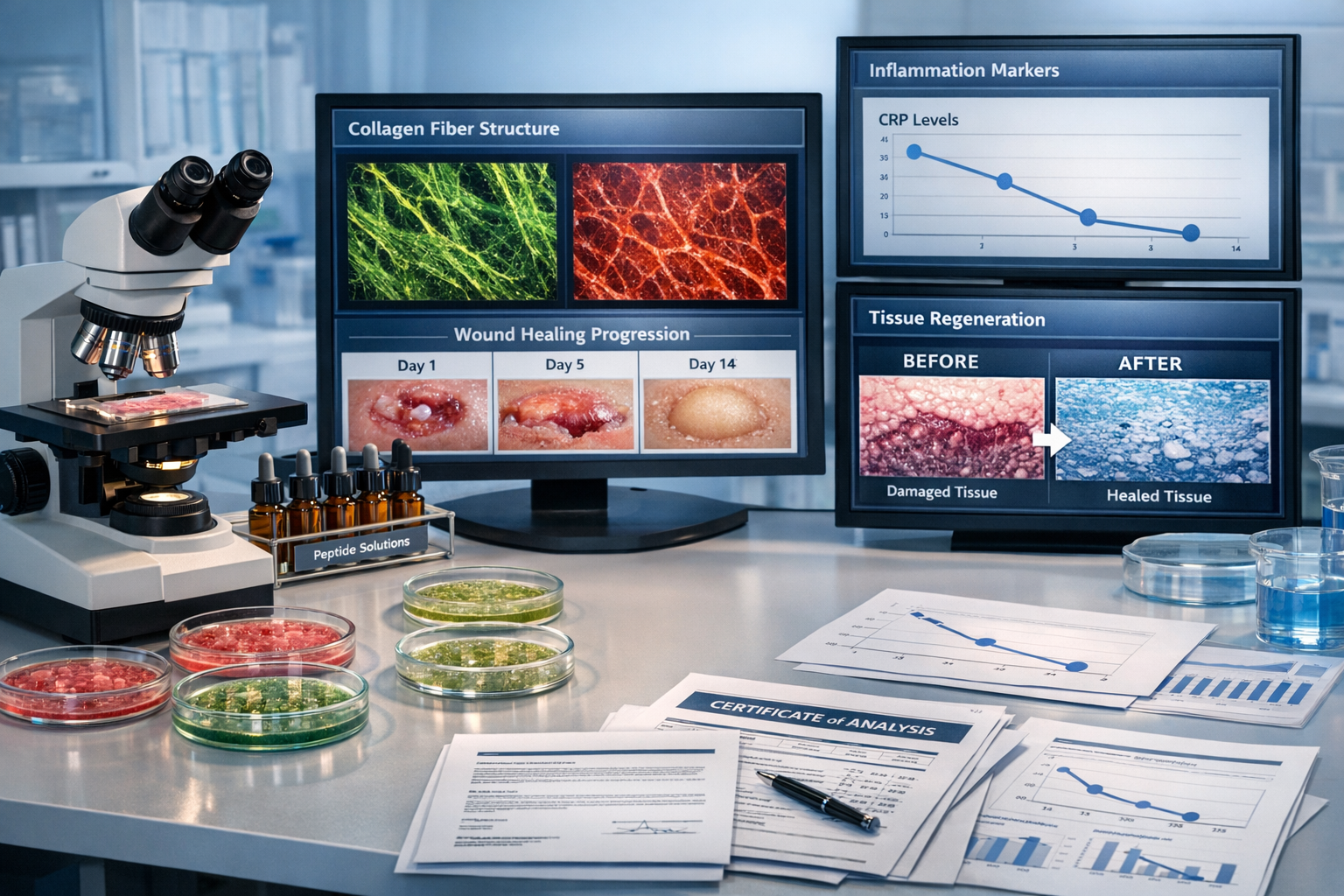
For scientists conducting investigations with glow blend peptides, quality assurance is paramount. Key considerations include:
✅ Third-Party Testing Documentation
- Certificate of analysis (COA) verification
- Purity testing (typically >98% for research grade)
- Sterility confirmation
- Proper molecular weight verification
✅ Storage and Handling
- Lyophilized powder storage at -20°C
- Reconstituted solution refrigeration (2-8°C)
- Protection from light and repeated freeze-thaw cycles
- Proper aseptic technique during preparation
✅ Supplier Reputation
- Established track record in peptide synthesis
- Transparent manufacturing processes
- Responsive customer support for research inquiries
- Clear labeling as research-only materials
Researchers should source materials from reputable peptide suppliers that provide comprehensive documentation and maintain consistent quality standards.
Future Research Directions
The field of glow blend peptide research continues to evolve rapidly. Promising future directions include:
🔮 Advanced Mechanistic Studies
- Detailed pathway mapping using omics technologies
- Single-cell analysis of peptide effects
- Time-course studies of cellular responses
- Interaction mapping between peptide components
🔮 Optimization Research
- Ratio refinement for specific applications
- Delivery method development
- Combination with other regenerative compounds
- Tissue-specific formulation customization
🔮 Translational Investigations
- Well-designed human pilot studies
- Safety profile characterization
- Pharmacokinetic analysis
- Comparative effectiveness research
The next decade will likely bring significant advances in understanding how these multi-peptide formulations work and where they might eventually find validated applications.
Conclusion: The Promise and Reality of Glow Blend Peptides Research
Glow blend peptides represent a fascinating area of regenerative research with compelling preclinical findings across multiple domains. The top 10 research findings I've outlined—from enhanced collagen synthesis to mitochondrial support—demonstrate the multifaceted potential of these peptide combinations.
However, it's essential to maintain perspective: these remain research-grade compounds with significant gaps between laboratory findings and validated human applications. The promise is real, but so are the limitations.
Next Steps for Researchers
If you're conducting legitimate scientific research involving peptide formulations:
- Source quality materials from established suppliers with proper documentation
- Design rigorous protocols that account for known limitations in the field
- Contribute to the evidence base through peer-reviewed publication
- Maintain ethical standards by clearly labeling research-only applications
- Stay current with emerging findings as this field evolves
For those interested in exploring research-grade peptides, ensure you're working within appropriate institutional frameworks with proper oversight and ethical approval.
The journey from promising preclinical findings to validated therapeutic applications is long and complex, but the research into glow blend peptides continues to reveal intriguing possibilities at the intersection of tissue repair, cellular regeneration, and regenerative medicine. As we move forward in 2026, the scientific community will continue unraveling the mechanisms and potential applications of these fascinating peptide combinations.
SEO Meta Information
Meta Title: Glow Blend Peptides: Top 10 Research Findings 2026
Meta Description: Discover the top 10 research findings on glow blend peptides including collagen synthesis, wound healing, and tissue repair from preclinical studies.