

GLP-3 Peptide Benefits: The Revolutionary Triple Agonist Transforming Metabolic Health in 2026
Imagine losing nearly 30% of your body weight, reversing prediabetes, and eliminating chronic knee pain—all from a single therapeutic approach. The glp-3 peptide benefits represent a quantum leap in metabolic medicine, delivering results that seemed impossible just a few years ago. As fitness enthusiasts and peptide shoppers search for cutting-edge solutions in 2026, this triple-receptor agonist is rewriting the rules of what's achievable in body composition, metabolic health, and overall wellness.
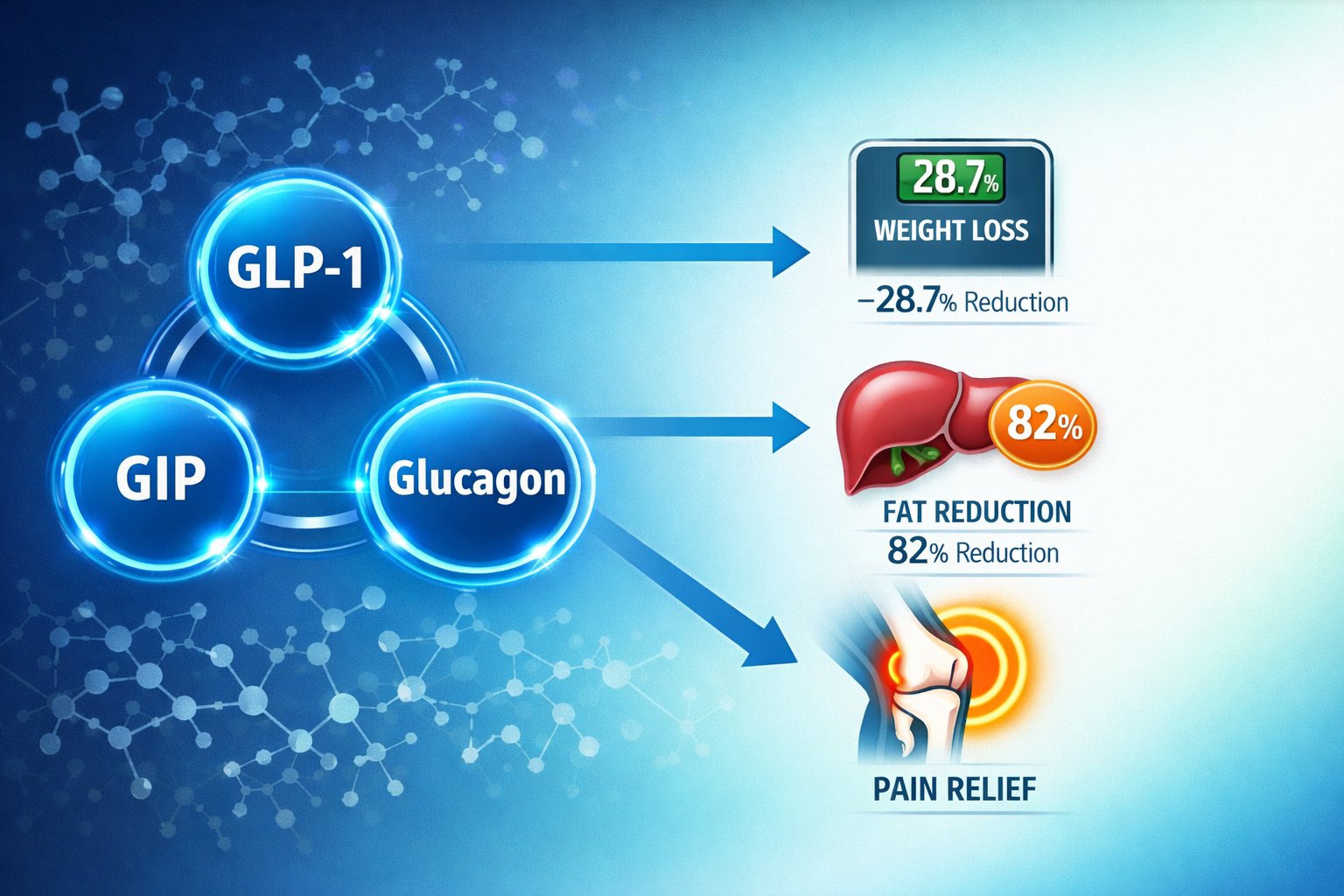
Unlike traditional single-target therapies, GLP-3 peptides (also known as retatrutide) simultaneously activate three critical metabolic pathways: GLP-1, GIP, and glucagon receptors. This multi-pronged approach creates a synergistic effect that far exceeds the sum of its parts, delivering unprecedented improvements across multiple health markers. The research findings emerging from clinical trials have stunned even seasoned researchers, with weight loss percentages and metabolic improvements that dwarf previous generation therapies.
Key Takeaways
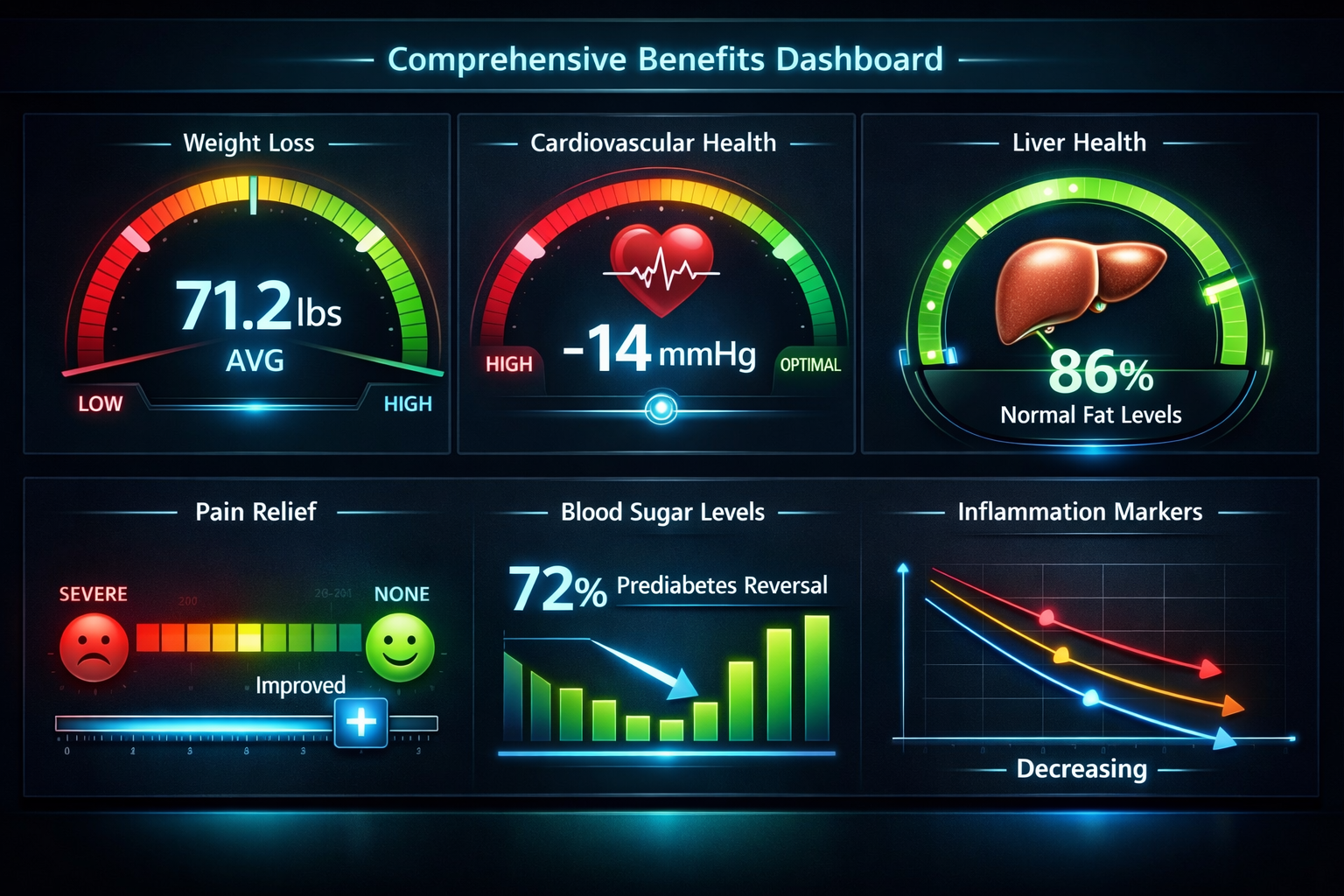
✅ Record-Breaking Weight Loss: GLP-3 peptide benefits include up to 28.7% body weight reduction at the 12 mg dose, with participants losing an average of 71.2 pounds in clinical trials[1]
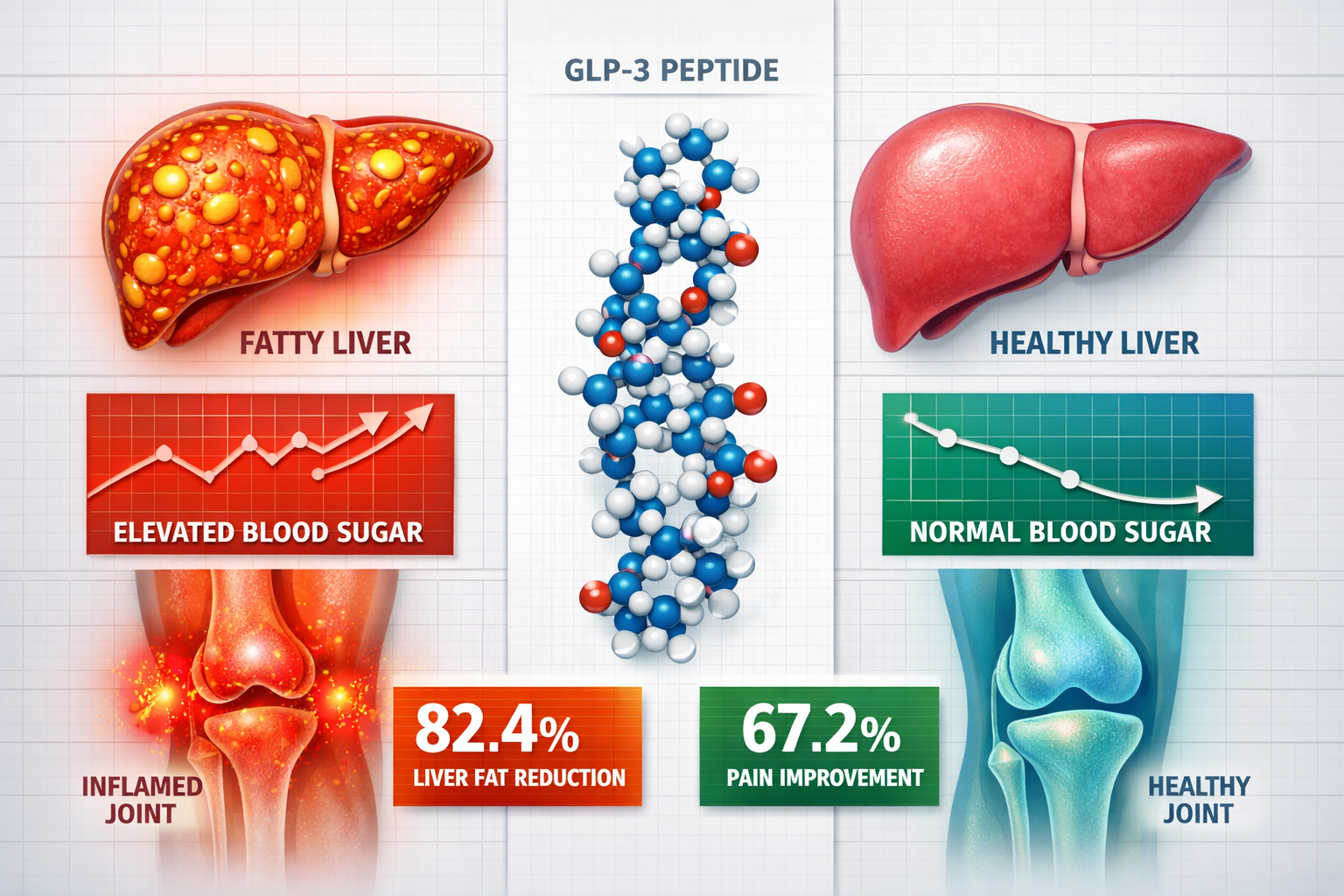
✅ Liver Health Transformation: An impressive 82.4% reduction in liver fat and 86% of participants achieving normal liver fat levels, suggesting powerful hepatoprotective effects[1]
✅ Metabolic Disease Reversal: 72% of prediabetic participants returned to normal blood sugar levels, demonstrating significant disease-modifying potential[1]
✅ Pain Relief and Mobility: 67.2% improvement in osteoarthritis pain scores, with more than one in eight patients experiencing complete freedom from knee pain[1][3]
✅ Sustained Cardiovascular Benefits: 14.0 mmHg reduction in systolic blood pressure plus improvements in cholesterol and inflammatory markers[1]
Understanding GLP-3 Peptides: The Triple Agonist Mechanism
What Makes GLP-3 Different from Other Peptides?
The glp-3 peptide benefits stem from its unique triple-agonist mechanism. While earlier peptide therapies like semaglutide (a GLP-1 agonist) and tirzepatide (a dual GLP-1/GIP agonist) have shown impressive results, GLP-3 adds glucagon receptor activation to the mix. This third pathway unlocks additional metabolic advantages that single and dual agonists simply cannot achieve.
The Three Receptor Targets:
- GLP-1 Receptors: Enhance insulin secretion, suppress appetite, slow gastric emptying
- GIP Receptors: Improve insulin sensitivity, support fat metabolism, enhance nutrient processing
- Glucagon Receptors: Increase energy expenditure, promote fat burning, support liver metabolism
This triple activation creates a metabolic symphony where each receptor amplifies the benefits of the others. The glucagon pathway, in particular, drives increased energy expenditure and fat oxidation—effects not seen with GLP-1 peptides alone.
How GLP-3 Peptides Work in the Body
When administered, GLP-3 peptides circulate throughout the body, binding to their three target receptors in various tissues. In the pancreas, they enhance insulin production while suppressing glucagon release (except at the glucagon receptors where controlled activation occurs). In the brain, they reduce appetite and food cravings. In adipose tissue, they promote fat breakdown. In the liver, they improve metabolic function and reduce fat accumulation.
The peptide's structure has been optimized for stability and prolonged action, allowing for once-weekly dosing in most protocols. This convenience factor represents a significant advantage over daily injection regimens required by some earlier peptide therapies. For those interested in comprehensive peptide therapy benefits, understanding this mechanism is crucial.
Key Pharmacological Properties:
- Half-life: Extended duration allowing weekly administration
- Bioavailability: High absorption rates with subcutaneous injection
- Receptor Selectivity: Balanced activation across all three targets
- Metabolic Stability: Resistant to rapid enzymatic degradation
Top GLP-3 Peptide Benefits for Weight Loss and Body Composition
Unprecedented Fat Reduction Results
The most striking glp-3 peptide benefits appear in weight loss outcomes. In the Phase 3 TRIUMPH-4 trial, participants receiving the 12 mg dose experienced an average weight reduction of 28.7% over 68 weeks[1]. This translates to an average loss of 71.2 pounds for participants who started at typical obesity weights.
To put this in perspective, previous generation therapies achieved approximately 15-17% weight loss with semaglutide and around 21% with tirzepatide at their highest doses[1]. The glp-3 peptide benefits for weight loss represent a 35-40% improvement over these already impressive results.
Weight Loss Comparison Table:
| Therapy Type | Average Weight Loss | Study Duration | Mechanism |
|---|---|---|---|
| GLP-3 (12mg) | 28.7% | 68 weeks | Triple agonist |
| Tirzepatide | ~21% | 72 weeks | Dual agonist |
| Semaglutide | 15-17% | 68 weeks | Single agonist |
| Lifestyle Only | 2-5% | 52 weeks | Diet/exercise |
Sustained Weight Loss Without Plateaus
Perhaps even more impressive than the total weight loss is the trajectory. Research indicates that glp-3 peptide benefits for weight reduction did not plateau through 48-52 weeks of treatment[1][2]. This sustained efficacy suggests that participants could potentially achieve even greater results with longer treatment durations.
Traditional weight loss approaches—whether dietary, exercise-based, or even pharmaceutical—typically encounter plateaus where the body adapts and weight loss stalls. The multi-receptor activation of GLP-3 appears to overcome these adaptive mechanisms by simultaneously addressing appetite, energy expenditure, and metabolic efficiency.
"The weight loss trajectory with GLP-3 shows no signs of plateauing through one year of treatment, suggesting we may be underestimating the full potential of this therapy." – Clinical trial observations[1]
Body Composition Improvements Beyond the Scale
While total weight loss captures headlines, the glp-3 peptide benefits extend to favorable body composition changes. Research suggests preferential fat loss over lean muscle mass, particularly when combined with resistance training protocols. This preservation of muscle tissue is critical for fitness enthusiasts who want to optimize their physique rather than simply becoming smaller versions of themselves.
The glucagon receptor activation component appears particularly important for fat mobilization from stubborn deposits, including visceral fat surrounding organs. This deep fat reduction carries significant health implications beyond aesthetics, as visceral adiposity strongly correlates with metabolic disease risk.
Metabolic Health Benefits: Beyond Weight Loss
Reversing Prediabetes and Improving Insulin Sensitivity
Among the most clinically significant glp-3 peptide benefits is the ability to reverse metabolic dysfunction. In Phase 2 trials, an impressive 72% of prediabetic participants reverted to normal blood sugar levels[1]. This disease-modifying effect suggests GLP-3 peptides may prevent or delay the progression to type 2 diabetes in at-risk populations.
The mechanisms driving this improvement include:
- Enhanced insulin secretion in response to meals (GLP-1 and GIP pathways)
- Improved insulin sensitivity in muscle and fat tissues (GIP pathway)
- Reduced hepatic glucose production (glucagon pathway modulation)
- Weight loss-mediated improvements in metabolic function
For fitness enthusiasts struggling with blood sugar management despite rigorous training, these glp-3 peptide benefits offer a powerful tool to optimize metabolic health. Stable blood sugar levels support consistent energy, better workout performance, and improved recovery.
Dramatic Liver Fat Reduction
Non-alcoholic fatty liver disease (now termed metabolic dysfunction-associated steatotic liver disease or MASLD) affects millions of people, often silently progressing toward cirrhosis and liver failure. The glp-3 peptide benefits for liver health are nothing short of remarkable.
In a MASLD substudy, participants receiving the 12 mg dose experienced an 82.4% reduction in liver fat[1]. Even more impressively, 86% of participants achieved normal liver fat levels (defined as <5%), compared to 0% in the placebo group[1].
Liver Health Improvements:
- ✅ Rapid reduction in hepatic fat content (within 24 weeks)
- ✅ Normalization of liver enzymes (ALT, AST)
- ✅ Reduced inflammation markers
- ✅ Potential prevention of fibrosis progression
What makes these results particularly intriguing is that improvements occurred within 24 weeks, suggesting potential weight-independent mechanisms[1]. While weight loss certainly contributes to liver fat reduction, the GLP-3 peptides may exert direct hepatoprotective effects through their multi-receptor activation.
Cardiovascular and Metabolic Marker Improvements
The glp-3 peptide benefits extend throughout the cardiovascular system. Clinical trials documented a 14.0 mmHg reduction in systolic blood pressure at the highest dose[1]—a decrease comparable to many first-line antihypertensive medications.
Additional cardiovascular improvements include:
- Reduced non-HDL cholesterol: Lower "bad" cholesterol levels
- Decreased triglycerides: Improved lipid profiles
- Lower inflammatory markers: Reduced systemic inflammation (CRP, IL-6)
- Improved endothelial function: Better blood vessel health
These comprehensive metabolic improvements create a cascade of health benefits that extend far beyond simple weight reduction. For fitness enthusiasts concerned with longevity and healthspan optimization, these markers represent fundamental improvements in metabolic health.
GLP-3 Peptide Benefits for Pain Relief and Joint Health
Osteoarthritis Pain Reduction
One of the most unexpected glp-3 peptide benefits emerged from studies examining participants with obesity and knee osteoarthritis. Researchers observed a 67.2% improvement in osteoarthritis pain scores (measured by the WOMAC index) at the 9 mg dose[1][3].
Even more remarkably, more than one in eight patients (12.0-14.1%) reported complete freedom from knee pain[1][3]. For individuals whose exercise routines have been limited by joint pain, this represents a potential game-changer.
Mechanisms Behind Pain Relief
The pain relief associated with glp-3 peptide benefits likely stems from multiple mechanisms:
- Mechanical Unloading: Significant weight loss reduces stress on weight-bearing joints
- Inflammation Reduction: Decreased systemic and local inflammation in joint tissues
- Metabolic Improvements: Better nutrient delivery and waste removal from cartilage
- Adipokine Modulation: Changes in fat-derived signaling molecules that influence pain
The combination of substantial weight loss (reducing mechanical stress) and systemic anti-inflammatory effects creates an ideal environment for joint recovery. Many participants report improved mobility, increased exercise capacity, and better quality of life as pain diminishes.
Implications for Fitness and Training
For fitness enthusiasts, the pain relief glp-3 peptide benefits open new training possibilities. Individuals who previously avoided certain exercises due to joint pain may find they can return to activities like running, jumping, or heavy squatting. This expanded exercise capacity can further enhance body composition improvements and cardiovascular fitness.
The ability to train more consistently and intensely creates a positive feedback loop: better training drives additional fat loss and muscle development, which further improves joint health and metabolic function. This synergy between pharmaceutical intervention and lifestyle optimization represents the future of performance enhancement and health optimization.
Comparing GLP-3 Peptide Benefits to Other Peptide Therapies
GLP-3 vs. GLP-1 Single Agonists
While GLP-1 peptides like semaglutide have revolutionized obesity treatment, the glp-3 peptide benefits substantially exceed their single-agonist predecessors. The addition of GIP and glucagon receptor activation creates approximately 70% greater weight loss at comparable treatment durations.
Key Differences:
| Feature | GLP-1 Only | GLP-3 Triple Agonist |
|---|---|---|
| Weight Loss | 15-17% | 28.7% |
| Liver Fat Reduction | ~30-40% | 82.4% |
| Energy Expenditure | Minimal increase | Significant increase |
| Metabolic Rate | Slight decrease | Maintained or increased |
| Muscle Preservation | Moderate | Enhanced |
The glucagon pathway activation in GLP-3 appears particularly important for maintaining metabolic rate during weight loss—a common challenge with caloric restriction and single-agonist therapies.
GLP-3 vs. Dual Agonists (Tirzepatide)
Tirzepatide, a GLP-1/GIP dual agonist, represented a significant advancement over single agonists. However, the glp-3 peptide benefits still demonstrate superiority in most measured outcomes. The addition of glucagon receptor activation provides the critical third mechanism that pushes results beyond dual-agonist capabilities.
The weight loss advantage of GLP-3 over tirzepatide is approximately 36% greater (28.7% vs. 21%), suggesting the glucagon pathway contributes substantially to overall efficacy[1]. This third pathway appears particularly important for energy expenditure and hepatic fat metabolism.
Synergy with Other Peptide Therapies
Many peptide enthusiasts explore combination approaches to optimize results. The glp-3 peptide benefits may potentially complement other peptide therapies targeting different physiological pathways:
- Growth hormone secretagogues: May help preserve muscle mass during weight loss
- Tesamorelin peptide benefits: Additional visceral fat reduction
- MOTS-C peptide: Mitochondrial optimization and metabolic enhancement
- BPC-157 and TB-500: Joint and tissue healing support
However, combination protocols should only be undertaken with appropriate medical supervision and thorough understanding of potential interactions. The robust effects of GLP-3 alone may make additional interventions unnecessary for many individuals.
Practical Considerations for GLP-3 Peptide Use
Dosing Protocols and Administration
Clinical trials have explored various dosing strategies for maximizing glp-3 peptide benefits while minimizing side effects. The typical approach involves gradual dose escalation:
Standard Escalation Protocol:
- Weeks 1-4: 2 mg weekly
- Weeks 5-8: 4 mg weekly
- Weeks 9-12: 6 mg weekly
- Weeks 13-16: 8 mg weekly
- Weeks 17+: 9-12 mg weekly (maintenance)
This gradual increase allows the body to adapt to the peptide's effects, particularly the gastrointestinal adjustments. Rushing dose escalation typically increases side effect severity without accelerating benefits.
Administration involves subcutaneous injection, typically in the abdomen, thigh, or upper arm. The extended half-life allows for once-weekly dosing, making adherence significantly easier than daily injection protocols.
Expected Timeline for Results
Understanding the timeline for glp-3 peptide benefits helps set realistic expectations:
Week 1-4: Initial appetite suppression, modest weight loss (2-4% body weight)
Week 5-12: Accelerating weight loss, improved energy, better blood sugar control (5-10% body weight)
Week 13-24: Continued steady weight loss, noticeable body composition changes, significant metabolic improvements (10-18% body weight)
Week 25-52: Sustained weight loss without plateau, normalization of metabolic markers, substantial improvements in comorbidities (15-25% body weight)
Week 52+: Continued improvements toward maximum benefit, potential achievement of normal weight status (20-28.7% body weight)
Individual results vary based on starting weight, adherence, lifestyle factors, and dose achieved. Those who combine GLP-3 therapy with resistance training and adequate protein intake typically achieve superior body composition outcomes.
Potential Side Effects and Management
Like all pharmacological interventions, glp-3 peptide benefits come with potential side effects that users should understand and prepare to manage:
Common Side Effects (Generally Mild to Moderate):
- Nausea (most common, typically diminishes over time)
- Diarrhea or constipation
- Decreased appetite (therapeutic effect)
- Fatigue (especially during initial weeks)
- Headache
- Injection site reactions
Management Strategies:
✅ Slow dose escalation: Allows GI adaptation
✅ Smaller, frequent meals: Reduces nausea burden
✅ Adequate hydration: Prevents constipation
✅ Ginger supplementation: Natural nausea relief
✅ Protein prioritization: Maintains muscle mass despite reduced appetite
Most side effects diminish significantly after the first 4-8 weeks as the body adapts. Severe or persistent side effects warrant dose adjustment or medical consultation.
Optimizing GLP-3 Peptide Benefits with Lifestyle Factors
Nutrition Strategies for Maximum Results
While glp-3 peptide benefits include powerful appetite suppression, strategic nutrition choices amplify results and protect against muscle loss:
Protein Prioritization: Aim for 0.8-1.0 grams per pound of target body weight daily. Protein preserves lean mass during weight loss and provides superior satiety per calorie.
Nutrient Density Focus: With reduced caloric intake, every bite should deliver maximum nutrition. Emphasize vegetables, fruits, lean proteins, and whole grains over processed foods.
Meal Timing: Many users find 2-3 meals daily works better than constant grazing. The appetite suppression makes intermittent fasting approaches more sustainable.
Hydration: Adequate water intake (half your body weight in ounces daily) supports metabolic processes and helps manage potential constipation.
Exercise Programming for Enhanced Body Composition
The glp-3 peptide benefits for weight loss are maximized when combined with strategic exercise:
Resistance Training (3-4x weekly):
- Preserves and builds muscle mass during weight loss
- Maintains metabolic rate
- Improves insulin sensitivity
- Enhances body composition outcomes
Cardiovascular Exercise (3-5x weekly):
- Increases energy expenditure
- Improves cardiovascular health markers
- Enhances mood and well-being
- Supports sustained weight loss
Progressive Overload: As weight decreases and joint pain improves, gradually increase training intensity and volume. Many users report dramatic improvements in exercise capacity as weight drops.
Sleep and Recovery Optimization
Often overlooked, sleep quality significantly impacts glp-3 peptide benefits:
- 7-9 hours nightly: Supports hormonal balance and recovery
- Consistent schedule: Regulates circadian rhythms
- Cool, dark environment: Optimizes sleep quality
- Stress management: Reduces cortisol interference with weight loss
Quality sleep enhances insulin sensitivity, supports muscle recovery, regulates appetite hormones, and improves adherence to nutrition and exercise protocols.
Safety Profile and Long-Term Considerations
Clinical Trial Safety Data
The glp-3 peptide benefits observed in clinical trials have been accompanied by generally acceptable safety profiles. The most common adverse events were gastrointestinal in nature and typically mild to moderate in severity[1].
Key Safety Findings:
- Discontinuation rates due to adverse events: 10-15% (comparable to other GLP-1 therapies)
- Serious adverse events: Rare and not clearly attributable to treatment
- No increased risk of pancreatitis or thyroid tumors in human trials
- Cardiovascular safety: Neutral to beneficial effects observed
Long-term safety data continues to accumulate as trials extend beyond initial study periods. The mechanistic similarity to naturally occurring peptides suggests favorable long-term safety, though vigilance remains appropriate.
Who Should Consider GLP-3 Peptides?
The glp-3 peptide benefits make this therapy particularly suitable for:
✅ Individuals with BMI ≥30 (obesity) or ≥27 with weight-related comorbidities
✅ Those with metabolic syndrome or prediabetes
✅ People with significant fatty liver disease
✅ Individuals with obesity-related osteoarthritis
✅ Those who have failed to achieve goals with lifestyle modification alone
Contraindications and Cautions:
❌ Personal or family history of medullary thyroid cancer
❌ Multiple endocrine neoplasia syndrome type 2
❌ Pregnancy or planned pregnancy
❌ History of pancreatitis (relative contraindication)
❌ Severe gastrointestinal disease
Maintenance and Sustainability
A critical question surrounding glp-3 peptide benefits involves long-term sustainability. Research suggests that discontinuation often leads to weight regain, though typically not to baseline levels. This pattern is consistent with obesity being a chronic disease requiring ongoing management.
Maintenance Strategies:
- Continued therapy: Many individuals remain on maintenance doses indefinitely
- Lifestyle consolidation: Use the weight loss period to establish sustainable habits
- Periodic cycling: Some protocols involve treatment breaks with lifestyle maintenance
- Transition protocols: Gradual dose reduction while intensifying lifestyle factors
The most successful long-term outcomes typically involve viewing GLP-3 as one component of a comprehensive lifestyle transformation rather than a temporary intervention.
<!DOCTYPE html>
<html lang="en">
<head>
    <meta charset="UTF-8">
    <meta name="viewport" content="width=device-width, initial-scale=1.0">
    <title>GLP-3 Peptide Benefits Calculator</title>
    <style>
        * {
            margin: 0;
            padding: 0;
            box-sizing: border-box;
        }

        .cg-element-container {
            font-family: 'Segoe UI', Tahoma, Geneva, Verdana, sans-serif;
            max-width: 800px;
            margin: 20px auto;
            padding: 30px;
            background: linear-gradient(135deg, #667eea 0%, #764ba2 100%);
            border-radius: 20px;
            box-shadow: 0 10px 40px rgba(0,0,0,0.2);
        }

        .cg-element-header {
            text-align: center;
            color: white;
            margin-bottom: 30px;
        }

        .cg-element-header h2 {
            font-size: 28px;
            margin-bottom: 10px;
        }

        .cg-element-header p {
            font-size: 16px;
            opacity: 0.9;
        }

        .cg-element-calculator {
            background: white;
            padding: 30px;
            border-radius: 15px;
            box-shadow: 0 5px 20px rgba(0,0,0,0.1);
        }

        .cg-element-input-group {
            margin-bottom: 25px;
        }

        .cg-element-label {
            display: block;
            font-weight: 600;
            color: #333;
            margin-bottom: 8px;
            font-size: 15px;
        }

        .cg-element-input {
            width: 100%;
            padding: 12px 15px;
            border: 2px solid #e0e0e0;
            border-radius: 8px;
            font-size: 16px;
            transition: border-color 0.3s;
        }

        .cg-element-input:focus {
            outline: none;
            border-color: #667eea;
        }

        .cg-element-slider {
            width: 100%;
            height: 8px;
            border-radius: 5px;
            background: #e0e0e0;
            outline: none;
            -webkit-appearance: none;
        }

        .cg-element-slider::-webkit-slider-thumb {
            -webkit-appearance: none;
            appearance: none;
            width: 20px;
            height: 20px;
            border-radius: 50%;
            background: #667eea;
            cursor: pointer;
        }

        .cg-element-slider::-moz-range-thumb {
            width: 20px;
            height: 20px;
            border-radius: 50%;
            background: #667eea;
            cursor: pointer;
            border: none;
        }

        .cg-element-dose-display {
            text-align: center;
            font-size: 24px;
            font-weight: bold;
            color: #667eea;
            margin-top: 10px;
        }

        .cg-element-button {
            width: 100%;
            padding: 15px;
            background: linear-gradient(135deg, #667eea 0%, #764ba2 100%);
            color: white;
            border: none;
            border-radius: 8px;
            font-size: 18px;
            font-weight: 600;
            cursor: pointer;
            transition: transform 0.2s, box-shadow 0.2s;
            margin-top: 10px;
        }

        .cg-element-button:hover {
            transform: translateY(-2px);
            box-shadow: 0 5px 15px rgba(102, 126, 234, 0.4);
        }

        .cg-element-button:active {
            transform: translateY(0);
        }

        .cg-element-results {
            margin-top: 30px;
            padding: 25px;
            background: linear-gradient(135deg, #f5f7fa 0%, #c3cfe2 100%);
            border-radius: 12px;
            display: none;
        }

        .cg-element-results.active {
            display: block;
            animation: slideIn 0.5s ease;
        }

        @keyframes slideIn {
            from {
                opacity: 0;
                transform: translateY(20px);
            }
            to {
                opacity: 1;
                transform: translateY(0);
            }
        }

        .cg-element-result-item {
            background: white;
            padding: 15px;
            margin-bottom: 15px;
            border-radius: 8px;
            display: flex;
            justify-content: space-between;
            align-items: center;
            box-shadow: 0 2px 8px rgba(0,0,0,0.1);
        }

        .cg-element-result-item:last-child {
            margin-bottom: 0;
        }

        .cg-element-result-label {
            font-weight: 600;
            color: #333;
            font-size: 15px;
        }

        .cg-element-result-value {
            font-size: 22px;
            font-weight: bold;
            color: #667eea;
        }

        .cg-element-highlight {
            background: linear-gradient(135deg, #667eea 0%, #764ba2 100%);
            color: white;
            padding: 20px;
            border-radius: 8px;
            text-align: center;
            margin-top: 15px;
        }

        .cg-element-highlight-value {
            font-size: 36px;
            font-weight: bold;
            margin: 10px 0;
        }

        .cg-element-disclaimer {
            margin-top: 20px;
            padding: 15px;
            background: #fff3cd;
            border-left: 4px solid #ffc107;
            border-radius: 5px;
            font-size: 13px;
            color: #856404;
        }

        @media (max-width: 600px) {
            .cg-element-container {
                padding: 20px;
                margin: 10px;
            }

            .cg-element-calculator {
                padding: 20px;
            }

            .cg-element-header h2 {
                font-size: 24px;
            }

            .cg-element-result-value {
                font-size: 18px;
            }

            .cg-element-highlight-value {
                font-size: 28px;
            }
        }
    </style>
</head>
<body>
    <div class="cg-element-container">
        <div class="cg-element-header">
            <h2>🧬 GLP-3 Peptide Benefits Calculator</h2>
            <p>Estimate your potential results based on clinical trial data</p>
        </div>

        <div class="cg-element-calculator">
            <div class="cg-element-input-group">
                <label class="cg-element-label" for="currentWeight">Current Weight (lbs)</label>
                <input type="number" id="currentWeight" class="cg-element-input" placeholder="Enter your weight" min="100" max="500" value="220">
            </div>

            <div class="cg-element-input-group">
                <label class="cg-element-label" for="targetDose">Target Dose (mg/week)</label>
                <input type="range" id="targetDose" class="cg-element-slider" min="2" max="12" step="2" value="12">
                <div class="cg-element-dose-display"><span id="doseValue">12</span> mg</div>
            </div>

            <div class="cg-element-input-group">
                <label class="cg-element-label" for="treatmentWeeks">Treatment Duration (weeks)</label>
                <input type="range" id="treatmentWeeks" class="cg-element-slider" min="12" max="68" step="4" value="68">
                <div class="cg-element-dose-display"><span id="weeksValue">68</span> weeks</div>
            </div>

            <div class="cg-element-input-group">
                <label class="cg-element-label" for="liverFat">Current Liver Fat Status</label>
                <select id="liverFat" class="cg-element-input">
                    <option value="normal">Normal (<5%)</option>
                    <option value="mild">Mild (5-10%)</option>
                    <option value="moderate" selected>Moderate (10-20%)</option>
                    <option value="severe">Severe (>20%)</option>
                </select>
            </div>

            <button class="cg-element-button" onclick="calculateResults()">Calculate My Potential Results</button>

            <div id="results" class="cg-element-results">
                <div class="cg-element-result-item">
                    <span class="cg-element-result-label">📊 Projected Weight Loss</span>
                    <span class="cg-element-result-value" id="weightLossPercent">0%</span>
                </div>

                <div class="cg-element-result-item">
                    <span class="cg-element-result-label">⚖️ Pounds Lost</span>
                    <span class="cg-element-result-value" id="poundsLost">0 lbs</span>
                </div>

                <div class="cg-element-result-item">
                    <span class="cg-element-result-label">🎯 Target Weight</span>
                    <span class="cg-element-result-value" id="targetWeight">0 lbs</span>
                </div>

                <div class="cg-element-result-item">
                    <span class="cg-element-result-label">🫀 Liver Fat Reduction</span>
                    <span class="cg-element-result-value" id="liverReduction">0%</span>
                </div>

                <div class="cg-element-result-item">
                    <span class="cg-element-result-label">🩺 Blood Pressure Reduction</span>
                    <span class="cg-element-result-value" id="bpReduction">0 mmHg</span>
                </div>

                <div class="cg-element-highlight">
                    <div class="cg-element-result-label">Your Projected Transformation</div>
                    <div class="cg-element-highlight-value" id="totalTransformation">-0 lbs</div>
                    <div>in <span id="timelineWeeks">0</span> weeks</div>
                </div>

                <div class="cg-element-disclaimer">
                    ⚠️ <strong>Disclaimer:</strong> These calculations are based on average clinical trial results. Individual results may vary based on adherence, lifestyle factors, genetics, and starting metabolic health. This calculator is for educational purposes only and does not constitute medical advice. Consult with a healthcare provider before starting any peptide therapy.
                </div>
            </div>
        </div>
    </div>

    <script>
        // Update slider displays
        document.getElementById('targetDose').addEventListener('input', function() {
            document.getElementById('doseValue').textContent = this.value;
        });

        document.getElementById('treatmentWeeks').addEventListener('input', function() {
            document.getElementById('weeksValue').textContent = this.value;
        });

        function calculateResults() {
            // Get input values
            const currentWeight = parseFloat(document.getElementById('currentWeight').value);
            const targetDose = parseFloat(document.getElementById('targetDose').value);
            const treatmentWeeks = parseFloat(document.getElementById('treatmentWeeks').value);
            const liverFat = document.getElementById('liverFat').value;

            // Validate input
            if (!currentWeight || currentWeight < 100 || currentWeight > 500) {
                alert('Please enter a valid weight between 100 and 500 lbs');
                return;
            }

            // Calculate weight loss percentage based on dose and duration
            // Base percentages from clinical trials
            let baseWeightLoss = 0;
            if (targetDose === 2) baseWeightLoss = 0.05;
            else if (targetDose === 4) baseWeightLoss = 0.10;
            else if (targetDose === 6) baseWeightLoss = 0.15;
            else if (targetDose === 8) baseWeightLoss = 0.20;
            else if (targetDose === 10) baseWeightLoss = 0.24;
            else if (targetDose === 12) baseWeightLoss = 0.287;

            // Adjust for treatment duration (68 weeks is full trial duration)
            const durationFactor = Math.min(treatmentWeeks / 68, 1.0);
            const adjustedWeightLoss = baseWeightLoss * durationFactor;

            // Calculate actual pounds lost
            const poundsLost = currentWeight * adjustedWeightLoss;
            const targetWeight = currentWeight - poundsLost;

            // Calculate liver fat reduction based on dose
            let liverReduction = 0;
            if (targetDose >= 12) liverReduction = 82.4;
            else if (targetDose >= 8) liverReduction = 65;
            else if (targetDose >= 6) liverReduction = 50;
            else if (targetDose >= 4) liverReduction = 35;
            else liverReduction = 20;

            // Adjust liver reduction based on current status
            if (liverFat === 'normal') liverReduction = liverReduction * 0.2;
            else if (liverFat === 'mild') liverReduction = liverReduction * 0.6;
            else if (liverFat === 'severe') liverReduction = liverReduction * 1.1;

            // Calculate blood pressure reduction (scales with weight loss)
            const bpReduction = (14.0 * adjustedWeightLoss / 0.287).toFixed(1);

            // Update display
            document.getElementById('weightLossPercent').textContent = (adjustedWeightLoss * 100).toFixed(1) + '%';
            document.getElementById('poundsLost').textContent = poundsLost.toFixed(1) + ' lbs';
            document.getElementById('targetWeight').textContent = targetWeight.toFixed(1) + ' lbs';
            document.getElementById('liverReduction').textContent = liverReduction.toFixed(1) + '%';
            document.getElementById('bpReduction').textContent = bpReduction + ' mmHg';
            document.getElementById('totalTransformation').textContent = '-' + poundsLost.toFixed(1) + ' lbs';
            document.getElementById('timelineWeeks').textContent = treatmentWeeks;

            // Show results
            document.getElementById('results').classList.add('active');

            // Scroll to results
            document.getElementById('results').scrollIntoView({ behavior: 'smooth', block: 'nearest' });
        }
    </script>
</body>
</html>
The Future of GLP-3 Peptide Research and Applications
Emerging Research Directions
As the scientific community continues exploring glp-3 peptide benefits, several exciting research directions are emerging:
Neurological Applications: Early research suggests potential cognitive and neuroprotective effects beyond metabolic benefits. The GLP-1 pathway has shown promise in neurodegenerative disease models, and the triple agonist approach may amplify these effects.
Athletic Performance: While not the primary indication, the metabolic optimization and body composition improvements associated with glp-3 peptide benefits have attracted attention from performance-focused populations. Research into power-to-weight ratio improvements and recovery enhancement is ongoing.
Longevity and Healthspan: The comprehensive metabolic improvements align with many biomarkers of healthy aging. Researchers are investigating whether glp-3 peptide benefits extend to longevity outcomes and age-related disease prevention, similar to other longevity peptide research.
Potential Combination Therapies
The peptide therapy landscape continues evolving toward personalized, multi-targeted approaches. Future protocols may combine glp-3 peptide benefits with complementary interventions:
- Mitochondrial peptides like MOTS-C for enhanced cellular energy production
- Growth hormone modulators like tesa for additional visceral fat targeting
- Regenerative peptides like BPC-157 for tissue healing and recovery
- Nootropic peptides like Selank for cognitive and mood optimization
These combination approaches require careful consideration of mechanisms, potential interactions, and individual response patterns. Professional guidance becomes even more critical when exploring multi-peptide protocols.
Accessibility and Availability Trends
As of 2026, the landscape for accessing glp-3 peptide benefits continues evolving. While pharmaceutical-grade versions undergo regulatory approval processes, research-grade peptides remain available through specialized suppliers for investigational purposes.
Quality and purity standards have become increasingly important as demand grows. Third-party testing, certificate of analysis documentation, and transparent sourcing practices distinguish reputable suppliers from questionable sources. Those exploring peptide therapy should prioritize lab-tested peptides with verified purity and composition.
Maximizing Long-Term Success with GLP-3 Peptides
Building Sustainable Habits During Treatment
The glp-3 peptide benefits create an ideal window for establishing lasting lifestyle changes. The appetite suppression and metabolic improvements make healthy behaviors easier to adopt and maintain:
Habit Stacking Strategies:
- Protein-First Eating: Use reduced appetite to prioritize nutrient-dense, protein-rich foods
- Movement Integration: Leverage increased energy and reduced joint pain to build exercise consistency
- Sleep Optimization: Establish regular sleep schedules that support metabolic health
- Stress Management: Implement meditation, breathing exercises, or other stress-reduction practices
- Social Support: Build accountability systems and communities that reinforce healthy choices
The goal is to emerge from GLP-3 therapy with deeply ingrained habits that support weight maintenance even if treatment is eventually discontinued.
Monitoring Progress and Adjusting Protocols
Successful optimization of glp-3 peptide benefits requires systematic tracking and data-driven adjustments:
Key Metrics to Monitor:
- Weekly weigh-ins: Same day, same time, same conditions
- Body composition: DEXA scans or bioimpedance at 12-week intervals
- Progress photos: Standardized lighting and poses monthly
- Performance metrics: Strength, endurance, exercise capacity
- Blood markers: Glucose, HbA1c, lipids, liver enzymes quarterly
- Subjective measures: Energy, mood, hunger, quality of life
This comprehensive monitoring allows for protocol refinement and early identification of any concerning trends. Many individuals find that objective data provides powerful motivation during inevitable plateaus or challenging periods.
Transitioning Off or Cycling GLP-3 Therapy
For those who choose to discontinue or cycle glp-3 peptide benefits, strategic planning minimizes weight regain:
Gradual Taper Protocol:
- Maintenance phase: 8-12 weeks at stable dose after achieving goals
- Dose reduction: Decrease by 25-50% every 4-6 weeks
- Lifestyle intensification: Increase exercise volume and dietary vigilance
- Metabolic monitoring: Track weight and metabolic markers closely
- Intervention threshold: Predetermined criteria for resuming therapy if needed
Some individuals find that periodic "maintenance doses" (quarterly or semi-annually) help preserve results without continuous therapy. This approach acknowledges obesity's chronic nature while minimizing long-term pharmaceutical dependence.
Real-World Applications for Fitness Enthusiasts
Physique Optimization and Body Recomposition
For bodybuilders and physique competitors, glp-3 peptide benefits offer unique advantages during cutting phases:
Competitive Advantages:
- Extreme fat loss: Achieve single-digit body fat percentages more comfortably
- Muscle preservation: Superior lean mass retention compared to traditional cutting
- Appetite control: Maintain aggressive deficits without overwhelming hunger
- Metabolic support: Reduced metabolic adaptation during extended dieting
However, the appetite suppression can make it challenging to maintain the high caloric intakes required for muscle building. Most athletes reserve GLP-3 for cutting phases rather than bulking periods.
Performance Enhancement in Weight-Class Sports
Athletes in weight-class sports (wrestling, boxing, MMA, powerlifting) may find glp-3 peptide benefits valuable for:
- Weight class optimization: Compete in lower weight classes while maintaining strength
- Power-to-weight ratio: Improve relative strength through fat loss
- Recovery support: Reduced inflammation and improved metabolic health
- Joint health: Decreased joint stress and pain from lower body weight
Timing becomes critical in these applications, as athletes must balance weight loss with performance maintenance and competition schedules. Strategic implementation during off-season or early training phases typically works best.
Longevity and Health Optimization Focus
For fitness enthusiasts prioritizing healthspan over pure performance, glp-3 peptide benefits align perfectly with longevity goals:
Healthspan Optimization:
- ✅ Reversal of metabolic syndrome components
- ✅ Reduction in inflammatory markers
- ✅ Improved cardiovascular health metrics
- ✅ Enhanced insulin sensitivity and glucose control
- ✅ Reduced visceral adiposity (key aging biomarker)
These improvements in fundamental health markers may translate to reduced disease risk, improved quality of life, and potentially extended lifespan—though long-term longevity data will require decades to accumulate.
Conclusion: Harnessing GLP-3 Peptide Benefits for Transformation
The glp-3 peptide benefits represent a paradigm shift in metabolic health optimization and body composition management. With clinical trial data demonstrating 28.7% weight loss, 82.4% liver fat reduction, 72% prediabetes reversal, and 67.2% improvements in osteoarthritis pain, this triple-agonist approach delivers results that seemed impossible just years ago[1][3].
For fitness enthusiasts and peptide shoppers in 2026, GLP-3 offers a powerful tool for achieving ambitious physique and health goals. The sustained weight loss without plateaus, comprehensive metabolic improvements, and favorable safety profile make it a compelling option for those who have struggled with traditional approaches.
However, glp-3 peptide benefits are maximized when viewed as one component of a comprehensive lifestyle transformation. The peptide creates an ideal environment for establishing sustainable nutrition habits, consistent exercise routines, and metabolic optimization—but long-term success ultimately depends on the habits built during treatment.
Actionable Next Steps
If you're considering GLP-3 peptide therapy:
- Educate yourself thoroughly: Review clinical trial data, understand mechanisms, and set realistic expectations
- Consult qualified professionals: Work with knowledgeable healthcare providers experienced in peptide therapy
- Source quality peptides: Prioritize lab-tested peptides from reputable suppliers with third-party verification
- Establish baseline metrics: Document starting weight, body composition, photos, and blood markers
- Plan your protocol: Develop a comprehensive approach including dosing, nutrition, exercise, and monitoring
- Build your support system: Create accountability structures and communities that reinforce success
- Commit to the process: Understand that optimal results require 48-68 weeks of consistent implementation
The glp-3 peptide benefits offer unprecedented potential for metabolic transformation, but they work best when combined with commitment, consistency, and comprehensive lifestyle optimization. For those willing to embrace the full protocol, the results can be truly life-changing—not just in pounds lost, but in health gained, confidence restored, and possibilities expanded.
The future of metabolic health optimization is here. The question is: are you ready to harness it?
References
[1] Glp 3 Peptide – https://www.seekpeptides.com/blog/articles/glp-3-peptide
[2] Retatrutide Weight Loss – https://thebiostation.com/retatrutide-weight-loss/
[3] What Glp 3s Meet New Generation Weight Loss Drugs Three Key Ingredients – https://www.foxnews.com/health/what-glp-3s-meet-new-generation-weight-loss-drugs-three-key-ingredients
[4] Pmc12304053 – https://pmc.ncbi.nlm.nih.gov/articles/PMC12304053/
[5] jamanetwork – https://jamanetwork.com/journals/jama/fullarticle/2844678
SEO Meta Title and Description
Meta Title: GLP-3 Peptide Benefits: 28.7% Weight Loss & Metabolic Health
Meta Description: Discover glp-3 peptide benefits: 28.7% weight loss, 82% liver fat reduction, pain relief & metabolic transformation. Clinical data for 2026.
{“@context”:”https://schema.org”,”@type”:”Article”,”headline”:”glp-3 peptide benefits”,”description”:”Discover glp-3 peptide benefits: 28.7% weight loss, 82% liver fat reduction, pain relief & metabolic transformation. Clinical data for 2026.”,”image”:”https://zsxkvszxbhpwnvzxdydv.supabase.co/storage/v1/object/public/generated-images/kie/53efdd63-c194-4274-b48e-8f1e00cb2744/slot-0-1770073538120.png”,”datePublished”:”2026-02-02T23:00:44.593879+00:00″,”dateModified”:”2026-02-02T23:06:32.924Z”,”author”:{“@type”:”Organization”,”name”:”PTP UPDATED 2.1.26″},”publisher”:{“@type”:”Organization”,”name”:”PTP UPDATED 2.1.26″}}