
GLP-3 Peptide Explained Simply: The Next Generation of Metabolic Research 🧬
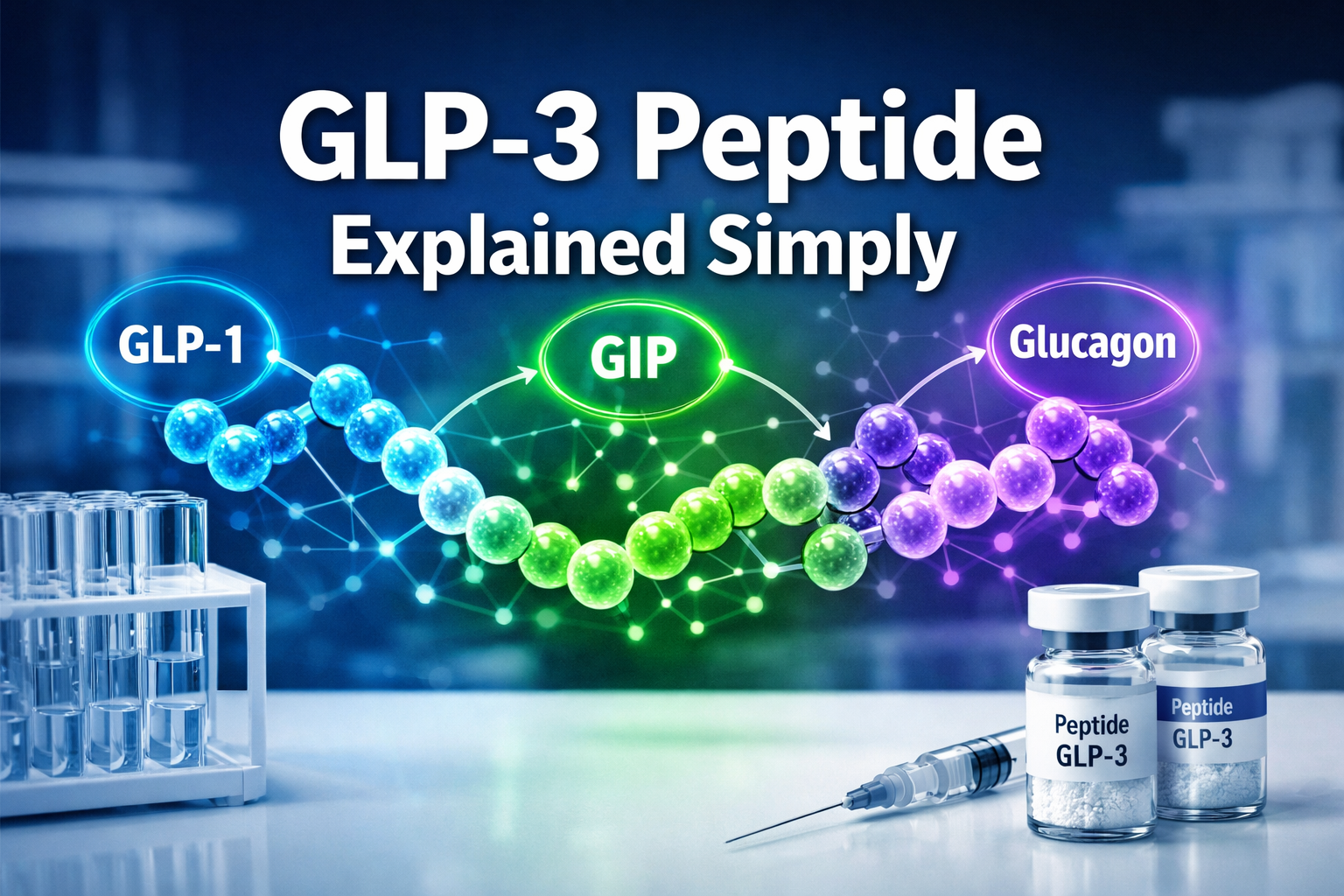
Imagine a peptide so powerful that it could trigger 28.7% weight loss in clinical trials—nearly double what first-generation compounds achieved. That’s the promise of GLP-3 peptides, and if you’re a fitness enthusiast or peptide shopper looking to understand this breakthrough, you’ve come to the right place. The GLP-3 peptide explained simply comes down to one revolutionary concept: instead of targeting one or two metabolic pathways, these triple-agonist compounds activate three hormone receptors simultaneously, creating synergistic effects that researchers are calling the most significant advancement in metabolic medicine in decades[3]. As we navigate 2026, understanding how GLP-3 peptides work, what makes them different, and what the research reveals can help you make informed decisions about peptide research and applications.
Key Takeaways
- GLP-3 peptides are triple-agonist compounds that simultaneously activate GLP-1, GIP, and glucagon receptors for enhanced metabolic effects[3]
- Research shows 28.7% average weight loss (71.8 lbs) at 68 weeks with retatrutide, the leading GLP-3 candidate—significantly higher than earlier peptide therapies[1][3]
- Over 60-80 compounds are in development as part of an expanding metabolic medicine discipline, with potential FDA approval expected in 2027[1][3]
- Triple-agonist mechanism works by decreasing hunger, increasing fullness, improving insulin function, slowing digestion, and boosting metabolism beyond dual-agonist capabilities[3]
- Extended dosing intervals are being developed, with some formulations designed for monthly administration to improve convenience and adherence[1]
What Are GLP-3 Peptides? Understanding the Basics
The Triple-Agonist Revolution
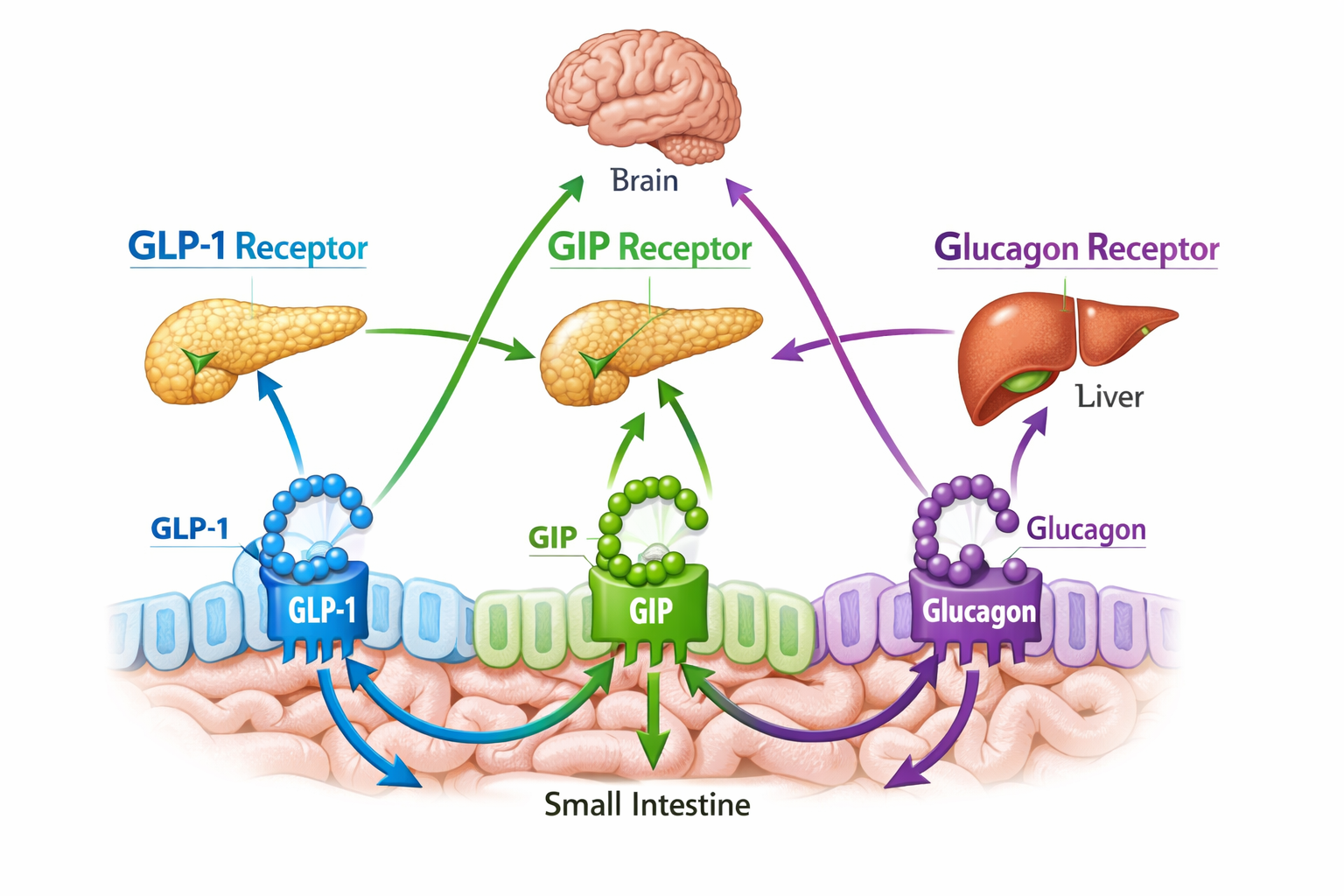
When discussing the GLP-3 peptide explained simply, it’s essential to start with what makes these compounds fundamentally different from their predecessors. GLP-3 is an informal term for a new class of triple-agonist drugs that simultaneously target three distinct gut hormone receptors: GLP-1 (glucagon-like peptide-1), GIP (glucose-dependent insulinotropic polypeptide), and glucagon receptors[3]. This represents a significant evolution from earlier peptide therapies.
To understand the progression, consider this timeline:
First Generation: GLP-1 receptor agonists (like semaglutide) targeted only one hormone pathway
Second Generation: Dual-agonist drugs (like tirzepatide) activated two pathways (GLP-1 and GIP)
Third Generation: Triple-agonist GLP-3 peptides activate all three pathways simultaneously[2][3]
The innovation lies in the synergistic effect. By activating three complementary metabolic pathways at once, GLP-3 peptides create a more comprehensive metabolic response than single or dual-agonist approaches can achieve[3]. For fitness enthusiasts and researchers exploring lab-tested peptides, this represents a fundamental shift in how peptide therapies can influence metabolic function.
Molecular Structure and Design
GLP-3 peptides are engineered peptides typically composed of 39 amino acids, designed with specific structural features that enhance their therapeutic potential[2]. One critical design element is their ability to bind to albumin in the bloodstream, which significantly extends their half-life and allows for less frequent dosing schedules[2].
This albumin-binding property is particularly important for practical applications. Rather than requiring daily injections, some GLP-3 formulations are being developed for weekly or even monthly administration[1]. This extended dosing interval could dramatically improve treatment adherence and patient convenience compared to earlier peptide therapies.
The molecular engineering behind these compounds represents years of research into optimizing peptide structure for maximum efficacy, stability, and bioavailability. When sourcing peptides for research purposes, understanding these structural considerations is crucial for evaluating quality and authenticity through buy peptides online USA suppliers.
How GLP-3 Peptides Work: The Science Made Simple
The Three Receptor Pathways
To truly grasp the GLP-3 peptide explained simply, you need to understand what happens when each of the three receptors is activated:
1. GLP-1 Receptor Activation:
- Decreases appetite and increases feelings of fullness
- Slows gastric emptying (food moves through the digestive system more slowly)
- Enhances insulin secretion when blood glucose is elevated
- Reduces glucagon secretion (a hormone that raises blood sugar)
2. GIP Receptor Activation:
- Stimulates insulin release in response to food intake
- May enhance fat metabolism and energy expenditure
- Supports bone health and metabolic function
- Works synergistically with GLP-1 to improve glucose control
3. Glucagon Receptor Activation:
- Increases energy expenditure and metabolic rate
- Promotes fat breakdown (lipolysis)
- May help prevent the metabolic slowdown that often accompanies weight loss
- Balances the glucose-lowering effects of GLP-1 and GIP activation
When these three pathways work together, they create a comprehensive metabolic effect that addresses multiple aspects of weight management and metabolic health simultaneously[3]. This multi-targeted approach is why GLP-3 peptides show such promising results in clinical research.
For those researching broader peptide applications, exploring resources on what is new in peptide research can provide valuable context for understanding how triple-agonist mechanisms fit into the larger landscape of peptide therapeutics.
Synergistic Effects: Why Three Is Better Than One
The power of GLP-3 peptides doesn’t come from simply adding three separate effects together. Instead, these pathways interact synergistically, meaning the combined effect is greater than the sum of individual parts[3].
Here’s how the synergy works:
| Receptor Combination | Synergistic Effect |
|---|---|
| GLP-1 + GIP | Enhanced insulin secretion and improved glucose control beyond either alone |
| GLP-1 + Glucagon | Appetite suppression combined with increased metabolism prevents metabolic slowdown |
| GIP + Glucagon | Fat metabolism enhancement with preserved lean muscle mass |
| All Three Together | Comprehensive metabolic optimization with multiple reinforcing pathways |
This synergistic mechanism explains why clinical trial results for GLP-3 peptides significantly exceed those of earlier single or dual-agonist compounds. The body’s metabolic systems are interconnected, and targeting multiple pathways simultaneously creates more robust and sustained effects[2][3].
Understanding these mechanisms is particularly valuable for fitness enthusiasts who recognize that effective body composition changes require addressing multiple physiological systems. Similar to how most popular products for sale often combine complementary peptides for enhanced effects, GLP-3’s triple-agonist approach represents this principle at the molecular level.
GLP-3 Peptide Research Results: What the Data Shows
Retatrutide: The Leading GLP-3 Candidate
Retatrutide (LY3437943), developed by Eli Lilly, is the most advanced GLP-3 drug currently in development, having completed phase 2 trials and currently undergoing phase 3 studies[2]. The research results have been remarkable and represent a significant advancement in metabolic medicine.
In the completed phase 2 trial, participants achieved:
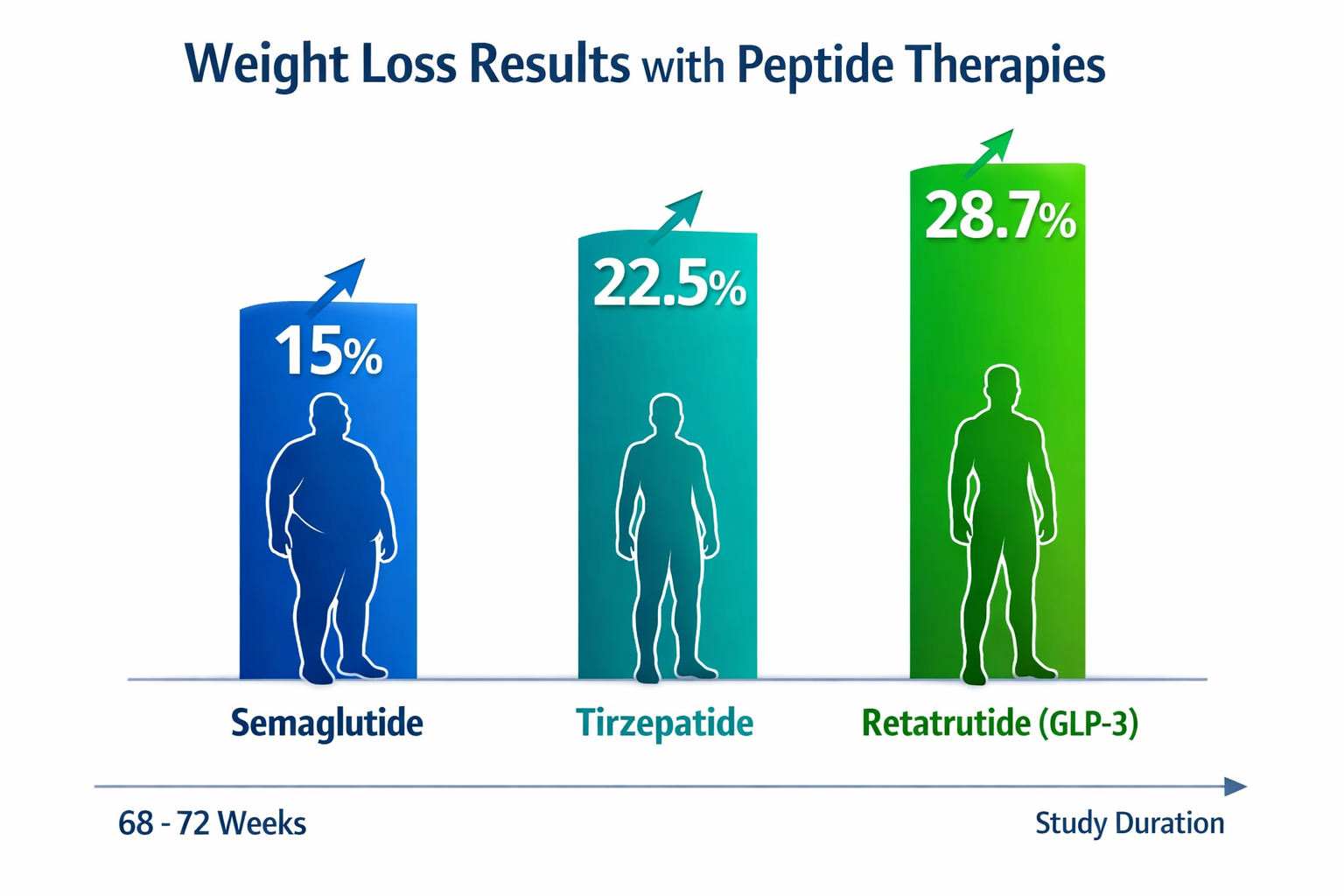
✅ 28.7% average weight loss at 68 weeks
✅ 71.8 pounds lost on average
✅ Significantly higher efficacy than semaglutide (15% at 68 weeks)22.5% at 72 weeks)[1][3]
✅ Substantially greater results than tirzepatide (
These numbers represent nearly double the weight loss achieved with first-generation GLP-1 agonists and approximately 30% more weight loss than dual-agonist therapies[3]. For researchers and fitness enthusiasts tracking peptide development, these results mark a clear advancement in what’s achievable through peptide-based metabolic interventions.
Seven additional phase 3 trials for retatrutide are expected to conclude throughout 2026, with FDA approval potentially occurring in 2027 if trials continue to show positive results[3]. The drug could reach the market as early as late 2026, pending regulatory decisions[1].
Comparative Analysis: GLP-3 vs. Earlier Generations
To understand the GLP-3 peptide explained simply in context, comparing it to earlier peptide therapies provides valuable perspective:
Semaglutide (GLP-1 Agonist):
- Mechanism: Single receptor activation (GLP-1 only)
- Average weight loss: ~15% at 68 weeks
- Dosing: Weekly injections
- Primary effects: Appetite suppression, delayed gastric emptying
Tirzepatide (Dual Agonist):
- Mechanism: Two receptor activation (GLP-1 + GIP)
- Average weight loss: ~22.5% at 72 weeks
- Dosing: Weekly injections
- Primary effects: Enhanced insulin response, appetite control, metabolic improvement
Retatrutide (GLP-3 Triple Agonist):
- Mechanism: Three receptor activation (GLP-1 + GIP + Glucagon)
- Average weight loss: ~28.7% at 68 weeks
- Dosing: Weekly (with monthly formulations in development)
- Primary effects: Comprehensive metabolic optimization, appetite control, increased energy expenditure, preserved metabolic rate[1][2][3]
The progression from single to dual to triple-agonist approaches demonstrates how targeting multiple complementary pathways creates increasingly powerful metabolic effects. This principle extends beyond weight management to other areas of peptide research, including longevity peptide research where multi-targeted approaches are showing similar promise.
Beyond Weight Loss: Broader Research Applications
While weight management dominates current GLP-3 research, scientists are exploring these peptides for numerous other applications. GLP-based therapies are being investigated for:
🧠 Neurodegenerative diseases (Alzheimer’s, Parkinson’s)
💊 Substance-use disorders (addiction treatment)
🫀 Cardiovascular health (heart disease prevention)
🦴 Metabolic bone disease (osteoporosis)
🩺 Type 1 diabetes (beta cell preservation)
🔬 Inflammatory bowel disease (gut inflammation)
🏃 Metabolic liver disease (fatty liver, NASH)
🦵 Arthritis (joint inflammation and metabolic factors)[1]
This expanding research landscape reflects a broader trend in peptide science: compounds initially developed for one purpose often reveal multiple therapeutic applications as research progresses. Over 60-80 compounds and combinations are currently under development in metabolic medicine, creating an entirely new clinical discipline[1].
For fitness enthusiasts interested in the broader peptide landscape, exploring innovative peptide delivery systems can provide insight into how next-generation formulations are improving peptide applications across multiple domains.
GLP-3 Peptide Explained Simply: Practical Considerations
Dosing and Administration
One significant advantage of GLP-3 peptides is the potential for extended dosing intervals. While current formulations typically require weekly injections, researchers are developing versions designed for less frequent administration[1].
Lupin recently announced bofanglutide, a novel GLP-1 drug designed for once-every-two-weeks dosing and currently being tested as a monthly injection[1]. This trend toward extended-interval dosing could significantly improve treatment adherence and patient convenience.
For research applications, dosing considerations include:
- Starting doses: Typically begin at lower levels and gradually increase
- Titration schedules: Systematic dose escalation to optimize effects while minimizing side effects
- Maintenance dosing: Ongoing administration to sustain metabolic benefits
- Reconstitution protocols: Proper preparation of lyophilized peptides for research use
Understanding proper peptide handling and administration is crucial for research applications. Resources on the ultimate guide to peptide therapy provide comprehensive information on these practical considerations.
Quality and Sourcing Considerations
For researchers and fitness enthusiasts exploring peptide applications, quality and authenticity are paramount. When evaluating peptide sources, consider these factors:
Purity Standards:
- Look for peptides with >98% purity verified by HPLC testing
- Request certificates of analysis (COA) from independent laboratories
- Verify batch-specific testing rather than generic documentation
Storage and Stability:
- Lyophilized (freeze-dried) peptides are more stable than reconstituted solutions
- Proper refrigeration (2-8°C) is essential for maintaining peptide integrity
- Reconstituted peptides should be used within recommended timeframes
Supplier Credentials:
- Established suppliers with transparent testing protocols
- Third-party verification of peptide identity and purity
- Clear documentation of synthesis methods and quality control
Regulatory Compliance:
- Peptides sold for research purposes only
- Proper labeling and documentation
- Adherence to applicable regulations and guidelines
When sourcing research peptides, working with reputable suppliers offering lab-tested peptides ensures you’re working with authentic, high-quality compounds. The growing popularity of peptide research has unfortunately led to an increase in counterfeit and low-quality products, making supplier selection critically important.
Safety and Research Protocols
While GLP-3 peptides show remarkable promise in clinical research, understanding safety considerations is essential for responsible research applications. Clinical trials have identified several considerations:
Common Research Observations:
- Gastrointestinal effects (nausea, particularly during dose escalation)
- Changes in appetite and eating patterns
- Potential effects on heart rate
- Metabolic adaptations requiring monitoring
Research Best Practices:
- Start with conservative doses and titrate gradually
- Monitor metabolic markers regularly
- Document all observations systematically
- Follow established research protocols
- Maintain proper controls and documentation
For comprehensive peptide research, combining GLP-3 understanding with knowledge of other metabolic peptides can provide valuable context. Exploring related compounds like GLP-1 peptide helps researchers understand the evolution from single to triple-agonist approaches.
The Future of GLP-3 Peptides and Metabolic Research
Timeline for Development and Availability
As we progress through 2026, the timeline for GLP-3 peptide development is becoming clearer:
2026:
- Seven phase 3 trials for retatrutide expected to conclude
- Additional GLP-3 candidates advancing through clinical development
- Extended-interval formulations undergoing testing
- Expanded research into non-metabolic applications
2027:
- Potential FDA approval for leading GLP-3 candidates
- Regulatory decisions on safety and efficacy profiles
- Possible market introduction pending approvals
- Continued expansion of research applications[1][3]
Beyond 2027:
- Fourth-generation peptide therapies in early development
- Combination therapies incorporating multiple peptide classes
- Personalized peptide protocols based on individual metabolic profiles
- Broader therapeutic applications beyond metabolic health
This rapid development timeline reflects the significant investment pharmaceutical companies are making in peptide-based therapeutics. The success of earlier GLP-1 drugs has validated the approach and accelerated development of more sophisticated compounds.
Emerging Trends in Peptide Research
The development of GLP-3 peptides is part of a broader transformation in peptide science. Several trends are shaping the future of this field:
1. Multi-Targeted Approaches:
Like GLP-3’s triple-agonist mechanism, researchers are developing peptides that activate multiple complementary pathways simultaneously. This approach is being applied to longevity peptide research and other therapeutic areas.
2. Extended-Release Formulations:
New delivery systems are extending peptide half-life and reducing dosing frequency. Monthly or even quarterly administration may become possible for some peptide therapies[1].
3. Oral Peptide Delivery:
While most peptides currently require injection, researchers are developing oral formulations that can survive the digestive system and maintain bioavailability.
4. Personalized Peptide Protocols:
Genetic testing and metabolic profiling may enable customized peptide regimens optimized for individual physiology.
5. Combination Therapies:
Stacking complementary peptides to achieve synergistic effects is becoming more sophisticated, similar to how peptide blends research explores optimal combinations for specific outcomes.
Integration with Other Peptide Research
Understanding the GLP-3 peptide explained simply becomes even more valuable when considered alongside other peptide research areas. The metabolic effects of GLP-3 peptides may complement other peptide applications:
Mitochondrial Peptides:
Compounds like MOTS-C support cellular energy production, potentially synergizing with GLP-3’s metabolic effects.
Recovery and Repair Peptides:
For fitness enthusiasts, combining metabolic optimization with recovery support through peptides like those in BPC-157 research may offer comprehensive benefits.
Cognitive Peptides:
Given GLP-3’s potential neuroprotective effects, combination with cognitive-supporting peptides like Selank represents an interesting research direction.
Longevity Applications:
The metabolic improvements from GLP-3 peptides align with broader longevity peptide research goals of optimizing healthspan and metabolic function.
This integrative approach to peptide research—understanding how different peptide classes complement each other—represents the cutting edge of therapeutic development and research applications.
GLP-3 Peptides for Fitness Enthusiasts: What You Need to Know
Metabolic Optimization and Body Composition
For fitness enthusiasts, the GLP-3 peptide explained simply reveals several potential applications for body composition and metabolic optimization:
Enhanced Fat Loss:
The triple-agonist mechanism promotes fat breakdown through multiple pathways while helping preserve lean muscle mass—a critical consideration for athletes and bodybuilders[3].
Metabolic Rate Preservation:
One challenge with significant weight loss is metabolic slowdown. GLP-3’s glucagon receptor activation may help maintain metabolic rate even during caloric restriction[3].
Appetite Regulation:
For those struggling with hunger during cutting phases, GLP-3’s powerful appetite-suppressing effects could support adherence to nutrition protocols.
Insulin Sensitivity:
Improved insulin function supports better nutrient partitioning, potentially enhancing muscle growth while minimizing fat gain during building phases.
Energy Expenditure:
Increased metabolic rate and energy expenditure may support fat loss goals without requiring extreme caloric restriction.
It’s important to note that GLP-3 peptides are currently in clinical development and not yet approved for general use. However, understanding their mechanisms can inform research applications and help fitness enthusiasts stay informed about emerging developments in metabolic science.
Combining GLP-3 Understanding with Other Fitness Peptides
While GLP-3 peptides focus on metabolic optimization, fitness enthusiasts often research multiple peptide classes for comprehensive support:
Growth Hormone Secretagogues:
Peptides like CJC-1295 plus IPA support natural growth hormone production, potentially complementing GLP-3’s metabolic effects.
Recovery Support:
Research into recovery-supporting peptides like TB-500 may help athletes maintain training intensity while optimizing body composition.
Mitochondrial Function:
Compounds supporting cellular energy production, such as MOTS-C, may enhance the metabolic improvements from GLP-3 mechanisms.
Body Composition Blends:
Specialized formulations like Glow and Klow peptide blends demonstrate how multiple peptides can be combined for targeted outcomes.
This multi-faceted approach to peptide research reflects the complexity of human physiology and the potential for comprehensive optimization through well-designed protocols.
Research Considerations for Athletes
Athletes and fitness enthusiasts exploring peptide research should consider several important factors:
Performance Testing:
Many athletic organizations prohibit peptide use in competition. Research applications should be conducted with awareness of relevant regulations.
Metabolic Monitoring:
Regular assessment of metabolic markers, body composition, and performance metrics helps track research outcomes systematically.
Nutrition Integration:
Peptide research should complement, not replace, sound nutrition and training practices. The most effective approaches integrate multiple factors.
Individual Response:
Metabolic responses to peptides vary significantly between individuals. What works well in clinical trials may produce different results in specific cases.
Long-term Considerations:
Understanding the long-term implications of peptide research requires ongoing monitoring and adjustment of protocols.
For comprehensive information on integrating peptide research with fitness goals, resources like most popular products for sale provide insight into commonly researched compounds and their applications.
Frequently Asked Questions About GLP-3 Peptides
What Makes GLP-3 Different from GLP-1?
The key difference is the number of receptor pathways activated. GLP-1 drugs target only the GLP-1 receptor, while GLP-3 peptides activate three receptors simultaneously: GLP-1, GIP, and glucagon[3]. This triple-agonist approach creates synergistic effects that significantly exceed what single-receptor activation can achieve, explaining why GLP-3 research shows nearly double the weight loss of GLP-1 drugs[1][3].
When Will GLP-3 Peptides Be Available?
Based on current development timelines, FDA approval for leading GLP-3 candidates like retatrutide could occur in 2027, with potential market introduction as early as late 2026 pending regulatory decisions[1][3]. Seven phase 3 trials are expected to conclude throughout 2026, which will provide the comprehensive safety and efficacy data needed for regulatory approval.
Are GLP-3 Peptides Safe?
Clinical trials to date have shown promising safety profiles, though research is still ongoing. Common observations in trials include gastrointestinal effects, particularly during dose escalation[6]. The comprehensive phase 3 trials currently underway will provide more definitive safety data across larger populations and longer time periods. As with any research compound, proper protocols, monitoring, and documentation are essential.
How Do GLP-3 Peptides Compare to Other Weight Loss Approaches?
GLP-3 peptides represent a fundamentally different mechanism than traditional weight loss methods. Rather than simply reducing caloric intake or increasing exercise, they modify multiple hormonal pathways that regulate appetite, metabolism, and energy expenditure[3]. Research shows 28.7% average weight loss—substantially higher than diet and exercise alone typically achieve and significantly greater than earlier peptide therapies[1][3].
Can GLP-3 Peptides Be Combined with Other Peptides?
While clinical trials typically test individual compounds, researchers are exploring how GLP-3 mechanisms might complement other peptide applications. The metabolic optimization from GLP-3 could theoretically synergize with peptides supporting other physiological functions, though specific combination protocols require careful research design and monitoring. Understanding individual peptide mechanisms is essential before considering combinations.
Quality Standards and Peptide Sourcing
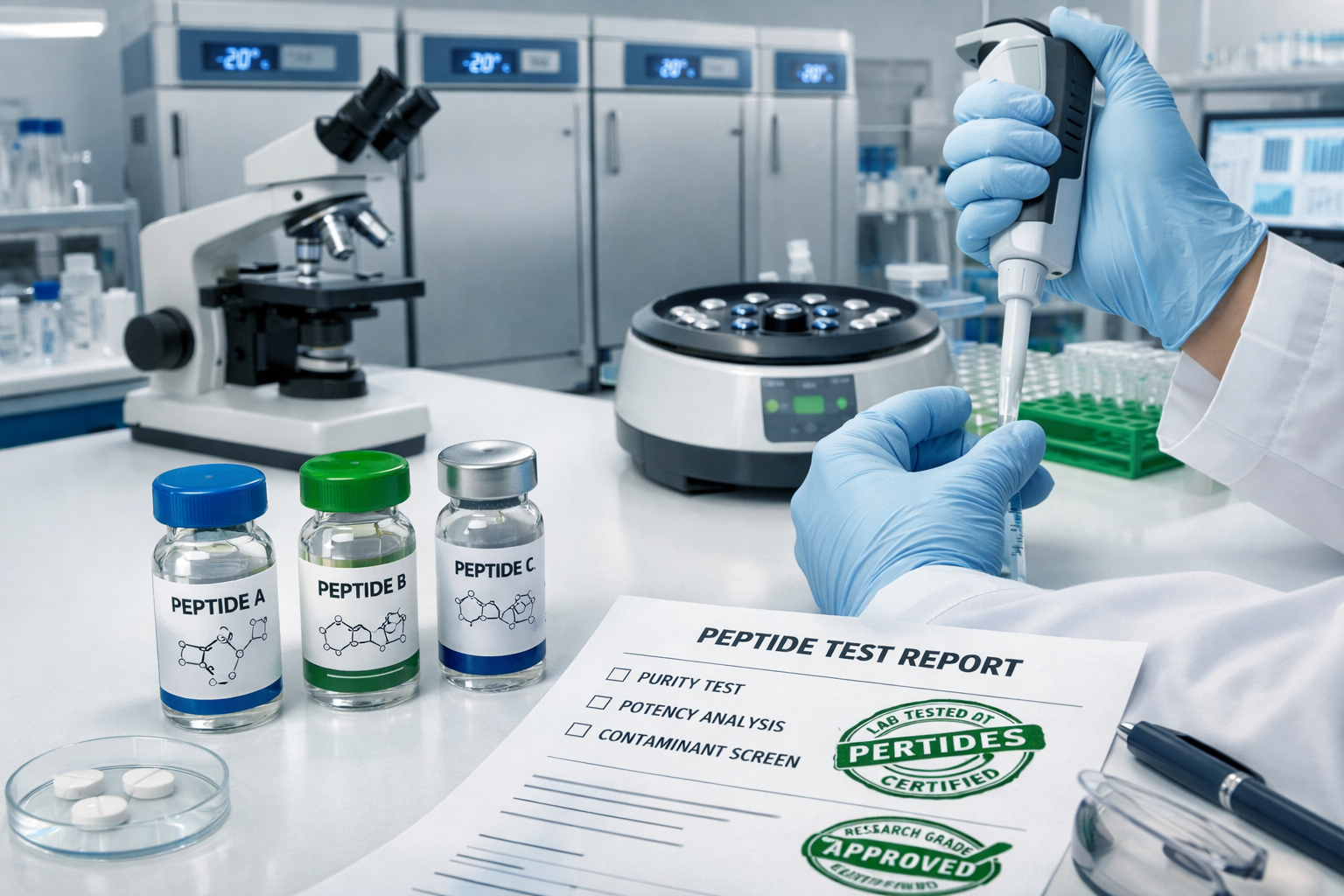
Evaluating Peptide Suppliers
For researchers exploring peptide applications, selecting reputable suppliers is crucial. Key evaluation criteria include:
Testing and Verification:
- Third-party HPLC testing confirming peptide identity and purity
- Mass spectrometry verification of molecular weight
- Batch-specific certificates of analysis (COA)
- Regular quality control testing protocols
Transparency:
- Clear documentation of synthesis methods
- Detailed product specifications
- Accessible customer support for technical questions
- Transparent business practices and policies
Storage and Handling:
- Proper packaging to maintain peptide stability
- Clear storage instructions
- Appropriate shipping methods (temperature-controlled when necessary)
- Expiration dating based on stability testing
Regulatory Compliance:
- Clear labeling for research use only
- Adherence to applicable regulations
- Proper documentation and record-keeping
- Ethical business practices
Working with suppliers offering lab-tested peptides ensures research is conducted with authentic, high-quality compounds. The peptide market has expanded rapidly, and not all suppliers maintain equivalent quality standards.
Understanding Peptide Purity and Testing
Purity percentage refers to the proportion of the desired peptide in a sample versus impurities. For research applications, higher purity is generally preferable:
- >98% purity: Ideal for most research applications
- 95-98% purity: Acceptable for some applications
- <95% purity: May contain significant impurities affecting results
HPLC (High-Performance Liquid Chromatography) is the gold standard for peptide purity testing. This analytical method separates compounds based on their chemical properties and quantifies the percentage of target peptide versus impurities.
Mass Spectrometry confirms the molecular weight of the peptide matches the expected value, verifying the correct amino acid sequence and structure.
For researchers serious about quality, requesting and reviewing COAs before purchase is essential. These documents provide objective verification of what you’re actually receiving.
Red Flags When Sourcing Peptides
Be cautious of suppliers exhibiting these warning signs:
❌ No testing documentation: Legitimate suppliers provide COAs
❌ Unusually low prices: Quality peptide synthesis is expensive
❌ Vague product descriptions: Reputable suppliers provide detailed specifications
❌ No contact information: Legitimate businesses are accessible
❌ Unrealistic claims: Peptides are research compounds, not miracle solutions
❌ Generic COAs: Testing should be batch-specific
❌ Pressure tactics: Legitimate suppliers don’t use high-pressure sales
The growing interest in peptide research has unfortunately attracted unscrupulous suppliers. Due diligence in supplier selection protects both research quality and safety.
Conclusion: The Future of Metabolic Research
The GLP-3 peptide explained simply reveals a remarkable advancement in metabolic science—a triple-agonist approach that activates three complementary hormone pathways simultaneously to create synergistic effects exceeding what earlier peptide generations could achieve. With clinical research showing 28.7% average weight loss at 68 weeks, nearly double the results of first-generation GLP-1 drugs, GLP-3 peptides represent a significant leap forward in metabolic medicine[1][3].
For fitness enthusiasts and peptide shoppers in 2026, understanding GLP-3 mechanisms provides valuable insight into the future of metabolic optimization. As retatrutide and other GLP-3 candidates progress through phase 3 trials, with potential FDA approval in 2027, we’re witnessing the emergence of an entirely new class of therapeutic compounds with applications extending far beyond weight management[1][3].
The development of over 60-80 compounds in metabolic medicine, combined with innovations in extended-release formulations and multi-targeted approaches, signals a transformation in how we understand and influence human metabolism[1]. Whether your interest lies in body composition optimization, metabolic health, or the broader landscape of peptide research, staying informed about these developments positions you to make educated decisions as new options become available.
Actionable Next Steps
For Researchers:
- Stay informed about ongoing GLP-3 clinical trials and research publications
- Explore complementary peptides that may synergize with metabolic optimization
- Establish quality standards for peptide sourcing and verification
- Document research protocols systematically to track outcomes and observations
- Connect with the research community to share insights and learn from others’ experiences
For Fitness Enthusiasts:
- Understand the mechanisms behind metabolic peptides to make informed decisions
- Prioritize quality when sourcing research peptides from reputable suppliers
- Integrate peptide research with sound nutrition and training practices
- Monitor progress through regular body composition and metabolic assessments
- Stay updated on regulatory developments and new research findings
For Everyone:
- Recognize that GLP-3 peptides are still in development and not yet approved for general use
- Approach peptide research responsibly with proper protocols and safety considerations
- Consult qualified professionals for guidance on research applications
- Maintain realistic expectations based on actual research data rather than marketing claims
- Continue learning about the evolving landscape of peptide science and metabolic medicine
The future of metabolic optimization is being written right now through GLP-3 research and the broader expansion of peptide therapeutics. By understanding these developments and approaching peptide research with knowledge and responsibility, you position yourself at the forefront of this exciting field. Whether GLP-3 peptides ultimately become part of your research protocol or simply inform your understanding of metabolic science, the knowledge gained provides valuable context for navigating the rapidly evolving world of peptide applications in 2026 and beyond.