
GLP-3 Peptide Side Effects: What Fitness Enthusiasts Need to Know in 2026
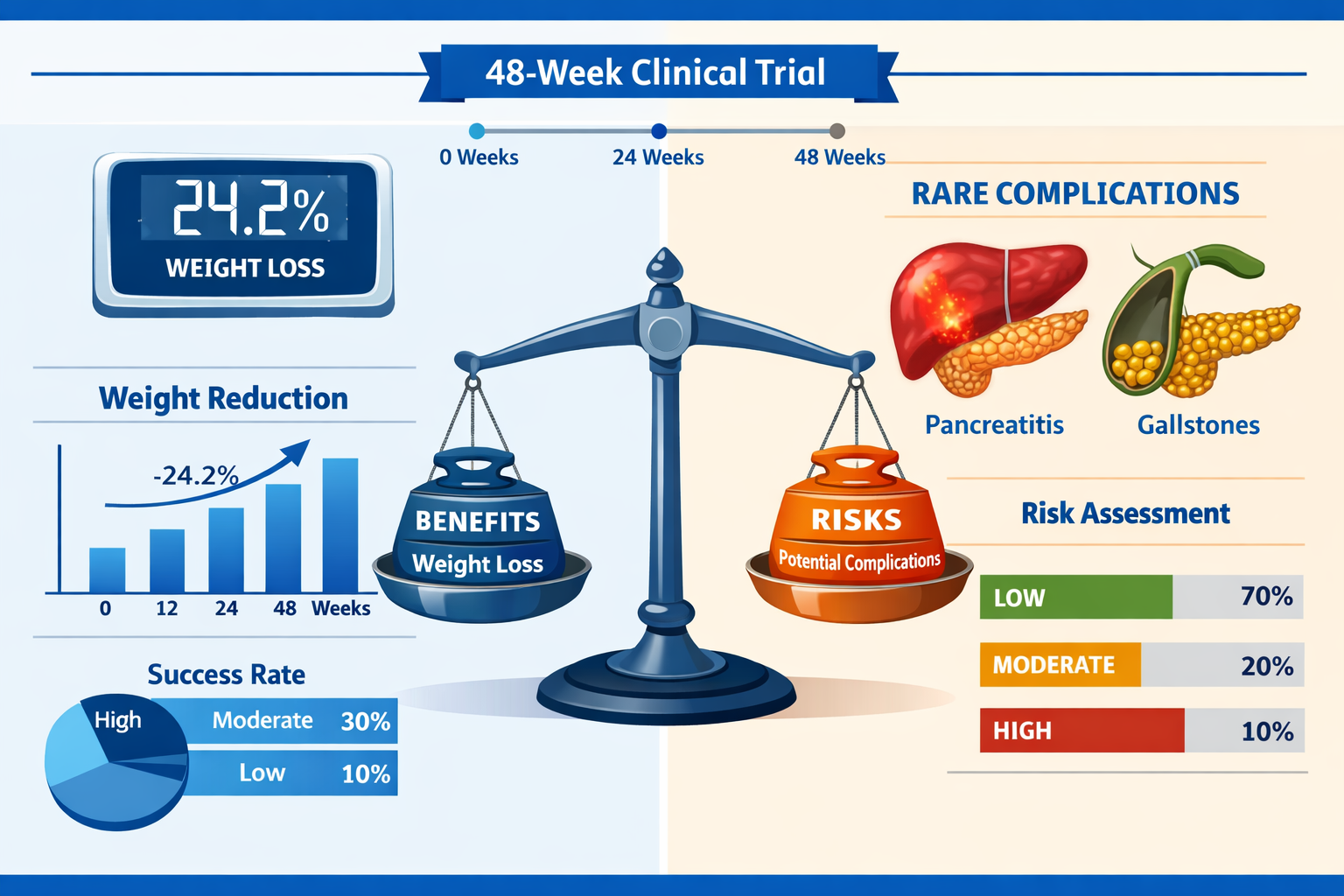
The newest generation of weight loss peptides is making waves in the fitness community, but are the GLP-3 peptide side effects worth the remarkable results? As researchers report weight reductions approaching 24.2% over 48 weeks—numbers that rival bariatric surgery—understanding the complete safety profile of these triple-agonist compounds becomes critical for anyone considering peptide-based body composition strategies[3]. While the promise of unprecedented fat loss captures attention, the glp-3 peptide side effects demand careful examination before fitness enthusiasts and peptide shoppers make informed decisions about their research protocols.
Key Takeaways
- Gastrointestinal symptoms (nausea, vomiting, diarrhea) represent the most common GLP-3 peptide side effects, mirroring established GLP-1 medications[3]
- Cardiovascular effects including dose-dependent heart rate increases have been documented in clinical observations[3]
- Rare but serious complications such as pancreatitis, gallstones, and heart arrhythmias require medical monitoring[3]
- Weight loss efficacy reaches 24.2% reduction over 48 weeks, approaching surgical intervention outcomes[3]
- Risk-benefit assessment remains essential as GLP-3 peptides represent cutting-edge research with evolving safety data
Understanding GLP-3 Peptides and Their Mechanism
Before diving into the glp-3 peptide side effects, fitness enthusiasts need to understand what makes these compounds unique. GLP-3 peptides function as triple agonists, simultaneously activating three different receptor pathways: GLP-1 (glucagon-like peptide-1), GIP (glucose-dependent insulinotropic polypeptide), and glucagon receptors[3].
This triple-action mechanism distinguishes GLP-3 peptides from earlier single-agonist compounds available through GLP-1 peptide research sources. The multi-receptor approach theoretically provides:
- Enhanced metabolic regulation through simultaneous pathway activation
- Improved insulin sensitivity via GIP receptor engagement
- Increased energy expenditure through glucagon receptor stimulation
- Superior appetite suppression compared to single-agonist alternatives
How GLP-3 Differs from Traditional Peptides
Unlike established peptide compounds such as Tesamorelin or Selank, GLP-3 peptides target multiple metabolic pathways simultaneously. This broader mechanism of action contributes to both the enhanced efficacy and the expanded side effect profile that researchers continue to document.
The GIP receptor activation, in particular, plays a crucial role in glucose metabolism and may contribute to some unique aspects of the glp-3 peptide side effects profile compared to earlier generation compounds[6].
Common GLP-3 Peptide Side Effects: Gastrointestinal Symptoms 💊
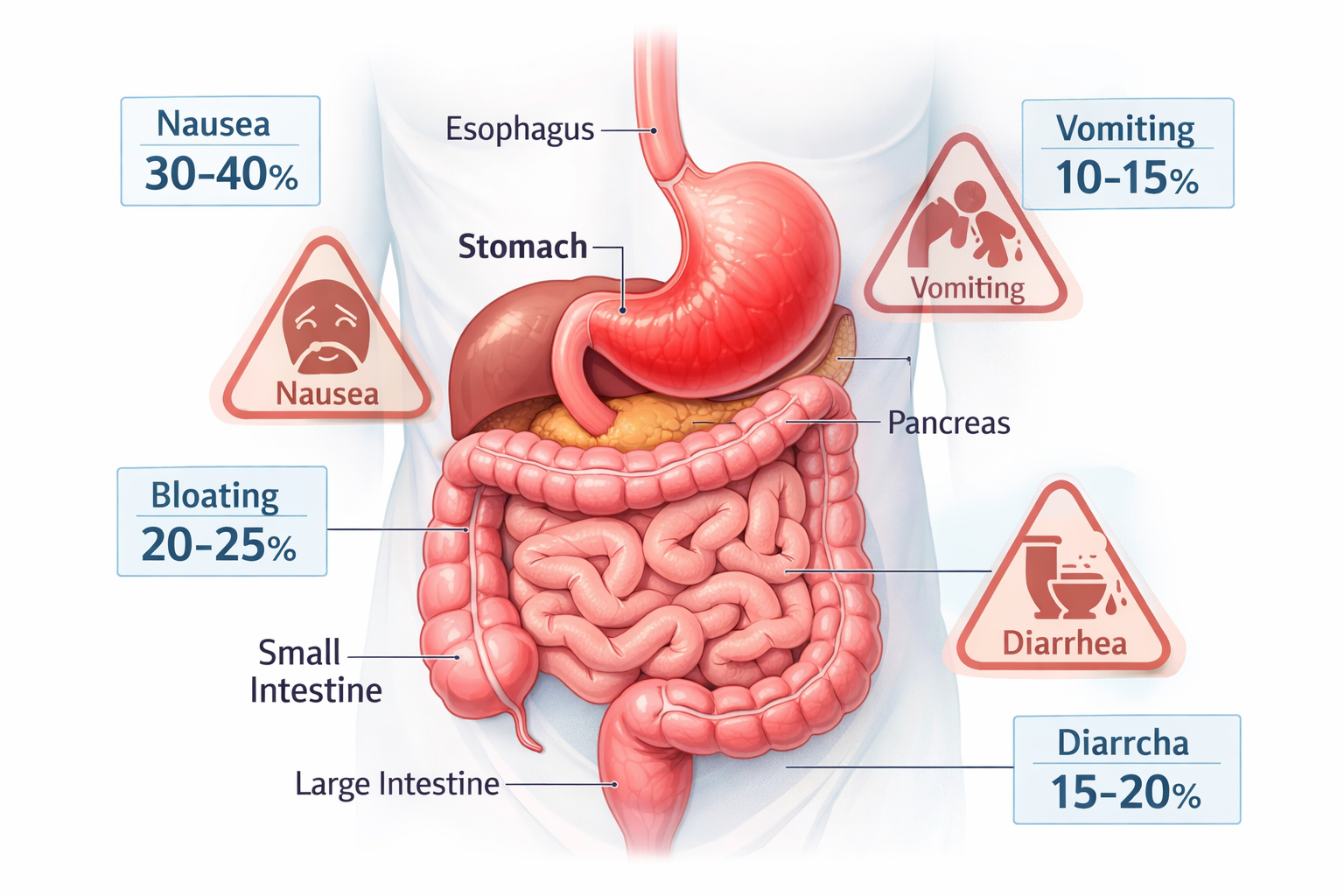
The most frequently reported glp-3 peptide side effects involve the gastrointestinal system, with research indicating these adverse events occur in patterns similar to established GLP-1 medications[3]. For fitness enthusiasts considering these compounds, understanding digestive complications becomes paramount.
Nausea and Vomiting
Nausea represents the most common adverse event associated with GLP-3 peptide use. Research observations indicate:
| Symptom | Frequency | Severity Pattern |
|---|---|---|
| Mild nausea | Very Common | Usually temporary |
| Moderate nausea | Common | Dose-dependent |
| Severe nausea with vomiting | Less Common | May require intervention |
The nausea associated with glp-3 peptide side effects typically:
- Appears most prominently during initial dosing phases
- Intensifies with dose escalation
- May diminish with continued use as tolerance develops
- Worsens when consuming high-fat meals
Similar patterns have been documented with related compounds available through peptide research suppliers, suggesting this represents a class-wide effect rather than a compound-specific reaction.
Diarrhea and Digestive Disruption
Diarrhea emerges as another prominent GLP-3 peptide side effect, with mechanisms involving:
- Altered gastric emptying rates affecting digestion
- Modified intestinal motility patterns
- Changes in gut hormone signaling
- Shifts in digestive enzyme secretion
For fitness enthusiasts focused on nutrient timing and absorption, these digestive disruptions present practical challenges beyond mere discomfort. The altered nutrient absorption may affect:
- Protein utilization for muscle recovery
- Carbohydrate timing around training sessions
- Micronutrient absorption critical for performance
- Hydration status due to fluid losses
Managing Gastrointestinal GLP-3 Peptide Side Effects
Research observations suggest several strategies that may help mitigate digestive complications:
- Gradual dose titration starting with minimal amounts
- Meal composition modification reducing fat content
- Timing adjustments relative to food intake
- Hydration optimization to offset fluid losses
- Smaller, frequent meals rather than large portions
These management approaches mirror recommendations for other peptide compounds where gastrointestinal effects have been documented.
Cardiovascular GLP-3 Peptide Side Effects: Heart Rate and Rhythm Changes ❤️
Beyond digestive symptoms, cardiovascular effects represent critical glp-3 peptide side effects that demand attention from fitness enthusiasts and athletes. Research has documented specific cardiac impacts that require monitoring[3].
Dose-Dependent Heart Rate Increases
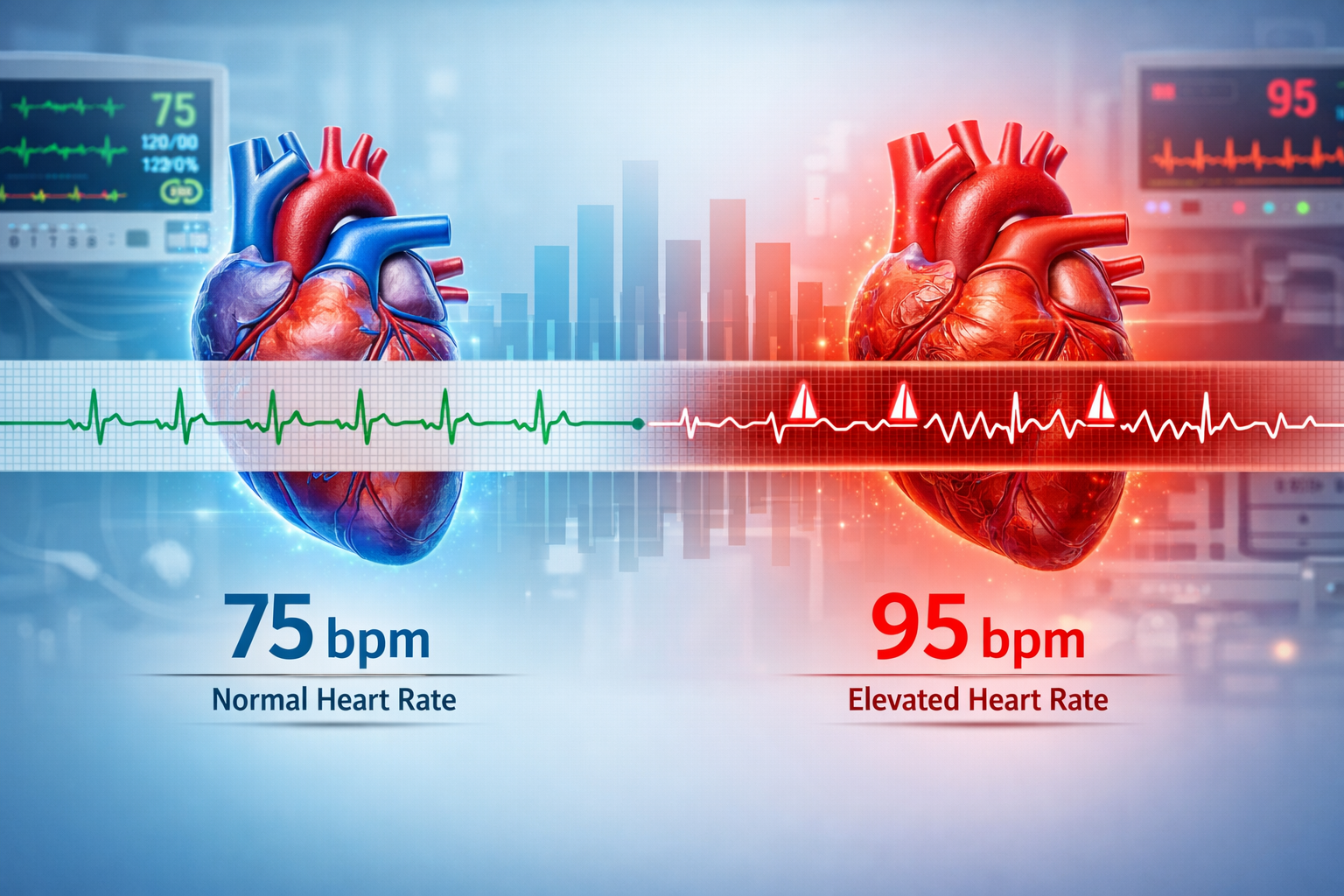
Clinical observations reveal that GLP-3 peptides produce measurable increases in heart rate, with the magnitude correlating to dosage administered[3]. Key findings include:
- Baseline heart rate elevations of 5-15 beats per minute
- Dose-response relationship with higher amounts producing greater increases
- Sustained elevation rather than transient spikes
- Individual variability in response magnitude
For athletes and fitness enthusiasts monitoring training intensity through heart rate zones, these elevations present practical complications:
| Training Zone | Normal HR Range | Potential GLP-3 Impact |
|---|---|---|
| Recovery | 60-70% max | May appear elevated |
| Aerobic | 70-80% max | Zone calculations affected |
| Threshold | 80-90% max | Perceived exertion mismatch |
| VO2 Max | 90-100% max | Safety margin reduced |
The cardiovascular effects of GLP-3 peptide side effects differ from compounds like MOTS-C, which primarily targets mitochondrial function without significant cardiac rate changes.
Rare Heart Arrhythmia Risk
While uncommon, heart arrhythmias have been noted as potential serious glp-3 peptide side effects[3]. These rhythm disturbances may manifest as:
- Palpitations or awareness of heartbeat
- Irregular pulse patterns
- Skipped beats or extra beats
- Sustained rhythm abnormalities requiring intervention
⚠️ Important Safety Note: Anyone experiencing persistent palpitations, chest discomfort, or irregular heartbeat should seek immediate medical evaluation, as these may indicate serious cardiovascular complications.
Cardiovascular Monitoring Recommendations
Given the documented heart-related glp-3 peptide side effects, researchers recommend:
- Baseline cardiovascular assessment before initiation
- Regular pulse monitoring during use
- Blood pressure tracking at consistent intervals
- ECG evaluation for those with cardiac history
- Exercise intensity modification based on response
These precautions become especially relevant for fitness enthusiasts pushing physiological limits through intense training protocols combined with peptide research.
Rare But Serious GLP-3 Peptide Side Effects 🚨
While less common than gastrointestinal or cardiovascular effects, certain serious glp-3 peptide side effects require awareness despite their low incidence rates. Understanding these potential complications enables informed risk assessment.
Pancreatitis Risk
Pancreatitis—inflammation of the pancreas—represents one of the most concerning rare glp-3 peptide side effects documented in research[3]. This serious condition involves:
- Severe abdominal pain radiating to the back
- Nausea and vomiting more intense than typical GI effects
- Elevated pancreatic enzymes detectable through blood tests
- Potential hospitalization requirement for severe cases
The mechanism linking GLP-receptor agonists to pancreatitis remains under investigation, though theories include:
- Direct pancreatic stimulation through GLP-1 receptor activation
- Altered pancreatic duct pressure
- Modified enzyme secretion patterns
- Individual genetic susceptibility factors
Similar concerns have been raised with related peptide compounds, though the triple-agonist mechanism of GLP-3 peptides may present unique risk factors[1][4].
Gallstone Formation
Gallstones emerge as another rare but documented complication among glp-3 peptide side effects[3]. The connection involves:
- Rapid weight loss altering bile composition
- Changes in gallbladder motility
- Cholesterol saturation in bile
- Bile salt concentration shifts
"Rapid weight loss from any cause—including bariatric surgery, very low-calorie diets, or potent weight loss medications—increases gallstone risk through similar metabolic mechanisms."
For fitness enthusiasts achieving dramatic body composition changes, this risk factor deserves consideration regardless of the method employed. The 24.2% weight reduction documented over 48 weeks with GLP-3 peptides places users firmly in the rapid weight loss category associated with gallstone formation[3].
Thyroid Concerns and Other Rare Effects
Additional rare glp-3 peptide side effects under investigation include:
- Thyroid C-cell changes observed in animal models
- Acute kidney injury in cases of severe dehydration
- Hypoglycemia particularly with concurrent diabetes medications
- Allergic reactions including injection site responses
The thyroid findings, while concerning in preclinical research, have not translated to significant human thyroid cancer risk in GLP-1 receptor agonist studies to date[1]. However, the triple-agonist mechanism of GLP-3 compounds warrants continued surveillance.
When to Seek Medical Attention
Certain symptoms require immediate medical evaluation, as they may indicate serious glp-3 peptide side effects:
- ✅ Severe abdominal pain especially with vomiting
- ✅ Persistent rapid heartbeat or irregular rhythm
- ✅ Signs of dehydration with inability to keep fluids down
- ✅ Yellowing of skin or eyes suggesting gallbladder issues
- ✅ Severe allergic reactions with breathing difficulty
Unlike milder side effects that may resolve with dose adjustment or time, these warning signs demand professional assessment.
Comparing GLP-3 Peptide Side Effects to Other Compounds
Understanding how glp-3 peptide side effects compare to other research compounds helps fitness enthusiasts make informed decisions. The peptide landscape offers numerous options, each with distinct safety profiles.
GLP-3 vs. GLP-1 Peptide Side Effects
The side effect profile of GLP-3 peptides reportedly mirrors established GLP-1 compounds, though with some notable differences[3]:
| Effect Category | GLP-1 Compounds | GLP-3 Compounds |
|---|---|---|
| GI symptoms | Very common | Very common |
| Heart rate increase | Mild | More pronounced |
| Weight loss efficacy | 10-15% typical | Up to 24.2% |
| Pancreatitis risk | Rare | Rare (similar) |
| Dose flexibility | Established | Still emerging |
The triple-agonist mechanism of GLP-3 peptides theoretically provides enhanced efficacy but may also contribute to the more pronounced cardiovascular effects observed in research[3][6].
GLP-3 vs. Growth Hormone Peptides
Comparing glp-3 peptide side effects to growth hormone-related compounds like Tesamorelin reveals distinct safety profiles:
Tesamorelin side effects typically include:
- Injection site reactions
- Joint discomfort
- Fluid retention
- Potential insulin resistance
GLP-3 peptide side effects center on:
- Gastrointestinal symptoms
- Cardiovascular changes
- Appetite suppression effects
- Metabolic alterations
The mechanisms differ fundamentally—growth hormone peptides stimulate GH release, while GLP-3 compounds modulate incretin and glucagon pathways. This mechanistic distinction explains the divergent side effect patterns.
GLP-3 vs. Other Metabolic Peptides
Other metabolic peptides like MOTS-C or SS-31 target different pathways with correspondingly different safety considerations:
- MOTS-C focuses on mitochondrial optimization with minimal reported adverse effects
- SS-31 targets mitochondrial membranes with generally favorable tolerability
- GLP-3 peptides engage multiple hormone receptors with broader systemic effects
For fitness enthusiasts, the choice between compounds involves balancing desired outcomes against acceptable glp-3 peptide side effects and individual tolerance patterns.
Dosing Considerations and Side Effect Mitigation 📊
The relationship between dosing protocols and glp-3 peptide side effects represents a critical consideration for anyone researching these compounds. Evidence suggests dose-dependent patterns for many adverse events[3].
Starting Doses and Titration Protocols
Research observations indicate that gradual dose escalation significantly impacts side effect tolerance:
Week 1-4: Ultra-low initiation phase
- Start at minimal doses (often 2-4 mg weekly)
- Assess individual tolerance
- Monitor for early GI symptoms
- Establish baseline cardiovascular parameters
Week 5-8: Slow escalation phase
- Increase by small increments (2 mg steps)
- Allow adaptation between increases
- Track side effect emergence
- Adjust based on individual response
Week 9-12: Optimization phase
- Reach therapeutic range (often 8-12 mg weekly)
- Balance efficacy against tolerability
- Maintain consistent monitoring
- Stabilize at effective dose
This conservative approach contrasts with the 12 mg once-weekly protocol that achieved 24.2% weight reduction in research trials[3], suggesting that aggressive dosing may amplify glp-3 peptide side effects beyond acceptable levels for many individuals.
Timing and Administration Factors
Strategic timing may help minimize certain glp-3 peptide side effects:
- Evening administration may allow sleeping through peak nausea
- Pre-meal timing versus post-meal affects gastric symptoms
- Consistent scheduling helps establish tolerance patterns
- Injection site rotation reduces local reactions
These practical considerations mirror strategies used with other injectable peptides where administration technique influences tolerability.
Dietary Modifications to Reduce Side Effects
Nutrition strategies can significantly impact GI-related glp-3 peptide side effects:
Foods to emphasize:
- 🥗 Lean proteins (easier digestion)
- 🍚 Simple carbohydrates (gentle on stomach)
- 🥤 Clear liquids (maintain hydration)
- 🍌 Bland, low-fiber options (reduce GI stimulation)
Foods to minimize:
- ❌ High-fat meals (worsen nausea)
- ❌ Spicy foods (irritate digestive tract)
- ❌ Large portions (overwhelm slowed gastric emptying)
- ❌ Alcohol (compounds GI effects)
For fitness enthusiasts accustomed to high-protein, high-calorie diets, these modifications may require significant nutritional strategy adjustments during GLP-3 peptide research phases.
Long-Term Safety Considerations for GLP-3 Peptides
While short-term glp-3 peptide side effects have been documented in clinical observations, long-term safety data remains limited given the novelty of these triple-agonist compounds. Fitness enthusiasts considering extended research protocols should understand this evolving landscape.
Duration of Use and Cumulative Effects
Questions surrounding extended GLP-3 peptide use include:
- Tolerance development over months or years
- Metabolic adaptation to chronic receptor stimulation
- Cardiovascular remodeling from sustained heart rate elevation
- Pancreatic function after prolonged incretin exposure
- Nutritional deficiencies from chronic appetite suppression
The 48-week trial demonstrating 24.2% weight reduction provides valuable data, but questions remain about use extending beyond one year[3]. Comparable GLP-1 medications have shown acceptable long-term safety profiles, though the triple-agonist mechanism may present unique considerations[1][4].
Rebound Effects and Discontinuation
Research on GLP-1 compounds suggests potential challenges upon discontinuation:
- Weight regain often occurs after stopping
- Appetite normalization may feel intense after suppression
- Metabolic rate adjustments as hormonal signaling changes
- Psychological factors related to body composition changes
These patterns likely apply to glp-3 peptide side effects and discontinuation as well, though specific data continues to emerge. Unlike compounds such as BPC-157 used for acute injury recovery, GLP-3 peptides may require longer-term commitment to maintain results.
Monitoring Protocols for Extended Use
Responsible long-term research with GLP-3 peptides should include:
Monthly assessments:
- Body composition tracking
- Cardiovascular parameters (HR, BP)
- Subjective side effect logs
- Nutritional intake adequacy
Quarterly evaluations:
- Comprehensive metabolic panel
- Lipid profile
- Hemoglobin A1c (glucose control)
- Liver and kidney function tests
Annual screening:
- Thyroid function assessment
- Gallbladder ultrasound (if indicated)
- Cardiovascular stress testing
- Bone density evaluation
This comprehensive monitoring approach helps detect emerging glp-3 peptide side effects before they progress to serious complications.
Special Populations and Contraindications ⚠️
Certain individuals face elevated risks from glp-3 peptide side effects, making these compounds inappropriate for specific populations. Understanding contraindications becomes essential for safe research protocols.
Pre-existing Medical Conditions
Absolute contraindications where GLP-3 peptides should be avoided:
- Personal history of medullary thyroid carcinoma
- Multiple endocrine neoplasia syndrome type 2
- Severe pancreatitis history
- End-stage renal disease
- Severe gastroparesis
Relative contraindications requiring careful consideration:
- Cardiovascular disease (given heart rate effects)[3]
- Gallbladder disease (increased gallstone risk)[3]
- Inflammatory bowel disease (GI side effects may worsen)
- Eating disorders (appetite suppression concerns)
- Type 1 diabetes (complex metabolic interactions)
These contraindications exceed those for some other peptide compounds like Selank, which has a more limited contraindication profile.
Age and Developmental Considerations
Research on GLP-3 peptides in younger populations remains extremely limited:
- Adolescents face unknown developmental risks
- Young adults under 21 lack adequate safety data
- Elderly populations may have amplified cardiovascular sensitivity
- Frail individuals risk excessive weight loss
The fitness community skews younger, but the lack of safety data in developing individuals makes GLP-3 peptide research particularly inappropriate for those under 21.
Pregnancy, Lactation, and Reproductive Health
Pregnancy and breastfeeding represent absolute contraindications for GLP-3 peptide use:
- Fetal development risks remain unknown
- Breast milk transfer has not been studied
- Reproductive hormone effects require investigation
- Fertility impacts need clarification
Anyone of reproductive age researching GLP-3 peptides should employ reliable contraception and discontinue use well before any planned pregnancy. This precaution applies broadly to peptide research where reproductive safety data remains limited.
Risk-Benefit Analysis: Are GLP-3 Peptide Side Effects Worth It?
For fitness enthusiasts and peptide shoppers, the ultimate question becomes whether the glp-3 peptide side effects justify the remarkable efficacy demonstrated in research. This decision requires honest assessment of individual circumstances.
Quantifying the Benefits
The documented advantages of GLP-3 peptides include:
Weight loss efficacy:
- 24.2% body weight reduction over 48 weeks[3]
- Results approaching bariatric surgery outcomes[3]
- Superior to single-agonist alternatives
- Sustained effects during treatment period
Metabolic improvements:
- Enhanced insulin sensitivity
- Improved glycemic control
- Favorable lipid profile changes
- Reduced cardiovascular risk markers
Quality of life factors:
- Significant body composition transformation
- Potential health improvements from weight loss
- Enhanced metabolic health markers
- Psychological benefits of achieving goals
These benefits position GLP-3 peptides among the most effective weight loss research compounds currently available.
Weighing the Risks
Balancing benefits requires honest assessment of glp-3 peptide side effects:
Common tolerability issues:
- Persistent nausea affecting daily life
- Digestive disruption impacting nutrition
- Heart rate changes affecting training
- Injection requirements and logistics
Rare but serious risks:
- Pancreatitis requiring hospitalization[3]
- Gallstone formation needing intervention[3]
- Cardiac arrhythmias demanding treatment[3]
- Unknown long-term consequences
Practical considerations:
- Cost of extended research protocols
- Monitoring and medical oversight requirements
- Lifestyle modifications needed
- Discontinuation rebound effects
Individual Decision Framework
Determining whether glp-3 peptide side effects represent acceptable trade-offs involves:
Question 1: Do I have significant weight to lose that impacts health?
- If yes: Benefits may outweigh risks
- If no: Consider alternatives with better risk profiles
Question 2: Have I exhausted conventional approaches?
- Nutrition optimization
- Training program adherence
- Lifestyle factor management
- Other peptide options like Tesamorelin
Question 3: Can I commit to proper monitoring?
- Regular medical oversight
- Laboratory testing
- Cardiovascular assessment
- Long-term follow-up
Question 4: Do I have contraindications?
- Medical history concerns
- Medication interactions
- Age considerations
- Reproductive plans
This framework helps fitness enthusiasts make rational decisions about GLP-3 peptide research rather than emotional ones driven solely by efficacy data.
Alternatives to Consider Before GLP-3 Peptides
Before accepting glp-3 peptide side effects as necessary trade-offs, fitness enthusiasts should explore alternative approaches that may offer favorable risk-benefit profiles for their specific goals.
Other Peptide Options
Several peptide compounds provide metabolic or body composition benefits with different side effect profiles:
Tesamorelin for targeted fat reduction:
- Focuses on visceral adipose tissue
- Growth hormone pathway mechanism
- Different side effect profile than GLP-3
- Established safety data in specific populations
MOTS-C for metabolic optimization:
- Mitochondrial function enhancement
- Minimal reported adverse effects
- Supports energy metabolism
- Complementary to training adaptations
BPC-157 for recovery support:
- Tissue healing properties
- Gastrointestinal protective effects
- Different mechanism than GLP-3
- May support training intensity
These alternatives from quality peptide sources may suit individuals seeking specific benefits without accepting GLP-3's side effect profile.
Combination Approaches
Strategic peptide combinations might provide synergistic benefits while distributing risk:
- Lower-dose GLP-1 compounds plus metabolic peptides
- Growth hormone peptides plus nutritional optimization
- Recovery peptides plus training periodization
- Mitochondrial peptides plus lifestyle interventions
This approach potentially achieves meaningful results while avoiding the high-dose glp-3 peptide side effects associated with aggressive protocols.
Non-Peptide Strategies
Conventional approaches deserve reconsideration before accepting GLP-3 risks:
Nutritional interventions:
- Protein optimization (1g per pound bodyweight)
- Carbohydrate timing around training
- Strategic caloric deficits (20-25% below maintenance)
- Micronutrient adequacy for metabolic function
Training modifications:
- Resistance training for muscle preservation
- High-intensity intervals for metabolic demand
- Daily movement accumulation (NEAT optimization)
- Recovery prioritization for hormonal health
Lifestyle factors:
- Sleep optimization (7-9 hours nightly)
- Stress management techniques
- Circadian rhythm alignment
- Social support systems
These foundational elements often remain under-optimized even among fitness enthusiasts considering advanced peptide research protocols.
Future Research and Evolving Safety Data
The landscape of glp-3 peptide side effects continues to evolve as research expands. Understanding this dynamic context helps fitness enthusiasts make informed decisions with appropriate caution.
Ongoing Clinical Investigations
Current research priorities include:
Long-term safety studies:
- Extended observation periods beyond 48 weeks
- Cardiovascular outcomes in diverse populations
- Rare event detection through larger sample sizes
- Real-world effectiveness versus controlled trials
Mechanism clarification:
- Understanding individual response variability
- Identifying genetic factors affecting tolerability
- Optimizing dosing protocols for safety
- Developing predictive biomarkers
Special population research:
- Athletes and high-performance individuals
- Different age groups and demographics
- Combination therapy safety profiles
- Post-discontinuation metabolic effects
These investigations will refine understanding of glp-3 peptide side effects and appropriate use contexts[6][7].
Regulatory Landscape in 2026
The regulatory environment for GLP-3 peptides remains in flux:
- FDA evaluation of triple-agonist compounds continues
- Research compound status affects availability and oversight
- Quality control standards vary among suppliers
- Legal frameworks differ across jurisdictions
This uncertain regulatory landscape adds complexity to risk assessment, as peptide sourcing from reputable suppliers becomes critical for safety.
Emerging Modifications and Next-Generation Compounds
Pharmaceutical development continues beyond current GLP-3 formulations:
- Modified release profiles to reduce peak side effects
- Tissue-selective agonists targeting specific pathways
- Combination products with complementary mechanisms
- Oral formulations avoiding injection requirements
These developments may eventually provide the benefits of current GLP-3 peptides while minimizing the glp-3 peptide side effects that currently limit tolerability for some individuals.
<!DOCTYPE html>
<html lang="en">
<head>
<meta charset="UTF-8">
<meta name="viewport" content="width=device-width, initial-scale=1.0">
<title>GLP-3 Peptide Side Effects Risk Assessment Tool</title>
<style>
* {
margin: 0;
padding: 0;
box-sizing: border-box;
}
.cg-element-container {
font-family: -apple-system, BlinkMacSystemFont, 'Segoe UI', Roboto, Oxygen, Ubuntu, Cantarell, sans-serif;
max-width: 800px;
margin: 20px auto;
padding: 30px;
background: linear-gradient(135deg, #667eea 0%, #764ba2 100%);
border-radius: 16px;
box-shadow: 0 10px 40px rgba(0,0,0,0.2);
}
.cg-element-header {
text-align: center;
color: white;
margin-bottom: 30px;
}
.cg-element-header h2 {
font-size: 28px;
margin-bottom: 10px;
font-weight: 700;
}
.cg-element-header p {
font-size: 16px;
opacity: 0.9;
}
.cg-element-content {
background: white;
padding: 30px;
border-radius: 12px;
}
.cg-element-question {
margin-bottom: 25px;
padding-bottom: 20px;
border-bottom: 1px solid #e0e0e0;
}
.cg-element-question:last-of-type {
border-bottom: none;
}
.cg-element-question-text {
font-size: 17px;
font-weight: 600;
color: #2d3748;
margin-bottom: 12px;
display: block;
}
.cg-element-options {
display: flex;
flex-direction: column;
gap: 10px;
}
.cg-element-option {
display: flex;
align-items: center;
padding: 12px 16px;
background: #f7fafc;
border: 2px solid #e2e8f0;
border-radius: 8px;
cursor: pointer;
transition: all 0.3s ease;
}
.cg-element-option:hover {
background: #edf2f7;
border-color: #667eea;
}
.cg-element-option input[type="radio"] {
margin-right: 12px;
width: 20px;
height: 20px;
cursor: pointer;
}
.cg-element-option label {
cursor: pointer;
font-size: 15px;
color: #4a5568;
flex: 1;
}
.cg-element-button {
width: 100%;
padding: 16px;
background: linear-gradient(135deg, #667eea 0%, #764ba2 100%);
color: white;
border: none;
border-radius: 8px;
font-size: 18px;
font-weight: 600;
cursor: pointer;
margin-top: 20px;
transition: transform 0.2s ease, box-shadow 0.2s ease;
}
.cg-element-button:hover {
transform: translateY(-2px);
box-shadow: 0 6px 20px rgba(102, 126, 234, 0.4);
}
.cg-element-button:active {
transform: translateY(0);
}
.cg-element-result {
display: none;
margin-top: 30px;
padding: 25px;
border-radius: 12px;
animation: slideIn 0.5s ease;
}
@keyframes slideIn {
from {
opacity: 0;
transform: translateY(20px);
}
to {
opacity: 1;
transform: translateY(0);
}
}
.cg-element-result.show {
display: block;
}
.cg-element-result-low {
background: #c6f6d5;
border-left: 5px solid #38a169;
}
.cg-element-result-moderate {
background: #feebc8;
border-left: 5px solid #ed8936;
}
.cg-element-result-high {
background: #fed7d7;
border-left: 5px solid #e53e3e;
}
.cg-element-result h3 {
font-size: 22px;
margin-bottom: 15px;
color: #2d3748;
}
.cg-element-result p {
font-size: 16px;
line-height: 1.6;
color: #4a5568;
margin-bottom: 12px;
}
.cg-element-result ul {
margin-left: 20px;
margin-top: 15px;
}
.cg-element-result li {
font-size: 15px;
color: #4a5568;
margin-bottom: 8px;
line-height: 1.5;
}
.cg-element-score {
font-size: 48px;
font-weight: 700;
text-align: center;
margin-bottom: 15px;
color: #2d3748;
}
.cg-element-disclaimer {
margin-top: 20px;
padding: 15px;
background: #fff5f5;
border-left: 4px solid #e53e3e;
border-radius: 6px;
font-size: 13px;
color: #742a2a;
line-height: 1.5;
}
@media (max-width: 600px) {
.cg-element-container {
padding: 20px;
margin: 10px;
}
.cg-element-content {
padding: 20px;
}
.cg-element-header h2 {
font-size: 22px;
}
.cg-element-question-text {
font-size: 16px;
}
}
</style>
</head>
<body>
<div class="cg-element-container">
<div class="cg-element-header">
<h2>🧬 GLP-3 Peptide Side Effects Risk Assessment</h2>
<p>Answer these questions to evaluate your potential risk profile</p>
</div>
<div class="cg-element-content">
<form id="cg-element-risk-form">
<div class="cg-element-question">
<span class="cg-element-question-text">1. Do you have any history of gastrointestinal disorders?</span>
<div class="cg-element-options">
<div class="cg-element-option">
<input type="radio" id="q1a" name="q1" value="0" required>
<label for="q1a">No history of GI issues</label>
</div>
<div class="cg-element-option">
<input type="radio" id="q1b" name="q1" value="1">
<label for="q1b">Mild occasional digestive sensitivity</label>
</div>
<div class="cg-element-option">
<input type="radio" id="q1c" name="q1" value="2">
<label for="q1c">Diagnosed GI condition (IBS, GERD, etc.)</label>
</div>
<div class="cg-element-option">
<input type="radio" id="q1d" name="q1" value="3">
<label for="q1d">Severe GI disorder or gastroparesis</label>
</div>
</div>
</div>
<div class="cg-element-question">
<span class="cg-element-question-text">2. Do you have any cardiovascular conditions or concerns?</span>
<div class="cg-element-options">
<div class="cg-element-option">
<input type="radio" id="q2a" name="q2" value="0" required>
<label for="q2a">No cardiovascular issues</label>
</div>
<div class="cg-element-option">
<input type="radio" id="q2b" name="q2" value="1">
<label for="q2b">Elevated blood pressure (controlled)</label>
</div>
<div class="cg-element-option">
<input type="radio" id="q2c" name="q2" value="2">
<label for="q2c">History of arrhythmia or palpitations</label>
</div>
<div class="cg-element-option">
<input type="radio" id="q2d" name="q2" value="3">
<label for="q2d">Diagnosed heart disease or serious cardiac condition</label>
</div>
</div>
</div>
<div class="cg-element-question">
<span class="cg-element-question-text">3. Have you ever experienced pancreatitis or gallbladder issues?</span>
<div class="cg-element-options">
<div class="cg-element-option">
<input type="radio" id="q3a" name="q3" value="0" required>
<label for="q3a">No history of pancreatic or gallbladder problems</label>
</div>
<div class="cg-element-option">
<input type="radio" id="q3b" name="q3" value="1">
<label for="q3b">Family history of gallstones</label>
</div>
<div class="cg-element-option">
<input type="radio" id="q3c" name="q3" value="2">
<label for="q3c">Previous gallstones (resolved)</label>
</div>
<div class="cg-element-option">
<input type="radio" id="q3d" name="q3" value="3">
<label for="q3d">History of pancreatitis or current gallbladder disease</label>
</div>
</div>
</div>
<div class="cg-element-question">
<span class="cg-element-question-text">4. What is your body weight goal with GLP-3 peptides?</span>
<div class="cg-element-options">
<div class="cg-element-option">
<input type="radio" id="q4a" name="q4" value="0" required>
<label for="q4a">Minor body recomposition (5-10 lbs)</label>
</div>
<div class="cg-element-option">
<input type="radio" id="q4b" name="q4" value="1">
<label for="q4b">Moderate weight loss (10-30 lbs)</label>
</div>
<div class="cg-element-option">
<input type="radio" id="q4c" name="q4" value="2">
<label for="q4c">Significant weight loss (30-50 lbs)</label>
</div>
<div class="cg-element-option">
<input type="radio" id="q4d" name="q4" value="3">
<label for="q4d">Major transformation (50+ lbs)</label>
</div>
</div>
</div>
<div class="cg-element-question">
<span class="cg-element-question-text">5. Do you have any thyroid conditions or family history of thyroid cancer?</span>
<div class="cg-element-options">
<div class="cg-element-option">
<input type="radio" id="q5a" name="q5" value="0" required>
<label for="q5a">No thyroid issues or family history</label>
</div>
<div class="cg-element-option">
<input type="radio" id="q5b" name="q5" value="1">
<label for="q5b">Hypothyroidism (controlled with medication)</label>
</div>
<div class="cg-element-option">
<input type="radio" id="q5c" name="q5" value="2">
<label for="q5c">Family history of thyroid disease</label>
</div>
<div class="cg-element-option">
<input type="radio" id="q5d" name="q5" value="3">
<label for="q5d">Personal or family history of medullary thyroid cancer or MEN2</label>
</div>
</div>
</div>
<div class="cg-element-question">
<span class="cg-element-question-text">6. How would you rate your general tolerance to medications?</span>
<div class="cg-element-options">
<div class="cg-element-option">
<input type="radio" id="q6a" name="q6" value="0" required>
<label for="q6a">Excellent - rarely experience side effects</label>
</div>
<div class="cg-element-option">
<input type="radio" id="q6b" name="q6" value="1">
<label for="q6b">Good - occasional mild side effects</label>
</div>
<div class="cg-element-option">
<input type="radio" id="q6c" name="q6" value="2">
<label for="q6c">Moderate - frequently experience side effects</label>
</div>
<div class="cg-element-option">
<input type="radio" id="q6d" name="q6" value="3">
<label for="q6d">Poor - very sensitive to medications</label>
</div>
</div>
</div>
<button type="submit" class="cg-element-button">Calculate My Risk Profile</button>
</form>
<div id="cg-element-result" class="cg-element-result">
<!-- Result will be inserted here -->
</div>
<div class="cg-element-disclaimer">
<strong>⚠️ Important Disclaimer:</strong> This assessment tool is for educational purposes only and does not constitute medical advice. Always consult with a qualified healthcare provider before starting any peptide research protocol. Individual risk factors vary significantly, and professional medical evaluation is essential.
</div>
</div>
</div>
<script>
document.getElementById('cg-element-risk-form').addEventListener('submit', function(e) {
e.preventDefault();
// Calculate total score
let totalScore = 0;
for (let i = 1; i <= 6; i++) {
const selected = document.querySelector(`input[name="q${i}"]:checked`);
if (selected) {
totalScore += parseInt(selected.value);
}
}
// Maximum possible score is 18 (6 questions × 3 points max)
const maxScore = 18;
const percentageScore = Math.round((totalScore / maxScore) * 100);
// Determine risk level
let riskLevel, riskClass, riskTitle, riskDescription, recommendations;
if (totalScore <= 4) {
riskLevel = 'Low Risk';
riskClass = 'cg-element-result-low';
riskTitle = '✅ Low Risk Profile';
riskDescription = 'Based on your responses, you appear to have a relatively low risk profile for experiencing severe GLP-3 peptide side effects. However, common side effects like nausea and digestive changes may still occur.';
recommendations = [
'Start with the lowest possible dose and titrate slowly',
'Monitor for gastrointestinal symptoms during the first 4-8 weeks',
'Establish baseline cardiovascular parameters before starting',
'Consider working with a healthcare provider familiar with peptide protocols',
'Maintain detailed logs of any side effects experienced'
];
} else if (totalScore <= 10) {
riskLevel = 'Moderate Risk';
riskClass = 'cg-element-result-moderate';
riskTitle = '⚠️ Moderate Risk Profile';
riskDescription = 'Your responses indicate some risk factors that warrant careful consideration and monitoring. GLP-3 peptides may still be appropriate, but extra precautions and medical oversight are recommended.';
recommendations = [
'Mandatory consultation with a healthcare provider before starting',
'Consider comprehensive baseline testing (metabolic panel, cardiac evaluation)',
'Use extra-conservative dose titration protocols',
'Implement monthly monitoring during the initial 3-month period',
'Have a clear discontinuation plan if side effects become problematic',
'Consider alternative peptide options with more favorable risk profiles'
];
} else {
riskLevel = 'High Risk';
riskClass = 'cg-element-result-high';
riskTitle = '🚫 High Risk Profile - Caution Advised';
riskDescription = 'Your responses indicate significant risk factors that make GLP-3 peptide use potentially inappropriate or requiring exceptional caution. Serious consideration of alternatives is strongly recommended.';
recommendations = [
'Comprehensive medical evaluation is ESSENTIAL before any consideration of GLP-3 peptides',
'Discuss contraindications and absolute risk factors with your physician',
'Explore alternative approaches (other peptides, conventional methods)',
'If proceeding despite risks, intensive medical monitoring is mandatory',
'Consider whether the potential benefits truly outweigh the elevated risks',
'Have emergency protocols in place for serious adverse events'
];
}
// Build result HTML
const resultHTML = `
<div class="cg-element-score">${percentageScore}%</div>
<h3>${riskTitle}</h3>
<p><strong>Risk Level: ${riskLevel}</strong></p>
<p>${riskDescription}</p>
<p><strong>Your Score: ${totalScore} out of ${maxScore}</strong></p>
<p><strong>Recommendations:</strong></p>
<ul>
${recommendations.map(rec => `<li>${rec}</li>`).join('')}
</ul>
`;
// Display result
const resultDiv = document.getElementById('cg-element-result');
resultDiv.className = `cg-element-result ${riskClass} show`;
resultDiv.innerHTML = resultHTML;
// Scroll to result
resultDiv.scrollIntoView({ behavior: 'smooth', block: 'nearest' });
});
</script>
</body>
</html>
Practical Recommendations for Fitness Enthusiasts Considering GLP-3 Peptides
For those who decide the glp-3 peptide side effects represent acceptable trade-offs for their goals, implementing smart protocols minimizes risks and maximizes outcomes.
Pre-Research Preparation Checklist
Before initiating GLP-3 peptide research, complete these foundational steps:
Medical evaluation:
- ✅ Comprehensive physical examination
- ✅ Baseline laboratory testing (metabolic panel, lipids, A1c)
- ✅ Cardiovascular assessment (ECG, blood pressure)
- ✅ Discussion of medical history and contraindications
- ✅ Medication interaction review
Baseline documentation:
- ✅ Accurate body composition assessment
- ✅ Progress photos from multiple angles
- ✅ Detailed dietary intake analysis
- ✅ Training program documentation
- ✅ Subjective wellness questionnaire
Sourcing considerations:
- ✅ Research reputable peptide suppliers
- ✅ Verify third-party testing and certificates of analysis
- ✅ Understand proper storage requirements
- ✅ Acquire necessary supplies (syringes, alcohol wipes, sharps container)
- ✅ Establish secure storage location
This preparation ensures responsible research practices that prioritize safety alongside efficacy.
Monitoring Protocol During Use
Active monitoring helps detect emerging glp-3 peptide side effects before they become serious:
Daily tracking:
- Morning resting heart rate
- Body weight (same time, conditions)
- Subjective side effect severity (1-10 scale)
- Meal tolerance and appetite levels
- Energy and training performance
Weekly assessments:
- Detailed body composition measurements
- Blood pressure readings
- Gastrointestinal symptom log review
- Training volume and intensity metrics
- Overall quality of life evaluation
Monthly evaluations:
- Progress photos and measurements
- Cardiovascular parameters review
- Decision point: continue, adjust, or discontinue
- Nutritional adequacy assessment
- Cost-benefit reassessment
This structured approach to monitoring GLP-3 peptide side effects enables data-driven decision-making rather than emotional reactions to temporary discomfort or impressive scale changes.
Optimizing Training and Nutrition
Strategic adjustments to training and nutrition can help manage side effects while maximizing results:
Training modifications:
- Reduce training volume during initial adaptation (weeks 1-4)
- Prioritize recovery given metabolic stress
- Adjust intensity zones accounting for elevated heart rate
- Focus on resistance training to preserve lean mass during rapid weight loss
- Monitor performance metrics for signs of overtraining
Nutritional strategies:
- Protein prioritization (1.2-1.5g per pound target bodyweight)
- Micronutrient supplementation to offset reduced food volume
- Hydration emphasis (minimum 0.5 oz per pound bodyweight)
- Meal timing around side effect patterns
- Food quality focus on nutrient-dense, easily digestible options
These adjustments acknowledge that GLP-3 peptides create significant metabolic stress beyond typical cutting phases, requiring modified approaches to training and nutrition.
Conclusion: Making Informed Decisions About GLP-3 Peptide Side Effects
The emergence of GLP-3 peptides represents a significant advancement in metabolic research, offering unprecedented efficacy with weight reductions approaching 24.2% over 48 weeks—results that rival surgical interventions[3]. However, this remarkable potency comes with a glp-3 peptide side effects profile that demands serious consideration from fitness enthusiasts and peptide shoppers.
The most common adverse events center on gastrointestinal symptoms, including nausea, vomiting, and diarrhea that can significantly impact daily life and training nutrition[3]. Cardiovascular effects, particularly dose-dependent heart rate increases, require monitoring and may affect training intensity calculations[3]. While rare, serious complications including pancreatitis, gallstones, and cardiac arrhythmias represent genuine risks that cannot be dismissed[3].
For individuals with significant weight to lose who have exhausted conventional approaches, the risk-benefit calculation may favor GLP-3 peptide research under appropriate medical supervision. However, those seeking modest body composition improvements or with contraindications should explore alternative options from quality peptide sources that offer more favorable safety profiles.
Actionable Next Steps
If considering GLP-3 peptides:
- Schedule comprehensive medical evaluation to assess contraindications and baseline health
- Research quality suppliers with third-party testing and transparency
- Develop detailed monitoring protocol including cardiovascular and metabolic parameters
- Create conservative titration plan starting with minimal doses
- Establish clear decision criteria for continuation versus discontinuation
- Build support system including medical oversight and accountability
If seeking alternatives:
- Optimize foundational elements (nutrition, training, sleep, stress)
- Explore other peptide options like Tesamorelin or MOTS-C
- Consider combination approaches using multiple modest interventions
- Reassess goals to ensure they align with sustainable methods
- Monitor emerging research as the peptide landscape evolves
The decision to accept glp-3 peptide side effects as trade-offs for enhanced efficacy remains deeply personal, dependent on individual circumstances, risk tolerance, and goals. What remains non-negotiable is the need for informed decision-making based on complete understanding of both benefits and risks, implemented with appropriate medical oversight and monitoring protocols.
As research continues to evolve throughout 2026 and beyond, the safety profile of GLP-3 peptides will become clearer, potentially revealing both additional concerns and strategies for risk mitigation. Fitness enthusiasts who prioritize long-term health alongside short-term body composition goals will make decisions that balance ambition with wisdom, recognizing that sustainable results require sustainable methods.
References
[1] Glp 1 Side Effects – https://www.goodrx.com/classes/glp-1-agonists/glp-1-side-effects
[2] Pmc12803457 – https://pmc.ncbi.nlm.nih.gov/articles/PMC12803457/
[3] What Glp 3s Meet New Generation Weight Loss Drugs Three Key Ingredients – https://www.foxnews.com/health/what-glp-3s-meet-new-generation-weight-loss-drugs-three-key-ingredients.print
[4] Glp 1 Side Effects – https://www.uvahealth.com/healthy-balance/glp-1-side-effects/
[5] Fda Requests Removal Suicidal Behavior And Ideation Warning Glucagon Peptide 1 Receptor Agonist Glp – https://www.fda.gov/drugs/drug-safety-and-availability/fda-requests-removal-suicidal-behavior-and-ideation-warning-glucagon-peptide-1-receptor-agonist-glp
[8] jamanetwork – https://jamanetwork.com/journals/jama/fullarticle/2844678
SEO Meta Title and Description
Meta Title: GLP-3 Peptide Side Effects: Complete 2026 Safety Guide
Meta Description: Comprehensive guide to GLP-3 peptide side effects including GI symptoms, cardiovascular risks, and rare complications. Essential reading for fitness enthusiasts in 2026.
{“@context”:”https://schema.org”,”@type”:”Article”,”headline”:”glp-3 peptide side effects”,”description”:”Comprehensive guide to GLP-3 peptide side effects including GI symptoms, cardiovascular risks, and rare complications. Essential reading for fitness enthusiasts”,”image”:”https://zsxkvszxbhpwnvzxdydv.supabase.co/storage/v1/object/public/generated-images/kie/ecf5e2f3-79c6-4486-a3a2-3f18e7416123/slot-0-1770077689335.png”,”datePublished”:”2026-02-03T00:08:34.356684+00:00″,”dateModified”:”2026-02-03T00:14:54.924Z”,”author”:{“@type”:”Organization”,”name”:”PTP UPDATED 2.1.26″},”publisher”:{“@type”:”Organization”,”name”:”PTP UPDATED 2.1.26″}}