
GLP-3 Peptide Signaling Pathway: Complete Research Guide for 2026
The world of metabolic peptide research has exploded in recent years, and nothing exemplifies this transformation better than the emergence of GLP-3 peptide signaling pathway research. While fitness enthusiasts and peptide shoppers have become familiar with GLP-1 peptide compounds, the GLP-3 peptide signaling pathway represents a quantum leap forward in multi-receptor metabolic regulation. This comprehensive guide unpacks everything researchers and informed consumers need to understand about how the glp-3 peptide signaling pathway functions at the cellular level, why it differs from earlier peptide generations, and what current research reveals about its mechanisms of action. 🧬
The glp-3 peptide signaling pathway has captured attention because it engages multiple metabolic receptors simultaneously—a departure from the single-target approach of previous peptide therapies. Research growth in peptide-receptor binding studies involving GLP-class receptors increased by approximately 240% between 2012 and 2022[5], signaling unprecedented scientific interest in understanding these complex molecular mechanisms.
Key Takeaways
- Multi-receptor activation: The GLP-3 peptide signaling pathway engages multiple metabolic receptors simultaneously, unlike single-target GLP-1 compounds, creating broader metabolic effects[3]
- Cellular differentiation focus: GLP3-R activation in organoid cultures associates with changes in cellular differentiation markers rather than proliferation rates[4]
- RAMP3 modulation: The signaling pathway involves receptor activity-modifying protein 3 (RAMP3) interactions that influence receptor sensitivity and response patterns[1]
- Research acceleration: Scientific investigation into GLP-class receptor pathways has grown dramatically, with Phase 3 clinical readouts expected in 2026[7]
- Complex signal cascades: Understanding the glp-3 peptide signaling pathway requires knowledge of G-protein coupling, secondary messenger systems, and downstream metabolic effects
Understanding the GLP-3 Peptide Signaling Pathway Basics
The glp-3 peptide signaling pathway represents a sophisticated biological communication system that coordinates metabolic responses across multiple tissue types. Unlike simpler peptide mechanisms, this pathway involves complex receptor interactions that simultaneously influence glucose metabolism, lipid processing, and energy expenditure.
What Makes GLP-3 Different from Earlier Peptides
Traditional peptide therapies typically target a single receptor system. The GLP-3 peptide signaling pathway, particularly as exemplified by compounds like Retatrutide, operates through multi-receptor engagement[3]. This means a single peptide molecule can activate:
- GIP receptors (glucose-dependent insulinotropic polypeptide)
- GLP-1 receptors (glucagon-like peptide-1)
- Glucagon receptors
This triple-agonist approach creates a fundamentally different glp-3 peptide signaling pathway compared to earlier generations. The pathway’s ability to coordinate signals across multiple receptor types produces broader metabolic effects than single-target approaches.
For context, many fitness enthusiasts exploring peptide options might also be interested in IPA peptides or mitochondrial peptides, which operate through different mechanisms entirely.
The Molecular Structure Behind the Pathway
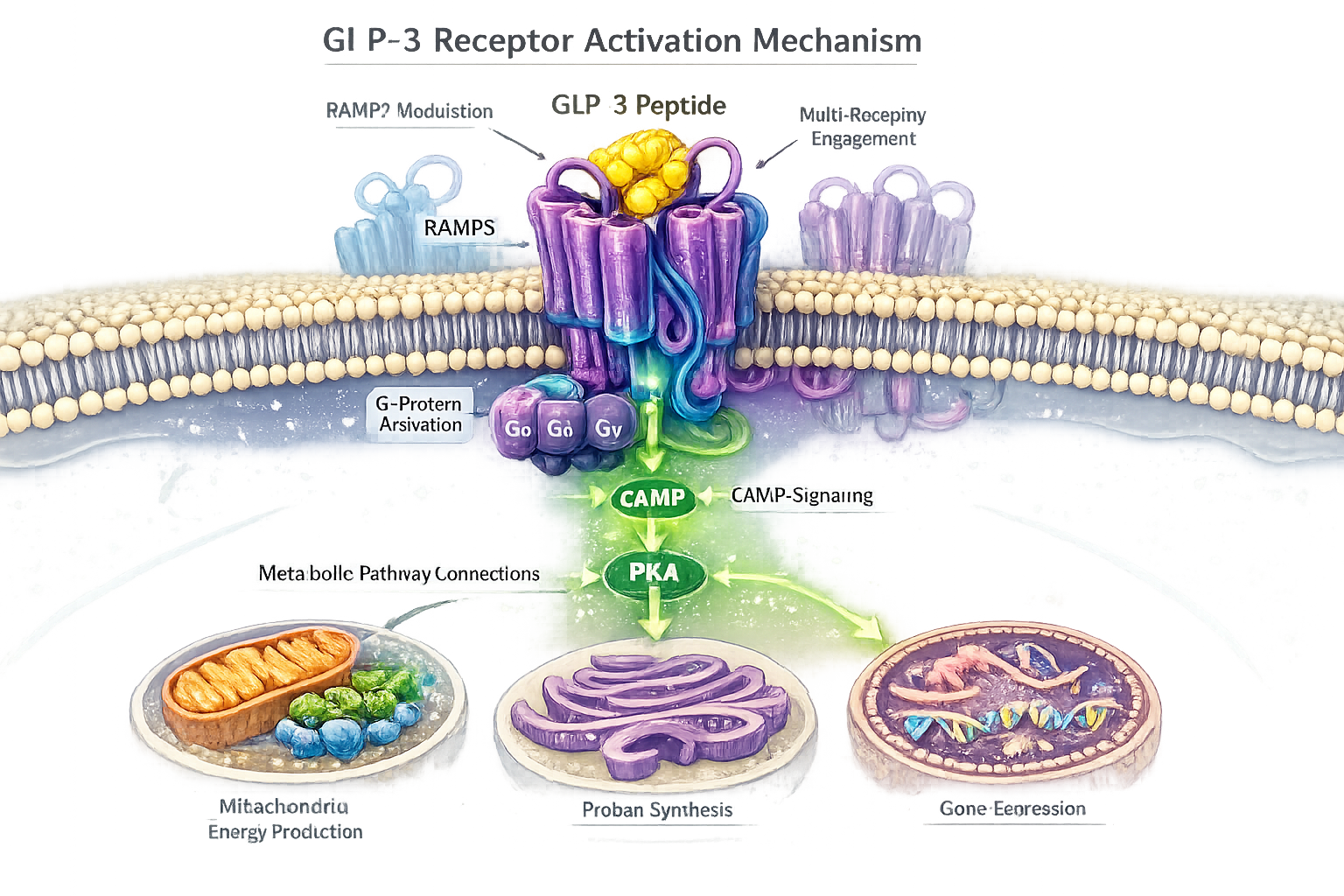
The glp-3 peptide signaling pathway begins when the peptide ligand binds to its target receptor complex. These receptors are G-protein coupled receptors (GPCRs), which span the cell membrane seven times, creating a characteristic structure that enables signal transduction.
Key structural components include:
| Component | Function | Role in GLP-3 Pathway |
|---|---|---|
| Peptide Ligand | Signal initiator | Binds to receptor extracellular domain |
| GPCR Receptor | Signal receiver | Undergoes conformational change upon binding |
| G-Protein Complex | Signal transducer | Activates secondary messenger systems |
| RAMP3 Protein | Receptor modulator | Influences receptor sensitivity and specificity[1] |
| Secondary Messengers | Signal amplifiers | Trigger downstream cellular responses |
The involvement of RAMP3 (receptor activity-modifying protein 3) in the glp-3 peptide signaling pathway is particularly noteworthy. Research indicates that RAMP3 modulation affects how GLP-1 receptor signaling proceeds[1], and similar mechanisms likely influence GLP-3 pathway dynamics.
Receptor Binding and Initial Activation
When a GLP-3 peptide molecule approaches its target cell, the glp-3 peptide signaling pathway activation sequence begins with receptor recognition. The peptide’s amino acid sequence contains specific structural motifs that fit precisely into the receptor’s binding pocket—like a key entering a lock.
This binding triggers a conformational change in the receptor protein. The receptor shifts from an inactive to an active state, which then allows it to interact with intracellular G-proteins. This is where the signal crosses from outside the cell to inside, initiating the cascade of events that characterize the glp-3 peptide signaling pathway.
The multi-receptor nature of GLP-3 compounds means this binding process occurs simultaneously at different receptor types, creating a coordinated metabolic response that single-target peptides cannot achieve. Those interested in understanding peptide quality should explore peptide purity testing to ensure research compounds meet appropriate standards.
How the GLP-3 Peptide Signaling Pathway Works at the Cellular Level
The glp-3 peptide signaling pathway operates through a sophisticated series of molecular events that transform an external signal (the peptide binding to its receptor) into concrete cellular responses. Understanding this process reveals why GLP-3 compounds produce such distinct metabolic effects.
G-Protein Activation and Signal Transduction
Once the receptor undergoes its conformational change, the glp-3 peptide signaling pathway proceeds to G-protein activation. The activated receptor acts as a guanine nucleotide exchange factor (GEF), causing the G-protein to release GDP and bind GTP instead.
This GTP-bound G-protein then dissociates into two functional units:
- Gα subunit: Activates adenylyl cyclase enzymes
- Gβγ complex: Modulates ion channels and other signaling proteins
The Gα subunit’s activation of adenylyl cyclase is particularly crucial in the glp-3 peptide signaling pathway because it produces cyclic AMP (cAMP), a critical secondary messenger molecule. cAMP levels rise rapidly within the cell, triggering a cascade of downstream effects.
Secondary Messenger Systems in the GLP-3 Pathway
The glp-3 peptide signaling pathway relies heavily on secondary messenger systems to amplify and distribute the initial receptor signal. The primary secondary messengers involved include:
cAMP (cyclic adenosine monophosphate)
- Activates protein kinase A (PKA)
- Triggers CREB transcription factor activation
- Influences gene expression patterns
- Modulates metabolic enzyme activity
Calcium ions (Ca²⁺)
- Released from intracellular stores
- Activates calcium-dependent protein kinases
- Influences cellular contractility and secretion
- Coordinates with cAMP signaling
DAG and IP3 (diacylglycerol and inositol triphosphate)
- Activate protein kinase C pathways
- Mobilize calcium from endoplasmic reticulum
- Influence cellular differentiation processes
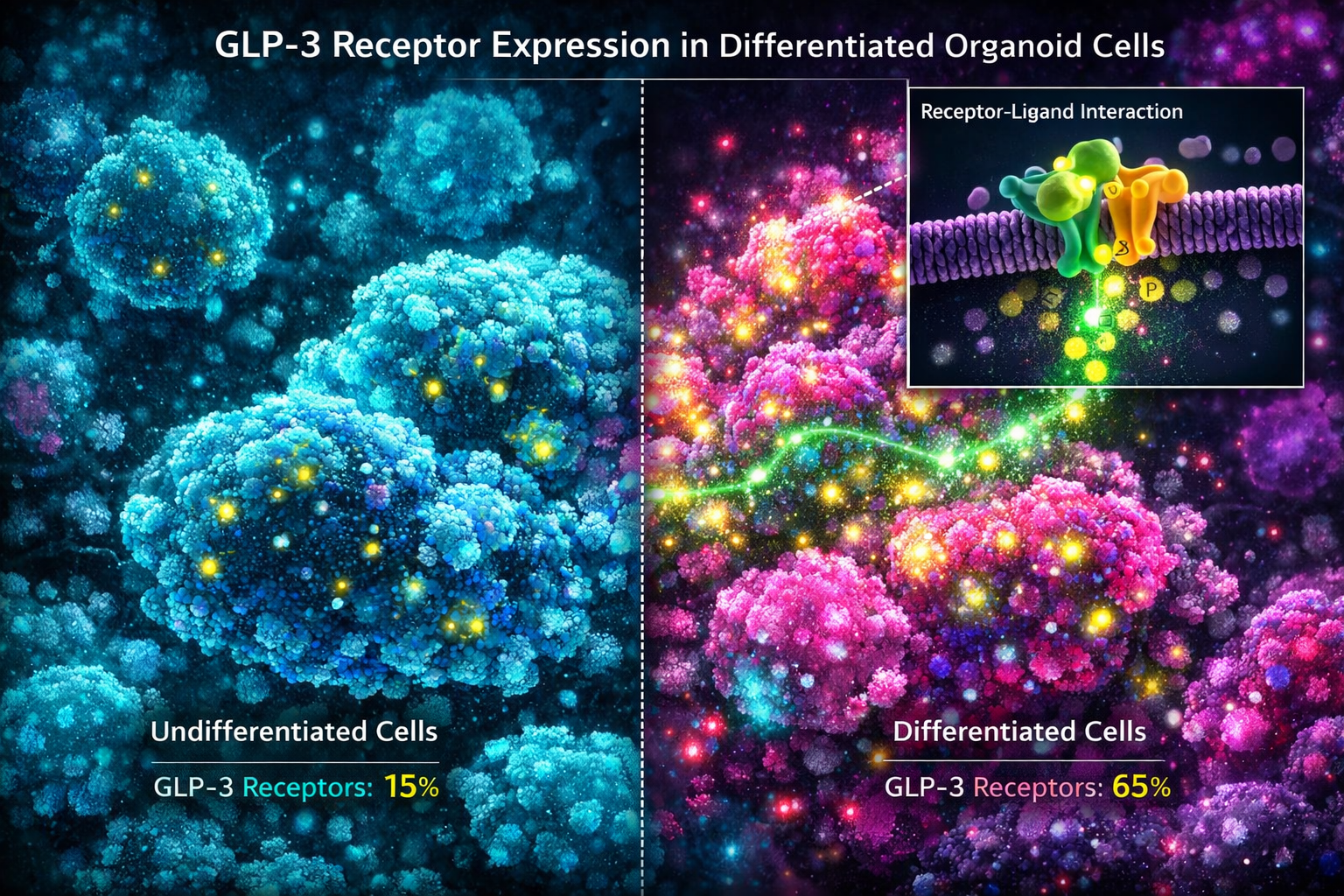
Research indicates that in organoid cultures, GLP3-R activation associates with changes in cellular differentiation markers rather than proliferation rates[4]. This suggests the glp-3 peptide signaling pathway preferentially activates differentiation-related secondary messenger cascades rather than growth-promoting pathways.
For those exploring most popular peptide products, understanding these signaling differences helps explain why different peptides produce distinct effects despite similar administration protocols.
Downstream Cellular Effects and Metabolic Responses
The glp-3 peptide signaling pathway ultimately produces measurable changes in cellular behavior and metabolic function. These downstream effects include:
Glucose metabolism regulation:
- Enhanced insulin secretion from pancreatic beta cells
- Improved insulin sensitivity in peripheral tissues
- Reduced hepatic glucose production
- Increased glucose uptake in muscle tissue
Lipid metabolism modulation:
- Altered fat oxidation rates
- Modified lipogenesis (fat creation) processes
- Changed adipocyte differentiation patterns
- Influenced lipoprotein processing
Energy expenditure changes:
- Increased thermogenesis in brown adipose tissue
- Modified basal metabolic rate
- Altered mitochondrial function
- Enhanced cellular energy utilization
The multi-receptor engagement characteristic of the glp-3 peptide signaling pathway means these effects occur simultaneously across different tissue types, creating a coordinated metabolic response[3]. This differs substantially from single-receptor peptides that might influence only one or two of these pathways.
Researchers interested in mitochondrial function might also explore SS-31 peptide research, which targets mitochondrial dynamics through entirely different mechanisms.
GLP-3 Peptide Signaling Pathway Compared to GLP-1 and GLP-2
Understanding how the glp-3 peptide signaling pathway differs from its predecessors provides crucial context for researchers and informed peptide shoppers. Each generation of GLP peptides has introduced refinements in receptor targeting and metabolic effects.
Evolution from Single to Multi-Receptor Targeting
The progression from GLP-1 to the glp-3 peptide signaling pathway represents a fundamental shift in peptide design philosophy:
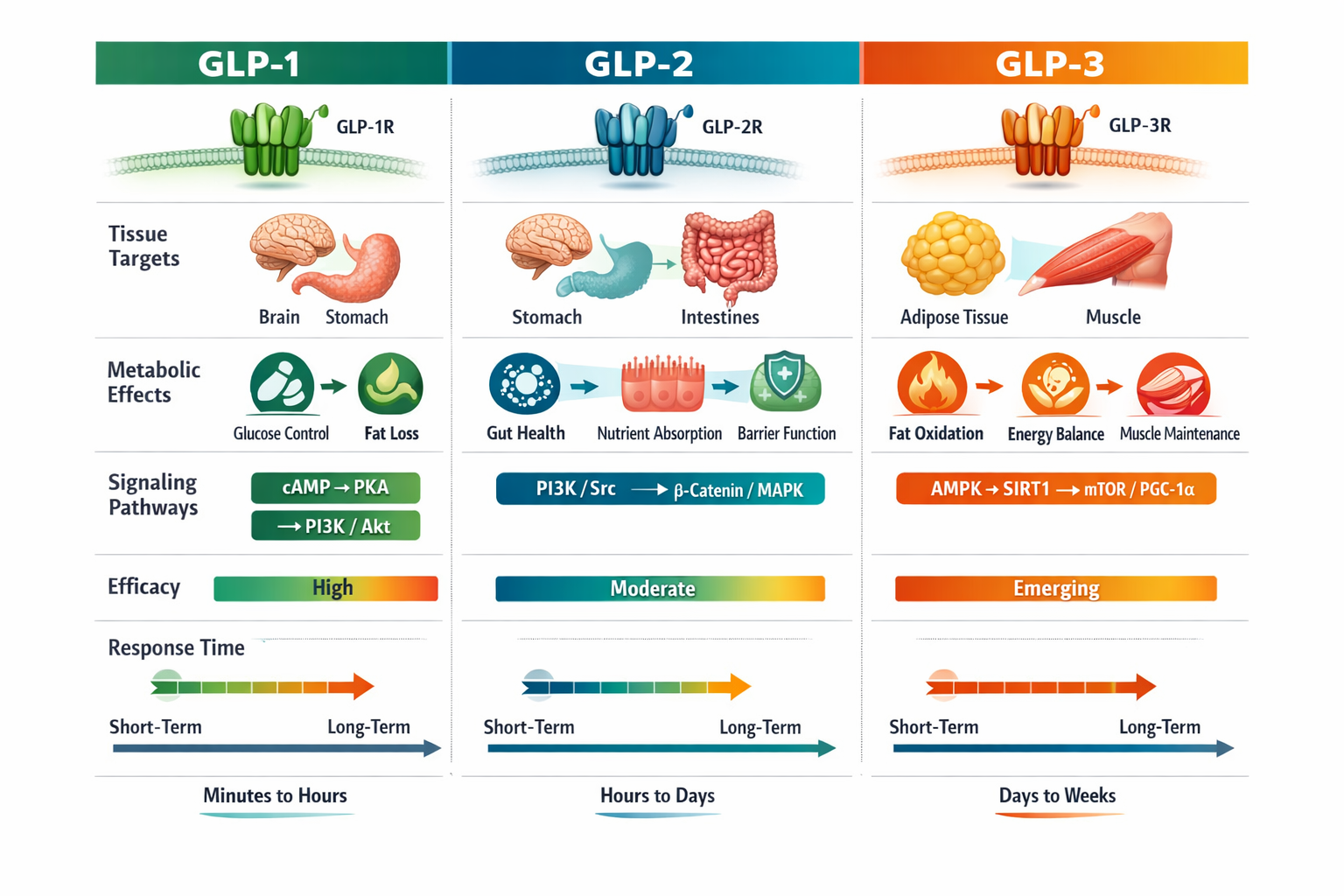
GLP-1 Pathway Characteristics:
- Single receptor target (GLP-1R)
- Primary focus on insulin secretion
- Gastric emptying delay
- Appetite suppression through central mechanisms
- Well-established safety profile
GLP-2 Pathway Characteristics:
- Different receptor target (GLP-2R)
- Intestinal growth and repair focus
- Nutrient absorption enhancement
- Limited metabolic effects beyond gut tissue
GLP-3 Pathway Characteristics:
- Multiple receptor targets (GIP, GLP-1, Glucagon)
- Broader metabolic coordination
- Enhanced energy expenditure
- Multi-tissue engagement
- Synergistic receptor activation[3]
The glp-3 peptide signaling pathway essentially combines and extends the benefits of earlier peptide generations while adding novel mechanisms through glucagon receptor activation. This creates a more comprehensive metabolic intervention than single-target approaches.
Receptor Specificity and Tissue Distribution
The glp-3 peptide signaling pathway activates receptors distributed across numerous tissue types, creating system-wide metabolic effects:
| Tissue Type | GLP-1 Activity | GLP-3 Activity | Functional Difference |
|---|---|---|---|
| Pancreas | High | High | Similar insulin secretion enhancement |
| Adipose Tissue | Moderate | High | Enhanced lipolysis with GLP-3 |
| Liver | Low | Moderate | Greater hepatic glucose regulation |
| Muscle | Low | Moderate | Improved glucose uptake and utilization |
| Brain | Moderate | Moderate | Similar appetite regulation |
| Heart | Low | Moderate | Enhanced cardiac metabolism |
This broader tissue distribution means the glp-3 peptide signaling pathway influences metabolic processes that single-receptor peptides cannot effectively reach. The glucagon receptor component particularly enhances energy expenditure and hepatic glucose output regulation.
For those exploring peptide blends that combine multiple compounds, understanding these receptor distribution patterns helps explain why certain combinations produce synergistic effects.
Signal Duration and Pathway Termination
The glp-3 peptide signaling pathway also differs in how long signals persist and how they’re terminated:
Signal duration factors:
- Peptide half-life in circulation
- Receptor internalization rates
- G-protein deactivation kinetics
- Secondary messenger degradation speed
- Receptor recycling or degradation
GLP-3 compounds typically feature modifications that extend their circulating half-life compared to native peptides. This prolonged presence allows for sustained activation of the glp-3 peptide signaling pathway, creating more stable metabolic effects over time.
Pathway termination mechanisms:
- GTPase activity: G-proteins possess intrinsic GTPase activity that converts GTP back to GDP, deactivating the protein
- Phosphodiesterase action: Enzymes break down cAMP secondary messengers
- Receptor desensitization: Prolonged activation triggers receptor phosphorylation and internalization
- Peptide degradation: DPP-4 and other enzymes cleave and inactivate the peptide
The multi-receptor nature of the glp-3 peptide signaling pathway means these termination mechanisms operate across multiple receptor systems simultaneously, creating complex regulatory dynamics that researchers continue to investigate.
Research Findings on the GLP-3 Peptide Signaling Pathway
Scientific investigation into the glp-3 peptide signaling pathway has accelerated dramatically in recent years, producing insights that inform both research applications and clinical development. Understanding current research findings helps contextualize how this pathway functions in biological systems.
Organoid Culture Studies and Cellular Differentiation
One of the most revealing research approaches involves studying the glp-3 peptide signaling pathway in organoid cultures—three-dimensional cell structures that mimic organ function. These studies have revealed that GLP3-R activation associates with changes in cellular differentiation markers rather than proliferation rates[4].
Key findings from organoid research:
- Differentiation over proliferation: Unlike growth factors that primarily increase cell division, the glp-3 peptide signaling pathway appears to influence how cells mature and specialize
- Marker expression changes: Specific proteins associated with cellular maturation show altered expression patterns when the pathway activates
- Tissue-specific responses: Different organoid types (intestinal, pancreatic, hepatic) show distinct differentiation responses to GLP-3 activation
- Temporal dynamics: Differentiation changes occur over hours to days rather than minutes, suggesting sustained signaling requirements
These findings suggest the glp-3 peptide signaling pathway may influence tissue remodeling and metabolic adaptation through differentiation mechanisms rather than simple growth stimulation. This distinction has important implications for understanding long-term metabolic effects.
Researchers interested in cellular regeneration might also explore BPC-157 peptide research, which influences tissue repair through different mechanisms.
RAMP3 Modulation and Receptor Sensitivity
The glp-3 peptide signaling pathway involves complex receptor modulation through accessory proteins like RAMP3 (receptor activity-modifying protein 3). Research on GLP-1 receptor signaling has demonstrated that RAMP3 modulation significantly affects receptor behavior[1], and similar mechanisms likely influence GLP-3 pathway dynamics.
RAMP3’s role in the pathway:
- Receptor trafficking: RAMP3 influences whether receptors reach the cell surface or remain intracellular
- Ligand affinity: The presence of RAMP3 can alter how tightly peptides bind to their receptors
- Signal bias: RAMP3 may preferentially activate certain downstream pathways over others
- Tissue specificity: RAMP3 expression varies across tissues, creating location-dependent signaling patterns
This modulation adds another layer of complexity to the glp-3 peptide signaling pathway, as the same peptide may produce different effects depending on RAMP3 expression levels in target tissues. Understanding these nuances helps explain why GLP-3 compounds show tissue-specific effects despite broad receptor distribution.
Multi-Pathway Integration and Metabolic Coordination
Perhaps the most significant research finding regarding the glp-3 peptide signaling pathway is its ability to coordinate multiple metabolic pathways simultaneously. The multi-receptor engagement creates synergistic effects that exceed simple addition of individual receptor activities[3].
Integrated metabolic effects observed in research:
✅ Glucose-lipid coordination: Simultaneous improvement in both glucose handling and fat metabolism
✅ Energy balance optimization: Coordinated changes in energy intake and expenditure
✅ Hormonal synchronization: Aligned insulin, glucagon, and incretin responses
✅ Tissue cross-talk: Enhanced communication between pancreas, liver, muscle, and adipose tissue
The research growth in peptide-receptor binding studies—increasing approximately 240% between 2012 and 2022[5]—reflects scientific recognition that understanding these integrated pathways requires sophisticated experimental approaches.
For those exploring comprehensive metabolic support, longevity peptide research offers insights into how various peptides influence aging and metabolic health through complementary mechanisms.
Clinical Development and Phase 3 Research
The glp-3 peptide signaling pathway has progressed from basic research to clinical investigation, with Phase 3 trial readouts expected in 2026[7]. These large-scale studies examine how pathway activation translates to measurable health outcomes in human subjects.
Clinical research focus areas:
- Metabolic outcomes: Weight changes, glucose control, lipid profiles
- Safety parameters: Adverse event rates, tolerability, long-term effects
- Dosing optimization: Identifying effective dose ranges and administration frequencies
- Population responses: Understanding variability across different demographic groups
- Mechanistic biomarkers: Measuring pathway activation through blood markers
While clinical trials focus on therapeutic applications, the research provides valuable insights into how the glp-3 peptide signaling pathway functions in living systems under controlled conditions. These findings inform both clinical medicine and research applications.
Those interested in peptide sourcing should prioritize suppliers that provide documentation and testing to ensure research-grade quality.
Practical Considerations for GLP-3 Peptide Signaling Pathway Research
Understanding the glp-3 peptide signaling pathway at a theoretical level is valuable, but researchers also need practical knowledge about working with these compounds. This section addresses real-world considerations for those conducting peptide research.
Quality Standards and Peptide Purity
The glp-3 peptide signaling pathway research requires high-purity peptides to produce reliable, reproducible results. Contaminated or degraded peptides may activate unintended pathways or produce inconsistent effects.
Critical quality parameters:
- Purity percentage: Research-grade peptides typically require ≥95% purity
- Sequence accuracy: Amino acid sequence must match intended structure exactly
- Sterility: Absence of bacterial or fungal contamination
- Endotoxin levels: Low endotoxin content prevents inflammatory artifacts
- Stability: Proper storage maintains peptide integrity over time
Researchers should request certificates of analysis (COAs) that document these parameters. Third-party testing provides additional verification of peptide quality. Understanding peptide purity testing methods helps researchers evaluate supplier claims.
Working with lab-tested peptides from reputable sources ensures that observed effects genuinely reflect glp-3 peptide signaling pathway activation rather than contamination artifacts.
Storage and Handling Protocols
Proper storage and handling preserve peptide integrity and ensure consistent glp-3 peptide signaling pathway activation in research applications.
Storage guidelines:
| Storage Condition | Temperature | Duration | Notes |
|---|---|---|---|
| Lyophilized powder | -20°C to -80°C | 1-2 years | Keep desiccated, avoid freeze-thaw |
| Reconstituted solution | 2-8°C | 2-4 weeks | Use sterile bacteriostatic water |
| Working aliquots | -20°C | 3-6 months | Single-use aliquots prevent degradation |
| Room temperature | Not recommended | Hours only | Minimize exposure time |
Handling best practices:
🔬 Reconstitute with appropriate sterile diluent
🔬 Avoid vigorous shaking (gentle swirling only)
🔬 Use sterile technique throughout
🔬 Create single-use aliquots to avoid freeze-thaw cycles
🔬 Allow frozen peptides to reach room temperature before opening
🔬 Document storage conditions and reconstitution dates
These protocols ensure that peptides maintain their ability to activate the glp-3 peptide signaling pathway consistently across experiments.
Experimental Design Considerations
Designing experiments to study the glp-3 peptide signaling pathway requires attention to variables that influence pathway activation and downstream effects.
Key experimental variables:
Concentration ranges:
- Start with literature-based concentrations
- Include dose-response curves
- Consider receptor saturation kinetics
- Account for multi-receptor activation thresholds
Timing parameters:
- Early signaling events (minutes): G-protein activation, cAMP production
- Intermediate responses (hours): Gene expression changes, protein synthesis
- Late effects (days): Cellular differentiation, metabolic remodeling[4]
Control conditions:
- Vehicle-only controls
- Single-receptor agonist comparisons
- Receptor antagonist co-treatments
- Pathway inhibitor experiments
Measurement endpoints:
- Direct pathway markers (cAMP levels, phosphorylated proteins)
- Cellular responses (differentiation markers, metabolic activity)
- Functional outcomes (glucose uptake, lipid oxidation)
- Long-term effects (sustained metabolic changes)
The multi-receptor nature of the glp-3 peptide signaling pathway means experiments should ideally measure multiple endpoints to capture the integrated metabolic response[3].
Sourcing Considerations for Research Peptides
Researchers exploring the glp-3 peptide signaling pathway need reliable sources for research-grade peptides. Several factors influence sourcing decisions:
Supplier evaluation criteria:
✓ Documentation: COAs, purity reports, sequence verification
✓ Testing standards: HPLC, mass spectrometry, endotoxin testing
✓ Reputation: Established track record, researcher reviews
✓ Support: Technical assistance, literature references
✓ Consistency: Batch-to-batch reproducibility
Many researchers prefer wholesale peptide suppliers for larger research projects, while others prioritize reference standards for method validation.
When working with the glp-3 peptide signaling pathway, consistency across experiments is crucial. Switching suppliers mid-project can introduce variables that complicate data interpretation. Establishing relationships with reliable suppliers supports long-term research programs.
For those exploring various peptide options, understanding the differences between compounds like Tesamorelin and GLP-3 peptides helps select appropriate tools for specific research questions.
Future Directions in GLP-3 Peptide Signaling Pathway Research
The glp-3 peptide signaling pathway represents a rapidly evolving research area with numerous unanswered questions and emerging applications. Understanding future directions helps researchers anticipate developments and identify promising investigation areas.
Emerging Research Questions
Several fundamental questions about the glp-3 peptide signaling pathway remain incompletely answered, creating opportunities for future investigation:
Tissue-specific signaling dynamics:
- How does RAMP expression variation influence pathway activation across different tissues?
- What determines whether the pathway promotes differentiation versus metabolic changes in specific cell types?
- How do local tissue factors modify the standard glp-3 peptide signaling pathway response?
Long-term pathway adaptation:
- Do receptors desensitize with chronic pathway activation?
- How do cells adapt their signaling machinery during sustained GLP-3 exposure?
- What mechanisms maintain pathway responsiveness over extended periods?
Individual variation factors:
- Why do different individuals show varying responses to glp-3 peptide signaling pathway activation?
- How do genetic polymorphisms in receptors or signaling proteins influence pathway function?
- What role do epigenetic factors play in determining pathway responsiveness?
Addressing these questions will deepen understanding of how the glp-3 peptide signaling pathway functions in diverse biological contexts.
Novel Applications and Research Directions
Beyond metabolic research, the glp-3 peptide signaling pathway may have applications in other biological systems:
Potential research areas:
🔬 Neurological function: GLP receptors exist in brain tissue; pathway activation might influence cognitive processes or neuroprotection
🔬 Cardiovascular health: Multi-receptor activation could affect cardiac metabolism and vascular function
🔬 Aging research: Metabolic optimization through the pathway might influence longevity mechanisms
🔬 Tissue regeneration: Given the differentiation effects observed in organoids[4], the pathway might support tissue repair processes
These applications remain largely unexplored, representing frontier areas for glp-3 peptide signaling pathway investigation.
Researchers interested in longevity applications might explore how the glp-3 peptide signaling pathway compares to NAD+ research or Epithalon studies in influencing aging processes.
Technological Advances Enabling Better Research
New research technologies continue to enhance our ability to study the glp-3 peptide signaling pathway with greater precision and detail:
Emerging research tools:
- Single-cell sequencing: Reveals pathway activation patterns in individual cells within heterogeneous tissues
- CRISPR gene editing: Allows precise manipulation of pathway components to establish causality
- Advanced imaging: Real-time visualization of receptor activation and signal propagation
- Computational modeling: Predicts pathway behavior under various conditions
- Organoid systems: More sophisticated tissue models for studying pathway effects[4]
These technologies enable researchers to ask increasingly sophisticated questions about how the glp-3 peptide signaling pathway functions at molecular, cellular, and systems levels.
Integration with Other Metabolic Pathways
Future research will likely focus on how the glp-3 peptide signaling pathway integrates with other metabolic regulatory systems:
Key integration points:
- AMPK pathway: How does GLP-3 signaling interact with cellular energy sensing?
- mTOR signaling: What’s the relationship between GLP-3 activation and growth/autophagy regulation?
- Insulin signaling: How does multi-receptor activation complement or modify insulin pathway effects?
- Mitochondrial function: Does the pathway influence mitochondrial dynamics or biogenesis?
Understanding these interactions will reveal how the glp-3 peptide signaling pathway fits into the broader metabolic regulatory network. Researchers exploring mitochondrial connections might investigate MOTS-C peptide research, which directly targets mitochondrial function through distinct mechanisms.
The 240% increase in peptide-receptor binding research between 2012 and 2022[5] suggests scientific momentum that will likely accelerate further as new tools and questions emerge.
<!DOCTYPE html>
<html lang="en">
<head>
<meta charset="UTF-8">
<meta name="viewport" content="width=device-width, initial-scale=1.0">
<title>GLP-3 Peptide Signaling Pathway Interactive Explorer</title>
<style>
* {
margin: 0;
padding: 0;
box-sizing: border-box;
}
.cg-element-container {
font-family: 'Segoe UI', Tahoma, Geneva, Verdana, sans-serif;
max-width: 1200px;
margin: 20px auto;
padding: 20px;
background: linear-gradient(135deg, #667eea 0%, #764ba2 100%);
border-radius: 15px;
box-shadow: 0 10px 30px rgba(0,0,0,0.3);
}
.cg-element-header {
text-align: center;
color: white;
margin-bottom: 30px;
}
.cg-element-header h2 {
font-size: 28px;
margin-bottom: 10px;
text-shadow: 2px 2px 4px rgba(0,0,0,0.3);
}
.cg-element-header p {
font-size: 16px;
opacity: 0.9;
}
.cg-element-pathway-selector {
display: flex;
justify-content: center;
gap: 15px;
margin-bottom: 30px;
flex-wrap: wrap;
}
.cg-element-pathway-btn {
padding: 12px 24px;
font-size: 16px;
font-weight: 600;
border: none;
border-radius: 25px;
cursor: pointer;
transition: all 0.3s ease;
background: white;
color: #667eea;
box-shadow: 0 4px 15px rgba(0,0,0,0.2);
}
.cg-element-pathway-btn:hover {
transform: translateY(-2px);
box-shadow: 0 6px 20px rgba(0,0,0,0.3);
}
.cg-element-pathway-btn.active {
background: #ffd700;
color: #333;
}
.cg-element-content-area {
background: white;
border-radius: 10px;
padding: 30px;
min-height: 400px;
}
.cg-element-pathway-info {
display: none;
}
.cg-element-pathway-info.active {
display: block;
animation: fadeIn 0.5s ease;
}
@keyframes fadeIn {
from { opacity: 0; transform: translateY(10px); }
to { opacity: 1; transform: translateY(0); }
}
.cg-element-pathway-title {
font-size: 24px;
color: #667eea;
margin-bottom: 20px;
padding-bottom: 10px;
border-bottom: 3px solid #667eea;
}
.cg-element-step-container {
margin-bottom: 25px;
}
.cg-element-step {
background: linear-gradient(135deg, #f5f7fa 0%, #c3cfe2 100%);
padding: 20px;
border-radius: 8px;
margin-bottom: 15px;
border-left: 5px solid #667eea;
transition: all 0.3s ease;
}
.cg-element-step:hover {
transform: translateX(5px);
box-shadow: 0 5px 15px rgba(0,0,0,0.1);
}
.cg-element-step-number {
display: inline-block;
background: #667eea;
color: white;
width: 30px;
height: 30px;
border-radius: 50%;
text-align: center;
line-height: 30px;
font-weight: bold;
margin-right: 10px;
}
.cg-element-step-title {
font-size: 18px;
font-weight: 600;
color: #333;
margin-bottom: 8px;
}
.cg-element-step-description {
color: #555;
line-height: 1.6;
margin-left: 40px;
}
.cg-element-comparison-table {
width: 100%;
border-collapse: collapse;
margin-top: 20px;
}
.cg-element-comparison-table th {
background: #667eea;
color: white;
padding: 15px;
text-align: left;
font-weight: 600;
}
.cg-element-comparison-table td {
padding: 12px 15px;
border-bottom: 1px solid #e0e0e0;
}
.cg-element-comparison-table tr:nth-child(even) {
background: #f5f7fa;
}
.cg-element-comparison-table tr:hover {
background: #e8eaf6;
}
.cg-element-highlight {
background: #ffd700;
padding: 2px 6px;
border-radius: 3px;
font-weight: 600;
}
.cg-element-receptor-box {
display: inline-block;
background: #e3f2fd;
border: 2px solid #2196f3;
padding: 8px 15px;
border-radius: 20px;
margin: 5px;
font-weight: 600;
color: #1976d2;
}
.cg-element-info-box {
background: #fff3cd;
border-left: 4px solid #ffc107;
padding: 15px;
margin-top: 20px;
border-radius: 5px;
}
.cg-element-info-box strong {
color: #856404;
}
@media (max-width: 768px) {
.cg-element-container {
padding: 15px;
}
.cg-element-header h2 {
font-size: 22px;
}
.cg-element-pathway-btn {
padding: 10px 18px;
font-size: 14px;
}
.cg-element-content-area {
padding: 20px;
}
.cg-element-comparison-table {
font-size: 14px;
}
.cg-element-comparison-table th,
.cg-element-comparison-table td {
padding: 10px;
}
}
</style>
</head>
<body>
<div class="cg-element-container">
<div class="cg-element-header">
<h2>🧬 GLP-3 Peptide Signaling Pathway Interactive Explorer</h2>
<p>Explore how different GLP peptide pathways work at the cellular level</p>
</div>
<div class="cg-element-pathway-selector">
<button class="cg-element-pathway-btn active" data-pathway="glp3">GLP-3 Pathway</button>
<button class="cg-element-pathway-btn" data-pathway="glp1">GLP-1 Pathway</button>
<button class="cg-element-pathway-btn" data-pathway="comparison">Side-by-Side Comparison</button>
</div>
<div class="cg-element-content-area">
<!-- GLP-3 Pathway Content -->
<div class="cg-element-pathway-info active" id="glp3">
<h3 class="cg-element-pathway-title">GLP-3 Multi-Receptor Signaling Pathway</h3>
<div class="cg-element-step-container">
<div class="cg-element-step">
<div class="cg-element-step-title">
<span class="cg-element-step-number">1</span>
Multi-Receptor Binding
</div>
<div class="cg-element-step-description">
GLP-3 peptide simultaneously binds to <span class="cg-element-highlight">three receptor types</span>: GIP receptors, GLP-1 receptors, and Glucagon receptors. This triple-agonist approach creates coordinated metabolic signaling across multiple pathways.
</div>
</div>
<div class="cg-element-step">
<div class="cg-element-step-title">
<span class="cg-element-step-number">2</span>
G-Protein Activation
</div>
<div class="cg-element-step-description">
Each receptor activates its associated G-protein complex, triggering <span class="cg-element-highlight">parallel signaling cascades</span>. The Gα subunits activate adenylyl cyclase while Gβγ complexes modulate ion channels and additional signaling proteins.
</div>
</div>
<div class="cg-element-step">
<div class="cg-element-step-title">
<span class="cg-element-step-number">3</span>
Secondary Messenger Production
</div>
<div class="cg-element-step-description">
Adenylyl cyclase produces cAMP (cyclic AMP), which activates protein kinase A (PKA). Simultaneously, calcium ions and other secondary messengers amplify the signal throughout the cell, creating <span class="cg-element-highlight">coordinated metabolic responses</span>.
</div>
</div>
<div class="cg-element-step">
<div class="cg-element-step-title">
<span class="cg-element-step-number">4</span>
Cellular Differentiation Changes
</div>
<div class="cg-element-step-description">
Research shows GLP-3 pathway activation influences <span class="cg-element-highlight">cellular differentiation markers</span> rather than proliferation rates. Cells undergo maturation changes that affect their metabolic function and tissue characteristics.
</div>
</div>
<div class="cg-element-step">
<div class="cg-element-step-title">
<span class="cg-element-step-number">5</span>
Integrated Metabolic Effects
</div>
<div class="cg-element-step-description">
The pathway produces coordinated changes in glucose metabolism, lipid processing, and energy expenditure across <span class="cg-element-highlight">multiple tissue types simultaneously</span>—pancreas, liver, muscle, and adipose tissue all respond in synchrony.
</div>
</div>
</div>
<div class="cg-element-info-box">
<strong>Key Insight:</strong> The GLP-3 pathway's multi-receptor engagement creates synergistic effects that exceed simple addition of individual receptor activities, producing comprehensive metabolic coordination.
</div>
<div style="margin-top: 20px;">
<strong>Activated Receptors:</strong><br>
<span class="cg-element-receptor-box">GIP Receptor</span>
<span class="cg-element-receptor-box">GLP-1 Receptor</span>
<span class="cg-element-receptor-box">Glucagon Receptor</span>
</div>
</div>
<!-- GLP-1 Pathway Content -->
<div class="cg-element-pathway-info" id="glp1">
<h3 class="cg-element-pathway-title">GLP-1 Single-Receptor Signaling Pathway</h3>
<div class="cg-element-step-container">
<div class="cg-element-step">
<div class="cg-element-step-title">
<span class="cg-element-step-number">1</span>
Single Receptor Binding
</div>
<div class="cg-element-step-description">
GLP-1 peptide binds exclusively to <span class="cg-element-highlight">GLP-1 receptors</span>, creating a focused signaling response. This single-target approach provides precise control over specific metabolic pathways.
</div>
</div>
<div class="cg-element-step">
<div class="cg-element-step-title">
<span class="cg-element-step-number">2</span>
G-Protein Coupling
</div>
<div class="cg-element-step-description">
The GLP-1 receptor activates Gs-type G-proteins, which specifically stimulate adenylyl cyclase. This creates a <span class="cg-element-highlight">linear signaling pathway</span> with well-characterized downstream effects.
</div>
</div>
<div class="cg-element-step">
<div class="cg-element-step-title">
<span class="cg-element-step-number">3</span>
cAMP-PKA Activation
</div>
<div class="cg-element-step-description">
Increased cAMP levels activate protein kinase A, which phosphorylates target proteins involved in <span class="cg-element-highlight">insulin secretion and appetite regulation</span>. The pathway shows particular strength in pancreatic beta cells.
</div>
</div>
<div class="cg-element-step">
<div class="cg-element-step-title">
<span class="cg-element-step-number">4</span>
Primary Metabolic Response
</div>
<div class="cg-element-step-description">
The pathway primarily enhances <span class="cg-element-highlight">glucose-dependent insulin secretion</span>, slows gastric emptying, and reduces appetite through central nervous system effects. Effects are focused rather than broadly distributed.
</div>
</div>
<div class="cg-element-step">
<div class="cg-element-step-title">
<span class="cg-element-step-number">5</span>
Tissue-Specific Effects
</div>
<div class="cg-element-step-description">
GLP-1 pathway activation shows strongest effects in pancreas and brain, with <span class="cg-element-highlight">moderate effects in other tissues</span>. The single-receptor approach creates predictable, well-studied metabolic changes.
</div>
</div>
</div>
<div class="cg-element-info-box">
<strong>Key Insight:</strong> The GLP-1 pathway's single-receptor focus provides precise, well-characterized effects primarily on insulin secretion and appetite regulation, with a well-established safety profile.
</div>
<div style="margin-top: 20px;">
<strong>Activated Receptors:</strong><br>
<span class="cg-element-receptor-box">GLP-1 Receptor Only</span>
</div>
</div>
<!-- Comparison Content -->
<div class="cg-element-pathway-info" id="comparison">
<h3 class="cg-element-pathway-title">GLP-3 vs GLP-1 Pathway Comparison</h3>
<table class="cg-element-comparison-table">
<thead>
<tr>
<th>Characteristic</th>
<th>GLP-1 Pathway</th>
<th>GLP-3 Pathway</th>
</tr>
</thead>
<tbody>
<tr>
<td><strong>Receptor Targets</strong></td>
<td>Single (GLP-1R only)</td>
<td>Triple (GIP, GLP-1, Glucagon)</td>
</tr>
<tr>
<td><strong>Primary Mechanism</strong></td>
<td>Insulin secretion enhancement</td>
<td>Multi-pathway metabolic coordination</td>
</tr>
<tr>
<td><strong>Tissue Distribution</strong></td>
<td>Focused (pancreas, brain, gut)</td>
<td>Broad (pancreas, liver, muscle, adipose)</td>
</tr>
<tr>
<td><strong>Energy Expenditure</strong></td>
<td>Minimal direct effect</td>
<td>Enhanced through glucagon receptor</td>
</tr>
<tr>
<td><strong>Cellular Effects</strong></td>
<td>Primarily functional changes</td>
<td>Differentiation marker changes</td>
</tr>
<tr>
<td><strong>Lipid Metabolism</strong></td>
<td>Indirect effects</td>
<td>Direct multi-receptor engagement</td>
</tr>
<tr>
<td><strong>Signal Complexity</strong></td>
<td>Linear, well-characterized</td>
<td>Integrated, synergistic</td>
</tr>
<tr>
<td><strong>Research Status</strong></td>
<td>Extensively studied, established</td>
<td>Rapidly evolving, Phase 3 trials</td>
</tr>
<tr>
<td><strong>RAMP Modulation</strong></td>
<td>RAMP3 influences GLP-1R</td>
<td>Multiple RAMP interactions</td>
</tr>
<tr>
<td><strong>Metabolic Scope</strong></td>
<td>Glucose-focused</td>
<td>Glucose, lipid, and energy integrated</td>
</tr>
</tbody>
</table>
<div class="cg-element-info-box" style="margin-top: 25px;">
<strong>Research Insight:</strong> Peptide-receptor binding studies involving GLP-class receptors increased by approximately 240% between 2012 and 2022, reflecting growing scientific interest in understanding these complex signaling pathways and their therapeutic potential.
</div>
</div>
</div>
</div>
<script>
document.addEventListener('DOMContentLoaded', function() {
const buttons = document.querySelectorAll('.cg-element-pathway-btn');
const pathwayInfos = document.querySelectorAll('.cg-element-pathway-info');
buttons.forEach(button => {
button.addEventListener('click', function() {
// Remove active class from all buttons
buttons.forEach(btn => btn.classList.remove('active'));
// Add active class to clicked button
this.classList.add('active');
// Hide all pathway info sections
pathwayInfos.forEach(info => info.classList.remove('active'));
// Show selected pathway info
const pathwayId = this.getAttribute('data-pathway');
document.getElementById(pathwayId).classList.add('active');
});
});
});
</script>
</body>
</html>
Conclusion: Understanding the GLP-3 Peptide Signaling Pathway
The glp-3 peptide signaling pathway represents a significant advancement in peptide-based metabolic research, offering multi-receptor engagement that creates coordinated effects across diverse tissue types. Unlike earlier single-receptor approaches, the glp-3 peptide signaling pathway simultaneously activates GIP, GLP-1, and glucagon receptors, producing integrated metabolic responses that address glucose metabolism, lipid processing, and energy expenditure concurrently[3].
Research has revealed that the glp-3 peptide signaling pathway operates through sophisticated molecular mechanisms involving G-protein activation, secondary messenger production, and RAMP3 modulation[1]. Studies in organoid cultures demonstrate that pathway activation influences cellular differentiation markers rather than simple proliferation[4], suggesting complex tissue remodeling effects beyond acute metabolic changes.
The 240% increase in peptide-receptor binding research between 2012 and 2022[5] reflects scientific recognition of these pathways’ importance, with Phase 3 clinical trials expected to report findings in 2026[7]. For fitness enthusiasts and peptide shoppers exploring research options, understanding the glp-3 peptide signaling pathway provides crucial context for evaluating different peptide compounds and their mechanisms.
Actionable Next Steps
For researchers and informed consumers interested in the glp-3 peptide signaling pathway:
- Prioritize quality: Work only with research-grade peptides that include comprehensive testing documentation and certificates of analysis
- Study the fundamentals: Develop solid understanding of G-protein coupled receptor signaling, secondary messenger systems, and multi-receptor integration before designing experiments
- Follow the research: Monitor emerging publications on the glp-3 peptide signaling pathway, particularly clinical trial results and mechanistic studies that clarify pathway dynamics
- Consider complementary approaches: Explore how the glp-3 peptide signaling pathway might integrate with other peptide research, such as mitochondrial peptides or longevity-focused compounds
- Implement proper protocols: Establish rigorous storage, handling, and experimental design practices that ensure consistent pathway activation and reproducible results
The glp-3 peptide signaling pathway continues to evolve as a research area, with new findings regularly expanding our understanding of how multi-receptor peptides coordinate complex metabolic responses. Whether exploring metabolic research, cellular differentiation, or integrated pathway dynamics, the GLP-3 system offers rich opportunities for investigation and discovery. By combining theoretical knowledge with practical research skills and high-quality compounds, researchers can contribute to this rapidly advancing field while maintaining scientific rigor and reproducibility.