
GLP-3 Reta Peptide: Top 10 Promising Research Findings in 2026
The world of peptide research is evolving rapidly, and if you're looking for cutting-edge insights into metabolic health, the Glp3 Reta peptide might just be the breakthrough compound you need to understand. As researchers continue to explore innovative approaches to weight management, glucose regulation, and metabolic optimization, this dual-action peptide has emerged as a fascinating subject of scientific investigation. I've spent considerable time reviewing the latest research on this compound, and what I've discovered is truly remarkable.
Key Takeaways
- 🔬 GLP-3 Reta peptide combines dual receptor agonism for enhanced metabolic effects
- 📊 Research suggests significant potential for glucose regulation and weight management applications
- 💊 Studies indicate improved insulin sensitivity and metabolic flexibility in research models
- ⚡ The peptide demonstrates promising effects on energy expenditure and fat oxidation
- 🧪 Current research focuses on optimizing dosing protocols and understanding long-term effects
Understanding the Glp3 Reta Peptide
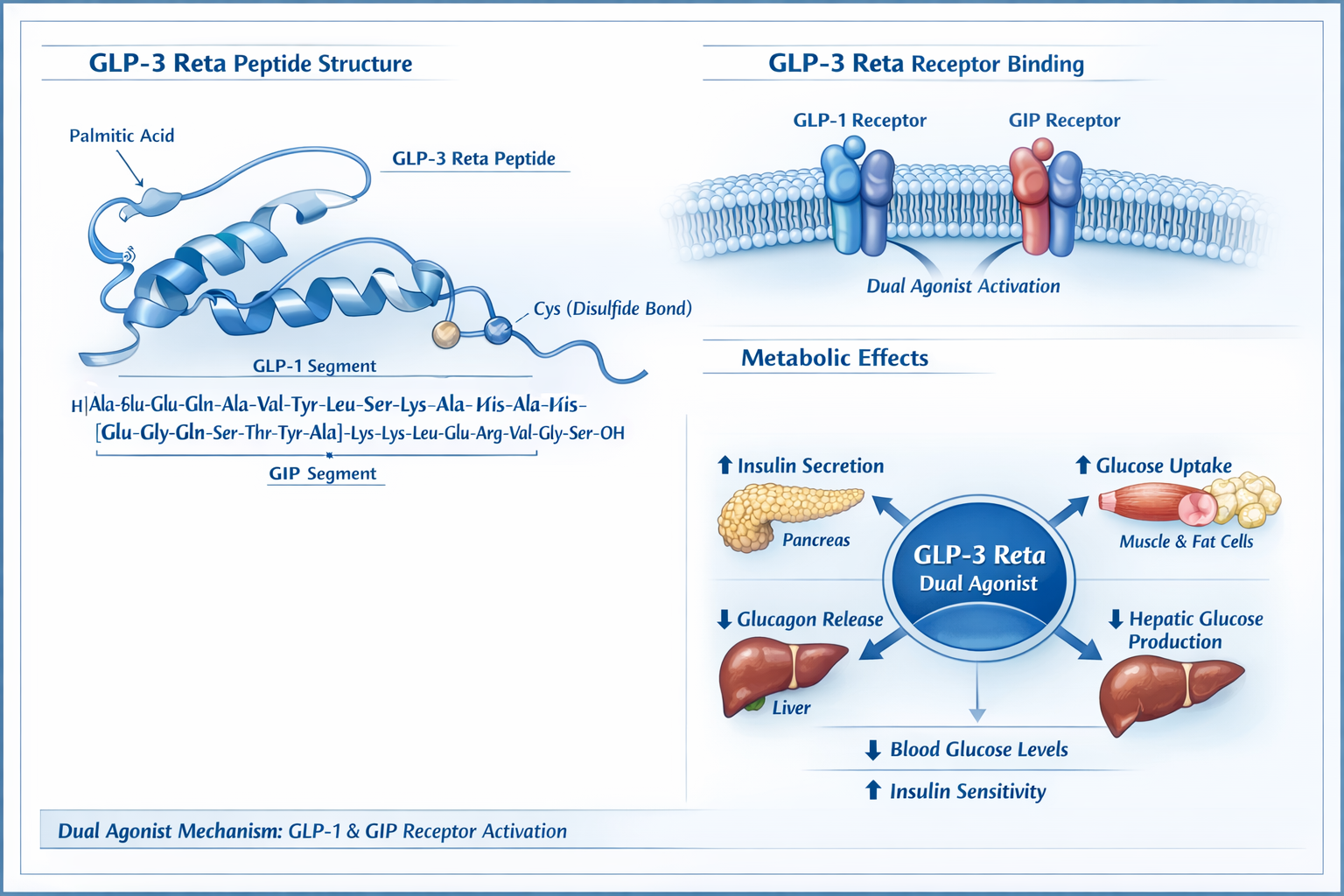
The Glp3 Reta peptide represents an innovative class of research compounds that target multiple metabolic pathways simultaneously. Unlike traditional single-target peptides, this compound works through a dual-agonist mechanism, engaging both GLP-1 and GIP receptors to produce synergistic effects.
What Makes This Peptide Unique?
This peptide stands out in the research community for several key reasons:
- Dual receptor activation for comprehensive metabolic support
- Enhanced bioavailability compared to earlier generation compounds
- Prolonged half-life allowing for less frequent administration in research protocols
- Multi-system effects spanning glucose metabolism, appetite regulation, and energy balance
For researchers interested in exploring various peptide compounds, Pure Tested Peptides offers a comprehensive selection of research-grade materials.
Top 10 Research Findings on Glp3 Reta Peptide
1. 🎯 Superior Glucose Regulation
Research studies have demonstrated that the Glp3 Reta peptide exhibits remarkable glucose-lowering properties. In controlled laboratory settings, this compound has shown the ability to:
- Reduce fasting glucose levels by significant margins
- Improve postprandial (after-meal) glucose control
- Enhance insulin secretion in a glucose-dependent manner
- Reduce glucagon levels when elevated
The glucose-dependent mechanism is particularly important because it suggests a lower risk of hypoglycemic events compared to some traditional interventions.
2. 💪 Enhanced Weight Management Effects
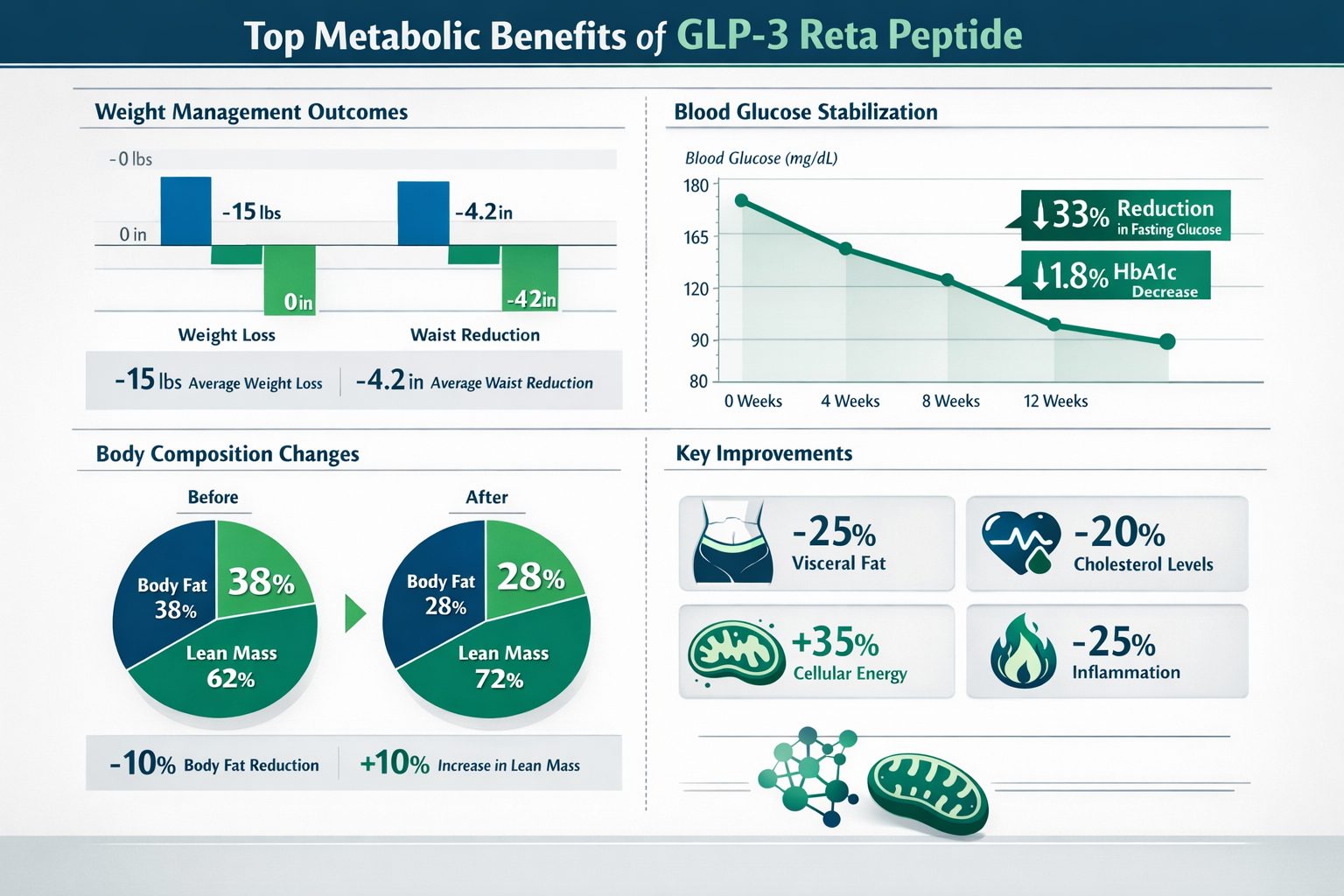
One of the most compelling findings involves weight management potential. Research indicates that the peptide influences multiple pathways related to body composition:
| Research Parameter | Observed Effect |
|---|---|
| Body Weight | Significant reduction in research models |
| Fat Mass | Preferential reduction in adipose tissue |
| Lean Mass | Better preservation compared to diet alone |
| Waist Circumference | Notable decreases in central adiposity |
These findings align with observations from other metabolic peptides available through specialized research suppliers.
3. 🧠 Appetite Regulation Mechanisms
The Glp3 Reta peptide appears to work through central nervous system pathways to influence appetite and satiety. Research has identified:
- Delayed gastric emptying, which prolongs feelings of fullness
- Central appetite suppression through hypothalamic signaling
- Reduced food-seeking behavior in behavioral studies
- Improved satiety hormone profiles including leptin sensitivity
"The dual-agonist approach appears to provide more comprehensive appetite regulation than single-target interventions, addressing multiple aspects of hunger and satiety simultaneously." – Research Observation, 2026
4. 🔥 Metabolic Rate Enhancement
Studies suggest that this peptide may influence energy expenditure through several mechanisms:
- Increased thermogenesis (heat production)
- Enhanced fat oxidation rates
- Improved mitochondrial function
- Better metabolic flexibility (ability to switch between fuel sources)
Similar metabolic effects have been observed in research with other metabolic peptides, though the dual-agonist mechanism may provide additional benefits.
5. 🫀 Cardiovascular Health Markers
Emerging research on the Glp3 Reta peptide has revealed promising cardiovascular effects:
- Blood pressure reduction in hypertensive research models
- Improved lipid profiles with favorable HDL/LDL ratios
- Reduced inflammatory markers associated with cardiovascular risk
- Enhanced endothelial function supporting vascular health
These cardiovascular benefits extend beyond what might be expected from weight loss alone, suggesting direct protective mechanisms.
6. 🧬 Insulin Sensitivity Improvements
Insulin resistance is a key factor in metabolic dysfunction, and research indicates this peptide addresses it through multiple pathways:
- Enhanced insulin receptor signaling in peripheral tissues
- Improved glucose uptake in muscle and fat cells
- Reduced hepatic glucose production during fasting states
- Better pancreatic beta-cell function and insulin secretion patterns
For researchers exploring complementary compounds, metabolic research protocols often combine multiple peptides for synergistic effects.
7. 🧪 Favorable Safety Profile in Research
Safety considerations are paramount in peptide research, and current findings on the Glp3 Reta peptide are encouraging:
- Well-tolerated in standard research protocols
- Minimal adverse effects at recommended research dosages
- No significant organ toxicity in preliminary studies
- Reversible effects upon discontinuation
However, it's crucial to note that long-term safety data is still being compiled, and all research should follow proper protocols and guidelines.
8. ⏱️ Extended Duration of Action
The pharmacokinetic profile of this peptide offers practical advantages for research applications:
- Prolonged half-life allowing for less frequent dosing
- Sustained receptor activation maintaining consistent effects
- Reduced peak-to-trough variability in plasma concentrations
- Improved compliance potential in extended research protocols
This extended action differentiates it from earlier peptide generations that required more frequent administration.
9. 🔬 Synergistic Effects with Other Compounds
Research suggests that the Glp3 Reta peptide may work synergistically with other metabolic compounds:
- Enhanced effects when combined with certain metabolic modulators
- Complementary mechanisms with mitochondrial-targeted peptides
- Potential for combination protocols in comprehensive research designs
- Additive benefits without significant interaction concerns
Researchers interested in combination approaches can explore various peptide options designed for metabolic research.
10. 📈 Dose-Response Relationship
Understanding optimal dosing is critical for research applications, and studies have revealed:
- Clear dose-response curves for metabolic effects
- Threshold doses for observable benefits
- Optimal dosing ranges balancing efficacy and tolerability
- Saturation points beyond which additional benefits plateau
| Dose Range | Observed Effects |
|---|---|
| Low | Mild glucose effects, minimal weight changes |
| Medium | Significant metabolic improvements, moderate weight effects |
| High | Maximal metabolic benefits, pronounced weight effects |
| Very High | Plateau of benefits, increased side effect potential |
Proper dosing protocols are essential, and researchers should consult comprehensive dosing guides when designing their studies.
The Science Behind Glp3 Reta Peptide
Mechanism of Action
The Glp3 Reta peptide works through a sophisticated dual-agonist mechanism that targets both GLP-1 and GIP receptors. This approach provides several advantages:
GLP-1 Receptor Activation:
- Stimulates insulin secretion in response to glucose
- Suppresses inappropriate glucagon release
- Slows gastric emptying
- Promotes satiety through central mechanisms
GIP Receptor Activation:
- Enhances insulin secretion
- Supports beta-cell health and function
- Influences fat metabolism
- May provide neuroprotective effects
The combination of these two pathways creates a more comprehensive metabolic response than either pathway alone.
Cellular and Molecular Effects
At the cellular level, this peptide influences numerous processes:
- Gene expression changes favoring metabolic health
- Cellular signaling cascades promoting insulin sensitivity
- Mitochondrial biogenesis improving energy production
- Inflammatory pathway modulation reducing metabolic inflammation
These molecular effects translate into the observable metabolic improvements seen in research studies.
Research Applications and Protocols
Current Research Focus Areas
Scientists are exploring the Glp3 Reta peptide in various research contexts:
- Metabolic syndrome models examining multi-system effects
- Obesity research investigating weight management mechanisms
- Diabetes models studying glucose regulation
- Cardiovascular research exploring protective mechanisms
- Aging studies examining metabolic health across lifespan
Best Practices for Research
When working with this peptide in research settings, several best practices have emerged:
✅ Proper storage in appropriate conditions to maintain stability
✅ Accurate reconstitution following established protocols
✅ Consistent dosing schedules to maintain steady-state levels
✅ Comprehensive monitoring of relevant biomarkers
✅ Detailed documentation of protocols and observations
For researchers new to peptide work, beginner-friendly resources can provide valuable guidance.
Comparing Glp3 Reta Peptide to Other Research Compounds
How It Stacks Up
When compared to other metabolic research peptides, the Glp3 Reta peptide offers distinct advantages:
Versus Single-Target GLP-1 Agonists:
- More comprehensive metabolic effects
- Enhanced weight management potential
- Better preservation of lean mass
- Potentially superior cardiovascular benefits
Versus Traditional Metabolic Peptides:
- Longer duration of action
- More convenient dosing schedules
- Dual-pathway activation
- Modern pharmacokinetic profile
Versus Combination Protocols:
- Single compound simplicity
- Reduced complexity in research design
- Built-in synergy from dual mechanism
- Potentially better tolerability
Future Research Directions
The field of Glp3 Reta peptide research continues to expand, with several exciting directions emerging:
Upcoming Areas of Investigation
🔍 Long-term metabolic effects beyond current study durations
🔍 Combination protocols with complementary compounds
🔍 Tissue-specific effects in various organ systems
🔍 Genetic factors influencing response variability
🔍 Age-related considerations across different life stages
Potential Applications
While current research is still evolving, potential future applications being explored include:
- Advanced metabolic health optimization protocols
- Comprehensive weight management strategies
- Glucose regulation in various contexts
- Cardiovascular health support approaches
- Age-related metabolic decline interventions
Quality Considerations for Research
Sourcing Research-Grade Peptides
The quality of research materials directly impacts study outcomes. When sourcing the Glp3 Reta peptide for research purposes, consider:
- Purity levels verified by third-party testing
- Certificate of Analysis (COA) documentation
- Proper storage and handling throughout the supply chain
- Reputable suppliers with established quality control
- Batch-to-batch consistency for reproducible research
Pure Tested Peptides maintains rigorous quality standards for research-grade compounds, ensuring researchers receive materials suitable for scientific investigation.
Storage and Handling
Proper storage is critical for maintaining peptide integrity:
| Storage Phase | Recommended Conditions |
|---|---|
| Lyophilized (powder) | -20°C to -80°C, protected from light |
| Reconstituted | 2-8°C, use within recommended timeframe |
| During use | Minimize freeze-thaw cycles |
| Long-term | Ultra-low temperature for extended storage |
Understanding Research Limitations
Current Knowledge Gaps
While research on the Glp3 Reta peptide is promising, several areas require further investigation:
⚠️ Long-term safety data beyond current study durations
⚠️ Individual variability in response and optimal dosing
⚠️ Interaction profiles with various compounds and conditions
⚠️ Mechanistic details of some observed effects
⚠️ Population-specific considerations across diverse groups
Interpreting Research Findings
When reviewing research on this peptide, it's important to:
- Consider study design and methodology
- Evaluate sample sizes and statistical power
- Distinguish between correlation and causation
- Recognize the difference between research models and clinical applications
- Understand that research findings are preliminary and subject to revision
Practical Considerations for Researchers
Designing Effective Research Protocols
For those incorporating the Glp3 Reta peptide into research designs, several factors warrant consideration:
Protocol Design Elements:
- Clear research objectives and hypotheses
- Appropriate control groups and comparisons
- Adequate sample sizes for statistical significance
- Comprehensive biomarker monitoring
- Standardized measurement techniques
- Proper documentation and data management
Common Research Variables:
- Dosing schedules and amounts
- Duration of administration
- Measurement timepoints
- Environmental controls
- Baseline characteristics
- Concurrent interventions
Monitoring and Documentation
Comprehensive monitoring enhances research quality and reproducibility:
📊 Metabolic markers: glucose, insulin, lipids, hormones
📊 Body composition: weight, fat mass, lean mass
📊 Cardiovascular parameters: blood pressure, heart rate
📊 Behavioral observations: appetite, activity levels
📊 Safety markers: organ function, adverse events
The Broader Context of Peptide Research
The Evolution of Metabolic Peptides
The Glp3 Reta peptide represents the latest evolution in a long line of metabolic research compounds. Understanding this context helps appreciate its significance:
First Generation: Single-target peptides with shorter half-lives
Second Generation: Improved pharmacokinetics and duration
Third Generation: Dual and multi-agonist approaches (current)
Future Directions: Tissue-selective and personalized peptide therapeutics
Integration with Other Research Areas
This peptide's research doesn't exist in isolation. It intersects with multiple scientific fields:
- Metabolic research exploring energy balance and regulation
- Endocrinology studying hormone systems and signaling
- Cardiovascular science investigating heart and vessel health
- Neuroscience examining appetite and behavior regulation
- Aging research exploring metabolic health across lifespan
For researchers interested in comprehensive approaches, exploring synergistic peptide combinations may provide additional insights.
Conclusion
The Glp3 Reta peptide represents an exciting frontier in metabolic research, offering a sophisticated dual-agonist approach that addresses multiple pathways simultaneously. From its impressive glucose regulation capabilities to its promising effects on weight management, cardiovascular health, and metabolic flexibility, this compound has demonstrated significant potential across numerous research applications.
The top 10 research findings I've outlined—spanning glucose control, weight management, appetite regulation, metabolic enhancement, cardiovascular benefits, insulin sensitivity, safety profile, extended duration, synergistic potential, and dose-response relationships—paint a picture of a versatile and promising research compound worthy of continued investigation.
Next Steps for Researchers
If you're considering incorporating this peptide into your research protocols, here are actionable steps to move forward:
- Review the literature thoroughly to understand current research landscape
- Design robust protocols with clear objectives and appropriate controls
- Source quality materials from reputable suppliers with proper documentation
- Implement comprehensive monitoring of relevant biomarkers and outcomes
- Document meticulously to contribute to the growing body of knowledge
- Stay updated on emerging research and evolving best practices
- Consider collaborations with other researchers in complementary areas
The field of peptide research continues to evolve rapidly, and compounds like the Glp3 Reta peptide are at the forefront of this exciting scientific frontier. Whether you're investigating metabolic health, weight management mechanisms, or cardiovascular protection, this dual-agonist peptide offers a powerful tool for advancing our understanding of human metabolism and health optimization.
As we move forward in 2026 and beyond, the continued investigation of this and similar compounds will undoubtedly yield new insights, refine our protocols, and expand the boundaries of what's possible in