

Last updated: April 21, 2026
Quick Answer: Glp3 Reta peptide for sale refers to research-grade retatrutide, a triple-agonist peptide targeting GLP-1, GIP, and glucagon receptors simultaneously. It is available from specialized peptide vendors for in-vitro and preclinical research purposes only. Buyers should verify third-party purity testing (≥98% by HPLC), proper cold-chain shipping, and vendor transparency before purchasing.
A single peptide that activates three metabolic receptors at once was, until recently, a concept confined to early-phase pharma pipelines. Retatrutide, commonly listed as Glp3 Reta peptide for sale by research suppliers, changed that conversation. Eli Lilly’s phase 2 trial data published in The New England Journal of Medicine (2023) showed participants lost up to 24.2% of body weight over 48 weeks, making it one of the most discussed compounds in metabolic research. For fitness enthusiasts, biohackers, and longevity researchers tracking this space, understanding what Glp3 Reta is, how it works, and where to find verified product matters more than ever in 2026.
Key Takeaways
- Retatrutide (Glp3 Reta) is a triple-agonist peptide targeting GLP-1, GIP, and glucagon receptors, distinguishing it from dual-agonist compounds like tirzepatide.
- Research-grade Glp3 Reta peptide for sale is available in lyophilized form, typically in 5 mg or 10 mg vials.
- Third-party testing with a certificate of analysis (COA) is the single most important quality indicator when choosing a vendor.
- This peptide is sold for research use only and is not approved by the FDA for human therapeutic use as of April 2026.
- Proper storage requires freezer temperatures (–20°C) for long-term stability; reconstituted solutions should be refrigerated and used within weeks.
- Price ranges vary significantly between vendors, so comparing purity, batch testing, and shipping conditions is more useful than comparing price alone.
- Researchers studying metabolic pathways can explore related compounds like GLP-1 peptides and GIP receptor research for broader context.
What Is Glp3 Reta Peptide and Why Is It Generating Research Interest?
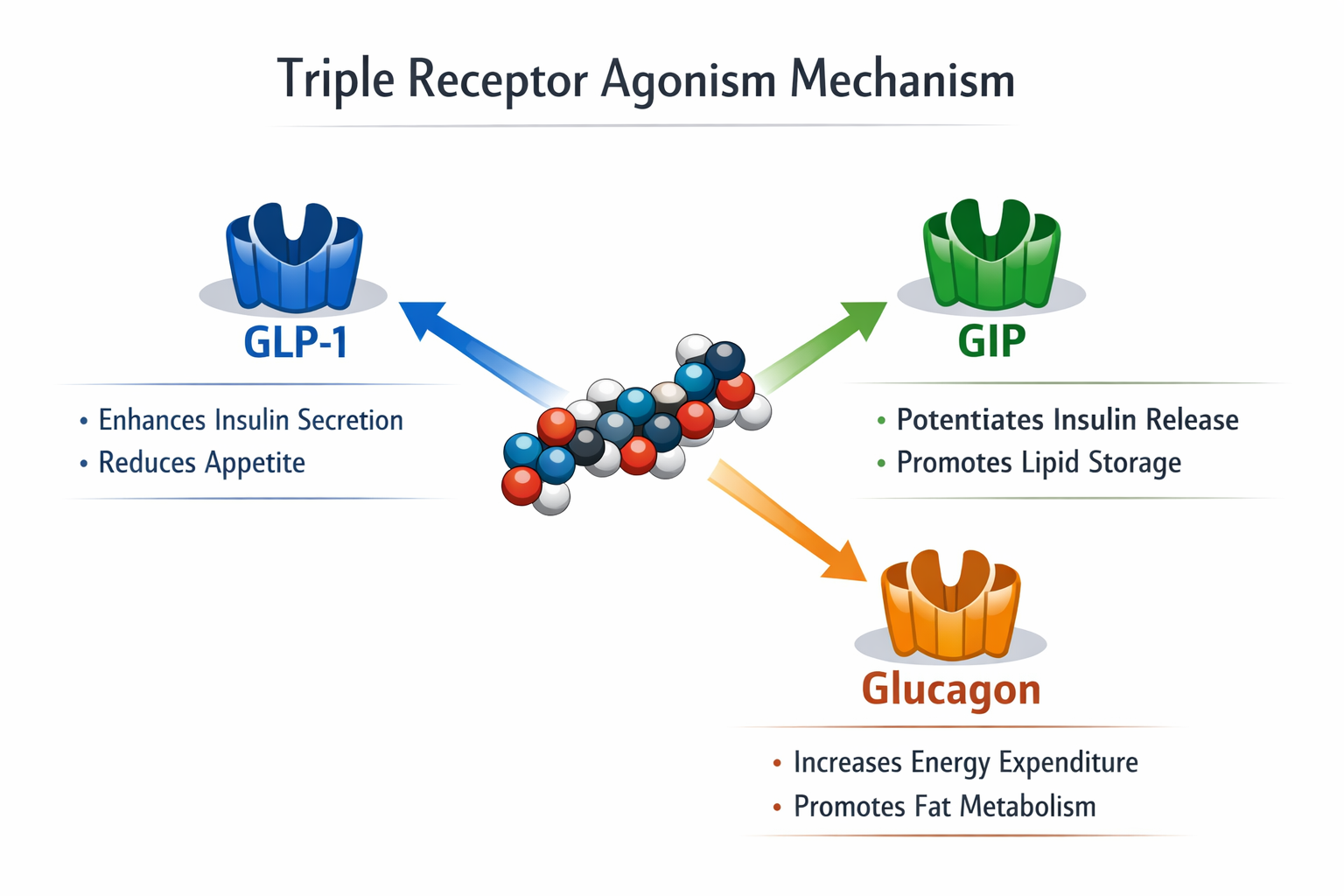
Glp3 Reta is a shorthand name used by peptide vendors for retatrutide (LY3437943), a synthetic peptide that simultaneously activates three incretin-related receptors: GLP-1 (glucagon-like peptide-1), GIP (glucose-dependent insulinotropic polypeptide), and the glucagon receptor. This triple-agonist design is what separates it from older single- and dual-agonist peptides.
Why three receptors matter for researchers:
- GLP-1 receptor activation has been linked to appetite regulation and insulin secretion in published preclinical models.
- GIP receptor activation appears to complement GLP-1 effects on glucose metabolism, based on dual-agonist trial data.
- Glucagon receptor activation is associated with increased energy expenditure and hepatic lipid metabolism in animal studies.
The combination creates a research compound that touches multiple metabolic pathways at once. For those exploring incretin research themes, Glp3 Reta represents a newer generation of multi-receptor peptides.
Common mistake: Confusing retatrutide with tirzepatide. Tirzepatide is a dual agonist (GLP-1 + GIP). Retatrutide adds glucagon receptor activity, which is a fundamentally different pharmacological profile.
Where to Find Verified Glp3 Reta Peptide for Sale in 2026
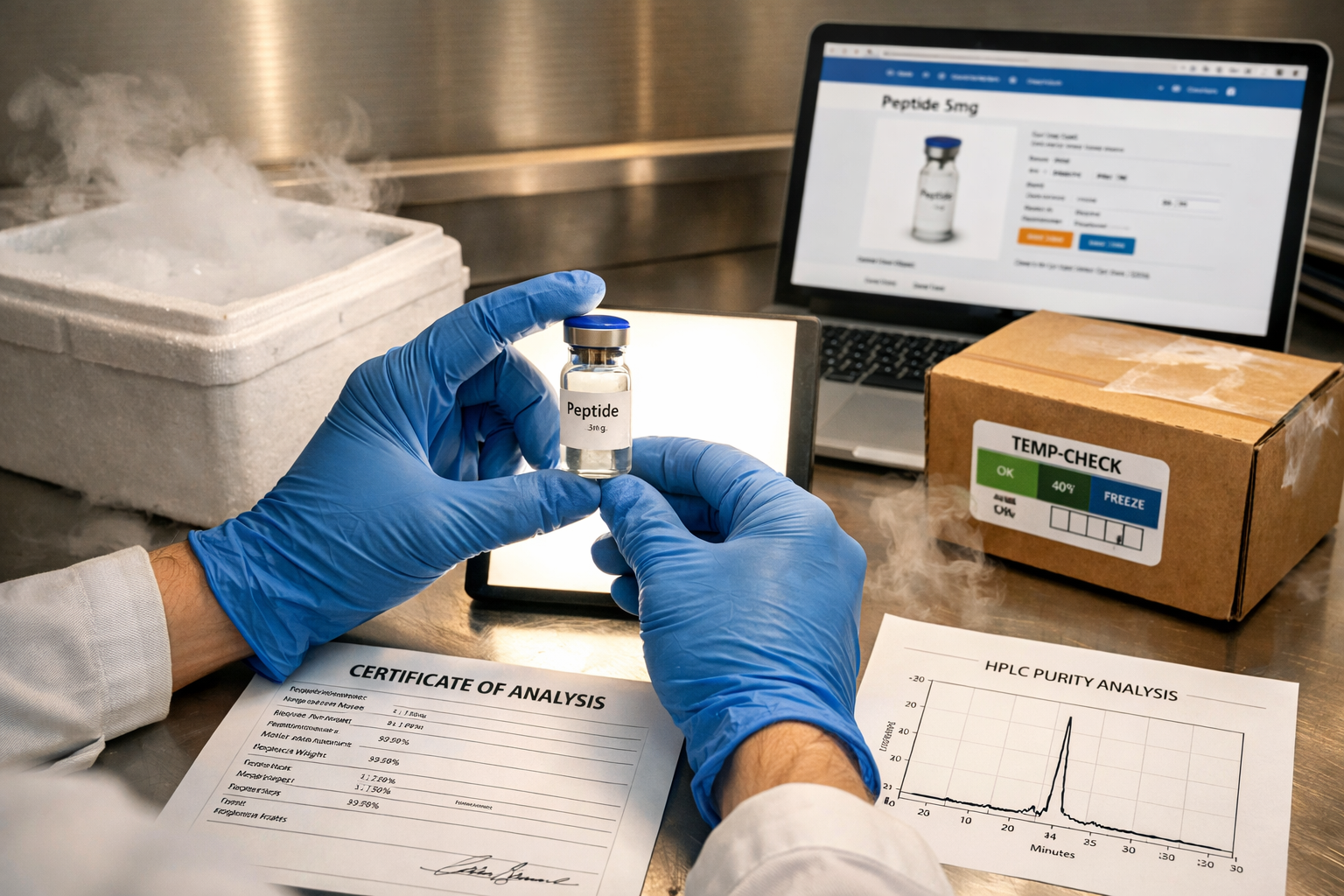
The most reliable sources for Glp3 Reta peptide for sale are specialized research peptide suppliers that publish batch-specific certificates of analysis. General supplement stores and unverified marketplace sellers should be avoided entirely.
What to check before buying:
| Criteria | What to Look For | Red Flag |
|---|---|---|
| Purity | ≥98% by HPLC | No COA provided or “purity not tested” |
| Form | Lyophilized (freeze-dried) powder | Pre-mixed liquid with no preservative info |
| Batch testing | Third-party lab, named facility | “Tested in-house” with no documentation |
| Shipping | Cold packs or dry ice for transit | Room-temperature shipping in summer |
| Labeling | “For research use only” clearly stated | Claims of therapeutic or clinical use |
Vendors like Pure Tested Peptides offer Glp3 Reta in 10 mg vials with published COAs. Checking their most popular products page can also help compare availability across their catalog.
Choose a vendor with published COAs if accuracy and reproducibility matter to your research. Choose a wholesale option if you need volume; some suppliers offer wholesale peptide pricing for qualified labs.
How Does Glp3 Reta Compare to Other Research Peptides?
Glp3 Reta’s triple-agonist profile makes it distinct from every other incretin-based research peptide currently available. Here’s a direct comparison:
| Compound | Receptor Targets | Agonist Type | Typical Research Focus |
|---|---|---|---|
| Semaglutide | GLP-1 | Single | Appetite, glucose metabolism |
| Tirzepatide | GLP-1 + GIP | Dual | Weight, insulin sensitivity |
| Retatrutide (Glp3 Reta) | GLP-1 + GIP + Glucagon | Triple | Multi-pathway metabolic research |
The glucagon receptor component is what makes Glp3 Reta especially interesting for researchers studying energy expenditure and liver fat. For broader context on dual-receptor research, see this breakdown of GLP-1 tirzepatide dual receptor agonism.
Edge case: Some researchers combine metabolic peptides with mitochondrial-targeted compounds like SS-31 or MOTS-c in separate study arms to compare energy metabolism outcomes. These are different mechanisms and should not be mixed without a clear protocol.
What Does Glp3 Reta Peptide for Sale Typically Cost?
Research-grade Glp3 Reta peptide for sale generally ranges from $50 to $150+ per 10 mg vial in 2026, depending on purity grade, vendor reputation, and order volume. Prices fluctuate based on raw synthesis costs and demand.
Factors that affect price:
- Purity level: 98%+ costs more to produce than 95% batches
- Vial size: 5 mg vials cost less per unit but more per milligram
- Volume discounts: Wholesale peptide orders can reduce per-vial cost by 15–30%
- Shipping method: Cold-chain shipping adds cost but protects product integrity
Decision rule: If budget is tight, don’t sacrifice purity for a lower price. A cheaper vial with 90% purity introduces unknown impurities that compromise research validity. Always prioritize lab-tested peptides with documented purity.
How Should Glp3 Reta Be Stored and Handled?
Proper storage is non-negotiable for maintaining peptide integrity. Lyophilized Glp3 Reta peptide should be stored at –20°C in its sealed vial until ready for reconstitution.
Storage checklist:
- Upon arrival: Inspect packaging for temperature indicator compliance, then transfer vial to a –20°C freezer immediately.
- Before reconstitution: Allow vial to reach room temperature gradually (about 15 minutes) to prevent condensation inside the vial.
- Reconstitution: Use bacteriostatic water or sterile saline per your research protocol. Add solvent slowly along the vial wall; do not shake.
- After reconstitution: Store at 2–8°C (standard refrigerator). Use within 2–4 weeks for best stability.
- Avoid repeated freeze-thaw cycles. Aliquot into smaller volumes if multiple uses are planned.
For researchers working with other sensitive compounds, similar handling applies to peptides like GHK-Cu and Epithalon. Consistent cold-chain discipline across your entire peptide inventory prevents costly degradation.
Visit the most popular products page for a broader look at available research peptides and their storage requirements.
Who Is Glp3 Reta Peptide Research Designed For?
This compound is designed for qualified researchers, academic labs, and independent investigators studying metabolic receptor signaling, body composition pathways, or incretin biology. It is not intended for self-administration or clinical use.
Appropriate use cases:
- In-vitro receptor binding assays
- Preclinical metabolic pathway studies
- Comparative studies against single- or dual-agonist peptides
- Academic research into glucagon receptor pharmacology
Not appropriate for: Personal use, athletic performance enhancement, or any clinical application without proper regulatory approval and oversight.
Researchers interested in triple agonist research planning can find additional protocol guidance and catalog navigation resources.
What Are Common Mistakes When Buying Glp3 Reta Peptide?
Five errors show up repeatedly among first-time peptide buyers:
- Skipping the COA review. Always download and read the certificate of analysis before placing an order. If a vendor won’t provide one, move on.
- Choosing the cheapest option. Low-cost peptides from unverified sources frequently fail independent purity testing.
- Ignoring shipping conditions. Peptides shipped without cold packs during warm months can degrade before arrival.
- Storing reconstituted peptide at room temperature. Even brief exposure accelerates degradation.
- Assuming all “Glp3 Reta” listings are identical. Synthesis quality varies between manufacturers. Look for vendors that reference best peptide manufacturer standards or third-party benchmarks.
Browse the most popular products catalog to compare how established vendors present testing documentation across their full product lines.
Frequently Asked Questions
Is Glp3 Reta the same as retatrutide?
Yes. “Glp3 Reta” is a vendor shorthand for retatrutide (LY3437943), the triple-agonist peptide developed by Eli Lilly. The names refer to the same compound.
Is Glp3 Reta peptide for sale legal to buy?
In the United States, research-grade peptides can be legally purchased for in-vitro and preclinical research. They are not approved for human therapeutic use. Regulations vary by country, so check local laws.
What purity should I look for?
A minimum of 98% purity by HPLC is the standard benchmark for research-grade peptides. Some vendors offer 99%+ for premium pricing.
How is Glp3 Reta different from semaglutide?
Semaglutide targets only the GLP-1 receptor. Glp3 Reta targets GLP-1, GIP, and glucagon receptors, making it a triple agonist with a broader receptor activation profile.
Can I combine Glp3 Reta with other peptides in research?
Researchers sometimes study multiple peptides in parallel arms. However, combining compounds in a single solution requires validated compatibility data. Consult published peptide blends research for methodology guidance.
What vial sizes are available?
Most vendors offer Glp3 Reta in 10 mg vials. Some also stock 5 mg options for smaller-scale studies.
How long does lyophilized Glp3 Reta last in storage?
When stored properly at –20°C in a sealed vial, lyophilized peptides typically maintain stability for 12–24 months. Always check the vendor’s stated expiration date.
Do I need special equipment to handle this peptide?
Basic lab supplies are sufficient: sterile syringes, bacteriostatic water, a –20°C freezer, and a standard refrigerator for reconstituted aliquots.
What is the role of the glucagon receptor in this peptide?
The glucagon receptor component is associated with increased energy expenditure and hepatic lipid oxidation in preclinical models, adding a metabolic dimension not present in GLP-1-only or GLP-1/GIP dual agonists.
Where can I learn more about related longevity peptides?
Explore longevity peptide research and NAD+ research with GLP-3 context for adjacent topics.
Conclusion
Finding verified Glp3 Reta peptide for sale in 2026 comes down to a straightforward checklist: confirm third-party purity testing, verify cold-chain shipping, review the certificate of analysis, and buy only from transparent vendors that label products for research use. The triple-agonist mechanism of retatrutide makes it one of the most closely watched compounds in metabolic peptide research, but that interest also means the market includes low-quality sellers alongside reputable ones.