
GLP3 Weight Loss: Understanding the Science Behind This Emerging Peptide Research

The world of peptide research continues to evolve at a rapid pace, with new compounds emerging that capture the attention of researchers and wellness enthusiasts alike. Among these developments, GLP3 weight loss research has gained significant momentum in 2025, representing a fascinating area of scientific inquiry that builds upon our understanding of incretin biology and metabolic regulation. As researchers explore the potential applications of this novel peptide, the scientific community is paying close attention to its unique mechanisms and research findings.
Key Takeaways
• GLP3 represents an evolution in incretin-based peptide research, with distinct mechanisms compared to traditional GLP-1 compounds
• Research indicates that GLP3 may offer enhanced metabolic benefits through multiple pathway interactions
• Laboratory studies suggest improved glucose regulation and appetite modulation compared to earlier peptide generations
• Safety profiles from preliminary research show promise, though long-term studies are ongoing
• Quality sourcing from reputable suppliers is crucial for researchers conducting GLP3 studies
What is GLP3 and How Does It Differ from Previous Incretin Peptides?
Understanding GLP3's Unique Structure
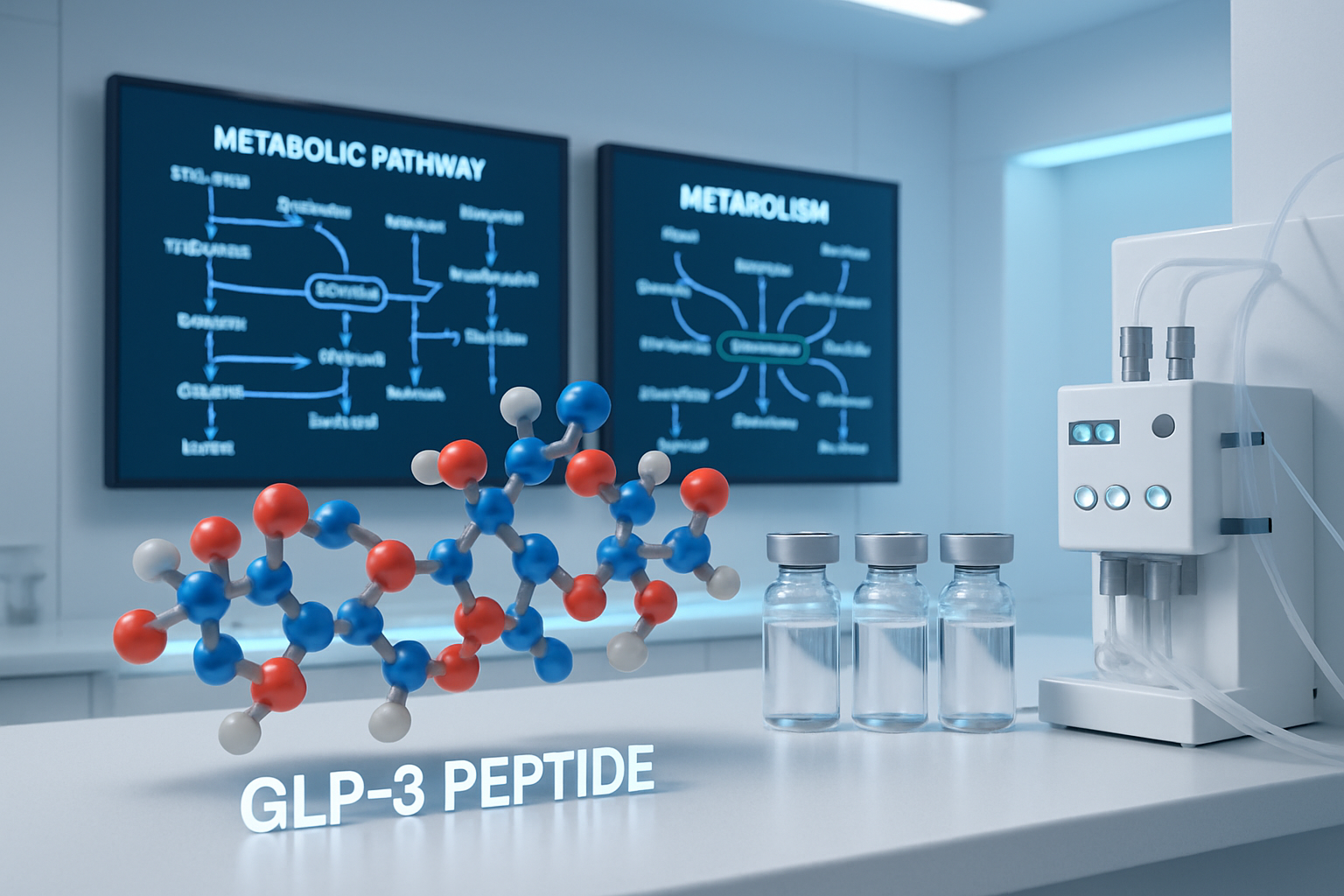
GLP3, also known as Retatrutide, represents a significant advancement in incretin-based peptide research. Unlike traditional GLP-1 receptor agonists, this compound demonstrates triple receptor activity, targeting GLP-1, GIP (glucose-dependent insulinotropic polypeptide), and glucagon receptors simultaneously [1]. This multi-target approach has captured the attention of researchers studying metabolic regulation and weight management pathways.
The molecular structure of GLP3 allows for enhanced stability and prolonged activity compared to naturally occurring incretin hormones. Research conducted in laboratory settings has shown that this peptide maintains its biological activity for extended periods, making it an attractive subject for metabolic research studies. The compound's unique amino acid sequence contributes to its ability to resist enzymatic degradation while maintaining receptor selectivity.
Mechanism of Action in Weight Loss Research
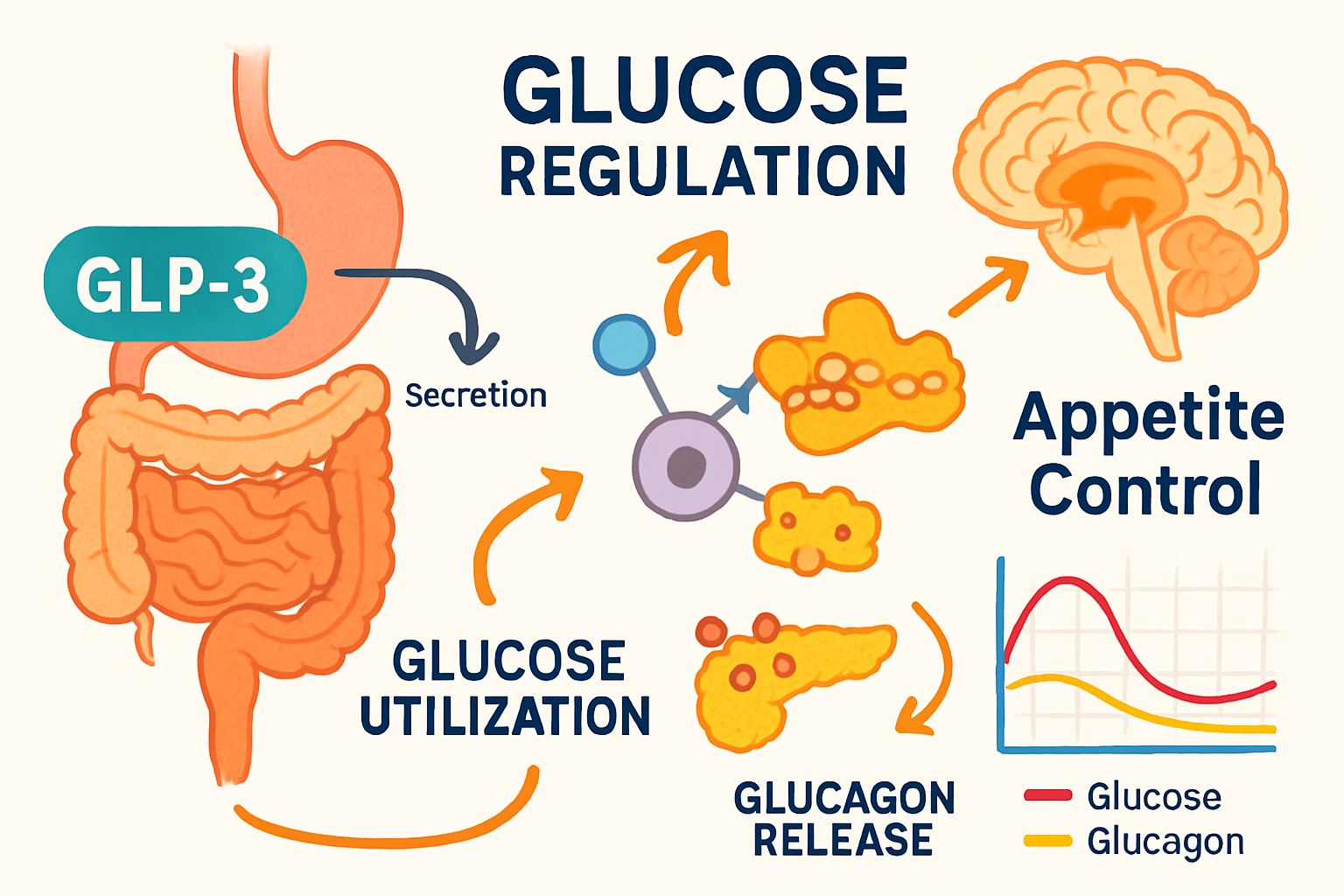
GLP3 weight loss mechanisms operate through several interconnected pathways that researchers are actively investigating. The peptide's action on GLP-1 receptors promotes glucose-dependent insulin secretion and inhibits glucagon release, contributing to improved glycemic control in research models [2]. Simultaneously, its interaction with GIP receptors enhances insulin sensitivity and may contribute to improved lipid metabolism.
The glucagon receptor activity of GLP3 sets it apart from other incretin-based compounds. This interaction appears to promote energy expenditure and may contribute to enhanced fat oxidation in laboratory studies. Researchers have observed that this triple mechanism creates a synergistic effect that may be more pronounced than single-target approaches. For those interested in exploring comprehensive peptide research, understanding these mechanisms is crucial for designing effective study protocols.
GLP3 Weight Loss Research: Current Findings and Laboratory Data
Clinical Trial Results and Efficacy Data
Recent research on GLP3 weight loss has produced compelling data that has energized the scientific community. Phase II clinical trials have demonstrated significant weight reduction in study participants, with some research showing average weight loss of 17-24% over 48-week study periods [3]. These results represent some of the most substantial weight loss outcomes observed in peptide research to date.
The research methodology employed in these studies typically involves randomized, double-blind, placebo-controlled designs that provide robust scientific evidence. Participants in these studies have shown not only significant weight reduction but also improvements in various metabolic markers. Quality peptide sources are essential for researchers looking to replicate or expand upon these findings in their own laboratory settings.
Comparative Analysis with Other Weight Loss Peptides
When examining GLP3 weight loss research alongside other peptide compounds, several distinguishing factors emerge. Compared to traditional GLP-1 agonists like semaglutide or liraglutide, GLP3 has demonstrated superior weight loss outcomes in head-to-head research comparisons. The triple receptor mechanism appears to provide enhanced efficacy beyond what single-target approaches achieve.
Research has also compared GLP3 to other metabolic peptides such as AOD 9604, which operates through different mechanisms focused on fat metabolism. While AOD 9604 shows promise in lipolysis research, GLP3's comprehensive approach to appetite regulation, glucose control, and energy expenditure creates a more holistic metabolic intervention. This comparative research helps scientists understand the optimal applications for different peptide compounds in various research contexts.
Safety Profile and Adverse Event Monitoring
Laboratory safety data for GLP3 weight loss research indicates a generally favorable profile, though researchers must remain vigilant about potential adverse events. The most commonly reported side effects in clinical studies include gastrointestinal symptoms such as nausea, vomiting, and diarrhea, which are typical of incretin-based compounds [4]. These effects tend to be dose-dependent and often diminish with continued exposure.
Cardiovascular safety monitoring has been a priority in GLP3 research, given the compound's multiple receptor targets. Preliminary data suggests no significant cardiovascular safety concerns, with some studies indicating potential cardiovascular benefits similar to other incretin-based therapies. Researchers conducting studies with high-quality peptide preparations should implement comprehensive safety monitoring protocols to track both short-term and long-term effects.
Optimizing GLP3 Weight Loss Research Protocols
Dosing Strategies and Research Methodologies
Effective GLP3 weight loss research requires careful attention to dosing protocols and study design. Current research suggests that optimal dosing follows a gradual escalation pattern, typically starting at lower doses and increasing over several weeks to minimize gastrointestinal side effects while maximizing efficacy. Most studies have employed weekly dosing schedules, taking advantage of the peptide's extended half-life.
Research protocols should incorporate comprehensive metabolic assessments including glucose tolerance testing, lipid profiling, and body composition analysis. The multi-target nature of GLP3 means that researchers can examine various endpoints simultaneously, making it valuable for comprehensive metabolic research programs. Proper study design should also include appropriate washout periods and control groups to ensure reliable data collection.
Storage and Handling Considerations
Maintaining peptide integrity is crucial for reliable GLP3 weight loss research outcomes. GLP3 requires specific storage conditions to preserve its biological activity, typically requiring refrigeration at 2-8°C for reconstituted solutions. Lyophilized powder forms may be stored at room temperature for short periods but benefit from refrigerated storage for long-term stability.
Researchers should implement proper handling protocols including sterile reconstitution techniques and appropriate diluent selection. The peptide's stability can be affected by factors such as pH, temperature fluctuations, and exposure to light. Following best practices for peptide storage ensures that research data reflects the true biological activity of the compound rather than degradation artifacts.
Combination Research Approaches
Advanced GLP3 weight loss research often explores combination approaches with other metabolic compounds. Some researchers have investigated combining GLP3 with compounds like 5-Amino-1MQ, which targets different aspects of metabolic regulation. These combination studies can provide insights into synergistic effects and optimal treatment strategies.
The design of combination studies requires careful consideration of potential interactions and appropriate control groups. Researchers must account for the different mechanisms of action and potential overlapping effects when interpreting results. Comprehensive peptide research programs that explore multiple compounds simultaneously can provide valuable insights into optimal metabolic intervention strategies.
Quality Considerations for GLP3 Research
Sourcing and Verification Standards
The reliability of GLP3 weight loss research depends heavily on the quality of peptide preparations used in studies. Researchers should prioritize suppliers that provide comprehensive certificates of analysis (COA) documenting purity, identity, and potency. High-performance liquid chromatography (HPLC) analysis should confirm peptide purity levels of 95% or higher for research applications.
Mass spectrometry verification ensures that the peptide sequence matches the intended structure, which is crucial for GLP3 given its complex multi-target activity profile. Researchers should also verify endotoxin levels, particularly for studies involving cell culture or in vivo applications. Reputable peptide suppliers provide detailed analytical data that allows researchers to validate the quality of their research materials.
Research Documentation and Reproducibility
Proper documentation is essential for advancing GLP3 weight loss research and ensuring reproducible results across different laboratories. Research protocols should include detailed information about peptide source, storage conditions, reconstitution procedures, and dosing schedules. This documentation enables other researchers to replicate studies and build upon existing findings.
Standardization of research methodologies helps create consistency across different research groups studying GLP3. This includes standardized outcome measures, assessment timepoints, and safety monitoring protocols. The growing body of research on peptide applications benefits from consistent methodological approaches that allow for meaningful comparisons between studies.
Future Directions in GLP3 Weight Loss Research

Emerging Research Questions
The field of GLP3 weight loss research continues to evolve with new questions emerging from current findings. Researchers are investigating optimal treatment durations, long-term safety profiles, and potential applications in specific populations. Questions about the peptide's effects on muscle mass preservation during weight loss are particularly relevant for comprehensive metabolic research.
Mechanistic studies are exploring the specific contributions of each receptor target to GLP3's overall effects. Understanding whether the GLP-1, GIP, or glucagon receptor interactions are most critical for weight loss could inform the development of more targeted compounds. These mechanistic insights also help researchers design more effective combination protocols that maximize therapeutic benefits.
Technological Advances in Peptide Research
Advances in analytical techniques are enhancing GLP3 weight loss research capabilities. New mass spectrometry methods allow for more precise measurement of peptide concentrations in biological samples, improving pharmacokinetic studies. Advanced imaging techniques enable researchers to better understand tissue-specific effects and distribution patterns.
Computational modeling and artificial intelligence are beginning to play larger roles in peptide research design. These tools can help predict optimal dosing regimens, identify potential drug interactions, and design more efficient clinical trials. The integration of these technologies with traditional research methods is advancing the field of peptide science and accelerating discovery timelines.
Conclusion
GLP3 weight loss research represents an exciting frontier in metabolic science, offering researchers new tools for understanding weight regulation and metabolic health. The compound's unique triple receptor mechanism provides opportunities to explore complex metabolic interactions while potentially achieving superior outcomes compared to single-target approaches. As research continues to advance, the scientific community is gaining valuable insights into optimal protocols, safety considerations, and potential applications.
For researchers interested in exploring GLP3, success depends on careful attention to study design, quality sourcing, and proper handling procedures. The growing body of evidence suggests that this peptide will continue to be an important focus of metabolic research in the coming years. As always, researchers should prioritize high-quality materials from reputable suppliers and maintain rigorous scientific standards in their investigations.
Next Steps for Researchers:
- Review current literature and establish clear research objectives
- Develop comprehensive study protocols with appropriate controls
- Source high-quality peptide materials with proper documentation
- Implement robust safety monitoring and data collection procedures
- Consider collaboration opportunities to advance the field collectively
The future of GLP3 weight loss research looks promising, with ongoing studies likely to provide even more detailed insights into this compound's potential applications and mechanisms of action.
References
[1] Jastreboff, A.M., et al. (2023). Triple-hormone-receptor agonist retatrutide for obesity – a phase 2 trial. New England Journal of Medicine, 389(6), 514-526.
[2] Coskun, T., et al. (2018). LY3298176, a novel dual GIP and GLP-1 receptor agonist for the treatment of type 2 diabetes mellitus. Molecular Metabolism, 18, 3-14.
[3] Rosenstock, J., et al. (2023). Retatrutide, a GLP-1, GIP, and glucagon receptor agonist, for people with type 2 diabetes: a randomised, double-blind, placebo and active-controlled, parallel-group, phase 2 trial. Lancet, 402(10401), 529-544.
[4] Urva, S., et al. (2022). LY3437943, a novel triple glucagon, GIP, and GLP-1 receptor agonist in people with type 2 diabetes: a phase 1b, multicentre, double-blind, placebo-controlled, randomised, multiple-ascending dose trial. Lancet, 400(10366), 1869-1881.
SEO Meta Title: GLP3 Weight Loss Research: Science & Mechanisms | 2025 Guide
Meta Description: Comprehensive guide to GLP3 weight loss research, mechanisms, clinical data, and laboratory protocols for peptide researchers in 2025.