
Hexarelin vs Ipamorelin Research Calculator
Compare dosing requirements and research parameters
Research Parameters
Hexarelin Peptide vs Ipamorelin: Complete Research Comparison Guide for 2026
The world of peptide research has exploded in 2026, with growth hormone releasing peptides (GHRPs) leading the charge in scientific investigations. Among the most studied compounds, the Hexarelin peptide vs Ipamorelin debate continues to captivate researchers, fitness enthusiasts, and medispas seeking to understand these powerful synthetic peptides.
Key Takeaways
• Hexarelin is a more potent GHRP with stronger growth hormone release but higher side effect potential
• Ipamorelin offers selective ghrelin receptor activation with fewer unwanted effects on cortisol and prolactin
• Dosage protocols differ significantly between the two peptides, with Ipamorelin requiring more frequent administration
• Research applications vary based on study objectives, with Hexarelin favored for intensive GH studies
• Safety profiles show Ipamorelin has a cleaner side effect profile for long-term research
Pure Tested Peptides provides comprehensive research-grade peptides for scientific investigation, ensuring researchers have access to quality compounds for their studies.
Understanding Growth Hormone Releasing Peptides (GHRPs)
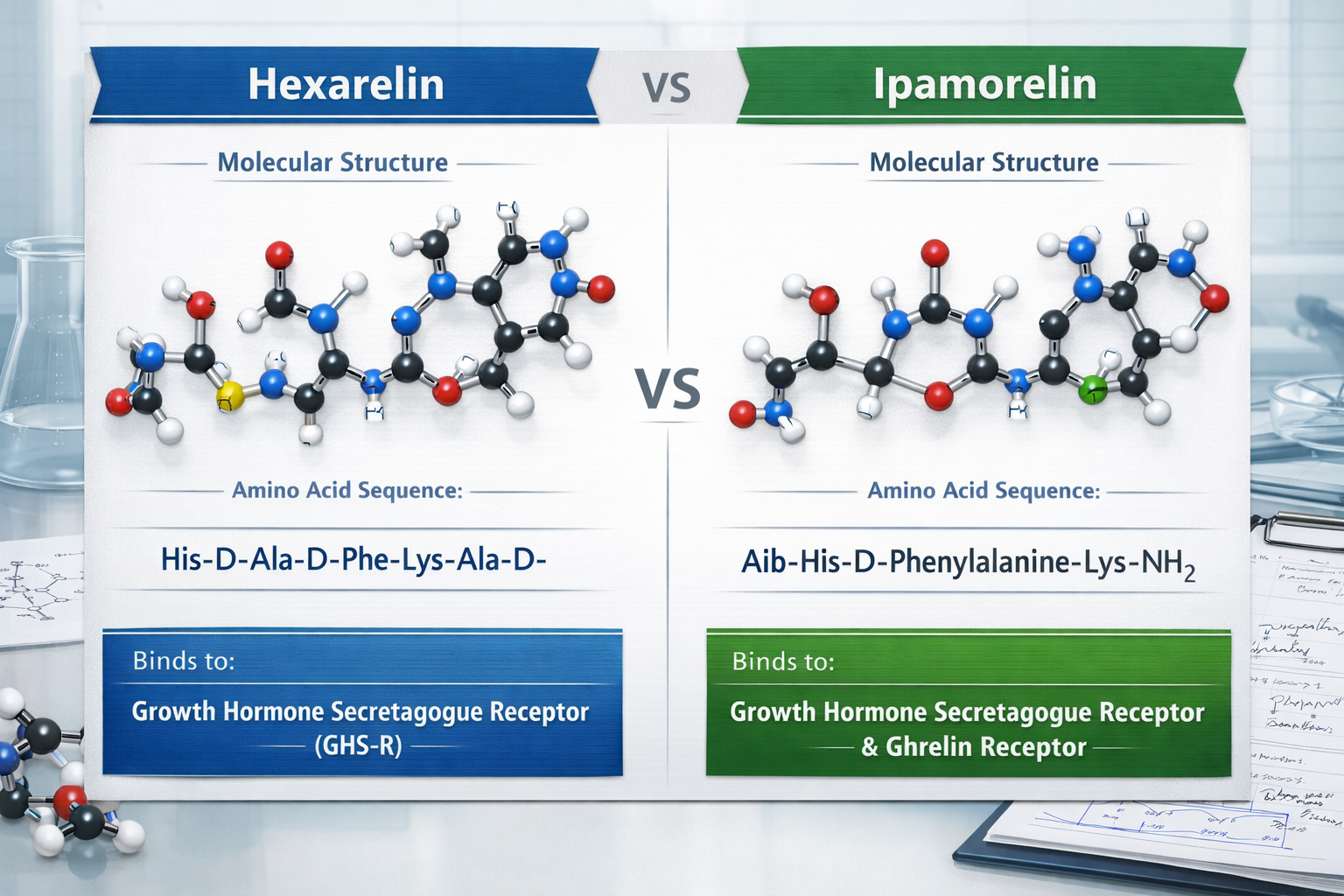
Growth hormone releasing peptides represent a fascinating class of synthetic compounds designed to stimulate the natural release of growth hormone from the pituitary gland. These peptides work by mimicking the action of ghrelin, the “hunger hormone,” which plays a crucial role in growth hormone regulation.
What Makes GHRPs Unique?
GHRPs operate through specific receptor pathways, primarily targeting the growth hormone secretagogue receptor (GHS-R). This mechanism allows for controlled stimulation of growth hormone release without directly introducing external growth hormone into the system.
The research landscape for GHRPs has expanded dramatically, with studies focusing on:
- Growth hormone deficiency investigations
- Metabolic research applications
- Aging-related hormone decline studies
- Body composition research protocols
When comparing Hexarelin peptide vs Ipamorelin, researchers must consider the distinct receptor selectivity and potency profiles of each compound. Both peptides belong to the GHRP family but demonstrate unique characteristics that make them suitable for different research applications.
All peptides for sale through reputable suppliers undergo rigorous testing to ensure purity and consistency for research purposes.
Hexarelin Peptide: Mechanism and Research Profile
Hexarelin stands as one of the most potent growth hormone releasing peptides available for research. This synthetic hexapeptide demonstrates remarkable efficacy in stimulating growth hormone release, making it a valuable tool for intensive research protocols.
Molecular Structure and Action
Hexarelin’s molecular formula (C47H58N12O6) creates a stable compound that resists degradation better than many natural peptides. The peptide’s structure allows for:
- High receptor affinity: Strong binding to GHS-R receptors
- Rapid onset: Quick activation of growth hormone release
- Sustained effect: Longer-lasting stimulation compared to some alternatives
- Multiple pathways: Activation of both growth hormone and ghrelin pathways
Research Applications and Findings
Scientific studies have explored Hexarelin’s potential in various research contexts. The peptide demonstrates consistent growth hormone elevation in controlled studies, with some research showing:
- Growth hormone increases of 6-10 fold above baseline
- Sustained elevation lasting 2-4 hours post-administration
- Dose-dependent response patterns
- Consistent reproducibility across study populations
Hexarelin vs Other GHRPs
When researchers examine GHRP-6 peptide vs hexarelin, they often find Hexarelin provides more potent growth hormone stimulation with less impact on hunger responses. This selectivity makes Hexarelin particularly valuable for studies focused specifically on growth hormone pathways.
The peptide’s potency comes with considerations for research design. Higher potency means researchers can use smaller doses while achieving significant physiological responses, but it also requires more careful monitoring of study parameters.
Applied wellness research with peptides continues to reveal new applications for compounds like Hexarelin in controlled research environments.
Ipamorelin: The Selective GHRP Alternative
Ipamorelin represents a more refined approach to growth hormone releasing peptide research. Often called the “cleanest” GHRP, Ipamorelin offers researchers a compound with high selectivity and minimal off-target effects.
Selective Receptor Activation
What sets Ipamorelin apart in the Hexarelin peptide vs Ipamorelin comparison is its remarkable selectivity. Unlike broader-acting GHRPs, Ipamorelin specifically targets growth hormone release without significantly affecting:
- Cortisol levels
- Prolactin secretion
- ACTH (adrenocorticotropic hormone) release
- Aldosterone production
This selectivity makes Ipamorelin particularly valuable for research requiring minimal confounding variables.
Research Characteristics
Ipamorelin’s research profile shows:
- Moderate potency: 2-3 fold growth hormone increases
- Clean profile: Minimal side effects in studies
- Flexible dosing: Wide therapeutic window for research
- Stable response: Consistent effects across study periods
Dosage and Administration in Research
Research protocols typically employ Ipamorelin in smaller, more frequent doses compared to Hexarelin. Common research parameters include:
- Dosage range: 200-300 mcg per administration
- Frequency: 2-3 times daily in studies
- Timing: Often administered on empty stomach for optimal absorption
- Duration: Study periods ranging from weeks to months
The peptide’s gentler profile allows for longer research periods without the tolerance issues sometimes observed with more potent GHRPs.
Best peptide kits for beginner researchers often include Ipamorelin due to its forgiving nature and predictable research outcomes.
Direct Comparison: Hexarelin Peptide vs Ipamorelin
The Hexarelin peptide vs Ipamorelin debate centers on balancing potency against selectivity. Each peptide offers distinct advantages depending on research objectives and study design requirements.
Potency and Efficacy
| Aspect | Hexarelin | Ipamorelin |
|---|---|---|
| GH Release Magnitude | 6-10x baseline | 2-3x baseline |
| Onset Time | 15-30 minutes | 30-45 minutes |
| Duration | 2-4 hours | 2-3 hours |
| Receptor Selectivity | Moderate | High |
Research Intensity Requirements
Hexarelin suits research requiring:
- Maximum growth hormone stimulation
- Shorter study periods with intense protocols
- Studies examining peak GH response
- Research comparing high-potency interventions
Ipamorelin works better for:
- Long-term research protocols
- Studies requiring minimal confounding factors
- Research examining sustained, moderate GH elevation
- Investigations focusing on safety profiles
Side Effect Profiles in Research
The safety comparison reveals significant differences:
Hexarelin Considerations:
- Potential cortisol elevation in some studies
- Possible prolactin increases
- Tolerance development with extended use
- More pronounced physiological responses
Ipamorelin Advantages:
- Minimal cortisol impact
- No significant prolactin elevation
- Reduced tolerance development
- Cleaner research data with fewer variables
All peptides for sale include detailed research guidelines to help investigators choose appropriate compounds for their specific study requirements.
Cost-Effectiveness in Research
Budget considerations often influence peptide selection:
- Hexarelin: Higher potency may require smaller quantities
- Ipamorelin: Longer study periods may require larger total amounts
- Dosing frequency: Ipamorelin’s multiple daily doses vs. Hexarelin’s less frequent administration
Research Applications and Study Design Considerations
Choosing between Hexarelin peptide vs Ipamorelin requires careful consideration of research objectives, study duration, and desired outcomes. Each peptide offers unique advantages for specific research applications.
Optimal Research Scenarios
Hexarelin Research Applications:
- Short-term intensive growth hormone studies (2-6 weeks)
- Peak response investigations
- Comparative efficacy studies requiring maximum stimulation
- Research examining dose-response relationships
- Studies investigating rapid physiological changes
Ipamorelin Research Applications:
- Long-term safety and efficacy studies (8+ weeks)
- Research requiring stable, consistent responses
- Studies examining sustained moderate GH elevation
- Investigations into peptide tolerance and adaptation
- Research focused on minimal confounding variables
Study Design Protocols
When comparing GHRP-2 peptide vs serm or other peptide combinations, researchers often use similar design principles that apply to the Hexarelin vs Ipamorelin decision:
Baseline Establishment:
- Pre-study growth hormone level assessment
- Comprehensive metabolic panel evaluation
- Baseline body composition measurements
- Sleep pattern documentation
Administration Protocols:
- Standardized injection timing relative to meals
- Consistent sleep schedule maintenance
- Regular monitoring intervals
- Documented response tracking
Baseline trends and data quality considerations become crucial when designing studies comparing these peptides.
Monitoring and Assessment
Research protocols require comprehensive monitoring strategies:
Growth Hormone Measurement:
- Serum GH levels at multiple time points
- IGF-1 tracking for sustained effects
- Peak response timing documentation
- Area under the curve calculations
Safety Monitoring:
- Regular cortisol level assessment
- Prolactin monitoring (especially with Hexarelin)
- Blood glucose tracking
- Blood pressure monitoring
Efficacy Markers:
- Body composition changes
- Sleep quality assessments
- Recovery marker evaluation
- Subjective response documentation
All peptides for sale include comprehensive research protocols to guide proper study design and implementation.
Safety Profiles and Research Considerations
Understanding the safety profiles of both peptides is crucial for responsible research design. The Hexarelin peptide vs Ipamorelin safety comparison reveals important differences that influence study protocols.
Hexarelin Safety Profile
Research with Hexarelin has identified several considerations:
Common Observations:
- Transient injection site reactions
- Possible cortisol elevation in sensitive subjects
- Potential prolactin increases with higher doses
- Tolerance development with extended use
Research Precautions:
- Regular hormone panel monitoring
- Careful dose escalation protocols
- Limited study duration recommendations
- Enhanced subject screening requirements
Ipamorelin Safety Advantages
Ipamorelin’s cleaner profile offers research benefits:
Minimal Side Effects:
- Rare injection site reactions
- No significant cortisol impact
- Minimal prolactin elevation
- Reduced tolerance development
Research Benefits:
- Longer study periods possible
- Reduced monitoring requirements
- Lower dropout rates in studies
- Cleaner data interpretation
Contraindications and Screening
Both peptides require careful subject screening:
Exclusion Criteria:
- Active malignancies
- Uncontrolled diabetes
- Severe cardiovascular disease
- Pregnancy or nursing (in applicable studies)
- Current growth hormone therapy
Enhanced Screening for Hexarelin:
- Detailed endocrine history
- Prolactin level assessment
- Cortisol rhythm evaluation
- Stress response testing
Best oral peptides research often provides alternative options for subjects who cannot participate in injection-based studies.
Long-term Research Considerations
Extended research periods require additional safety measures:
Monitoring Protocols:
- Monthly comprehensive metabolic panels
- Quarterly hormone assessments
- Regular cardiovascular evaluations
- Ongoing adverse event documentation
Study Modification Criteria:
- Predetermined stopping rules
- Dose adjustment protocols
- Subject withdrawal criteria
- Safety review board oversight
The choice between Hexarelin peptide vs Ipamorelin often comes down to balancing research intensity needs against safety considerations and study duration requirements.
Dosage Protocols and Administration Guidelines
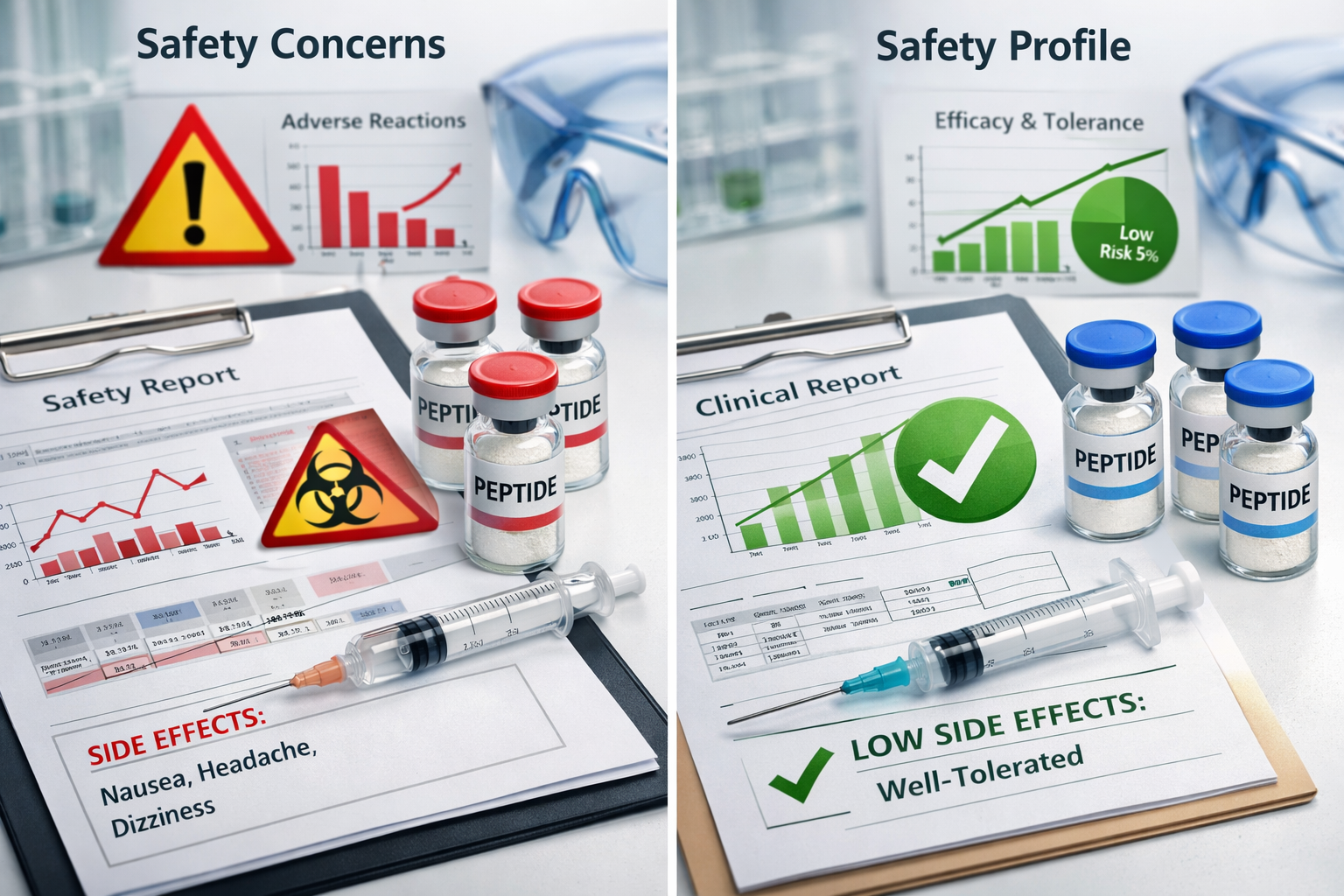
Proper dosing represents a critical factor in the Hexarelin peptide vs Ipamorelin comparison. Each peptide requires distinct administration protocols to achieve optimal research outcomes while maintaining safety standards.
Hexarelin Dosing Protocols
Research-grade Hexarelin typically follows these parameters:
Standard Research Dosing:
- Initial dose: 100-200 mcg per administration
- Frequency: 1-2 times daily
- Timing: On empty stomach, 30 minutes before meals
- Duration: 4-8 week study periods with breaks
Advanced Research Protocols:
- Higher intensity: 200-300 mcg per dose
- Frequency: Twice daily maximum
- Cycling: 5 days on, 2 days off patterns
- Monitoring: Enhanced safety oversight required
Ipamorelin Administration Guidelines
Ipamorelin’s gentler profile allows for different dosing strategies:
Standard Research Parameters:
- Initial dose: 200-300 mcg per administration
- Frequency: 2-3 times daily
- Timing: Before meals and bedtime
- Duration: 8-16 week study periods possible
Flexible Dosing Options:
- Conservative approach: 100-200 mcg three times daily
- Intensive protocols: 300-400 mcg twice daily
- Extended studies: Lower doses for longer periods
- Maintenance phases: Reduced frequency protocols
Reconstitution and Storage
Both peptides require proper preparation and storage:
Reconstitution Standards:
- Use bacteriostatic water for injection
- Standard concentration: 1-2 mg per mL
- Gentle mixing to avoid degradation
- Sterile technique throughout process
Storage Requirements:
- Lyophilized powder: -20°C long-term storage
- Reconstituted solution: 2-8°C refrigeration
- Protection from light and heat
- Maximum 30-day use after reconstitution
All peptides for sale include detailed reconstitution and storage guidelines to ensure peptide integrity throughout research studies.
Injection Technique and Site Rotation
Proper administration technique ensures consistent results:
Injection Guidelines:
- Subcutaneous administration preferred
- Insulin syringes for accurate dosing
- Site rotation to prevent tissue irritation
- Proper disposal of medical waste
Common Injection Sites:
- Abdominal area (most common)
- Upper thigh regions
- Upper arm locations (with assistance)
- Rotation schedule to prevent complications
Timing Considerations
The Hexarelin peptide vs Ipamorelin timing strategies differ significantly:
Hexarelin Timing:
- Morning administration for peak response
- Pre-workout timing in exercise studies
- Avoid administration near meals
- Consider cortisol rhythm interactions
Ipamorelin Timing:
- Multiple daily doses for sustained effect
- Bedtime administration for sleep studies
- Pre-meal timing for metabolic research
- Flexible scheduling due to clean profile
Best peptide kits for beginner researchers often include comprehensive administration guides to ensure proper technique and timing.
Comparative Research Outcomes and Data
Analyzing research outcomes helps clarify the Hexarelin peptide vs Ipamorelin debate through evidence-based comparisons. Scientific studies provide valuable insights into the practical differences between these peptides.
Growth Hormone Response Data
Research comparing both peptides reveals distinct response patterns:
Hexarelin Response Characteristics:
- Peak GH levels: 15-40 ng/mL (study dependent)
- Time to peak: 30-60 minutes post-injection
- Duration of elevation: 2-4 hours
- Dose-response relationship: Strong correlation
Ipamorelin Response Profile:
- Peak GH levels: 8-20 ng/mL (study dependent)
- Time to peak: 45-90 minutes post-injection
- Duration of elevation: 2-3 hours
- Consistency: More predictable responses across subjects
Study Duration and Tolerance
Long-term research reveals important differences:
Hexarelin Tolerance Patterns:
- Significant response reduction after 4-6 weeks
- Desensitization of GHS receptors observed
- Recovery period required between study phases
- Dose escalation often necessary
Ipamorelin Sustained Response:
- Minimal tolerance development over 12+ weeks
- Consistent response maintenance
- No significant receptor desensitization
- Stable dosing throughout study periods
Comparative Efficacy Studies
Direct comparison studies provide valuable insights:
Head-to-Head Research Findings:
- Hexarelin produces 2-3x higher peak GH levels
- Ipamorelin shows more consistent day-to-day responses
- Subject preference often favors Ipamorelin due to fewer side effects
- Research completion rates higher with Ipamorelin protocols
When comparing serm vs CJC-1295 or other peptide combinations, similar patterns of potency versus tolerability emerge.
Metabolic Research Outcomes
Both peptides demonstrate metabolic research applications:
Body Composition Studies:
- Hexarelin: Rapid initial changes, plateau effects
- Ipamorelin: Gradual, sustained improvements
- Combined protocols: Some studies explore sequential use
Sleep Quality Research:
- Both peptides show sleep improvement potential
- Ipamorelin demonstrates more consistent sleep benefits
- Timing of administration affects sleep outcomes
Applied wellness research with peptides continues to explore optimal protocols for both peptides in various research contexts.
Cost-Effectiveness Analysis
Research budget considerations influence peptide selection:
Economic Factors:
- Hexarelin: Higher potency may reduce total peptide requirements
- Ipamorelin: Longer study periods may increase total costs
- Monitoring costs: Hexarelin requires more intensive oversight
- Completion rates: Ipamorelin’s better tolerability reduces study dropouts
Publication and Research Quality
The quality of research data varies between peptides:
Research Advantages:
- Hexarelin: Clear, dramatic responses easier to measure
- Ipamorelin: Cleaner data with fewer confounding variables
- Study design: Each peptide suits different research questions
- Reproducibility: Ipamorelin shows more consistent inter-study results
All peptides for sale include access to research databases and study protocols to support high-quality research design.
Choosing Between Hexarelin and Ipamorelin for Research
The decision in the Hexarelin peptide vs Ipamorelin comparison ultimately depends on specific research objectives, study constraints, and desired outcomes. Each peptide serves distinct research purposes.
Research Objective Alignment
Choose Hexarelin When:
- Maximum growth hormone response is required
- Short-term, intensive studies are planned
- Peak response measurement is the primary endpoint
- Comparing high-potency interventions
- Rapid proof-of-concept studies are needed
Choose Ipamorelin When:
- Long-term safety and efficacy data is required
- Minimal confounding variables are essential
- Sustained, moderate responses are preferred
- Subject comfort and compliance are priorities
- Clean research data is paramount
Practical Research Considerations
Study Duration Requirements:
- Short-term (2-6 weeks): Hexarelin often preferred for intensity
- Medium-term (6-12 weeks): Either peptide suitable with proper protocols
- Long-term (12+ weeks): Ipamorelin strongly recommended
Subject Population Factors:
- Research-naive subjects: Ipamorelin offers gentler introduction
- Experienced research participants: May tolerate Hexarelin protocols
- Sensitive populations: Ipamorelin provides safer profile
- Intensive research settings: Hexarelin may be appropriate
Resource and Infrastructure Needs
Monitoring Requirements:
- Hexarelin studies: Enhanced safety monitoring, frequent assessments
- Ipamorelin studies: Standard monitoring protocols sufficient
- Budget considerations: Factor in monitoring costs and dropout rates
- Staff training: Hexarelin requires more specialized oversight
Regulatory and Ethical Considerations
Both peptides require appropriate oversight:
Research Ethics:
- Comprehensive informed consent processes
- Regular safety review board oversight
- Clear risk-benefit communication
- Appropriate subject selection criteria
Quality Assurance:
- Source verification from reputable suppliers
- Certificate of analysis review
- Proper storage and handling protocols
- Documentation of peptide integrity
All peptides for sale through established suppliers include comprehensive documentation to support research compliance and quality assurance.
Future Research Directions
The Hexarelin peptide vs Ipamorelin landscape continues evolving:
Emerging Research Areas:
- Combination protocols using both peptides
- Personalized dosing based on genetic factors
- Novel administration methods and timing
- Long-term safety database development
Technology Integration:
- Continuous monitoring systems
- Automated dosing protocols
- Real-time response tracking
- Data analytics for protocol optimization
Conclusion
The Hexarelin peptide vs Ipamorelin comparison reveals two distinct research tools, each with unique advantages for specific applications. Hexarelin offers powerful, rapid growth hormone stimulation ideal for short-term, intensive research protocols, while Ipamorelin provides a cleaner, more sustainable option for extended studies requiring minimal side effects.
Research success depends on matching peptide characteristics to study objectives. Hexarelin’s potency makes it valuable for proof-of-concept studies and maximum response investigations, but its side effect profile limits long-term applications. Ipamorelin’s selective action and excellent tolerability support extended research periods and complex study designs requiring stable, predictable responses.
Key Decision Factors:
- Study duration: Short-term favors Hexarelin, long-term favors Ipamorelin
- Response intensity: Maximum stimulation requires Hexarelin
- Safety profile: Clean data demands Ipamorelin
- Subject compliance: Tolerability advantages with Ipamorelin
- Monitoring resources: Hexarelin requires enhanced oversight
Next Steps for Researchers:
- Define research objectives clearly before peptide selection
- Assess study duration and intensity requirements
- Evaluate monitoring capabilities and safety protocols
- Consider subject population characteristics and preferences
- Review budget implications including monitoring and completion rates
- Consult with experienced researchers who have used both peptides
- Source high-quality peptides from reputable suppliers with proper documentation
[WordPress Shortcode: product_list_slider]
The choice between these peptides should align with research goals, available resources, and ethical considerations. Both Hexarelin and Ipamorelin contribute valuable data to the growing body of peptide research, with each serving distinct roles in advancing our understanding of growth hormone physiology and therapeutic applications.
For researchers beginning their peptide investigations, starting with Ipamorelin often provides a gentler introduction to GHRP research, while experienced investigators may leverage Hexarelin’s potency for specific research questions requiring maximum growth hormone stimulation.
SEO Meta Information:
Meta Title: Hexarelin vs Ipamorelin: Complete 2026 Research Guide
Meta Description: Compare Hexarelin peptide vs Ipamorelin for research. Detailed analysis of dosing, safety, efficacy, and applications for fitness and medispa use.