How to Maximize Your Peptide Research Protocol: Exploring Best Peptides for Sale, Peptide Stack Recommendations, and Best Peptide Stack Calculator in 2025
Embarking on peptide research in 2025 offers unprecedented opportunities to unlock new biological insights and advance scientific understanding. From exploring novel therapeutic pathways to optimizing physiological functions, peptides are at the forefront of biochemical innovation. However, the effectiveness of any peptide research hinges critically on a meticulously designed and executed protocol. This comprehensive guide will delve into strategies for maximizing your peptide research, focusing on identifying the best peptides for sale, formulating intelligent peptide stack recommendations, and utilizing tools like a best peptide stack calculator to ensure your experiments yield robust and reliable data. Whether your focus is on muscle growth, longevity, weight loss, improved endurance, or enhanced recovery, understanding the nuances of peptide selection, handling, and combination is paramount.
Key Takeaways
- Precision in Selection: Choosing the right peptides from the best peptides for sale requires understanding their specific mechanisms of action, purity, and relevance to your research objectives.
- Strategic Stacking: Effective peptide stack recommendations are built on synergistic interactions, minimizing redundancy and maximizing desired outcomes, which can be aided by a best peptide stack calculator.
- Rigorous Protocol Design: Maximizing research success involves meticulous planning, from proper reconstitution and storage to precise dosing and systematic data collection.
- Quality Assurance: Sourcing high-purity, third-party tested peptides from reputable suppliers is non-negotiable for reliable research results.
- Goal-Oriented Approach: Tailor your peptide research protocol directly to your specific goals (e.g., muscle growth, longevity), leveraging established research data and expert recommendations.
Unpacking Peptide Stacks: Common Applications and Research-Backed Insights in 2025

Peptide research protocols in 2025 frequently involve “stacking” – the strategic combination of multiple peptides to achieve synergistic effects or target various biological pathways simultaneously. This approach can be highly effective, but it demands a deep understanding of each peptide’s mechanism and potential interactions. The goal is to create a more comprehensive and potent impact than any single peptide could achieve alone. Below, we review common peptide stacks and their applications, drawing on proven data from research studies.
Muscle Growth and Anabolism
For researchers focused on muscle growth, the primary objective is to stimulate protein synthesis, enhance recovery, and potentially reduce muscle breakdown. Growth Hormone-Releasing Hormones (GHRHs) and Growth Hormone-Releasing Peptides (GHRPs) are frequently studied for their ability to increase endogenous growth hormone (GH) secretion.
- CJC-1295 with Ipamorelin: This is a widely researched stack.
- CJC-1295 (with or without DAC): A GHRH analog that increases GH secretion. CJC-1295 with DAC offers a longer half-life, leading to sustained GH release, while CJC-1295 without DAC provides a shorter, more pulsatile release akin to natural GH secretion [1]. Researchers often compare these variants for their sustained versus pulsatile effects on GH secretion. Learn more about comparing CJC-1295 with and without DAC.
- Ipamorelin: A GHRP that specifically stimulates GH release without significantly affecting cortisol or prolactin levels, offering a cleaner GH pulse compared to some other GHRPs [2].
- Synergy: The combination of CJC-1295 and Ipamorelin creates a powerful synergy, where CJC-1295 sets the baseline for GH secretion, and Ipamorelin amplifies the pulsatile release, leading to significant increases in GH and IGF-1 levels. This stack is often investigated for its potential in promoting lean muscle mass, improving body composition, and enhancing recovery. For detailed research guides, see CJC-1295 plus Ipamorelin and CJC-1295/Ipamorelin research themes.
Metabolic Health and WL
Research into metabolic health often explores peptides that influence appetite, fat metabolism, and insulin sensitivity. These stacks aim to support fat loss while preserving lean mass.
- AOD-9604: This peptide is a modified fragment of the human growth hormone (GH) molecule. It has been extensively studied for its fat-reducing properties without stimulating IGF-1 production or affecting insulin sensitivity [3]. Research suggests AOD-9604 may induce lipolysis (fat breakdown) and inhibit lipogenesis (fat formation) [4]. Explore more on AOD-9604 metabolic research.
- GLP-1 Analogs (e.g., TIRZ, Semaglutide): While not traditional research peptides available for direct purchase by all researchers, analogues of Glucagon-Like Peptide-1 (GLP-1) are significant in metabolic research. They act on GLP-1 receptors, enhancing glucose-dependent insulin secretion, slowing gastric emptying, and promoting satiety [5]. When considering research into GLP-1 pathways, understanding the differences between generations of these peptides is key.
- Synergy: Stacking peptides like AOD-9604 with compounds that influence GLP-1 pathways (if appropriate for the research scope and ethical guidelines) could offer a multifaceted approach to weight management research, targeting both direct fat metabolism and appetite regulation. For those interested in CAG synergy with GLP-1, further research avenues exist.
Cardiac and Neurological Benefits
Peptides are also being explored for their protective and regenerative effects on the cardiovascular and nervous systems.
- BPC-157: Known as “Body Protection Compound,” BPC-157 is a gastric pentadecapeptide that has shown remarkable regenerative and protective effects across various organ systems [6].
- Cardiac Benefits: Research indicates BPC-157’s potential in improving angiogenesis (formation of new blood vessels), protecting against oxidative stress, and reducing inflammation, which are all crucial for cardiovascular health [7].
- Neurological Benefits: Studies have highlighted BPC-157’s neuroprotective properties, including its ability to promote nerve regeneration, mitigate damage from neurological insults, and potentially influence neurotransmitter systems [8]. Researchers can find more information on BPC-157 angiogenesis and tendon research and BPC-157 nasal spray and capsules evidence.
- TB-500 (Thymosin Beta-4): This synthetic version of a naturally occurring peptide plays a vital role in cell migration, differentiation, and survival.
- Cardiac Benefits: TB-500 has been studied for its cardioprotective effects, including promoting cardiac tissue repair after injury and reducing scar tissue formation [9].
- Neurological Benefits: Like BPC-157, TB-500 shows promise in neuroprotection and neuronal repair, potentially aiding in recovery from brain injury [10].
- Synergy: The combination of BPC-157 and TB-500 is a popular research stack due to their complementary regenerative and protective properties. While BPC-157 focuses on gut health and systemic healing, TB-500 emphasizes tissue repair and cellular migration. Together, they offer a broad spectrum of regenerative potential. Researchers interested in this blend can review the BPC-157 TB-500 combination research overview.
Longevity and Anti-Aging Research
The quest for enhanced longevity often involves peptides that modulate cellular senescence, telomere length, and overall cellular health.
- Epitalon (Epithalon): A synthetic tetrapeptide derived from the pineal gland, Epitalon has garnered significant attention for its potential anti-aging effects. Research suggests it may increase telomerase activity, thereby potentially lengthening telomeres and reducing cellular senescence [11]. It’s also implicated in regulating circadian rhythms and antioxidant defenses [12]. Researchers can explore Epitalon longevity signals.
- GHK-Cu (Copper Peptide GHK-Cu): This naturally occurring copper complex has potent regenerative and protective effects. It’s widely studied for its role in skin repair, collagen synthesis, and antioxidant activity, all contributing to an anti-aging phenotype [13]. For those investigating topical applications, topical GHK-Cu offers insights.
- Synergy: Combining peptides like Epitalon and GHK-Cu could offer a multi-pronged approach to longevity research, addressing cellular aging at a fundamental level while also promoting external markers of youthfulness. Further research into cellular maintenance with peptide tools is ongoing.
Optimizing Your Peptide Research Protocol: From Best Peptides for Sale to Flawless Execution
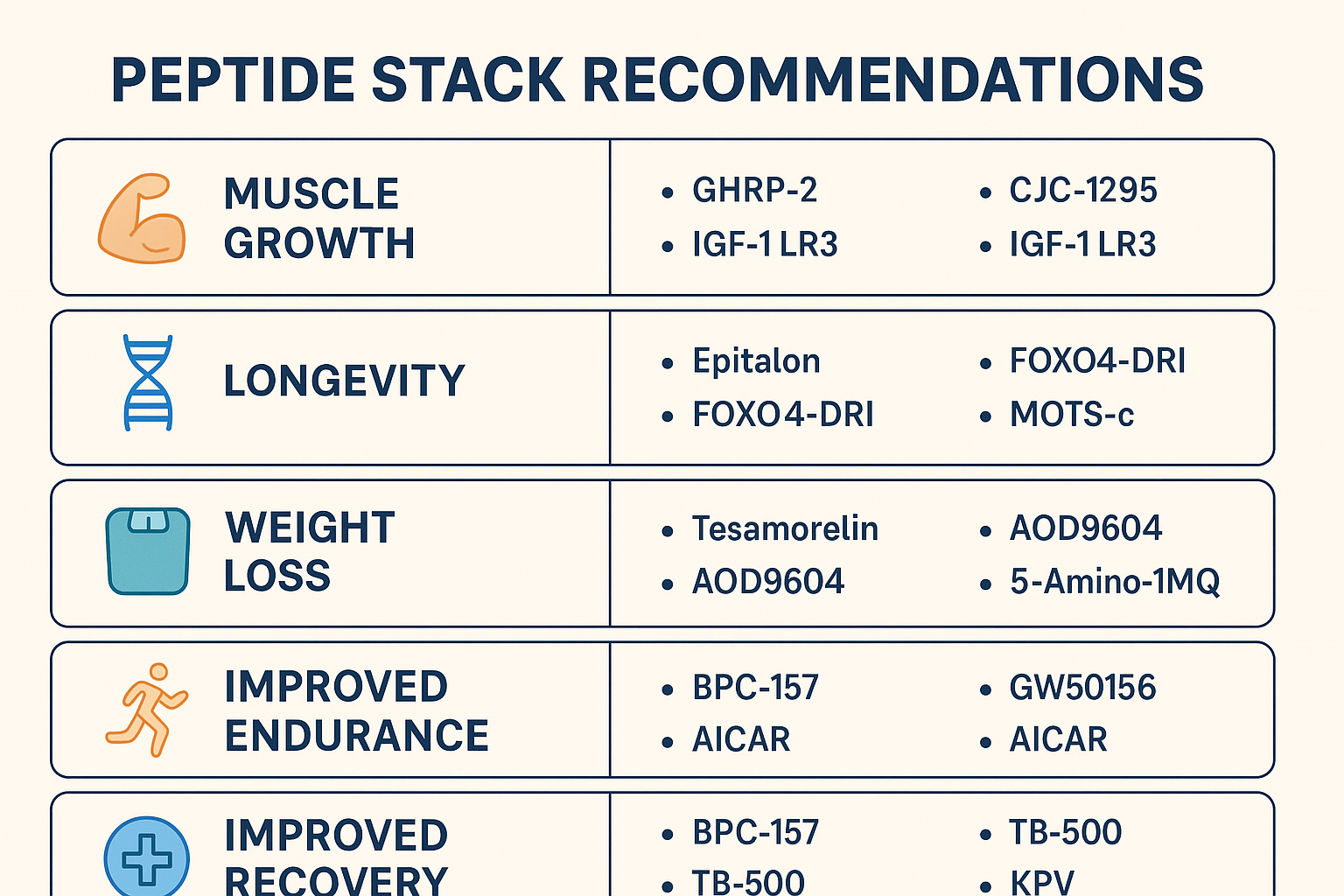
A successful peptide research protocol goes beyond simply choosing the right compounds. It involves meticulous attention to detail at every stage, from procurement to data analysis. This section outlines key steps to optimize your research, ensuring the integrity and reproducibility of your findings.
Sourcing and Quality Assurance for the Best Peptides for Sale
The foundation of any robust peptide research protocol is the quality of the peptides themselves. Substandard or impure peptides can lead to unreliable data, skewed results, and wasted resources.
- Reputable Suppliers: Always source your peptides from suppliers known for their commitment to quality, transparency, and research-grade products. Look for vendors who provide third-party testing results (Certificates of Analysis, or COAs) for purity and identity. Reputable sources like Pure Tested Peptides often provide such documentation, ensuring you receive high-quality materials.
- Purity Levels: Aim for peptides with purity levels of 98% or higher, especially for critical experiments. Impurities can interfere with your results and introduce confounding variables.
- Storage and Handling: Proper storage is crucial to maintaining peptide integrity. Lyophilized (freeze-dried) peptides should be stored in a cool, dark, and dry place, typically at -20°C. Once reconstituted, they generally require refrigeration and have a shorter shelf life. Consult specific peptide guidelines and resources like best practices for storing research peptides.
Reconstitution and Preparation
This step is critical and often overlooked, leading to errors in concentration and degradation of the peptide.
- Sterile Bacteriostatic Water: Always use sterile bacteriostatic water (BW) for reconstitution. BW contains a preservative (benzyl alcohol) that inhibits bacterial growth, extending the shelf life of reconstituted peptides.
- Accurate Measurement: Use sterile syringes and precise measurement techniques to ensure accurate reconstitution volumes. Slow and gentle mixing (avoiding vigorous shaking) helps prevent peptide degradation.
- Aseptic Technique: Maintain strict aseptic technique throughout the reconstitution process to prevent contamination. Work in a clean environment, use sterile gloves, and disinfect surfaces.
Dose-Response and Frequency Considerations
Determining the optimal dose and frequency for your peptide research requires careful planning, often informed by existing literature and pilot studies.
- Start Low, Go Slow: If you are exploring a new peptide or combination, it’s generally prudent to start with a lower dose and gradually increase it, monitoring for desired effects and any potential adverse reactions.
- Consult Existing Research: Review published studies and anecdotal reports to establish a reasonable starting dose range. Pay attention to the experimental models and objectives to ensure relevance.
- Pharmacokinetic Profile: Understand the half-life and duration of action for each peptide. Peptides with a shorter half-life may require more frequent administration to maintain stable levels, while those with a longer half-life (like CJC-1295 with DAC) can be administered less frequently.
- Synergistic Dosing: When creating peptide stack recommendations, consider how each peptide’s dose might interact. Sometimes, a lower dose of individual peptides can achieve the desired effect when combined synergistically.
Data Collection and Analysis
Rigorous data collection and analysis are the hallmarks of sound scientific research.
- Baseline Measurements: Establish comprehensive baseline measurements before initiating any peptide protocol. This allows for clear comparison and accurate assessment of the peptide’s effects.
- Consistent Monitoring: Implement a consistent schedule for monitoring relevant parameters (e.g., physiological markers, cellular responses, behavioral changes).
- Control Groups: Always include appropriate control groups (e.g., saline control, vehicle control) to isolate the effects of the peptides.
- Statistical Analysis: Utilize appropriate statistical methods to analyze your data, ensuring the validity and significance of your findings.
- Documentation: Maintain thorough and organized records of your entire protocol, including peptide batch numbers, reconstitution dates, administration times, observed effects, and any deviations from the protocol. This level of detail is crucial for reproducibility and troubleshooting. For more insights on building robust studies, explore building reproducible wellness studies.
Utilizing a Best Peptide Stack Calculator for Goal-Oriented Research in 2025

In 2025, advanced tools and resources are available to help researchers design highly effective and targeted peptide protocols. A “best peptide stack calculator” is a conceptual tool (or a detailed guide/resource) that assists researchers in selecting the most appropriate peptides and dosages based on specific research goals. This section will guide you on how to approach your research with a goal-oriented mindset, leveraging the principles behind such a calculator.
Please select your primary research goal:
Peptide Research Protocol Selector (2025)
What is your primary research goal?
Recommended Peptides for Your Goal
Disclaimer: This tool provides general peptide stack recommendations for research purposes based on common scientific understanding in 2025. Always consult specific research papers and follow ethical guidelines. Peptides are for research use only and not for human consumption.
Defining Your Research Goals
Before selecting any peptide, clearly define your primary and secondary research objectives. This clarity will guide your choice of peptides and the overall design of your protocol.
Leveraging the “Calculator” Concept
While a physical “best peptide stack calculator” with complex algorithms might be in its nascent stages for broad research use, the underlying principles are highly valuable. This conceptual calculator involves:
- Understanding Mechanisms: A deep dive into how each peptide works at a cellular and systemic level. For example, some peptides work on the GH axis, others on inflammatory pathways, and some directly on cellular repair. A comprehensive catalog of peptides can be found at all peptides for sale.
- Synergy and Antagonism: Identifying peptides that work together synergistically (enhancing each other’s effects) and avoiding those that might be antagonistic (counteracting each other). This is key to effective peptide stack recommendations.
- Dosage Optimization: Using published research and pharmacokinetic data to determine appropriate starting doses and titration schedules for individual peptides and stacks.
- Risk-Benefit Analysis: Assessing potential side effects and interactions, especially when combining multiple compounds.
- Cost-Effectiveness: Considering the cost of different peptides and stacks relative to the potential benefits and the research budget.
Steps to Design a Goal-Oriented Peptide Protocol
- Identify Primary Goal: Clearly articulate the main objective of your research (e.g., increased lean mass, improved cognitive function).
- Secondary Goals: Determine any secondary objectives that complement your primary goal (e.g., improved recovery alongside muscle growth).
- Literature Review: Conduct an exhaustive review of scientific literature for peptides relevant to your goals. Pay attention to studies published in 2025 to ensure the most current information.
- Peptide Selection: Based on your literature review and understanding of peptide mechanisms, select individual peptides that directly address your goals. For instance, if muscle growth is the primary goal, consider GHRPs and GHRHs. If recovery is key, BPC-157 and TB-500 are often good starting points.
- Stack Formulation (if applicable): If stacking, identify peptides with complementary mechanisms of action. Ensure the chosen peptides do not have overlapping or antagonistic side effects at the proposed doses.
- Dose and Frequency Protocol: Establish a detailed dosing schedule, including reconstitution instructions, administration routes, timing, and duration. Consider daily routines and peptide timing for optimal results.
- Monitoring Plan: Outline specific metrics to monitor, data collection methods, and frequency of assessment.
- Ethical Considerations: Ensure your research adheres to all relevant ethical guidelines and regulations for peptide use in research settings.
By systematically following these steps, and conceptually utilizing the principles of a best peptide stack calculator, researchers can significantly maximize the efficiency and effectiveness of their peptide research protocols in 2025. Remember, the ultimate aim is to conduct rigorous science that contributes meaningfully to the body of knowledge surrounding these fascinating compounds. For further exploration of peptide blends, refer to peptide blends research.
Conclusion
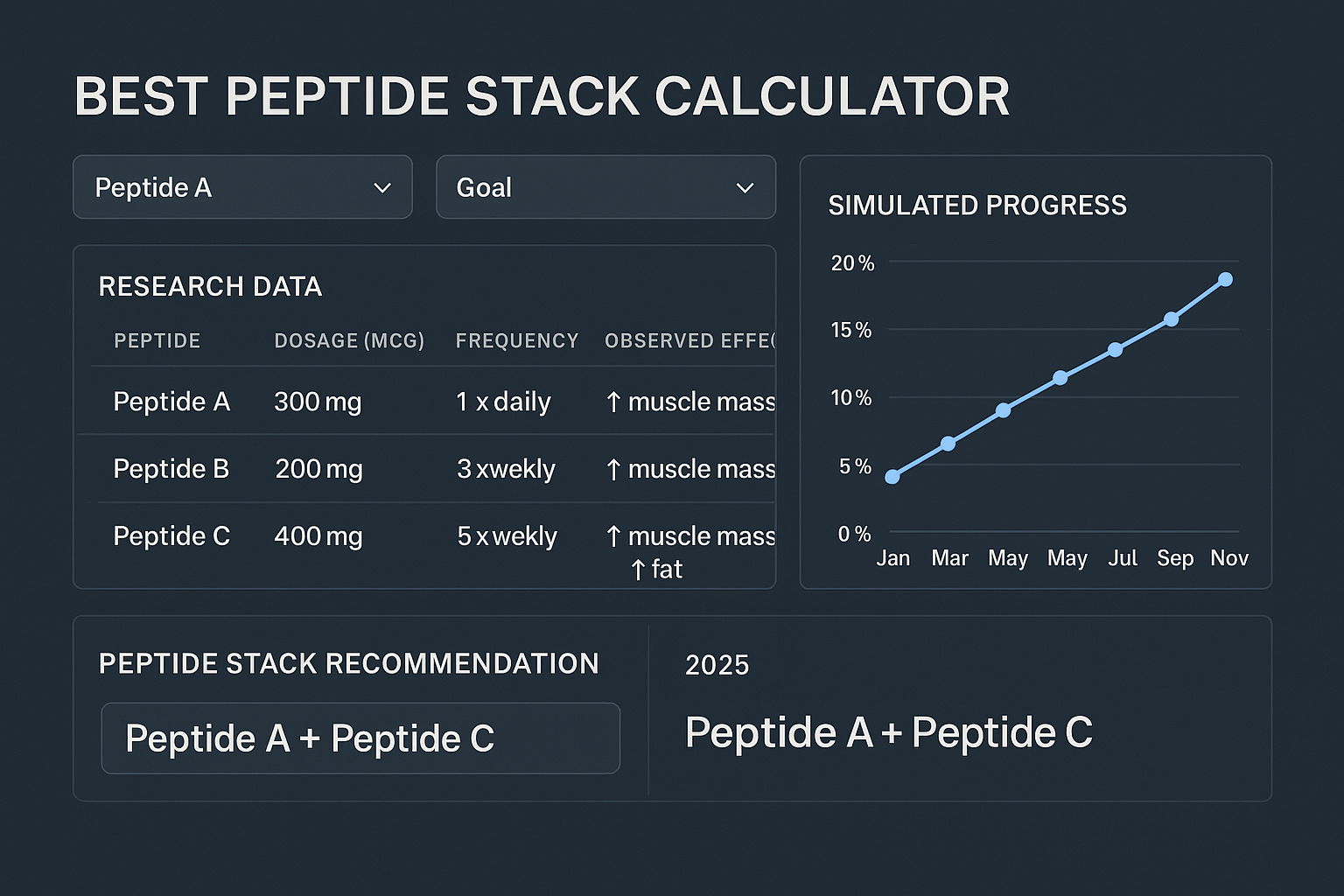
Maximizing your peptide research protocol in 2025 demands a holistic approach that integrates high-quality sourcing, meticulous experimental design, and a clear, goal-oriented strategy. From selecting the best peptides for sale to formulating sophisticated peptide stack recommendations, every step plays a crucial role in achieving meaningful and reproducible results. The exploration of peptides for diverse goals such as muscle growth, longevity, weight loss, improved endurance, improved recovery, and cognitive enhancement continues to expand, offering exciting avenues for scientific discovery.
By adhering to best practices in peptide handling, understanding the synergistic potential of different compounds, and leveraging detailed research insights, scientists can push the boundaries of what’s possible. The conceptual “best peptide stack calculator” serves as a powerful reminder of the analytical rigor required to navigate the complexities of peptide research effectively. Always prioritize the purity and authenticity of your research materials, maintain stringent experimental controls, and continuously refer to the latest scientific literature.
As the field evolves, the commitment to precision, ethical conduct, and data-driven decision-making will be the cornerstones of impactful peptide research. Equip your lab with the best resources, design your protocols with utmost care, and contribute to the growing body of knowledge that promises to revolutionize various aspects of health and biology.
References
[1] Sigalos, P. C., & Pastuszak, A. W. (2018). The Safety and Efficacy of Growth Hormone-Releasing Peptides in Men. Sexual Medicine Reviews, 6(1), 86-95.
[2] Raun, K., Hansen, B. S., Lykkegård, S., et al. (1998). Ipamorelin, the first selective growth hormone secretagogue. European Journal of Endocrinology, 139(5), 552-561.
[3] Ng, F. M., Sun, J., Sharma, L., & Libinaki, R. (2000). The metabolic effects of a synthetic peptide fragment of human growth hormone, AOD9604. Hormone and Metabolic Research, 32(8), 285-289.
[4] J. A. Grise, B. A. Largent, B. L. Brey, et al. (2003). The human growth hormone (hGH) fragment, AOD9604, is a potent lipolytic and anti-lipogenic agent. Endocrine Reviews, 24(Suppl), 362.
[5] Drucker, D. J. (2006). The biology of incretin hormones. Cell Metabolism, 3(3), 153-165.
[6] Sikiric, P., Seiwerth, S., Rucman, I., et al. (2013). Brain-gut axis and pentadecapeptide BPC 157: Relevant background and data. Current Pharmaceutical Design, 19(4), 764-772.
[7] Sikiric, P., Seiwerth, S., Rucman, I., et al. (2010). BPC 157, a novel gastric pentadecapeptide, as an antiulcer peptide with organoprotective actions and an angiogenic effect. Journal of Physiology-Paris, 104(2), 121-131.
[8] Sikiric, P., Seiwerth, S., Rucman, I., et al. (2013). Stable gastric pentadecapeptide BPC 157-NO system interaction. Current Pharmaceutical Design, 19(5), 785-794.
[9] Bock-Marquette, I., Saxena, A., White, M. D., et al. (2004). Thymosin beta4 treatment after myocardial infarction promotes cardiomyocyte survival, attenuates adverse ventricular remodeling, and improves cardiac function. Circulation, 109(4), 502-509.
[10] Goldstein, A. L., & Hannappel, E. (2003). Thymosin beta4: a multi-functional peptide that plays a role in immunity, wound healing and protection from oxidative damage. Immunological Investigations, 32(1-2), 1-19.
[11] Khavinson, V. Kh., & Anisimov, V. N. (2003). Peptide bioregulation of aging: Results and prospects. Biogerontology, 4(1), 1-3.
[12] Khavinson, V. Kh., Morozov, V. G., & Trofimov, A. V. (2001). Peptides of the Pineal Gland and Their Role in the Regulation of Aging. Neuro Endocrinology Letters, 22(5), 329-333.
[13] Pickart, L., & Margolina, A. (2018). The Anti-Aging and Wound Healing Effects of Copper Peptide GHK-Cu: A Historical and Scientific Review. Advances in Wound Care, 7(9), 346-353.
SEO Meta Title: Maximize Peptide Research 2025: Stacks, Sales & Calculator
SEO Meta Description: Unlock peak peptide research protocols in 2025. Discover best peptides for sale, expert stack recommendations, and how a peptide stack calculator can optimize your goals.