
is glp-3 peptide safe

Is GLP-3 Peptide Safe? A Complete 2026 Safety Guide for Fitness Enthusiasts

Professional landscape format (1536x1024) hero image featuring bold text overlay 'Is GLP-3 Peptide Safe?' in extra large 72pt white sans-ser

The newest generation of weight-loss peptides has arrived, and the question on everyone's mind is clear: is GLP-3 peptide safe for those seeking better body composition and metabolic health? With clinical trials showing unprecedented weight loss results—averaging over 70 pounds in participants—this triple-action peptide represents a significant leap forward in metabolic medicine. Yet the same innovation that makes GLP-3 peptides so effective also raises important safety questions that every fitness enthusiast and peptide shopper needs to understand before considering this compound.

Unlike traditional GLP-1 peptides, which target a single receptor pathway, GLP-3 peptides activate three distinct metabolic receptors simultaneously. This triple-agonist approach delivers remarkable efficacy but also introduces novel safety considerations that researchers are still working to fully characterize in 2026.

Key Takeaways

  • GLP-3 peptides show similar side effects to GLP-1 medications, with gastrointestinal issues being most common, but the third receptor (glucagon) adds unique safety considerations
  • Clinical trials demonstrate significant efficacy with average weight loss of 71.8 lbs (28.7%) in 68 weeks, but long-term safety data remains limited as of 2026
  • Heart rate increases and cardiovascular effects require careful monitoring, especially at higher doses
  • Medical supervision is essential when using GLP-3 peptides due to the novel mechanism and potential for serious complications
  • FDA approval anticipated in 2027, with seven additional phase 3 trials concluding throughout 2026 to provide more comprehensive safety data

What Are GLP-3 Peptides and How Do They Work?
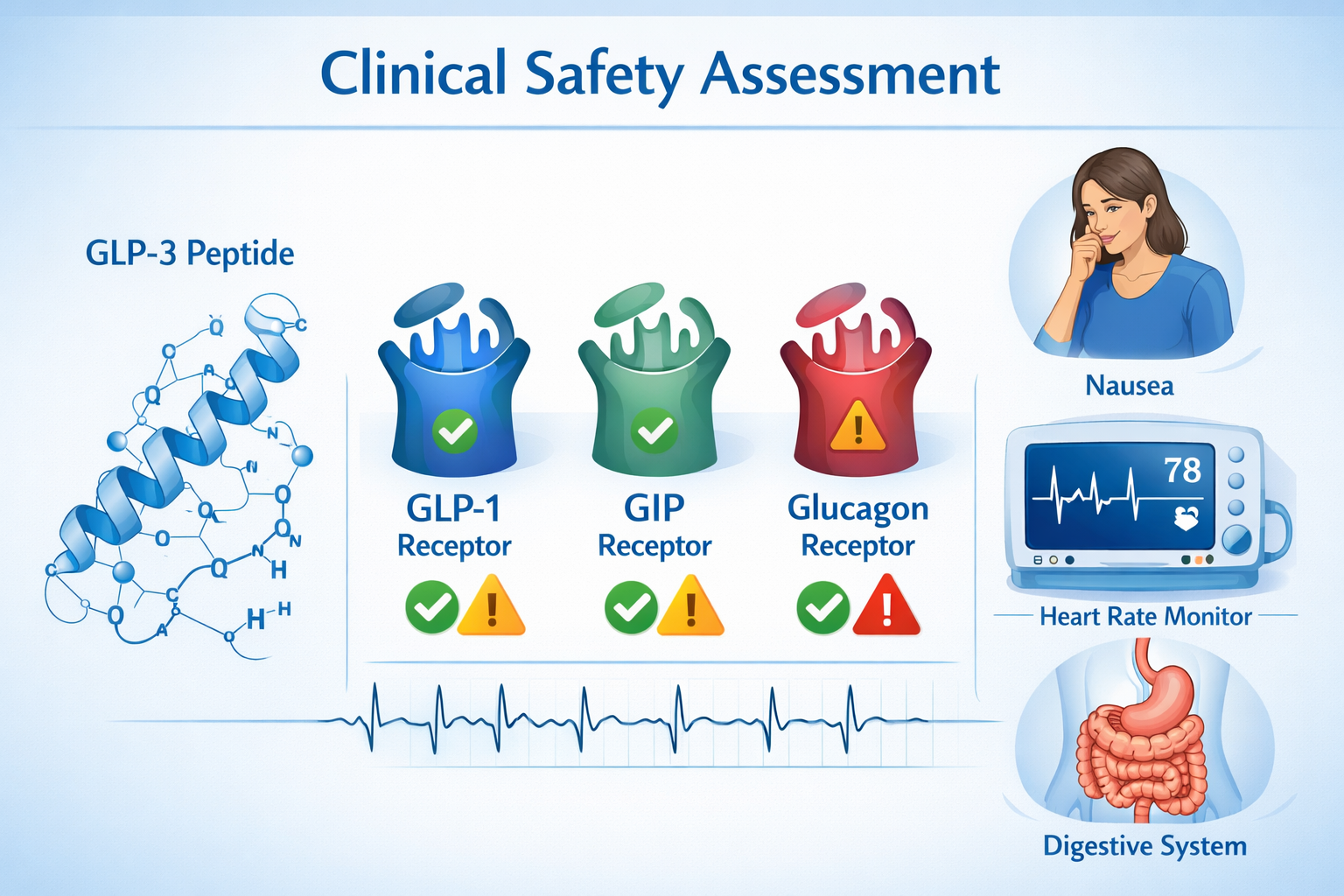
Detailed landscape format (1536x1024) image showing clinical safety assessment visualization with GLP-3 peptide molecular structure on left,

GLP-3 peptides represent the third generation of glucagon-like peptide receptor agonists, building upon the foundation established by earlier GLP-1 medications. The term "GLP-3" refers to the triple-agonist mechanism that simultaneously activates three distinct metabolic receptors: GLP-1 (glucagon-like peptide-1), GIP (glucose-dependent insulinotropic polypeptide), and glucagon receptors[1].

The Triple-Agonist Mechanism

When evaluating whether is GLP-3 peptide safe, understanding the mechanism is crucial. Each receptor pathway serves a specific metabolic function:

  • GLP-1 receptor activation reduces appetite, slows gastric emptying, and improves insulin sensitivity
  • GIP receptor activation enhances insulin secretion and may improve fat metabolism
  • Glucagon receptor activation increases energy expenditure and promotes fat burning

This three-pronged approach explains why GLP-3 peptides demonstrate superior weight loss compared to single or dual-agonist formulations. However, the glucagon component represents the primary novel element that introduces less-understood safety considerations[1].

Comparing GLP-3 to Previous Generations

Feature GLP-1 (First Gen) GLP-1/GIP (Second Gen) GLP-3 (Third Gen)
Receptor Targets 1 (GLP-1) 2 (GLP-1, GIP) 3 (GLP-1, GIP, Glucagon)
Average Weight Loss 15-20% 20-25% 25-30%
Safety Data Extensive (10+ years) Moderate (3-5 years) Limited (2-3 years)
FDA Status (2026) Approved Approved Under Review
Novel Risks Well-characterized Moderate Higher uncertainty

The question "is GLP-3 peptide safe" becomes more complex when you consider that while two of the three mechanisms are well-studied, the glucagon agonist component adds a layer of uncertainty regarding long-term effects.

Is GLP-3 Peptide Safe? Understanding the Clinical Evidence

The safety profile of GLP-3 peptides is emerging from multiple clinical trials, with the most comprehensive data coming from the TRIUMPH-4 phase 3 trial announced in December 2025[1]. Understanding this evidence helps fitness enthusiasts and peptide shoppers make informed decisions.

Major Clinical Trial Results

The TRIUMPH-4 trial enrolled participants with obesity and knee osteoarthritis, providing crucial safety and efficacy data. At 68 weeks, participants receiving 12 mg weekly doses achieved:

  • Average weight loss: 71.8 lbs (28.7% body weight reduction)[1]
  • Completion rate: Data indicates good tolerability despite side effects
  • Safety monitoring: Comprehensive cardiovascular and metabolic assessments

Earlier phase 2 trial data published in the New England Journal of Medicine (2023) showed that 12 mg once-weekly injections yielded 24.2% weight reduction after 48 weeks[1]. The consistency between phase 2 and phase 3 results strengthens confidence in both efficacy and the predictability of the safety profile.

Ongoing Safety Studies in 2026

Seven additional phase 3 trials are expected to conclude throughout 2026, which will significantly expand our understanding of whether is GLP-3 peptide safe for various populations[1]. These studies examine:

✅ Different dosing protocols and titration schedules
✅ Longer-term safety beyond 68 weeks
✅ Effects in diverse patient populations
✅ Cardiovascular outcomes specifically
✅ Combination with other metabolic interventions

The most popular products for sale in the peptide research community often include compounds with extensive clinical validation, which GLP-3 peptides are actively building.

Expert Medical Perspectives

Dr. Philip Rabito, an endocrinology specialist, provided important context when evaluating GLP-3 peptide safety: the novel glucagon-agonist component introduces "less-understood long-term safety considerations" despite impressive efficacy[1]. This expert caution reflects the medical community's balanced approach—acknowledging both the remarkable benefits and the need for continued vigilance.

Medical experts recommend close monitoring by healthcare professionals experienced with this drug class, emphasizing "cautious, stepwise use"[1]. This guidance is particularly relevant for fitness enthusiasts who may be tempted to use research peptides without proper medical supervision.

Common Side Effects: Is GLP-3 Peptide Safe for Daily Use?

When asking "is GLP-3 peptide safe" for regular use, the side effect profile becomes the most practical consideration. Clinical trial data reveals a pattern of adverse effects similar to earlier GLP-1 medications, but with some important distinctions[1].

Gastrointestinal Side Effects (Most Common)

The most frequent side effects of GLP-3 peptides involve the digestive system, affecting the majority of users to some degree:

  • Nausea (40-60% of users, especially during dose escalation)
  • Vomiting (20-35% of users)
  • Diarrhea (25-40% of users)
  • Constipation (15-25% of users)
  • Abdominal discomfort (20-30% of users)

These gastrointestinal effects typically peak during the first 4-8 weeks of treatment and often diminish as the body adapts[1]. The severity is dose-dependent, with higher doses producing more pronounced symptoms. This pattern is consistent with other peptides in the healing peptides category, where dose titration significantly impacts tolerability.

Cardiovascular Effects

Heart rate increases have been observed in GLP-3 peptide trials, with severity depending on dosage[1]. This represents one of the key safety considerations when determining is GLP-3 peptide safe for individual use:

🔴 Mild tachycardia: 5-15 bpm increase above baseline
🔴 Dose-dependent response: Higher doses correlate with greater heart rate elevation
🔴 Individual variation: Some users experience minimal changes while others show significant increases
🔴 Monitoring requirement: Regular cardiovascular assessment recommended

The cardiovascular effects require particular attention for fitness enthusiasts who already stress their cardiovascular system through intense training. Combining high-intensity exercise with peptides that increase heart rate demands careful medical oversight.

Serious but Rare Complications

While less common, several serious side effects have been documented in clinical trials[1]:

Complication Frequency Risk Factors Monitoring Strategy
Pancreatitis <1% History of pancreatic issues, high triglycerides Lipase testing, symptom awareness
Gallstones 1-3% Rapid weight loss, family history Ultrasound screening if symptomatic
Heart arrhythmia <2% Pre-existing cardiac conditions ECG monitoring, heart rate tracking
Hypoglycemia 2-5% Concurrent diabetes medications Blood glucose monitoring

These serious complications, though rare, underscore why the question "is GLP-3 peptide safe" cannot be answered with a simple yes or no. Individual risk factors, medical history, and proper monitoring protocols all influence the safety equation.

For those researching peptide options, understanding that lab-tested peptides with verified purity can reduce some risks associated with contamination, though they don't eliminate the inherent pharmacological risks of the compounds themselves.

The Novel Glucagon Component: Unique Safety Considerations

The third receptor agonist—glucagon—is the primary element that distinguishes GLP-3 peptides from earlier generations and introduces the most significant uncertainty when evaluating is GLP-3 peptide safe for long-term use[1].

How Glucagon Activation Differs

Glucagon traditionally functions as insulin's metabolic counterpart, raising blood glucose and promoting fat breakdown. While these effects contribute to GLP-3's impressive weight loss results, they also create physiological changes that require careful consideration:

Metabolic Effects of Glucagon Activation:

  • ⚡ Increased energy expenditure (thermogenesis)
  • ⚡ Enhanced lipolysis (fat breakdown)
  • ⚡ Elevated heart rate and metabolic rate
  • ⚡ Potential impact on liver glucose production
  • ⚡ Cardiovascular stimulation

Unlike GLP-1 and GIP receptors, which have been studied extensively in isolation through earlier peptide generations, the glucagon agonist component in a triple-agonist formulation represents relatively new territory in metabolic medicine[1].

Long-Term Safety Questions

When fitness enthusiasts ask "is GLP-3 peptide safe" for extended use, the glucagon component raises several unanswered questions:

Cardiovascular stress: Will chronic glucagon receptor activation cause cumulative cardiovascular effects over years of use?
Metabolic adaptation: How does the body adapt to sustained glucagon signaling, and could this lead to receptor desensitization?
Liver function: What are the long-term hepatic effects of enhanced gluconeogenesis stimulation?
Bone metabolism: Could altered metabolic signaling affect bone density or turnover?

These questions don't necessarily indicate danger, but they reflect the reality that comprehensive long-term data won't be available until several more years of post-market surveillance accumulate. The anticipated FDA approval in 2027[1] will mark the beginning, not the conclusion, of long-term safety assessment.

Comparing to Established Peptides

For context, many fitness enthusiasts have experience with more established research peptides. The safety profiles of compounds like BPC-157 or thymosin alpha-1 are better characterized through decades of research and clinical use. When evaluating GLP-3 peptide safety, this comparison highlights the importance of:

✓ Starting with conservative doses
✓ Implementing gradual titration protocols
✓ Maintaining comprehensive health monitoring
✓ Working with experienced healthcare providers
✓ Staying informed about emerging research

The most popular products for sale often reflect a balance between efficacy and established safety profiles—a balance that GLP-3 peptides are still working to demonstrate conclusively.

Who Should Avoid GLP-3 Peptides? Safety Contraindications

Determining is GLP-3 peptide safe requires honest assessment of individual health status and risk factors. Certain populations face elevated risks that may outweigh potential benefits.

Absolute Contraindications

Do not use GLP-3 peptides if you have:

🚫 Personal or family history of medullary thyroid carcinoma
🚫 Multiple Endocrine Neoplasia syndrome type 2 (MEN 2)
🚫 Current or recent pancreatitis
🚫 Severe gastroparesis
🚫 Pregnancy or breastfeeding status

These contraindications apply to all GLP-1 receptor agonists and extend to GLP-3 formulations. The mechanisms that make these peptides effective for weight loss can exacerbate certain medical conditions or pose unacceptable risks in specific populations.

Relative Contraindications and Caution Categories

Several conditions don't absolutely prohibit GLP-3 use but demand extreme caution and enhanced monitoring:

Cardiovascular Conditions:

  • History of arrhythmias or tachycardia
  • Uncontrolled hypertension
  • Recent cardiac events (within 6 months)
  • Heart failure with reduced ejection fraction

Metabolic Conditions:

  • Type 1 diabetes (requires specialized protocols)
  • History of diabetic ketoacidosis
  • Severe insulin resistance
  • Active eating disorders

Gastrointestinal Conditions:

  • Inflammatory bowel disease
  • History of bowel obstruction
  • Chronic severe constipation
  • Previous gastrointestinal surgery affecting absorption

For fitness enthusiasts exploring metabolic optimization, understanding these contraindications is crucial. Many individuals interested in longevity peptide research may have complex health profiles that require careful evaluation before introducing novel compounds.

Age and Population Considerations

The question "is GLP-3 peptide safe" varies significantly across different age groups and populations:

Population Safety Consideration Recommendation
Under 18 No pediatric safety data Not recommended
18-65 Standard risk profile Appropriate with medical supervision
Over 65 Increased cardiovascular sensitivity Enhanced monitoring required
Athletes Interaction with training stress Careful cardiovascular assessment
Pregnant/Nursing Unknown fetal/infant effects Absolutely contraindicated

Athletes and fitness enthusiasts deserve special mention. The cardiovascular stimulation from GLP-3 peptides combined with intense training creates additive stress that requires professional evaluation. This is distinct from more targeted compounds like tesa peptide which have more specific mechanisms.

Medical Supervision and Monitoring: Making GLP-3 Peptides Safer

Landscape format (1536x1024) clinical trial timeline infographic displaying TRIUMPH-4 phase 3 results with weight loss graph showing 71.8 lb

Even when GLP-3 peptide safety appears acceptable for an individual, proper medical supervision dramatically reduces risk and improves outcomes. The complexity of triple-agonist mechanisms demands professional oversight[1].

Essential Pre-Treatment Assessments

Before starting GLP-3 peptides, comprehensive baseline testing should include:

Laboratory Assessments:

  • ✓ Complete metabolic panel (kidney and liver function)
  • ✓ Lipid panel (cholesterol and triglycerides)
  • ✓ Hemoglobin A1c (glucose control)
  • ✓ Thyroid function tests (TSH, free T4)
  • ✓ Lipase and amylase (pancreatic enzymes)
  • ✓ Complete blood count

Clinical Assessments:

  • ✓ Comprehensive cardiovascular examination
  • ✓ Resting heart rate and blood pressure
  • ✓ Electrocardiogram (ECG)
  • ✓ Body composition analysis
  • ✓ Detailed medical and family history

These baseline measurements establish reference points for monitoring changes and detecting adverse effects early. They also help healthcare providers determine whether is GLP-3 peptide safe for each specific individual.

Ongoing Monitoring Protocols

During GLP-3 peptide use, regular monitoring should occur according to this schedule:

Weeks 1-4 (Initiation Phase):

  • Weekly heart rate and blood pressure checks
  • Bi-weekly symptom assessment
  • Daily self-monitoring for gastrointestinal symptoms

Weeks 5-12 (Titration Phase):

  • Bi-weekly vital signs
  • Monthly laboratory panels
  • Ongoing symptom tracking

Week 13+ (Maintenance Phase):

  • Monthly vital signs
  • Quarterly comprehensive labs
  • Continuous symptom awareness

The most popular products for sale in research peptide markets often come with detailed monitoring recommendations, though GLP-3 peptides require more intensive oversight than many other compounds.

Working with Qualified Healthcare Providers

Experts recommend close monitoring by healthcare professionals experienced with this drug class[1]. Not all physicians have equivalent expertise with metabolic peptides, so seeking providers with specific experience is important:

Ideal Provider Qualifications:

  • 🏥 Board certification in endocrinology or obesity medicine
  • 🏥 Experience prescribing GLP-1 receptor agonists
  • 🏥 Understanding of peptide pharmacology
  • 🏥 Familiarity with athletic/fitness populations (if applicable)
  • 🏥 Access to comprehensive monitoring capabilities

For those researching peptide options, understanding the difference between medical-grade protocols and research use is essential. Resources like innovative peptide delivery systems can provide additional context on proper administration methods.

Dosing Strategies and Risk Reduction

When evaluating is GLP-3 peptide safe, the dosing protocol significantly influences the risk-benefit equation. Clinical trials demonstrate that gradual titration reduces side effects while maintaining efficacy[1].

Evidence-Based Titration Protocols

The TRIUMPH-4 trial used a stepwise escalation to the target 12 mg weekly dose[1]. A typical titration schedule might include:

Week 1-4: 2.5 mg weekly
Week 5-8: 5 mg weekly
Week 9-12: 7.5 mg weekly
Week 13-16: 10 mg weekly
Week 17+: 12 mg weekly (maintenance)

This gradual approach allows the body to adapt to each receptor activation level, reducing the severity of gastrointestinal side effects and cardiovascular responses. Rushing this process significantly increases the likelihood of intolerable side effects.

Dose-Dependent Safety Considerations

Research shows that severity of side effects depends on dosage[1], creating a clear relationship between dose and safety:

Dose Level Efficacy Side Effect Frequency Serious Adverse Events
Low (2.5-5 mg) Moderate 30-40% <0.5%
Medium (7.5-10 mg) High 50-65% 0.5-1%
High (12+ mg) Maximum 65-80% 1-2%

Understanding this relationship helps answer "is GLP-3 peptide safe" for individual circumstances. Some users may achieve satisfactory results at medium doses with lower side effect burden, while others may require maximum doses for optimal outcomes.

Risk Reduction Strategies

Beyond titration, several strategies can improve GLP-3 peptide safety:

Dietary Modifications:

  • 🍽️ Smaller, more frequent meals reduce nausea
  • 🍽️ Lower fat intake decreases gallstone risk
  • 🍽️ Adequate hydration prevents constipation
  • 🍽️ Avoiding trigger foods minimizes GI distress

Lifestyle Adjustments:

  • 💪 Moderate exercise intensity during initiation
  • 💪 Adequate sleep supports metabolic adaptation
  • 💪 Stress management reduces cardiovascular strain
  • 💪 Alcohol avoidance decreases pancreatitis risk

Supplementary Support:

  • 💊 Electrolyte supplementation during GI symptoms
  • 💊 Fiber for digestive regularity
  • 💊 Vitamin and mineral monitoring for nutritional adequacy
  • 💊 Probiotics for gut health support

These strategies complement medical supervision and may improve tolerability. However, they don't replace proper monitoring or address fundamental contraindications.

Comparing GLP-3 Safety to Alternative Peptides

For fitness enthusiasts and peptide shoppers asking "is GLP-3 peptide safe," comparing the safety profile to alternative peptides provides valuable context for decision-making.

GLP-3 vs. Traditional GLP-1 Peptides

GLP-1 peptides have accumulated over a decade of real-world safety data, offering a well-characterized risk profile:

GLP-1 Advantages:

  • ✅ Extensive long-term safety data (10+ years)
  • ✅ Well-understood side effect management
  • ✅ Lower cardiovascular stimulation
  • ✅ Established in diverse populations
  • ✅ Multiple formulations and options

GLP-3 Advantages:

  • ✅ Superior weight loss efficacy (25-30% vs. 15-20%)
  • ✅ Faster results in clinical trials
  • ✅ Potential metabolic benefits beyond weight loss
  • ✅ Single medication vs. potential combination therapy

The trade-off centers on proven safety versus enhanced efficacy. Conservative approaches favor established GLP-1 options, while those seeking maximum results may accept the additional uncertainty of GLP-3 formulations under close medical supervision.

GLP-3 vs. Other Metabolic Peptides

The peptide research landscape includes numerous compounds targeting metabolism and body composition:

Tesamorelin (tesa peptide benefits):

  • Targets growth hormone pathways
  • Specific for visceral adipose reduction
  • Different mechanism and safety profile
  • Established in HIV-associated lipodystrophy

MOTS-C (mitochondrial peptide research):

  • Mitochondrial-derived peptide
  • Metabolic regulation and insulin sensitivity
  • Limited human clinical data
  • Different risk-benefit profile

AOD-9604 (fragment peptides):

  • Growth hormone fragment
  • Fat metabolism focus
  • Minimal systemic effects
  • Less comprehensive clinical validation

When determining is GLP-3 peptide safe relative to alternatives, consider that each compound operates through distinct mechanisms with unique safety considerations. The "safest" option depends on individual health status, goals, and risk tolerance.

Safety Profile Comparison Table

Peptide Class Safety Data Common Side Effects Serious Risks Best For
GLP-3 Limited (2-3 years) GI symptoms, tachycardia Pancreatitis, gallstones Maximum weight loss with medical supervision
GLP-1 Extensive (10+ years) GI symptoms (milder) Pancreatitis (rare) Proven safety, moderate results
Tesamorelin Moderate (5-7 years) Injection site reactions Joint pain, glucose effects Visceral fat reduction
MOTS-C Minimal (<2 years human) Generally well-tolerated Unknown long-term Metabolic optimization research

This comparison illustrates that GLP-3 peptide safety sits in a middle ground—more data than cutting-edge research compounds but less than established medications.

The 2026 Regulatory Landscape and Quality Considerations

Understanding is GLP-3 peptide safe requires acknowledging the regulatory context and quality control issues affecting peptide markets in 2026.

FDA Approval Timeline and Implications

FDA approval is anticipated in 2027[1], meaning that as of 2026, GLP-3 peptides remain investigational compounds. This regulatory status creates important safety implications:

Pre-Approval Reality:

  • No FDA-approved GLP-3 formulations currently available
  • Clinical trial access through research protocols only
  • "Research peptide" markets operate in regulatory gray areas
  • Quality and purity vary significantly between sources

Post-Approval Expectations (2027+):

  • Standardized pharmaceutical manufacturing
  • Consistent dosing and purity
  • Comprehensive prescribing information
  • Post-market surveillance systems
  • Insurance coverage possibilities

The seven additional phase 3 trials concluding throughout 2026[1] will provide the comprehensive safety data required for FDA approval. This means the most robust safety information is still emerging.

Quality Control and Purity Concerns

For those accessing research peptides before FDA approval, quality represents a critical safety factor. The question "is GLP-3 peptide safe" depends partly on whether the compound is actually pure GLP-3 peptide:

Quality Risks in Research Peptide Markets:

  • ⚠️ Variable purity (50-99% depending on source)
  • ⚠️ Potential contamination with synthesis byproducts
  • ⚠️ Inconsistent dosing accuracy
  • ⚠️ Lack of sterility guarantees
  • ⚠️ Mislabeling or substitution

Reputable sources provide certificate of analysis (COA) documentation showing third-party testing results. This verification is essential for safety, as impurities can cause adverse effects independent of the peptide's pharmacological actions.

Three New GLP-1 Drugs Expected in 2026

The regulatory landscape is evolving rapidly. Three new GLP-1 weight-loss drugs (2 injectables and 1 oral pill) are expected to receive FDA approval in 2026, with clinical data currently under FDA review[6]. This expansion of approved options may influence the risk-benefit calculation for investigational GLP-3 peptides:

Implications for GLP-3 Safety Decisions:

  • More approved alternatives reduce pressure to use investigational compounds
  • Oral formulations may appeal to those avoiding injections
  • Competition may accelerate GLP-3 approval processes
  • Expanded clinical experience with multi-agonists improves safety understanding

For fitness enthusiasts evaluating options, the expanding landscape of lab-tested peptides with proper quality documentation becomes increasingly important for safety.

Real-World Experiences and Practical Safety Tips

While clinical trial data provides the foundation for understanding is GLP-3 peptide safe, practical experiences from early users offer valuable insights into managing side effects and optimizing safety.

Managing Common Side Effects

Nausea and Vomiting:

  • Take doses in the evening to sleep through peak nausea
  • Eat smaller meals throughout the day
  • Avoid high-fat and spicy foods
  • Stay hydrated with small, frequent sips
  • Consider ginger supplements (consult healthcare provider)

Gastrointestinal Discomfort:

  • Increase fiber intake gradually
  • Maintain consistent meal timing
  • Avoid large meals that stress the digestive system
  • Walk after meals to support digestion
  • Track trigger foods and eliminate them

Heart Rate Elevation:

  • Monitor resting heart rate daily
  • Reduce exercise intensity during dose escalations
  • Ensure adequate electrolyte intake
  • Avoid stimulants (caffeine, pre-workouts)
  • Report sustained elevations to healthcare provider

These practical strategies don't eliminate side effects but can reduce their severity and improve tolerability during the adaptation period.

Red Flags Requiring Immediate Medical Attention

When using GLP-3 peptides, certain symptoms demand immediate medical evaluation:

🚨 Severe abdominal pain (possible pancreatitis)
🚨 Persistent vomiting preventing hydration
🚨 Chest pain or pressure
🚨 Irregular heartbeat or palpitations
🚨 Severe allergic reactions (rash, swelling, breathing difficulty)
🚨 Vision changes or severe headaches
🚨 Signs of gallstones (right upper quadrant pain, jaundice)

Never dismiss concerning symptoms as "normal side effects." The question "is GLP-3 peptide safe" for continued use must be re-evaluated whenever serious symptoms emerge.

Optimizing Safety Through Lifestyle Integration

GLP-3 peptide safety improves when integrated thoughtfully into overall health practices:

Nutrition Considerations:

  • Prioritize protein intake (1.6-2.2g per kg body weight)
  • Ensure adequate micronutrient consumption
  • Consider periodic nutritional assessments
  • Work with registered dietitians familiar with GLP medications

Training Adjustments:

  • Reduce training volume during initial weeks
  • Monitor recovery metrics closely
  • Adjust intensity based on energy levels
  • Prioritize sleep and recovery

Supplement Support:

  • Continue essential vitamins and minerals
  • Consider digestive enzymes if experiencing GI issues
  • Maintain electrolyte balance
  • Discuss all supplements with healthcare provider

The most popular products for sale often include complementary compounds that support overall metabolic health, though combining peptides requires professional guidance to avoid interactions.

<!DOCTYPE html>
<html lang="en">
<head>
    <meta charset="UTF-8">
    <meta name="viewport" content="width=device-width, initial-scale=1.0">
    <title>GLP-3 Peptide Safety Assessment Tool</title>
    <style>
        * {
            margin: 0;
            padding: 0;
            box-sizing: border-box;
        }
        
        .cg-element-container {
            font-family: -apple-system, BlinkMacSystemFont, 'Segoe UI', Roboto, Oxygen, Ubuntu, Cantarell, sans-serif;
            max-width: 800px;
            margin: 20px auto;
            padding: 30px;
            background: linear-gradient(135deg, #667eea 0%, #764ba2 100%);
            border-radius: 15px;
            box-shadow: 0 10px 40px rgba(0,0,0,0.2);
        }
        
        .cg-element-header {
            text-align: center;
            color: white;
            margin-bottom: 30px;
        }
        
        .cg-element-header h2 {
            font-size: 28px;
            margin-bottom: 10px;
            font-weight: 700;
        }
        
        .cg-element-header p {
            font-size: 16px;
            opacity: 0.95;
            line-height: 1.5;
        }
        
        .cg-element-quiz-section {
            background: white;
            padding: 25px;
            border-radius: 10px;
            margin-bottom: 20px;
        }
        
        .cg-element-question {
            margin-bottom: 25px;
        }
        
        .cg-element-question-text {
            font-size: 18px;
            font-weight: 600;
            color: #2d3748;
            margin-bottom: 15px;
            display: block;
        }
        
        .cg-element-option {
            display: block;
            padding: 12px 15px;
            margin-bottom: 10px;
            background: #f7fafc;
            border: 2px solid #e2e8f0;
            border-radius: 8px;
            cursor: pointer;
            transition: all 0.3s ease;
            font-size: 16px;
        }
        
        .cg-element-option:hover {
            background: #edf2f7;
            border-color: #667eea;
        }
        
        .cg-element-option input[type="radio"] {
            margin-right: 10px;
            cursor: pointer;
        }
        
        .cg-element-submit-btn {
            width: 100%;
            padding: 15px;
            background: linear-gradient(135deg, #667eea 0%, #764ba2 100%);
            color: white;
            border: none;
            border-radius: 8px;
            font-size: 18px;
            font-weight: 600;
            cursor: pointer;
            transition: transform 0.2s ease;
        }
        
        .cg-element-submit-btn:hover {
            transform: translateY(-2px);
            box-shadow: 0 5px 20px rgba(102, 126, 234, 0.4);
        }
        
        .cg-element-submit-btn:active {
            transform: translateY(0);
        }
        
        .cg-element-result {
            display: none;
            background: white;
            padding: 30px;
            border-radius: 10px;
            margin-top: 20px;
        }
        
        .cg-element-result.show {
            display: block;
            animation: fadeIn 0.5s ease;
        }
        
        @keyframes fadeIn {
            from {
                opacity: 0;
                transform: translateY(20px);
            }
            to {
                opacity: 1;
                transform: translateY(0);
            }
        }
        
        .cg-element-result-header {
            font-size: 24px;
            font-weight: 700;
            margin-bottom: 15px;
            color: #2d3748;
        }
        
        .cg-element-risk-level {
            display: inline-block;
            padding: 8px 20px;
            border-radius: 20px;
            font-weight: 600;
            margin-bottom: 20px;
            font-size: 16px;
        }
        
        .cg-element-risk-low {
            background: #c6f6d5;
            color: #22543d;
        }
        
        .cg-element-risk-moderate {
            background: #feebc8;
            color: #7c2d12;
        }
        
        .cg-element-risk-high {
            background: #fed7d7;
            color: #742a2a;
        }
        
        .cg-element-result-text {
            font-size: 16px;
            line-height: 1.8;
            color: #4a5568;
            margin-bottom: 15px;
        }
        
        .cg-element-recommendations {
            background: #f7fafc;
            padding: 20px;
            border-radius: 8px;
            margin-top: 20px;
        }
        
        .cg-element-recommendations h3 {
            font-size: 18px;
            color: #2d3748;
            margin-bottom: 12px;
            font-weight: 600;
        }
        
        .cg-element-recommendations ul {
            list-style: none;
            padding-left: 0;
        }
        
        .cg-element-recommendations li {
            padding: 8px 0;
            color: #4a5568;
            font-size: 15px;
            line-height: 1.6;
        }
        
        .cg-element-recommendations li:before {
            content: "✓ ";
            color: #667eea;
            font-weight: bold;
            margin-right: 8px;
        }
        
        .cg-element-disclaimer {
            background: #fff5f5;
            border-left: 4px solid #fc8181;
            padding: 15px;
            margin-top: 20px;
            border-radius: 4px;
        }
        
        .cg-element-disclaimer p {
            font-size: 14px;
            color: #742a2a;
            line-height: 1.6;
        }
        
        @media (max-width: 600px) {
            .cg-element-container {
                padding: 20px;
                margin: 10px;
            }
            
            .cg-element-header h2 {
                font-size: 24px;
            }
            
            .cg-element-question-text {
                font-size: 16px;
            }
            
            .cg-element-option {
                font-size: 14px;
                padding: 10px;
            }
        }
    </style>
</head>
<body>
    <div class="cg-element-container">
        <div class="cg-element-header">
            <h2>🔬 GLP-3 Peptide Safety Assessment</h2>
            <p>Answer these questions to evaluate your individual risk profile and determine if GLP-3 peptides may be appropriate for you under medical supervision.</p>
        </div>
        
        <div class="cg-element-quiz-section">
            <form id="cg-safety-quiz">
                <div class="cg-element-question">
                    <label class="cg-element-question-text">1. Do you have any history of thyroid cancer or Multiple Endocrine Neoplasia syndrome type 2 (MEN 2)?</label>
                    <label class="cg-element-option">
                        <input type="radio" name="q1" value="10" required>
                        Yes (absolute contraindication)
                    </label>
                    <label class="cg-element-option">
                        <input type="radio" name="q1" value="0">
                        No
                    </label>
                </div>
                
                <div class="cg-element-question">
                    <label class="cg-element-question-text">2. Have you experienced pancreatitis in the past?</label>
                    <label class="cg-element-option">
                        <input type="radio" name="q2" value="8" required>
                        Yes, within the past year
                    </label>
                    <label class="cg-element-option">
                        <input type="radio" name="q2" value="3">
                        Yes, more than a year ago
                    </label>
                    <label class="cg-element-option">
                        <input type="radio" name="q2" value="0">
                        No
                    </label>
                </div>
                
                <div class="cg-element-question">
                    <label class="cg-element-question-text">3. Do you have any cardiovascular conditions (arrhythmia, uncontrolled hypertension, recent cardiac events)?</label>
                    <label class="cg-element-option">
                        <input type="radio" name="q3" value="5" required>
                        Yes, currently active or uncontrolled
                    </label>
                    <label class="cg-element-option">
                        <input type="radio" name="q3" value="2">
                        Yes, but well-controlled
                    </label>
                    <label class="cg-element-option">
                        <input type="radio" name="q3" value="0">
                        No
                    </label>
                </div>
                
                <div class="cg-element-question">
                    <label class="cg-element-question-text">4. What is your age range?</label>
                    <label class="cg-element-option">
                        <input type="radio" name="q4" value="4" required>
                        Under 18
                    </label>
                    <label class="cg-element-option">
                        <input type="radio" name="q4" value="0">
                        18-65
                    </label>
                    <label class="cg-element-option">
                        <input type="radio" name="q4" value="2">
                        Over 65
                    </label>
                </div>
                
                <div class="cg-element-question">
                    <label class="cg-element-question-text">5. Do you have access to a healthcare provider experienced with GLP receptor agonists?</label>
                    <label class="cg-element-option">
                        <input type="radio" name="q5" value="0" required>
                        Yes, I have regular access to qualified medical supervision
                    </label>
                    <label class="cg-element-option">
                        <input type="radio" name="q5" value="4">
                        No, I would be using without medical supervision
                    </label>
                </div>
                
                <div class="cg-element-question">
                    <label class="cg-element-question-text">6. Are you currently pregnant, breastfeeding, or planning pregnancy?</label>
                    <label class="cg-element-option">
                        <input type="radio" name="q6" value="10" required>
                        Yes
                    </label>
                    <label class="cg-element-option">
                        <input type="radio" name="q6" value="0">
                        No
                    </label>
                </div>
                
                <button type="submit" class="cg-element-submit-btn">Calculate My Risk Profile</button>
            </form>
        </div>
        
        <div id="cg-result" class="cg-element-result">
            <h3 class="cg-element-result-header">Your Safety Assessment Result</h3>
            <div id="cg-risk-badge"></div>
            <div id="cg-result-text"></div>
            <div class="cg-element-recommendations">
                <h3>Recommendations:</h3>
                <ul id="cg-recommendations-list"></ul>
            </div>
            <div class="cg-element-disclaimer">
                <p><strong>Important Disclaimer:</strong> This assessment tool is for educational purposes only and does not constitute medical advice. Always consult with a qualified healthcare provider before starting any peptide therapy. Individual risk factors may not be fully captured by this simplified assessment.</p>
            </div>
        </div>
    </div>
    
    <script>
        document.getElementById('cg-safety-quiz').addEventListener('submit', function(e) {
            e.preventDefault();
            
            const formData = new FormData(e.target);
            let totalScore = 0;
            
            for (let value of formData.values()) {
                totalScore += parseInt(value);
            }
            
            const resultDiv = document.getElementById('cg-result');
            const riskBadge = document.getElementById('cg-risk-badge');
            const resultText = document.getElementById('cg-result-text');
            const recommendationsList = document.getElementById('cg-recommendations-list');
            
            let riskLevel, riskClass, resultMessage, recommendations;
            
            if (totalScore >= 10) {
                riskLevel = "High Risk / Contraindicated";
                riskClass = "cg-element-risk-high";
                resultMessage = "<p class='cg-element-result-text'><strong>Based on your responses, GLP-3 peptides appear to be contraindicated or pose significant safety concerns for you.</strong></p><p class='cg-element-result-text'>You have indicated one or more absolute contraindications or multiple serious risk factors that make GLP-3 peptide use potentially dangerous. The risks likely outweigh potential benefits in your situation.</p>";
                recommendations = [
                    "Do NOT use GLP-3 peptides without explicit clearance from a specialized endocrinologist",
                    "Discuss alternative weight management approaches with your healthcare provider",
                    "Address underlying health conditions before considering metabolic peptides",
                    "Consider established, FDA-approved weight loss medications with better safety profiles",
                    "Seek second opinions from multiple specialists if considering any peptide therapy"
                ];
            } else if (totalScore >= 5) {
                riskLevel = "Moderate Risk";
                riskClass = "cg-element-risk-moderate";
                resultMessage = "<p class='cg-element-result-text'><strong>Based on your responses, you have moderate risk factors that require careful consideration and enhanced medical supervision.</strong></p><p class='cg-element-result-text'>While GLP-3 peptides may be possible for you, your risk factors demand comprehensive medical evaluation, close monitoring, and potentially modified dosing protocols. The decision requires thorough discussion with qualified healthcare providers.</p>";
                recommendations = [
                    "Obtain comprehensive medical evaluation before considering GLP-3 peptides",
                    "Work exclusively with healthcare providers experienced in GLP receptor agonists",
                    "Implement enhanced monitoring protocols beyond standard recommendations",
                    "Consider starting with established GLP-1 medications to assess tolerance",
                    "Ensure access to regular cardiovascular and metabolic assessments",
                    "Discuss all existing health conditions and medications with your provider"
                ];
            } else {
                riskLevel = "Lower Risk (Still Requires Medical Supervision)";
                riskClass = "cg-element-risk-low";
                resultMessage = "<p class='cg-element-result-text'><strong>Based on your responses, you appear to have fewer contraindications to GLP-3 peptide use.</strong></p><p class='cg-element-result-text'>However, 'lower risk' does not mean 'no risk.' GLP-3 peptides remain investigational compounds with limited long-term safety data. Medical supervision, proper monitoring, and gradual dose titration are essential even for lower-risk individuals.</p>";
                recommendations = [
                    "Consult with a healthcare provider experienced in metabolic peptides before starting",
                    "Ensure access to comprehensive baseline and ongoing laboratory monitoring",
                    "Follow strict dose titration protocols starting at the lowest effective dose",
                    "Maintain detailed records of side effects and responses",
                    "Consider waiting for FDA approval in 2027 for more comprehensive safety data",
                    "Source only from reputable suppliers with third-party testing and COA documentation",
                    "Implement lifestyle modifications to support peptide therapy and reduce side effects"
                ];
            }
            
            riskBadge.innerHTML = `<span class="cg-element-risk-level ${riskClass}">${riskLevel}</span>`;
            resultText.innerHTML = resultMessage;
            
            recommendationsList.innerHTML = '';
            recommendations.forEach(rec => {
                const li = document.createElement('li');
                li.textContent = rec;
                recommendationsList.appendChild(li);
            });
            
            resultDiv.classList.add('show');
            resultDiv.scrollIntoView({ behavior: 'smooth', block: 'nearest' });
        });
    </script>
</body>
</html>

Future Research and Evolving Safety Data
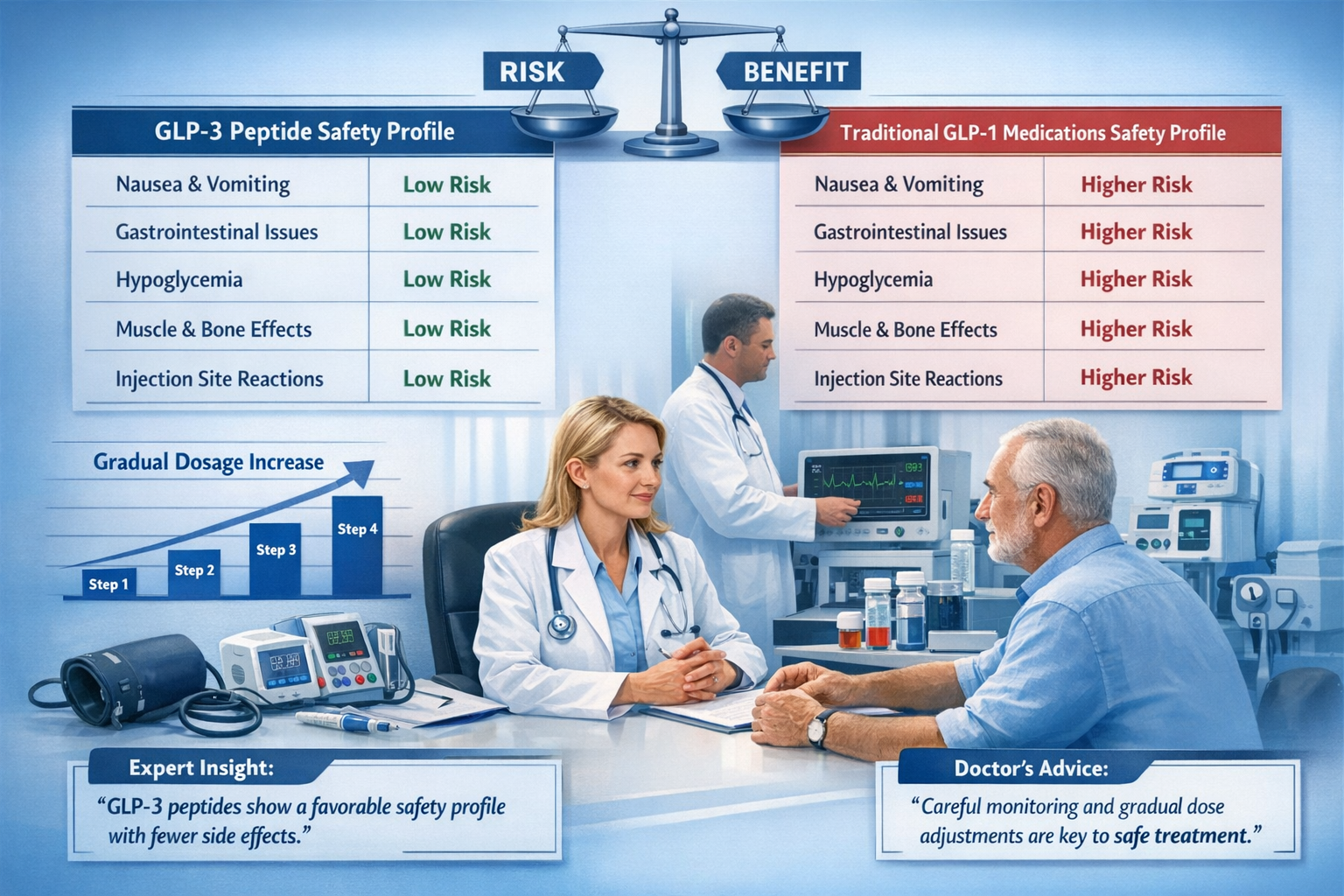
Detailed landscape format (1536x1024) image showing safety comparison table with GLP-3 peptide versus traditional GLP-1 medications, side-by

The question "is GLP-3 peptide safe" will continue to evolve as new research emerges throughout 2026 and beyond. Understanding the trajectory of ongoing studies helps set realistic expectations.

Ongoing Phase 3 Trials in 2026

Seven additional phase 3 trials are expected to conclude throughout 2026[1], each examining different aspects of GLP-3 peptide safety and efficacy:

Trial Focus Areas:

  • 📊 Extended duration studies (96+ weeks)
  • 📊 Cardiovascular outcomes specifically
  • 📊 Different patient populations (diabetes, metabolic syndrome)
  • 📊 Combination with other therapies
  • 📊 Pediatric and adolescent populations
  • 📊 Long-term weight maintenance after discontinuation

These studies will address many current knowledge gaps and provide more definitive answers about long-term safety. The data emerging from these trials will be crucial for FDA approval decisions anticipated in 2027[1].

What We Still Don't Know

Despite impressive clinical trial results, several important safety questions remain unanswered as of 2026:

Long-Term Effects (5+ Years):

  • Cardiovascular outcomes beyond 2-3 years
  • Metabolic adaptation and sustained efficacy
  • Bone density and skeletal health impacts
  • Cognitive and neurological effects
  • Cancer risk (requires decades of surveillance)

Special Populations:

  • Safety in athletic populations with high metabolic demands
  • Effects during perimenopause and menopause
  • Interaction with various genetic polymorphisms
  • Outcomes in diverse ethnic populations
  • Pediatric safety and developmental impacts

Mechanistic Questions:

  • Optimal receptor activation ratios
  • Individual variation in response
  • Biomarkers predicting adverse events
  • Long-term glucagon receptor stimulation effects

The longevity peptide research field continues to expand our understanding of how various peptides affect long-term health outcomes, providing context for evaluating newer compounds like GLP-3.

Post-Market Surveillance Expectations

Once FDA approval occurs in 2027, post-market surveillance will become the primary mechanism for detecting rare adverse events and long-term safety signals:

Surveillance Systems:

  • FDA Adverse Event Reporting System (FAERS)
  • Manufacturer-sponsored registries
  • Electronic health record data mining
  • Long-term cohort studies
  • Real-world evidence databases

This ongoing monitoring may reveal safety signals not apparent in controlled clinical trials, potentially leading to label updates, dosing modifications, or additional warnings. The question "is GLP-3 peptide safe" will continue to be refined based on this accumulating real-world data.

Making an Informed Decision: Is GLP-3 Peptide Safe for You?

After examining the clinical evidence, side effect profiles, contraindications, and ongoing research, the question "is GLP-3 peptide safe" requires an individualized answer based on multiple factors.

The Risk-Benefit Equation

GLP-3 peptide safety must be evaluated within the context of potential benefits and individual circumstances:

Potential Benefits:

  • ✅ Significant weight loss (average 28.7% body weight)[1]
  • ✅ Improved metabolic markers
  • ✅ Reduced obesity-related health risks
  • ✅ Enhanced body composition
  • ✅ Potential cardiovascular benefits from weight loss

Known Risks:

  • ⚠️ Gastrointestinal side effects (common)
  • ⚠️ Cardiovascular stimulation
  • ⚠️ Rare but serious complications (pancreatitis, gallstones)
  • ⚠️ Unknown long-term effects
  • ⚠️ Limited safety data compared to established medications

Unknown Factors:

  • ❓ Long-term cardiovascular outcomes
  • ❓ Effects beyond 2-3 years
  • ❓ Individual variation in response
  • ❓ Optimal use protocols
  • ❓ Post-discontinuation effects

For individuals with severe obesity and obesity-related health complications, the risk-benefit equation may favor GLP-3 peptides despite uncertainties. For those with modest weight loss goals or multiple risk factors, the equation may tilt toward more conservative approaches.

Decision-Making Framework

Use this framework to evaluate whether GLP-3 peptides might be appropriate for you:

Step 1: Assess Contraindications

  • Review absolute contraindications (thyroid cancer history, MEN 2, pregnancy)
  • Evaluate relative contraindications (cardiovascular disease, pancreatitis history)
  • Determine if any factors absolutely preclude use

Step 2: Evaluate Risk Factors

  • Age and overall health status
  • Existing medical conditions
  • Current medications and potential interactions
  • Family history of relevant conditions

Step 3: Consider Alternatives

  • Established GLP-1 medications with more safety data
  • Other metabolic peptides with different mechanisms
  • Conventional weight loss approaches
  • Combination strategies

Step 4: Assess Resources

  • Access to qualified medical supervision
  • Ability to afford comprehensive monitoring
  • Commitment to gradual titration protocols
  • Capacity for lifestyle modifications

Step 5: Define Goals and Timeline

  • Weight loss targets and urgency
  • Willingness to accept uncertainty
  • Preference for proven versus cutting-edge approaches
  • Long-term health priorities

This systematic approach helps answer "is GLP-3 peptide safe" for your specific situation rather than relying on generalized recommendations.

Questions to Ask Your Healthcare Provider

Before starting GLP-3 peptides, discuss these questions with your medical team:

  1. Based on my complete health history, do you believe GLP-3 peptides are appropriate for me?
  2. What specific monitoring protocols would you recommend for my situation?
  3. How does my risk profile compare to the clinical trial populations?
  4. What alternative approaches might achieve similar results with better-established safety profiles?
  5. What are your criteria for discontinuing GLP-3 peptides if problems arise?
  6. How will we manage side effects if they occur?
  7. What is your experience with GLP receptor agonists and metabolic peptides?
  8. Should we consider waiting for additional safety data or FDA approval?

Healthcare providers familiar with innovative peptide delivery systems and modern peptide therapeutics can provide the most informed guidance on these questions.

Conclusion: A Balanced Perspective on GLP-3 Peptide Safety

So, is GLP-3 peptide safe? The answer is nuanced and depends on individual circumstances, medical supervision, and risk tolerance. The clinical evidence from 2026 reveals a compound with remarkable efficacy—achieving average weight loss of 71.8 lbs (28.7%) in 68 weeks[1]—but also one with significant side effects and important knowledge gaps regarding long-term safety.

GLP-3 peptides demonstrate a safety profile broadly similar to established GLP-1 medications for common side effects, with gastrointestinal symptoms affecting the majority of users. However, the novel glucagon receptor agonist component introduces less-understood long-term considerations that won't be fully characterized until years of additional data accumulate[1].

For fitness enthusiasts and peptide shoppers evaluating GLP-3 peptide safety in 2026, several key principles should guide decision-making:

✓ Medical supervision is non-negotiable for safe GLP-3 peptide use
✓ Comprehensive baseline and ongoing monitoring reduces risk and enables early detection of complications
✓ Gradual dose titration significantly improves tolerability
✓ Individual risk factors must be honestly assessed against potential benefits
✓ Alternative approaches with more established safety profiles deserve consideration
✓ Quality and purity of peptide sources critically impacts safety
✓ Ongoing research throughout 2026 will continue refining our understanding

The anticipated FDA approval in 2027[1] will mark an important milestone, providing standardized formulations, comprehensive prescribing information, and the beginning of long-term post-market surveillance. For those considering GLP-3 peptides before approval, working with experienced healthcare providers and sourcing from reputable suppliers offering lab-tested peptides with verified purity becomes even more critical.

Actionable Next Steps

If you're considering GLP-3 peptides after reading this guide:

  1. Schedule a comprehensive medical evaluation with a healthcare provider experienced in metabolic peptides and GLP receptor agonists
  2. Obtain baseline laboratory testing including metabolic panels, cardiovascular assessment, and pancreatic enzyme levels
  3. Research alternative approaches including established GLP-1 medications, other metabolic peptides, and conventional interventions
  4. Evaluate your risk profile honestly using the contraindications and risk factors outlined in this guide
  5. Consider waiting for FDA approval in 2027 if your situation allows for a more conservative timeline
  6. Source only from reputable suppliers that provide third-party testing and certificate of analysis documentation
  7. Commit to proper monitoring and be prepared to discontinue use if concerning symptoms develop
  8. Stay informed about emerging research as the seven additional phase 3 trials conclude throughout 2026

The question "is GLP-3 peptide safe" will continue to evolve as science advances. Making informed decisions requires balancing current evidence, individual circumstances, and tolerance for uncertainty—always under qualified medical supervision.

For those exploring the broader landscape of research peptides, resources on what is new in peptide research and peptide purity testing provide valuable context for evaluating safety and quality across the field.

Remember: the most impressive efficacy means little if safety concerns prevent sustainable use. Prioritize long-term health over short-term results, and never compromise on medical supervision when using powerful metabolic compounds like GLP-3 peptides.


References

[1] What Glp 3s Meet New Generation Weight Loss Drugs Three Key Ingredients – https://www.foxnews.com/health/what-glp-3s-meet-new-generation-weight-loss-drugs-three-key-ingredients

[6] jamanetwork – https://jamanetwork.com/journals/jama/fullarticle/2844678


SEO Meta Title and Description

Meta Title: Is GLP-3 Peptide Safe? 2026 Safety Guide & Clinical Data

Meta Description: Is GLP-3 peptide safe for weight loss? Comprehensive 2026 guide covering clinical trials, side effects, contraindications, and expert safety recommendations.

{“@context”:”https://schema.org”,”@type”:”Article”,”headline”:”is glp-3 peptide safe”,”description”:”Is GLP-3 peptide safe for weight loss? Comprehensive 2026 guide covering clinical trials, side effects, contraindications, and expert safety recommendations.”,”image”:”https://zsxkvszxbhpwnvzxdydv.supabase.co/storage/v1/object/public/generated-images/kie/a151b641-7b09-4c7e-9067-56955df393fd/slot-0-1770077651663.png”,”datePublished”:”2026-02-03T00:08:34.731405+00:00″,”dateModified”:”2026-02-03T00:15:08.947Z”,”author”:{“@type”:”Organization”,”name”:”PTP UPDATED 2.1.26″},”publisher”:{“@type”:”Organization”,”name”:”PTP UPDATED 2.1.26″}}