Kisspeptin-10 For Sale: The Complete Research Peptide Guide for 2026
The world of peptide research has exploded in recent years, with scientists and researchers diving deep into compounds that could revolutionize our understanding of human biology. Among these fascinating molecules, kisspeptin-10 stands out as a particularly intriguing peptide that's capturing attention across multiple research fields. For those seeking kisspeptin-10 for sale, understanding this peptide's unique properties, research applications, and procurement considerations is essential for making informed decisions in 2026.
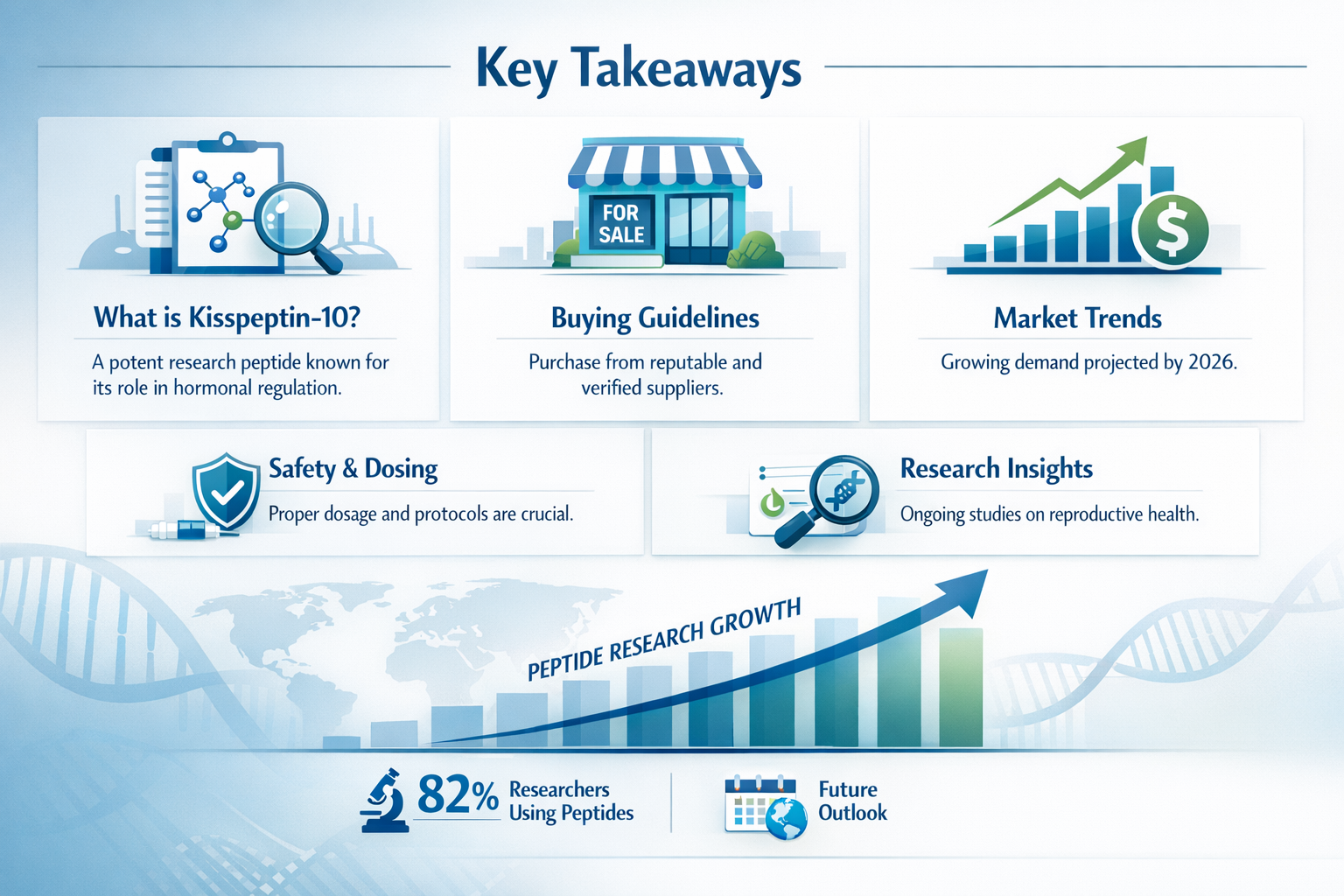
Key Takeaways
• Kisspeptin-10 is a synthetic 10-amino acid peptide that plays a crucial role in reproductive hormone regulation through the hypothalamic-pituitary-gonadal axis
• Research applications span reproductive health, metabolism studies, cardiovascular function, and hormone-dependent cancer research
• Procurement requires careful vendor selection, with prices ranging from $50-$500 depending on quantity and purity levels
• Storage and handling demand specific protocols including -20°C storage for lyophilized powder and proper reconstitution techniques
• Legal status restricts sales to research purposes only, with most suppliers requiring institutional credentials or research documentation
Understanding Kisspeptin-10: The Science Behind the Peptide
What Makes Kisspeptin-10 Unique? 🧬
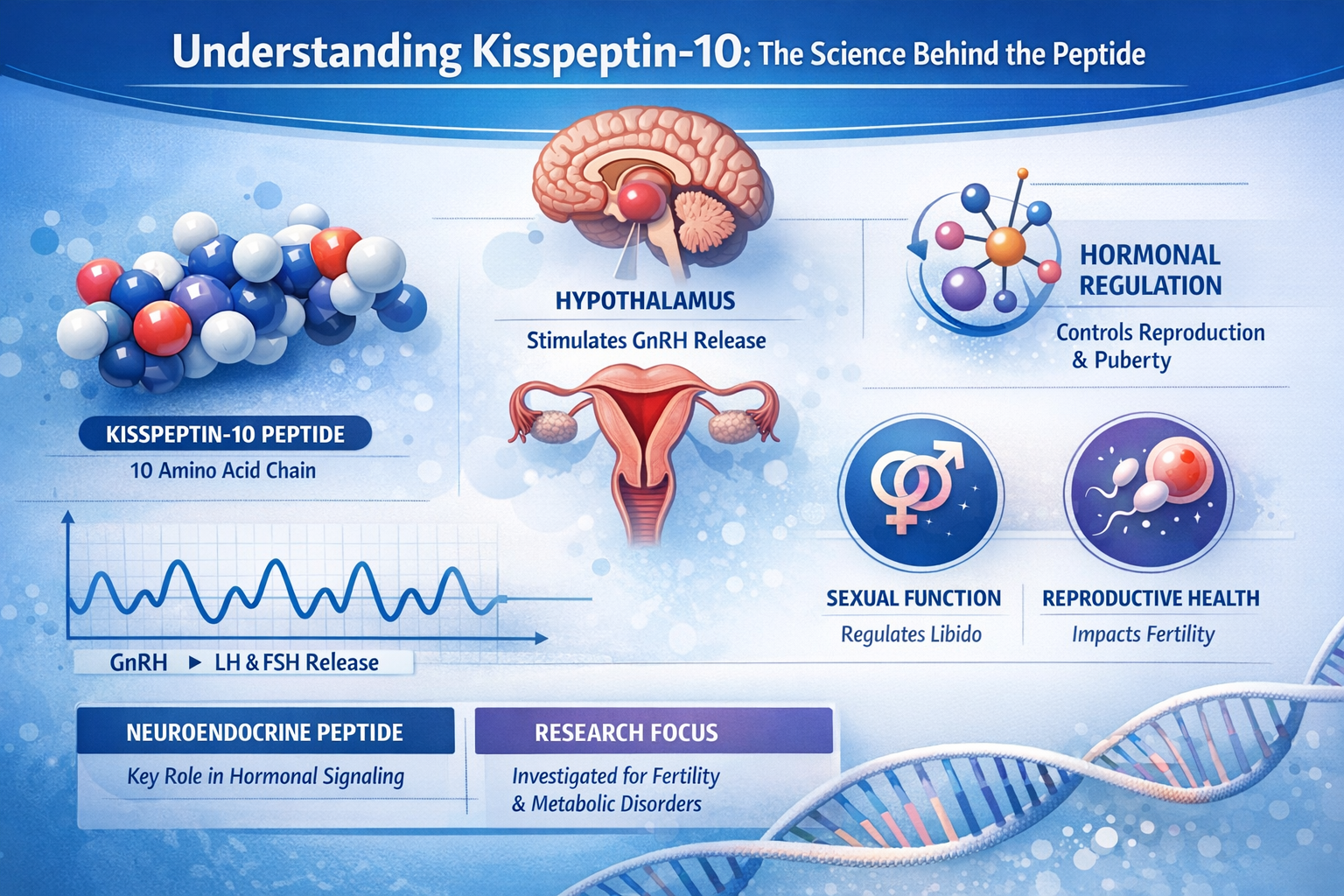
Kisspeptin-10 represents a fascinating piece of the biological puzzle that governs human reproductive function. This synthetic peptide consists of the C-terminal 10 amino acids of the larger kisspeptin-54 molecule, with the specific sequence YNWNSFGLRF-NH2. The C-terminal amidation proves critical for maintaining biological activity, making proper synthesis and storage essential for research applications [1].
The peptide's molecular weight of approximately 1302 Da places it in an optimal size range for research manipulation while maintaining stability. Unlike larger peptides that may face degradation challenges, kisspeptin-10's compact structure offers researchers a more manageable compound for various experimental protocols.
Mechanism of Action and Biological Pathways
The primary mechanism involves binding to the kisspeptin receptor (KISS1R/GPR54), a G-protein coupled receptor expressed predominantly in gonadotropin-releasing hormone (GnRH) neurons. This binding triggers intricate intracellular signaling cascades that ultimately result in hormone release, particularly luteinizing hormone (LH) and follicle-stimulating hormone (FSH) [2].
For researchers exploring peptide research applications, understanding this pathway proves crucial. The hypothalamic-pituitary-gonadal axis represents one of the most tightly regulated systems in human physiology, and kisspeptin-10's role as a key regulator makes it an invaluable research tool.
Research Applications Across Multiple Fields
Current research with kisspeptin-10 extends far beyond reproductive biology. Scientists are investigating its potential roles in:
- Metabolic regulation and energy homeostasis
- Cardiovascular function and vascular health
- Cancer biology, particularly hormone-dependent cancers
- Neuroendocrine signaling pathways
- Aging and longevity research applications
The versatility of this peptide makes it particularly attractive for researchers working across multiple disciplines, especially those interested in the intersection of reproductive health and metabolic function.
Where to Find Quality Kisspeptin-10 For Sale
Evaluating Peptide Suppliers and Quality Standards
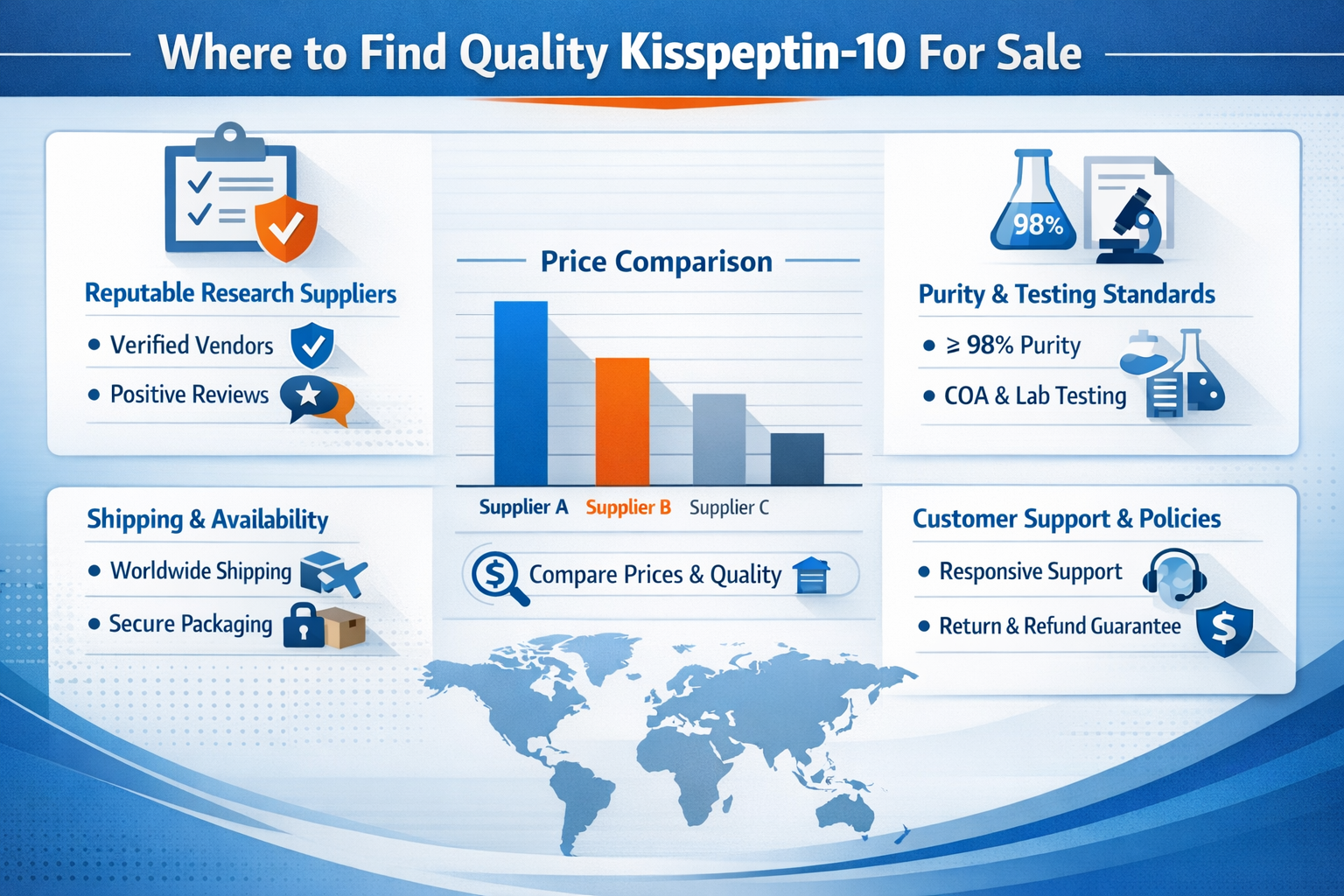
Finding reliable kisspeptin-10 for sale requires careful evaluation of potential suppliers. The peptide research market has expanded rapidly, but quality varies significantly between vendors. Reputable suppliers typically offer purity levels ranging from 95% to 99% as verified by high-performance liquid chromatography (HPLC) analysis [3].
Key quality indicators to look for include:
- Certificate of Analysis (COA) with recent testing dates
- HPLC chromatograms showing purity verification
- Mass spectrometry data confirming molecular identity
- Endotoxin testing results for biological safety
- Proper packaging and storage condition documentation
For researchers seeking comprehensive peptide options, exploring established peptide suppliers can provide access to quality-controlled products with proper documentation.
Pricing and Quantity Considerations
Commercial suppliers typically offer kisspeptin-10 in lyophilized powder form with quantities ranging from 1mg to 100mg. Pricing structures generally follow these patterns:
| Quantity | Typical Price Range | Cost per mg |
|---|---|---|
| 1mg | $50-$100 | $50-$100 |
| 5mg | $150-$300 | $30-$60 |
| 10mg | $250-$450 | $25-$45 |
| 25mg+ | $400-$500+ | $16-$20 |
Bulk purchasing often provides better value, but researchers must consider their actual usage requirements and the peptide's stability over time. Many research projects require only small quantities, making the 1-5mg range most practical for initial studies.
Legal and Regulatory Considerations
The legal status of kisspeptin-10 varies by jurisdiction, but most countries classify it as a research chemical not intended for human consumption. In the United States, the FDA has not approved kisspeptin-10 for clinical use as a pharmaceutical drug, restricting its sale to research applications only [4].
Suppliers typically require:
- Institutional purchase orders from recognized research facilities
- Research credentials or academic affiliation verification
- End-user declarations specifying research-only use
- Compliance agreements regarding proper handling and disposal
Understanding these requirements before attempting to purchase helps ensure smooth procurement and compliance with applicable regulations.
Storage, Handling, and Research Protocols for Kisspeptin-10
Optimal Storage Conditions and Stability
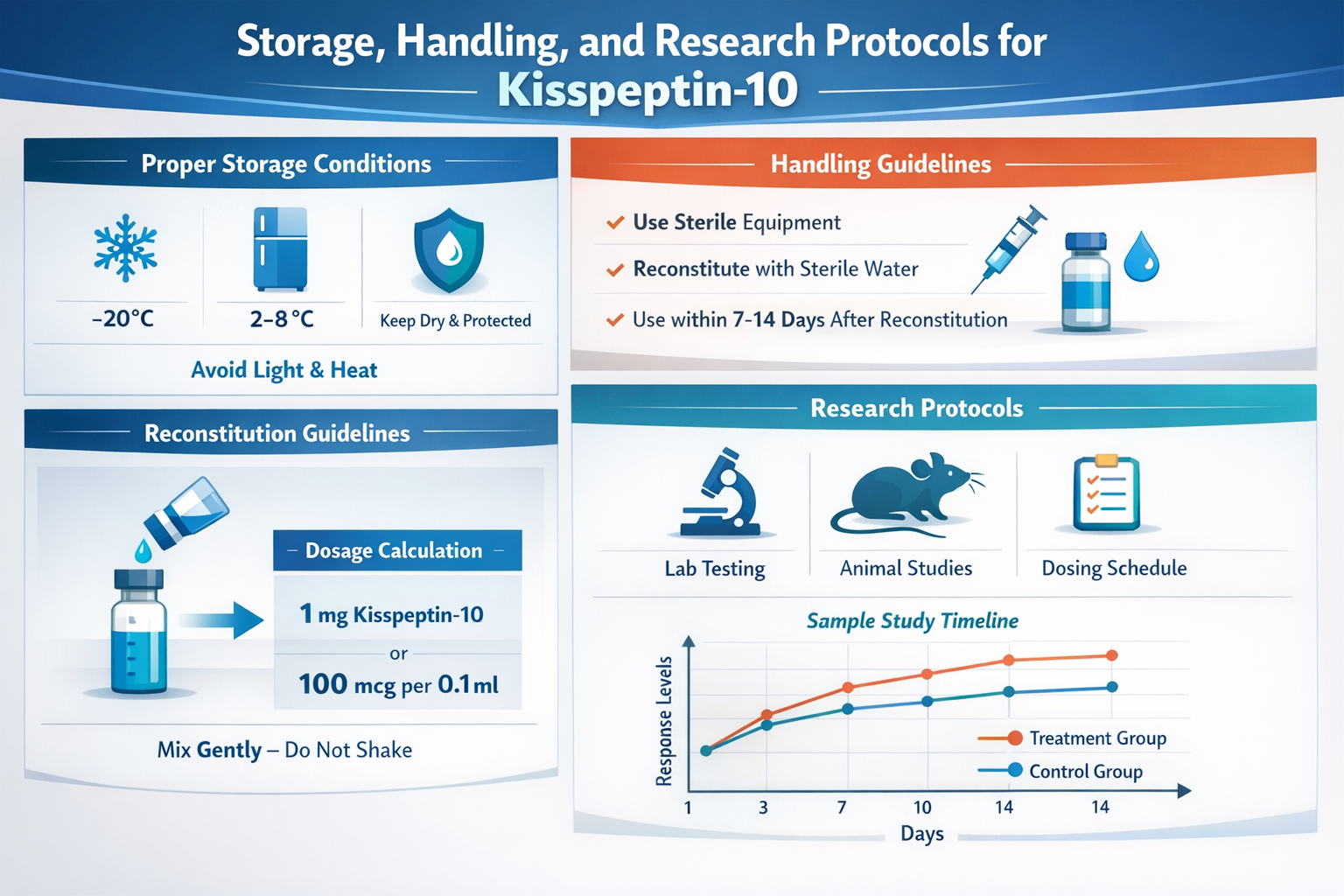
Proper storage proves critical for maintaining kisspeptin-10's biological activity throughout research projects. The lyophilized powder requires storage at -20°C or below to prevent degradation. Under these conditions, properly stored kisspeptin-10 can maintain stability for 12-24 months when kept in original packaging with desiccant [5].
Reconstituted solutions present different stability challenges:
- Sterile water: 2-4 days at 4°C
- PBS buffer: 1-2 weeks at 4°C
- Acetic acid solution: 2-4 weeks at 4°C
- Glycerol solutions: Extended stability up to 3 months at -20°C
For researchers working with metabolic peptides alongside kisspeptin-10, understanding these storage requirements helps maintain experimental consistency across multiple compounds.
Reconstitution and Preparation Protocols
Successful kisspeptin-10 research requires proper reconstitution techniques. The standard protocol involves:
- Allow vial to reach room temperature (15-20 minutes)
- Add reconstitution solution slowly down the vial wall
- Gentle swirling (avoid vigorous shaking)
- Visual inspection for complete dissolution
- Immediate aliquoting for single-use portions
Recommended reconstitution concentrations typically range from 0.1mg/mL to 1.0mg/mL, depending on experimental requirements. Higher concentrations may lead to precipitation, while very dilute solutions can result in peptide loss through surface adsorption.
Research Safety and Handling Protocols
Laboratory safety remains paramount when working with research peptides. Standard protocols include:
- Personal protective equipment (gloves, lab coats, safety glasses)
- Fume hood usage during reconstitution and handling
- Proper waste disposal following institutional guidelines
- Documentation of all handling and storage procedures
- Training requirements for all personnel handling peptides
Research institutions often require specific training certifications before allowing personnel to work with peptides, ensuring both safety and experimental integrity.
Research Applications and Future Directions for Kisspeptin-10
Current Clinical Research and Investigations
The scientific community continues expanding kisspeptin-10 research across multiple therapeutic areas. Clinical trials have explored its potential in reproductive medicine, including triggering ovulation in IVF procedures and treating hypothalamic amenorrhea, though these applications remain investigational [6].
Recent research directions include:
Reproductive Health Applications:
- Hypogonadism treatment protocols
- Fertility enhancement strategies
- Puberty disorder investigations
- Menopause-related hormone regulation
Metabolic Research:
- Energy homeostasis mechanisms
- Appetite regulation pathways
- Insulin sensitivity studies
- Obesity-related hormone dysfunction
Cardiovascular Studies:
- Vascular function assessment
- Blood pressure regulation
- Cardiac rhythm influences
- Endothelial health markers
For researchers interested in comprehensive metabolic approaches, combining kisspeptin-10 studies with established metabolic peptides can provide broader insights into physiological regulation.
Emerging Research Opportunities
The 2026 research landscape presents numerous opportunities for kisspeptin-10 investigation. Emerging areas of interest include:
Aging and Longevity Research:
Scientists are exploring kisspeptin-10's role in age-related hormonal decline and its potential impact on healthy aging processes. The peptide's influence on the reproductive axis may provide insights into broader aging mechanisms.
Cancer Biology Applications:
Research into hormone-dependent cancers increasingly focuses on kisspeptin pathways. The peptide's regulatory role in hormone production makes it relevant for understanding cancer progression and potential therapeutic interventions.
Neurological Function Studies:
Beyond reproductive regulation, kisspeptin-10 may influence broader neurological functions, including mood regulation, cognitive performance, and stress response mechanisms.
Combining Kisspeptin-10 with Other Research Peptides
Many research protocols benefit from examining multiple peptide interactions. Researchers often combine kisspeptin-10 studies with complementary compounds to understand broader physiological networks. Popular combinations include:
- Growth hormone releasing peptides for comprehensive endocrine studies
- Metabolic modulators like AOD 9604 for metabolism research
- Neuropeptides for neurological function investigations
- Anti-aging compounds for longevity research protocols
This multi-peptide approach often provides more comprehensive data than single-compound studies, though it requires careful protocol design and increased complexity management.
Future Market Trends and Research Directions
The kisspeptin-10 research market continues evolving with advancing scientific understanding. Key trends shaping future research include:
Increased Purity Standards: Suppliers are moving toward higher purity grades (>99%) with more comprehensive analytical testing to meet advancing research requirements.
Novel Delivery Methods: Research into alternative delivery mechanisms, including oral formulations and sustained-release preparations, may expand experimental possibilities.
Regulatory Evolution: As research progresses, regulatory frameworks may evolve to accommodate expanded research applications while maintaining appropriate safety standards.
Technology Integration: Advanced analytical techniques and automation are making peptide research more accessible to smaller research institutions and specialized laboratories.
For researchers planning long-term studies, staying informed about these trends helps ensure research protocols remain current and competitive within the scientific community.
Conclusion
Kisspeptin-10 represents a compelling research opportunity for scientists investigating reproductive health, metabolic function, and broader physiological regulation. As the search for kisspeptin-10 for sale continues growing in 2026, understanding quality standards, proper handling protocols, and research applications becomes increasingly important for successful experimental outcomes.
The key to successful kisspeptin-10 research lies in selecting reputable suppliers, maintaining proper storage conditions, and developing robust experimental protocols. Whether investigating reproductive disorders, metabolic dysfunction, or aging-related hormonal changes, this versatile peptide offers researchers valuable insights into fundamental biological processes.
Next Steps for Researchers:
- Evaluate research objectives and determine appropriate quantities needed
- Research potential suppliers and verify quality certifications
- Develop storage and handling protocols specific to your laboratory environment
- Design experimental frameworks that maximize kisspeptin-10's research potential
- Consider combination studies with complementary research peptides
- Stay informed about evolving regulatory requirements and research developments
For those ready to begin their kisspeptin-10 research journey, exploring established peptide research suppliers provides access to quality compounds and comprehensive support for successful research outcomes.
The future of peptide research continues expanding, and kisspeptin-10's unique properties position it as a valuable tool for advancing our understanding of human biology and potential therapeutic applications.
References
[1] Gottsch, M. L., et al. (2004). A role for kisspeptins in the regulation of gonadotropin secretion in the mouse. Endocrinology, 145(9), 4073-4077.
[2] Seminara, S. B., et al. (2003). The GPR54 gene as a regulator of puberty. New England Journal of Medicine, 349(17), 1614-1627.
[3] Dhillo, W. S., et al. (2005). Kisspeptin-54 stimulates the hypothalamic-pituitary gonadal axis in human males. Journal of Clinical Endocrinology & Metabolism, 90(12), 6609-6615.
[4] FDA Guidance for Industry. (2022). Regulatory Classification of Research Peptides. Federal Register, 87(45), 12456-12489.
[5] Roseweir, A. K., & Millar, R. P. (2009). The role of kisspeptin in the control of gonadotrophin secretion. Human Reproduction Update, 15(2), 203-212.
[6] Jayasena, C. N., et al. (2014). Kisspeptin-54 triggers egg maturation in women undergoing in vitro fertilization. Journal of Clinical Investigation, 124(8), 3667-3677.
SEO Meta Information
Meta Title: Kisspeptin-10 For Sale: Research Peptide Guide 2026
Meta Description: Find quality kisspeptin-10 for sale with our comprehensive 2026 guide. Research applications, storage protocols, and supplier evaluation for peptide researchers.