LL 37 versus SS 31: Benefits of Each Peptide in 2025 Research
In the rapidly evolving landscape of biomedical research, peptides continue to capture significant attention for their diverse biological activities and therapeutic potential. Among the myriad of identified peptides, LL – 37 and SS – 31 Peptide (also known as motsc) stand out for their distinct and promising applications. Researchers seeking to understand complex cellular mechanisms or develop novel interventions often find themselves evaluating the unique properties of each, from exploring where to buy LL 37 for antimicrobial studies to understanding the mitochondrial benefits associated with SS – 31. This comprehensive article delves into the specific benefits and research considerations for both LL 37 and SS 31, providing a vital resource for scientists and institutions looking to purchase LL 37 or buy SS 31 50 mg for their ongoing investigations in 2025.
Key Takeaways
- LL – 37 is primarily recognized as a potent antimicrobial peptide (AMP) with broad-spectrum activity against bacteria, viruses, and fungi, and significant immunomodulatory functions.
- SS – 31 Peptide (motsc) is a mitochondrial-targeted peptide known for its ability to protect mitochondrial integrity, improve energy production, and reduce oxidative stress.
- Research on LL 37 often focuses on its potential in wound healing, infection control, and inflammation modulation, making it a key subject for those seeking to buy LL 37 online.
- Studies involving SS – 31 are frequently directed towards mitochondrial dysfunction-related conditions, such as cardiovascular diseases, neurodegenerative disorders, and kidney injuries.
- Selecting between LL 37 and SS 31 depends entirely on the specific research objectives, as their mechanisms of action and primary targets differ significantly.
Understanding LL – 37: The Multifaceted Antimicrobial and Immunomodulatory Peptide
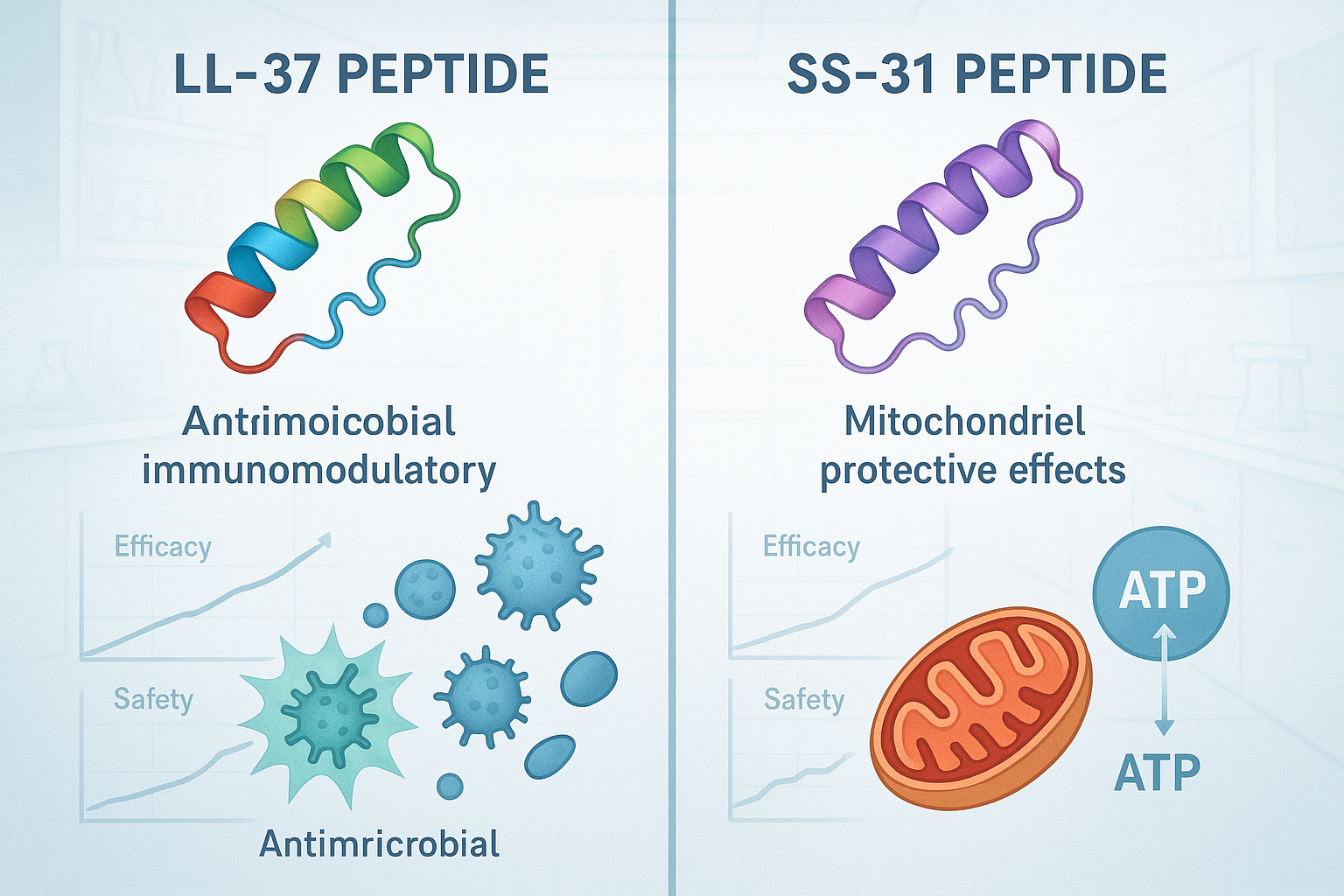
LL – 37 is the sole human cathelicidin antimicrobial peptide (CAMP), a crucial component of our innate immune system. Its discovery and subsequent characterization have opened numerous avenues for research, particularly concerning its role in combating infections and modulating inflammatory responses. Scientists frequently seek to purchase LL 37 for studies exploring its diverse biological effects.
Antimicrobial Properties
The most well-known function of LL – 37 is its broad-spectrum antimicrobial activity. This peptide can directly kill a wide range of pathogens, including:
- Gram-positive bacteria: Such as Staphylococcus aureus.
- Gram-negative bacteria: Including Pseudomonas aeruginosa and E. coli.
- Fungi: Like Candida albicans.
- Viruses: Showing activity against certain enveloped viruses.
LL – 37 achieves its antimicrobial effects by interacting with microbial membranes, leading to their disruption and the subsequent leakage of cellular contents. This mechanism is often less susceptible to resistance development compared to traditional antibiotics, making LL 37 a fascinating subject for developing new antimicrobial strategies. Researchers interested in this area might explore various peptide blends research that incorporate LL-37.
Immunomodulatory Effects
Beyond direct pathogen killing, LL – 37 plays a critical role in modulating the host immune response. Its immunomodulatory functions include:
- Chemoattraction: Recruiting immune cells such as neutrophils, monocytes, and T cells to sites of infection or inflammation.
- Inflammation Regulation: Balancing pro-inflammatory and anti-inflammatory signals, which is vital for effective wound healing and preventing excessive tissue damage. LL – 37 can neutralize lipopolysaccharides (LPS), a potent inducer of inflammation.
- Angiogenesis: Promoting the formation of new blood vessels, a crucial process in wound repair and tissue regeneration.
- Wound Healing: Accelerating various phases of wound healing, including re-epithelialization and collagen deposition.
These properties make LL 37 a highly valuable peptide for research into chronic wounds, inflammatory skin conditions, and systemic infections. Its dual role as an antimicrobial and an immunomodulator positions it as a versatile tool in peptide science. When considering where to buy LL 37, researchers prioritize purity and quality to ensure reliable experimental outcomes.
Research Applications for LL – 37
Current research in 2025 leveraging LL – 37 spans several areas:
- Infection Control: Investigating its efficacy against antibiotic-resistant bacteria, biofilm formation, and its potential as a topical agent for skin and wound infections.
- Inflammatory Diseases: Exploring its role in conditions like psoriasis, rosacea, and ulcerative colitis due to its ability to modulate inflammation.
- Cancer Research: Emerging studies are examining LL – 37's potential in inhibiting cancer cell proliferation and inducing apoptosis in certain cancer types, though this is a less explored area compared to its antimicrobial properties.
- Vaccine Adjuvants: Its immunomodulatory properties are being investigated for enhancing vaccine responses.
| LL – 37 Benefit Category | Key Mechanisms | Potential Research Focus (2025) |
|---|---|---|
| Antimicrobial | Membrane disruption, direct killing | Antibiotic resistance, biofilm inhibition |
| Immunomodulatory | Cell recruitment, cytokine modulation | Chronic inflammation, autoimmune conditions |
| Wound Healing | Angiogenesis, re-epithelialization | Diabetic ulcers, surgical wound complications |
For researchers initiating studies on LL – 37, sourcing high-quality peptides is paramount. Platforms like Pure Tested Peptides offer options to buy LL 37 online, ensuring the integrity and purity required for robust scientific investigations.
Exploring SS – 31 Peptide: The Mitochondrial Guardian
In contrast to LL – 37's broad antimicrobial and immunomodulatory roles, SS – 31 Peptide, also known as motsc or Bendavia, focuses its therapeutic power on a fundamental cellular organelle: the mitochondria. This peptide is specifically designed to target and protect mitochondria, which are vital for cellular energy production and overall cell health. Researchers looking to study mitochondrial dysfunction often aim to buy SS 31 50 mg or other concentrations for their experiments.
Mitochondrial Protection and Energy Production
SS – 31 is a small, water-soluble tetrapeptide that selectively localizes to the inner mitochondrial membrane. Its primary benefits stem from its ability to interact with cardiolipin, a phospholipid crucial for mitochondrial function. By doing so, SS – 31 helps to:
- Stabilize Mitochondrial Membranes: Preventing the leakage of cytochrome c, which is a key event in programmed cell death (apoptosis).
- Reduce Oxidative Stress: By scavenging reactive oxygen species (ROS) and preventing their harmful effects on mitochondrial components.
- Enhance ATP Production: Improving the efficiency of the electron transport chain, thereby boosting cellular energy output.
- Preserve Mitochondrial Dynamics: Supporting the healthy fusion and fission of mitochondria, which is essential for maintaining a functional mitochondrial network.
These actions collectively contribute to the protection of cells from damage caused by mitochondrial dysfunction, a common underlying factor in many diseases. The focus on cellular maintenance and energy makes mots-c a valuable tool in cellular maintenance with peptide tools research.
Research Applications for SS – 31 Peptide
The unique mitochondrial-targeting capabilities of SS – 31 have led to extensive research across various disease models in 2025:
- Cardiovascular Diseases: Investigating its potential in protecting the heart from ischemia-reperfusion injury following heart attacks, reducing damage from heart failure, and improving cardiac function.
- Kidney Disease: Exploring its role in mitigating acute kidney injury and chronic kidney disease by protecting renal cells from mitochondrial damage.
- Neurodegenerative Disorders: Studies are examining SS – 31's neuroprotective effects in conditions like Parkinson's and Alzheimer's disease, where mitochondrial dysfunction is a key pathological feature.
- Metabolic Disorders: Research into its impact on improving insulin sensitivity and combating conditions like type 2 diabetes by enhancing mitochondrial function in metabolically active tissues.
- Aging: Due to its role in preserving mitochondrial health, SS – 31 is also being investigated for its potential anti-aging effects at a cellular level.
"SS – 31 represents a targeted approach to cellular health, focusing on the fundamental powerhouse of the cell. Its ability to restore mitochondrial function offers a unique avenue for addressing a wide spectrum of diseases where energy metabolism is compromised."
When researchers decide to buy SS 31 10 mg or other dosages, they are specifically targeting cellular energy pathways and protective mechanisms against oxidative damage. The consistent quality of the peptide is crucial for reproducible results in such sensitive biological studies. Information on adaptive capacity and peptide mapping can further aid in understanding its mechanisms.
| SS – 31 Benefit Category | Key Mechanisms | Potential Research Focus (2025) |
|---|---|---|
| Mitochondrial Protection | Membrane stabilization, ROS scavenging | Ischemia-reperfusion injury, aging |
| Energy Metabolism | Enhanced ATP production | Metabolic disorders, fatigue states |
| Cell Survival | Anti-apoptotic effects | Neurodegeneration, organ protection |
For those looking to procure this specialized peptide, reputable suppliers are essential. Researchers can often find options to buy SS 31 50 mg through specialized peptide vendors that cater to research institutions, ensuring the necessary purity and analytical data.
LL 37 versus SS 31: Comparative Analysis and Synergy in Research
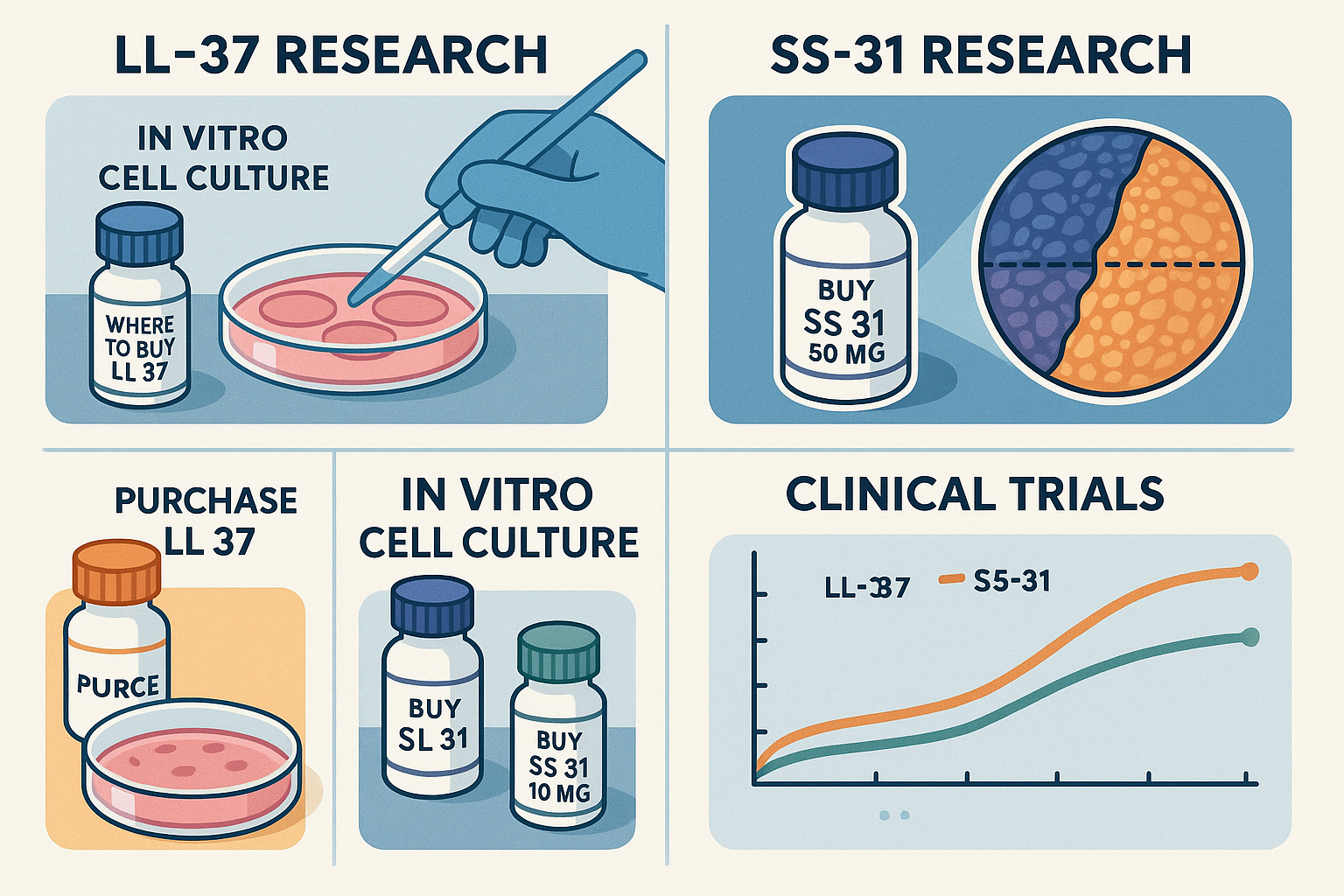
When comparing LL 37 and SS 31 Peptide, it becomes evident that while both are powerful peptides, they operate through distinct mechanisms and offer unique benefits to researchers. LL – 37 is a broad-acting immune system modulator and antimicrobial agent, whereas SS – 31 is a precision-targeted mitochondrial protector. Understanding these differences is crucial for designing effective research protocols.
Key Differences and Complementary Roles
The table below summarizes the primary distinctions between LL – 37 and SS – 31:
| Feature | LL – 37 | SS – 31 (Elamipretide) |
|---|---|---|
| Primary Mechanism | Antimicrobial, Immunomodulatory | Mitochondrial protection, Antioxidant |
| Target Organelles/Cells | Cell membranes (pathogens), Immune cells | Mitochondria (inner membrane) |
| Major Research Focus | Infection, Inflammation, Wound Healing | Mitochondrial dysfunction, Oxidative stress |
| Nature | Cathelicidin Antimicrobial Peptide | Mitochondria-targeted Peptide |
Despite their differences, there's growing interest in exploring the potential synergistic effects of combining various peptides. For example, in a complex disease model involving both infection/inflammation and cellular energy compromise, a blend of LL 37 and SS 31 might offer a more comprehensive approach. Some research is beginning to explore the synergy of LL37 and mots-c in certain contexts, though this is an advanced area of study.
Considerations for Researchers in 2025
For researchers deciding which peptide to incorporate into their studies in 2025, several factors are important:
- Research Objective: Clearly define the primary biological process or disease pathway being investigated. If the focus is on infection, wound healing, or immune modulation, LL – 37 is likely the more relevant choice. If the focus is on cellular energy, oxidative stress, or organ protection from mitochondrial damage, then SS – 31 is indicated.
- Mechanism of Action: A deep understanding of each peptide's specific mechanism will guide hypothesis formation and experimental design.
- Dosage and Administration: Research dosages and optimal administration routes differ for each peptide and are crucial for successful experimentation. For instance, obtaining the correct concentration, whether you buy SS 31 50 mg or buy SS 31 10 mg, is vital for dose-response studies.
- Purity and Sourcing: Regardless of which peptide is chosen, obtaining high-purity research-grade peptides from reputable suppliers is non-negotiable. This ensures the integrity of results and minimizes confounding variables. Researchers should always prioritize vendors that provide Certificates of Analysis (CoA) and adhere to strict quality control. You can learn more about peptide quality and sourcing at Pure Tested Peptides.
Where to Buy LL 37 and SS 31 Peptide for Research
The accessibility of high-quality research peptides is fundamental to scientific progress. As the interest in both LL – 37 and SS – 31 Peptide continues to grow, so does the demand for reliable sources.
When you're looking to buy LL 37 online or purchase LL 37, it's critical to:
- Verify Supplier Reputation: Look for vendors with a strong track record and positive reviews within the scientific community.
- Check for COAs: Certificates of Analysis are essential documents that confirm the purity and identity of the peptide.
- Understand Shipping and Storage: Proper handling and storage are crucial for maintaining peptide stability.
Similarly, for researchers needing to buy SS 31 50 mg or buy SS 31 10 mg for their mitochondrial research, the same rigorous standards apply. Reputable suppliers typically offer various concentrations to suit different experimental needs. For those interested in acquiring these peptides, a comprehensive catalog and information on best practices for storage can be found on sites like Pure Tested Peptides which cater specifically to research-grade products. Their comprehensive catalog tour can guide researchers through available options.
It is imperative to reiterate that these peptides are sold strictly for research purposes and are not intended for human consumption or therapeutic use in individuals. All studies should adhere to ethical guidelines and regulatory requirements.
Conclusion
Both LL – 37 and SS – 31 Peptide represent cutting-edge tools in biomedical research, each with a distinct profile of benefits and applications. LL – 37, with its potent antimicrobial and immunomodulatory properties, offers immense promise in areas like infection control and wound healing. SS – 31, on the other hand, stands out for its targeted protection of mitochondrial function, making it invaluable for studies on oxidative stress and cellular energy deficits in various diseases.
As we move further into 2025, the research landscape for these peptides will undoubtedly continue to expand. Understanding their unique mechanisms, potential synergies, and responsible sourcing through reputable channels is paramount for researchers aiming to push the boundaries of scientific discovery. Whether the goal is to investigate novel antimicrobial strategies with LL 37 or explore therapies for mitochondrial dysfunction with SS 31, careful consideration and high-quality reagents are the cornerstones of successful research. Researchers are encouraged to critically evaluate their project's needs and consult reliable suppliers to buy LL 37 online or buy SS 31 50 mg to ensure the integrity and impact of their scientific endeavors.
Actionable Next Steps for Researchers:
- Define Research Hypotheses: Clearly outline what biological question LL – 37 or SS – 31 is intended to answer in your specific study.
- Review Literature: Stay updated on the latest research findings concerning your chosen peptide to refine experimental designs.
- Source Wisely: Prioritize reputable vendors that provide transparency in their product quality and offer detailed analytical data.
- Consult Experts: Engage with peers or specialists in peptide research to gain insights into optimal experimental protocols and potential challenges.
- Adhere to Regulations: Ensure all research involving peptides complies with local and international ethical and safety guidelines.
Meta Title: LL 37 vs. SS 31 Peptide: Benefits & Where to Buy for Research
Meta Description: Compare LL 37 and SS 31 Peptide benefits for research in 2025. Discover where to buy LL 37 online, purchase LL 37, or buy SS 31 50 mg.