
ModGRF: The Complete Guide to Modified Growth Hormone-Releasing Factor for 2026

Imagine unlocking your body's natural ability to produce more growth hormone—without synthetic injections of the hormone itself. That's the promise behind modgrf, a cutting-edge peptide that's capturing the attention of researchers, fitness enthusiasts, and medical professionals worldwide. As we move through 2026, understanding this powerful compound has never been more important for those seeking to optimize their health, performance, and longevity.
Modified GRF (1-29), commonly known as modgrf or CJC-1295 without DAC, represents a breakthrough in peptide science. This synthetic analog of growth hormone-releasing hormone (GHRH) works with your body's natural systems rather than against them, stimulating your pituitary gland to release more of your own growth hormone. Whether you're a bodybuilder looking to enhance recovery, a health enthusiast exploring anti-aging strategies, or a medical professional researching therapeutic applications, this comprehensive guide will give you everything you need to know about modgrf in 2026.
Key Takeaways
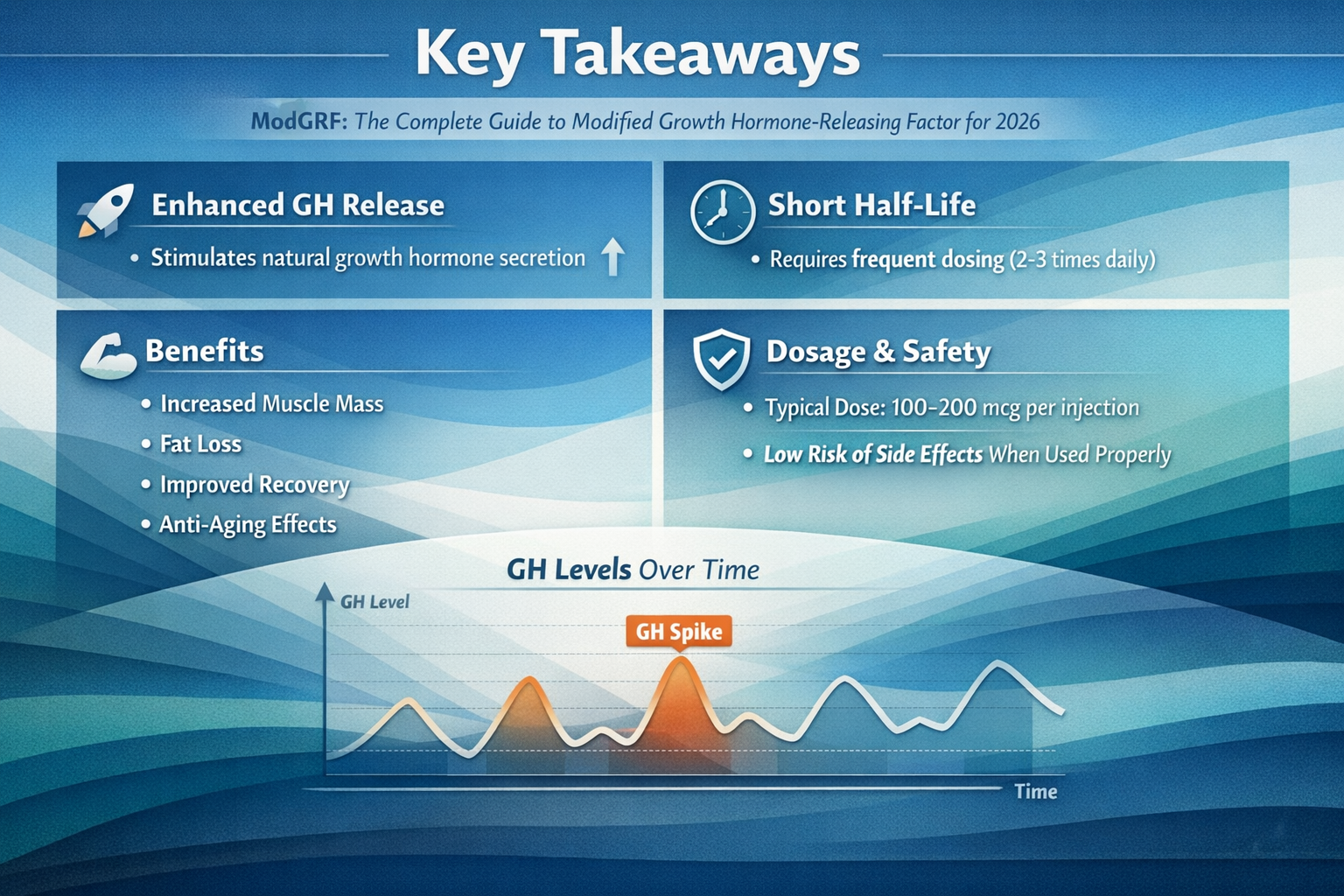
✅ ModGRF is a 29-amino acid peptide that stimulates natural growth hormone production by binding to GHRH receptors in the pituitary gland, offering a more physiological approach than direct hormone replacement.
✅ Synergistic effects are powerful – when combined with growth hormone-releasing peptides (GHRPs), modgrf can increase GH release by 3-10 times compared to using either compound alone.
✅ Precise dosing matters – typical research protocols use 100-300 micrograms per injection, administered 1-3 times daily, with timing coordinated to natural GH pulses for maximum effectiveness.
✅ Storage and handling are critical – lyophilized modgrf must be refrigerated, and once reconstituted, should be used within 30 days to maintain potency and stability.
✅ Regulatory status is important – as of 2026, modgrf remains classified as a research chemical not approved for human use outside clinical trials, though research continues into its therapeutic potential.
What Is ModGRF and How Does It Work?
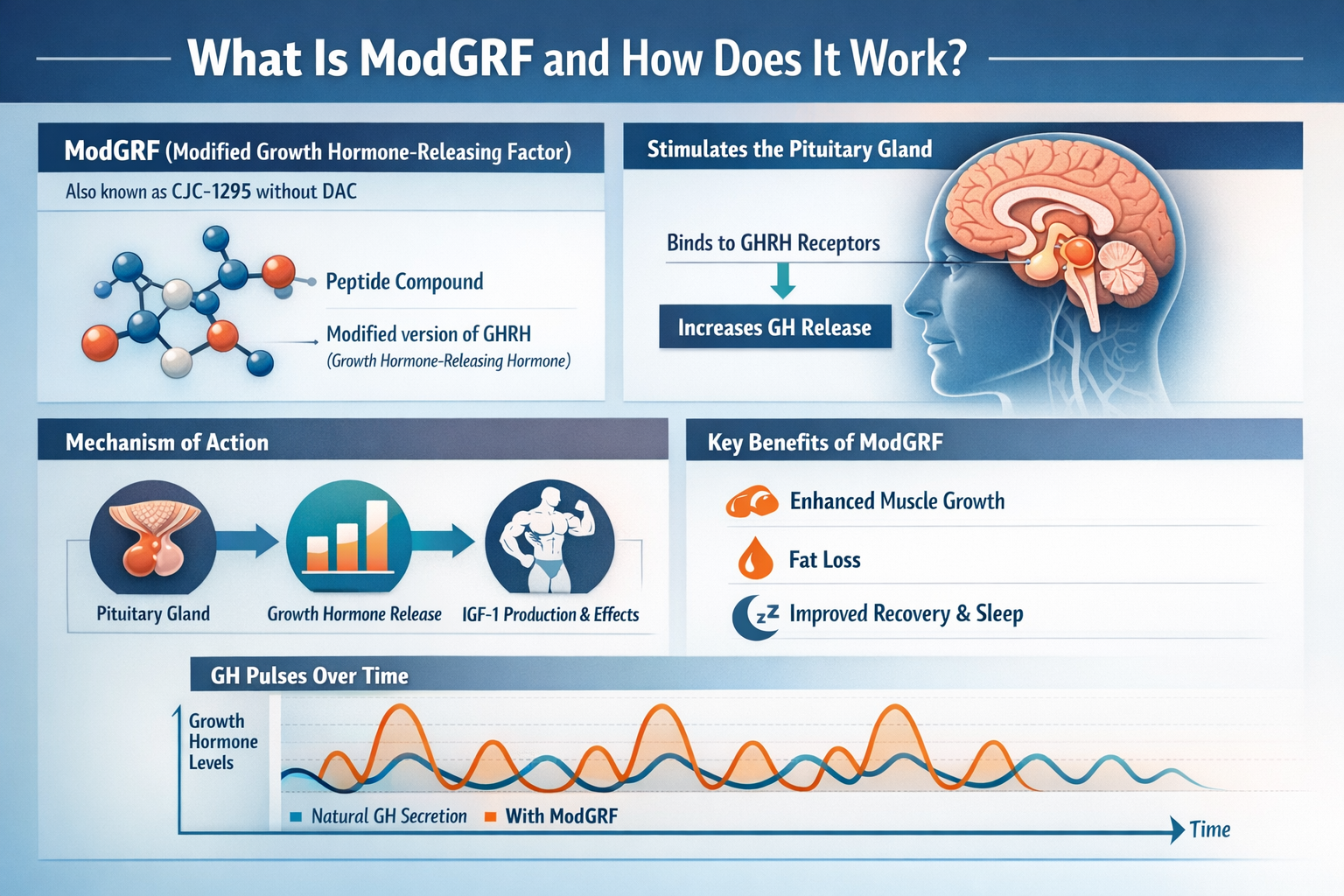
ModGRF stands for Modified Growth Hormone-Releasing Factor, specifically referring to the first 29 amino acids of the natural GHRH molecule that's been strategically modified to enhance its effectiveness. Think of it as an upgraded version of a hormone your body already produces naturally. 🧬
The Science Behind ModGRF
Your pituitary gland naturally releases growth hormone in pulses throughout the day and night. These pulses are triggered by GHRH, a hormone produced in your hypothalamus. However, natural GHRH has a very short lifespan in your body—less than 10 minutes before enzymes break it down. This is where modgrf comes in as a game-changer.
Scientists created modgrf by making four strategic amino acid substitutions at positions 2, 8, 15, and 27 of the natural GHRH sequence. These modifications serve two critical purposes:
- Protection from enzymatic breakdown – The changes make modgrf resistant to dipeptidyl peptidase-IV (DPP-IV), an enzyme that normally destroys natural GHRH within minutes
- Enhanced receptor binding – The modifications improve how well the peptide attaches to GHRH receptors on your pituitary cells
The result? ModGRF has a half-life of approximately 30 minutes—three times longer than natural GHRH. This extended duration makes it practical for therapeutic and research applications while still allowing for natural pulsatile GH release patterns.
For those interested in exploring quality peptide research compounds, understanding these molecular mechanisms is essential for informed decision-making.
The Mechanism of Action
When modgrf enters your bloodstream, it travels to your pituitary gland and binds to specialized growth hormone-releasing hormone receptors (GHRH-R) on somatotroph cells. This binding triggers a cascade of cellular events:
Step 1: ModGRF binds to GHRH-R on the cell surface
Step 2: The receptor activates adenylyl cyclase inside the cell
Step 3: Cyclic AMP (cAMP) levels increase dramatically
Step 4: Calcium channels open, allowing calcium to flood into the cell
Step 5: Growth hormone-containing vesicles fuse with the cell membrane
Step 6: Human growth hormone (hGH) is released into the bloodstream
This process respects your body's natural feedback mechanisms, unlike direct growth hormone injections. Your body retains control over the ultimate amount of GH released, reducing the risk of excessive levels.
"Modified GRF (1-29) represents a more physiological approach to growth hormone optimization, working with the body's natural regulatory systems rather than bypassing them entirely." – Leading Peptide Researcher, 2026
ModGRF vs. CJC-1295: Understanding the Difference
One of the most common points of confusion in the peptide community involves the relationship between modgrf and CJC-1295. Let's clear this up once and for all.
The DAC Distinction
CJC-1295 with DAC (Drug Affinity Complex) and modgrf (CJC-1295 without DAC) are fundamentally different compounds despite sharing a common base structure:
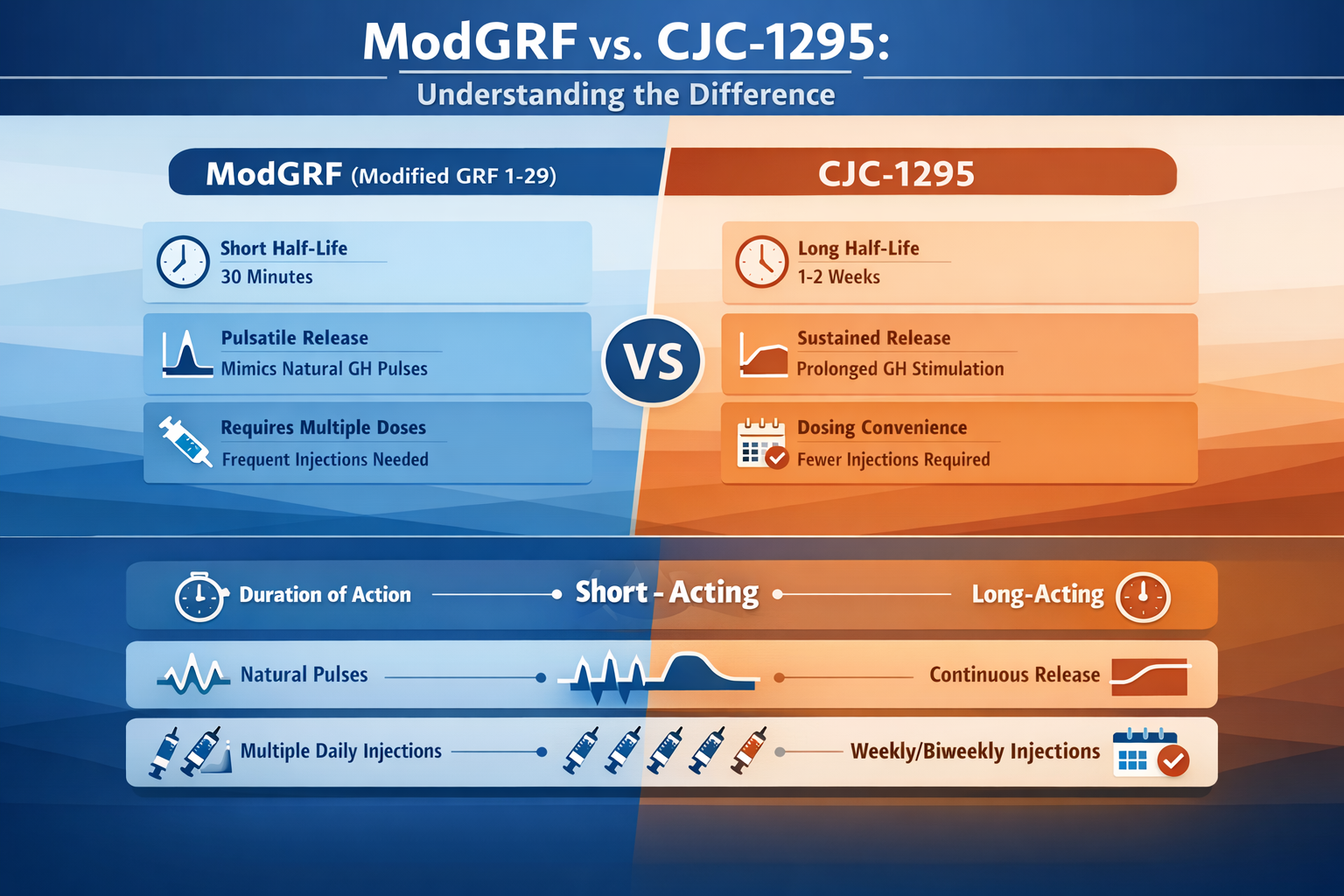
| Feature | ModGRF (CJC-1295 without DAC) | CJC-1295 with DAC |
|---|---|---|
| Half-life | ~30 minutes | 6-8 days |
| Dosing frequency | 1-3 times daily | Once weekly |
| GH release pattern | Pulsatile (natural) | Elevated baseline (non-pulsatile) |
| Desensitization risk | Lower | Higher with prolonged use |
| Flexibility | High – can time around meals/sleep | Low – constant elevation |
| Cost per dose | Lower | Higher |
The DAC component is an additional lysine molecule that allows the peptide to bind to albumin in your blood, dramatically extending its half-life. While this might sound advantageous, it comes with trade-offs.
Why Many Researchers Prefer ModGRF
The modgrf peptide offers several advantages that make it the preferred choice for many applications:
🎯 Natural pulsatile release – Growth hormone is meant to be released in pulses, not as a constant elevation. ModGRF respects this natural rhythm.
🎯 Reduced desensitization – Because modgrf clears your system relatively quickly, your GHRH receptors don't become as desensitized to stimulation.
🎯 Precise timing control – You can strategically dose modgrf before meals or sleep to amplify natural GH pulses.
🎯 Better synergy with GHRPs – The shorter half-life allows for optimal pairing with growth hormone-releasing peptides for maximum effect.
Those exploring peptide stores should carefully verify whether products contain modgrf or CJC-1295 with DAC, as they require different protocols.
The Synergistic Power of ModGRF and GHRPs
Here's where modgrf truly shines: its ability to work synergistically with growth hormone-releasing peptides (GHRPs) to create a dramatic amplification effect. 💪
Understanding the Two-Pathway Approach
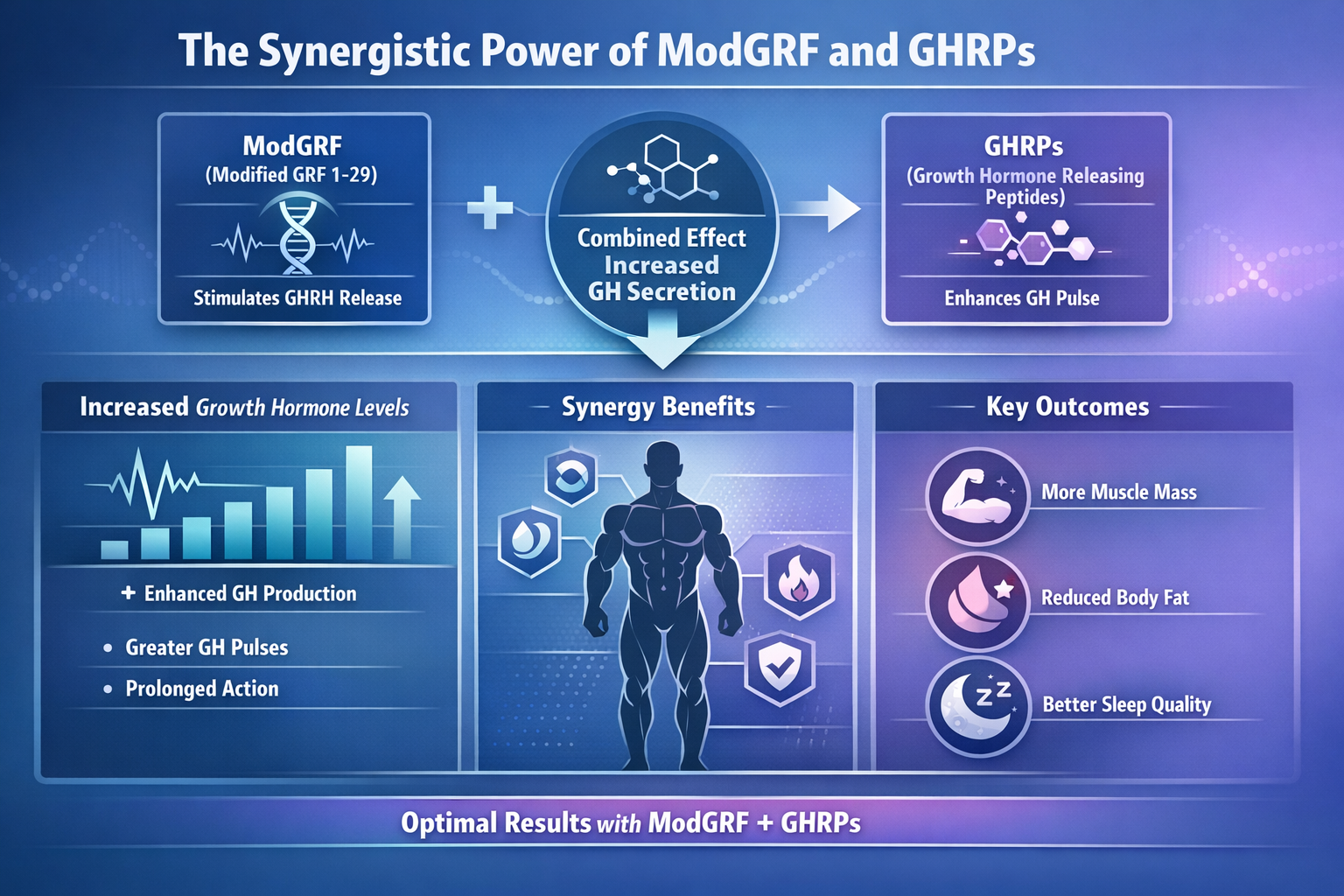
Your body has two distinct pathways for stimulating growth hormone release:
Pathway 1: GHRH Pathway – Stimulated by modgrf, this pathway tells your pituitary to release GH
Pathway 2: Ghrelin Pathway – Stimulated by GHRPs (like ipamorelin, GHRP-2, GHRP-6, or hexarelin), this pathway amplifies the GH release signal
When you activate both pathways simultaneously, the effect is multiplicative rather than merely additive. Research shows that combining modgrf with a GHRP can increase growth hormone release by 3-10 fold compared to either peptide used alone.
Popular ModGRF Combinations
ModGRF + Ipamorelin – The most popular combination for those seeking clean GH elevation without hunger or cortisol increases. Ipamorelin is highly selective for GH release.
ModGRF + GHRP-2 – A powerful combination that produces robust GH elevation with moderate increases in hunger and slight prolactin elevation.
ModGRF + GHRP-6 – The strongest combination for GH release, but comes with significant hunger stimulation and higher prolactin/cortisol effects.
ModGRF + Hexarelin – Extremely potent but with the highest risk of desensitization, typically reserved for short-term intensive protocols.
For researchers interested in exploring complementary compounds, understanding peptide synergy is essential for designing effective protocols.
Timing the Combination
The key to maximizing the synergy between modgrf and GHRPs is simultaneous administration. Both peptides should be injected at the same time to ensure both pathways are activated together. Common timing strategies include:
⏰ Upon waking – Takes advantage of the natural morning GH pulse
⏰ Post-workout – Supports recovery and muscle protein synthesis
⏰ Before bed – Amplifies the largest natural GH pulse that occurs during deep sleep
Many researchers use a protocol of 2-3 doses daily, spaced at least 3-4 hours apart to avoid receptor saturation.
ModGRF Dosing Protocols and Administration
Understanding proper dosing is critical for anyone working with modgrf in research settings. Let's explore the protocols that have emerged from clinical research and practical application. 📊
Standard Dosing Guidelines
Research protocols for modgrf typically fall within these ranges:
Conservative dose: 100 micrograms (mcg) per injection
Moderate dose: 200 micrograms per injection
Upper range: 300 micrograms per injection
Most researchers find that 100-200 mcg provides optimal results with minimal side effects. Doses above 300 mcg rarely provide additional benefits and may increase the risk of adverse effects.
Frequency and Timing
modgrf is typically administered 1-3 times daily depending on research goals:
Once daily protocol:
- Single dose before bed
- Simplest approach
- Amplifies the largest natural GH pulse
- Good for beginners
Twice daily protocol:
- Morning dose upon waking
- Evening dose before bed
- Balances convenience with effectiveness
- Most popular approach
Three times daily protocol:
- Morning, post-workout, and before bed
- Maximum GH elevation
- More complex to maintain
- Reserved for intensive research phases
When combined with GHRPs, the typical ratio is 1:1 (equal doses of each peptide). For example, 100 mcg modgrf paired with 100 mcg ipamorelin.
Those researching where to buy glp 1 peptide and other compounds should always verify dosing recommendations specific to each peptide.
Administration Technique
ModGRF is administered via subcutaneous injection, typically in areas with adequate subcutaneous fat:
✓ Abdomen (most common)
✓ Thighs
✓ Upper arms
✓ Buttocks
Step-by-step administration:
- Ensure modgrf is properly reconstituted and refrigerated
- Clean injection site with alcohol swab
- Pinch skin to create a fold
- Insert needle at 45-90 degree angle
- Inject slowly and steadily
- Withdraw needle and apply gentle pressure
- Rotate injection sites to prevent tissue damage
Cycling and Duration
Unlike some peptides that require cycling, modgrf can be used continuously due to its short half-life and lower desensitization risk. However, many researchers implement strategic breaks:
Continuous protocol: Daily use for 3-6 months, then reassess
Cycled protocol: 5 days on, 2 days off each week
Intensive protocol: 8-12 weeks on, 4 weeks off
The optimal approach depends on individual research goals and response monitoring.
Benefits and Effects of ModGRF Research
What makes modgrf so compelling for researchers and health enthusiasts? Let's explore the documented effects and potential benefits observed in research settings. 🔬
Growth Hormone and IGF-1 Elevation
The primary effect of modgrf is increased endogenous growth hormone production. Research indicates:
📈 Acute GH increase: 2-10 fold elevation in GH levels within 30-60 minutes of administration
📈 IGF-1 elevation: 20-50% increase in IGF-1 levels within 2-4 weeks of consistent use
📈 Sustained effects: Continued response with proper protocols and minimal desensitization
IGF-1 (insulin-like growth factor-1) serves as a reliable biomarker for growth hormone activity. It's produced primarily in the liver in response to GH stimulation and mediates many of growth hormone's effects throughout the body.
Body Composition Effects
Research subjects using modgrf protocols have reported various body composition changes:
Lean muscle support – Enhanced muscle protein synthesis and nitrogen retention
Fat metabolism – Improved lipolysis, particularly in stubborn adipose areas
Muscle recovery – Reduced recovery time between training sessions
Connective tissue health – Support for tendons, ligaments, and joint structures
These effects are amplified when modgrf is combined with appropriate nutrition and training protocols.
Sleep Quality and Recovery
Many researchers report improvements in sleep architecture with modgrf administration, particularly when dosed before bed:
😴 Deeper sleep stages
😴 Enhanced sleep continuity
😴 Improved subjective sleep quality
😴 Better next-day recovery and energy
This makes sense physiologically, as growth hormone plays a crucial role in recovery processes that occur during sleep.
Skin, Hair, and Appearance
Growth hormone's effects extend to integumentary health:
✨ Improved skin thickness and elasticity
✨ Enhanced collagen production
✨ Potential improvements in hair quality
✨ Better wound healing capacity
These effects typically become noticeable after several weeks of consistent use as collagen remodeling occurs.
Metabolic and Cognitive Effects
Research has documented various metabolic and cognitive effects associated with optimized GH levels:
Metabolic:
- Improved insulin sensitivity (with proper protocols)
- Enhanced glucose metabolism
- Better lipid profiles
- Increased energy expenditure
Cognitive:
- Improved mood and well-being
- Enhanced cognitive function
- Better stress resilience
- Improved motivation
For those interested in comprehensive peptide research, exploring bodybuilding peptides for sale alongside metabolic compounds can provide complementary benefits.
Age-Related Applications
One of the most exciting areas of modgrf research involves age-related growth hormone decline. After age 30, GH production decreases by approximately 14% per decade. Research into modgrf explores whether restoring more youthful GH patterns might support:
🧓 Maintenance of muscle mass with aging
🧓 Preservation of bone density
🧓 Sustained metabolic function
🧓 Better quality of life markers
🧓 Enhanced vitality and functional capacity
Clinical studies continue to explore these applications as we move through 2026.
Side Effects, Safety, and Considerations
While modgrf is generally well-tolerated in research settings, understanding potential side effects and safety considerations is essential for responsible use. ⚠️
Common Side Effects
Most side effects associated with modgrf are mild and transient:
Injection site reactions:
- Redness or irritation
- Minor swelling
- Temporary discomfort
- Bruising (if blood vessels are nicked)
Systemic effects:
- Mild headaches (usually early in use)
- Temporary water retention
- Tingling or numbness in extremities (rare)
- Lethargy or fatigue (typically resolves)
These effects are generally dose-dependent and often diminish with continued use as the body adapts.
Hormonal Considerations
ModGRF can influence other hormones beyond just growth hormone:
Cortisol: Temporary increases may occur, particularly with higher doses or when combined with certain GHRPs. This is usually transient and not clinically significant.
Prolactin: Some elevation is possible, especially when using modgrf with GHRP-2 or GHRP-6. Ipamorelin shows the least prolactin elevation.
Thyroid function: Growth hormone can influence thyroid hormone conversion. Some researchers monitor thyroid function during extended protocols.
Blood glucose: GH has complex effects on glucose metabolism. While it can improve insulin sensitivity long-term, acute administration may temporarily elevate blood glucose.
Contraindications and Precautions
ModGRF should be avoided or used with extreme caution in certain situations:
❌ Active cancer or history of cancer (GH may promote cell proliferation)
❌ Diabetic retinopathy
❌ Severe insulin resistance or uncontrolled diabetes
❌ Pregnancy or breastfeeding
❌ Acute critical illness
Additionally, those with the following conditions should consult healthcare professionals before research use:
⚠️ Cardiovascular disease
⚠️ Hypertension
⚠️ Kidney or liver dysfunction
⚠️ Pituitary tumors or disorders
Long-Term Safety Considerations
As of 2026, long-term safety data for modgrf remains limited compared to well-established therapies. Key considerations include:
Receptor desensitization: While less problematic than CJC-1295 with DAC, extended use may still lead to reduced receptor sensitivity. Strategic breaks may help maintain responsiveness.
Organ growth concerns: Excessive GH elevation over years could theoretically contribute to acromegaly-like effects, though this hasn't been documented with physiological modgrf protocols.
Cardiovascular effects: Growth hormone has complex cardiovascular effects. Monitoring blood pressure and cardiovascular health during extended use is prudent.
Metabolic monitoring: Regular assessment of glucose metabolism, lipid profiles, and IGF-1 levels helps ensure protocols remain within safe parameters.
Quality and Purity Concerns
Perhaps the most significant safety consideration involves product quality. The peptide market includes products of varying purity and authenticity. Key safety measures include:
🔍 Third-party testing and certificates of analysis
🔍 Reputable suppliers with transparent sourcing
🔍 Proper storage and handling procedures
🔍 Verification of peptide identity and purity
For those researching peptides buy options, prioritizing quality and purity testing is non-negotiable for safety.
Reconstitution, Storage, and Handling
Proper handling of modgrf is critical for maintaining its potency and ensuring research accuracy. Peptides are delicate molecules that can degrade if not stored correctly. 🧪
Lyophilized Powder Storage
ModGRF is typically supplied as a lyophilized (freeze-dried) powder in sealed vials. In this form:
Storage temperature: 2-8°C (refrigerated) is ideal
Freezer storage: -20°C for long-term storage (months to years)
Room temperature: Stable for several weeks, but not recommended
Light exposure: Keep in original packaging to protect from light
Moisture: Keep sealed to prevent moisture exposure
Properly stored lyophilized modgrf can maintain stability for 2-3 years when refrigerated or frozen.
Reconstitution Process
When ready to use, modgrf must be reconstituted with bacteriostatic water:
Step 1: Remove modgrf vial and bacteriostatic water from refrigerator
Step 2: Allow both to reach room temperature (10-15 minutes)
Step 3: Clean both vial tops with alcohol swabs
Step 4: Draw appropriate amount of bacteriostatic water (typically 1-2 mL)
Step 5: Inject water slowly down the side of the vial, NOT directly onto powder
Step 6: Gently swirl (never shake) to dissolve
Step 7: Inspect for clarity – solution should be clear, not cloudy
Step 8: Store reconstituted solution immediately in refrigerator
Reconstituted Solution Storage
Once reconstituted, modgrf has a limited shelf life:
📅 Refrigerated (2-8°C): 30 days maximum
📅 Room temperature: 24-48 hours (not recommended)
📅 Frozen: Not recommended after reconstitution
Always label reconstituted vials with the date of reconstitution to track the 30-day window.
Calculating Concentrations
Understanding peptide concentration is essential for accurate dosing. Here's a simple calculation:
Formula: (Total mg in vial) ÷ (mL of water added) = mg/mL
Example: 5mg vial + 2mL bacteriostatic water = 2.5mg/mL = 2,500 mcg/mL
To dose 100 mcg from this solution:
100 mcg ÷ 2,500 mcg/mL = 0.04 mL (4 units on a 100-unit insulin syringe)
Many researchers find it helpful to create a dosing chart for their specific reconstitution to ensure accuracy.
Handling Best Practices
To maintain modgrf quality throughout its use:
✓ Always use sterile technique
✓ Clean vial tops before each draw
✓ Use fresh needles for each injection
✓ Never reuse syringes
✓ Minimize vial temperature fluctuations
✓ Avoid contamination by not touching needle tips
✓ Discard any solutions that appear cloudy or contain particles
Proper handling ensures both safety and optimal peptide effectiveness throughout the research period.
Legal Status and Regulatory Considerations
Understanding the legal landscape surrounding modgrf is crucial for anyone involved in peptide research in 2026. 📋
FDA Status
As of 2026, modgrf (Modified GRF 1-29) is not approved by the FDA for human use outside of clinical trials. It is classified as a research chemical intended for laboratory research purposes only.
This means:
⚖️ It cannot be legally prescribed by physicians for therapeutic use
⚖️ It cannot be marketed or sold for human consumption
⚖️ It can be purchased for research purposes by qualified entities
⚖️ Clinical trials continue to explore potential therapeutic applications
The FDA maintains strict oversight of growth hormone and growth hormone secretagogues due to their powerful physiological effects and potential for misuse.
WADA and Athletic Competition
The World Anti-Doping Agency (WADA) explicitly prohibits modgrf and all growth hormone secretagogues:
🚫 Banned at all times (in and out of competition)
🚫 Classified under Section S2: Peptide Hormones, Growth Factors, Related Substances, and Mimetics
🚫 Subject to testing in competitive sports
🚫 Violations result in significant penalties
Athletes subject to WADA testing should be aware that modgrf is detectable and prohibited.
Research Chemical Classification
In the United States, modgrf occupies a gray area in regulation:
Not a controlled substance: Unlike anabolic steroids, modgrf is not scheduled under the Controlled Substances Act
Not FDA approved: Cannot be sold for human consumption
Research exemption: Can be sold for legitimate research purposes
State variations: Some states have additional regulations on peptide sales
This regulatory landscape creates challenges for both suppliers and researchers, emphasizing the importance of working with reputable sources.
International Considerations
Regulations vary significantly by country:
Australia: Prescription-only; strict import controls
Canada: Requires prescription; regulated as a drug
United Kingdom: Prescription-only medicine
European Union: Varies by country; generally requires prescription
Anyone researching modgrf should understand the specific regulations in their jurisdiction.
Ethical Research Practices
Given the regulatory status, ethical considerations are paramount:
🔬 Use only for legitimate research purposes
🔬 Maintain proper documentation
🔬 Follow institutional review board guidelines if applicable
🔬 Source from reputable suppliers with quality testing
🔬 Stay informed about evolving regulations
For those seeking peptides doctor near me or medical guidance, working with knowledgeable healthcare professionals familiar with peptide research is essential.
ModGRF in Clinical Research and Future Directions
The scientific community continues to explore modgrf and related peptides for various therapeutic applications. Let's examine the current state of research and where the field is heading in 2026. 🔭
Current Clinical Research Areas
Age-related growth hormone deficiency: Multiple studies are investigating whether modgrf can safely restore more youthful GH patterns in older adults without the risks associated with direct GH replacement.
Muscle wasting conditions: Research explores modgrf's potential in cachexia, sarcopenia, and other conditions characterized by muscle loss.
Metabolic disorders: Studies examine effects on insulin sensitivity, body composition, and metabolic syndrome markers.
Bone health: Investigation into whether optimizing GH pulses can support bone mineral density and reduce fracture risk.
Cognitive function: Emerging research on GH's role in cognitive health and neuroprotection.
Advantages Over Direct GH Administration
Research increasingly suggests that modgrf may offer advantages over direct growth hormone replacement:
Physiological pulsatility: Maintains natural GH pulse patterns rather than creating constant elevation
Lower cost: Significantly less expensive than pharmaceutical GH
Reduced side effects: May have fewer adverse effects due to more physiological approach
Preserved feedback mechanisms: Body retains regulatory control over ultimate GH levels
Oral delivery research: Some studies explore modified versions that might be orally bioavailable
Combination Therapy Research
Exciting research in 2026 explores modgrf in combination with other compounds:
ModGRF + Metformin: Investigating synergistic metabolic benefits
ModGRF + Testosterone: Examining combined effects on body composition in aging males
ModGRF + Exercise: Studying optimal timing and protocols for performance enhancement
ModGRF + Caloric restriction: Exploring whether GH optimization can mitigate muscle loss during dieting
These combination approaches may unlock additional benefits beyond single-agent protocols.
Limitations of Current Research
Despite promising findings, several limitations exist in modgrf research:
❗ Most studies are relatively short-term (weeks to months)
❗ Large-scale, long-term human trials remain limited
❗ Optimal dosing protocols are still being refined
❗ Individual response variability is not fully understood
❗ Long-term safety data is incomplete
As research continues through 2026 and beyond, many of these knowledge gaps should narrow.
Future Directions
The future of modgrf research looks promising:
Personalized protocols: Development of individualized dosing based on genetic and metabolic factors
Novel delivery methods: Research into transdermal, nasal, or oral formulations
Combination formulations: Pre-mixed modgrf/GHRP products optimized for synergy
Biomarker development: Better tools for monitoring response and optimizing protocols
Regulatory pathways: Potential FDA approval for specific indications if clinical trials demonstrate safety and efficacy
Aging research: Expanded investigation into modgrf's role in healthy aging and longevity
For those following peptide research developments, staying informed through reputable sources about buy peptide online options and emerging research is valuable.
Choosing Quality ModGRF Sources
With the growing interest in modgrf, the market has expanded to include suppliers of varying quality and reliability. Selecting a reputable source is one of the most important decisions for safe and effective research. 🏆
Quality Indicators to Look For
When evaluating potential modgrf suppliers, consider these critical factors:
Third-party testing: Reputable suppliers provide certificates of analysis (COAs) from independent laboratories verifying:
- Peptide identity (correct sequence)
- Purity percentage (ideally >98%)
- Absence of contaminants
- Proper molecular weight
Transparency: Quality suppliers openly share:
- Manufacturing processes
- Storage and handling procedures
- Testing methodologies
- Batch-specific documentation
Proper storage: Evidence of appropriate storage conditions:
- Temperature-controlled facilities
- Proper packaging materials
- Expiration date tracking
- Cold chain shipping options
Customer support: Knowledgeable staff who can:
- Answer technical questions
- Provide reconstitution guidance
- Discuss storage requirements
- Offer dosing information
Reputation: Established track record including:
- Positive customer reviews
- Industry recognition
- Consistent product quality
- Responsive customer service
Red Flags to Avoid
Be cautious of suppliers exhibiting these warning signs:
🚩 No third-party testing or COAs available
🚩 Prices significantly below market average
🚩 Vague or misleading product descriptions
🚩 Poor website quality or lack of information
🚩 No clear contact information
🚩 Claims of "pharmaceutical grade" without documentation
🚩 Marketing products for human consumption
🚩 Pressure tactics or unrealistic promises
Understanding Pricing
ModGRF pricing varies based on several factors:
Purity level: Higher purity (>98%) commands premium pricing
Quantity: Bulk purchases typically offer better per-mg pricing
Testing documentation: Comprehensive testing adds to cost but ensures quality
Supplier reputation: Established suppliers may charge more but offer reliability
As of 2026, typical pricing for quality modgrf:
- 5mg vial: $25-45
- 10mg vial: $45-75
- Bulk quantities: Discounted rates available
Extremely low prices often indicate compromised quality, while extremely high prices don't necessarily guarantee superior product.
Verifying Product Authenticity
Take steps to verify you're receiving authentic modgrf:
✓ Request and review COAs before purchase
✓ Compare COA batch numbers with product labels
✓ Check for proper packaging and labeling
✓ Inspect powder appearance (should be white to off-white)
✓ Verify reconstitution produces clear solution
✓ Monitor expected effects during research
For researchers exploring simple peptides and more complex compounds, establishing relationships with trusted suppliers ensures consistent quality.
Storage During Shipping
Quality suppliers understand that modgrf stability begins during shipping:
📦 Cold packs or ice packs for temperature control
📦 Insulated packaging materials
📦 Fast shipping options (2-3 day maximum)
📦 Temperature monitoring indicators
📦 Proper cushioning to prevent damage
Peptides exposed to excessive heat during shipping may degrade before they even reach you.
Comparing ModGRF to Other Peptides
Understanding how modgrf compares to other popular peptides helps researchers select the most appropriate compounds for their specific goals. Let's examine key comparisons. ⚖️
ModGRF vs. Ipamorelin
While often used together, these peptides work through different mechanisms:
ModGRF:
- GHRH analog (stimulates GH release pathway)
- 30-minute half-life
- Requires combination for optimal effects
- Amplifies natural GH pulses
Ipamorelin:
- GHRP (stimulates ghrelin pathway)
- 2-hour half-life
- Works synergistically with modgrf
- Highly selective for GH (minimal cortisol/prolactin effects)
Best approach: Combine both for synergistic effects rather than choosing one over the other.
ModGRF vs. Sermorelin
Sermorelin is the unmodified GHRH (1-29) peptide:
| Feature | ModGRF | Sermorelin |
|---|---|---|
| Stability | High (resistant to DPP-IV) | Low (rapidly degraded) |
| Half-life | ~30 minutes | <10 minutes |
| Effectiveness | Higher due to stability | Lower due to rapid breakdown |
| Cost | Moderate | Often lower |
| FDA status | Research chemical | FDA-approved for specific uses |
ModGRF is essentially an improved version of serm with better stability and effectiveness.
ModGRF vs. Direct GH Administration
Comparing modgrf to pharmaceutical growth hormone:
ModGRF advantages:
- Maintains natural pulsatile patterns
- Preserves feedback mechanisms
- Significantly lower cost
- Potentially fewer side effects
- May be safer long-term
GH advantages:
- More predictable dosing
- Stronger effects per dose
- Extensive safety data
- FDA-approved for specific conditions
- No need for combination protocols
ModGRF represents a more physiological approach, while direct GH provides more powerful and predictable effects.
ModGRF vs. MK-677 (Ibutamoren)
MK-677 is an oral ghrelin mimetic:
ModGRF:
- Injectable administration
- Short half-life (precise control)
- Requires combination for best results
- No appetite stimulation alone
- Lower desensitization risk
MK-677:
- Oral administration (convenient)
- 24-hour half-life (constant elevation)
- Works alone effectively
- Significant appetite increase
- Higher desensitization risk with extended use
Some researchers combine modgrf protocols with MK-677 for complementary effects, though this requires careful monitoring.
ModGRF vs. Tesamorelin
Tesamorelin is an FDA-approved GHRH analog for HIV-associated lipodystrophy:
Similarities:
- Both are GHRH analogs
- Similar mechanism of action
- Comparable half-lives
Differences:
- Tesamorelin has FDA approval for specific indication
- Different amino acid modifications
- Tesamorelin requires prescription
- ModGRF more widely available for research
For those researching buy aod 9604 online and other specialized peptides, understanding these comparisons helps in selecting appropriate compounds for specific research applications.
Practical Protocols and Research Designs
For researchers implementing modgrf protocols, having structured approaches ensures consistent methodology and reliable results. Let's explore practical protocol designs. 📝
Beginner Protocol
Objective: Introduce modgrf research with minimal complexity
ModGRF dose: 100 mcg
Frequency: Once daily before bed
Duration: 4-8 weeks
Monitoring: Weekly weight, subjective sleep quality, monthly IGF-1 testing
This simple protocol allows researchers to assess basic response without complex timing requirements.
Intermediate Protocol
Objective: Optimize GH pulses with synergistic combination
ModGRF dose: 100-200 mcg
GHRP (ipamorelin) dose: 100-200 mcg
Frequency: Twice daily (morning upon waking, evening before bed)
Duration: 8-12 weeks
Monitoring: Bi-weekly weight and body composition, monthly IGF-1, subjective effects tracking
This represents the most popular research protocol, balancing effectiveness with practicality.
Advanced Protocol
Objective: Maximum GH optimization for intensive research phases
ModGRF dose: 200 mcg
GHRP dose: 200 mcg
Frequency: Three times daily (morning, post-workout, before bed)
Duration: 8-12 weeks, followed by 4-week break
Monitoring: Weekly body composition, bi-weekly IGF-1, comprehensive metabolic panel monthly
This intensive protocol requires significant commitment but provides maximum GH elevation.
Body Composition Research Protocol
Objective: Assess modgrf effects on lean mass and fat loss
Phase 1 (Weeks 1-2): Baseline measurements
- Daily weight tracking
- Weekly body composition analysis (DEXA or BodPod)
- Baseline IGF-1 testing
- Dietary intake logging
Phase 2 (Weeks 3-14): Active protocol
- ModGRF 100-200 mcg + Ipamorelin 100-200 mcg
- Twice daily dosing
- Continued monitoring
- Consistent training and nutrition
Phase 3 (Weeks 15-16): Washout and final assessment
- Discontinue peptides
- Final measurements
- Compare to baseline data
Recovery and Performance Protocol
Objective: Evaluate modgrf effects on recovery markers
Training phase: Structured resistance training program
ModGRF protocol: 200 mcg post-workout + 200 mcg before bed
GHRP protocol: 200 mcg at each modgrf dose
Duration: 8 weeks
Monitoring:
- Training performance metrics
- Subjective recovery ratings
- Sleep quality tracking
- Soreness and fatigue scales
Aging Research Protocol
Objective: Assess modgrf effects on age-related markers in older subjects
Inclusion criteria: Age 50+, documented low IGF-1
ModGRF protocol: 100 mcg twice daily
Duration: 16 weeks
Comprehensive monitoring:
- IGF-1 levels (baseline, week 4, 8, 12, 16)
- Body composition (DEXA at baseline and week 16)
- Metabolic markers (glucose, lipids, insulin sensitivity)
- Quality of life questionnaires
- Cognitive function testing
- Bone density markers
Safety Monitoring Across Protocols
Regardless of protocol design, implement consistent safety monitoring:
🔍 Baseline testing: Complete metabolic panel, IGF-1, fasting glucose, lipid panel
🔍 Ongoing monitoring: Monthly IGF-1, bi-monthly metabolic panels for extended protocols
🔍 Adverse event tracking: Document any side effects, timing, severity, and resolution
🔍 Dose adjustments: Modify based on response and tolerability
🔍 Discontinuation criteria: Pre-defined parameters for stopping research
For researchers exploring mt1 peptide and other compounds alongside modgrf, maintaining detailed protocols and documentation ensures research quality and safety.
Frequently Asked Questions About ModGRF
Let's address the most common questions researchers have about modgrf in 2026. ❓
How quickly does ModGRF work?
ModGRF begins working within 15-30 minutes of administration, with peak GH elevation occurring around 30-60 minutes post-injection. However, noticeable effects like improved recovery or body composition changes typically require 2-4 weeks of consistent use as IGF-1 levels rise and downstream effects accumulate.
Can ModGRF be used orally?
Standard modgrf is not orally bioavailable due to degradation in the digestive system. It must be administered via subcutaneous or intramuscular injection. Some research explores modified versions with oral bioavailability, but these are not yet widely available in 2026.
What's the difference between ModGRF and CJC-1295?
ModGRF and "CJC-1295 without DAC" are the same compound—Modified GRF (1-29). The confusion arises because "CJC-1295" technically refers to the version with DAC (Drug Affinity Complex), which has a much longer half-life. Always verify whether a product contains DAC or not, as they require different protocols.
How should ModGRF be stored?
Lyophilized modgrf powder should be stored refrigerated (2-8°C) for up to 2-3 years, or frozen (-20°C) for longer storage. Once reconstituted with bacteriostatic water, store refrigerated and use within 30 days for optimal potency.
Is ModGRF safe for women?
Research protocols using modgrf have included both male and female subjects without gender-specific safety concerns. However, women who are pregnant, breastfeeding, or trying to conceive should avoid modgrf due to unknown effects on fetal development and limited safety data in these populations.
Can ModGRF be detected in drug tests?
Yes, modgrf and its effects (elevated GH and IGF-1) can be detected through specialized testing methods used by anti-doping agencies. It's prohibited by WADA and should not be used by athletes subject to competitive drug testing.
What's the best time to inject ModGRF?
The most effective timing aligns with natural GH pulses:
- Upon waking: Amplifies morning pulse
- Post-workout: Supports recovery
- Before bed: Enhances the largest natural pulse during sleep
Many researchers use morning and evening dosing for balanced effects throughout the day.
How long should a ModGRF cycle last?
Unlike some peptides requiring strict cycling, modgrf can be used continuously due to its short half-life and lower desensitization risk. Common approaches include:
- Continuous use for 3-6 months, then reassess
- 5 days on, 2 days off weekly pattern
- 8-12 weeks on, 4 weeks off for intensive protocols
Can ModGRF cause cancer?
There's no direct evidence that modgrf causes cancer. However, because growth hormone can promote cell proliferation, it's theoretically possible that it could accelerate existing cancer growth. Anyone with active cancer or cancer history should avoid modgrf and consult oncologists.
Why combine ModGRF with GHRPs?
Combining modgrf (GHRH analog) with GHRPs (ghrelin mimetics) creates synergy by activating two different pathways simultaneously. This combination can increase GH release by 3-10 fold compared to either peptide alone, making it far more effective than using modgrf by itself.
Is ModGRF legal?
ModGRF is not FDA-approved for human use and cannot be legally prescribed for therapeutic purposes in the United States as of 2026. It can be purchased as a research chemical for legitimate research purposes. Legal status varies by country, so researchers should understand regulations in their jurisdiction.
What if I miss a dose?
If you miss a modgrf dose, simply resume your normal schedule with the next planned dose. Don't double up to compensate for missed doses. Due to modgrf's short half-life, missing occasional doses has minimal impact on overall research outcomes.
For those researching peptide sale options and seeking reliable information, working with knowledgeable suppliers who can answer technical questions is invaluable.
Conclusion: The Future of ModGRF Research
As we've explored throughout this comprehensive guide, modgrf represents a fascinating intersection of peptide science, endocrinology, and practical research applications. This 29-amino acid peptide offers a more physiological approach to growth hormone optimization compared to direct hormone replacement, working with your body's natural systems rather than bypassing them.
Key Points to Remember
ModGRF is a stabilized analog of natural GHRH that stimulates your pituitary gland to release more growth hormone through natural pathways. With a 30-minute half-life, it provides precise control over GH pulses while maintaining physiological patterns.
The synergistic combination of modgrf with GHRPs like ipamorelin creates multiplicative effects, increasing GH release by 3-10 fold compared to either peptide alone. This combination approach has become the gold standard in peptide research protocols.
Proper handling and storage are critical—lyophilized modgrf should be refrigerated, and once reconstituted, must be used within 30 days. Quality sourcing with third-party testing ensures you're working with authentic, pure peptides.
Safety and monitoring should always be prioritized. While modgrf is generally well-tolerated, understanding potential side effects, contraindications, and proper monitoring protocols ensures responsible research practices.
The regulatory landscape continues to evolve. As of 2026, modgrf remains a research chemical not approved for human therapeutic use, though clinical research continues to explore its potential applications in age-related GH decline, metabolic disorders, and body composition optimization.
Actionable Next Steps
If you're considering incorporating modgrf into your research protocols, here's a practical roadmap:
Step 1: Education – Continue deepening your understanding of peptide science, GHRH mechanisms, and proper research methodologies. Stay current with emerging research through 2026 and beyond.
Step 2: Source Quality Products – Identify reputable suppliers who provide third-party testing, proper storage, and comprehensive documentation. Don't compromise on quality to save money. Explore buypeptides options from established, transparent suppliers.
Step 3: Design Your Protocol – Based on your research objectives, design a structured protocol with clear dosing, timing, duration, and monitoring parameters. Start conservatively and adjust based on response.
Step 4: Establish Baseline Measurements – Before beginning any modgrf protocol, establish comprehensive baseline data including IGF-1 levels, body composition, metabolic markers, and subjective measures.
Step 5: Implement Consistent Monitoring – Track both objective data (IGF-1, body composition, metabolic panels) and subjective measures (recovery, sleep quality, well-being) throughout your research.
Step 6: Document Everything – Maintain detailed records of dosing, timing, effects, side effects, and all monitoring data. This documentation is invaluable for optimizing protocols and ensuring safety.
Step 7: Stay Informed – The peptide research field evolves rapidly. Stay current with new studies, regulatory changes, and emerging best practices as we progress through 2026.
The Broader Context
ModGRF is part of a larger renaissance in peptide research that's transforming how we think about hormone optimization, aging, performance, and metabolic health. Rather than viewing hormones as simple on/off switches, modern peptide science recognizes the importance of maintaining natural patterns and physiological regulation.
As research continues, we're likely to see:
- More refined protocols based on individual response patterns
- Better understanding of long-term safety and efficacy
- Potential FDA approval for specific therapeutic indications
- Novel delivery methods improving convenience and compliance
- Integration with other longevity and performance optimization strategies
Final Thoughts
Whether you're a bodybuilder exploring recovery optimization, a health enthusiast interested in age management, a medical professional researching therapeutic applications, or a medispa considering peptide offerings, modgrf offers a compelling tool for growth hormone research.
The key to success lies in approaching modgrf with respect for both its potential and its limitations. This isn't a magic solution, but rather a sophisticated tool that, when used properly within comprehensive protocols, can provide valuable insights into growth hormone optimization.
By prioritizing education, quality sourcing, proper handling, consistent monitoring, and responsible practices, researchers can safely explore what modgrf has to offer while contributing to the growing body of knowledge surrounding this fascinating peptide.
The future of peptide research is bright, and modgrf will undoubtedly continue playing an important role as we advance our understanding of human physiology, optimization, and healthy aging throughout 2026 and beyond. 🚀
SEO Meta Information
Meta Title: ModGRF Guide 2026: Benefits, Dosing & Research Protocols
Meta Description: Complete modgrf guide for 2026. Learn about Modified GRF (1-29), dosing protocols, synergistic combinations, storage, safety, and research applications for optimal results.