

MOTS-C Mitochondrial Derived Peptide: Unlocking Your Body's Exercise Mimetic 🧬

Imagine if scientists discovered a molecule that could replicate many benefits of exercise at the cellular level—without requiring hours in the gym. This isn't science fiction. The MOTS-C mitochondrial derived peptide represents one of the most exciting breakthroughs in metabolic research, offering unprecedented insights into how our cellular powerhouses communicate with the rest of our body to optimize energy production, combat aging, and enhance performance.
Key Takeaways
- MOTS-C is a 16-amino acid peptide encoded by mitochondrial DNA that acts as an exercise-mimicking molecule, increasing 12-fold during physical activity
- Activates AMPK pathways to enhance glucose uptake, fat oxidation, and insulin sensitivity while preventing diet-induced obesity
- Provides anti-inflammatory benefits by reducing pro-inflammatory cytokines and protecting cardiovascular health
- Facilitates mitochondrial-nuclear communication under metabolic stress, helping maintain cellular homeostasis
- Shows therapeutic potential for chronic fatigue, aging, diabetes, and inflammatory conditions through enhanced ATP production
What is MOTS-C Mitochondrial Derived Peptide? 🔬

The MOTS-C mitochondrial derived peptide stands for Mitochondrial Open Reading Frame of the 12S rRNA Type-C. This remarkable 16-amino acid polypeptide represents a revolutionary discovery in cellular biology—it's one of the first peptides found to be encoded directly by mitochondrial DNA rather than nuclear DNA [1].
Unlike traditional hormones produced by specific organs, MOTS-C mitochondrial derived peptide originates from the cellular powerhouses themselves. This unique origin allows it to serve as a direct communication link between mitochondria and the cell nucleus, coordinating energy production with cellular needs.
The Science Behind MOTS-C Discovery
Researchers identified this mitochondrial peptide through advanced genomic analysis of small open reading frames (sORFs) within mitochondrial genes. What makes MOTS-C mitochondrial derived peptide particularly fascinating is its evolutionary conservation—the peptide sequence remains remarkably similar across different species, suggesting crucial biological importance [1].
The peptide's discovery challenged traditional understanding of mitochondrial function. Previously, scientists viewed mitochondria primarily as energy factories. Now, research reveals these organelles actively produce signaling molecules like MOTS-C mitochondrial derived peptide that regulate metabolism throughout the entire body.
How MOTS-C Mitochondrial Derived Peptide Works in Your Body ⚡
The MOTS-C mitochondrial derived peptide functions through multiple sophisticated mechanisms that optimize cellular energy production and metabolic efficiency. Understanding these pathways helps explain why this peptide generates such excitement among researchers and biohackers alike.
AMPK Pathway Activation
The primary mechanism involves activating AMP-activated protein kinase (AMPK)—often called the body's "metabolic master switch." When MOTS-C mitochondrial derived peptide binds to cellular receptors, it triggers AMPK activation, which initiates a cascade of beneficial metabolic changes [1][3]:
- Enhanced glucose uptake in skeletal muscle
- Increased fat oxidation for energy production
- Improved insulin sensitivity
- Stimulated mitochondrial biogenesis
Exercise-Induced Production
Perhaps most remarkably, MOTS-C mitochondrial derived peptide levels surge approximately 12-fold during exercise and remain elevated for at least four hours post-workout [2]. This dramatic increase positions MOTS-C as nature's exercise-mimicking molecule.
The peptide essentially allows cells to experience many exercise benefits even during periods of physical inactivity. For individuals with limited mobility or those seeking to enhance their training adaptations, this represents a significant breakthrough in metabolic optimization.
Mitochondrial-Nuclear Communication
Under metabolic stress or during exercise, MOTS-C mitochondrial derived peptide demonstrates a unique ability to translocate from mitochondria into the cell nucleus [2][3]. This translocation enables direct communication between cellular powerhouses and genetic control centers.
Once inside the nucleus, MOTS-C influences gene expression patterns related to:
- Energy metabolism
- Stress response
- Cellular repair mechanisms
- Inflammatory regulation
MOTS-C Mitochondrial Derived Peptide Benefits for Performance and Health 💪
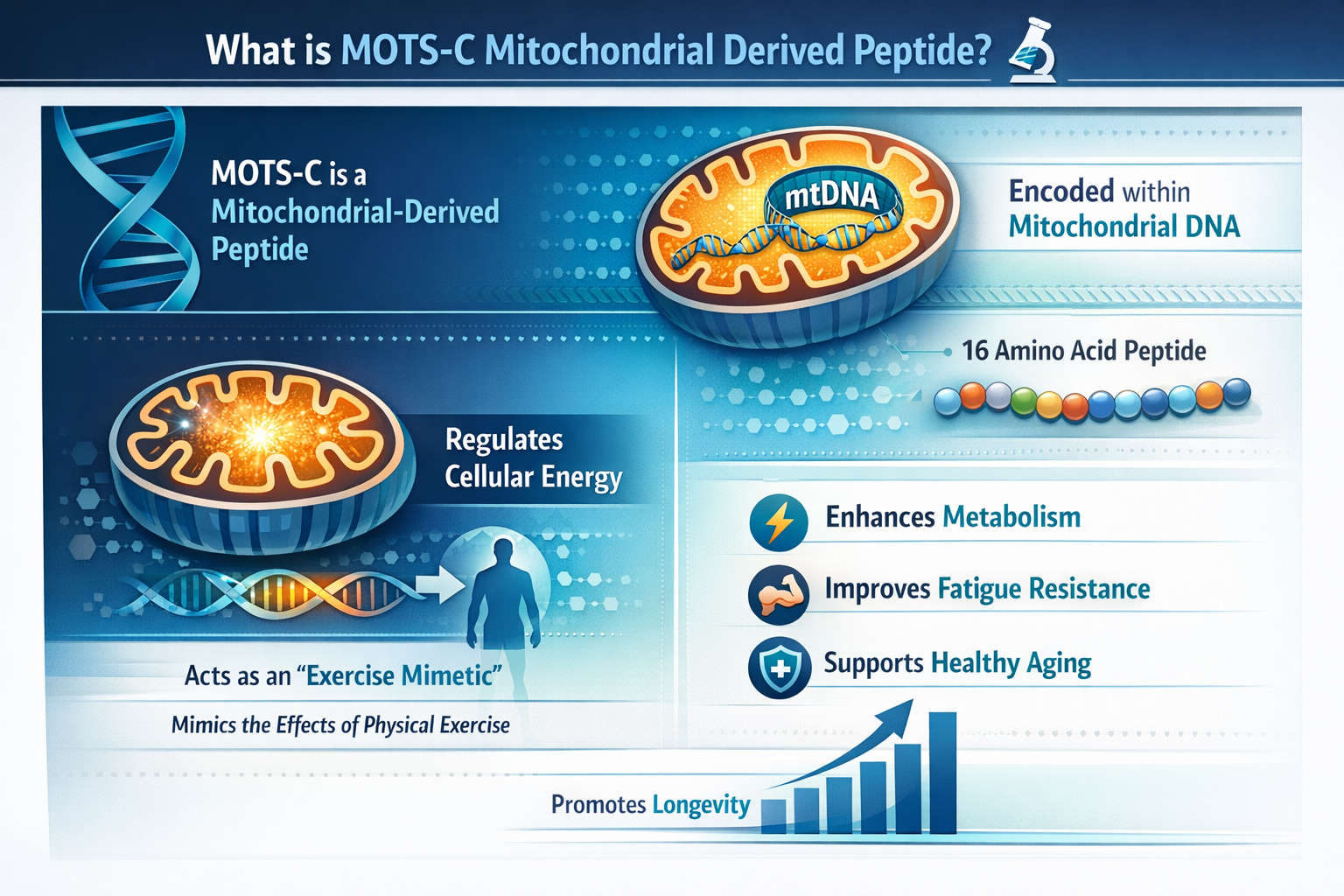
Research reveals that MOTS-C mitochondrial derived peptide offers a comprehensive range of benefits spanning metabolic health, physical performance, and longevity. These effects make it particularly attractive for fitness enthusiasts and biohackers seeking evidence-based optimization strategies.
Metabolic and Weight Management Benefits
Studies demonstrate that MOTS-C mitochondrial derived peptide administration prevents diet-induced obesity and insulin resistance in animal models. Mice receiving MOTS-C showed significant protection against weight gain and hyperinsulinemia even when consuming high-fat diets [4].
Key metabolic benefits include:
- Prevention of diet-induced obesity
- Enhanced insulin sensitivity
- Improved glucose tolerance
- Increased fat oxidation capacity
- Better metabolic flexibility
Cardiovascular Protection
The MOTS-C mitochondrial derived peptide provides substantial cardiovascular benefits through AMPK pathway activation. Research shows it can prevent heart failure development and improve cardiac structure and function similarly to aerobic exercise [1].
The peptide's cardiovascular effects may involve the NRG1-ErbB4 pathway, a crucial signaling network for heart health. This connection explains why individuals with better mitochondrial function typically demonstrate superior cardiovascular resilience.
Anti-Inflammatory Properties
Inflammation represents a key driver of aging and chronic disease. MOTS-C mitochondrial derived peptide demonstrates powerful anti-inflammatory effects by:
- Significantly reducing pro-inflammatory cytokines
- Increasing anti-inflammatory factors
- Inhibiting multiple MAP kinase pathways (ERK, JNK, P38) [1]
A 2024 study specifically examined inflammatory pain relief, showing that MOTS-C mitochondrial derived peptide provided antiallodynic effects and significantly improved inflammatory responses in skin tissue [3].
Chronic Fatigue and Energy Enhancement
For individuals struggling with chronic fatigue syndrome, MOTS-C mitochondrial derived peptide offers promising therapeutic potential. The peptide enhances ATP production and improves overall mitochondrial function, addressing the root cellular energy deficits associated with persistent fatigue [2].
This energy enhancement occurs through:
- Optimized mitochondrial efficiency
- Enhanced cellular respiration
- Improved energy substrate utilization
- Better stress response capacity
Research Applications and Future Therapeutic Potential 🧪
Current research on MOTS-C mitochondrial derived peptide spans multiple therapeutic areas, with scientists investigating applications for aging, cardiovascular disease, diabetes, inflammation, and even cancer progression suppression [1][2].
Aging and Longevity Research
The peptide's role in longevity research centers on its ability to maintain mitochondrial function—a key determinant of healthy aging. As mitochondrial efficiency declines with age, MOTS-C mitochondrial derived peptide supplementation may help preserve youthful cellular energy production.
Research suggests that maintaining optimal MOTS-C levels could:
- Slow cellular aging processes
- Preserve muscle mass and function
- Maintain cognitive performance
- Support immune system function
Diabetes and Metabolic Syndrome
Given its powerful effects on glucose metabolism and insulin sensitivity, MOTS-C mitochondrial derived peptide represents a promising therapeutic target for diabetes prevention and management. The peptide's ability to enhance glucose uptake without requiring insulin makes it particularly valuable for individuals with insulin resistance.
Innovative Delivery Methods
Researchers propose using cutting-edge synthetic biology techniques to optimize MOTS-C mitochondrial derived peptide delivery. These approaches include:
- Gene editing technologies
- Genetic engineering approaches
- Probiotic chassis bacteria for targeted delivery
- Advanced peptide delivery systems [1]
These innovative delivery systems could dramatically improve clinical effectiveness while minimizing potential side effects.
Safety Considerations and Research Status 🛡️
While MOTS-C mitochondrial derived peptide research shows tremendous promise, it's important to understand the current state of scientific investigation and safety considerations. Most studies to date have been conducted in animal models or cell cultures, with limited human clinical trial data available.
Current Research Limitations
The field of mitochondrial-derived peptides remains relatively new, with MOTS-C mitochondrial derived peptide research primarily focused on:
- Mechanism of action studies
- Animal model investigations
- Cell culture experiments
- Preliminary safety assessments
Regulatory Status
As of 2026, MOTS-C mitochondrial derived peptide remains primarily in the research phase, with ongoing investigations into optimal dosing, delivery methods, and long-term effects. The peptide research community continues working toward comprehensive human clinical trials.
Quality and Sourcing Considerations
For researchers and institutions investigating MOTS-C mitochondrial derived peptide, sourcing quality becomes paramount. Factors to consider include:
- Peptide purity and composition
- Proper storage and handling
- Chain of custody documentation
- Third-party testing verification
Conclusion: The Future of MOTS-C Mitochondrial Derived Peptide Research 🚀
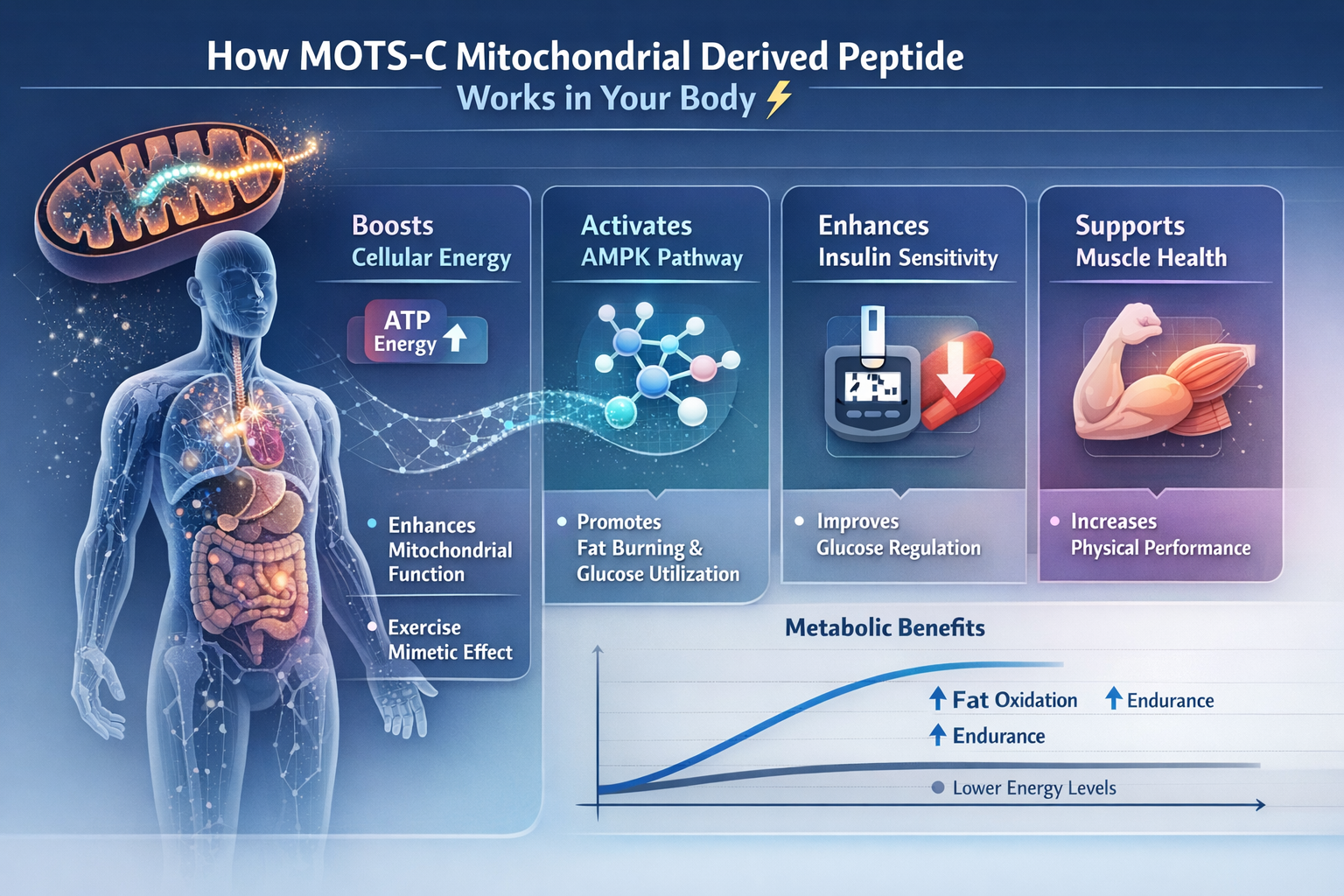
The MOTS-C mitochondrial derived peptide represents a paradigm shift in our understanding of cellular communication and metabolic regulation. As research continues to unveil its mechanisms and therapeutic potential, this remarkable peptide may revolutionize approaches to aging, metabolic health, and human performance optimization.
Key Research Priorities Moving Forward
The scientific community has identified several critical areas for future MOTS-C mitochondrial derived peptide investigation:
- Human clinical trials to establish safety and efficacy profiles
- Optimal dosing protocols for different therapeutic applications
- Long-term effects of supplementation on health outcomes
- Combination therapies with other peptides and interventions
- Delivery system optimization for maximum bioavailability
Actionable Next Steps for Researchers and Enthusiasts
For those interested in MOTS-C mitochondrial derived peptide research:
- Stay informed about emerging clinical trial results and peer-reviewed publications
- Monitor regulatory developments regarding peptide research guidelines
- Connect with research institutions conducting mitochondrial peptide studies
- Consider natural optimization through exercise, which naturally increases MOTS-C production
- Evaluate research-grade sources if conducting legitimate scientific investigations
The journey of MOTS-C mitochondrial derived peptide from laboratory discovery to potential therapeutic application exemplifies the rapid pace of modern biomedical research. As we advance into 2026 and beyond, this mitochondrial messenger may unlock new possibilities for optimizing human health and performance at the most fundamental cellular level.
References
[1] Full – https://www.frontiersin.org/journals/endocrinology/articles/10.3389/fendo.2023.1120533/full
[2] How To Improve Health With Peptides Mots C Mitochondrial Magic – https://intricateartseminars.com/how-to-improve-health-with-peptides-mots-c-mitochondrial-magic/
[3] Mots C Peptide – https://www.innerbody.com/mots-c-peptide
[4] Pmc12807633 – https://pmc.ncbi.nlm.nih.gov/articles/PMC12807633/
[5] What Is Mots C Peptide – https://www.usada.org/spirit-of-sport/what-is-mots-c-peptide/
SEO Meta Information
Meta Title: MOTS-C Mitochondrial Derived Peptide: Exercise Mimetic Guide 2026
Meta Description: Discover MOTS-C mitochondrial derived peptide benefits for metabolism, energy, and performance. Complete research guide on this exercise-mimicking peptide.
{“@context”:”https://schema.org”,”@type”:”Article”,”headline”:”MOTS-C mitochondrial derived peptide”,”description”:”Discover MOTS-C mitochondrial derived peptide benefits for metabolism, energy, and performance. Complete research guide on this exercise-mimicking peptide.”,”image”:”https://zsxkvszxbhpwnvzxdydv.supabase.co/storage/v1/object/public/generated-images/kie/3e02302c-72e9-47e2-9d9a-08b674c24f8c/slot-0-1770266867706.png”,”datePublished”:”2026-02-05T04:45:40.68297+00:00″,”dateModified”:”2026-02-05T04:48:27.591Z”,”author”:{“@type”:”Organization”,”name”:”PTP UPDATED 2.1.26″},”publisher”:{“@type”:”Organization”,”name”:”PTP UPDATED 2.1.26″}}