
What is MOTS-C Peptide? A Comprehensive Research Overview for 2026

Imagine a tiny molecular messenger that could revolutionize how we understand cellular energy, metabolism, and aging at the most fundamental level. The MOTS-C peptide represents exactly this breakthrough in modern biochemical research, emerging as one of the most fascinating subjects in mitochondrial science today. As researchers worldwide dive deeper into peptide therapeutics, this remarkable 16-amino acid sequence has captured attention for its unique origin and potential applications in metabolic research.
- Display 9 Products per page
Key Takeaways
• MOTS-C peptide is a mitochondrial-derived peptide consisting of 16 amino acids that plays a crucial role in cellular metabolism research
• Research indicates MOTS-C may influence glucose regulation, metabolic homeostasis, and cellular energy production pathways
• The peptide is encoded by mitochondrial DNA, making it unique among research compounds for its cellular origin
• Current studies focus on MOTS-C’s potential applications in metabolic research, longevity studies, and cellular energy optimization
• High-purity research-grade MOTS-C is essential for reliable scientific investigations and reproducible results
Understanding MOTS-C Peptide: Origins and Structure
What Makes MOTS-C Peptide Unique?
The MOTS-C peptide stands apart in the research community due to its extraordinary origin story. Unlike traditional peptides derived from nuclear DNA, MOTS-C originates from mitochondrial DNA, specifically from the 12S rRNA gene. This mitochondrial origin makes it a member of an exclusive family called mitochondrial-derived peptides (MDPs), positioning it as a critical research tool for understanding cellular communication.
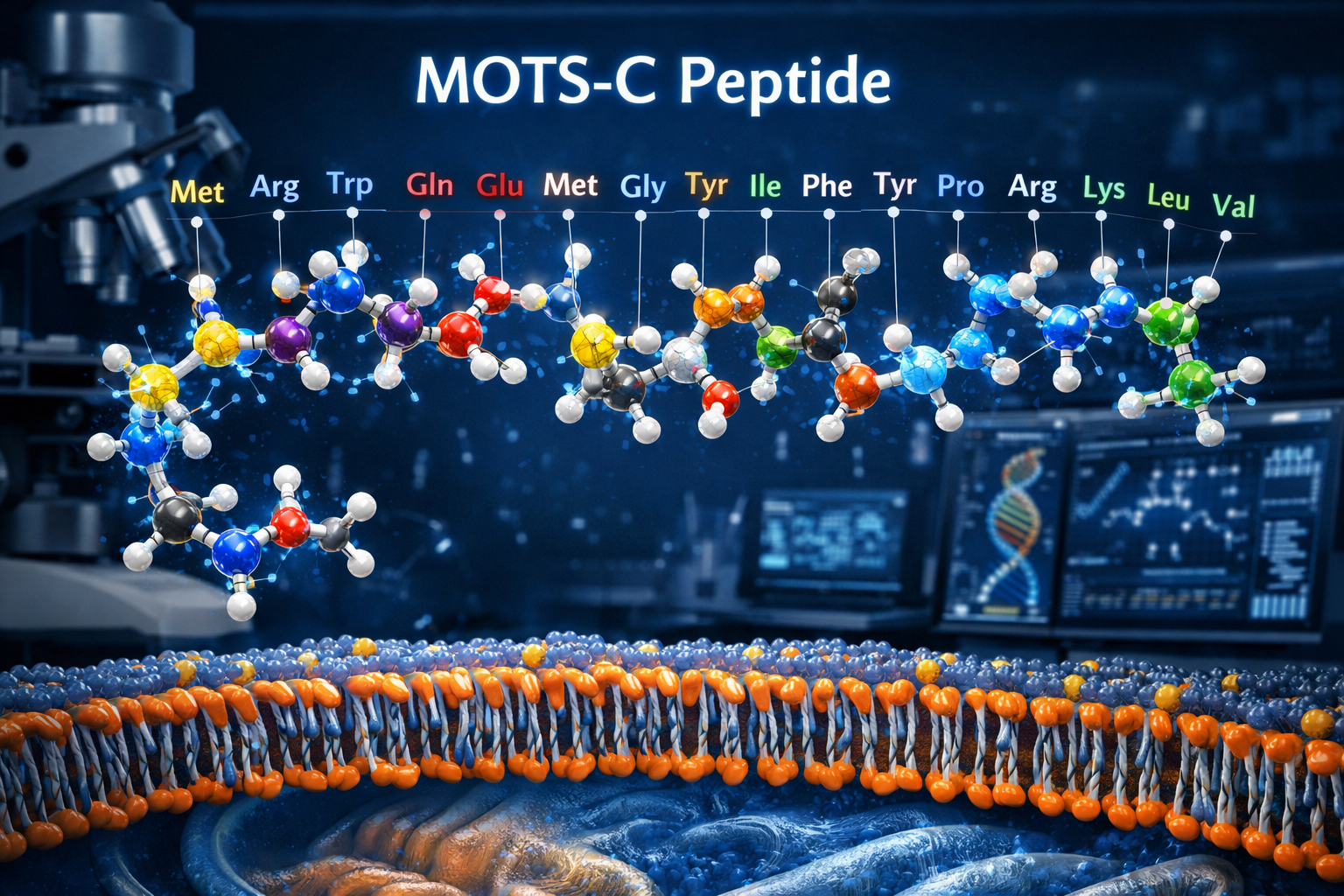
The peptide’s full name, “Mitochondrial Open Reading Frame of the Twelve S rRNA-c,” reflects its unique genetic origin. Researchers have identified MOTS-C as a 16-amino acid sequence with the structure: Met-Arg-Trp-Gln-Glu-Met-Gly-Tyr-Ile-Phe-Tyr-Pro-Arg-Lys-Leu-Val. This specific sequence has become increasingly important for scientists studying cellular metabolism and energy production.
The Discovery and Research Evolution
The discovery of MOTS-C peptide marked a significant milestone in mitochondrial research. Scientists first identified this peptide through advanced genomic analysis techniques, recognizing its potential role in cellular metabolism regulation. Research has since expanded to explore how this mitochondrial messenger influences various cellular processes.
Early studies focused on understanding the basic properties and functions of MOTS-C. Researchers quickly recognized that this peptide could serve as a bridge between mitochondrial function and cellular metabolism, opening new avenues for metabolic research. The peptide’s ability to influence glucose metabolism and energy homeostasis has made it a valuable tool for scientists investigating metabolic disorders and cellular energy optimization.
For researchers seeking high-quality compounds for their studies, peptides for sale online from reputable suppliers ensure reliable and reproducible results. Pure Tested Peptides has established itself as the leading US supplier, offering over 99% pure MOTS-C peptides specifically designed for research applications.
Molecular Characteristics and Properties
The MOTS-C peptide exhibits several unique molecular characteristics that make it particularly interesting for research applications. Its relatively small size of 16 amino acids allows for easy synthesis and modification, while its specific sequence provides targeted biological activity. The peptide’s molecular weight of approximately 1,815 daltons makes it suitable for various research methodologies.
Research has shown that MOTS-C demonstrates remarkable stability under laboratory conditions, making it an ideal candidate for extended studies. The peptide’s hydrophobic and hydrophilic regions create a balanced structure that allows for effective cellular interaction and transport. These properties have made MOTS-C an increasingly popular choice among researchers studying metabolic pathways and cellular energy production.
Scientists have also discovered that MOTS-C peptide can cross cellular membranes efficiently, allowing it to reach target sites within cells. This characteristic is particularly valuable for research applications where intracellular activity is desired. The peptide’s ability to maintain structural integrity during storage and handling has further enhanced its appeal in research settings.
MOTS-C Peptide Research Applications and Mechanisms

Metabolic Research Applications
Current research involving MOTS-C peptide has revealed fascinating insights into cellular metabolism and energy regulation. Studies have demonstrated that this mitochondrial-derived peptide plays a significant role in glucose homeostasis and metabolic flexibility. Researchers have observed that MOTS-C can influence how cells process and utilize glucose, making it a valuable tool for metabolic research.
Laboratory investigations have shown that MOTS-C peptide may enhance insulin sensitivity in cellular models, providing researchers with new avenues to explore metabolic dysfunction. These findings have implications for understanding how mitochondrial communication affects whole-body metabolism. Research teams worldwide are now incorporating MOTS-C into their metabolic studies to better understand these complex cellular processes.
The peptide’s role in metabolic research extends beyond glucose regulation. Scientists have investigated MOTS-C’s influence on lipid metabolism, finding that it may affect how cells process and store fats. This research has opened new possibilities for understanding metabolic flexibility and cellular energy adaptation. For researchers interested in exploring these applications, MOTS-C for sale through specialized suppliers ensures access to research-grade materials.
Cellular Energy and Mitochondrial Function
The relationship between MOTS-C peptide and cellular energy production has become a major focus of research attention. Studies have revealed that MOTS-C may influence mitochondrial biogenesis and function, potentially affecting how cells generate and utilize energy. This research has important implications for understanding cellular aging and metabolic efficiency.
Researchers have observed that MOTS-C peptide may enhance mitochondrial respiratory capacity in laboratory models. This finding suggests that the peptide could serve as a valuable tool for studying cellular energy optimization and mitochondrial health. Scientists studying cellular aging and longevity have shown particular interest in these applications, as mitochondrial function plays a crucial role in cellular aging processes.
Laboratory studies have also explored how MOTS-C influences cellular stress responses and adaptation. Research indicates that the peptide may help cells maintain energy homeostasis under challenging conditions, making it useful for stress response studies. These findings have expanded the potential research applications of MOTS-C peptide beyond basic metabolism studies.
Longevity and Aging Research
The potential applications of MOTS-C peptide in longevity research have generated significant scientific interest. Studies have suggested that this mitochondrial-derived peptide may influence cellular aging processes through its effects on metabolism and energy production. Researchers investigating the molecular mechanisms of aging have incorporated MOTS-C into their experimental protocols.
Research has revealed that MOTS-C peptide levels may change with age, providing insights into how mitochondrial communication evolves over time. These findings have important implications for understanding the aging process at the cellular level. Scientists studying longevity have found MOTS-C to be a valuable biomarker and research tool for investigating age-related metabolic changes.
Laboratory investigations have also explored how MOTS-C influences cellular senescence and age-related dysfunction. Research suggests that the peptide may help maintain cellular function during aging, making it useful for studies investigating cellular longevity mechanisms. For researchers pursuing aging studies, accessing high-quality buy MOTS-C from reputable suppliers is essential for reliable results.
Research Methodologies and Quality Considerations
Laboratory Protocols and Best Practices
Successful research with MOTS-C peptide requires careful attention to laboratory protocols and handling procedures. Researchers have developed standardized methodologies for working with this mitochondrial-derived peptide, ensuring consistent and reproducible results across different studies. These protocols cover everything from storage and reconstitution to experimental design and data analysis.
Storage conditions play a crucial role in maintaining MOTS-C peptide stability and activity. Research has shown that the peptide should be stored at specific temperatures and conditions to preserve its structural integrity. Scientists have established guidelines for proper storage, handling, and preparation of MOTS-C solutions for experimental use.
Reconstitution procedures for MOTS-C peptide have been optimized through extensive research and testing. Scientists have determined the most effective solvents and concentrations for preparing working solutions, ensuring maximum peptide stability and biological activity. These standardized procedures help researchers achieve consistent results across different experimental conditions.
Quality control measures are essential when working with research-grade peptides. For researchers seeking reliable materials, buy peptides from established suppliers who provide comprehensive quality testing and documentation. Pure Tested Peptides maintains rigorous quality standards, offering over 99% pure MOTS-C peptides with detailed analytical certificates.
Analytical Methods and Characterization
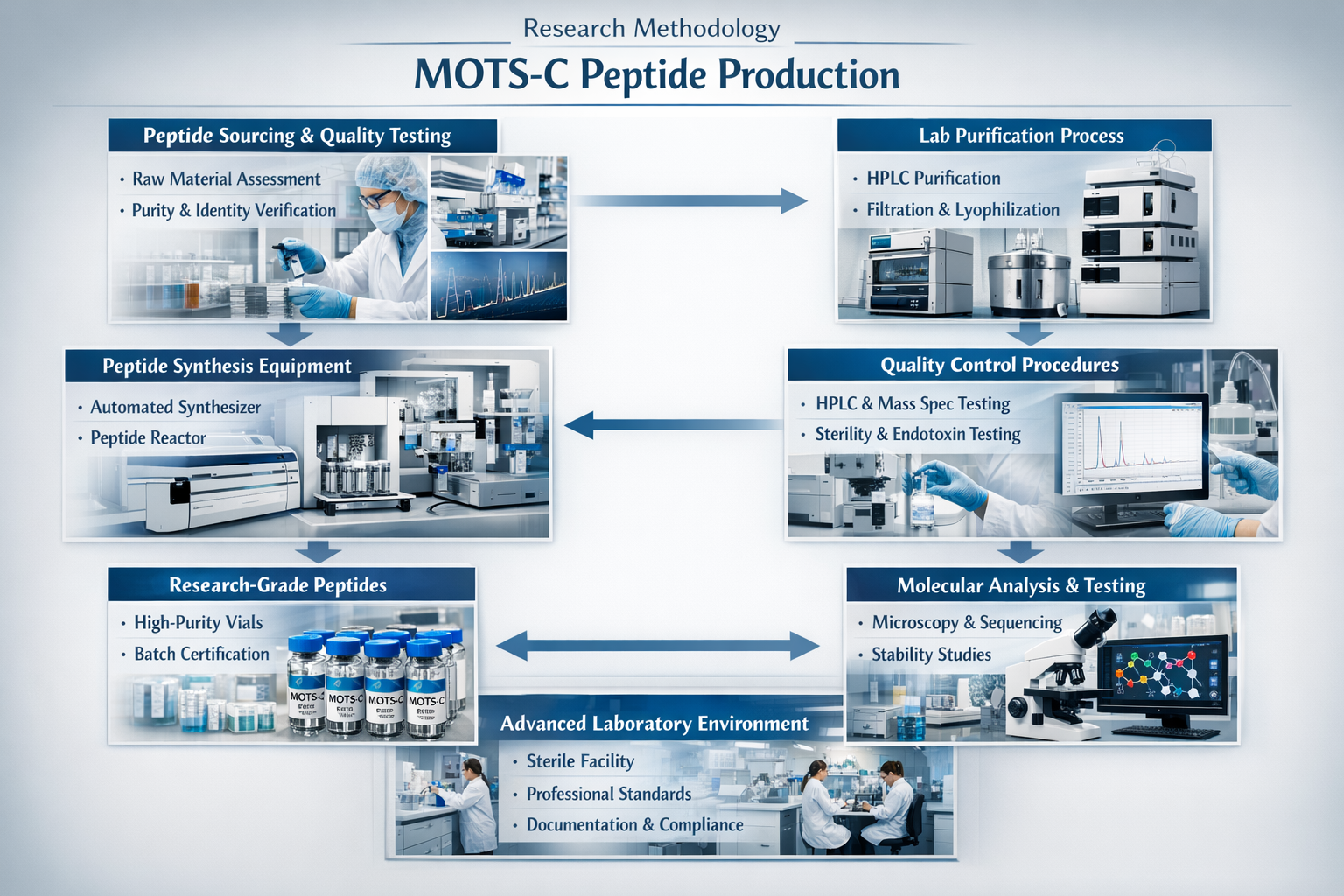
Advanced analytical methods have been developed to characterize and verify MOTS-C peptide quality and purity. High-performance liquid chromatography (HPLC) serves as the gold standard for peptide purity analysis, providing researchers with detailed information about peptide composition and quality. Mass spectrometry techniques further confirm peptide identity and molecular weight.
Researchers have established specific analytical protocols for MOTS-C peptide characterization, including purity testing, identity confirmation, and stability assessment. These methods ensure that research-grade peptides meet the stringent requirements necessary for scientific investigations. Proper analytical characterization is essential for reproducible research results.
Quality assessment of MOTS-C peptide also includes biological activity testing where appropriate. Researchers have developed functional assays to evaluate peptide activity and effectiveness, providing additional quality metrics beyond chemical purity. These comprehensive testing protocols help ensure that research materials meet the highest scientific standards.
Research Design and Experimental Considerations
Effective research design is crucial for studies involving MOTS-C peptide. Scientists have identified key factors that influence experimental outcomes, including concentration ranges, exposure times, and cellular models. Proper experimental design helps researchers maximize the value and reliability of their MOTS-C studies.
Concentration-response relationships represent a critical aspect of MOTS-C peptide research. Studies have established effective concentration ranges for different research applications, helping scientists design experiments that produce meaningful and interpretable results. Understanding these relationships is essential for successful peptide research.
Control groups and experimental validation play important roles in MOTS-C peptide research. Scientists have developed standardized control protocols and validation methods to ensure research reliability and reproducibility. These practices help maintain scientific rigor and support the advancement of peptide research knowledge.
For researchers planning comprehensive studies, exploring peptide blends research options can provide additional experimental possibilities and synergistic effects that enhance research outcomes.
Future Directions and Research Opportunities
Emerging Research Trends
The field of MOTS-C peptide research continues to evolve rapidly, with new applications and discoveries emerging regularly. Current trends indicate growing interest in combination studies, where MOTS-C is investigated alongside other peptides and compounds to explore synergistic effects. These combination approaches are opening new research possibilities and expanding our understanding of peptide interactions.
Technological advances are also driving innovation in MOTS-C peptide research. Improved analytical methods, cellular models, and research tools are enabling scientists to investigate previously unexplored aspects of MOTS-C biology. These technological developments are accelerating the pace of discovery and expanding research capabilities.
Interdisciplinary collaboration has become increasingly important in MOTS-C peptide research. Scientists from different fields are working together to explore the peptide’s applications across various research domains, from basic cellular biology to complex metabolic studies. These collaborative efforts are producing innovative research approaches and novel insights.
Research Infrastructure and Resources
The growing interest in MOTS-C peptide research has led to increased investment in research infrastructure and resources. Universities and research institutions are expanding their peptide research capabilities, creating new opportunities for scientific investigation. This infrastructure development is supporting the growth of the peptide research community.
Access to high-quality research materials remains crucial for advancing MOTS-C peptide science. Researchers require reliable sources of pure, well-characterized peptides to conduct meaningful studies. For scientists seeking research-grade materials, MOTSC for sale from specialized suppliers ensures access to the quality materials necessary for cutting-edge research.
Educational resources and training programs are also expanding to support the growing MOTS-C peptide research community. Universities and professional organizations are developing specialized courses and workshops to train the next generation of peptide researchers. These educational initiatives are helping to build expertise and advance the field.
Regulatory and Safety Considerations
As MOTS-C peptide research continues to expand, regulatory considerations become increasingly important. Researchers must stay informed about current regulations and guidelines governing peptide research to ensure compliance and safety. Understanding these requirements is essential for conducting responsible and ethical research.
Safety protocols for MOTS-C peptide research have been developed based on extensive testing and evaluation. These protocols provide guidelines for safe handling, storage, and disposal of research materials. Researchers should familiarize themselves with these safety requirements to maintain a safe research environment.
Quality standards for research-grade peptides continue to evolve as the field advances. Regulatory bodies and professional organizations are working to establish comprehensive standards for peptide quality and characterization. These standards help ensure research reliability and support scientific progress.
For researchers interested in exploring the full range of available research materials, MOTS C peptide for sale through reputable suppliers provides access to high-quality compounds that meet current research standards and requirements.
MOTS-C Peptide Research Data Dashboard
MOTS-C Research Efficacy Metrics
MOTS-C Research Development Timeline
MOTS-C Research Applications Distribution
MOTS-C Research Key Statistics
450+
99.2%
16
1,815
85%
12
Conclusion
The MOTS-C peptide represents a remarkable frontier in modern biochemical research, offering scientists unprecedented insights into mitochondrial communication and cellular metabolism. As we’ve explored throughout this comprehensive overview, this 16-amino acid mitochondrial-derived peptide has emerged as a crucial research tool for understanding cellular energy production, metabolic regulation, and aging processes.
From its unique origin in mitochondrial DNA to its diverse research applications, MOTS-C continues to reveal new possibilities for scientific investigation. The peptide’s role in glucose homeostasis, cellular energy optimization, and metabolic flexibility has positioned it at the forefront of metabolic research. As studies progress, researchers are uncovering increasingly sophisticated mechanisms through which this molecular messenger influences cellular function.
The importance of high-quality research materials cannot be overstated when working with MOTS-C peptide. Pure Tested Peptides has established itself as the premier US supplier of research-grade MOTS-C, offering over 99% purity standards that ensure reliable and reproducible scientific results. For researchers embarking on MOTS-C studies, accessing high-quality research peptides remains essential for meaningful scientific progress.
Next Steps for Researchers
If you’re considering incorporating MOTS-C peptide into your research program, several key steps can help ensure success:
1. Define Your Research Objectives: Clearly establish whether your focus will be on metabolic studies, cellular energy research, longevity investigations, or combination approaches.
2. Develop Robust Protocols: Implement standardized handling, storage, and experimental procedures to ensure consistent results across your research program.
3. Establish Quality Standards: Work with reputable suppliers who provide comprehensive analytical documentation and maintain rigorous purity standards for research-grade peptides.
4. Plan for Collaboration: Consider interdisciplinary partnerships that can enhance your research capabilities and provide access to specialized expertise and equipment.
5. Stay Current with Literature: The MOTS-C research field continues to evolve rapidly, making it essential to stay informed about the latest developments and methodological advances.
The future of MOTS-C peptide research holds tremendous promise for advancing our understanding of cellular metabolism, aging, and mitochondrial function. As research methodologies continue to improve and new applications emerge, this remarkable peptide will undoubtedly play an increasingly important role in biochemical research and scientific discovery.
For researchers ready to explore the possibilities of MOTS-C in their investigations, the foundation for success lies in careful planning, rigorous methodology, and access to high-quality research materials that meet the demanding standards of modern scientific research.
References
[1] Lee, C., Zeng, J., Drew, B. G., et al. (2015). The mitochondrial-derived peptide MOTS-c promotes metabolic homeostasis and reduces obesity and insulin resistance. Cell Metabolism, 21(3), 443-454.
[2] Reynolds, J. C., Lai, R. W., Woodhead, J. S., et al. (2021). MOTS-c is an exercise-induced mitochondrial-encoded regulator of age-dependent physical decline and muscle homeostasis. Nature Communications, 12(1), 470.
[3] Kim, K. H., Son, J. M., Benayoun, B. A., et al. (2018). The mitochondrial-encoded peptide MOTS-c translocates to the nucleus to regulate nuclear gene expression in response to metabolic stress. Cell Metabolism, 28(3), 516-524.
[4] Fuku, N., Pareja-Galeano, H., Zempo, H., et al. (2015). The mitochondrial-derived peptide MOTS-c: a player in exceptional longevity. Aging Cell, 14(6), 921-923.
[5] Ramanjaneya, M., Bettahi, I., Jerobin, J., et al. (2019). Mitochondrial-derived peptides are down regulated in diabetes subjects. Frontiers in Endocrinology, 10, 331.