
Peptide Synthesis Chemicals Supplier: Your 2026 Complete Industry Guide

The global peptide synthesis chemicals supplier landscape is experiencing unprecedented transformation in 2026. With the peptide therapeutics market exploding and breakthrough treatments reaching patients faster than ever, the race is on to secure reliable sources of high-quality synthesis reagents and manufacturing partnerships. Whether you're a fitness enthusiast researching peptide options, a martial artist exploring recovery compounds, or a weightlifter investigating performance support, understanding the supplier ecosystem has never been more critical.
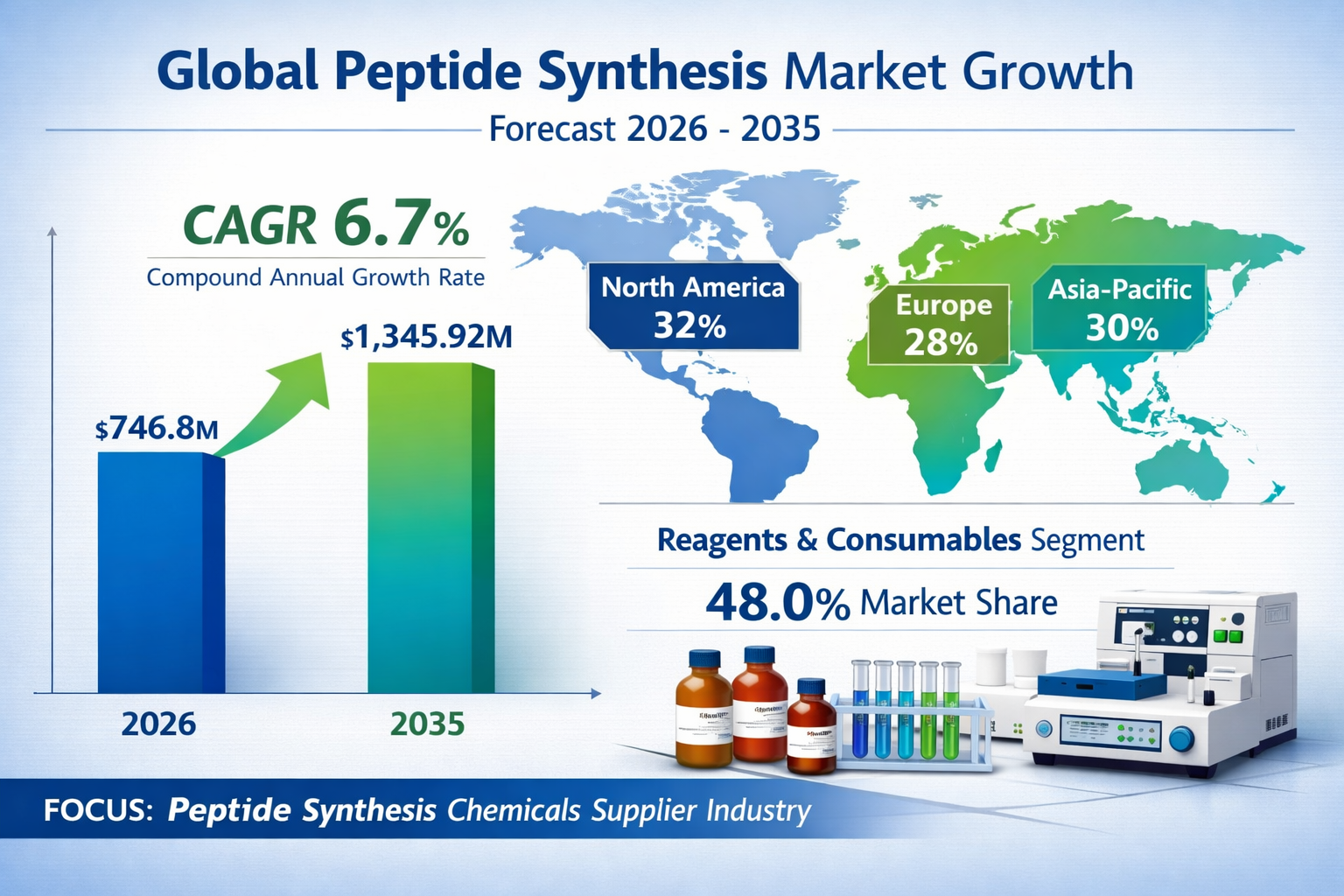
The stakes are high: the peptide synthesis market reached USD 746.8 million in 2026 and is projected to soar to USD 1,345.92 million by 2035, representing a robust compound annual growth rate of 6.7%[8]. This explosive growth reflects surging demand across therapeutic development, research applications, and specialized fitness compounds. But with expansion comes complexity—navigating quality standards, manufacturing capabilities, and supplier reliability requires informed decision-making.
Key Takeaways
- Market expansion: The peptide synthesis chemicals supplier industry is growing at 6.7% annually, reaching $746.8 million in 2026 with projections to exceed $1.3 billion by 2035[8]
- Manufacturing evolution: Leading suppliers are doubling SPPS capacity and investing billions in GMP facilities across North America, Europe, and Asia-Pacific[1][2]
- Quality differentiation: Top-tier peptide synthesis chemicals supplier operations integrate discovery, analytical testing, formulation, and regulatory support services[4]
- Regional dynamics: North America and Europe dominate current demand, while Asia-Pacific emerges as the fastest-growing market for peptide synthesis reagents[4]
- Technology advancement: Next-generation synthesis methods like TAPS are addressing environmental concerns while improving scalability and cost-effectiveness[1]
Understanding the Peptide Synthesis Chemicals Supplier Ecosystem
The peptide synthesis chemicals supplier network comprises specialized manufacturers, contract development and manufacturing organizations (CDMOs), and reagent producers serving diverse markets. These suppliers provide everything from amino acid building blocks and coupling reagents to complete custom synthesis services for research and therapeutic applications.
What Makes a Quality Peptide Synthesis Chemicals Supplier?
A reliable peptide synthesis chemicals supplier must demonstrate several critical capabilities:
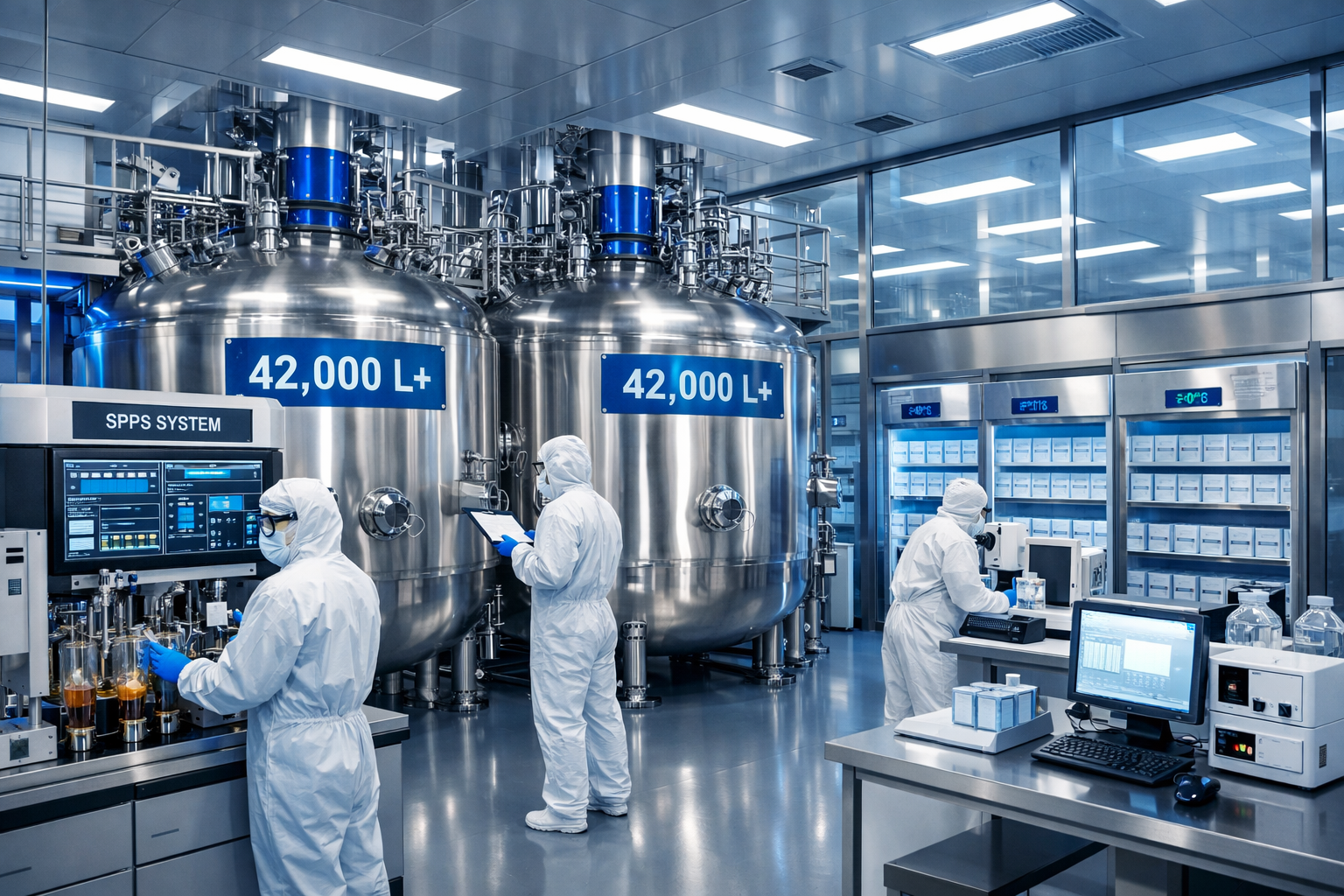
Manufacturing expertise forms the foundation. Leading suppliers operate GMP-certified facilities with validated processes for solid-phase peptide synthesis (SPPS), liquid-phase synthesis, and hybrid approaches. CordenPharma, for instance, is expanding its Colorado SPPS capacity to over 42,000 liters by 2028, positioning it among the world's largest production sites[1].
Quality control infrastructure separates professional operations from questionable sources. Premium suppliers maintain comprehensive analytical capabilities including HPLC, mass spectrometry, amino acid analysis, and peptide sequencing. These lab-tested peptides undergo rigorous verification before reaching customers.
Regulatory compliance proves essential for therapeutic and research applications. Top-tier facilities maintain FDA, EMA, and other international regulatory certifications. CordenPharma's Frankfurt facility recently added 1,000 m² of GMP space specifically for early-phase API production, integrating with Italian and German sites to provide seamless pathways for first-in-human clinical trials[1].
The Supply Chain: From Raw Materials to Finished Peptides
Understanding the peptide synthesis chemicals supplier supply chain helps researchers and fitness enthusiasts make informed sourcing decisions:
Upstream suppliers provide protected amino acids, resins, coupling reagents (HBTU, HATU, DIC), and cleavage cocktails. Companies like Merck KGaA and Thermo Fisher Scientific dominate this segment, accounting for significant portions of the reagents and consumables market that represents 48.0% of total peptide synthesis revenue[4].
Synthesis service providers transform raw materials into custom peptides. These wholesale peptides operations range from small-scale discovery batches (milligrams) to commercial-scale GMP production (kilograms). GenScript, Bachem Holding, and PolyPeptide Group lead this competitive segment[4].
Specialty formulators develop advanced delivery systems including nasal sprays, topical preparations, and injectable formulations. These value-added services increasingly differentiate premium suppliers in the marketplace.
For those seeking research compounds, exploring all peptides for sale from verified sources provides access to properly synthesized and tested materials.
Leading Peptide Synthesis Chemicals Supplier Companies in 2026
The peptide synthesis chemicals supplier market features established pharmaceutical giants alongside specialized biotechnology firms. Understanding the competitive landscape helps identify optimal sourcing partners.
Global Market Leaders
Bachem Holding stands as a dominant force in peptide synthesis. The Swiss company recently secured a CHF 1 billion peptide supply agreement spanning 2025-2029, enabling massive capacity expansion across Swiss, U.S., and U.K. manufacturing sites[2]. This multi-year contract reflects pharmaceutical industry confidence in Bachem's quality and reliability.
Bachem's expansion program includes a modern large-scale facility at Bubendorf, Switzerland with potential to double capacity, plus a new site planned in Eiken, Switzerland from the end of the decade. Additional expansions at Vionnaz (Switzerland), Torrance (USA), Vista (USA), and St. Helens (UK) position Bachem to meet surging global demand[2].
PolyPeptide Group reported strong revenue growth and marked improvement in profitability for the 2025 financial year as of January 2026[7]. The company's integrated approach combines peptide API manufacturing with analytical and regulatory support services.
Thermo Fisher Scientific leverages its massive life sciences infrastructure to supply peptide synthesis reagents and custom services. The company's extensive distribution network and technical support capabilities make it a preferred peptide synthesis chemicals supplier for research institutions worldwide[4].
Specialized CDMO Providers
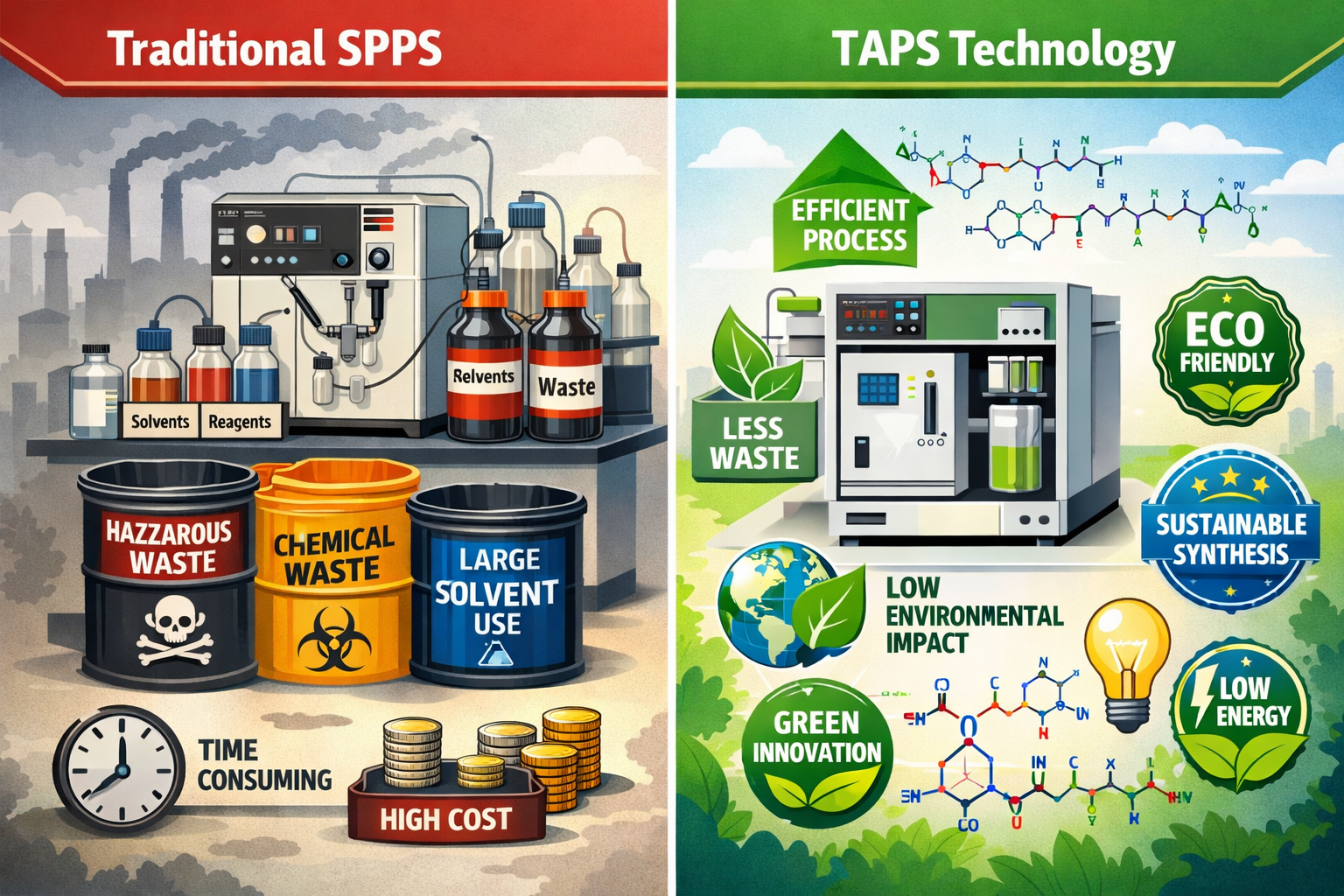
CordenPharma exemplifies the specialized CDMO model. Beyond capacity expansion, the company introduced Tag-Assisted Peptide Synthesis (TAPS) technology as a next-generation manufacturing solution addressing the resource intensity and environmental burden of traditional SPPS[1]. This innovation meets growing demand for scalable and sustainable peptide outsourcing.
Lonza combines peptide synthesis expertise with broader biologics manufacturing capabilities. This integration allows seamless development from discovery through commercial production, particularly valuable for therapeutic peptide programs[4].
Syngene International represents the growing Asian CDMO sector, offering competitive pricing while maintaining international quality standards. The company's Bangalore facilities serve both domestic and export markets[4].
For fitness and martial arts enthusiasts researching specific compounds, comparing peptide supplier options helps identify reputable sources with appropriate testing and documentation.
Emerging Regional Players
ShiLai Peptide announced a $32 million investment in a state-of-the-art peptide research and production laboratory in Hangzhou, China, designed to meet world-class GMP standards and strengthen global supply capabilities[4]. This investment exemplifies Asia-Pacific's rapid emergence as a manufacturing hub.
Creative Diagnostics and Puresynth Research Chemicals serve niche markets with specialized synthesis capabilities and custom modification services[4]. These smaller players often provide greater flexibility for novel peptide structures and early-stage research applications.
The diversity of peptide synthesis chemicals supplier options enables researchers to match specific project requirements with appropriate manufacturing partners. When evaluating wholesale peptides for sale, consider both established pharmaceutical suppliers and specialized research vendors.
Geographic Trends in Peptide Synthesis Chemicals Supply
Regional dynamics significantly influence peptide synthesis chemicals supplier selection, pricing, and availability. Understanding geographic patterns helps optimize sourcing strategies.
North American Market Dominance
North America leads global demand for peptide synthesis reagents and services due to concentrated biotech R&D investment and established CDMO networks[4]. The United States hosts major facilities from Bachem (Torrance and Vista, California), CordenPharma (Colorado), and numerous specialized synthesis providers.
American facilities benefit from proximity to pharmaceutical clients, streamlined regulatory pathways, and robust intellectual property protection. However, premium pricing reflects higher labor and operational costs compared to Asian alternatives.
For U.S.-based researchers and fitness enthusiasts, domestic sourcing offers advantages including faster shipping, easier communication, and greater regulatory transparency. Those looking to buy peptides online USA should prioritize suppliers with documented testing and domestic operations.
European Quality Standards
Europe maintains strong demand driven by pharmaceutical innovation hubs in Switzerland, Germany, and the United Kingdom[4]. European peptide synthesis chemicals supplier operations emphasize quality and regulatory compliance, with many facilities serving both European and global markets.
Switzerland hosts Bachem's headquarters and multiple manufacturing sites, including the expanding Bubendorf facility. Germany's CordenPharma Frankfurt facility exemplifies European commitment to GMP standards and integrated development services[1].
European suppliers often provide superior technical support and regulatory expertise for therapeutic applications. The region's stringent quality frameworks benefit researchers seeking the highest purity standards.
Asia-Pacific Growth Trajectory
Asia-Pacific emerges as the fastest-growing region for peptide synthesis as local biotech ecosystems mature and clinical trials expand[4]. China, India, and South Korea are investing heavily in manufacturing infrastructure and technical capabilities.
Chinese suppliers like ShiLai Peptide are rapidly closing the quality gap with Western competitors while maintaining significant cost advantages. India's established pharmaceutical industry provides a foundation for peptide CDMO services, with companies like Syngene International attracting global clients[4].
However, quality variability remains a concern with some Asian suppliers. Thorough due diligence including analytical testing verification and facility audits proves essential when sourcing from emerging market peptide synthesis chemicals supplier operations.
When exploring all peptides for sale globally, balance cost considerations against quality assurance and regulatory compliance requirements.
Manufacturing Technologies and Capabilities
Understanding synthesis methodologies helps evaluate peptide synthesis chemicals supplier technical capabilities and suitability for specific applications.
Solid-Phase Peptide Synthesis (SPPS)
SPPS dominates commercial peptide production due to its efficiency and scalability. The process anchors the C-terminal amino acid to an insoluble resin, then sequentially adds protected amino acids to build the peptide chain. After synthesis completion, the peptide is cleaved from the resin and deprotected.
Leading peptide synthesis chemicals supplier operations maintain multiple SPPS reactors ranging from small-scale (liters) to production-scale (thousands of liters). CordenPharma's expansion to over 42,000 liters of SPPS capacity represents industry-leading scale[1].
SPPS advantages include:
- Automation compatibility enabling high-throughput production
- Established protocols for standard amino acid sequences
- Scalability from milligrams to kilograms
- Versatility accommodating various peptide lengths and modifications
SPPS limitations include significant reagent consumption and chemical waste generation, driving innovation toward more sustainable alternatives.
Tag-Assisted Peptide Synthesis (TAPS)
TAPS represents next-generation synthesis technology addressing SPPS environmental and resource challenges. CordenPharma's introduction of TAPS as a commercial service marks an important industry evolution[1].
TAPS employs solubilizing tags that enable liquid-phase-like purification while retaining solid-phase synthesis benefits. This hybrid approach reduces reagent consumption, minimizes waste, and improves difficult sequence synthesis.
Benefits of TAPS technology include:
- Reduced environmental impact through lower solvent and reagent use
- Improved synthesis efficiency for challenging sequences
- Enhanced scalability for commercial production
- Cost optimization through resource conservation
As sustainability becomes increasingly important, peptide synthesis chemicals supplier operations offering TAPS and similar green chemistry approaches gain competitive advantages.
Liquid-Phase Peptide Synthesis
Liquid-phase synthesis suits specific applications including very long peptides and certain industrial-scale productions. This classical approach involves sequential coupling in solution with intermediate purification steps.
While less common than SPPS for most applications, liquid-phase methods excel for:
- Peptides exceeding 50 amino acids where SPPS efficiency declines
- Large-scale production of specific commodity peptides
- Sequences requiring specialized chemistry incompatible with solid supports
Premium peptide synthesis chemicals supplier operations maintain both SPPS and liquid-phase capabilities, selecting optimal methods based on peptide characteristics and project requirements.
For those researching specific compounds like SS-31 peptides for sale, understanding synthesis methodology helps assess quality and purity expectations.
Quality Assurance and Analytical Testing
Rigorous quality control distinguishes professional peptide synthesis chemicals supplier operations from questionable sources. Comprehensive analytical testing ensures peptide identity, purity, and consistency.
Essential Analytical Methods
High-Performance Liquid Chromatography (HPLC) serves as the primary purity assessment tool. Both analytical and preparative HPLC systems separate peptide products from synthesis impurities, truncated sequences, and deletion peptides.
Quality suppliers provide HPLC chromatograms showing:
- Retention time confirming identity
- Peak purity demonstrating main product percentage
- Impurity profile revealing synthesis byproducts
Premium peptides typically achieve ≥95% purity by HPLC, while research-grade materials may range from 80-95% depending on application requirements.
Mass Spectrometry (MS) confirms molecular weight and peptide identity. Electrospray ionization (ESI-MS) or matrix-assisted laser desorption/ionization (MALDI-TOF MS) provide accurate mass measurements within ±0.1% of theoretical values.
Amino Acid Analysis (AAA) quantifies peptide content and verifies composition. This destructive technique hydrolyzes the peptide and measures individual amino acid ratios, confirming sequence accuracy.
Peptide Sequencing through Edman degradation or MS/MS provides definitive structural confirmation for critical applications. While expensive, sequencing eliminates any doubt about peptide identity.
Certificates of Analysis (CoA)
Professional peptide synthesis chemicals supplier operations provide comprehensive Certificates of Analysis documenting:
✅ Batch identification including lot number and synthesis date
✅ Purity assessment with HPLC chromatogram and percentage
✅ Mass spectrometry data confirming molecular weight
✅ Peptide content from amino acid analysis
✅ Storage recommendations and expiration dating
✅ Quality control approval with authorized signatures
When evaluating best peptide manufacturer options, always request and review CoA documentation before purchase. Suppliers refusing to provide analytical data should raise immediate red flags.
Stability and Storage Considerations
Proper storage preserves peptide integrity and extends shelf life. Quality peptide synthesis chemicals supplier operations provide specific storage guidance based on peptide characteristics:
Lyophilized (freeze-dried) peptides typically remain stable for 2-3 years when stored at -20°C with desiccation. This format minimizes degradation and simplifies shipping.
Reconstituted peptides require refrigerated (2-8°C) or frozen (-20°C) storage and should be used within days to weeks depending on sequence stability. Avoid repeated freeze-thaw cycles that accelerate degradation.
Oxidation-sensitive peptides containing cysteine, methionine, or tryptophan benefit from inert atmosphere storage and antioxidant additives. Premium suppliers package these materials under nitrogen or argon.
For those exploring compounds like GHK-Cu peptide, understanding stability requirements ensures proper handling and storage.
Regulatory Compliance and GMP Manufacturing
Regulatory standards separate therapeutic-grade peptide synthesis chemicals supplier operations from research-only providers. Understanding compliance frameworks helps match suppliers to application requirements.
Good Manufacturing Practice (GMP) Certification
GMP facilities maintain validated processes, environmental controls, and documentation systems meeting pharmaceutical regulatory requirements. Key GMP elements include:
🏭 Controlled manufacturing environments with classified cleanrooms
📋 Standard Operating Procedures (SOPs) for all processes
✔️ Batch record documentation ensuring traceability
🔬 Validated analytical methods with established specifications
👥 Trained personnel with documented qualifications
🔍 Quality assurance oversight independent from production
CordenPharma's addition of 1,000 m² of GMP space at its Frankfurt facility exemplifies the infrastructure investment required for compliant manufacturing[1]. These facilities support first-in-human clinical trials and commercial therapeutic production.
Regulatory Authority Oversight
FDA (United States), EMA (European Union), and other national authorities inspect GMP facilities and review manufacturing processes. Peptide synthesis chemicals supplier operations serving pharmaceutical clients undergo regular audits verifying compliance.
Bachem's CHF 1 billion supply agreement reflects pharmaceutical industry confidence in the company's regulatory standing and quality systems[2]. Such long-term contracts require demonstrated compliance and audit readiness.
Research-Grade vs. GMP-Grade Materials
Research-grade peptides serve laboratory investigation, preclinical studies, and non-therapeutic applications. These materials meet quality specifications but lack the extensive documentation and process validation required for human use.
GMP-grade peptides undergo manufacture in certified facilities with complete batch documentation, validated processes, and regulatory-compliant testing. These materials support clinical trials, therapeutic development, and approved drug production.
For fitness, martial arts, and weightlifting applications, research-grade materials from reputable peptide synthesis chemicals supplier sources typically suffice. Those exploring buy peptides online should verify appropriate testing and quality standards for intended use.
Specialized Services and Value-Added Capabilities
Leading peptide synthesis chemicals supplier operations differentiate through comprehensive service offerings beyond basic synthesis.
Analytical and Formulation Support
Advanced analytical services include:
- Peptide stability studies under various conditions
- Solubility characterization in different buffer systems
- Aggregation assessment using dynamic light scattering
- Impurity identification through LC-MS/MS
- Bioanalytical method development for peptide quantification
Formulation development optimizes peptide delivery and stability:
- Lyophilization optimization for improved reconstitution
- Excipient screening to enhance stability
- pH and buffer selection preventing degradation
- Delivery system development including sustained release
These value-added services accelerate development timelines and reduce technical risk for therapeutic programs.
Regulatory and Technical Writing
Documentation support proves invaluable for clinical development:
- IND/IMPD submission preparation
- Drug Master File (DMF) compilation
- Manufacturing process descriptions for regulatory filings
- Stability study reports meeting ICH guidelines
- Certificate of Analysis preparation
CordenPharma's integration of Frankfurt, Caponago, and Plankstadt facilities provides seamless API-to-finished-dosage-form pathways with comprehensive regulatory support[1]. This end-to-end capability reduces complexity for therapeutic peptide developers.
Custom Synthesis and Modification
Premium peptide synthesis chemicals supplier operations offer extensive customization:
Non-standard amino acids including D-amino acids, β-amino acids, and unnatural analogs expand peptide design possibilities. These modifications enhance stability, bioavailability, and receptor selectivity.
Post-synthesis modifications include:
- Cyclization for conformational constraint
- PEGylation extending circulation half-life
- Lipidation improving membrane permeability
- Fluorescent labeling enabling tracking studies
- Biotinylation for affinity purification
Conjugation services attach peptides to carriers, targeting moieties, or imaging agents. These complex modifications require specialized expertise and equipment.
For those interested in peptide blends research, understanding custom synthesis capabilities helps identify suppliers capable of producing specific formulations.
Sourcing Strategies for Different Applications
Optimal peptide synthesis chemicals supplier selection varies based on application, scale, and quality requirements.
Research and Discovery Applications
Early-stage research prioritizes flexibility, turnaround time, and cost-effectiveness. Appropriate sourcing strategies include:
Small-scale suppliers specializing in milligram quantities offer rapid synthesis (1-2 weeks) at reasonable costs. These providers suit initial screening, proof-of-concept studies, and exploratory research.
Catalog peptides provide immediate availability for common sequences. Many peptide synthesis chemicals supplier operations maintain inventories of popular research peptides including growth hormone secretagogues, antimicrobial peptides, and cell-penetrating sequences.
Quality requirements for research applications typically specify ≥85% purity with basic analytical characterization (HPLC, MS). More stringent specifications increase costs without necessarily adding value for preliminary studies.
When exploring research compounds, reviewing all peptides for sale from established suppliers provides access to properly characterized materials.
Preclinical and Clinical Development
Therapeutic development demands higher quality standards and regulatory compliance:
GMP synthesis becomes essential for clinical trial materials. Select peptide synthesis chemicals supplier operations with appropriate certifications, audit history, and regulatory expertise.
Scale-up capabilities ensure smooth progression from discovery (grams) through clinical phases (kilograms) to commercial production (tens of kilograms). Suppliers lacking scale-up infrastructure create transition risks and timeline delays.
Regulatory support including DMF preparation, stability studies, and submission documentation accelerates clinical development. CordenPharma's integrated approach exemplifies this comprehensive support model[1].
Quality specifications for clinical materials require ≥95% purity, comprehensive impurity profiling, validated analytical methods, and complete batch documentation.
Fitness and Performance Applications
Research peptides for fitness, martial arts, and weightlifting applications require careful sourcing:
Reputable suppliers provide analytical testing documentation (CoA) confirming identity and purity. Avoid sources lacking proper characterization or making therapeutic claims.
Common research peptides in fitness contexts include growth hormone secretagogues (CJC-1295, Ipamorelin), recovery peptides (BPC-157, TB-500), and mitochondrial peptides (SS-31, MOTS-C). Each requires specific storage and handling.
Quality verification through third-party testing provides additional assurance. Some researchers submit samples to independent laboratories for purity confirmation.
For those exploring specific compounds, resources like SS-31 mechanism and research provide context for informed decision-making.
Evaluating Peptide Synthesis Chemicals Supplier Credentials
Due diligence protects against low-quality materials and unreliable suppliers. Systematic evaluation ensures appropriate sourcing decisions.
Essential Verification Steps
Facility credentials provide foundation for quality assessment:
- ✅ GMP certification status and scope
- ✅ Regulatory inspection history (FDA, EMA observations)
- ✅ Quality system certifications (ISO 9001, ISO 13485)
- ✅ Customer audit reports and references
Technical capabilities determine suitability for specific projects:
- ✅ Synthesis scale range (mg to kg)
- ✅ Sequence length capabilities
- ✅ Modification and conjugation expertise
- ✅ Analytical testing infrastructure
Business stability indicates long-term reliability:
- ✅ Years in operation and ownership structure
- ✅ Financial performance and growth trajectory
- ✅ Major client relationships and contracts
- ✅ Capacity expansion investments
Bachem's CHF 1 billion supply agreement and PolyPeptide's strong revenue growth[2][7] demonstrate the business stability characterizing leading peptide synthesis chemicals supplier operations.
Red Flags and Warning Signs
Avoid suppliers exhibiting concerning characteristics:
🚩 Refusing to provide Certificates of Analysis or analytical data
🚩 Making therapeutic claims for research-grade materials
🚩 Lacking proper business registration and contact information
🚩 Offering prices significantly below market rates
🚩 Unable to answer technical questions about synthesis or testing
🚩 Pressure tactics or aggressive marketing
🚩 Poor communication and customer service
Price alone should never drive supplier selection. Quality peptide synthesis involves significant costs for reagents, labor, testing, and quality assurance. Suspiciously low pricing often indicates compromised quality, inadequate testing, or counterfeit materials.
Building Supplier Relationships
Long-term partnerships with reliable peptide synthesis chemicals supplier operations provide multiple benefits:
Consistent quality through established processes and specifications reduces batch-to-batch variability and project risk.
Technical support improves over time as suppliers understand specific project requirements and challenges.
Priority service during capacity constraints favors established customers over new inquiries.
Pricing advantages may emerge through volume commitments or preferred customer programs.
For ongoing research needs, establishing relationships with quality suppliers like those offering lab tested peptides ensures reliable access to properly characterized materials.
Future Trends in Peptide Synthesis Supply
The peptide synthesis chemicals supplier industry continues evolving through technological innovation, market expansion, and sustainability initiatives.
Market Growth Projections
Industry forecasts predict robust expansion through the next decade. The peptide synthesis market's growth from USD 746.8 million in 2026 to USD 1,345.92 million by 2035 represents an 80% increase over nine years[8].
Alternative projections suggest even stronger growth at 7.9% CAGR through 2036, driven by expanding therapeutic applications, increased research investment, and growing CDMO outsourcing[4].
Reagents and consumables representing 48.0% of market revenue[4] will benefit from expanding synthesis activity across pharmaceutical, biotech, and research sectors.
Technological Innovations
Next-generation synthesis methods address current limitations:
Green chemistry approaches like TAPS reduce environmental impact while improving efficiency. CordenPharma's commercial TAPS offering signals broader industry adoption of sustainable synthesis[1].
Automation and AI integration optimize synthesis protocols, predict difficult sequences, and accelerate process development. Machine learning algorithms increasingly guide coupling reagent selection and reaction condition optimization.
Continuous flow synthesis enables real-time monitoring and control, potentially replacing batch processes for certain peptide classes. This approach improves reproducibility and reduces synthesis time.
Enzymatic synthesis using peptide ligases and transpeptidases offers orthogonal approaches for specific applications, particularly longer peptides and complex modifications.
Capacity Expansion Initiatives
Major infrastructure investments position leading suppliers for future demand:
Bachem's new facility planned in Eiken, Switzerland and potential capacity doubling at Bubendorf[2] represent hundreds of millions in capital investment.
CordenPharma's expansion to over 42,000 liters of SPPS capacity[1] creates one of the world's largest peptide production sites.
ShiLai Peptide's $32 million Hangzhou facility[4] exemplifies Asian market investment in world-class infrastructure.
These expansions ensure adequate peptide synthesis chemicals supplier capacity to meet therapeutic development and commercial production demands through 2030 and beyond.
Sustainability and Environmental Stewardship
Environmental considerations increasingly influence supplier selection and process development:
Solvent reduction through improved synthesis protocols and recovery systems minimizes chemical waste.
Renewable reagents derived from sustainable sources replace petroleum-based materials where feasible.
Energy efficiency through process optimization and facility upgrades reduces carbon footprint.
Waste treatment systems prevent environmental contamination from synthesis byproducts and disposal.
Companies demonstrating environmental leadership gain competitive advantages as pharmaceutical clients prioritize sustainability in supply chain decisions.
Conclusion: Making Informed Peptide Synthesis Chemicals Supplier Decisions
The peptide synthesis chemicals supplier landscape offers unprecedented options in 2026, from established pharmaceutical giants to specialized research providers. Success requires matching supplier capabilities with specific application requirements, quality standards, and budget constraints.
For therapeutic development, prioritize GMP-certified facilities with regulatory expertise, scale-up capabilities, and comprehensive analytical support. Companies like Bachem, PolyPeptide, and CordenPharma offer integrated services from discovery through commercial production.
For research applications, balance quality requirements against cost and turnaround time. Reputable suppliers providing proper analytical documentation and technical support deliver optimal value for exploratory studies and preclinical research.
For fitness and performance research, select suppliers offering transparent testing, proper characterization, and responsive customer service. Verify analytical documentation and avoid sources making therapeutic claims or lacking proper credentials.
Actionable Next Steps
✅ Define your requirements including peptide specifications, purity standards, scale, and timeline
✅ Research potential suppliers using industry databases, peer recommendations, and online reviews
✅ Request quotes and documentation including Certificates of Analysis and facility information
✅ Verify credentials through regulatory databases, audit reports, and customer references
✅ Start with small orders to evaluate quality, service, and communication before larger commitments
✅ Build relationships with reliable suppliers for ongoing research needs
✅ Stay informed about industry developments, new technologies, and emerging suppliers
The peptide therapeutics revolution continues accelerating in 2026, driven by breakthrough treatments for metabolic disorders, cancer, infectious diseases, and aging-related conditions. Behind every successful peptide program stands a reliable peptide synthesis chemicals supplier providing the materials, expertise, and support enabling innovation.
Whether you're researching longevity peptides, exploring healing peptides, or investigating performance compounds, informed supplier selection ensures access to quality materials supporting your research goals.
The future of peptide synthesis promises continued innovation, expanded capacity, and improved sustainability. By understanding the supplier ecosystem, quality standards, and evaluation criteria outlined in this guide, researchers and enthusiasts can navigate this complex landscape with confidence.
For comprehensive access to properly characterized research peptides from verified sources, explore the full catalog of all peptides for sale and make informed decisions supporting your research objectives.
References
[1] Learn About Peptide Drug Substance Manufacturing At Dcat Week 2026 – https://cordenpharma.com/learn-about-peptide-drug-substance-manufacturing-at-dcat-week-2026/
[2] 202301 Chemicals Bachem Group Secures Chf 1 Billion Peptide Supply Contract – https://www.s-ge.com/en/article/news/202301-chemicals-bachem-group-secures-chf-1-billion-peptide-supply-contract
[4] Global Peptide Synthesis Market Outlook 2026 2036 Strategic – https://www.openpr.com/news/4322643/global-peptide-synthesis-market-outlook-2026-2036-strategic
[7] polypeptide – https://www.polypeptide.com
[8] Peptide Synthesis Market 113075 – https://www.industryresearch.biz/market-reports/peptide-synthesis-market-113075
SEO Meta Title
Peptide Synthesis Chemicals Supplier Guide 2026 | Top Sources
SEO Meta Description
Discover leading peptide synthesis chemicals supplier options in 2026. Compare quality standards, manufacturing capabilities, and sourcing strategies for research peptides.