Finding the Right Peptides Doctor Near Me: Your Complete 2026 Guide

The search for a qualified peptides doctor near me has become one of the most common health-related queries in 2026, as more people discover the transformative potential of peptide therapy for anti-aging, athletic performance, weight management, and overall wellness. Whether you’re a dedicated bodybuilder seeking enhanced recovery, a health enthusiast exploring cutting-edge longevity treatments, or a medispa professional wanting to offer clients the latest therapeutic options, finding the right medical provider is crucial for safe and effective results. 🏥
Peptide therapy has evolved from an underground biohacking trend to a legitimate medical treatment supervised by qualified physicians who understand both the science and regulatory landscape. However, not all doctors offering peptide treatments have equal expertise, and the increased FDA scrutiny since 2023 means working with a knowledgeable provider is more important than ever.
Key Takeaways
- Qualified peptide doctors include anti-aging specialists, functional medicine practitioners, endocrinologists, and sports medicine physicians with specialized training in peptide protocols
- Comprehensive lab work is essential before starting any peptide therapy, including hormone panels, metabolic markers, and organ function tests
- FDA regulations have tightened since 2023, making it critical to work with licensed physicians who understand current compliance requirements
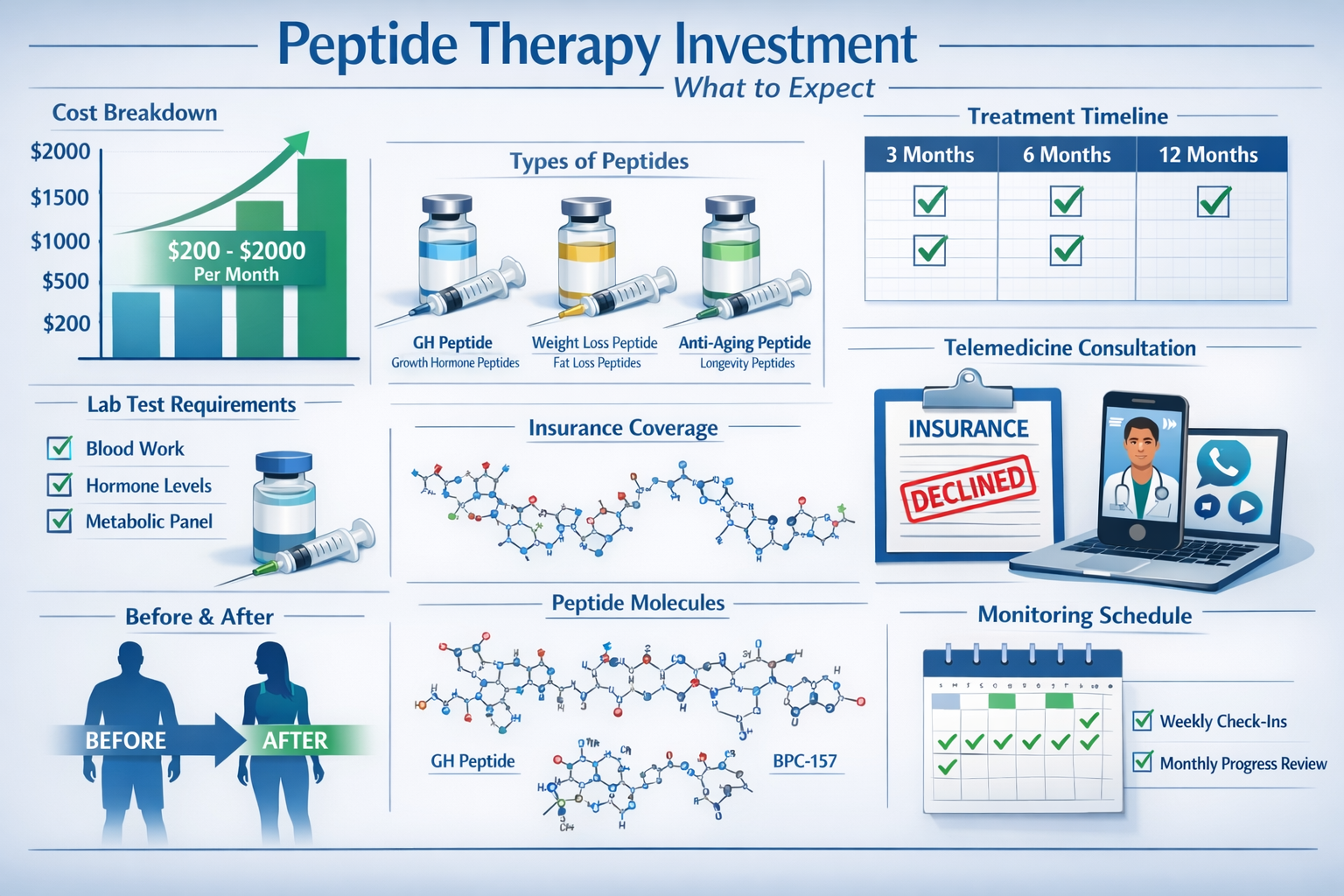
- Treatment costs typically range from $200 to $2,000 monthly and are rarely covered by insurance
- Red flags include providers who prescribe without testing, offer banned substances, or make unrealistic promises about results
What Is Peptide Therapy and Why You Need a Specialized Doctor
Peptide therapy involves using specific peptide compounds—short chains of amino acids—to stimulate cellular regrowth systems throughout the body. These powerful molecules act as signaling agents, communicating with cells to trigger specific biological responses ranging from tissue repair to hormone production.
Why specialized medical supervision matters:
- Peptides require precise dosing based on individual physiology
- Proper administration techniques prevent complications
- Regular monitoring ensures safety and efficacy
- Understanding drug interactions protects patient health
- Navigating FDA regulations requires current knowledge
The landscape of peptide therapy has changed dramatically. What was once available through research peptide suppliers without prescription now requires medical oversight for human therapeutic use. This shift protects consumers from potentially dangerous self-experimentation while ensuring quality control and proper medical guidance.
Common Therapeutic Peptides Prescribed in 2026
| Peptide | Primary Application | Typical Use Case |
|---|---|---|
| BPC-157 | Tissue repair and healing | Joint injuries, gut health |
| CJC-1295 | Growth hormone stimulation | Anti-aging, muscle building |
| Thymosin Alpha-1 | Immune system support | Immune enhancement, recovery |
| Semaglutide | Weight management | Metabolic health, obesity |
| TB-500 | Recovery and inflammation | Athletic performance, healing |
When searching for peptides doctor near me, understanding these common therapeutic options helps you ask informed questions during consultations. A qualified provider should be able to explain the mechanism of action, expected outcomes, and potential side effects for each peptide they prescribe.
Types of Doctors Who Prescribe Peptide Therapy
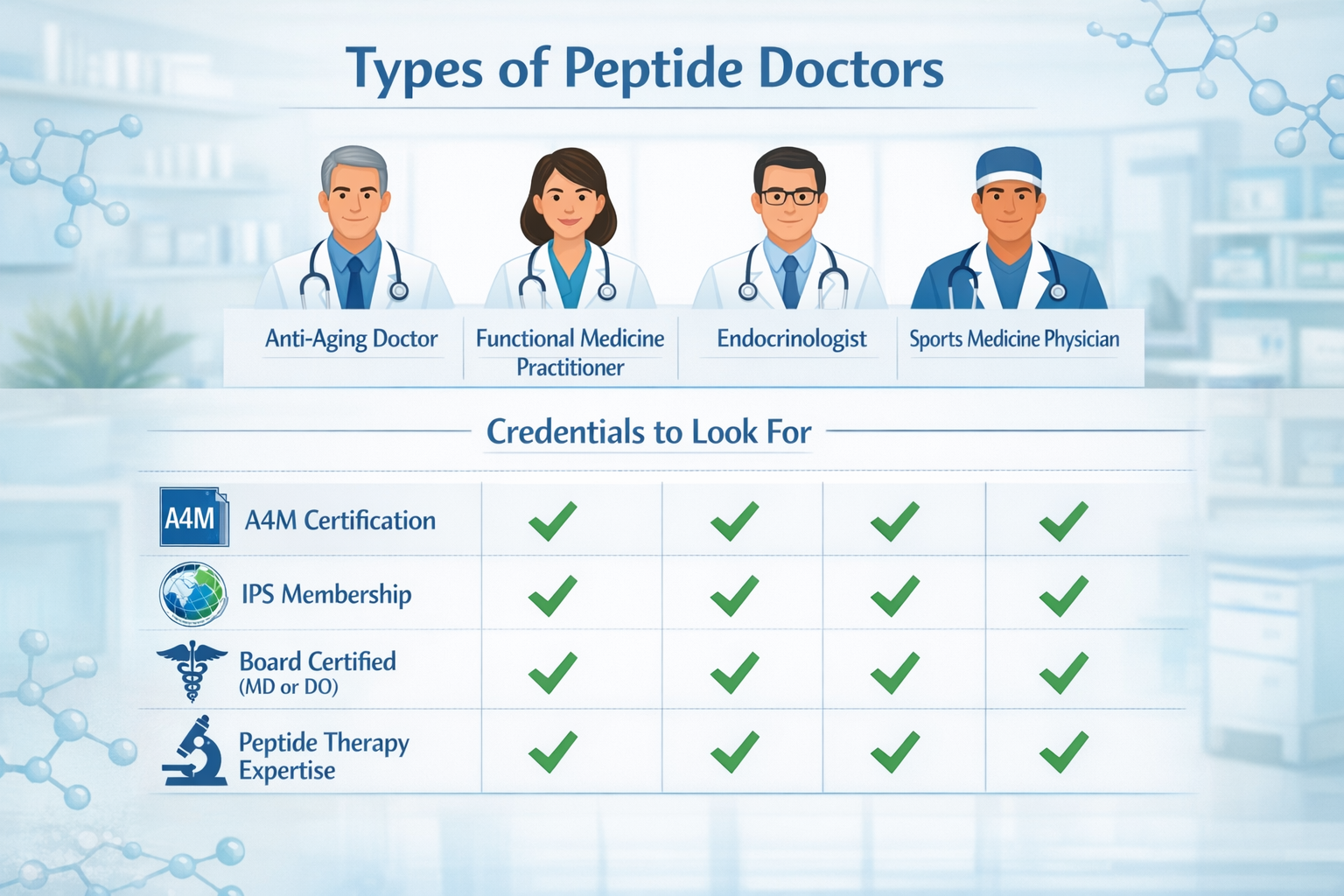
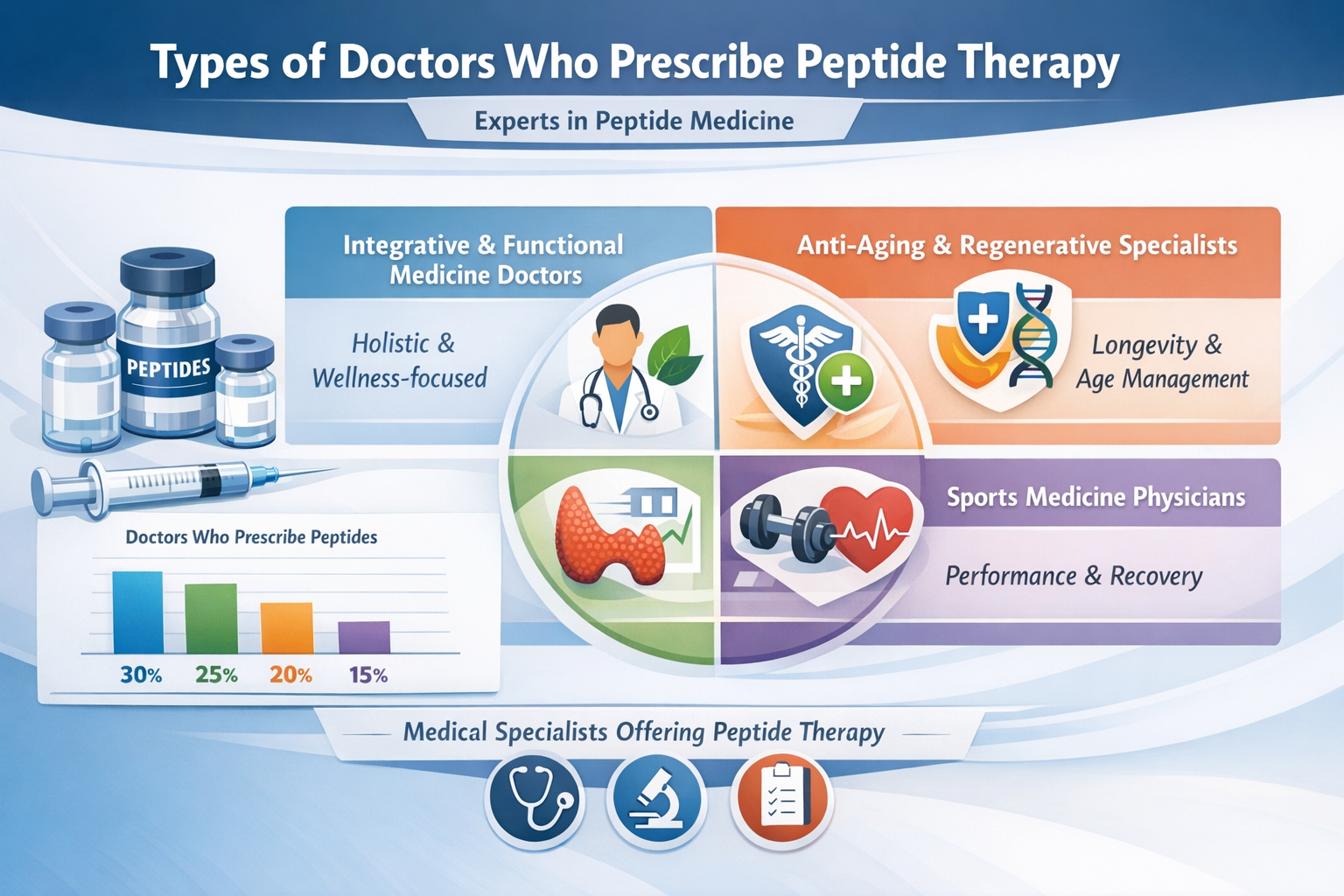
Not all physicians offer peptide therapy, and among those who do, expertise levels vary significantly. Here are the medical specialties most commonly providing peptide treatments:
Anti-Aging and Longevity Specialists
These physicians focus on extending healthspan and optimizing age-related decline. They typically have extensive knowledge of peptides like Epithalon for cellular rejuvenation and various growth hormone secretagogues. Many have completed certification through the American Academy of Anti-Aging Medicine (A4M).
What they offer:
- Comprehensive hormone optimization
- Age-related metabolic support
- Skin and aesthetic peptide applications
- Longevity-focused treatment protocols
Functional Medicine Practitioners
Functional medicine doctors take a whole-body approach, addressing root causes rather than symptoms. They often integrate peptide therapy with nutritional interventions, lifestyle modifications, and other complementary treatments.
These providers excel at creating personalized protocols and typically spend more time with patients than conventional practitioners. When looking for a peptides doctor near me, functional medicine clinics often provide the most comprehensive approach.
Sports Medicine Physicians and Performance Specialists
Athletes and bodybuilders often seek these doctors for peptides that enhance recovery, build muscle, and improve performance. They understand the unique demands of athletic training and can recommend appropriate peptides for tb-500 benefits bodybuilding applications.
Common peptide protocols for athletes:
- BPC-157 for injury recovery
- TB-500 for tissue repair and flexibility
- CJC-1295/Ipamorelin for muscle growth
- AOD-9604 for fat loss while preserving muscle
Endocrinologists with Peptide Training
Traditional endocrinologists who have expanded into peptide therapy bring deep knowledge of hormone systems. They’re particularly valuable for patients with complex hormonal issues or those already managing conditions like diabetes or thyroid disorders.
Integrative and Holistic Medicine Doctors
These physicians combine conventional medical training with alternative approaches. They often offer peptide therapy alongside acupuncture, herbal medicine, and other complementary treatments, creating comprehensive wellness programs.
How to Find a Qualified Peptides Doctor Near Me
Finding the right provider requires research and due diligence. The growing popularity of peptide therapy has attracted both highly qualified specialists and less scrupulous practitioners making exaggerated claims.
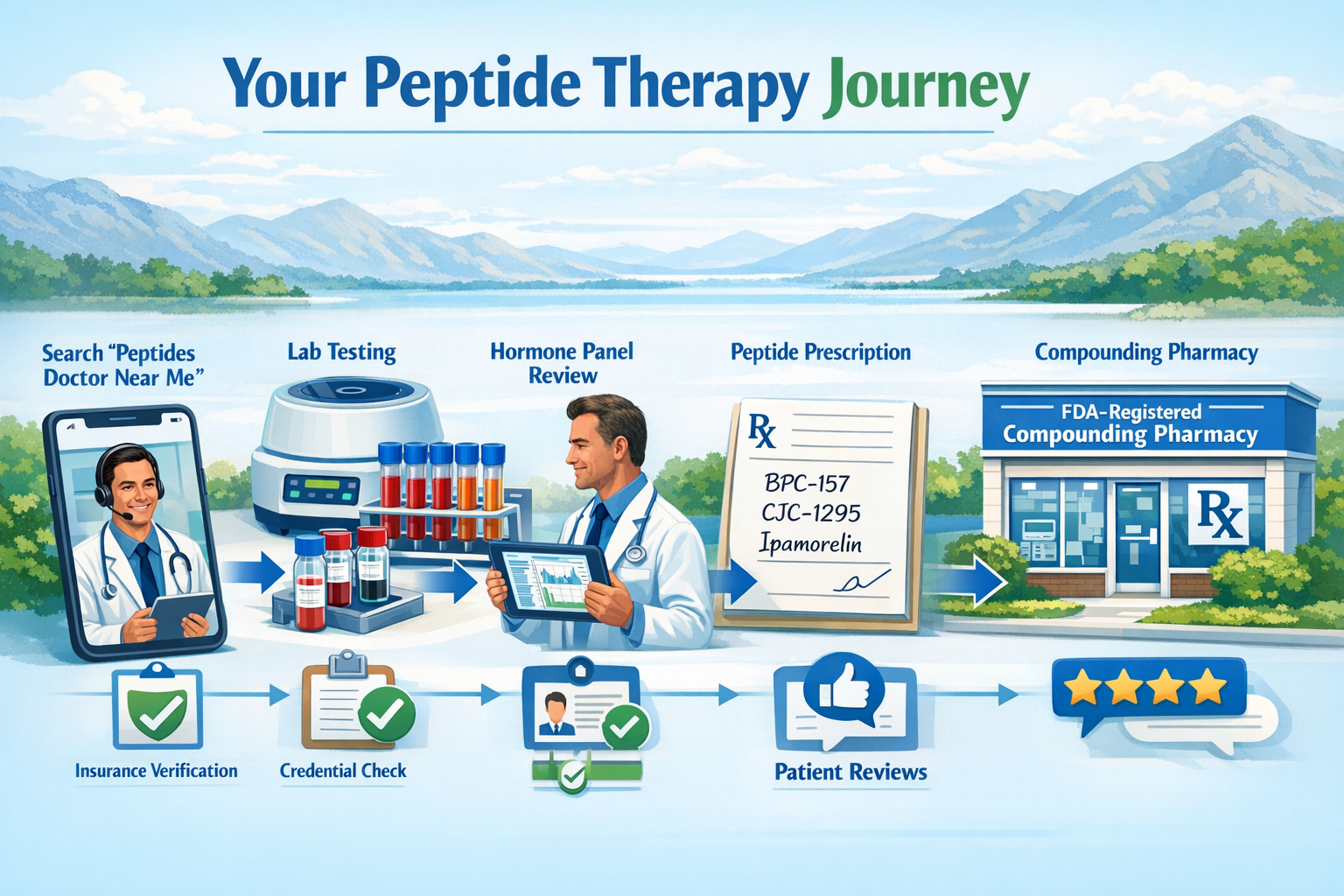
Step 1: Verify Medical Credentials
Start by confirming the doctor holds a valid medical license in your state. Check your state medical board website for:
- Active, unrestricted license status
- Board certifications in relevant specialties
- Disciplinary actions or complaints
- Years in practice and education background
✅ Green flag: Board-certified physicians with clean disciplinary records and specialized training in peptide therapy or anti-aging medicine.
🚩 Red flag: Practitioners without proper medical licensing, those with multiple complaints, or providers operating outside their scope of practice.
Step 2: Look for Specialized Training
The International Peptide Society and A4M offer certification programs specifically for peptide therapy. While not required, these credentials demonstrate commitment to staying current with research and best practices.
Questions to ask potential providers:
- What training have you completed in peptide therapy?
- How long have you been prescribing peptides?
- What percentage of your practice involves peptide treatments?
- Do you attend continuing education on peptide research?
Step 3: Evaluate the Initial Consultation Process
Legitimate peptide doctors require comprehensive evaluation before prescribing. During your search for a peptides doctor near me, pay attention to the consultation process.
A proper initial visit should include:
- Detailed medical history review
- Discussion of treatment goals and expectations
- Explanation of available peptide options
- Overview of required lab testing
- Transparent discussion of costs
- Realistic timeline for results
- Potential risks and side effects
Providers who skip straight to prescribing without thorough evaluation should raise immediate concerns. Quality care requires understanding your unique physiology, existing conditions, and treatment objectives.
Step 4: Assess Lab Testing Requirements
Comprehensive laboratory work is non-negotiable for safe peptide therapy. Before starting treatment, expect to complete blood tests measuring:
- Hormone panels: Testosterone, estrogen, thyroid hormones, IGF-1, cortisol
- Metabolic markers: Glucose, insulin, lipid panel, hemoglobin A1C
- Organ function: Liver enzymes, kidney function, complete blood count
- Nutritional status: Vitamin D, B12, essential minerals
These baseline measurements allow your doctor to customize peptide selection and dosing while monitoring for potential side effects. Ongoing testing throughout treatment ensures safety and allows protocol adjustments.
When researching where to buy glp 1 peptide or other therapeutic compounds, remember that legitimate sources require prescriptions based on these medical evaluations.
The Telemedicine Option for Peptide Therapy
Telemedicine has revolutionized access to specialized care, including peptide therapy. Many qualified physicians now offer virtual consultations, making it easier to find expertise regardless of geographic location.
Benefits of Telemedicine for Peptide Patients
Convenience and accessibility:
- Connect with specialists outside your immediate area
- Flexible scheduling around work and family commitments
- Reduced travel time and expenses
- Easier follow-up appointments
Expanded provider options:
- Access doctors with specific peptide expertise
- Compare multiple providers before committing
- Find practitioners familiar with your specific goals
Limitations and Considerations
While telemedicine offers significant advantages, some states require at least one in-person visit before prescribing certain peptides. Additionally, hands-on examination may be necessary for some conditions.
Important telemedicine factors:
- Verify the doctor is licensed in your state
- Confirm they can legally prescribe peptides via telehealth
- Understand how lab work will be coordinated
- Know where prescriptions will be filled
- Clarify emergency contact procedures
Many patients successfully combine telemedicine consultations with local lab work, creating a hybrid approach that maximizes both convenience and quality care. This model works particularly well for ongoing management after initial in-person evaluation.
Understanding Peptide Therapy Costs and Payment Options
Financial planning is essential when considering peptide treatment, as costs vary widely and insurance rarely provides coverage.
Typical Cost Breakdown
Initial consultation: $200-$500
- Comprehensive medical evaluation
- Treatment planning
- Goal setting and education
Laboratory testing: $300-$800
- Baseline hormone panels
- Metabolic markers
- Organ function assessment
- Follow-up monitoring tests
Monthly peptide costs: $200-$2,000
- Varies by peptide type and dosage
- Single peptides on lower end
- Multiple peptide protocols on higher end
- Includes supplies (syringes, alcohol swabs, etc.)
Ongoing monitoring: $150-$400 per visit
- Follow-up consultations every 3-6 months
- Progress evaluation
- Protocol adjustments
- Periodic lab testing
Why Insurance Typically Doesn’t Cover Peptide Therapy
Most insurance companies classify peptide therapy as experimental or elective, particularly for anti-aging and performance enhancement applications. Even when peptides have legitimate medical uses, coverage remains limited.
Exceptions that may receive coverage:
- FDA-approved peptides for specific conditions (like Semaglutide for diabetes)
- Documented medical necessity for approved indications
- Participation in clinical trials
- Specific employer health plans with wellness benefits
Payment Strategies and Options
Many peptide clinics offer payment plans or financing options to make treatment more accessible. Some accept health savings accounts (HSA) or flexible spending accounts (FSA) for qualified medical expenses.
Cost-saving approaches:
- Start with single peptide to assess response before adding others
- Use telemedicine to reduce consultation fees
- Purchase longer treatment cycles when discounts available
- Combine peptides strategically for multiple benefits
When exploring options for peptide sale opportunities, ensure you’re working through legitimate medical channels rather than unregulated sources that may offer lower prices but significant risks.
Red Flags: Warning Signs of Unqualified Peptide Providers
The growing demand for peptide therapy has unfortunately attracted providers more interested in profit than patient safety. Recognizing warning signs protects your health and investment.
Critical Red Flags to Avoid
🚫 Prescribing without comprehensive lab work
Legitimate doctors never prescribe peptides based solely on symptoms or goals. Proper treatment requires understanding your current hormone levels, metabolic function, and overall health status.
🚫 Offering banned or unapproved peptides
Since FDA regulatory changes in 2023, certain peptides previously available through compounding pharmacies face restrictions. Doctors offering these substances may be operating outside legal boundaries.
🚫 Making unrealistic promises
Claims of dramatic results in impossibly short timeframes, guarantees of specific outcomes, or suggestions that peptides are miracle cures indicate either ignorance or dishonesty.
🚫 Operating without proper licensing
Some “wellness centers” or “anti-aging clinics” employ non-physician staff to recommend peptides, with a doctor merely signing prescriptions without patient interaction. This practice violates medical standards and puts patients at risk.
🚫 Pressuring immediate purchase
High-pressure sales tactics, limited-time offers, or requirements to buy multiple months upfront before proper evaluation suggest profit motivation over patient care.
🚫 Selling research peptides for human use
Compounds labeled “for research purposes only” or “not for human consumption” should never be prescribed for therapeutic use. These products lack quality control and purity standards required for medical applications.
Questions That Reveal Provider Quality
Ask these questions when evaluating a peptides doctor near me:
- “What lab tests do you require before prescribing peptides?”
- “How do you stay current with FDA regulations on peptide therapy?”
- “What happens if I experience side effects?”
- “Can you provide references from current patients?”
- “Where do you source your peptides, and how is quality ensured?”
- “What is your protocol for monitoring patients during treatment?”
Quality providers welcome these questions and provide detailed, transparent answers. Evasive responses or irritation at being questioned indicates problems.
The Regulatory Landscape: FDA and Peptide Therapy in 2026
Understanding current regulations helps you work with providers who operate within legal boundaries while accessing effective treatments.
Recent FDA Actions and Their Impact
The FDA increased scrutiny of compounded peptides starting in 2023, removing several popular compounds from the bulk compounding list. This regulatory shift aimed to address safety concerns while ensuring proper oversight of substances used in human therapy.
Key regulatory changes:
- Stricter requirements for compounding pharmacies
- Enhanced quality control standards
- Removal of certain peptides from approved compounding lists
- Increased enforcement against illegal peptide sales
These changes mean your peptides doctor near me must stay informed about which compounds remain available through legal channels and which require FDA-approved alternatives.
FDA-Approved vs. Compounded Peptides
FDA-approved peptides have undergone rigorous clinical trials demonstrating safety and efficacy for specific indications. Examples include:
- Semaglutide (Ozempic, Wegovy) for diabetes and weight management
- Tesamorelin for lipodystrophy in HIV patients
- Sermorelin for growth hormone deficiency
Compounded peptides are created by specialized pharmacies for individual patients based on physician prescriptions. While legal when properly prescribed, they haven’t undergone the same approval process as FDA-approved drugs.
Working Within the System
Qualified peptide doctors navigate these regulations by:
- Prescribing FDA-approved options when available
- Using compliant compounding pharmacies for legal alternatives
- Staying current with regulatory updates
- Documenting medical necessity for off-label use
- Maintaining proper patient monitoring protocols
When searching for peptides buy options, work only with providers who source from FDA-registered compounding pharmacies following current good manufacturing practices (cGMP).
Popular Peptide Protocols and What to Expect
Understanding common peptide applications helps you have informed discussions with potential providers about your specific goals.
Anti-Aging and Longevity Protocols
Anti-aging peptide therapy focuses on optimizing cellular function, hormone balance, and tissue repair to slow or reverse age-related decline.
Common anti-aging peptides:
- Epithalon: Supports telomere health and cellular longevity
- GHK-Cu: Promotes skin health, wound healing, and collagen production
- Thymosin Alpha-1: Enhances immune function
- MOTS-c: Improves mitochondrial function and metabolic health
Expected timeline:
- Initial changes: 4-8 weeks
- Significant improvements: 3-6 months
- Optimal results: 6-12 months with continued use
Athletic Performance and Recovery
Athletes and bodybuilders use peptides to enhance recovery, build muscle, and improve performance. These protocols require careful timing around training schedules.
Performance-focused peptides:
- BPC-157: Accelerates healing of muscles, tendons, and ligaments
- TB-500: Reduces inflammation and promotes tissue repair
- CJC-1295/Ipamorelin: Stimulates natural growth hormone production
- AOD-9604: Supports fat loss while preserving muscle mass
Understanding tb-500 benefits bodybuilding applications requires working with doctors familiar with athletic demands and training periodization.
Weight Management and Metabolic Health
Peptides for weight loss work through various mechanisms including appetite suppression, metabolic enhancement, and targeted fat reduction.
Weight management peptides:
- Semaglutide: GLP-1 agonist reducing appetite and improving insulin sensitivity
- Tirzepatide: Dual GIP/GLP-1 agonist with enhanced metabolic effects
- AOD-9604: Fragment targeting fat metabolism
- MOTS-c: Mitochondrial peptide improving metabolic function
Patients interested in where to buy glp 1 peptide options should work with doctors experienced in metabolic medicine who can provide comprehensive weight management support beyond just prescriptions.
Tissue Repair and Injury Recovery
These protocols appeal to anyone recovering from injury, surgery, or dealing with chronic pain conditions.
Healing-focused peptides:
- BPC-157: “Body Protection Compound” supporting gut, joint, and muscle healing
- TB-500: Thymosin Beta-4 fragment promoting tissue regeneration
- GHK-Cu: Copper peptide enhancing wound healing and reducing inflammation
Treatment duration:
- Acute injuries: 4-8 weeks
- Chronic conditions: 3-6 months
- Ongoing maintenance: As needed
Patient Reviews and Testimonials: What to Look For
Patient experiences provide valuable insights when selecting a peptide provider, but knowing how to evaluate reviews prevents being misled by fake or manipulated feedback.
Where to Find Authentic Reviews
Reliable review sources:
- Google Business reviews (harder to manipulate)
- State medical board complaints (public record)
- Health-focused forums with verified users
- Word-of-mouth from trusted healthcare providers
- Professional medical networks
Less reliable sources:
- Provider’s own website testimonials (easily curated)
- Social media posts (may be incentivized)
- Anonymous review sites (easier to fake)
What Positive Reviews Should Indicate
Quality peptide doctors receive feedback highlighting:
- Thorough initial consultations and ongoing care
- Comprehensive lab testing and monitoring
- Clear communication about expectations
- Professional staff and organized practice
- Transparent pricing and billing
- Realistic results achieved over appropriate timeframes
- Responsive to questions and concerns
Warning Signs in Reviews
Concerning patterns in feedback:
- Multiple complaints about billing surprises
- Reports of minimal doctor interaction
- Concerns about pushy sales tactics
- Mentions of side effects without proper follow-up
- Difficulty reaching the provider with problems
- Unrealistic results claimed too quickly
When researching peptide stores or medical providers, cross-reference multiple review sources to identify consistent patterns rather than relying on isolated comments.
The Consultation Process: What to Expect
Understanding what happens during initial and follow-up appointments helps you evaluate whether a provider meets professional standards.
Initial Consultation Components
A comprehensive first visit with a qualified peptide doctor typically lasts 45-90 minutes and includes:
Medical history review:
- Current medications and supplements
- Previous hormone treatments
- Existing medical conditions
- Surgical history
- Family health history
- Lifestyle factors (diet, exercise, sleep, stress)
Goal discussion:
- Specific outcomes you’re seeking
- Timeline expectations
- Previous experience with peptides
- Athletic or performance objectives
- Health optimization priorities
Physical examination:
- Vital signs (blood pressure, heart rate, weight)
- Body composition assessment
- Relevant physical findings
- Baseline measurements for tracking progress
Education and planning:
- Explanation of peptide mechanisms
- Discussion of appropriate options
- Realistic outcome expectations
- Potential side effects and risks
- Treatment timeline and monitoring plan
- Cost breakdown and payment options
Laboratory Testing and Analysis
After the initial consultation, comprehensive lab work provides the foundation for personalized treatment. Testing typically occurs at a local laboratory with results reviewed during a follow-up appointment.
Standard peptide therapy labs:
- Complete hormone panel (testosterone, estrogen, progesterone, DHEA, cortisol)
- Thyroid function (TSH, Free T3, Free T4)
- Growth factors (IGF-1, IGFBP-3)
- Metabolic markers (glucose, insulin, hemoglobin A1C)
- Lipid panel (cholesterol, triglycerides, HDL, LDL)
- Liver function (ALT, AST, GGT)
- Kidney function (creatinine, BUN, GFR)
- Complete blood count
- Inflammatory markers (CRP, homocysteine)
Treatment Initiation
Once labs return and the doctor has analyzed results, treatment begins with:
- Prescription and sourcing: Your doctor sends prescriptions to an FDA-registered compounding pharmacy
- Administration training: Detailed instruction on proper injection technique, storage, and handling
- Dosing schedule: Clear protocol for when and how to administer peptides
- Monitoring plan: Schedule for follow-up appointments and repeat labs
- Emergency contacts: Information for reaching the provider with concerns
Ongoing Management and Monitoring
Peptide therapy requires regular follow-up to ensure safety and optimize results. Expect appointments every 4-12 weeks initially, then quarterly once stable.
Follow-up visits assess:
- Subjective improvements and side effects
- Objective measurements (weight, body composition, vitals)
- Lab value changes
- Dosage adjustments needed
- Additional peptides to add or remove
- Overall treatment satisfaction
Quality providers maintain detailed records tracking your progress and make data-driven decisions about protocol modifications.
Combining Peptide Therapy with Other Treatments
Peptide therapy rarely exists in isolation. The most effective protocols integrate peptides with complementary interventions for synergistic benefits.
Hormone Replacement Therapy (HRT)
Many peptide patients also use bioidentical hormone replacement. Peptides and HRT work together by:
- Peptides stimulating natural hormone production
- HRT providing direct hormone supplementation
- Combined approach optimizing overall hormone balance
Common combinations:
- CJC-1295 + testosterone replacement
- Thymosin Alpha-1 + thyroid hormone
- GHK-Cu + estrogen/progesterone for skin health
Nutritional Optimization
Peptide effectiveness depends partly on proper nutritional status. Qualified providers address:
- Protein intake for muscle-building peptides
- Micronutrient deficiencies affecting peptide function
- Anti-inflammatory diets supporting healing peptides
- Metabolic support for weight management protocols
Exercise and Recovery Protocols
Athletic patients benefit from coordinating peptide timing with training schedules:
- Post-workout BPC-157 for recovery
- Pre-sleep CJC-1295 for growth hormone optimization
- Injury-specific TB-500 protocols
- Performance periodization with peptide cycling
Aesthetic Treatments
Medispas and aesthetic practices increasingly combine peptides with:
- Microneedling + GHK-Cu for skin rejuvenation
- Laser treatments + healing peptides
- Injectable fillers + collagen-stimulating peptides
- Body contouring + fat-metabolizing peptides
When exploring buy peptide online options for aesthetic applications, ensure your provider has experience integrating peptides with other cosmetic procedures.
Stat
Common Peptides and Their Applications
Familiarity with popular therapeutic peptides helps you have informed discussions with potential providers about which options might suit your goals.
BPC-157: The Healing Peptide
Body Protection Compound-157 derives from a protective protein found in gastric juice. Research suggests benefits for:
- Accelerated healing of muscles, tendons, and ligaments
- Gut health and inflammatory bowel conditions
- Joint pain and arthritis
- Wound healing and tissue regeneration
Typical dosing: 250-500 mcg daily, administered subcutaneously or intramuscularly near injury sites
Expected timeline: Noticeable improvements in 2-4 weeks, optimal results in 6-8 weeks
CJC-1295: Growth Hormone Optimization
This growth hormone-releasing hormone (GHRH) analog stimulates natural growth hormone production without the risks of synthetic HGH.
Applications:
- Increased lean muscle mass
- Enhanced fat metabolism
- Improved sleep quality
- Better recovery and healing
- Anti-aging benefits
Typical dosing: 1-2 mg weekly, often combined with Ipamorelin for synergistic effects
Expected timeline: Initial changes in 4-6 weeks, significant results in 3-6 months
Thymosin Alpha-1: Immune Enhancement
This immune-modulating peptide supports thymus function and overall immune health.
Uses:
- Chronic infections and immune deficiency
- Autoimmune condition support
- Cancer treatment adjunct (under oncologist supervision)
- General immune optimization
- Recovery from illness or surgery
Typical dosing: 1.6-3.2 mg twice weekly subcutaneously
Expected timeline: Immune improvements measurable in 4-8 weeks
AOD-9604: Fat Metabolism
A fragment of growth hormone, AOD-9604 targets fat metabolism without affecting blood sugar or growth.
Applications:
- Targeted fat reduction
- Metabolic optimization
- Weight management support
- Body composition improvement
Typical dosing: 300-600 mcg daily, often administered before exercise or bedtime
Expected timeline: Changes visible in 8-12 weeks with proper diet and exercise
TB-500: Tissue Repair and Recovery
Thymosin Beta-4 fragment promoting healing and reducing inflammation.
Uses:
- Muscle and tendon injuries
- Chronic pain conditions
- Post-surgical recovery
- Athletic performance enhancement
- Flexibility and range of motion
Understanding tb-500 benefits bodybuilding applications helps athletes discuss specific protocols with qualified providers.
Typical dosing: 2-5 mg twice weekly for acute injuries, lower maintenance doses for ongoing support
Expected timeline: Acute injury improvement in 2-4 weeks, chronic conditions in 6-12 weeks
Semaglutide: Weight Management
This GLP-1 receptor agonist has revolutionized medical weight loss with FDA approval for obesity treatment.
Benefits:
- Significant appetite reduction
- Improved insulin sensitivity
- Cardiovascular health benefits
- Sustainable weight loss
- Metabolic optimization
Typical dosing: Gradual titration from 0.25 mg weekly up to 2.4 mg for weight management
Expected timeline: Appetite changes within days, significant weight loss over 3-6 months
Patients researching where to buy glp 1 peptide should work with doctors experienced in weight management who can provide comprehensive support including nutritional counseling and lifestyle modification.
Safety Considerations and Potential Side Effects
While peptides generally have favorable safety profiles compared to many pharmaceuticals, understanding potential risks ensures informed decision-making.
Common Side Effects
Most peptide side effects are mild and resolve with dosage adjustment:
Injection site reactions:
- Redness, swelling, or irritation
- Bruising
- Itching
- Temporary discomfort
Systemic effects:
- Headaches (especially with GHRH peptides)
- Flushing or warmth
- Temporary fatigue
- Water retention
- Changes in appetite
Serious Risks Requiring Medical Attention
While rare, certain side effects warrant immediate provider contact:
- Severe allergic reactions
- Persistent nausea or vomiting
- Significant changes in blood pressure
- Unusual pain or swelling
- Signs of infection at injection sites
- Unexpected hormonal symptoms
Contraindications and Precautions
Certain conditions require extra caution or may preclude peptide use:
Relative contraindications:
- Active cancer (some peptides may stimulate cell growth)
- Pregnancy or breastfeeding
- Severe kidney or liver disease
- Uncontrolled diabetes
- Recent heart attack or stroke
Medication Interactions
Peptides can interact with other medications, making full disclosure to your provider essential:
- Insulin and diabetes medications
- Blood pressure medications
- Hormone replacement therapies
- Immunosuppressants
- Blood thinners
Quality providers review your complete medication list and coordinate with other specialists when necessary.
Quality and Purity Concerns
Not all peptide sources maintain equal quality standards. Working with doctors who use FDA-registered compounding pharmacies ensures:
- Proper peptide purity (typically >98%)
- Accurate dosing
- Sterile preparation
- Appropriate storage and handling
- Batch testing and quality control
Avoid buypeptides sources that don’t require prescriptions or operate outside regulatory oversight, as these products may contain impurities, incorrect concentrations, or even entirely different substances than labeled.
Maximizing Results: Best Practices for Peptide Therapy Success
Getting optimal outcomes from peptide therapy requires more than just injections. These strategies enhance effectiveness:
Proper Administration Technique
Correct injection technique prevents complications and ensures proper absorption:
Subcutaneous injection steps:
- Wash hands thoroughly
- Clean injection site with alcohol
- Pinch skin to create a fold
- Insert needle at 45-90 degree angle
- Inject slowly and steadily
- Apply gentle pressure after withdrawal
- Rotate injection sites to prevent tissue damage
Storage and handling:
- Keep peptides refrigerated (most require 36-46°F)
- Protect from light and heat
- Use within recommended timeframe after reconstitution
- Never freeze peptides
- Dispose of needles in sharps container
Timing and Cycling
Strategic timing optimizes peptide effectiveness:
Growth hormone peptides (CJC-1295, Ipamorelin):
- Best administered before bed for natural GH pulse
- Take on empty stomach for optimal absorption
Healing peptides (BPC-157, TB-500):
- Can be taken any time of day
- Some prefer post-workout for recovery support
Weight management peptides (Semaglutide):
- Consistent weekly schedule
- Same day each week regardless of meals
Cycling protocols:
Some practitioners recommend cycling peptides (periods on and off) to prevent receptor desensitization, though protocols vary by peptide type and individual response.
Lifestyle Factors That Enhance Results
Peptide therapy works best as part of comprehensive health optimization:
Sleep quality:
- 7-9 hours nightly for hormone optimization
- Consistent sleep schedule
- Dark, cool sleeping environment
Nutrition:
- Adequate protein (0.8-1.2g per pound body weight for muscle building)
- Anti-inflammatory whole foods
- Proper hydration (half your body weight in ounces daily)
- Micronutrient sufficiency
Exercise:
- Resistance training for muscle-building peptides
- Cardiovascular exercise for metabolic peptides
- Adequate recovery between sessions
- Progressive overload principles
Stress management:
- Chronic stress impairs peptide effectiveness
- Meditation, yoga, or mindfulness practices
- Adequate downtime and recovery
- Professional support when needed
Tracking Progress
Objective measurements reveal whether protocols are working:
Metrics to monitor:
- Body weight and composition (DEXA scan, bioimpedance)
- Circumference measurements
- Strength and performance markers
- Sleep quality scores
- Energy and mood ratings
- Laboratory values
- Photos for visual comparison
Regular tracking allows you and your provider to make data-driven adjustments, optimizing your protocol for maximum benefit.
Questions to Ask During Your Consultation
Come prepared with these questions when meeting potential peptide providers:
About the Provider’s Experience
- “How many years have you been prescribing peptide therapy?”
- “What percentage of your practice focuses on peptides?”
- “What specialized training have you completed in peptide therapy?”
- “Are you certified by the American Academy of Anti-Aging Medicine or International Peptide Society?”
- “How many patients with my specific goals have you treated?”
About the Treatment Protocol
- “Which peptides do you recommend for my situation and why?”
- “What results can I realistically expect and in what timeframe?”
- “What are the potential side effects and how are they managed?”
- “How will we monitor my progress and safety?”
- “What happens if I don’t respond as expected?”
About Logistics and Costs
- “What is the total cost including consultations, labs, and peptides?”
- “Do you offer payment plans or financing?”
- “Which compounding pharmacy do you use and why?”
- “How long will I need to continue treatment to maintain results?”
- “What is your policy for after-hours concerns or emergencies?”
About Regulatory Compliance
- “How do you stay current with FDA regulations on peptides?”
- “Are the peptides you prescribe legally available through compounding?”
- “What quality control measures does your compounding pharmacy use?”
- “How do you document medical necessity for insurance or records?”
The quality of answers reveals whether the provider has the knowledge, experience, and ethical standards you deserve.
The Future of Peptide Therapy: What’s Coming in 2026 and Beyond
Peptide medicine continues evolving rapidly with exciting developments on the horizon:
Emerging Research Areas
Neurodegenerative diseases:
- Peptides targeting Alzheimer’s and Parkinson’s pathways
- Neuroprotective compounds in clinical trials
- Cognitive enhancement applications
Autoimmune conditions:
- Immune-modulating peptides for rheumatoid arthritis, lupus, and MS
- Precision targeting of inflammatory pathways
- Reduced side effects compared to traditional immunosuppressants
Metabolic disorders:
- Next-generation GLP-1 agonists with enhanced effects
- Peptides targeting specific metabolic pathways
- Combinations for comprehensive metabolic optimization
Improved Delivery Methods
Traditional injection-based delivery is expanding to include:
- Oral peptides: Advanced formulations surviving digestive breakdown
- Nasal sprays: Direct brain delivery for cognitive peptides
- Transdermal patches: Sustained release without injections
- Sublingual preparations: Convenient administration with good absorption
These innovations will make peptide therapy more accessible and user-friendly.
Personalized Peptide Medicine
Genetic testing and biomarker analysis increasingly guide peptide selection:
- DNA analysis revealing optimal peptide responders
- Customized combinations based on individual genetics
- Precision dosing using pharmacogenomics
- Predictive modeling for outcome optimization
Regulatory Evolution
The FDA continues refining peptide regulations, likely leading to:
- More peptides achieving full FDA approval
- Clearer guidelines for compounding pharmacies
- Enhanced quality standards across the industry
- Better consumer protections
Staying informed about these developments helps you work with providers who embrace evidence-based innovations while maintaining regulatory compliance.
Making Your Decision: Next Steps
Armed with comprehensive information about finding a peptides doctor near me, you’re ready to take action toward your health and performance goals.
Your Action Plan
Step 1: Define your goals (Week 1)
- Clarify what you want to achieve with peptide therapy
- Research which peptides align with your objectives
- Determine your budget for treatment
- Assess your commitment to the process
Step 2: Research providers (Weeks 1-2)
- Search for qualified doctors in your area or via telemedicine
- Verify credentials through state medical boards
- Read patient reviews across multiple platforms
- Create a shortlist of 3-5 potential providers
Step 3: Schedule consultations (Weeks 2-3)
- Book initial appointments with top candidates
- Prepare your questions and medical history
- Compare consultation processes and provider interactions
- Evaluate comfort level and communication style
Step 4: Complete evaluation (Weeks 3-5)
- Undergo comprehensive lab testing
- Review results with your chosen provider
- Discuss customized treatment protocol
- Clarify costs, timeline, and expectations
Step 5: Begin treatment (Week 6+)
- Receive administration training
- Start your peptide protocol
- Track progress with objective measurements
- Attend follow-up appointments as scheduled
- Adjust protocol based on results and response
Red Flags That Should Stop You
Walk away if you encounter:
- Providers unwilling to answer questions thoroughly
- Pressure to commit before proper evaluation
- Resistance to comprehensive lab testing
- Unrealistic promises or guarantees
- Lack of proper medical licensing
- Unwillingness to coordinate with other healthcare providers
- Peptides offered without prescription
- Significantly lower prices than market rates (suggests quality issues)
Green Lights Indicating Quality Care
Proceed confidently when you find:
- Board-certified physicians with peptide-specific training
- Comprehensive evaluation processes
- Transparent communication about costs and expectations
- Proper lab testing and ongoing monitoring
- FDA-registered compounding pharmacy sources
- Realistic timelines and outcome discussions
- Professional, organized practice operations
- Positive reviews highlighting quality care
Conclusion
Finding the right peptides doctor near me represents a critical step toward achieving your health, performance, and longevity goals. The investment in locating a qualified, experienced provider pays dividends through safe, effective treatment protocols customized to your unique physiology and objectives.
The landscape of peptide therapy in 2026 offers unprecedented opportunities for those seeking to optimize their health, whether you’re a bodybuilder pursuing peak performance, a health enthusiast exploring anti-aging strategies, or a medispa professional wanting to offer clients cutting-edge treatments. However, these opportunities come with the responsibility of choosing providers who combine medical expertise with ethical practice and regulatory compliance.