

The Potential Benefits of Epithalon: A Comprehensive Guide to This Anti-Aging Peptide
Imagine a microscopic key that could unlock the cellular mechanisms of aging itself. In the rapidly evolving world of longevity research, few compounds have captured the attention of scientists and researchers quite like epithalon. This tetrapeptide, consisting of just four amino acids, has demonstrated remarkable abilities to influence fundamental aging processes at the cellular level. The potential benefits of epithalon extend far beyond simple anti-aging claims, encompassing everything from telomere lengthening to circadian rhythm restoration.
As we advance into 2026, the scientific community continues to uncover fascinating insights about how this bioregulator peptide may support cellular health and longevity. Unlike traditional hormonal interventions, epithalon operates through unique mechanisms that target the very foundations of cellular aging, making it a subject of intense research interest among fitness enthusiasts, longevity researchers, and peptide therapy practitioners.
Key Takeaways
- Telomere Support: Epithalon demonstrates the ability to activate telomerase and extend telomeres in human cells, potentially extending cellular lifespan
- Multi-System Benefits: Research shows potential improvements in circadian rhythms, antioxidant defense, immune function, and neuroprotection
- Non-Hormonal Mechanism: Functions as a bioregulator peptide without anabolic or hormonal effects, offering a unique approach to anti-aging
- Research Stage: While promising, epithalon remains experimental and requires more extensive human clinical trials
- Safety Profile: Current research suggests a favorable safety profile, though long-term effects require further investigation
Understanding Epithalon: The Science Behind Cellular Rejuvenation
What Makes Epithalon Unique?
Epithalon (also known as epitalon) is a synthetic version of epithalamin, a naturally occurring peptide originally isolated from the pineal gland. This four-amino-acid sequence (Ala-Glu-Asp-Gly) has garnered significant attention for its remarkable ability to influence cellular aging processes without functioning as a traditional hormone [1].
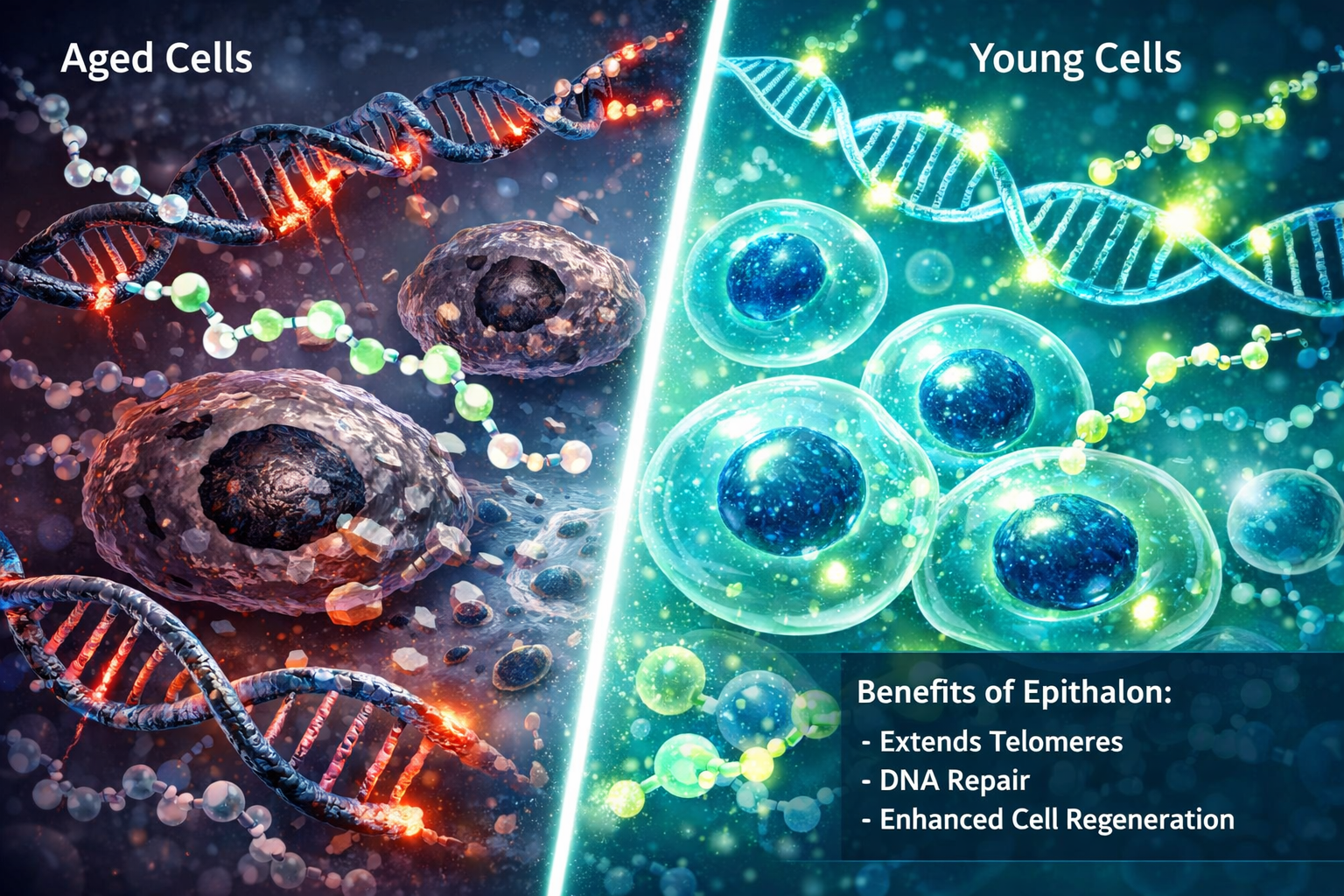
Unlike many anti-aging interventions that focus on symptom management, the potential benefits of epithalon target fundamental cellular mechanisms. Research has shown that this peptide can activate telomerase, the enzyme responsible for maintaining telomeres – the protective caps on chromosomes that naturally shorten with age [2].
The peptide's mechanism of action involves multiple pathways:
- Telomerase activation leading to telomere lengthening
- Epigenetic remodeling that restores youthful gene expression
- Antioxidant enzyme enhancement through Nrf2 pathway activation
- Circadian rhythm regulation via melatonin synthesis support
For those interested in exploring epithalon longevity research, understanding these mechanisms provides crucial insight into how this peptide may support healthy aging processes.
Cellular Mechanisms and Bioregulation
The bioregulator properties of epithalon set it apart from conventional peptide therapies. Rather than introducing external hormones or growth factors, epithalon appears to work by restoring cellular communication and optimizing existing biological processes [3].
Research has demonstrated that epithalon can bind to specific promoter regions in DNA, helping to loosen chromatin structure and enhance the cell's ability to repair genetic damage. This epigenetic influence may explain why the potential benefits of epithalon extend across multiple organ systems and cellular types.
The peptide's non-hormonal nature makes it particularly interesting for researchers studying aging interventions. Unlike anabolic compounds that may disrupt natural hormone balance, epithalon appears to work within existing physiological frameworks to optimize cellular function.
Primary Health Benefits and Research Findings
Telomere Lengthening and Cellular Longevity
One of the most significant discoveries regarding the potential benefits of epithalon relates to its impact on telomeres. In groundbreaking research, scientists found that epithalon could activate telomerase and extend telomeres in human cells, effectively extending their replicative lifespan beyond the normal Hayflick limit [2].
This telomere support mechanism offers several potential advantages:
- Extended cellular lifespan without loss of function
- Preservation of youthful cellular morphology
- Maintained cellular repair capabilities
- Reduced cellular senescence markers
Studies on human gingival and periodontal stem cells showed that epithalon treatment significantly reduced aging markers such as p16 and p21 while simultaneously decreasing reactive oxygen species (ROS) levels [2]. These findings suggest that the peptide may help maintain cellular health across various tissue types.
For researchers interested in comparing different longevity interventions, examining epithalon vs NAD evidence provides valuable insights into different approaches to cellular health support.
Antioxidant Defense and Cellular Protection
The potential benefits of epithalon extend significantly into cellular protection mechanisms. Research has demonstrated that epithalon can boost key antioxidant enzymes through Nrf2 pathway activation, leading to documented reductions in intracellular ROS and improved mitochondrial membrane potential in human skin fibroblasts [2].
Key antioxidant benefits include:
| Mechanism | Effect | Research Finding |
|---|---|---|
| Nrf2 Activation | Enhanced antioxidant enzyme production | Increased cellular protection against oxidative stress |
| ROS Reduction | Lower reactive oxygen species levels | Improved cellular health markers |
| Mitochondrial Support | Better membrane potential | Enhanced cellular energy production |
| DNA Protection | Reduced oxidative DNA damage | Improved genetic stability |
This comprehensive antioxidant support may explain why epithalon research shows benefits across multiple organ systems. The peptide's ability to enhance the body's natural defense mechanisms rather than simply providing external antioxidants represents a sophisticated approach to cellular protection.
Many researchers exploring peptide combinations find value in understanding how epithalon works alongside other compounds. Those interested in popular peptide products often investigate synergistic approaches to longevity support.
Circadian Rhythm Restoration and Sleep Quality
Another fascinating aspect of the potential benefits of epithalon involves its impact on circadian rhythms and sleep regulation. Research has shown that epithalon can stimulate melatonin synthesis, protect pineal gland structure, and help re-entrain clock genes, potentially countering age-related circadian drift [2].
The circadian benefits include:
- Enhanced melatonin production for better sleep quality
- Pineal gland protection against age-related degeneration
- Clock gene optimization for improved circadian timing
- Sleep-wake cycle stabilization in aging populations
This circadian support is particularly significant because disrupted sleep patterns are strongly associated with accelerated aging and increased disease risk. By helping to maintain healthy circadian rhythms, epithalon may provide indirect benefits for overall health and longevity.
The pineal gland rejuvenation effects are especially noteworthy, as research shows epithalon can selectively protect aged pinealocytes from degenerative changes. This tissue-specific rejuvenating effect suggests that the peptide may have targeted benefits for different organ systems [2].
Advanced Applications and Synergistic Effects
Immune System Rebalancing and Inflammatory Response
The potential benefits of epithalon include significant effects on immune system function, particularly in the context of aging-related immune decline. Research has demonstrated that epithalon can rebalance T-cell ratios and upregulate IL-2 in aged tissues, suggesting targeted immune recalibration rather than nonspecific stimulation [2].
Immune system benefits include:
- T-cell ratio optimization for improved immune balance
- IL-2 upregulation supporting healthy immune responses
- Reduced inflammatory markers associated with aging
- Enhanced immune surveillance capabilities
This immune rebalancing effect is particularly valuable because aging is often associated with chronic low-grade inflammation and declining immune function. By helping to restore more youthful immune parameters, epithalon may support overall health resilience.
The targeted nature of these immune effects is noteworthy – rather than broadly stimulating immune activity, epithalon appears to help restore balance to immune system function. This nuanced approach may explain why the peptide shows benefits without causing excessive immune activation.
For researchers exploring comprehensive approaches to health optimization, understanding how epithalon complements other interventions through peptide therapy benefits provides valuable context for protocol development.
Neuroprotective Potential and Cognitive Support
Emerging research suggests that the potential benefits of epithalon may extend to neuroprotection and cognitive support. Studies have shown evidence of the peptide supporting synaptic plasticity, providing oxidative DNA protection in neural tissues, and priming stem cells toward neurogenesis [2].
Neuroprotective mechanisms include:
- Synaptic plasticity enhancement for improved neural communication
- Oxidative stress protection in brain tissues
- Stem cell activation toward neuronal differentiation
- Neural repair pathway support for brain health maintenance
These neuroprotective effects are particularly significant given the increasing focus on cognitive health in aging populations. The ability to support both cellular protection and regenerative processes in neural tissues suggests that epithalon may offer comprehensive brain health benefits.
The stem cell priming effects are especially interesting, as they suggest that epithalon may help maintain the brain's capacity for repair and regeneration throughout the aging process. This could have important implications for maintaining cognitive function and neural resilience over time.
Epigenetic Remodeling and Gene Expression
One of the most sophisticated aspects of the potential benefits of epithalon involves its impact on epigenetic regulation and gene expression patterns. Research has shown that epithalon can bind to promoter regions and loosen chromatin structure to restore youthful gene expression patterns and enhance DNA repair capabilities [2].
This epigenetic influence manifests in several ways:
- Chromatin structure optimization for improved gene accessibility
- DNA repair enhancement through improved cellular machinery access
- Youthful gene expression restoration across multiple cellular pathways
- Cellular reprogramming support toward healthier phenotypes
The epigenetic effects of epithalon represent a particularly elegant approach to anti-aging intervention. Rather than simply adding external factors, the peptide helps cells remember and express their optimal functional patterns.
This mechanism may explain why epithalon shows benefits across such diverse biological systems – by optimizing gene expression at the cellular level, the peptide can support improved function in multiple organ systems simultaneously.
Researchers interested in exploring where to source quality epithalon for research purposes can find valuable information about where to buy epithalon online from reputable suppliers.
Research Applications and Future Directions
Current Research Limitations and Clinical Readiness
While the potential benefits of epithalon show considerable promise in preclinical research, it's important to acknowledge current limitations in clinical readiness. Without large-scale human trials, validated delivery methods, and comprehensive long-term safety data, epithalon remains experimental and not ready for mainstream clinical adoption [2].
Current research gaps include:
- Limited human clinical trials with small sample sizes
- Unclear optimal dosing protocols for different applications
- Unknown long-term safety profile in human populations
- Delivery method optimization for maximum bioavailability
These limitations don't diminish the excitement around epithalon research, but they do highlight the need for continued scientific investigation. The peptide's unique mechanisms and promising preclinical results make it an important subject for future clinical development.
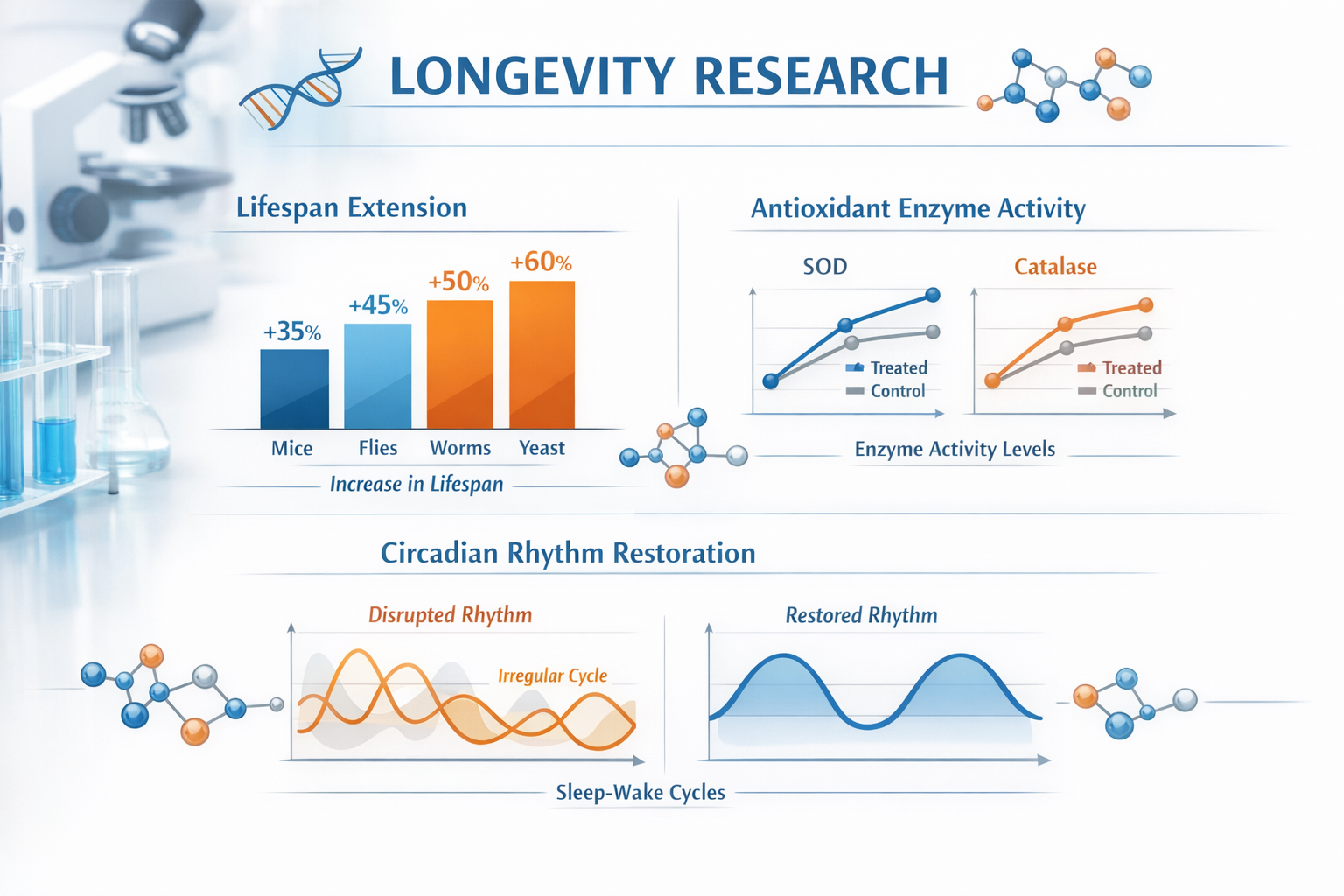
Early studies in animal models showed that epithalon could extend lifespan in mice by up to 25%, with improved physiological function in old age [1][3]. These findings provide a strong foundation for human research, but translating animal results to human applications requires careful clinical investigation.
Comparative Analysis with Other Longevity Interventions
Understanding the potential benefits of epithalon requires context within the broader landscape of longevity interventions. Unlike many anti-aging approaches that focus on single pathways or mechanisms, epithalon appears to work through multiple complementary systems simultaneously.
Comparison with other approaches:
| Intervention Type | Primary Mechanism | Epithalon Advantage |
|---|---|---|
| NAD+ Precursors | Mitochondrial support | Multi-system approach |
| Growth Hormone | Anabolic stimulation | Non-hormonal action |
| Antioxidant Supplements | ROS scavenging | Endogenous enzyme activation |
| Caloric Restriction | Metabolic optimization | Direct cellular reprogramming |
This multi-pathway approach may explain why epithalon research shows such diverse benefits. By working through telomere support, epigenetic remodeling, antioxidant enhancement, and circadian optimization simultaneously, the peptide may offer more comprehensive aging support than single-mechanism interventions.
For researchers exploring combination approaches, understanding how epithalon works alongside compounds like SS-31 peptide can provide insights into synergistic longevity strategies.
Quality Considerations and Research Standards
For researchers investigating the potential benefits of epithalon, ensuring peptide quality and purity is crucial for obtaining reliable results. The peptide's biological activity depends heavily on proper synthesis, storage, and handling procedures.
Quality factors for research applications:
- Peptide purity levels above 98% for research applications
- Proper storage conditions to maintain stability
- Third-party testing verification for composition and potency
- Sterile preparation methods for research protocols
The importance of quality cannot be overstated when working with bioactive peptides like epithalon. Impurities or degradation products can significantly impact research results and make it difficult to draw meaningful conclusions about the peptide's effects.
Researchers seeking high-quality epithalon for their studies can explore epithalon peptides for sale from established suppliers with comprehensive testing protocols.
Safety Profile and Considerations

Current Safety Data and Observed Effects
Based on available research, the potential benefits of epithalon appear to come with a relatively favorable safety profile, though comprehensive long-term human safety data remains limited. The peptide's non-hormonal mechanism of action may contribute to its apparent tolerability [1].
Observed safety characteristics:
- Non-anabolic nature reduces risk of hormonal disruption
- Bioregulator function works within natural physiological limits
- No reported serious adverse events in available studies
- Well-tolerated in research applications
The lack of hormonal activity is particularly significant for safety considerations. Unlike growth hormone or anabolic compounds that can disrupt natural hormone balance, epithalon appears to work by optimizing existing cellular processes rather than introducing foreign hormonal signals.
However, the limited scope of human research means that rare or long-term effects may not yet be fully characterized. This emphasizes the importance of continued research and careful monitoring in any research applications.
Research Protocol Considerations
For researchers investigating the potential benefits of epithalon, developing appropriate protocols requires careful consideration of multiple factors including dosing, timing, and monitoring parameters.
Protocol development considerations:
- Dosing optimization based on research objectives
- Administration timing for circadian and cellular effects
- Monitoring parameters for safety and efficacy assessment
- Duration considerations for different research endpoints
The complexity of epithalon's multi-system effects means that research protocols may need to assess multiple biomarkers simultaneously. This might include telomere length measurements, antioxidant enzyme levels, inflammatory markers, and circadian rhythm assessments.
Researchers developing protocols often benefit from understanding how epithalon compares with other research compounds. Those interested in exploring aging support peptides can find valuable information about different approaches to longevity research.
Conclusion
The potential benefits of epithalon represent a fascinating frontier in longevity research, offering a unique approach to cellular aging through multiple complementary mechanisms. From telomere lengthening and antioxidant enhancement to circadian rhythm restoration and immune system rebalancing, this tetrapeptide demonstrates remarkable versatility in supporting cellular health.
What sets epithalon apart from other anti-aging interventions is its sophisticated bioregulator function – working within natural physiological frameworks to optimize cellular processes rather than introducing external hormonal signals. The peptide's ability to influence epigenetic patterns, enhance DNA repair, and support cellular rejuvenation across multiple organ systems suggests a comprehensive approach to healthy aging.
However, it's crucial to acknowledge that epithalon remains in the research phase, with limited human clinical data and unknown long-term effects. While animal studies and preliminary human research show promising results, the scientific community continues to investigate optimal protocols, safety parameters, and clinical applications.
Next Steps for Researchers:
- Stay informed about emerging clinical research and safety data
- Develop rigorous protocols with appropriate monitoring parameters
- Source high-quality peptides from reputable suppliers with comprehensive testing
- Consider combination approaches with other well-researched longevity interventions
- Collaborate with experienced researchers in peptide therapy and longevity science
For those interested in exploring epithalon research, working with established suppliers who provide comprehensive peptide testing and documentation ensures the highest standards for research applications.
The future of epithalon research holds significant promise, with ongoing studies likely to provide clearer insights into optimal applications, dosing protocols, and long-term effects. As our understanding of this remarkable peptide continues to evolve, it may well become an important tool in the quest for healthy aging and cellular longevity.
References
[1] Epithalon Peptide Mechanism Benefits Research – https://polarispeptides.com/epithalon-peptide-mechanism-benefits-research/
[2] Epitalon – https://www.gethealthspan.com/research/article/epitalon
[3] Unlocking The Secrets Of Epitalon The Anti Aging Peptide Revolutionizing Longevity – https://swolverine.com/blogs/blog/unlocking-the-secrets-of-epitalon-the-anti-aging-peptide-revolutionizing-longevity
[4] Epithalon The Peptide Linked To Longevity And Cellular Renewal – https://pulseandremedy.com/anti-aging/epithalon-the-peptide-linked-to-longevity-and-cellular-renewal/
[5] Pmc12411320 – https://pmc.ncbi.nlm.nih.gov/articles/PMC12411320/
SEO Meta Title: Potential Benefits of Epithalon: Complete Research Guide 2026
SEO Meta Description: Discover the potential benefits of epithalon for longevity, telomere support, and cellular health. Comprehensive research guide with safety data and applications.
{“@context”:”https://schema.org”,”@type”:”Article”,”headline”:”potential benefits of epithalon”,”description”:” Discover the potential benefits of epithalon for longevity, telomere support, and cellular health. Comprehensive research guide with safety data and applicatio”,”image”:”https://zsxkvszxbhpwnvzxdydv.supabase.co/storage/v1/object/public/generated-images/kie/31368bcb-732d-491c-8204-2e91a913808f/slot-0-1770077507232.png”,”datePublished”:”2026-02-03T00:08:38.785619+00:00″,”dateModified”:”2026-02-03T00:12:00.766Z”,”author”:{“@type”:”Organization”,”name”:”PTP UPDATED 2.1.26″},”publisher”:{“@type”:”Organization”,”name”:”PTP UPDATED 2.1.26″}}