
PT-141 Peptide Research Applications: Comprehensive Scientific Overview for 2026
In the rapidly evolving landscape of peptide research, few compounds have generated as much scientific interest as PT-141 (Bremelanotide). This synthetic melanocortin receptor agonist has emerged as a groundbreaking research tool with applications spanning from sexual dysfunction treatment to metabolic regulation studies. PT-141 peptide research applications continue to expand as researchers uncover new therapeutic pathways and mechanisms of action that could revolutionize multiple areas of medicine and wellness optimization.
Key Takeaways
• PT-141 targets melanocortin receptors MC3R and MC4R in the hypothalamus, offering unique research opportunities for neurological and metabolic studies
• FDA-approved clinical trials involving over 1,200 participants have demonstrated significant efficacy in treating hypoactive sexual desire disorder (HSDD)
• Multiple research pathways are being explored, including applications for erectile dysfunction, metabolic regulation, and post-SSRI sexual dysfunction
• Peak plasma concentrations occur within 30-60 minutes with sustained receptor activation lasting 4-8 hours, making it ideal for controlled research protocols
• Future research directions include weight management, cancer prevention, and specialized population studies
Understanding PT-141: Molecular Foundation and Research Mechanisms
The Science Behind PT-141 Peptide Research Applications
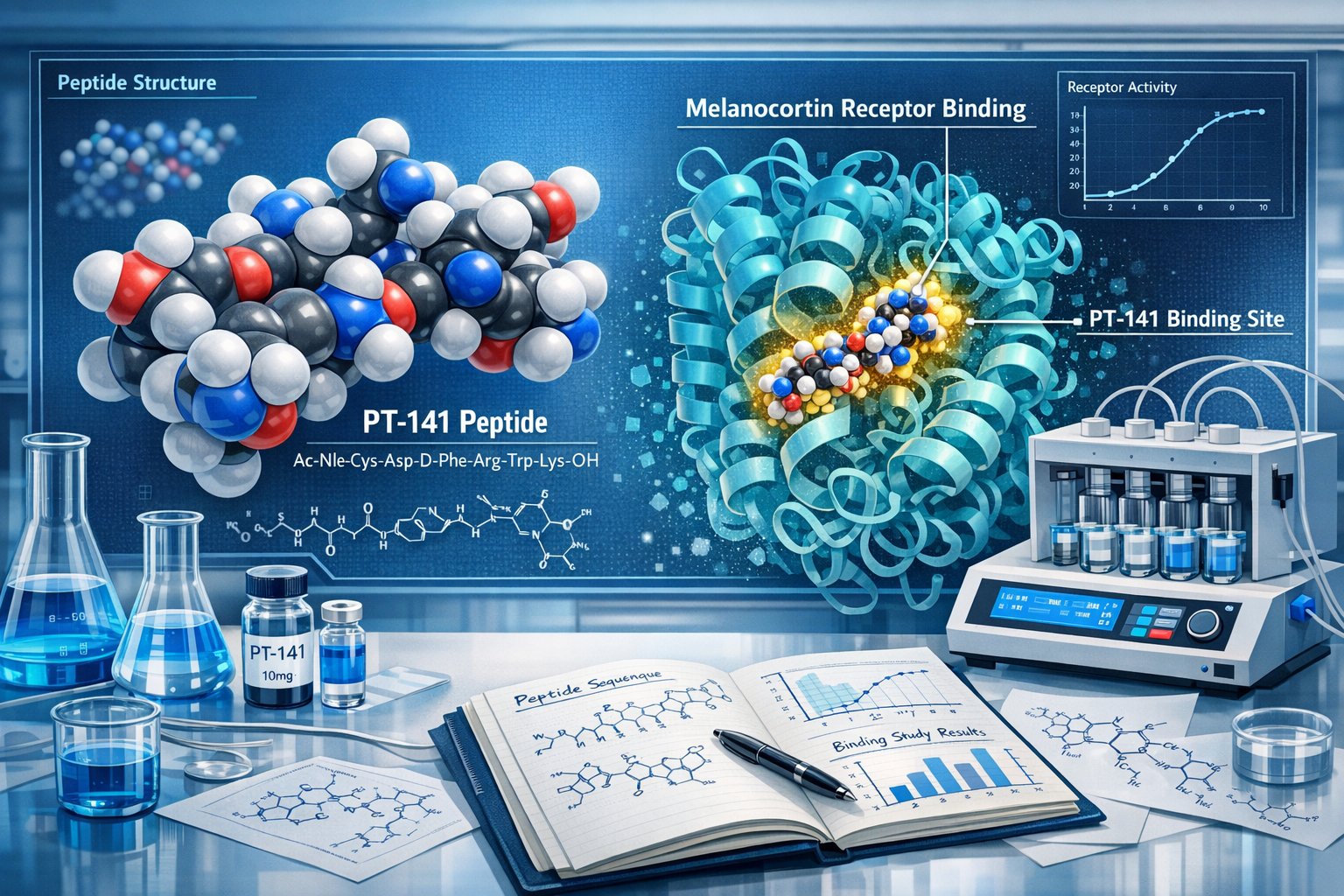
PT-141, also known as Bremelanotide, represents a significant advancement in melanocortin receptor research. This cyclic heptapeptide functions as a selective agonist for melanocortin-3 and melanocortin-4 receptors (MC3R and MC4R), which are primarily located in the hypothalamic region of the brain [1]. The unique molecular structure of PT-141 allows researchers to study central nervous system pathways that traditional peripheral-acting compounds cannot access.
The peptide's mechanism involves direct activation of hypothalamic pathways that regulate sexual arousal, appetite, and energy homeostasis. Unlike traditional treatments that focus on vascular mechanisms, PT-141 peptide research applications provide insights into central nervous system modulation of physiological responses [3].
Pharmacokinetic Properties in Research Settings
Research studies have established that PT-141 demonstrates rapid absorption and distribution characteristics that make it particularly valuable for controlled laboratory investigations. Peak plasma concentrations are achieved within 30-60 minutes of administration, with sustained receptor activation lasting 4-8 hours [1]. This pharmacokinetic profile allows researchers to:
- Monitor acute responses during the initial activation phase
- Study sustained effects throughout the 4-8 hour activation window
- Evaluate dose-response relationships with predictable timing
- Assess metabolic clearance patterns in various research models
The peptide's bioavailability and half-life characteristics have been extensively documented through FDA clinical trials, providing researchers with reliable pharmacokinetic data for experimental design [2].
For researchers interested in exploring cutting-edge peptide applications, our most popular products for sale include various research-grade compounds suitable for laboratory investigations.
Clinical Research Findings and FDA-Approved Applications
Landmark RECONNECT Trial Results
The most comprehensive PT-141 peptide research applications data comes from the FDA-approved RECONNECT trials, which enrolled 1,247 premenopausal women in randomized, double-blind, placebo-controlled studies [1]. These 24-week trials established PT-141 as the first FDA-approved treatment for acquired, generalized hypoactive sexual desire disorder (HSDD) in premenopausal women.
Key Research Findings:
- Statistically significant improvements in sexual desire scores compared to placebo
- Reduction in distress associated with low sexual desire
- Sustained efficacy throughout the 24-week study period
- Favorable safety profile with manageable side effects
The trial methodology provides a gold standard framework for researchers investigating PT-141's mechanisms and potential applications in related areas [4].
Neurochemical Pathway Research
Clinical studies have revealed that PT-141 peptide research applications involve multiple neurotransmitter systems, making it a valuable tool for neuroendocrine research. The compound's effects include:
🧠 Dopamine System Activation: Enhanced dopaminergic activity in reward pathways
🔬 Norepinephrine Release: Increased noradrenergic signaling affecting arousal states
💙 Oxytocin Stimulation: Promoted release of oxytocin, often called the "bonding hormone"
⚡ Melanocortin Pathway Modulation: Direct MC3R/MC4R receptor activation [1][3]
These multi-pathway effects make PT-141 particularly interesting for researchers studying the intersection of neurochemistry, behavior, and physiological regulation.
Expanding Clinical Research Applications
Beyond the initial FDA approval for HSDD, researchers are actively investigating PT-141 peptide research applications in several additional clinical areas:
Male Erectile Dysfunction Studies 📊
Current research protocols are evaluating PT-141's efficacy in treating erectile dysfunction through central nervous system mechanisms rather than traditional vascular approaches [1][7].
Post-SSRI Sexual Dysfunction Research 🔬
Studies are examining PT-141's potential to address sexual side effects caused by selective serotonin reuptake inhibitors, which affect millions of patients worldwide [1].
Postmenopausal Applications 👥
Research is expanding to include postmenopausal women, representing a significant unmet medical need in sexual health research [1].
For comprehensive insights into current peptide research trends, explore our detailed guide on what is new in peptide research.
Emerging Research Frontiers and Future Applications

Metabolic Research and Weight Management Studies
One of the most promising PT-141 peptide research applications involves metabolic regulation through melanocortin receptor pathways. The MC3R and MC4R receptors that PT-141 targets play crucial roles in energy homeostasis and appetite regulation [5]. Current research investigations include:
Hypothalamic Energy Balance Studies ⚖️
- Examination of PT-141's effects on satiety signaling
- Research into metabolic rate modulation through central pathways
- Investigation of appetite suppression mechanisms
Body Composition Research 💪
- Studies on fat mass reduction through central nervous system pathways
- Research into lean muscle preservation during weight management protocols
- Investigation of metabolic flexibility improvements
The connection between sexual health and metabolic function provides researchers with unique opportunities to study integrated physiological systems using PT-141 as a research tool [5].
Specialized Population Research
PT-141 peptide research applications are expanding to include specialized populations with unique physiological challenges:
Diabetes-Related Sexual Dysfunction 🩺
Research protocols are investigating PT-141's efficacy in individuals with diabetes-related sexual health issues, where traditional treatments often prove inadequate [1].
Spinal Cord Injury Studies 🧬
Clinical researchers are exploring PT-141's potential in populations with spinal cord injuries, where central nervous system approaches may offer advantages over peripheral treatments [1].
Cancer Survivorship Research 🎗️
Early-stage investigations are examining PT-141's role in addressing sexual dysfunction among cancer survivors, particularly those who have undergone treatments affecting hormonal pathways [1].
These specialized applications highlight the versatility of PT-141 as a research compound and its potential to address unmet medical needs across diverse populations.
For researchers interested in comprehensive peptide research approaches, our longevity peptide research section provides valuable insights into multi-pathway therapeutic strategies.
Novel Research Directions and Investigational Applications
Cancer Prevention Research 🔬
Preliminary research is exploring potential cancer prevention applications of melanocortin receptor modulation, though these studies remain in early investigational phases [5].
Cognitive Function Studies 🧠
Some researchers are investigating whether PT-141 peptide research applications might extend to cognitive enhancement through melanocortin pathway activation, particularly in areas related to motivation and reward processing.
Addiction Research 📚
The dopaminergic effects of PT-141 have sparked interest in addiction research applications, where understanding reward pathway modulation could provide insights into treatment approaches.
Research Methodology and Protocol Development
Dosing Research Protocols 📊
Current studies are refining optimal dosing strategies for different research applications:
- Acute response studies: Single-dose protocols for immediate effect research
- Chronic administration research: Long-term studies examining sustained effects
- Dose-escalation studies: Research into optimal dosing ranges for various applications
Biomarker Development 🔬
Researchers are developing biomarkers for PT-141 research, including:
- Hormonal response indicators
- Neurochemical activity markers
- Physiological response measurements
- Behavioral assessment tools
The expanding scope of PT-141 peptide research applications continues to provide new opportunities for scientific investigation across multiple disciplines, from neuroscience to endocrinology to behavioral research.
For researchers seeking high-quality peptides for their investigations, our most popular products for sale collection includes research-grade compounds with comprehensive documentation and quality assurance.
Research Considerations and Safety Protocols
Laboratory Safety and Handling Procedures
When conducting PT-141 peptide research applications, proper laboratory safety protocols are essential for maintaining research integrity and personnel safety. Research-grade PT-141 requires specific handling procedures due to its potent biological activity and peptide structure sensitivity.
Storage and Stability Requirements ❄️
- Temperature control: Maintain at -20°C for long-term storage
- Reconstitution protocols: Use sterile bacteriostatic water for research preparations
- Light protection: Store in amber vials to prevent photodegradation
- pH considerations: Maintain appropriate pH levels to preserve peptide integrity
Research Documentation Standards 📋
Comprehensive documentation is crucial for PT-141 peptide research applications:
- Chain of custody: Maintain detailed records of peptide sourcing and handling
- Batch tracking: Document lot numbers and purity certificates
- Storage logs: Record temperature and environmental conditions
- Usage tracking: Monitor consumption and remaining quantities
Regulatory Compliance in Research Settings
Research institutions conducting PT-141 peptide research applications must adhere to strict regulatory guidelines established by various oversight bodies.
Institutional Review Board (IRB) Requirements 🏛️
- Protocol approval: Obtain IRB approval for human subject research
- Informed consent: Develop comprehensive consent procedures
- Risk assessment: Document potential risks and mitigation strategies
- Monitoring protocols: Establish ongoing safety monitoring procedures
Good Laboratory Practice (GLP) Standards ⚙️
- Quality assurance: Implement QA systems for research integrity
- Data integrity: Maintain accurate and verifiable research records
- Personnel training: Ensure proper training for all research staff
- Equipment validation: Verify proper calibration and function of research equipment
For researchers seeking reliable sources of research-grade peptides, our quality testing protocols ensure compliance with the highest laboratory standards.
Research Design Considerations
Study Population Selection 👥
Effective PT-141 peptide research applications require careful consideration of study populations:
- Inclusion criteria: Define appropriate participant characteristics
- Exclusion criteria: Identify contraindications and risk factors
- Sample size calculations: Determine adequate power for statistical significance
- Demographic considerations: Account for age, gender, and health status variables
Outcome Measurement Strategies 📊
Research protocols should include validated assessment tools:
- Physiological markers: Blood pressure, heart rate, hormonal levels
- Behavioral assessments: Standardized questionnaires and rating scales
- Biomarker analysis: Neurotransmitter levels and receptor activity
- Safety monitoring: Adverse event tracking and reporting systems
The complexity of PT-141 peptide research applications requires multidisciplinary approaches combining endocrinology, neuroscience, and behavioral research methodologies.
Future Directions and Research Opportunities

Technological Advances in PT-141 Research
The future of PT-141 peptide research applications is being shaped by technological advances that enable more sophisticated research approaches and deeper mechanistic understanding.
Advanced Imaging Technologies 🔬
- Functional MRI studies: Real-time brain activity monitoring during PT-141 administration
- PET scan research: Receptor occupancy studies using radioligand imaging
- Molecular imaging: Visualization of melanocortin receptor distribution and activation
Genomic Research Applications 🧬
- Pharmacogenomic studies: Investigation of genetic factors affecting PT-141 response
- Receptor polymorphism research: Analysis of MC3R/MC4R genetic variations
- Personalized medicine approaches: Development of individualized treatment protocols
Combination Therapy Research
Researchers are increasingly exploring PT-141 peptide research applications in combination with other therapeutic compounds to enhance efficacy and expand treatment options.
Synergistic Peptide Combinations 💊
- Growth hormone research: Combining PT-141 with growth hormone-releasing peptides
- Metabolic peptide studies: Integration with GLP-1 agonists for comprehensive metabolic research
- Neuropeptide research: Combination studies with other neuroactive peptides
For researchers interested in exploring peptide combinations, our peptide blends research section provides insights into multi-compound approaches.
Lifestyle Intervention Integration 🏃♀️
- Exercise research: Studying PT-141 effects in combination with physical activity protocols
- Nutritional research: Integration with dietary interventions for metabolic studies
- Behavioral therapy research: Combination with psychological interventions
Emerging Therapeutic Targets
Neurological Disorder Research 🧠
Future PT-141 peptide research applications may expand into neurological conditions where melanocortin pathways play important roles:
- Depression research: Investigation of PT-141's effects on mood regulation
- Anxiety studies: Research into anxiolytic properties through central mechanisms
- Neurodegenerative research: Exploration of neuroprotective effects
Aging and Longevity Research ⏰
The intersection of sexual health, metabolic function, and aging presents opportunities for PT-141 peptide research applications in longevity studies:
- Healthy aging research: Investigation of PT-141's role in maintaining vitality
- Hormonal optimization: Studies on age-related hormonal decline
- Quality of life research: Assessment of PT-141's impact on overall well-being
For comprehensive insights into aging research, explore our longevity peptide research overview.
Global Research Initiatives
International Collaboration 🌍
- Multi-center studies: Collaborative research across different populations and regions
- Regulatory harmonization: Standardization of research protocols internationally
- Data sharing initiatives: Development of global databases for PT-141 research
Translational Research Opportunities 🔄
- Bench-to-bedside studies: Translation of laboratory findings to clinical applications
- Real-world evidence: Collection of data from clinical practice settings
- Population health research: Large-scale epidemiological studies
The expanding scope of PT-141 peptide research applications continues to create new opportunities for scientific discovery and therapeutic development, positioning this compound at the forefront of peptide research innovation.
Conclusion
The landscape of PT-141 peptide research applications represents one of the most dynamic and promising areas in contemporary peptide science. From its FDA-approved applications in treating hypoactive sexual desire disorder to emerging research in metabolic regulation and specialized populations, PT-141 continues to demonstrate remarkable versatility as a research compound.
The comprehensive clinical data from over 1,200 participants in FDA trials provides a solid foundation for expanding research applications, while the compound's unique mechanism of action through melanocortin receptors opens doors to novel therapeutic approaches. As research methodologies advance and our understanding of central nervous system pathways deepens, PT-141 peptide research applications are poised to contribute significantly to multiple areas of medical science.
Actionable Next Steps for Researchers
🔬 Begin with Literature Review: Conduct a thorough review of current PT-141 research to identify gaps and opportunities in your area of interest.
📋 Develop Research Protocols: Design comprehensive research protocols that incorporate proper safety measures, regulatory compliance, and validated outcome measures.
🤝 Establish Collaborations: Connect with other researchers and institutions to leverage expertise and resources for more robust studies.
📊 Implement Quality Assurance: Ensure access to research-grade PT-141 from reputable suppliers with comprehensive quality documentation and testing protocols.
The future of PT-141 peptide research applications depends on continued rigorous scientific investigation, innovative research approaches, and collaborative efforts across disciplines. As we advance into 2026 and beyond, this remarkable peptide will undoubtedly continue to unlock new possibilities in medical research and therapeutic development.
For researchers ready to begin their PT-141 investigations, access to high-quality research compounds and comprehensive support resources will be essential for achieving meaningful scientific outcomes and advancing our understanding of this fascinating peptide's potential.
References
[1] Pt 141 – https://www.paragonsportsmedicine.com/peptides/pt-141
[2] Pt 141 Bremelanotide Guide – https://1stoptimal.com/pt-141-bremelanotide-guide/
[3] Pt 141 Mechanisms – https://www.peptidesciences.com/peptide-research/pt-141-mechanisms
[4] Exploring Pt 141 Peptide Unveiling Its Benefits And Side Effects – https://valhallavitality.com/blog/exploring-pt-141-peptide-unveiling-its-benefits-and-side-effects
[5] Pt 141 Benefits Uses Side Effects – https://conciergemdla.com/blog/pt-141-benefits-uses-side-effects/
[6] Pt 141 Peptide Overview And Research Applications – https://www.corepeptides.com/pt-141-peptide-overview-and-research-applications/
[7] Pt 141 Bremelanotide Sexual Dysfunction Women Men Erectile Dyfunction Ed – https://tccompound.com/pt-141-bremelanotide-sexual-dysfunction-women-men-erectile-dyfunction-ed/
[8] What Is Pt 141 Learn About The Peptide For Unlocking Desire Amp Vitality – https://stemshealthregenerativemedicine.com/blog/what-is-pt-141-learn-about-the-peptide-for-unlocking-desire-amp-vitality/
SEO Meta Title: PT-141 Peptide Research Applications | Scientific Guide 2026
SEO Meta Description: Comprehensive guide to PT-141 peptide research applications including FDA trials, mechanisms, clinical findings, and emerging therapeutic applications for researchers.
{“@context”:”https://schema.org”,”@type”:”Article”,”headline”:”- “pt-141 peptide research applications””,”description”:”!Professional landscape format (1536×1024) hero image featuring bold text overlay ‘PT-141 Peptide Research Applications’ in extra large 72pt (https://zsxkvszxbh”,”image”:”https://zsxkvszxbhpwnvzxdydv.supabase.co/storage/v1/object/public/generated-images/kie/fe8de8d5-bb27-47a3-aab6-3367626beead/slot-0-1770266893054.png”,”datePublished”:”2026-02-05T04:45:39.203043+00:00″,”dateModified”:”2026-02-05T04:49:10.113Z”,”author”:{“@type”:”Organization”,”name”:”PTP UPDATED 2.1.26″},”publisher”:{“@type”:”Organization”,”name”:”PTP UPDATED 2.1.26″}}