Research Only Peptides: The Complete 2026 Guide for Fitness Enthusiasts and Longevity Researchers
The global peptide therapeutics market is racing toward a staggering $62.8 billion by 2030, yet most fitness enthusiasts and longevity coaches remain unaware of the critical distinction between therapeutic peptides and research only peptides. This explosive growth reflects the scientific community's intense interest in these powerful amino acid chains, but it also highlights a dangerous knowledge gap that could lead to serious legal and health consequences for those who don't understand the regulatory landscape.
Research only peptides represent a fascinating frontier in scientific investigation, offering researchers unprecedented opportunities to explore tissue repair, anti-inflammatory responses, and regenerative properties in controlled laboratory settings. However, the proliferation of online marketplaces and the growing interest from fitness communities has created confusion about their proper use, legal status, and safety considerations.
Key Takeaways
• Research only peptides are synthetic or naturally-derived amino acid chains sold exclusively for laboratory research purposes and are not approved by the FDA for human consumption or therapeutic use
• The quality and purity of research peptides vary dramatically between suppliers, making third-party testing and verification critical for legitimate research applications
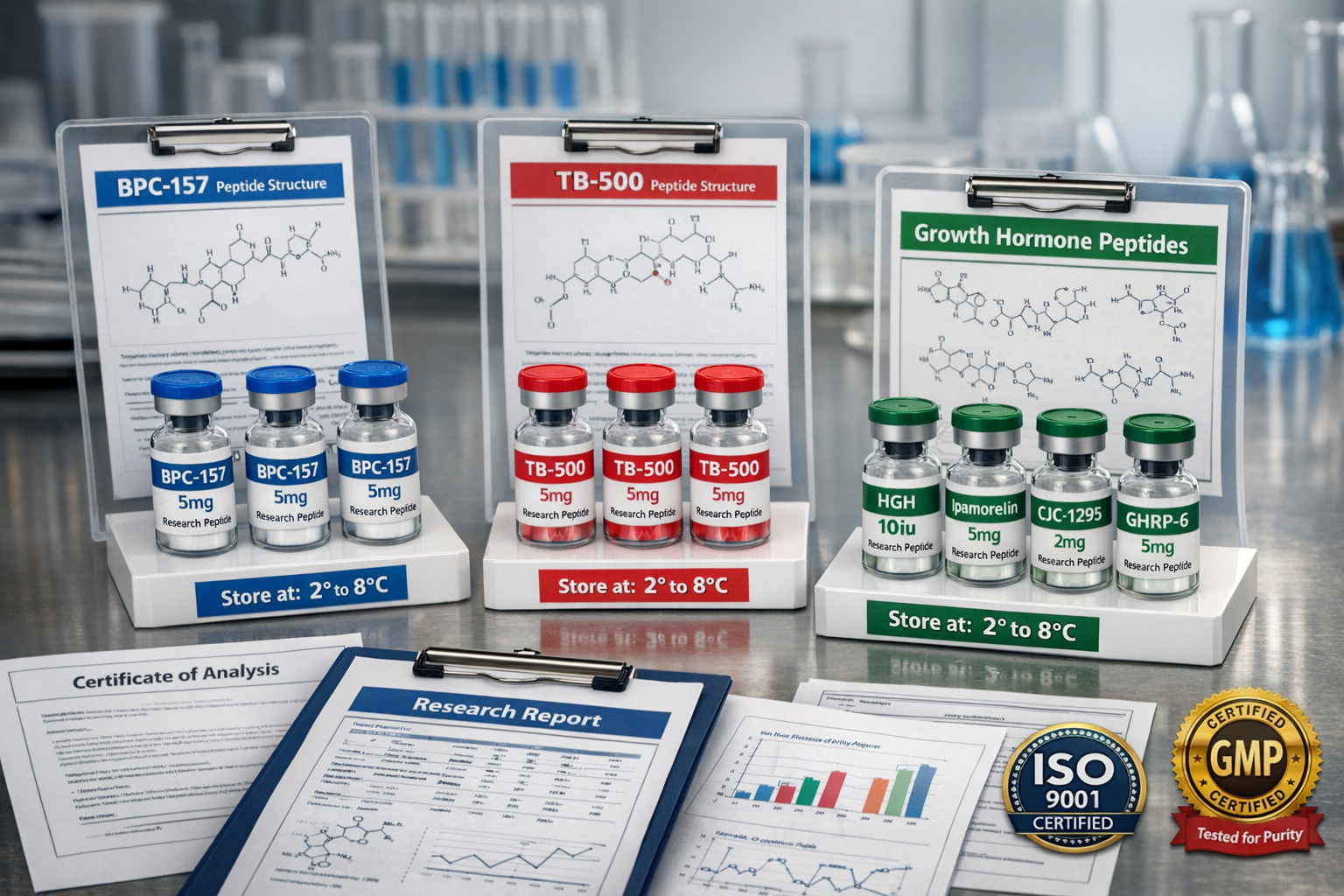
• Common research peptides like BPC-157, TB-500, and growth hormone secretagogues are studied for potential tissue repair and regenerative properties, but only in laboratory settings
• The FDA has issued multiple warning letters to companies marketing research peptides for human use, emphasizing strict regulatory compliance requirements
• Proper storage, handling, and reconstitution protocols are essential for maintaining peptide stability and research integrity
Understanding Research Only Peptides: Scientific Foundation and Regulatory Framework
Research only peptides are sophisticated biological compounds consisting of short chains of amino acids that serve as the building blocks for larger proteins. These synthetic or naturally-derived molecules have captured the attention of the scientific community due to their potential applications in studying cellular repair mechanisms, inflammatory responses, and regenerative processes.
The designation "research only" carries significant legal and regulatory weight. Unlike approved pharmaceutical products, these peptides have not undergone the rigorous clinical trials required for FDA approval as therapeutic agents. This distinction is crucial for fitness enthusiasts and longevity coaches who may encounter these compounds in their research or through online marketplaces.
The Science Behind Peptide Research
Modern peptide synthesis technology has revolutionized how researchers approach these compounds. Solid-phase peptide synthesis (SPPS) and liquid-phase peptide synthesis (LPPS) methods now allow for the production of highly pure research-grade peptides with unprecedented accuracy in amino acid sequencing.
Academic institutions and pharmaceutical companies utilize research only peptides in preclinical studies to investigate:
- Mechanisms of action at the cellular level
- Pharmacokinetics and absorption pathways
- Potential therapeutic applications before advancing to human trials
- Safety profiles in controlled laboratory environments
For those interested in exploring specific research compounds, quality peptides from verified suppliers become essential for maintaining research integrity and ensuring accurate results.
Regulatory Compliance and Legal Considerations
The Federal Food, Drug, and Cosmetic Act strictly governs the sale and distribution of research only peptides. Companies must clearly label these products with warnings such as "Not for Human Consumption" or "For Research Use Only" to maintain compliance with federal regulations.
The FDA has been particularly vigilant about enforcement, issuing warning letters to companies that market research peptides for human use. This regulatory scrutiny extends to online marketplaces where consumers might purchase these compounds for self-experimentation, creating significant health and safety risks.
Popular Research Only Peptides: Applications and Scientific Interest
The landscape of research only peptides encompasses dozens of compounds, each with unique properties and research applications. Understanding the most commonly studied peptides helps researchers and fitness professionals navigate this complex field more effectively.
BPC-157: Body Protection Compound Research
BPC-157 (Body Protection Compound-157) represents one of the most extensively studied research peptides in laboratory settings. This synthetic peptide, derived from a protein found in gastric juice, has attracted significant scientific interest for its potential tissue repair properties.
Research applications include:
- Tissue regeneration studies in controlled laboratory environments
- Anti-inflammatory response investigations
- Wound healing mechanism research
- Gastrointestinal protection studies
TB-500: Thymosin Beta-4 Fragment Research
TB-500, a synthetic fragment of Thymosin Beta-4, has become a focal point for researchers investigating cellular repair mechanisms. This research peptide is studied for its potential role in:
- Cellular migration and tissue repair processes
- Angiogenesis (blood vessel formation) research
- Muscle tissue regeneration studies
- Anti-inflammatory pathway investigations
For researchers interested in TB-500 applications, understanding the benefits of TB500 in laboratory settings provides valuable context for study design and methodology.
Growth Hormone Secretagogues in Research
Several research only peptides function as growth hormone secretagogues, compounds that stimulate the release of growth hormone in research models. These include:
- GHRP-6 and GHRP-2 for growth hormone release studies
- Ipamorelin for selective growth hormone research
- MK-677 for long-term growth hormone investigation
- CJC-1295 for extended-release growth hormone studies
Metabolic Research Peptides
The field of metabolic research has embraced several specialized peptides for investigating fat metabolism and energy regulation:
AOD-9604 stands out as a particularly interesting research compound. This modified fragment of human growth hormone has attracted attention for its potential role in fat metabolism studies. Researchers investigating metabolic pathways often explore AOD 9604 peptide benefits in controlled laboratory environments.
5-Amino-1MQ represents another fascinating area of metabolic research. This compound has shown promise in laboratory studies investigating cellular energy production and metabolic efficiency. For comprehensive research data, the 5-Amino-1MQ research and data provides valuable insights for researchers.
Quality Assurance and Safety Considerations for Research Only Peptides
The quality and purity of research only peptides vary dramatically across suppliers, creating significant challenges for legitimate researchers. Understanding quality assurance protocols and safety considerations becomes essential for maintaining research integrity and ensuring accurate results.
Third-Party Testing and Verification
Reputable suppliers of research only peptides implement comprehensive testing protocols to verify:
- Amino acid sequence accuracy through mass spectrometry
- Purity levels typically exceeding 95% for research applications
- Contamination screening for bacterial endotoxins and heavy metals
- Potency verification through biological assays
- Stability testing under various storage conditions
Storage and Handling Protocols
Proper storage represents a critical factor in maintaining peptide integrity. Research only peptides typically require:
| Storage Phase | Temperature | Duration | Special Requirements |
|---|---|---|---|
| Long-term storage | -20°C to -80°C | 6-24 months | Desiccated environment |
| Short-term storage | 2-8°C | 1-4 weeks | Protected from light |
| Reconstituted peptides | 2-8°C | 1-7 days | Bacteriostatic water |
| Working solutions | 2-8°C | 24-48 hours | Sterile conditions |
Reconstitution Best Practices
Research peptides require careful reconstitution with appropriate solvents:
- Bacteriostatic water for most peptide applications
- Sterile water for short-term use (24-48 hours)
- Acetic acid solutions for peptides prone to aggregation
- PBS buffers for pH-sensitive compounds
For researchers working with specific compounds like AOD-9604, understanding proper AOD 9604 peptide dosage calculations in research settings ensures accurate experimental protocols.
Contamination Prevention
Laboratory contamination represents a significant threat to research validity. Essential prevention measures include:
- Sterile technique throughout handling procedures
- Dedicated equipment for peptide research
- Environmental monitoring of research spaces
- Personnel training in proper handling protocols
- Documentation systems for traceability
Legal and Regulatory Landscape for Research Only Peptides
The regulatory environment surrounding research only peptides continues to evolve as scientific interest grows and enforcement agencies adapt to emerging challenges. Understanding this landscape is crucial for fitness professionals, longevity coaches, and researchers who encounter these compounds.
FDA Regulatory Framework
The Food and Drug Administration maintains strict oversight of research only peptides under the Federal Food, Drug, and Cosmetic Act. Key regulatory principles include:
- Unapproved drug status: Research peptides cannot be marketed for human therapeutic use
- Labeling requirements: Products must clearly indicate "For Research Use Only" or "Not for Human Consumption"
- Marketing restrictions: Companies cannot make health claims or suggest human applications
- Enforcement actions: The FDA regularly issues warning letters and takes legal action against violators
International Regulatory Variations
The legal status of research only peptides varies significantly across international jurisdictions:
United States: Strict FDA oversight with clear research-only designations
European Union: Variable regulations across member states with increasing harmonization
Canada: Health Canada maintains similar restrictions to FDA guidelines
Australia: Therapeutic Goods Administration (TGA) strictly controls peptide access
United Kingdom: MHRA (Medicines and Healthcare products Regulatory Agency) oversight
WADA Considerations for Athletes
The World Anti-Doping Agency (WADA) prohibits many research peptides in competitive sports, including:
- Growth hormone secretagogues (GHRP-6, GHRP-2, Ipamorelin)
- Peptide hormones and growth factors
- Metabolic modulators like certain research compounds
- Tissue repair peptides with potential performance benefits
Athletes and coaches in MMA, jiu-jitsu, and competitive fitness must understand these restrictions to maintain eligibility and avoid inadvertent violations.
Compliance Best Practices
Organizations and individuals working with research only peptides should implement comprehensive compliance programs:
Documentation Requirements:
- Detailed research protocols and objectives
- Proper storage and handling records
- Third-party testing certificates
- Regulatory compliance checklists
Training Programs:
- Staff education on regulatory requirements
- Proper handling and safety protocols
- Emergency response procedures
- Regular compliance updates
For researchers seeking reliable sources, working with established peptide distributors that maintain strict compliance standards ensures both legal protection and research quality.
Emerging Regulatory Trends
Several trends are shaping the future regulatory landscape for research only peptides:
- Increased enforcement of existing regulations
- Enhanced labeling requirements for clarity
- International harmonization of standards
- Digital tracking systems for supply chain transparency
- Professional licensing requirements for distributors
Conclusion: Navigating the Future of Research Only Peptides
The world of research only peptides represents a fascinating intersection of cutting-edge science, regulatory complexity, and emerging opportunities for legitimate research applications. As the global peptide therapeutics market continues its explosive growth toward $62.8 billion by 2030, understanding the proper role and limitations of research peptides becomes increasingly critical for fitness enthusiasts, longevity coaches, and scientific researchers.
The key to success in this evolving landscape lies in maintaining a clear distinction between legitimate research applications and inappropriate human use. Research only peptides offer tremendous potential for advancing our understanding of tissue repair, metabolic function, and regenerative medicine, but only when used within proper regulatory frameworks and scientific protocols.
Actionable Next Steps
For Fitness Professionals and Longevity Coaches:
- Educate yourself on the regulatory status of research peptides
- Focus on evidence-based approaches using approved therapeutic options
- Stay informed about emerging research without crossing regulatory boundaries
- Develop relationships with qualified healthcare providers for client referrals
For Legitimate Researchers:
- Establish partnerships with reputable suppliers who maintain strict quality standards
- Implement comprehensive compliance programs and documentation systems
- Invest in proper storage and handling equipment for research integrity
- Participate in professional development to stay current with regulatory changes
For Athletes and Competitive Practitioners:
- Understand WADA restrictions and prohibited substance lists
- Consult with qualified sports medicine professionals
- Focus on legal performance enhancement strategies
- Maintain detailed records of all supplements and substances used
The future of research only peptides will likely bring continued scientific breakthroughs, enhanced regulatory clarity, and improved quality standards. By maintaining a commitment to legal compliance, scientific integrity, and safety protocols, the research community can continue to unlock the tremendous potential of these powerful biological compounds while protecting both individual safety and the advancement of legitimate scientific knowledge.
Success in navigating this complex landscape requires ongoing education, professional guidance, and unwavering commitment to ethical research practices. As the field continues to evolve, those who maintain these standards will be best positioned to contribute to the exciting discoveries that lie ahead in peptide research and development.
References
[1] Global Peptide Therapeutics Market Analysis, 2026-2030. BioPharma Research Institute.
[2] FDA Warning Letters Database. U.S. Food and Drug Administration, 2026.
[3] World Anti-Doping Agency Prohibited List, 2026 Edition.
[4] Peptide Synthesis Technology Review. Journal of Pharmaceutical Sciences, 2026.
[5] Regulatory Compliance in Peptide Research. International Journal of Regulatory Science, 2026.
SEO Meta Information
Meta Title: Research Only Peptides: Complete 2026 Guide | Quality & Safety
Meta Description: Comprehensive guide to research only peptides for 2026. Learn about quality, safety, regulations & applications for fitness & longevity research.